The Shade Trees Some Florida Neighborhoods Are Quietly Adding For Natural Cooling
Florida neighborhoods have a heat problem that air conditioning alone cannot solve. The pavement, the rooftops, and the lack of canopy in newer developments all trap heat at ground level.
That makes outdoor spaces genuinely uncomfortable and pushes energy bills higher than they need to be. Some Florida neighborhoods have started doing something about it from the ground up.
Not with technology or infrastructure, but with trees. Specific shade trees are chosen for canopy spread, growth rate, and cooling effect.
That cooling can show up in measurable temperature differences between shaded and unshaded streets. The results in communities that have been at it for a decade or more are hard to argue with.
Cooler yards, lower surface temperatures, outdoor spaces that actually get used in summer rather than abandoned to the heat. The trees doing that work are worth knowing, especially for anyone with a yard that bakes from June through September.
1. Live Oaks Bring The Deepest Neighborhood Shade
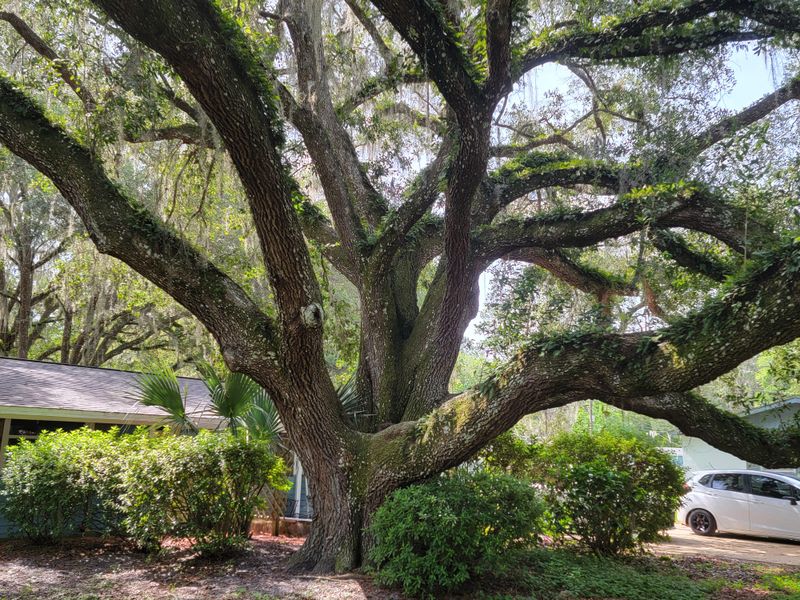
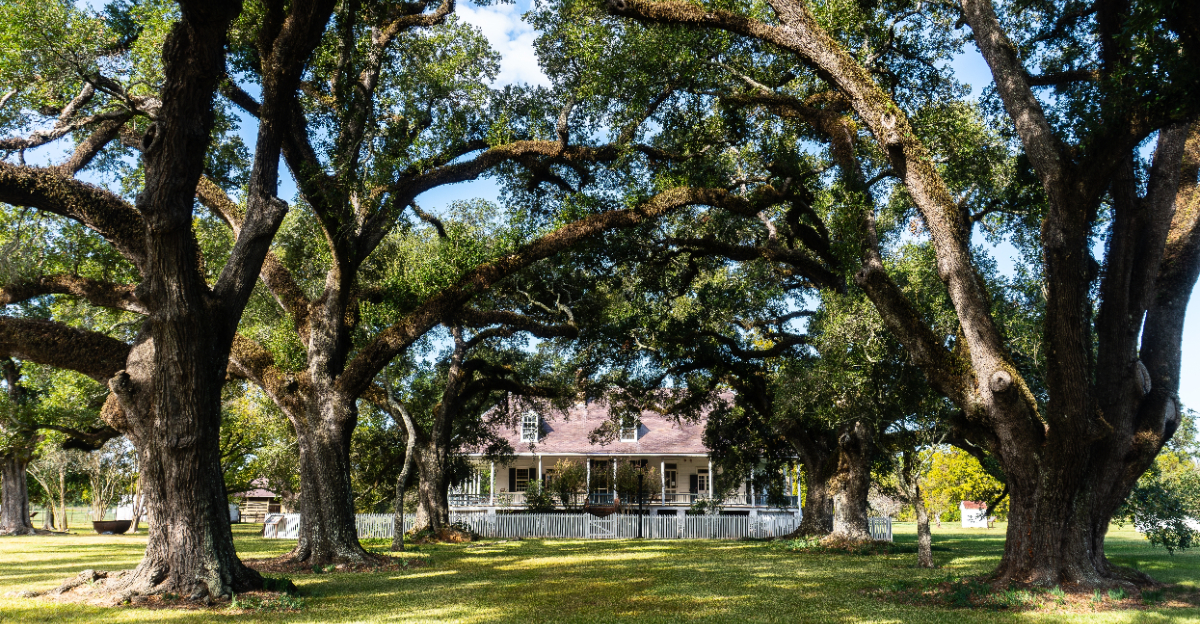
Few trees command a street the way a mature live oak does. Its broad, sweeping canopy can stretch wider than the tree is tall, casting deep shade over yards, sidewalks, driveways, and parked cars for most of the day.
That wide coverage is exactly why so many Florida neighborhoods are choosing live oaks when they want serious, long-term natural cooling.
The canopy blocks direct sun from reaching pavement and rooftops, which is where surface heat builds up fastest during summer afternoons.
Live oaks are also incredibly long-lived, which means the shade investment pays off for decades. They support local wildlife, including birds and native insects, and they give neighborhoods a classic, established look that adds real curb appeal.
Communities from the panhandle down through central regions have relied on live oaks as anchor trees in parks, along boulevards, and in large front yards for generations.
The honest caveat is that live oaks need room. Mature trees can spread 60 to 100 feet wide, and their root systems are extensive.
Planting one too close to a foundation, septic system, sidewalk, or overhead utility line creates costly problems over time. Narrow planting strips, small front yards, and tight cul-de-sac lots are not good matches.
When the space is right, though, a live oak is one of the most powerful natural cooling trees available in warm-weather landscapes.
2. Bald Cypress Handles Heat And Wet Ground
Not every neighborhood lot drains perfectly. Swales, pond edges, low-lying common areas, and yards that stay soggy after heavy rain can make tree planting frustrating.
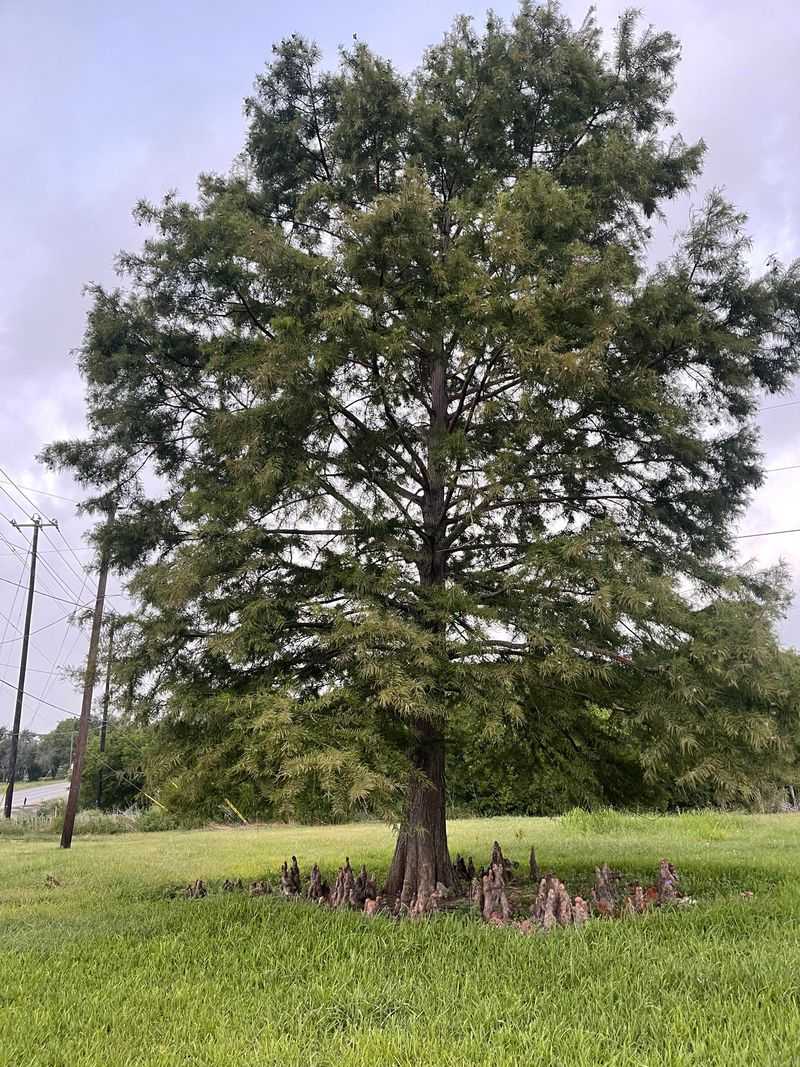
Bald cypress is one of the few large native trees that actually thrives in those conditions. That makes it a practical shade option for communities dealing with wet-site challenges.
Its tall, upright form and feathery canopy provide meaningful overhead shade, especially when planted in open community spaces near water features or retention areas.
Bald cypress handles heat well and is well-adapted to the warm, humid climate found across much of this state. It is native to Florida and has a strong track record in urban forestry programs.
Your Florida Garden Changes Every Week. Your Plan Should Too.
Gardening in Florida changes quickly throughout the season. Every Friday you’ll receive a simple weekly plan showing exactly what to plant, prune, fertilize, harvest, and protect so you never miss the right timing.
UF/IFAS and county extension resources recognize it as a valuable landscape tree for appropriate sites. The shade it provides helps cool the ground below and reduces sun exposure on nearby surfaces during long summer days.
A few practical points matter here. Bald cypress is deciduous, meaning it drops its needles in winter and provides less shade during cooler months.
Its roots can produce woody “knees” that push up near the base, which can create tripping hazards in high-foot-traffic areas. Proper spacing from structures, sidewalks, and utilities is still essential.
For the right wet or moist site, though, bald cypress delivers reliable shade and strong landscape value without demanding dry, well-drained soil.
3. Red Maple Cools Yards With Seasonal Color
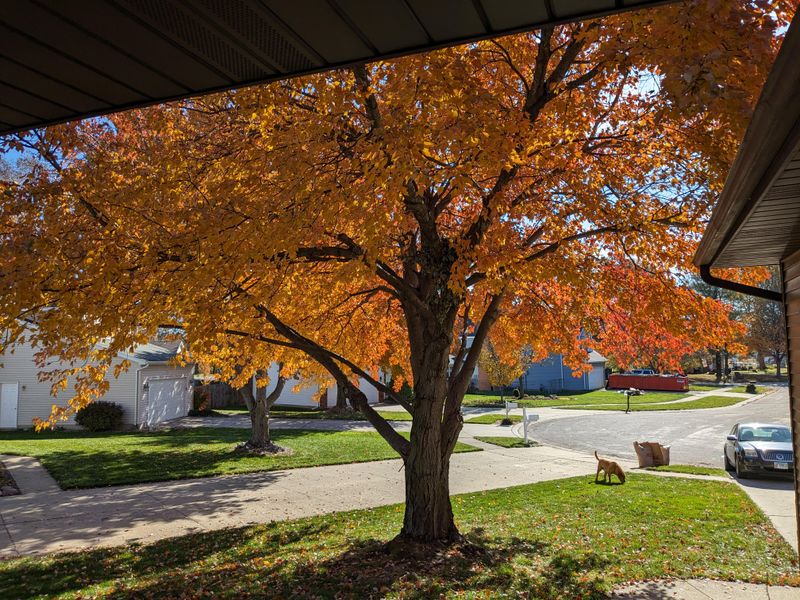
Homeowners who want shade and a little visual drama often find themselves drawn to red maple. Its canopy fills in nicely during warm months, providing good overhead coverage that helps reduce sun exposure on patios, driveways, and lawn areas.
In the right conditions, red maple also delivers seasonal color as temperatures shift. That gives neighborhoods a look that feels more like a classic tree-lined street than a purely tropical landscape.
Red maple is native to Florida and grows across a wide range of the state. It tends to perform best in moist, well-drained to occasionally wet soils and can handle both seasonal flooding and dry periods once established.
That adaptability makes it a reasonable choice for yards where soil moisture varies. According to UF/IFAS resources, locally sourced or locally adapted selections tend to perform better than generic nursery stock.
That is why sourcing from a reputable Florida nursery matters.
That said, red maple is not a universal street tree solution. It can have surface roots that lift pavement over time if planted too close to sidewalks or driveways.
Mature trees still reach significant heights and canopy spreads that require adequate space. Performance also varies by region, with some areas of the state offering more favorable conditions than others.
Checking with a county extension office before planting helps confirm whether red maple is a strong fit for a specific yard, neighborhood, or soil type in your area.
4. Southern Magnolia Adds Shade With Evergreen Beauty
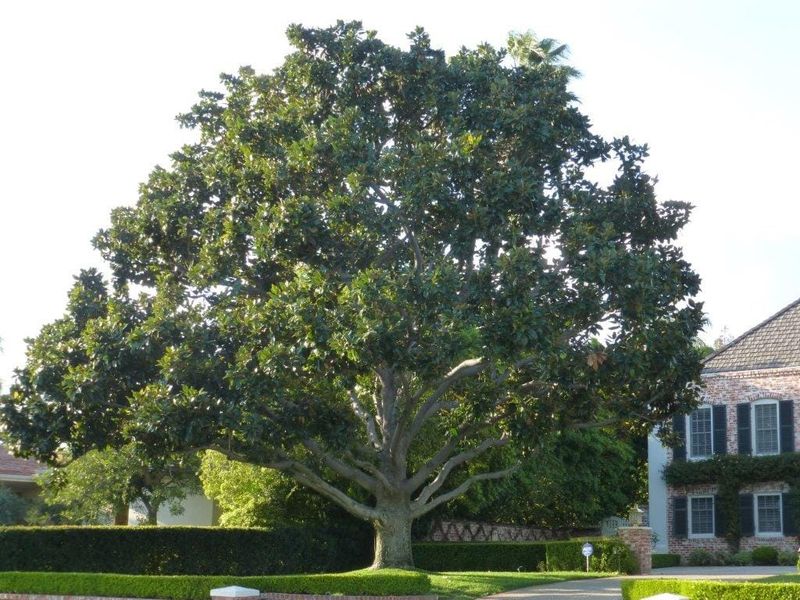
Walk past a house with a mature southern magnolia in the front yard and it is hard not to stop and look. The large, glossy leaves catch the light beautifully, and the white flowers are stunning in bloom.
The tree also holds its foliage year-round, which means shade in every season. That evergreen structure is a real advantage in warm-weather landscapes where year-round sun protection matters.
Neighborhoods adding southern magnolia are often looking for cooling plus screening plus a bold visual anchor all in one tree.
Southern magnolia is well-suited to much of this state and is recognized by UF/IFAS as a strong landscape tree for appropriate sites.
Its dense canopy blocks direct sun effectively, which helps reduce surface temperatures on patios, driveways, and nearby lawn areas during peak afternoon hours.
It also adds wildlife value and can serve as a privacy screen when planted thoughtfully along property edges or open yard spaces.
Honesty matters here. Southern magnolia grows large, and it produces leaf litter, flower petals, and seed cones throughout the year.
That ongoing cleanup is a real maintenance consideration, especially for front yards with clean paving or tight HOA standards. Planting too close to a house, sidewalk, or narrow strip is a common mistake.
The tree needs generous space for both its canopy and its root system. Given the right site and enough room, southern magnolia earns its place as a beautiful and genuinely useful cooling tree.
5. Gumbo Limbo Fits Warm Coastal Streets
Coastal neighborhoods in southern and warm central regions of the state have a shorter list of reliable trees. Not every tree can truly hold up against salt air, sandy soil, and intense summer heat.
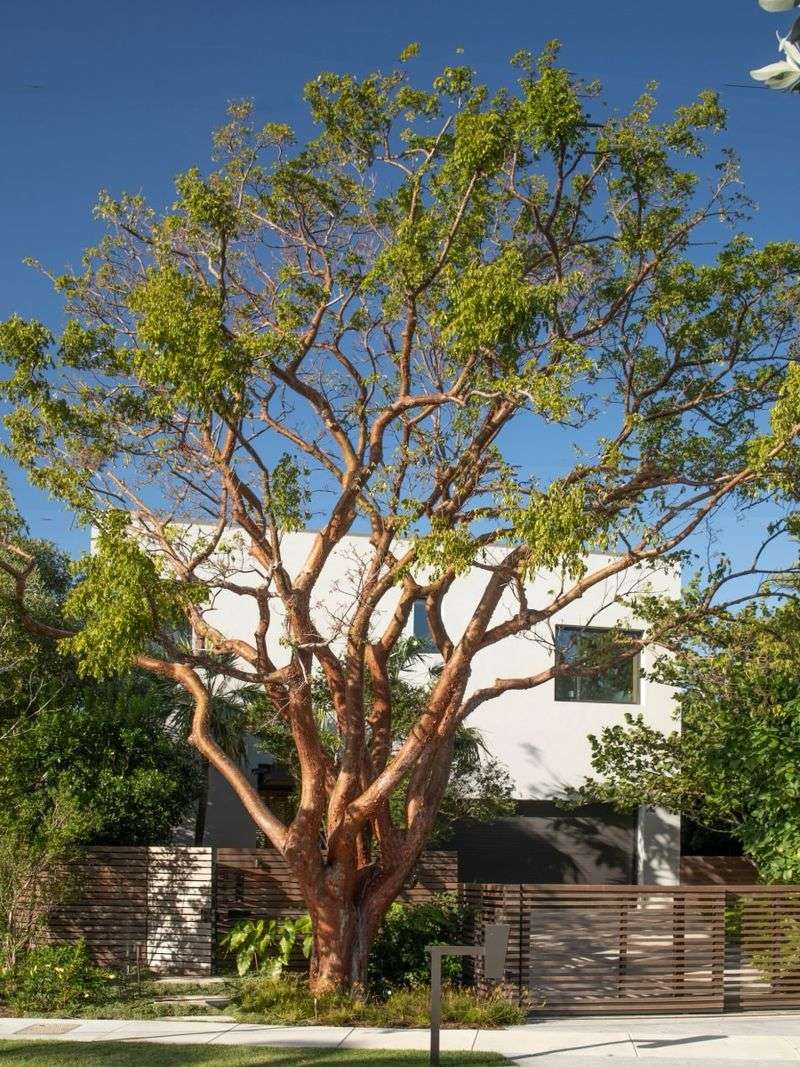
Gumbo limbo earns its spot on that list. Its broad canopy provides meaningful shade for streets, sidewalks, and nearby yards.
Its striking peeling bark in shades of copper and red also makes it genuinely interesting to look at year-round. It is one of those trees that becomes a neighborhood landmark over time.
Gumbo limbo is recognized by UF/IFAS as a good choice for warm coastal landscapes. It tolerates salt spray, heat, and sandy soils better than many other shade trees.
That makes it practical for beachside communities and coastal streets where other species struggle. It also has a reputation for recovering well after wind events, which matters in storm-prone coastal areas.
Local hardiness matters, though. Gumbo limbo is not well-suited to colder northern regions or areas that experience hard freezes.
Before planting, checking local hardiness zone guidance and consulting a county extension office is a smart step. Gumbo limbo can grow to a significant size, so spacing from structures, utilities, and sidewalks still requires careful planning.
It is not a small tree that fits every tight urban planting strip. For warm coastal streets with adequate space, though, it is a heat-tolerant, visually distinctive shade option that performs where other trees often fall short.
6. Winged Elm Works Where Space Gets Tight
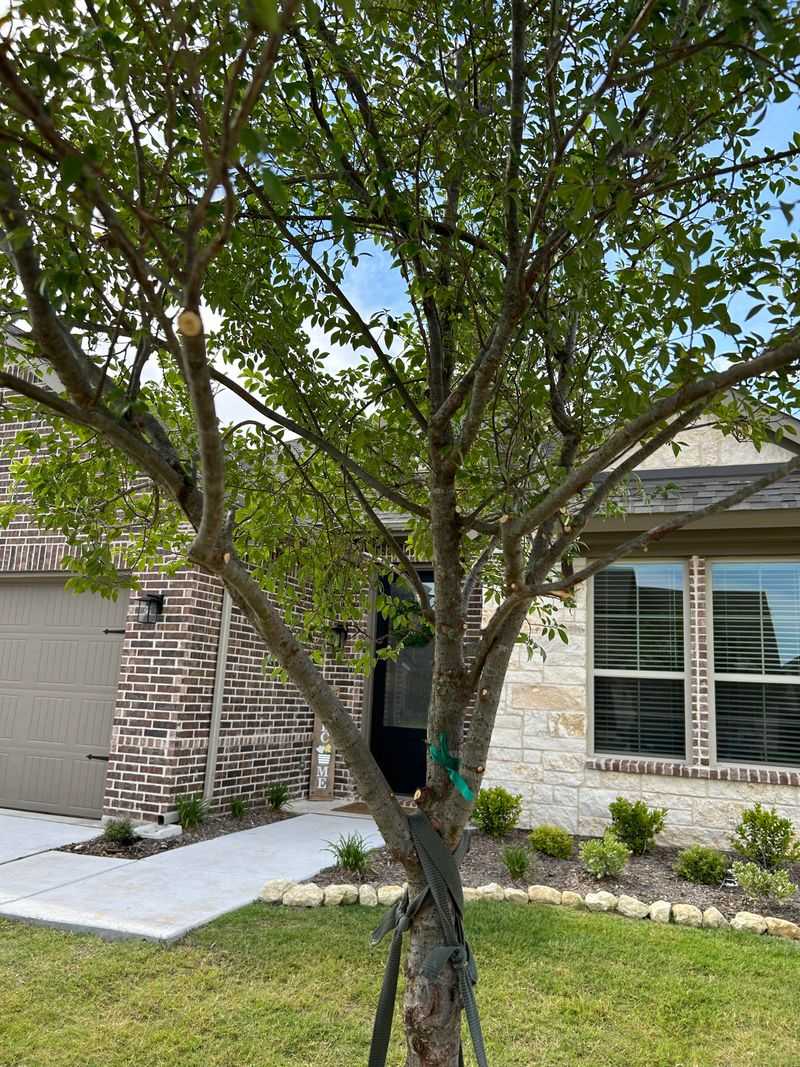
Not every homeowner has a sprawling lot with room for a live oak that spreads 80 feet wide. Many yards in established Florida neighborhoods are modest in size, with driveways, sidewalks, and structures already claiming most of the available ground.
Winged elm steps in as a native shade option that fits tighter spaces better than the largest canopy trees. It still provides the cooling benefit of real overhead shade.
Winged elm is a native Florida tree with a rounded to vase-shaped canopy that provides solid shade during warm months. It is adaptable to a range of soil types and is recognized in native plant and urban forestry resources as a practical landscape tree.
Its moderate scale makes it a reasonable fit for front yards, side yards, and neighborhood green spaces where a massive oak would overwhelm the site. The shade it casts can meaningfully reduce sun exposure on patios, parked cars, and nearby lawn areas.
Calling it a smaller tree does not mean it stays small forever. Winged elm still matures to a meaningful height and canopy spread that requires adequate clearance from overhead utilities, structures, driveways, and sidewalks.
Surface roots can become a concern in very tight planting areas. Consulting a certified arborist or county extension office before selecting a planting spot helps avoid placement mistakes.
For homeowners who want real cooling shade without committing to a giant canopy tree, winged elm is a well-grounded, native-friendly choice worth considering.
7. Dahoon Holly Shades Smaller Front Yards
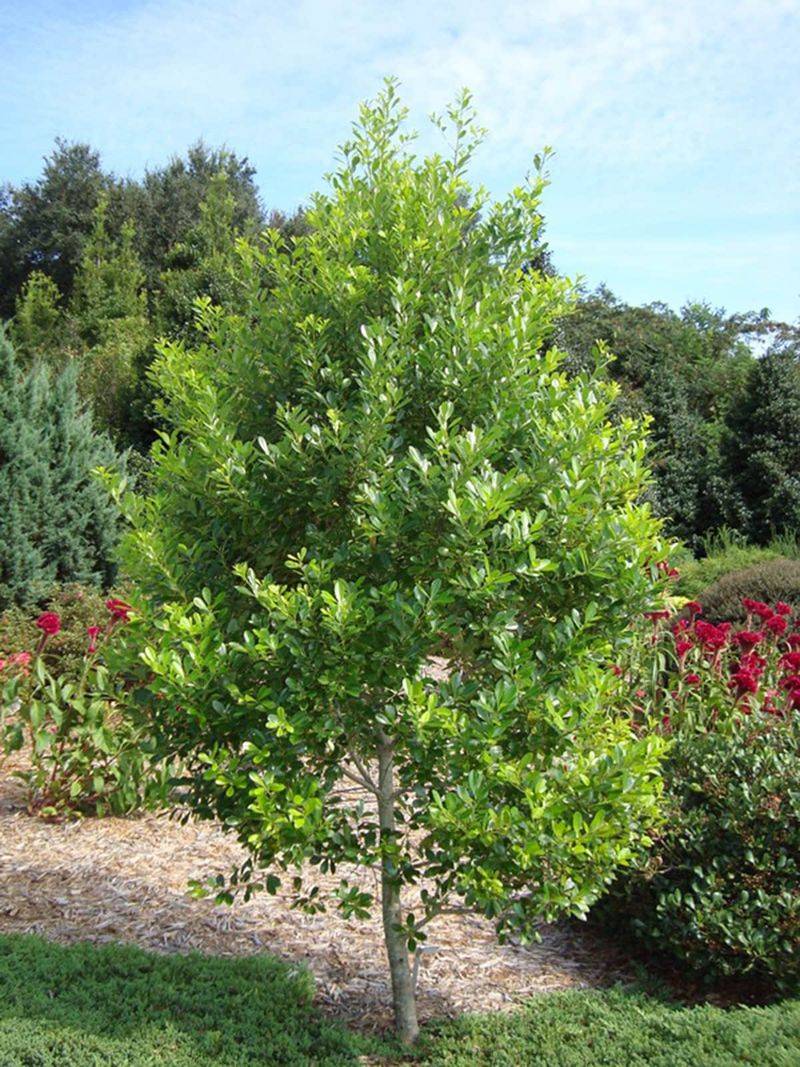
Some front yards simply do not have the square footage for a large canopy tree. Narrow lots, close driveways, short setbacks, and utility lines overhead can all rule out the biggest shade options.
Dahoon holly fits a different role as a native, evergreen tree for tighter spaces. It brings year-round foliage, wildlife-friendly berries, and modest shade where larger trees are not realistic.
It is a quieter kind of cooling contribution. It still reduces direct sun on smaller yard areas and helps break up the exposed hardscape that heats up so quickly in summer.
Dahoon holly is native to Florida and grows naturally in wet flatwoods, swamp edges, and moist lowland areas. It handles wet soils well and can be a good fit for yards with drainage challenges or low spots that stay moist.
UF/IFAS recognizes it as a useful native landscape plant with real wildlife value, attracting birds that feed on the berries during fall and winter. Evergreen foliage provides year-round structure and modest sun blocking even during cooler months.
A realistic expectation helps here. Dahoon holly does not produce the deep, broad shade of a large live oak or bald cypress.
It works best as a supplemental shade and screening tree in smaller spaces rather than a primary cooling tree for a full yard. For berry production, having both male and female plants nearby improves results.
For compact front yards, side yards, or community spaces with limited room, dahoon holly is a practical, native-friendly option that earns its place.
8. Right Tree Right Place Keeps Cooling Practical
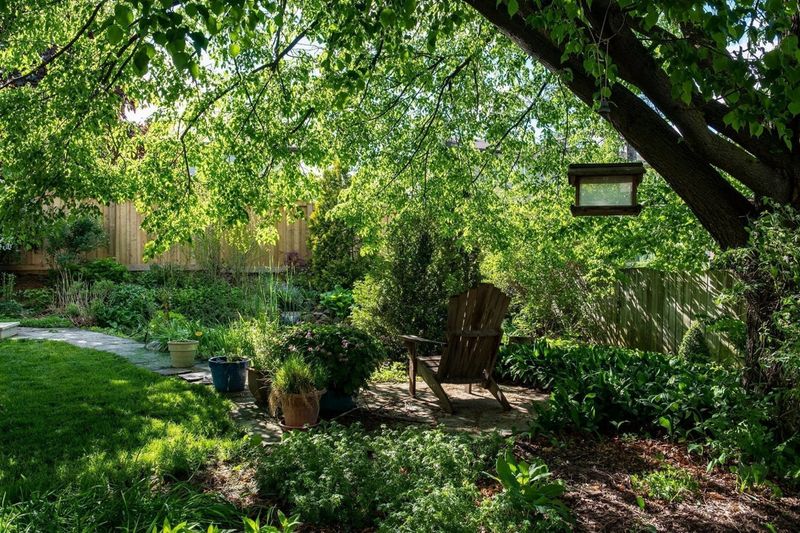
Natural cooling from trees only works when the tree actually fits the site. Planting a massive canopy tree in a narrow strip between a sidewalk and a driveway, or beneath overhead power lines, does not create a cooling benefit.
It creates a future problem. Mature height, canopy spread, root space, and proximity to structures, utilities, and paving are the first things to evaluate before any tree goes in the ground.
Skipping that step is how well-intentioned plantings turn into expensive conflicts.
Regional conditions matter just as much as individual site details. Soil type, drainage patterns, salt exposure, wind load, and local freeze history all influence which trees perform well and which ones struggle.
A tree that thrives along a warm coastal street may not be right for an inland neighborhood in a colder region. HOA rules, municipal planting guides, and local codes may also restrict species selection or placement near rights-of-way, utilities, and easements.
The best starting point for any neighborhood shade project is a conversation with a local expert. UF/IFAS extension offices, county extension agents, certified arborists, and municipal urban forestry programs all offer guidance.
That guidance is specific to your region, your soil, and your community. Many counties also have tree canopy programs or cost-share planting initiatives worth exploring.
Planting for future shade means thinking about where the roots and canopy will be in 20 years, not just where the sapling fits today.