Plant These 7 Oregon Cane Fruits This Summer And Next Year’s Harvest Will Speak For Itself
Oregon has a berry culture unlike anywhere else in the country.
The Willamette Valley alone grows more blackberries and raspberries than most states can dream of, and home gardeners here have a genuine advantage when it comes to getting cane fruits established.
The soil knows these plants. The climate suits them. The question is whether you are taking full advantage of that.
Summer is the right time to get starts in the ground, because cane fruits need a full growing season to build strong root systems before they produce.
Many gardeners plant in spring and expect fruit immediately.
The ones who plant in summer, tend carefully through fall, and let roots push deep through the off-season are the ones who open their back door next July to something genuinely worth writing home about.
Seven cane fruits belong in an Oregon garden, and each one brings something different to the harvest season.
Some are famous. One is a hybrid so specific to this region that it barely exists anywhere else. A few will outlast every other plant in your yard if you treat them right from the start.
Plant now and let next summer do the talking.
1. Marionberry Sets Up A Classic Oregon Crop
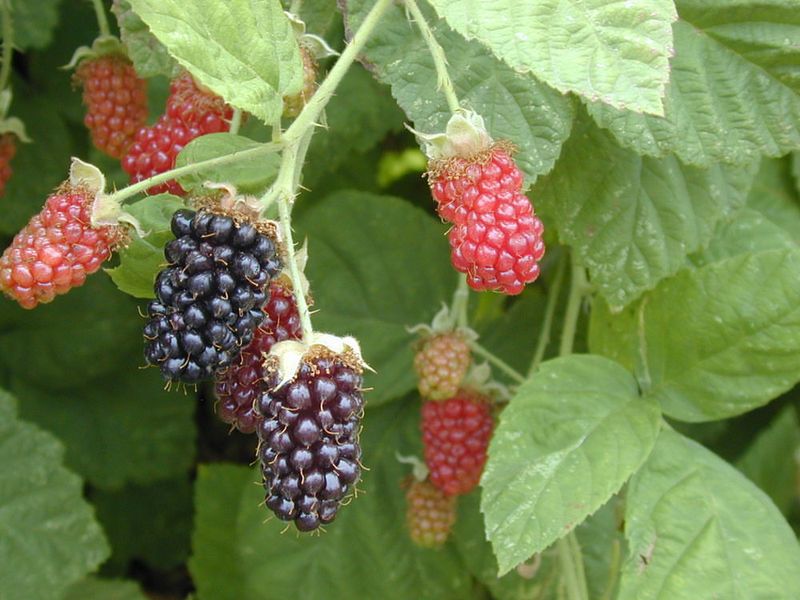
Few berries carry as much Oregon pride as the marionberry.
Developed right here at Oregon State University in 1956, it was named after Marion County and quickly became the gold standard for blackberry flavor.
That deep, wine-like richness with a hint of earthiness is something you simply cannot get from a store-bought berry, and anyone who has tasted one fresh off the cane already knows exactly what that means.
Marionberries are trailing canes, which means they need a solid trellis system from day one.
Set up two horizontal wires, one about three feet off the ground and one at five feet. New canes grow during summer and fall, then overwinter before producing fruit the following year on those second-year canes.
Getting that structure in place before you plant saves a significant amount of frustration later when the canes are long and going in every direction.
Plant in full sun with well-drained, slightly acidic soil.
Oregon’s native soil often works well with just a little compost worked in. Water deeply but not constantly, as soggy roots will stall your plant fast.
Mulch around the base to hold moisture and keep weeds down, and keep that mulch a few inches away from the crown to prevent rot.
Summer planting gives the roots time to spread before the cold settles in.
By spring, your canes will be ready to push hard toward a real harvest. Marionberries fruit heavily in late June and July, and a well-established plant can produce for fifteen years or more.
If you only plant one cane fruit this summer, let it be this one.
2. Loganberry Brings Tart Depth Next Summer
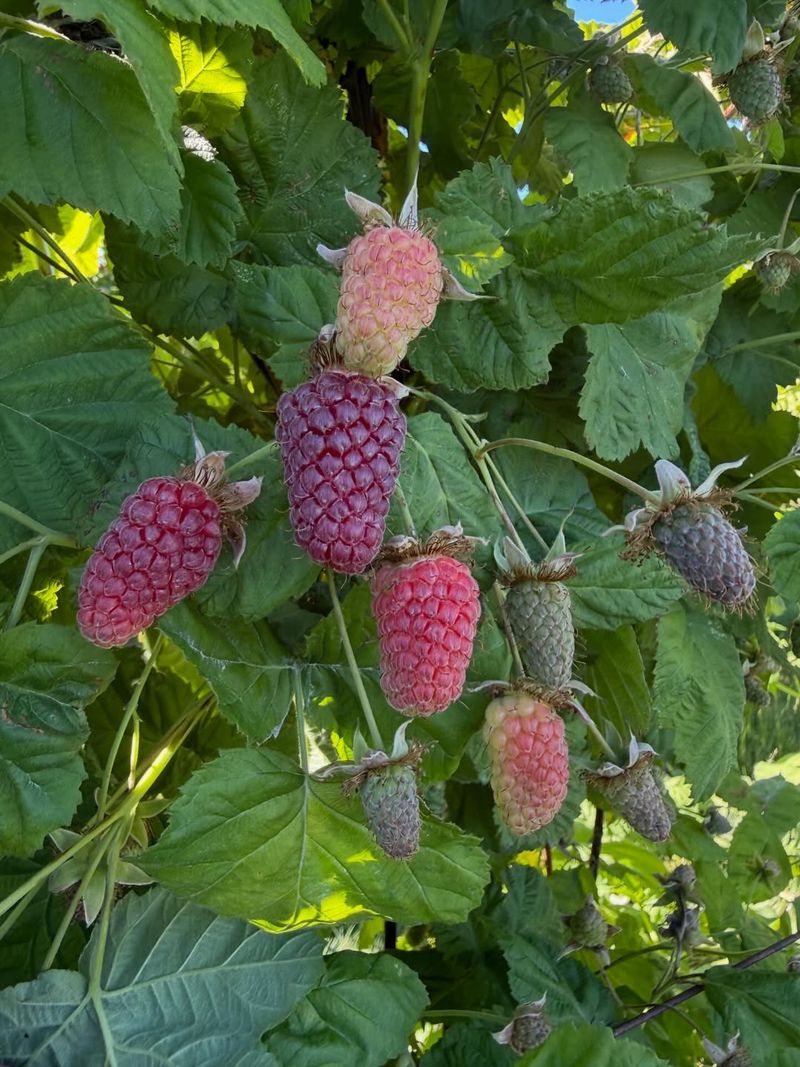
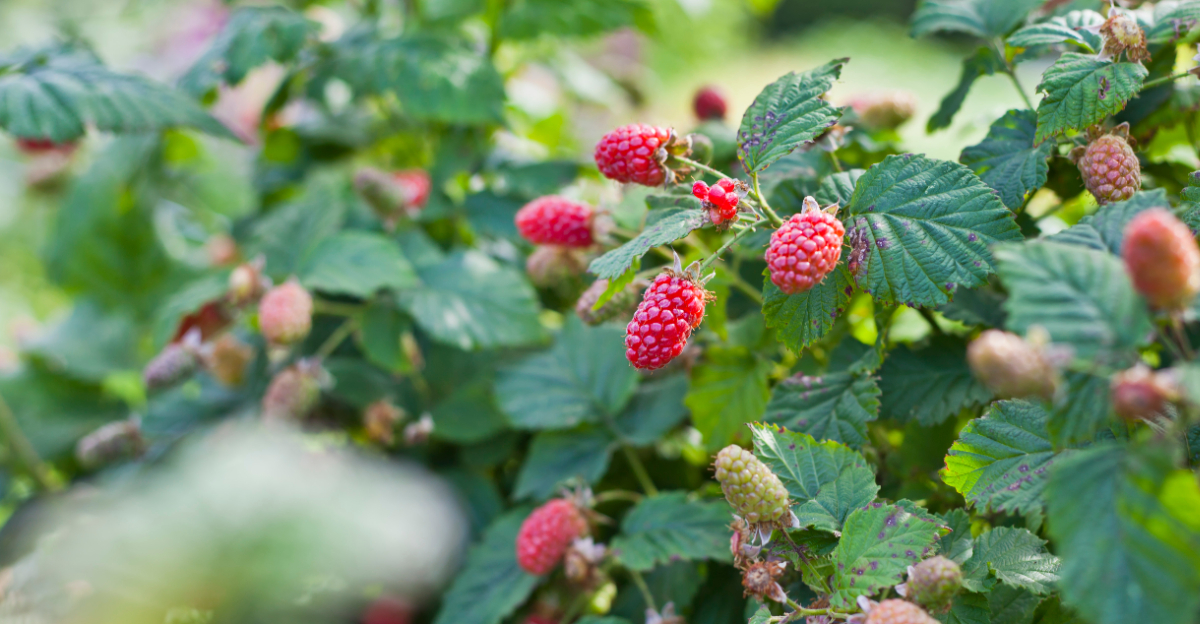
Tart, juicy, and a little unpredictable, the loganberry is one of those fruits that makes you stop mid-bite and think.
It sits somewhere between a raspberry and a blackberry in flavor, with a sharp, almost citrus-like brightness that mellows beautifully when cooked into jam or baked into a crisp.
Your Oregon Garden Changes Every Week. Your Plan Should Too.
Gardening in Oregon changes quickly throughout the season. Every Friday you’ll receive a simple weekly plan showing exactly what to plant, prune, fertilize, harvest, and protect so you never miss the right timing.
Fresh off the cane, it is bold and unapologetic, and it has a loyal following among Oregon home gardeners who have discovered it.
Loganberries are a natural hybrid, believed to have originated in the 1880s, and they thrive in the Pacific Northwest climate.
They handle Oregon’s wet springs better than many other cane fruits, which is a practical advantage when April arrives and the rain does not.
Plant them in a spot with at least six hours of direct sun and give them room to trail along a fence or wire trellis.
Like other trailing canes, loganberries fruit on second-year wood.
That means the canes you plant this summer will grow, rest through winter, and then produce fruit next season.
Tying new canes loosely to your trellis as they grow keeps things organized and makes pruning much easier when the time comes.
Soil preparation matters here.
Loganberries prefer slightly acidic, well-drained ground. Add compost before planting and a layer of bark mulch after. Water regularly through the first summer to help roots settle in deep.
Once established, these plants are tough and productive.
One healthy row of loganberries can fill your freezer with enough fruit to last well into winter, and the flavor in a loganberry jam is something that tends to convert people on the first taste.
3. Boysenberry Rewards Patient Planting
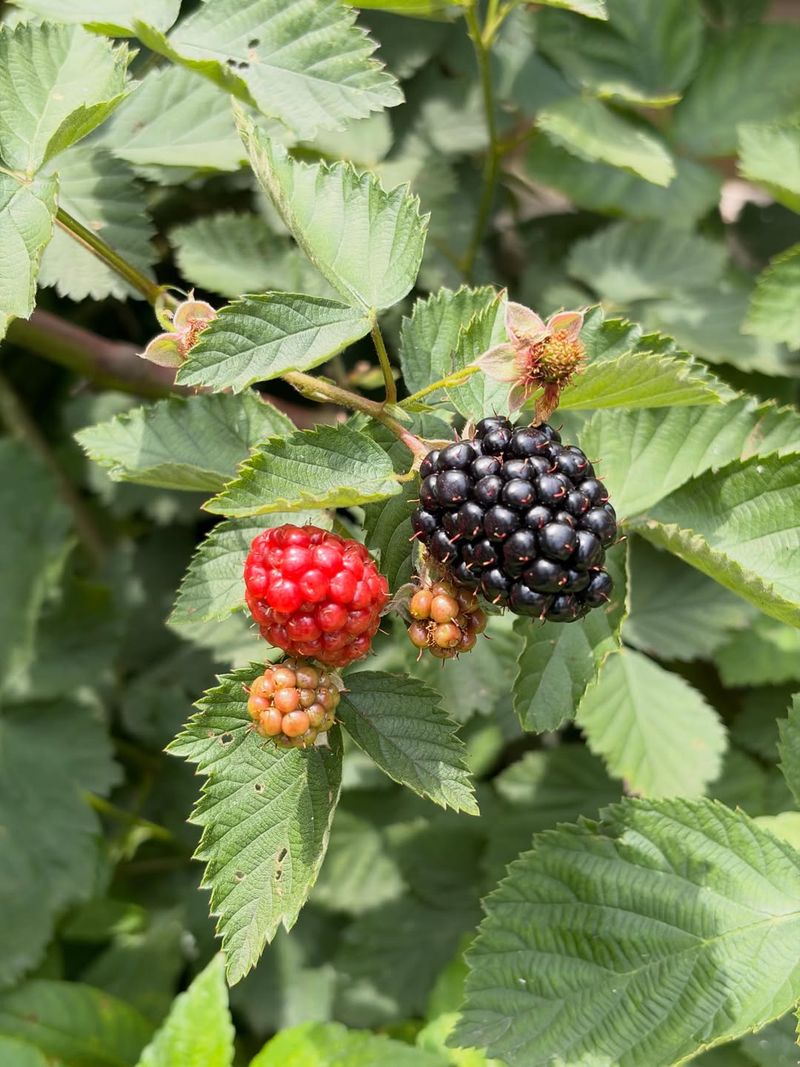
Boysenberries have a flavor that feels almost old-fashioned, in the best possible way.
Big, soft, and intensely sweet with a slight tang, they taste like something generations of Pacific Northwest gardeners have been growing in their backyard for exactly the right reason.
That reputation is earned, because this berry has been beloved in Oregon for nearly a century.
The boysenberry is a cross between a loganberry, raspberry, and blackberry, and it shows. The fruit is larger than most cane berries, deep reddish-purple when ripe, and almost jam-like in texture.
Because the berries are so soft, they do not ship well commercially, which makes growing your own the best way to enjoy them at peak flavor.
Farmers market boysenberries are rare. Homegrown ones are something else entirely.
These are trailing canes, and they grow long. Plan for a trellis that stretches at least six feet wide per plant, with strong support posts.
Canes can reach ten feet or more in a single season. Train new growth along the lower wire as it develops, then move it up the following spring once it becomes the fruiting wood.
Plant in full sun and amend your soil with compost before setting the roots in.
Boysenberries are not fans of standing water, so raised beds or sloped sites work well in Oregon’s heavier soils. Water consistently through the first summer, then ease back once fall arrives.
The patience you invest now will pay off in heavy clusters of fruit next July that are truly worth every minute of waiting.
4. Tayberry Adds Raspberry Blackberry Flavor
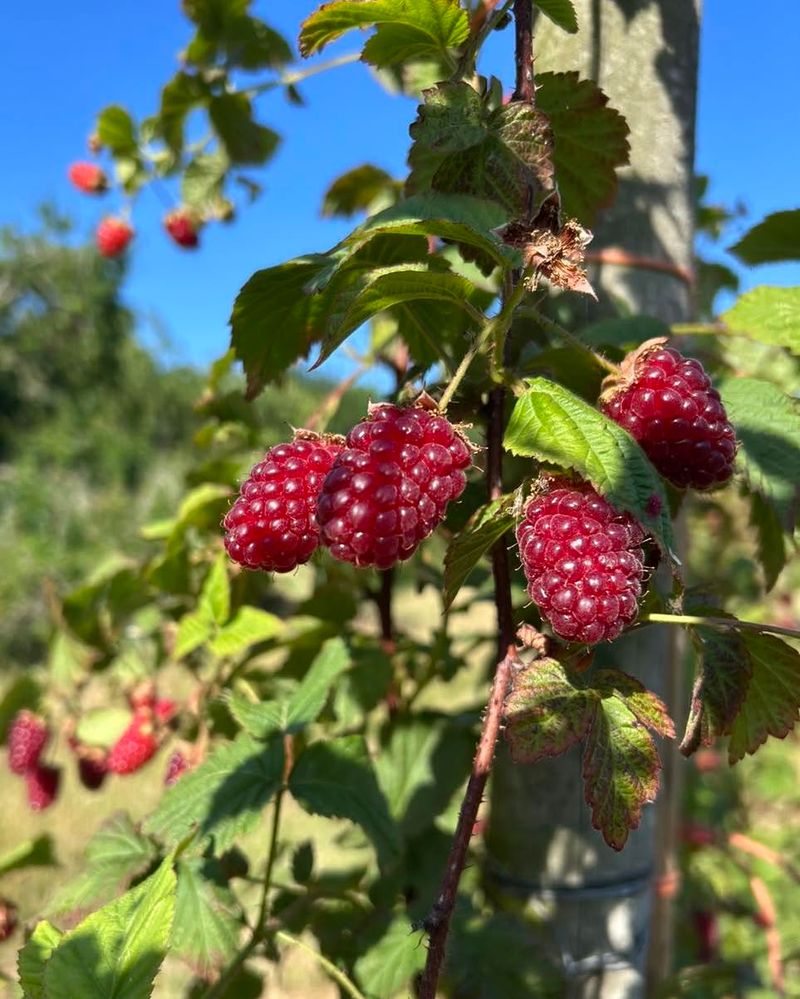
A berry that tastes like a raspberry decided to grow up and get serious. That is the tayberry experience.
Developed in Scotland in the 1970s and named after the River Tay, this hybrid of a blackberry and a raspberry produces long, conical fruit with a rich, aromatic flavor that is sweeter than a loganberry but more complex than a standard red raspberry.
Tayberries do especially well in Oregon’s climate.
They tolerate cool, wet springs and do not mind a little shade, though full sun will push the flavor and yield higher.
Choose a site along a south-facing fence or wall if you can. The reflected warmth helps ripen the fruit more fully and gives the canes extra energy heading into fall.
Because tayberries are trailing canes, they fruit on second-year wood just like marionberries and boysenberries.
Plant this summer, let the canes establish through fall, and protect them lightly with straw mulch over the crown during the coldest months.
By late spring next year, you will see flower buds forming on last year’s growth, and from there the season moves fast.
Space plants about five feet apart and set up a two-wire trellis before planting so you are not scrambling later.
Work compost into the planting hole and water deeply every few days during the first month.
Tayberries are vigorous once settled in, and a mature plant can produce several pounds of fruit per season.
The flavor alone makes this one worth prioritizing, and gardeners who grow it tend to wonder why it took them so long to plant one.
5. Black Raspberry Builds A Strong Patch
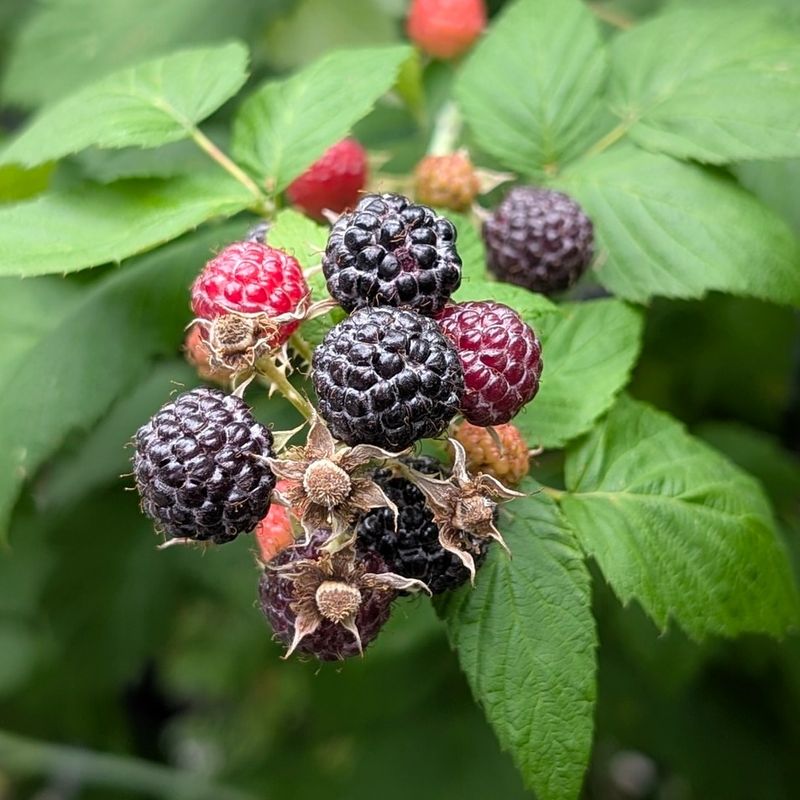
Black raspberries are not the same as blackberries, and once you taste them side by side, you will never confuse them again.
These small, deep purple-black fruits have a hollow core like a red raspberry but carry a richer, earthier flavor with a musky sweetness that makes them exceptional for jams, baked goods, and eating straight off the cane on a warm Oregon morning.
Oregon has a long history with black raspberries, and the Willamette Valley grows them commercially for good reason.
They prefer full sun, at least eight hours a day, and they are particular about air circulation. Planting in a low spot where moisture collects overnight can lead to fungal problems, so choose high ground or a gently sloped area with good drainage.
Black raspberries are upright canes, not trailing.
They arch outward as they grow and can reach five to six feet tall. Tip-pruning the canes in summer, cutting just the top few inches off each cane, encourages branching and more fruiting wood for next season.
This one simple step makes a measurable difference in overall yield without requiring much time or expertise.
Plant in well-amended soil with compost mixed in and mulch around the base to hold moisture.
Keep new plants watered consistently through their first summer.
Unlike trailing types, black raspberries spread by tip-layering, where cane tips touch the ground and root.
Managing that spread keeps your patch tidy and productive for years, and it also gives you free new plants to extend the patch or share with neighbors who have been watching your harvest with interest.
6. Summer Red Raspberry Needs A Head Start
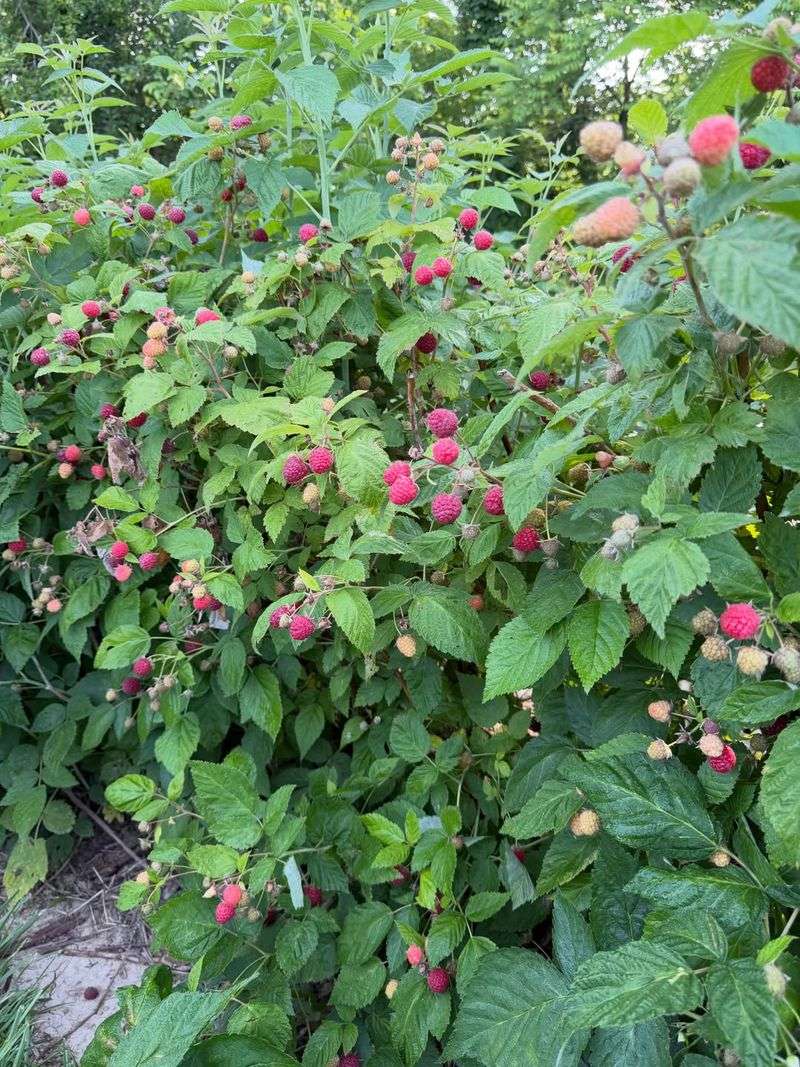
There is nothing quite like pulling a warm red raspberry off the cane on a July morning.
Summer-bearing red raspberries produce one big, reliable flush of fruit in early to midsummer, and that concentrated harvest is exactly what serious jam-makers and pie bakers are after.
Getting that harvest means giving your plants a real head start this season.
Summer red raspberries fruit on floricanes, which is the name for second-year canes.
The canes you plant now will grow vegetatively through summer and fall, go dormant in winter, then wake up in spring ready to flower and fruit.
Skipping the summer planting window means waiting an extra full year for your first real crop, which is a long time to wait for something as good as a fresh red raspberry.
Choose a site with full sun and excellent drainage.
Red raspberries are more sensitive to wet feet than blackberries, and standing water around the crown is one of the fastest ways to set back a young plant.
Raised rows or berms work well in heavier Oregon soils. Space plants about two feet apart in a row and set posts and trellis wire before planting.
Varieties like Willamette, Meeker, and Cascade Delight were all developed or refined for Pacific Northwest conditions and perform reliably in Oregon gardens.
Amend your soil with compost, water deeply after planting, and apply a two-inch layer of wood chip mulch.
Give these plants a strong start now, and next July the canes will be loaded with the kind of fruit that makes you feel like the whole garden effort was completely worth it.
7. Primocane Raspberry Extends The Season
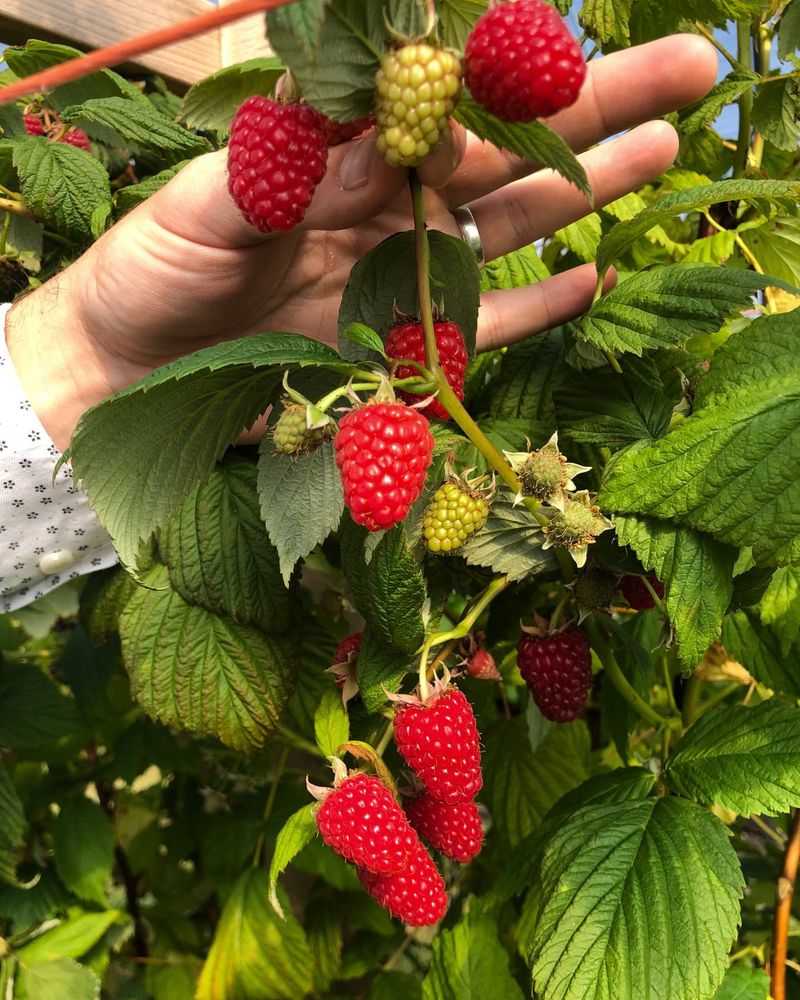
Most cane fruits make you wait a full year for your first taste. Primocane raspberries play by different rules.
These remarkable plants produce fruit on first-year canes, meaning the canes you plant this summer can actually bear fruit in late summer or early fall of the same year.
It is not a huge crop that first season, but it is real fruit, and that changes the experience of planting a berry patch entirely.
The bigger payoff comes the following year.
Those same canes, now second-year floricanes, will produce an early summer crop before the new primocanes come along and deliver a second fall harvest.
Managed correctly, a primocane patch gives you two distinct picking windows per season, which stretches your fresh berry supply further than any other cane fruit can manage.
Pruning is also simpler with primocane types.
Many Oregon gardeners mow the entire patch to the ground in late fall or early winter. New canes come up strong in spring and produce that fall crop again.
This approach skips the complexity of managing two types of canes at once and works especially well for beginners who are still learning the rhythm of a berry patch.
Varieties like Autumn Bliss, Caroline, and Heritage perform well in Oregon’s climate and are widely available at local nurseries.
Plant in full sun with good drainage, amend with compost, and water consistently through establishment.
Primocane raspberries are forgiving, productive, and one of the smartest choices you can make for a beginner berry patch.
They deliver results fast, and once that first fall harvest arrives on canes you planted just a few months earlier, you will already be planning where to expand the patch next spring.