The Shrub Turning Connecticut Roadsides Red Each Fall Is Not Supposed To Be Here
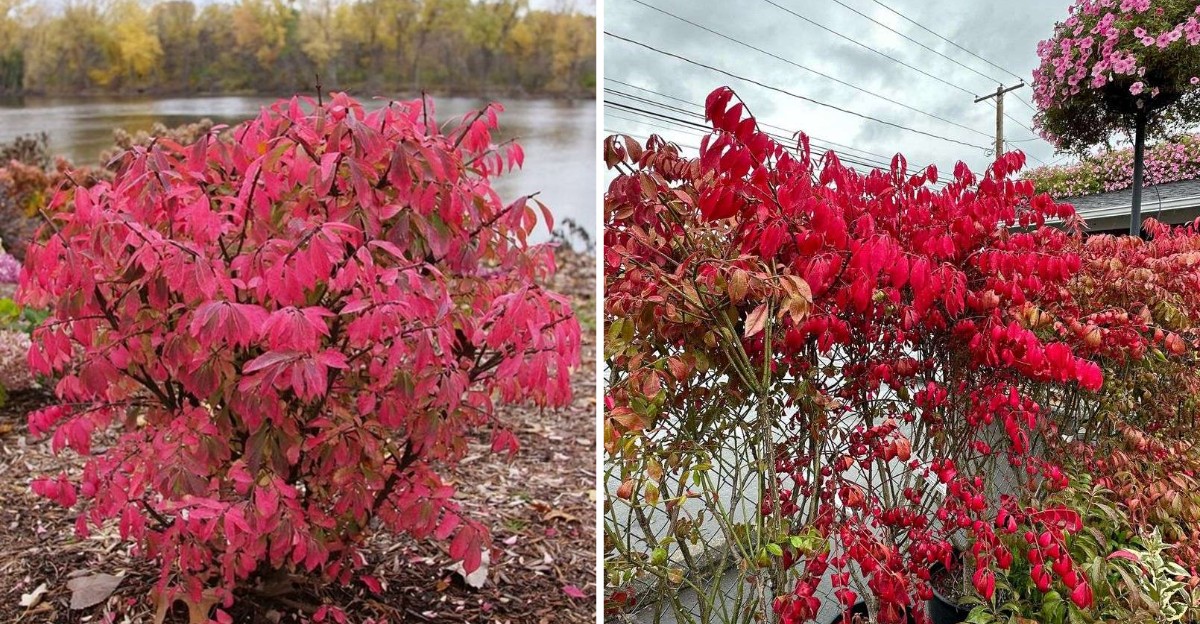
Drive almost any Connecticut back road in mid October and a wall of crimson flares beside the pavement. It looks like someone spilled a whole bucket of red paint along the shoulder and drove away.
Most drivers slow down, snap a quick photo, and file it under classic New England foliage. Hardly anyone stops to ask how all that red actually arrived on the roadside in the first place.
The honest answer is a bit awkward, and it starts with a shipment from Asia in the 1860s. What showed up as a polished garden showpiece never once agreed to stay inside the garden.
Connecticut now spends real money and real weekends undoing a century of very tasteful landscaping decisions. Nature, as usual, has exactly zero respect for anyone’s carefully planned curb appeal.
The Asian Import Behind All That Crimson
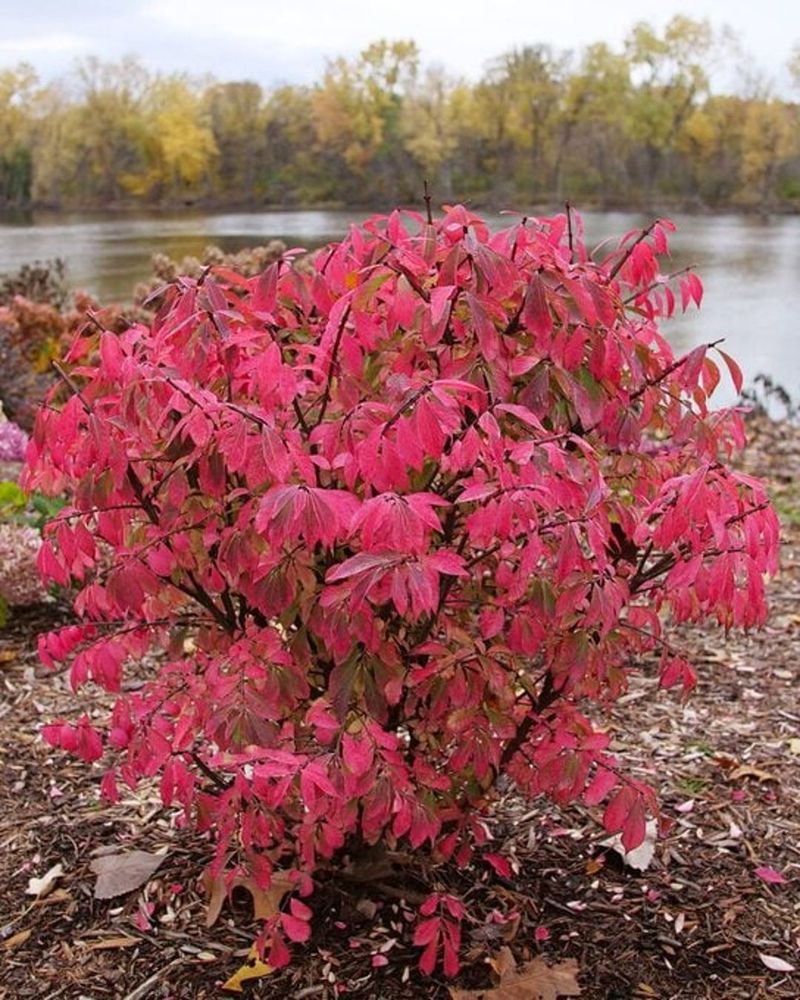
Burning bush arrived in American nurseries from northeastern Asia around 1860, sold as a tidy ornamental. Gardeners fell hard for its neat shape, corky winged stems, and that unbelievable October color.
Botanists call it Euonymus alatus, though most people know it by the flashier nickname. For over a century, it was the safe, reliable choice for foundation plantings everywhere.
Trouble started when birds discovered the small orange seeds tucked inside pink capsules. They ate them, flew into nearby woods, and dropped them far from any yard.
One mature shrub can produce hundreds of fruits during a good season. Those seeds sprout easily in shade, which most ornamental plants cannot manage.
Connecticut added the plant to its invasive species list, though unlike neighboring Massachusetts, it never banned the sale outright. Nurseries kept selling it anyway, which is a big reason the crimson stripe keeps spreading along so many roads.
Highway edges offer disturbed soil, extra light, and almost no competition from older trees. Seedlings settle in quickly and form thick stands within a handful of years.
Fall color makes the invasion easy to map from a car window. Everything glowing that particular shade of red is usually the same single species.
Recognizing the shrub is the first real step toward doing something useful about it. Once you spot those winged twigs, you cannot unsee them anywhere in the state.
Homeowners rarely feel guilty about a plant that a nursery once recommended. The plant simply did what it evolved to do, only with far better transportation.
The October Window When Seeds Take Over
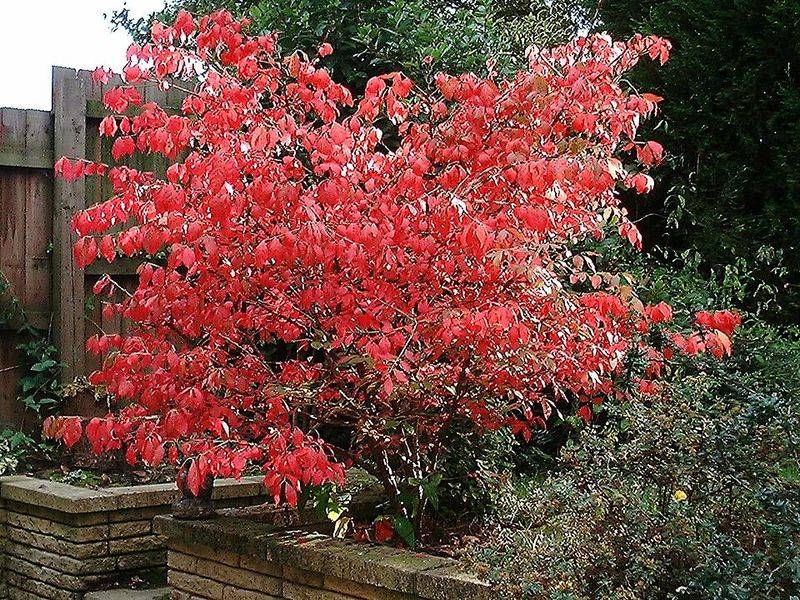
Timing is everything with this shrub, and October is when it shows its whole hand. The leaves flip from green to fire-engine red almost overnight across the state.
That color change is not just pretty, it is a broadcast signal for hungry birds. Bright foliage plus bright fruit is a combination that wildlife notices from far away.
Pink seed capsules split open through autumn and reveal bright orange seeds hanging underneath. Birds swallow them whole and scatter them across fields, hedgerows, and quiet forest edges.
Most dispersal happens between late September and the first hard frosts in mid November. One good season can plant thousands of seeds in places nobody ever intended.
Your Connecticut Garden Changes Every Week. Your Plan Should Too.
Gardening in Connecticut changes quickly throughout the season. Every Friday you’ll receive a simple weekly plan showing exactly what to plant, prune, fertilize, harvest, and protect so you never miss the right timing.
Seeds germinate the following spring, usually during April or the first warm week of May. Seedlings stay low for several years, which is exactly why the spread goes unnoticed.
By the time a stand becomes obvious, it has been building for a decade. That slow start is exactly what makes the shrub so hard to stay ahead of.
October also happens to be the best month for mapping the problem. Walk your property with a notebook and mark every red shrub you find.
Come back in spring with that map, and removal becomes a much simpler project. Trying to identify bare gray stems in February is a genuinely miserable task.
Autumn gives you one clear look before every shrub blends together again in winter. Use it, because by next October the stand will be noticeably larger.
The Landscaping Mistake Still Sitting In Front Yards
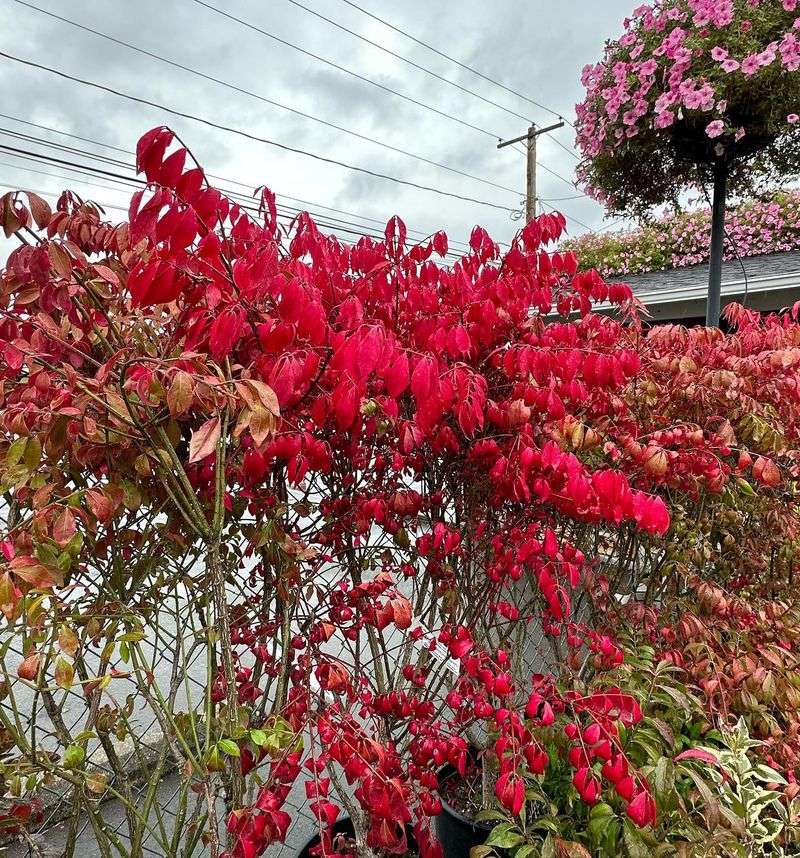
Plenty of Connecticut homes still have a pair of these shrubs flanking the front steps. They were planted in the 1980s, trimmed into meatballs, and mostly forgotten since.
The common mistake is assuming a shrub in a yard stays in that yard. Seed travel does not care about property lines, fences, or careful mulch beds.
Another frequent error involves cutting the shrub to the ground and then walking away satisfied. Stumps resprout with real enthusiasm, often sending up more stems than the plant had before.
Some homeowners pull the top growth and leave the root crown sitting in the soil. Within one season, fresh shoots appear and the whole project starts over.
Tossing cut branches into the woods behind the house creates a whole separate problem. Fruit left on those stems can still ripen and drop perfectly viable seed.
Dwarf varieties get sold as safer alternatives, but they produce fruit just the same. Birds do not read the plant tag before swallowing the seeds inside.
Waiting for the shrub to become a problem before acting is the costliest choice. Small plants pull out by hand, while old ones need tools and sweat.
Nobody should feel guilty about a purchase a garden center once recommended. The fix matters far more than the blame, and the fix is fairly straightforward.
Start with the shrubs sitting closest to woods, streams, or old stone walls. Those are the plants doing the most traveling right now.
Removal Work That Actually Sticks
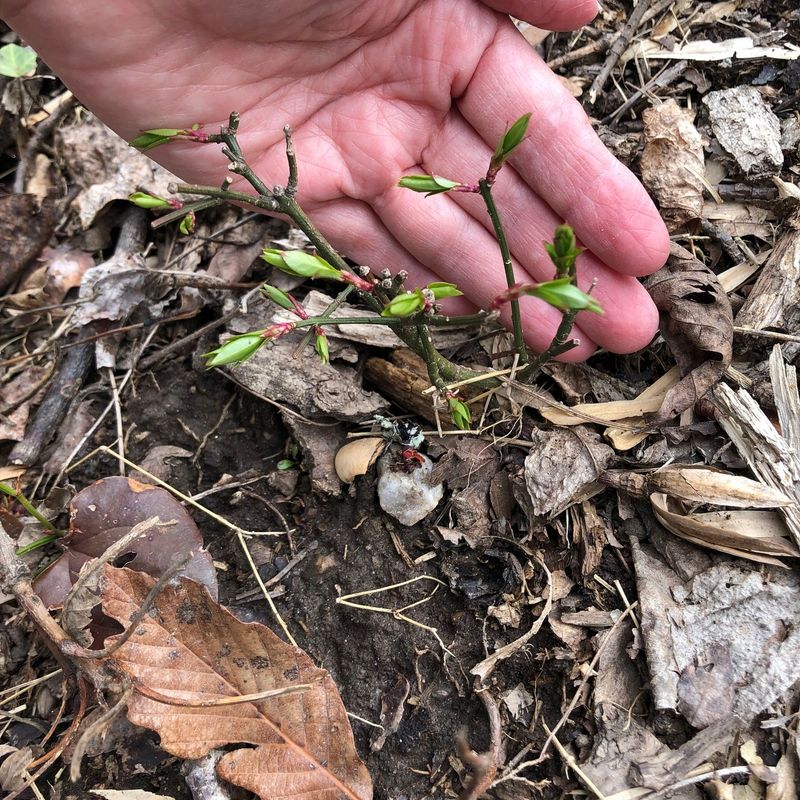
Good news first, because this shrub has a shallow and surprisingly fibrous root system. Compared with oriental bittersweet or Japanese barberry, it leaves the ground fairly willingly.
Seedlings under two feet tall usually pull by hand after a steady soaking rain. Grab low on the stem, rock it gently back and forth, then lift the roots out.
Mid-sized plants respond beautifully to a weed wrench or a long-handled garden fork. Leverage does most of the work, so heavy machinery can stay parked in the shed.
Larger shrubs may need the cut-and-treat method that conservation crews use across the state. Cut the stems low, then paint concentrated herbicide onto the fresh surface right away.
Timing matters here, since late summer and early fall move chemicals down into roots. Treating in spring wastes product because sap is flowing the wrong direction.
Repeated cutting works without any chemicals, though the schedule is genuinely demanding. Plan on cutting fresh sprouts three times each season for two or three straight years.
Bag any branches carrying fruit instead of piling them along the edge of the woods. Seeds can ripen off the plant, which surprises most people the first time around.
Fill the hole, tamp the soil, and cover it with mulch or leaf litter. Bare disturbed ground invites the next invader before native plants get a chance.
Check the spot each spring for at least three years running. Missed root fragments announce themselves quickly with a flush of bright green shoots.
The Forest Floor Left Behind After A Takeover
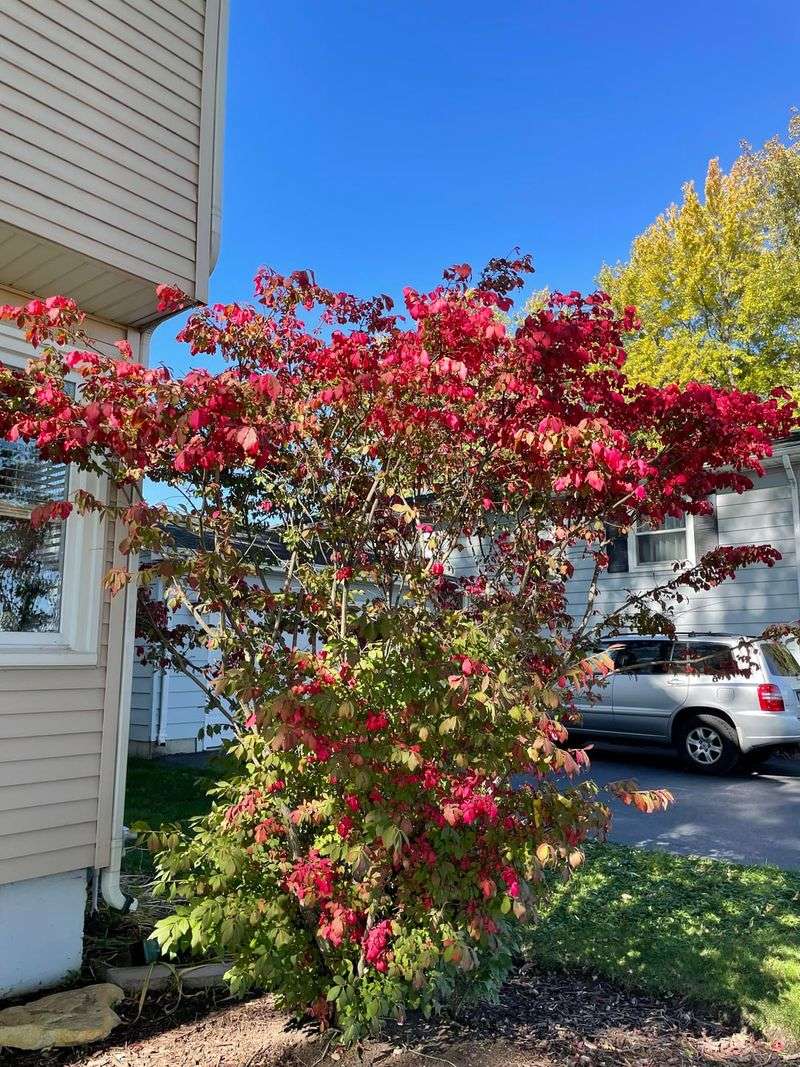
Step into a woodland where this shrub has settled in, and something feels off. The understory looks green and dense, yet it feels strangely empty of everything else.
Thick stands block sunlight from reaching wildflowers, young tree seedlings, and native ferns. Trout lilies, trilliums, and baby oaks lose the spring light they quietly depend on.
Researchers in New England have documented sharp drops in plant diversity under heavy infestations. Some sites end up with a single species covering acres of forest floor.
Caterpillars that feed on native leaves cannot use this foreign foliage. Fewer caterpillars means fewer songbirds, since nesting chickadees need thousands to raise one brood.
The berries look generous, but they deliver mostly sugar and very little useful fat. Migrating birds need high-energy fruit, and this one falls short during long autumn flights.
Deer mostly ignore the shrub, which gives it an extra advantage in browsed woodlands. Native seedlings get eaten while the invader keeps growing without interruption.
Soil chemistry shifts as well, since the leaf litter changes how nutrients cycle underground. Earthworm activity and pH readings often differ noticeably inside dense stands.
Recovery is genuinely possible, and cleared sites often bounce back within a few seasons. Seeds of native plants frequently wait in the soil for years, ready for their chance.
Restoration takes patience, though the reward is a woodland that sounds alive once more. Birdsong returns faster than most volunteers expect after the clearing work wraps up.
Native Replacements With The Same Red Punch
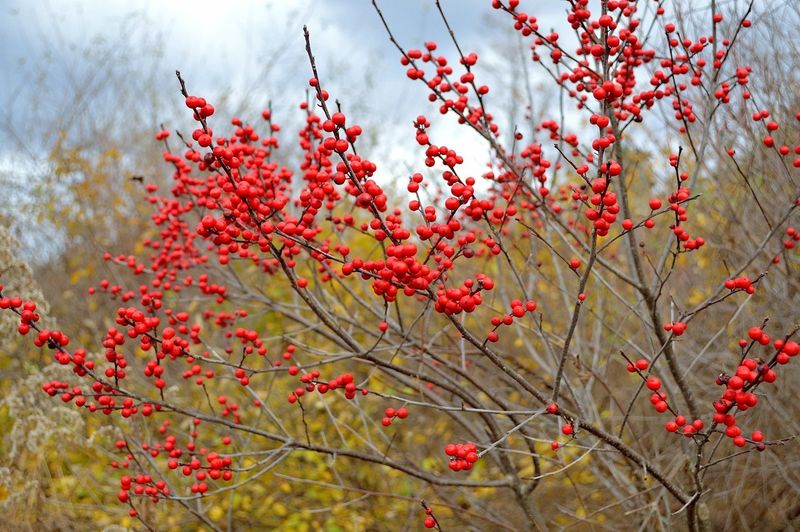
Losing the crimson hedge does not mean losing fall color in your yard. Several native shrubs turn red just as dramatically, and they feed local wildlife properly.
Highbush blueberry glows scarlet through October and hands you sweet fruit back in July. It thrives in acidic Connecticut soils and supports dozens of native bee species.
Red chokeberry offers glossy leaves, white spring flowers, and fruit that lasts into winter. Birds strip the berries in late season when other food runs low.
Virginia sweetspire turns deep burgundy and holds that color well past Thanksgiving dinner. It handles soggy spots where plenty of other shrubs sulk and slowly give up.
Black gum, though a tree rather than a shrub, produces unmatched scarlet fall foliage. Give it room to spread and it becomes the best autumn feature on the block.
Winterberry holly drops its leaves in fall and leaves behind branches loaded with red fruit. The display carries a yard through December, when everything else looks tired and brown.
Nurseries across the state now stock these plants, partly in response to the invasive-species listing. Ask staff for straight species rather than heavily bred cultivars when possible.
Planting natives also cuts down on watering, spraying, and general weekend fussing. Plants adapted to local weather handle Connecticut winters with very little help from you.
Swap out one shrub this season and watch what shows up in your yard. The birds tend to notice the change long before your neighbors do.