8 Virginia Natives That Carpet Damp Ground All Fall Without Rotting
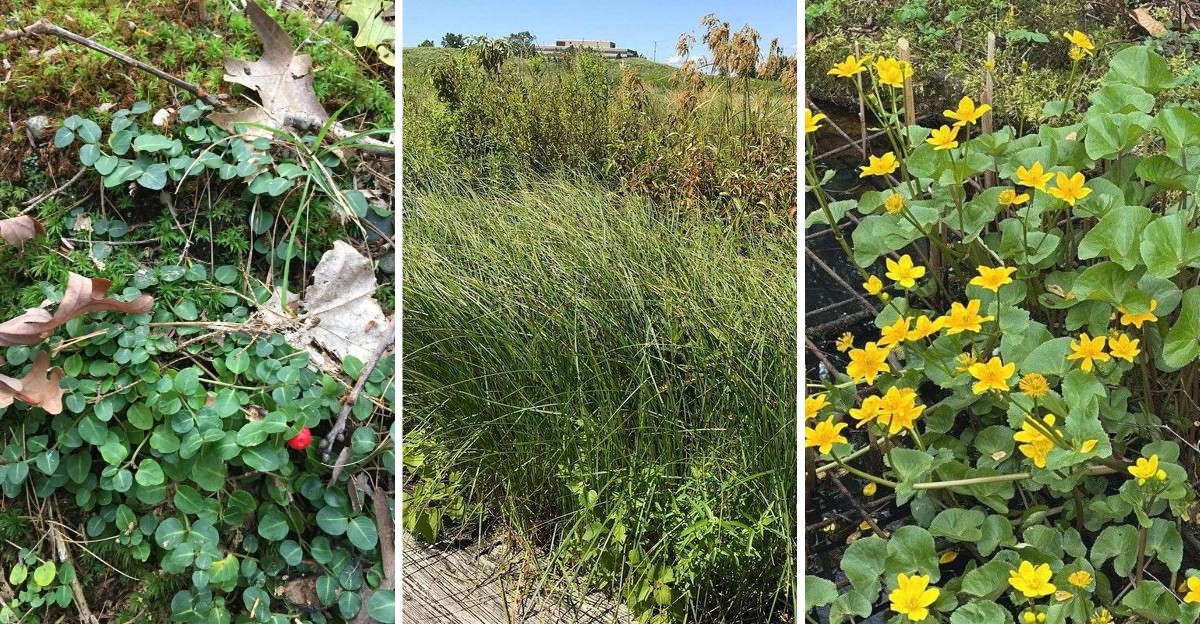
Squish, squish, squish goes that soggy corner of your yard every time you cross it. Most plants sulk there and turn to mush long before winter.
A handful of tough Virginia natives, though, actually enjoy wet feet. They keep growing while rain falls and leaves pile up around them.
Picture heart-shaped leaves, bright red berries, and spreading fern colonies where mud used to rule. Some hold their color into winter, while others rest safely underground until spring.
Each one handles heavy clay, shady hollows, or soggy ground better than you might expect. A few can even sit in standing water without complaint.
These plants also feed the bees, birds, and butterflies that live nearby. They can turn that swampy patch into a spot you’ll actually want to look at.
1. Golden Ragwort Thrives In Damp, Heavy Soil
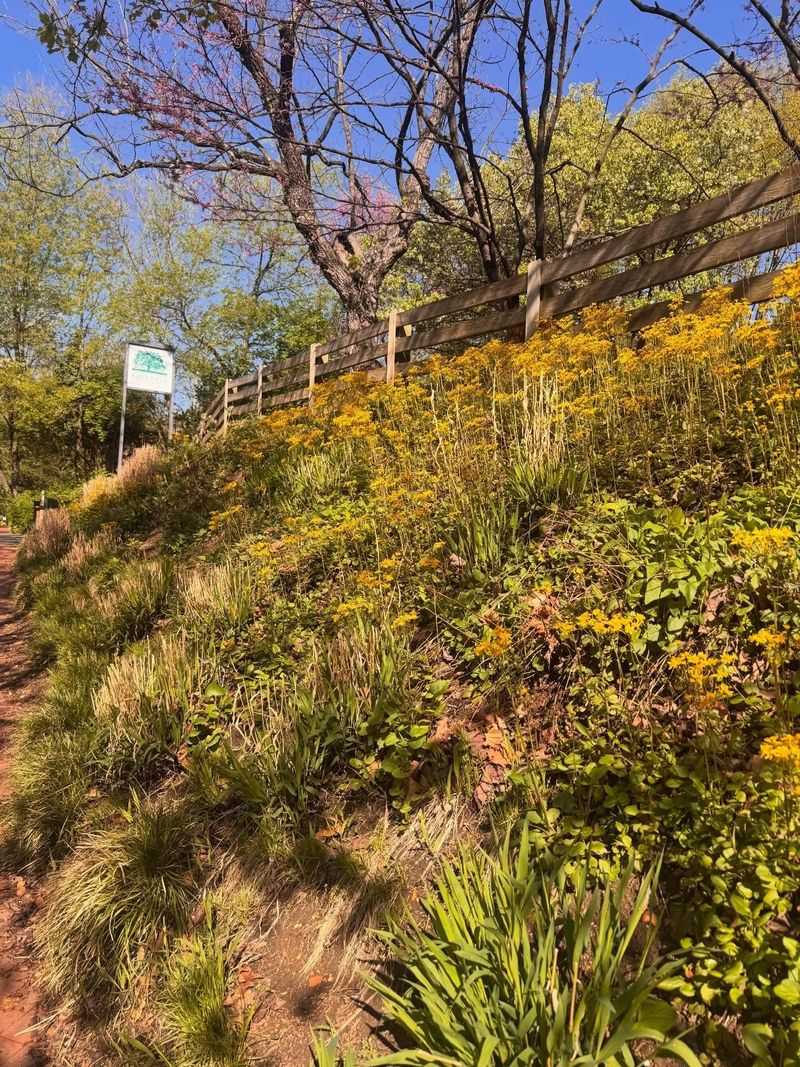
Heavy clay that stays wet after every storm scares off plenty of plants. Golden ragwort just rolls its sleeves up and gets to work.
Known to botanists as Packera aurea, it grows wild across Virginia. You can find it most often in the mountains and the Piedmont regions.
Low, rounded leaves form thick mats close to the ground. Many of those leaves stay green well into winter, so your fall beds look lived-in.
Soggy soil suits it nicely, and short spells of flooding rarely cause trouble. Clay, loam, and sand all work, especially when rich in organic matter.
Spring brings a cheerful show of small yellow daisies on tall stems. Early bees and other pollinators flock to those blooms after a long winter.
Rhizomes help the plant creep outward and fill gaps on its own. Give it room, because one small clump can become a wide patch fast.
Sun or light shade both keep it happy in most yards. A spot under tall trees with some morning light works especially well.
Pests and diseases seldom bother it, which saves you time and money. Deer usually pass it by, too, thanks to its bitter leaves.
Try planting small plugs about a foot apart in early fall. Cooler air and steady rain help roots settle in before winter arrives.
Trim spent flower stems after bloom if you want to limit seeding. Otherwise, let nature handle the spreading and enjoy a free, growing carpet.
2. Wild Ginger Spreads Easily In Moist Shade
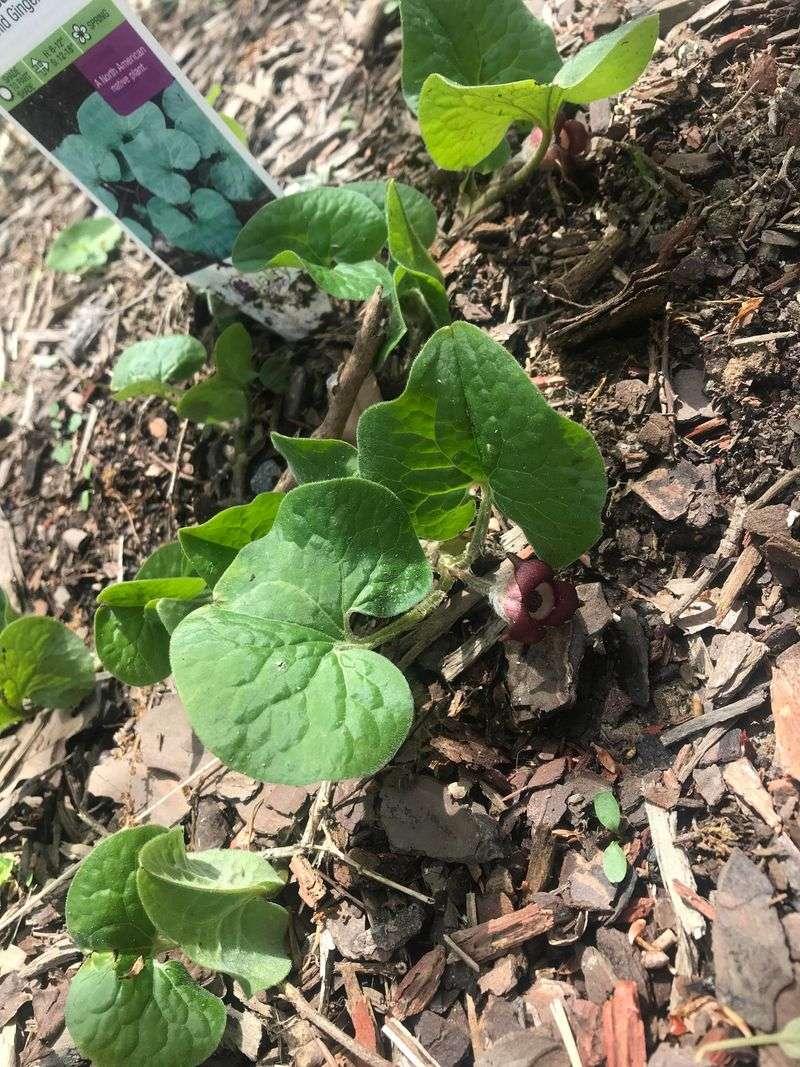
Crush a root of Canadian wild ginger and you will smell something spicy. Early settlers once used it as a stand-in for real ginger.
Virginia actually has two native plants that go by this friendly name. Each one brings its own charm to damp, shady spots.
Virginia heartleaf, or Hexastylis virginica, wears thick, leathery leaves shaped like hearts. They hold on through winter and sometimes blush purple when temperatures drop.
Canadian wild ginger, called Asarum canadense, has soft, velvety leaves instead. Its foliage stays lush through fall, then fades back to the ground for winter.
Both plants love moist, acidic soil loaded with leaf litter. Think hardwood forests, creek banks, and that shady strip beside your house.
Your Virginia Garden Changes Every Week. Your Plan Should Too.
Gardening in Virginia changes quickly throughout the season. Every Friday you’ll receive a simple weekly plan showing exactly what to plant, prune, fertilize, harvest, and protect so you never miss the right timing.
Underground stems help them creep outward slowly but steadily. Over a few seasons, a handful of plants can knit into a pretty green rug.
Here is a fun secret about the flowers. Small, jug-shaped blooms hide under the leaves, right at ground level, where beetles and flies visit them.
Mixing both types gives you the best of each. Heartleaf keeps things green in January, while Canadian ginger adds soft texture in summer and fall.
Mulch lightly with shredded leaves instead of heavy bark. Leaves break down into the rich, spongy soil these plants crave.
Water new plantings during dry spells for the first year. After that, they mostly take care of themselves.
3. Tussock Sedge Loves Soggy Spots
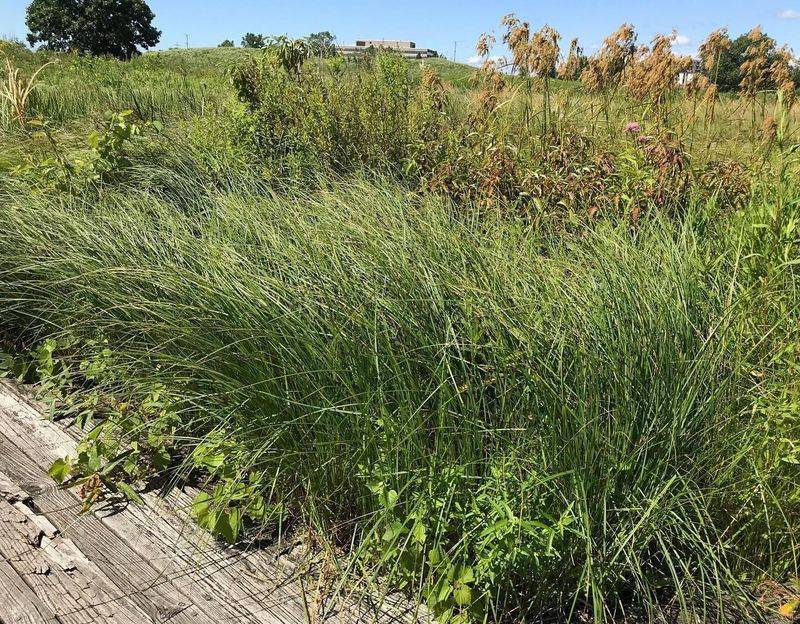
Walk through a Virginia marsh and you may spot odd little grassy islands. Those raised mounds are tussock sedge, and they are built for wet living.
Carex stricta grows in dense clumps that slowly rise above the soggy ground. Over the years, old roots and leaves stack up into sturdy pedestals.
Standing water does not bother it one bit. Seasonal flooding, mucky soil, and heavy clay are all fair game.
Fine, grass-like leaves arch gracefully and sway in the breeze. In cooler months they turn a warm straw color but stay upright and tidy.
That fall and winter look adds texture when other plants have gone quiet. Frost on the arching blades looks especially lovely on chilly mornings.
Erosion is another problem it helps solve. Thick roots grip loose soil along ditches, pond edges, and rain gardens.
Wildlife appreciates it, too. Birds nest among the clumps, and small critters shelter inside when the weather turns rough.
Full sun or partial shade both work fine. Acidic, sandy, or clay soils rarely slow it down.
For a natural look, plant clumps about two feet apart in a loose drift. They will fill in over a couple of seasons without much help.
Skip mowing it short, since that weakens the crowns. If you want a fresher look, trim old foliage back in late winter before new growth appears.
4. Partridgeberry Hugs Moist Woodland Floors
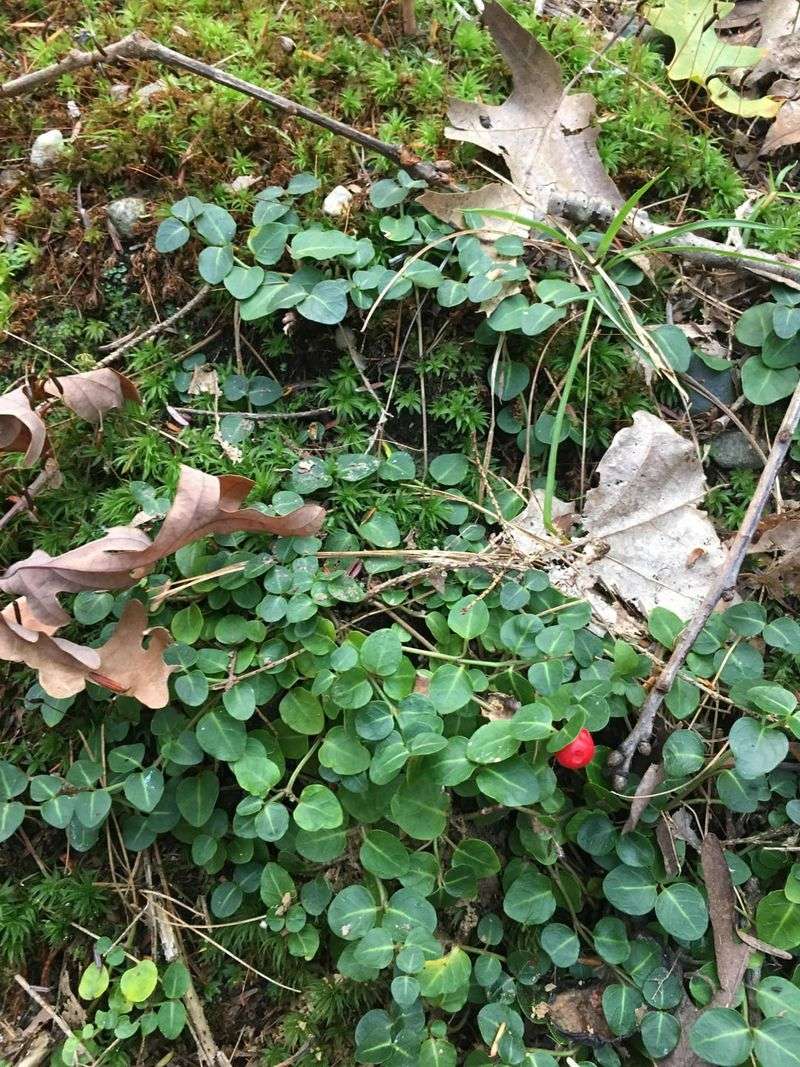
Tiny red berries peeking out from glossy green leaves feel like a woodland surprise. Partridgeberry delivers that little thrill all through fall and winter.
Mitchella repens grows naturally throughout the state. It creeps along the ground, forming low mats only an inch or two tall.
Each small, rounded leaf has a pale white stripe down the center. Up close, the pattern looks almost hand-painted.
Paired white flowers open in early summer and smell sweetly fragrant. Here is a neat twist, since two flowers join to make one berry.
Look closely and you can spot two tiny dimples on each fruit. Those marks show where the twin flowers once sat.
Berries ripen in late summer and often hang on until spring. Wild turkeys, grouse, and foxes snack on them during lean months.
Shade and moist, humus-rich soil keep this plant content. It loves forest floors, streambanks, and damp spots under trees.
Drainage still matters a bit, so avoid pooling water. A gentle slope or raised woodland bed often works well.
Growth is slow at first, so patience pays off here. Tuck plants among rocks, stumps, or moss for a charming storybook look.
Pests and diseases rarely cause problems. Once settled, it asks for little more than a steady layer of fallen leaves.
Many gardeners also grow it in terrariums for holiday cheer. Just buy nursery-grown plants rather than digging them from the wild.
5. Common Blue Violet Shrugs Off Wet Weather
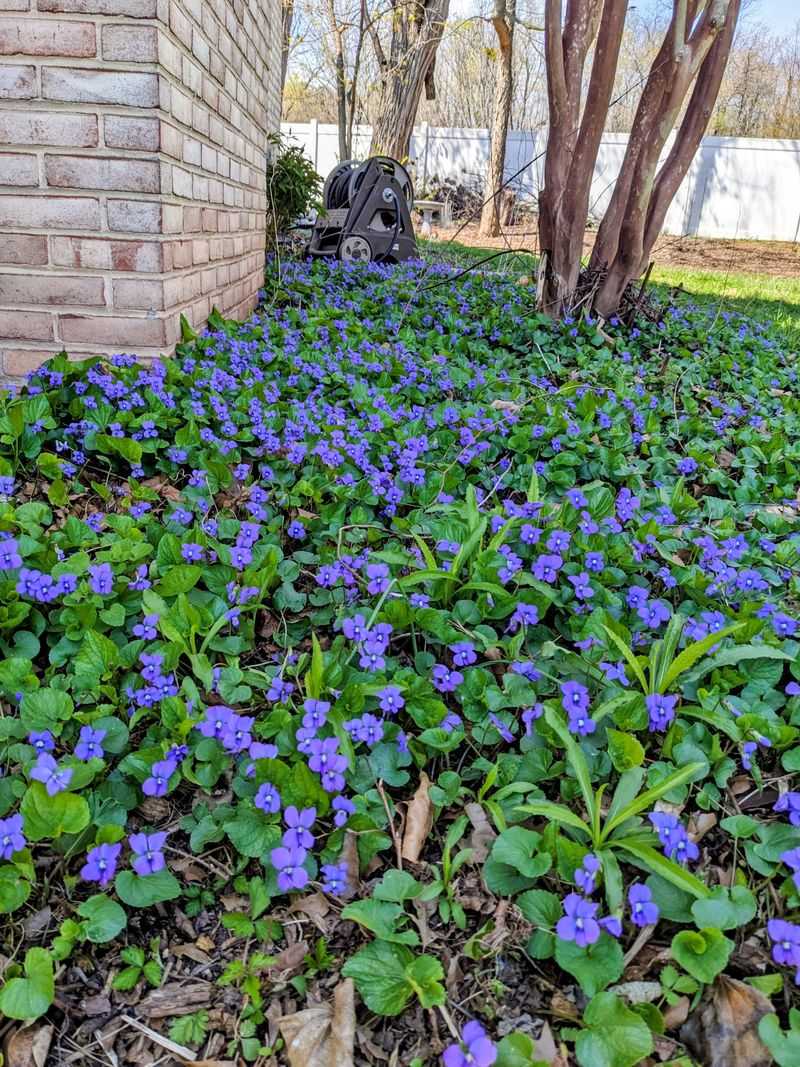
Some folks call it a weed, but hold on a second. Common blue violet might be the easiest groundcover you will ever grow.
Viola sororia pops up all over the state, from city yards to mountain trails. It even ranks as the official state flower of four other states.
Heart-shaped leaves grow in neat, leafy clumps near the ground. They often stay green and full right through fall.
Rainy weeks and poorly drained clay rarely faze it. Moist, shady corners are where it really shows off.
Purple blooms open mainly in spring, but a few may return in early autumn. Those surprise flowers make a sweet bonus on gray October days.
Fritillary butterflies depend on violets to raise their young. Their caterpillars munch the leaves, so a few holes mean you are helping wildlife.
Spreading happens two ways, by seeds and by underground stems. Seeds can even pop out of tiny pods and land several feet away.
Deer usually leave it alone, which is great news for many gardeners. Rabbits may nibble, but plants bounce back quickly.
Let it fill spaces under shrubs or around stepping stones. It also works well as a lawn replacement in damp spots where grass struggles.
Want to keep it in bounds? Pull extra seedlings in spring while they are small and easy to lift.
Fun bonus: the flowers are edible and look pretty on salads.
6. Sensitive Fern Fills Low, Wet Ground
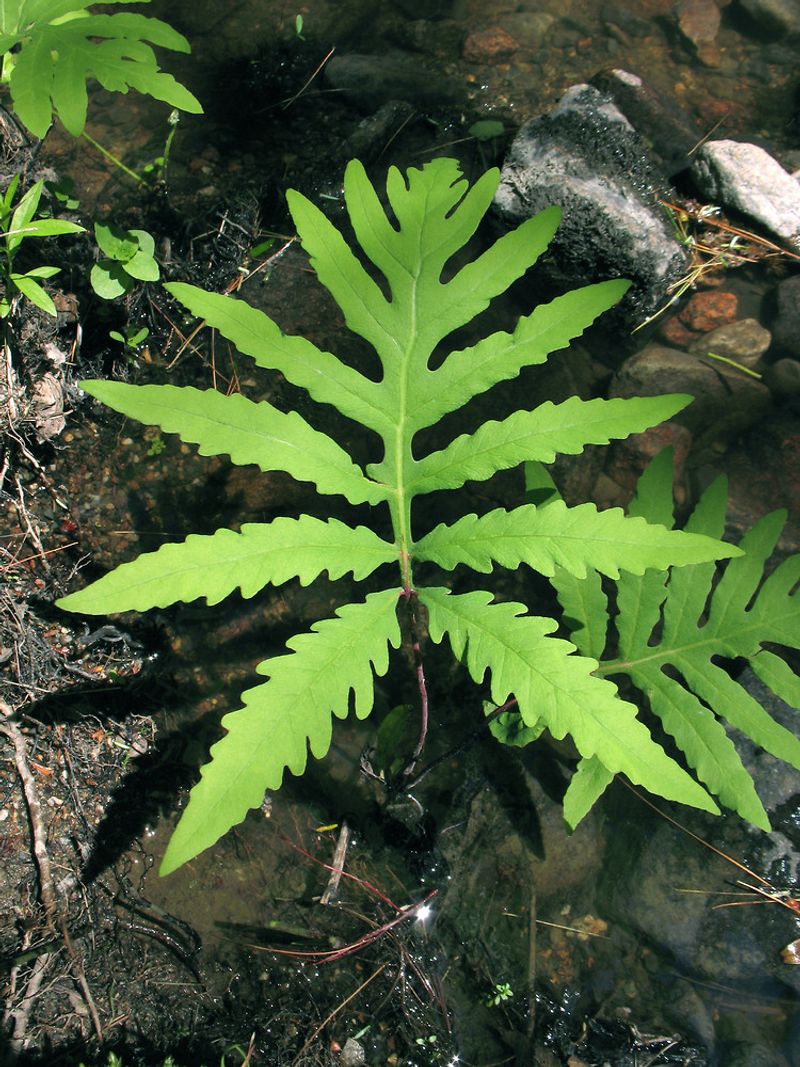
Picture a low, muddy dip where nothing else wants to grow. Sensitive fern moves in and turns it into a lush, green sea.
Onoclea sensibilis grows wild in moist woods and wetlands across Virginia. Broad, leafy fronds give it a bold, almost tropical feel.
Its name comes from how quickly the leafy fronds react to frost. The first cold snap makes them fade and fold down.
Here is the cool part, though. Separate fertile fronds stand tall with tiny brown beads that hold spores.
Those bead sticks stay upright all winter long. Many people cut them for dried flower arrangements and holiday decor.
Wet ground is where this fern feels most at home. Soggy soil, stream banks, and damp forests suit it perfectly.
Creeping rhizomes spread steadily and build large colonies. Plan ahead, since it will happily wander if it likes the spot.
Tough roots rest safely underground through winter. Come spring, fresh fronds unfurl on schedule with no fuss.
Partial to full shade works best in most yards. It can take more sun if the soil stays reliably wet.
Pair it with golden ragwort or blue violets for layered texture. The mix gives you flowers, ferny leaves, and year-round interest.
Leave the old bead stalks standing over winter. They add structure to bare beds and look beautiful dusted with snow.
7. Lizard’s Tail Handles The Wettest Corners
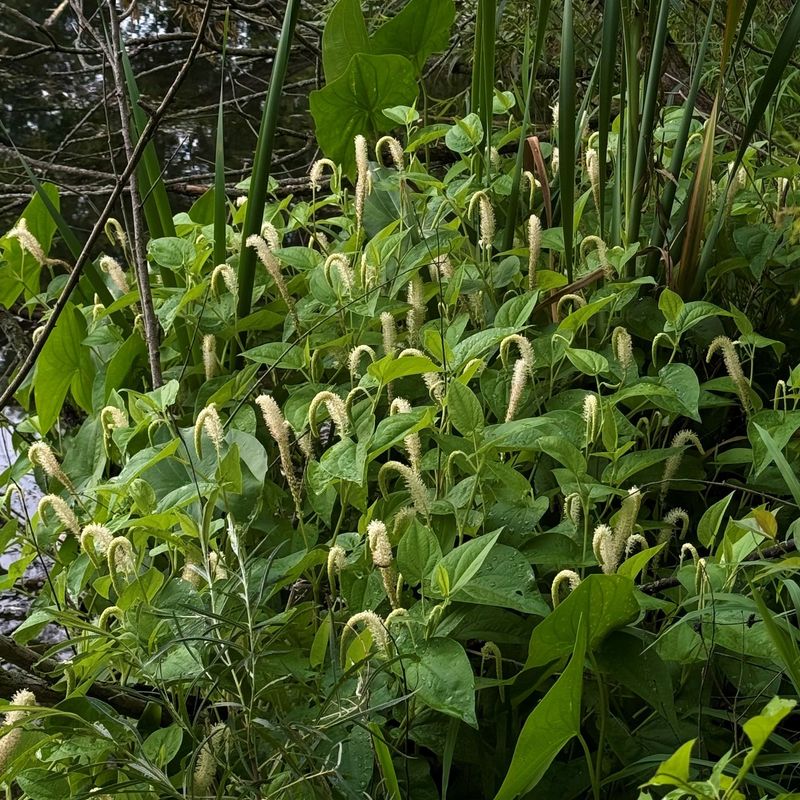
Have a spot where water just sits and sits? Lizard’s tail treats that puddle like a private swimming pool.
Saururus cernuus is a true wetland plant native to Virginia. It grows best in soggy soil or shallow standing water.
The quirky name comes from its drooping white flower spikes. Each curved spike really does look like a little tail.
Summer blooms carry a light, lemony scent. Bees and other pollinators drift over to check them out.
Glossy, heart-shaped leaves stay fresh and green until a hard frost arrives. Until then, they cover wet ground with a thick, shiny layer.
Winter sends the tops back to rest for the season. Strong rhizomes wait underground and push up new growth each spring.
Spreading comes naturally to this plant. It forms dense colonies that crowd out weeds and hold muddy banks in place.
Full sun to partial shade keeps it growing strong. Pond edges, ditches, and rain gardens are ideal homes.
Pests seldom cause headaches, so upkeep stays light. Your main job is keeping the soil wet.
Consider planting it in submerged pots if space is tight. Containers keep the roots from marching across your whole pond.
Frogs and small fish often hide among the stems. A patch near water can turn into a busy little wildlife hangout.
8. Marsh Marigold Brightens Streamside Beds
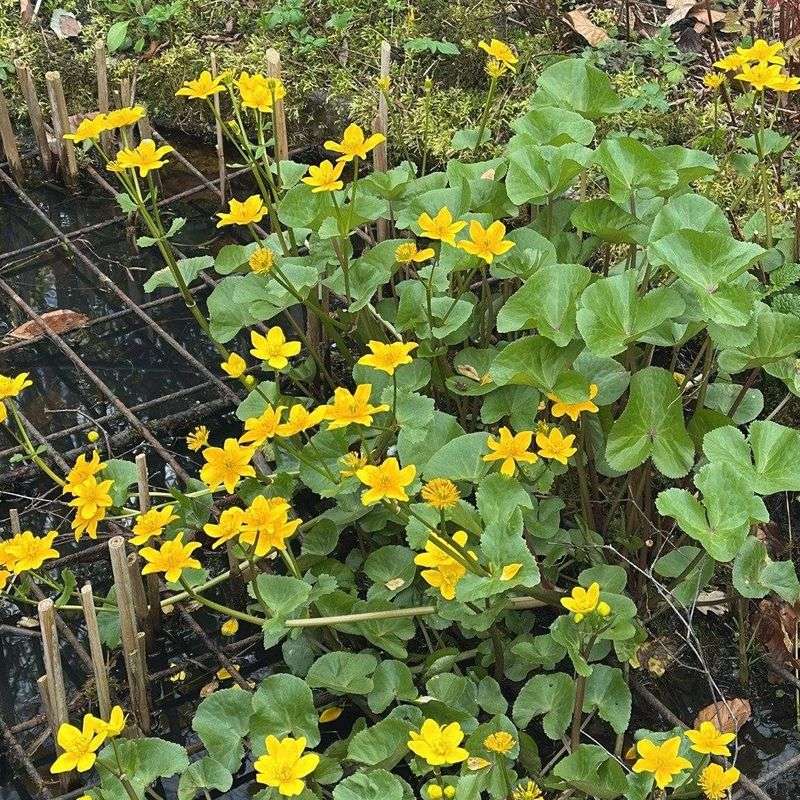
Bright yellow blooms beside a trickling stream feel like pure sunshine after winter. Marsh marigold brings that glow to wet, muddy places.
Caltha palustris grows mostly in the mountains of Virginia. You may also spot it now and then in other wet areas statewide.
Shiny, kidney-shaped leaves form rounded mounds along the water’s edge. In cooler regions, those mounds can linger into fall.
Waterlogged soil is exactly what it wants. Stream banks, pond edges, and boggy beds all make fine homes.
Flowers look a lot like oversized buttercups. They open in early spring, when hungry bees badly need a snack.
Warm summers can push the plant into a rest period. Leaves may fade early, but tough rhizomes stay safe underground.
Afternoon shade helps a lot in hotter parts of the state. Morning sun plus cool, wet soil keeps foliage looking fresh longer.
Mark its spot so you remember where it sleeps. Otherwise, it is easy to dig into by accident while planting.
Pair it with sensitive fern or lizard’s tail for season-long coverage. Those neighbors fill in once the marigold takes its break.
One caution matters here. All parts are toxic if eaten raw, so keep curious pets and kids from nibbling.
Handled with care, it rewards you year after year. Few natives light up a streamside quite so cheerfully.