Grow Blueberry Plants From Grocery Store Berries In New York With This Easy Method
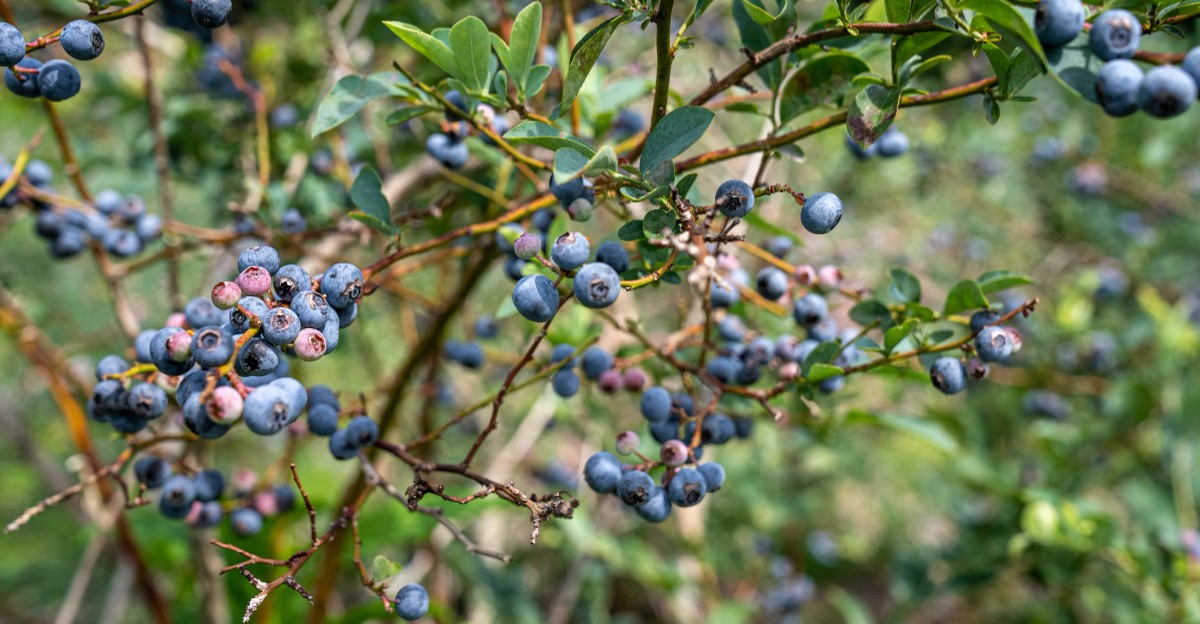
A single carton of supermarket fruit can hold hundreds of living seeds. Each tiny speck carries a brand new plant, and no two will be exactly alike.
I love that a snack bought on Tuesday could become a backyard shrub that feeds you for decades. Those little round berries in your fridge are packed with seeds most people swallow without a second thought.
Personally, I can’t look at a pint the same way anymore.
New York gardeners have a real advantage here. Wild relatives of this fruit grow on acidic hillsides from the Adirondacks to Long Island, and your winters provide the chill these seeds crave.
You need patience, a refrigerator, and a little sour soil. The payoff takes a few years, yet every step feels like a small science experiment you get to run at home.
Ready to see what’s hiding in that plastic clamshell?
1. Those Tiny Specks Inside Store-Bought Blueberries Are Real Seeds
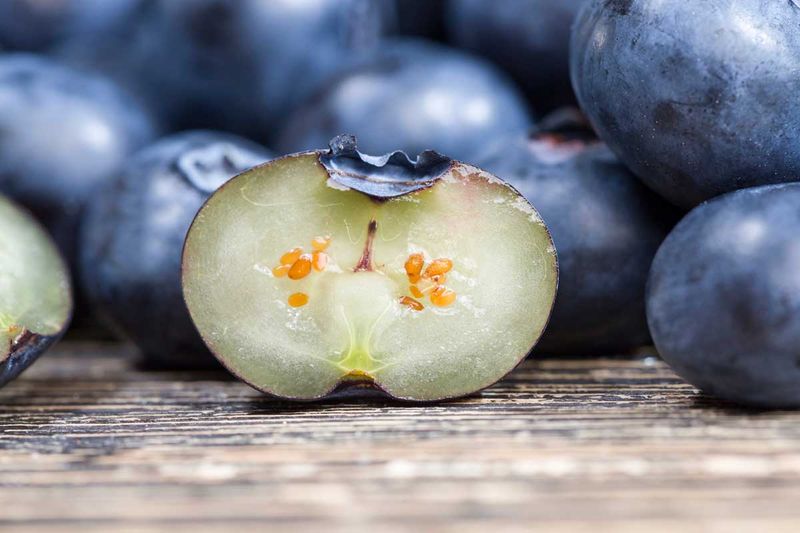
Slice a blueberry in half and look closely. Those tan flecks near the center are seeds, and each berry can hold a dozen or more of them.
Most grocery blueberries come from cultivated varieties that are propagated through cuttings, producing genetically identical plants of the same variety.
Seeds are different, though. Each one is a genetic mix of its parent plant and whatever pollen a bee carried in, so your seedlings will not match the berry you ate.
That surprise is part of the fun. Some seedlings may produce smaller or tarter fruit, while a lucky few could taste wonderful.
Plant breeders at universities grow thousands of seedlings for exactly this reason, hunting for a winner.
Fresh berries usually work better than frozen or dried ones. Freezing can harm some seeds, and dried fruit is often heat treated.
Pick plump, deep blue berries that feel soft, since fully ripe fruit tends to hold the most mature seeds.
Organic berries are a popular choice, though conventional ones can sprout too. Grab a full pint, because germination rates are often modest.
More seeds simply give you better odds of a healthy crop of seedlings to choose from.
2. Mash, Soak, And Watch The Good Blueberry Seeds Sink
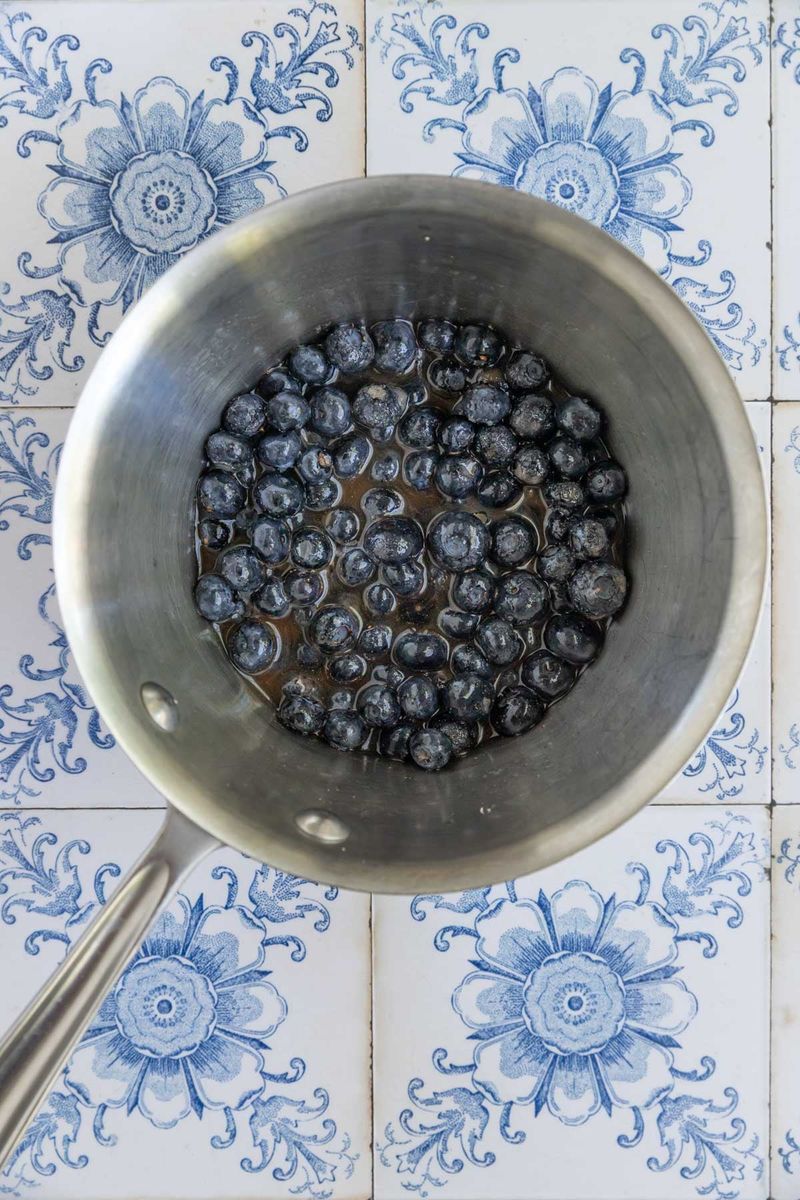
Kids love this part, and honestly, so do I. Toss a handful of ripe berries into a bowl and squish them with a fork or your fingers until they turn into purple mush.
Pour in enough water to cover the pulp and give it a good stir. Wait about five minutes.
Many viable blueberry seeds settle at the bottom, while much of the pulp and some empty seeds float, although sinking alone does not guarantee viability.
Carefully tip the bowl and pour off the floating stuff. Add fresh water and repeat two or three times until the water looks mostly clear.
Then pour the rest through a fine mesh strainer or a coffee filter to catch the seeds.
Spread the seeds on a paper towel and let them air dry for about a day. Rinsing well matters, because leftover sugary pulp invites mold later on.
Clean seeds give you a much better start.
A blender on the lowest setting works for bigger batches. Pulse it only a few seconds so the blades don’t damage anything.
Some gardeners also skip drying and move seeds straight into chilling, which works fine as long as you handle them gently.
3. Your Refrigerator Can Fake A New York Winter For Blueberry Seeds
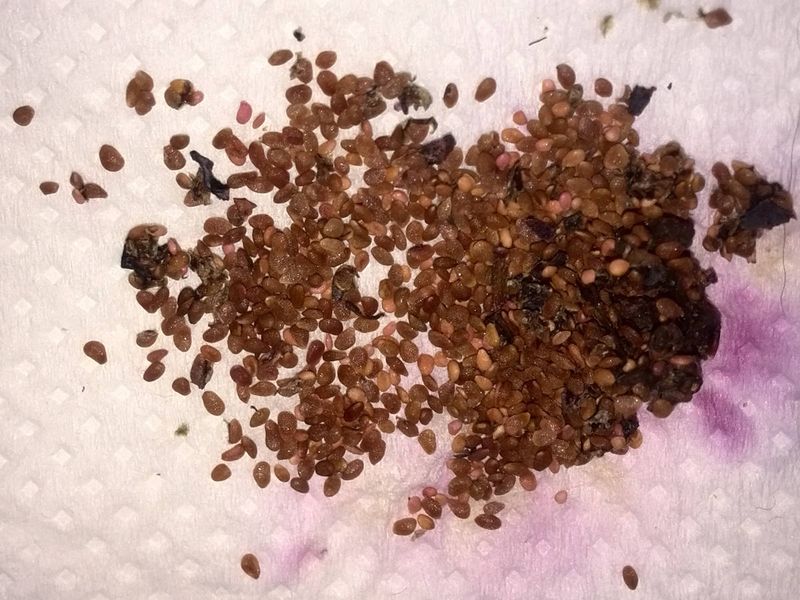
Wild blueberry seeds drop in late summer and sit through months of cold before sprouting in spring. That chilly rest is called cold stratification, and it helps break the natural brakes that keep seeds from sprouting too early.
You can copy nature with a simple setup. Fold your seeds into a slightly damp paper towel or mix them with moist sand or peat.
Seal everything in a zip-top bag and write the date on it.
Place the bag in the fridge, ideally around 34 to 41 degrees Fahrenheit. Leave it there for about 8 to 12 weeks.
Check every couple of weeks to make sure it stays damp but not dripping, and toss any seeds showing fuzzy mold.
Timing makes this easy to plan. Start chilling in December or January, and your seeds will be ready to sow indoors by early spring.
That lines up nicely with longer daylight hours.
Keep the bag away from apples and other ripening fruit, which release ethylene gas. A back corner of the vegetable drawer usually works well.
Some growers report sprouts without chilling, yet stratifying often gives more even results.
4. Blueberry Seedlings Want Sour Peat Moss, Not Regular Potting Mix
Here’s a quirky truth about blueberries. They belong to the heath family, alongside rhododendrons and cranberries, and they genuinely prefer sour soil.
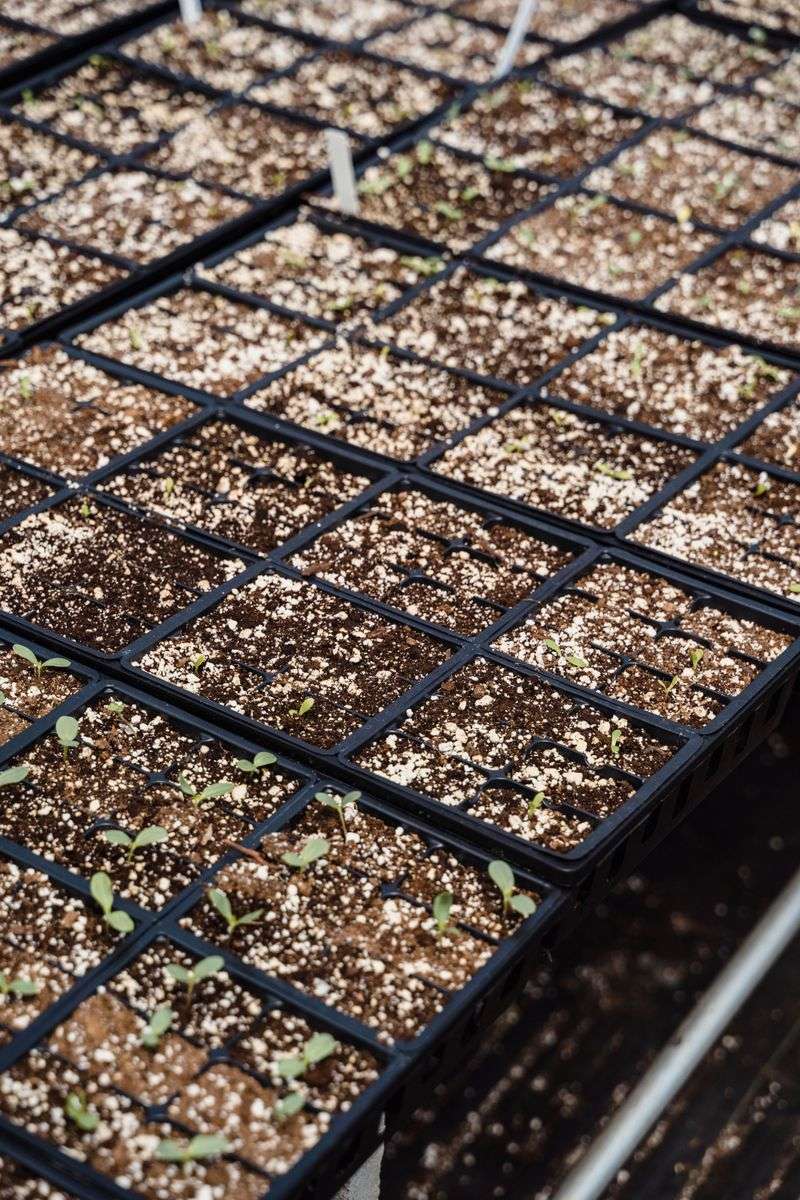
Fill a shallow tray or a few small containers with finely milled sphagnum peat moss. Peat is naturally acidic, which suits blueberry roots from day one.
Standard potting mixes often contain lime, so skip those for this project.
Moisten the peat thoroughly before sowing. Scatter the chilled seeds on the surface and press them down lightly, covering with only a dusting of peat.
These seeds are tiny and seem to sprout better with a bit of light.
Cover the tray with a clear dome or plastic wrap to hold humidity. Aim for temperatures of roughly 65 to 75 degrees Fahrenheit.
A sunny windowsill or an inexpensive grow light keeps things cozy.
Sprouts may appear in about four weeks, though some take three months. They often pop up unevenly, so don’t give up early.
Mist gently from above or water from below to avoid washing seeds away.
Once seedlings show a few true leaves, remove the cover slowly over several days. Transplant them into individual pots when they reach a couple of inches tall.
5. A Quick Soil Test Tells You If Your Yard Suits Blueberry Bushes
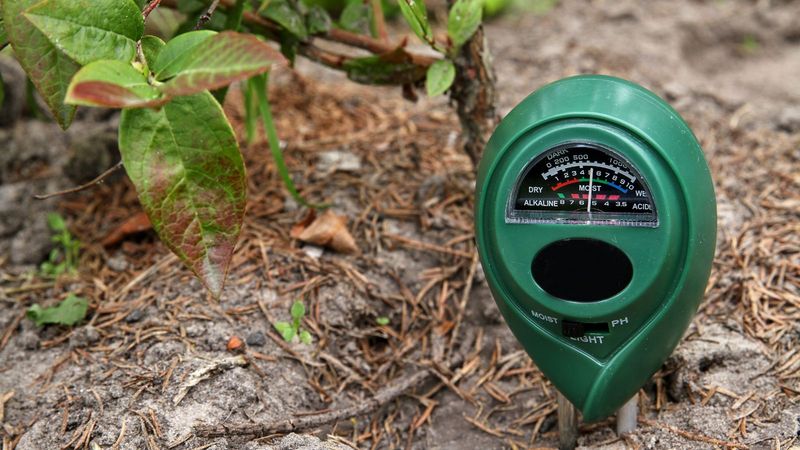
Blueberries are picky eaters, and soil pH is their biggest demand. Cornell Cooperative Extension recommends a pH of about 4.5 to 5.5, which is much more acidic than most lawns or vegetable beds.
Soil in New York varies a lot from place to place. Some spots in the Adirondacks and on Long Island lean naturally acidic, while many western and central areas have limestone-rich ground.
Your own yard could surprise you.
Get a soil test before planting anything. Many county Cornell Cooperative Extension offices offer testing or can point you to a lab.
The results show your pH and help you plan changes.
Lowering pH takes time. Gardeners usually mix elemental sulfur into the soil, and experts suggest doing this about a year before planting.
Peat moss worked in at planting also helps.
Avoid aluminum sulfate, which can build up and harm blueberry roots. Stick with elemental sulfur and follow test recommendations closely, since adding too much at once can backfire.
Very alkaline soil may be tough to fix. In that case, large containers or raised beds filled with an acidic mix give your young plants a much easier path.
6. Sunny Spots And Raised Beds Help Young Blueberry Plants Thrive
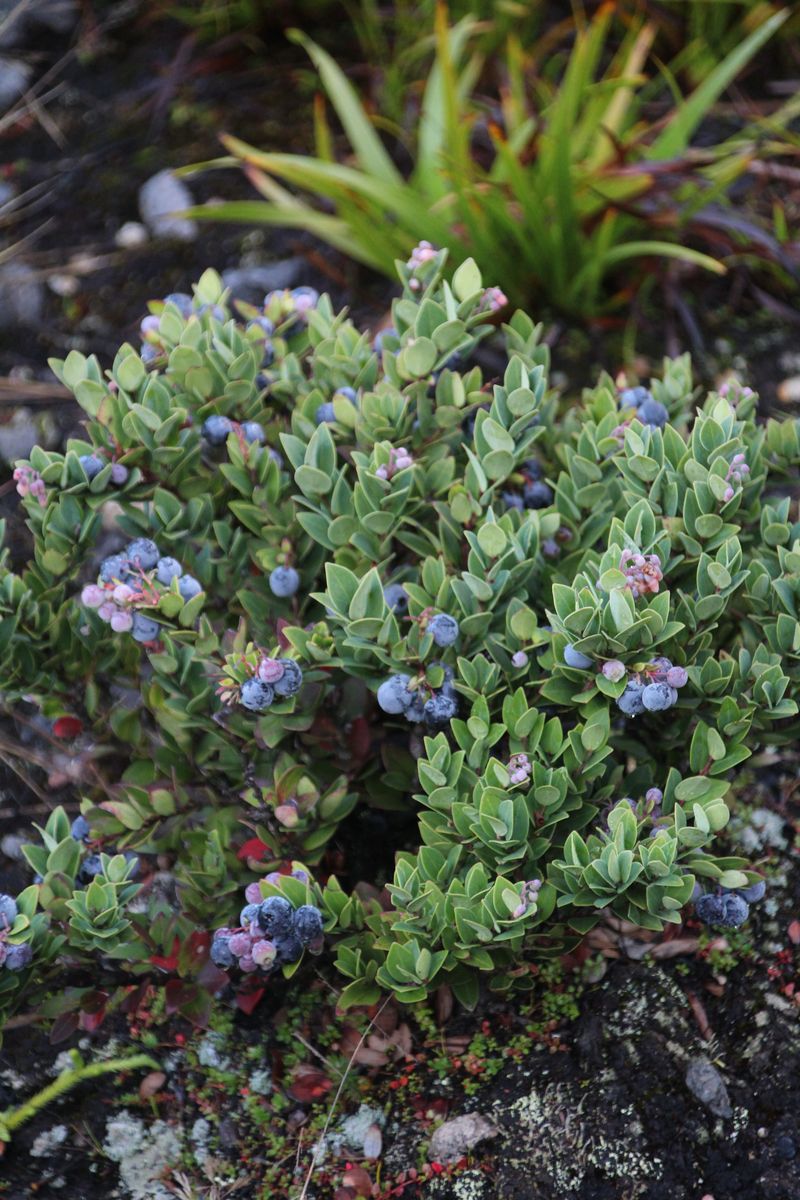
Picking the right home for your seedlings pays off for years. Blueberries are long-lived shrubs, and a well-chosen spot can keep them productive for decades.
Give them full sun, ideally six to eight hours a day. Bushes in shade may survive, but they usually produce far fewer berries.
Look for an open area away from big tree roots that compete for water.
Drainage matters just as much. Blueberry roots are shallow and fine, so soggy clay can cause trouble.
Raised beds or mounded rows filled with acidic, organic soil help water drain properly.
Keep the soil evenly moist, especially in the first couple of summers. About an inch of water per week is a common guideline, including rain.
Drip lines or a soaker hose make this easier.
Mulch is a blueberry’s best friend. Spread a few inches of pine bark, wood chips, or pine needles around each plant to hold moisture and keep roots cool.
Move seedlings outdoors after your last spring frost, which ranges from April downstate to late May or early June in colder northern areas. Harden them off for a week first so they adjust gradually to wind and sunshine.
7. Homegrown Blueberry Bushes Make You Wait A Few Years For Fruit
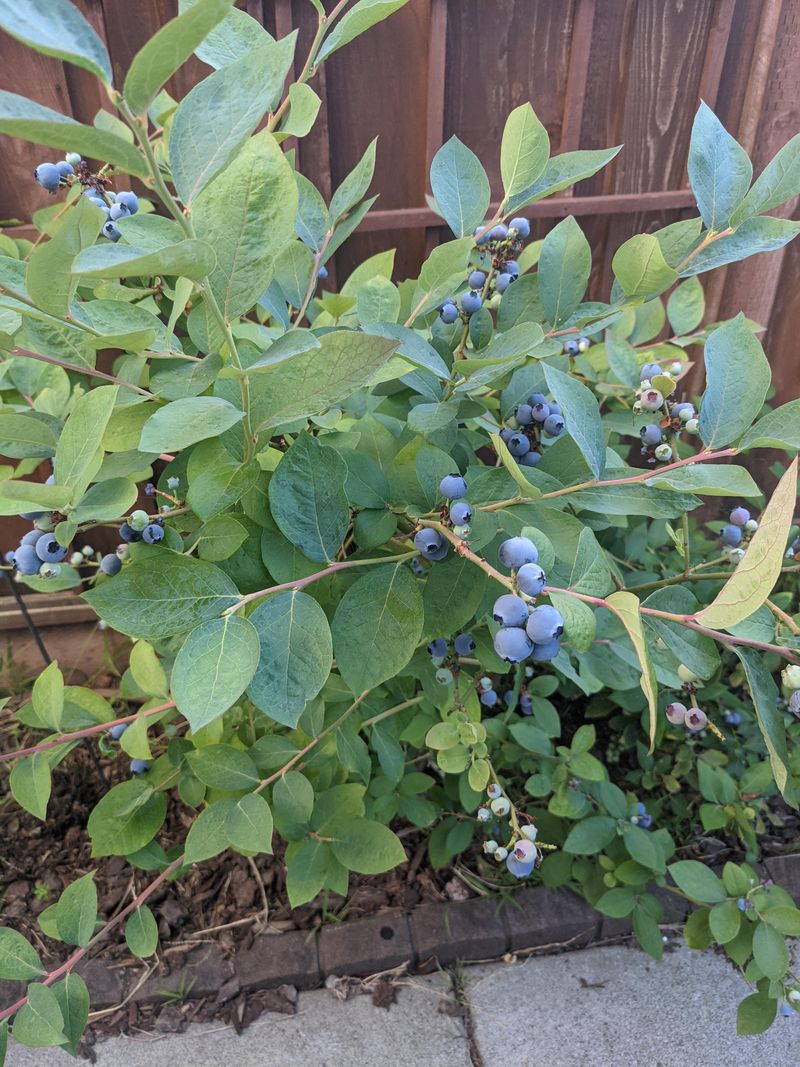
Patience is the secret ingredient nobody puts on the label. Seed-grown blueberries are slow starters, and that’s perfectly normal.
Most seedlings take around three to four years to produce a first small handful of berries. A full, generous harvest often arrives somewhere between five and eight years.
Nursery plants grow faster because they start as rooted cuttings already a few years old.
Early care shapes a stronger bush. Many experts suggest pinching off flowers for the first year or two after planting outdoors.
That sends energy into roots and branches instead of tiny fruit.
Feed lightly with a fertilizer made for acid-loving plants, such as one labeled for azaleas or rhododendrons. Ammonium-based nitrogen suits blueberries better than nitrate forms.
Too much fertilizer can burn the delicate roots.
Once bushes mature, prune in late winter while they’re dormant. Remove weak, crossing, or very old canes to encourage fresh growth.
Every seedling is a one-of-a-kind plant. You might discover a bush with unusually sweet fruit, an early ripening habit, or fiery red fall color.
That little gamble keeps the long wait exciting rather than tedious.
8. Pairing Blueberry Bushes Brings Bigger Berries And Netting Saves Them
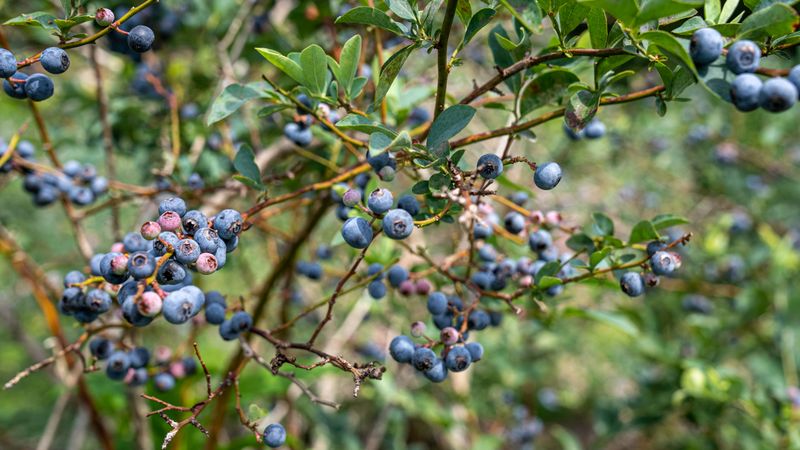
Bees are the unsung heroes of every blueberry harvest. Highbush blueberries can set some fruit with their own pollen, yet cross-pollination often brings larger berries and a heavier crop.
Grow at least two or three bushes that bloom around the same time. Since seed-grown plants differ genetically, a small group of your seedlings can pollinate each other nicely.
Want faster fruit alongside your experiment? Add a nursery variety or two.
Cornell recommends northern highbush types like Bluecrop, Patriot, and Jersey for much of the state, while half-high types such as Northblue handle the coldest northern spots.
Birds will find ripe berries quickly. Catbirds, robins, and cedar waxwings can strip a bush in a day or two.
Drape bird netting over a simple frame before berries turn blue to protect your crop.
Native blueberries also support wildlife and pollinators, including bumblebees that buzz pollen loose from the flowers. Planting a few extra bushes means sharing a little without losing it all.
Start one pint of berries this winter, and you could be picking your own fruit in a few summers. Few garden projects begin so cheaply and last so long.