The Simple Tricks To Stop Weeds Between Pavers In Texas
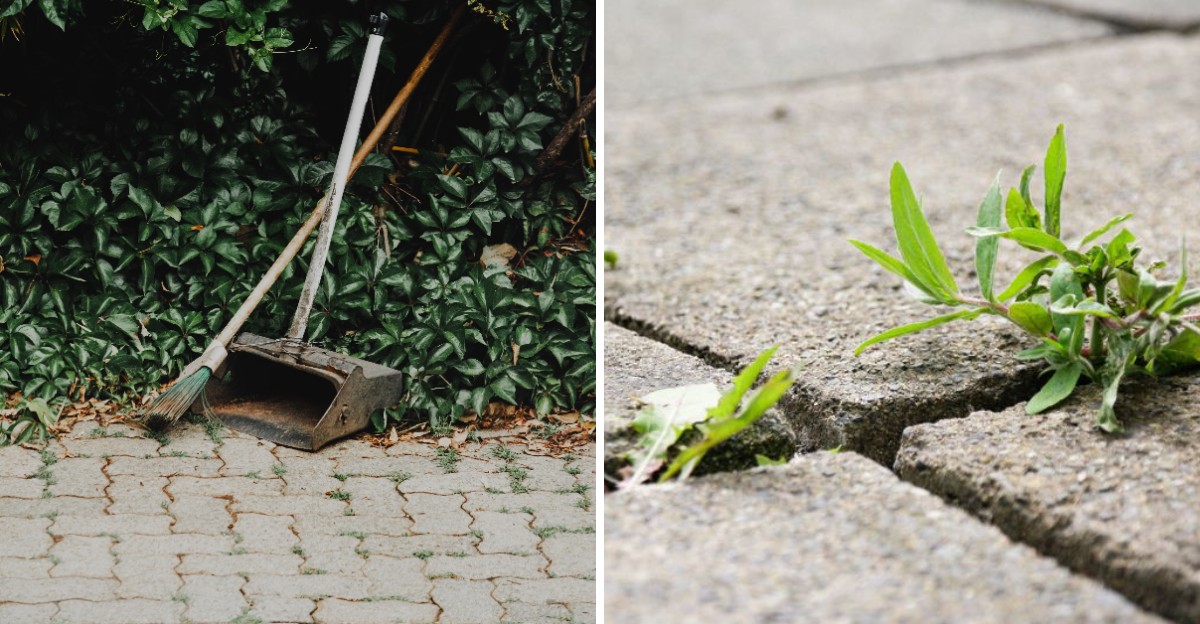
A weed doesn’t need much to get started. A thin crack, a pinch of sand, and a little moisture are often enough. That’s why those narrow gaps between your patio pavers can turn green so quickly.
Texas weather makes the problem even worse. Heavy downpours wash away the sand between the stones, leaving open spaces for seeds to settle in.
Then warm days and mild winters give them plenty of time to grow. Before long, grass, clover, and stubborn weeds are poking up all over the patio, walkway, or driveway.
Pulling them by hand is tedious, and they often come right back. Harsh chemicals aren’t always the best option, especially around kids, pets, and nearby plants.
Thankfully, a few simple tricks can stop weeds from taking root and keep your pavers looking clean and polished for much longer.
1. Fill Joints With Polymeric Sand
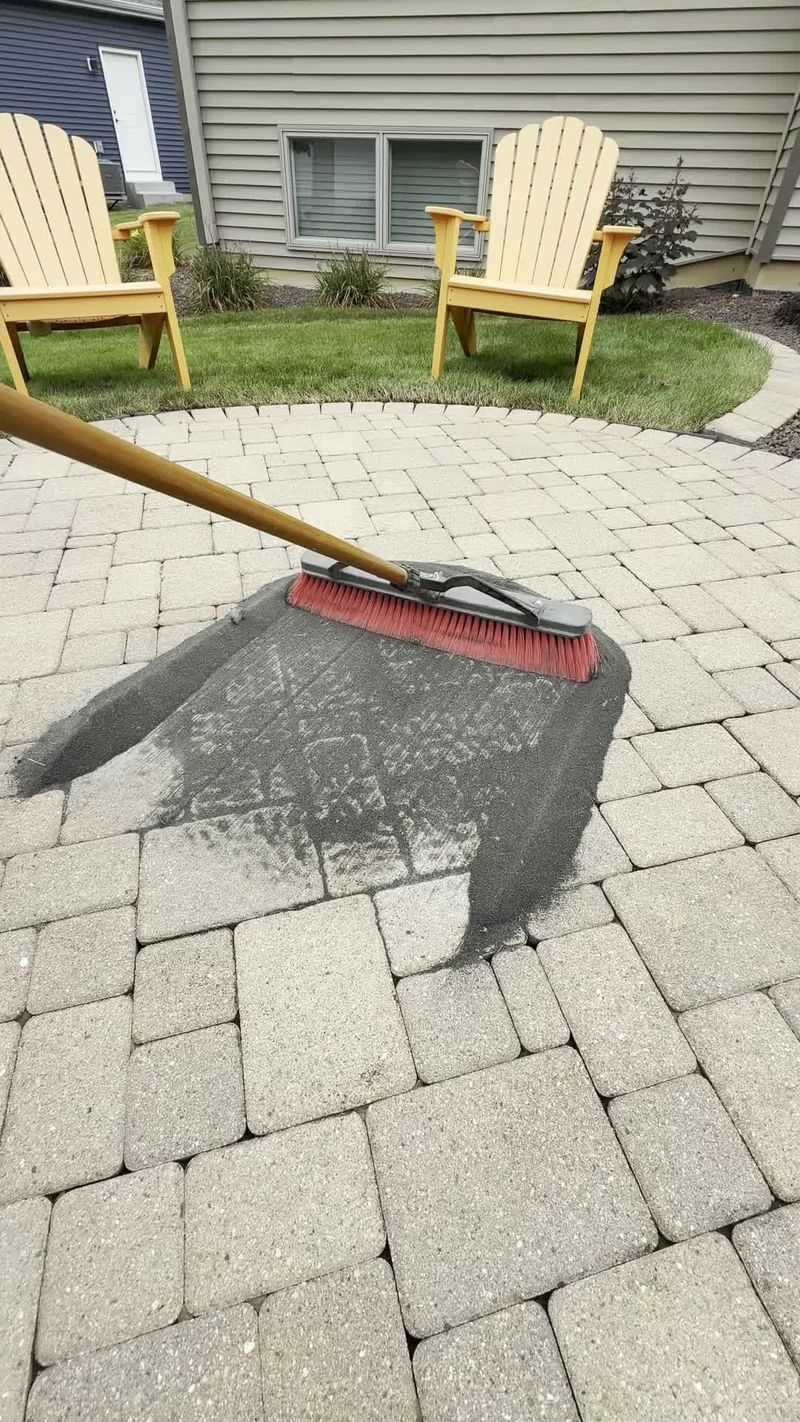
Regular sand is a bit like an open door for weeds. Polymeric sand works more like a locked gate. It looks like normal sand, but it is mixed with special binders that turn firm once they get wet.
When the binders harden, the sand stays put between your pavers. Weed seeds have a tough time pushing roots into that firm layer. Ants also find it harder to dig, which is a nice bonus in Texas, where fire ants love paver patios.
Getting started takes a little effort, but it pays off. First, clear out the old sand and any weeds in the joints.
A pressure washer, a stiff brush, or a flat tool can help. Let the pavers dry completely, because damp surfaces can make the sand clump too early.
Next, pour the polymeric sand over the pavers. Sweep it into the cracks with a push broom until the joints are full. Tap the pavers gently with a rubber mallet or a plate compactor to help the sand settle, then add more if needed.
Here comes a step people often forget. Blow or sweep every bit of extra sand off the paver tops. Any leftover grains can leave a hazy film once they harden.
Finally, mist the area with a hose on a gentle shower setting. Follow the directions on the bag, since some brands need more than one light watering.
Check the weather before you begin. Most products need about a day without rain to set properly. A dry stretch in spring or fall is a great time to tackle the job, and the results can last for several years.
2. Keep The Joints Full
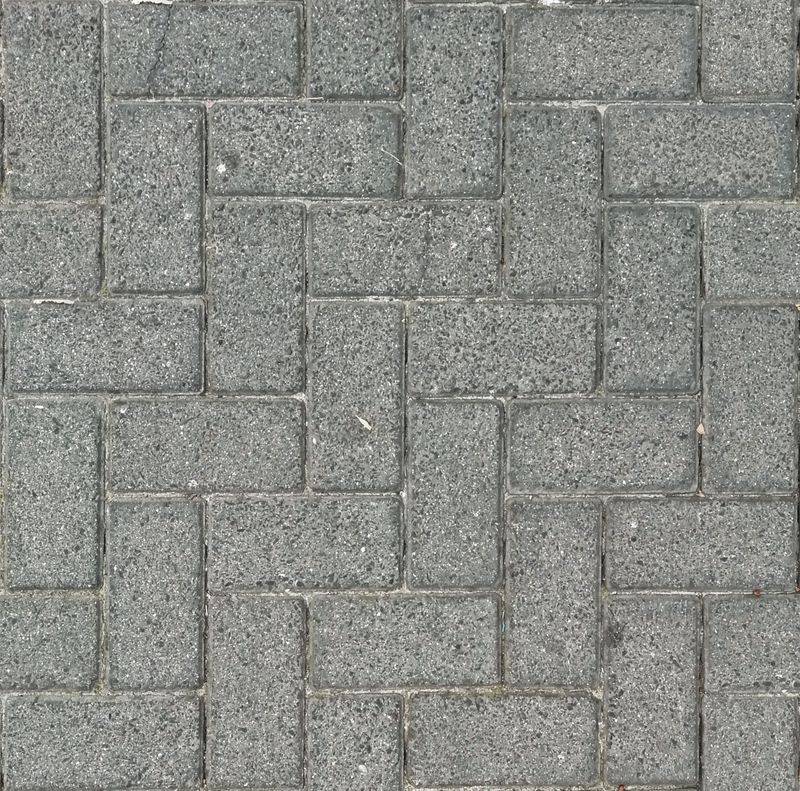
Think of the sand between your pavers like the water in a pool on a hot July day. Little by little, it disappears. You may not notice at first, but those joints slowly get lower.
Rain is a big reason for the loss. Texas storms can dump inches of water in an hour, and that rush washes sand right out of the cracks.
Hosing down your patio, running a leaf blower, and walking across the pavers every day all play a part too.
Your Texas Garden Changes Every Week. Your Plan Should Too.
Gardening in Texas changes quickly throughout the season. Every Friday you’ll receive a simple weekly plan showing exactly what to plant, prune, fertilize, harvest, and protect so you never miss the right timing.
Once the joints sink, small pockets open up. Wind blows weed seeds into those spaces. Dust and water settle there as well, giving the seeds everything they need to sprout. Before you know it, green shoots are popping up in neat little rows.
Fixing the problem is simple. Walk your patio or path a few times a year and look closely at the joints.
The sand should sit just below the edge of the pavers, about an eighth of an inch down. If you can see deeper gaps, it is time for a refill.
Grab a bag of paver sand or polymeric sand that matches what you already used. Sweep it into the low spots, tap it down, and brush off the extras. The whole job might take less than an hour for a small patio.
A good habit is to check after any heavy storm or after you pressure wash. Those are the moments when the most sand goes missing. Staying on top of it means weeds never get a cozy place to settle in.
3. Sweep Away Debris Regularly
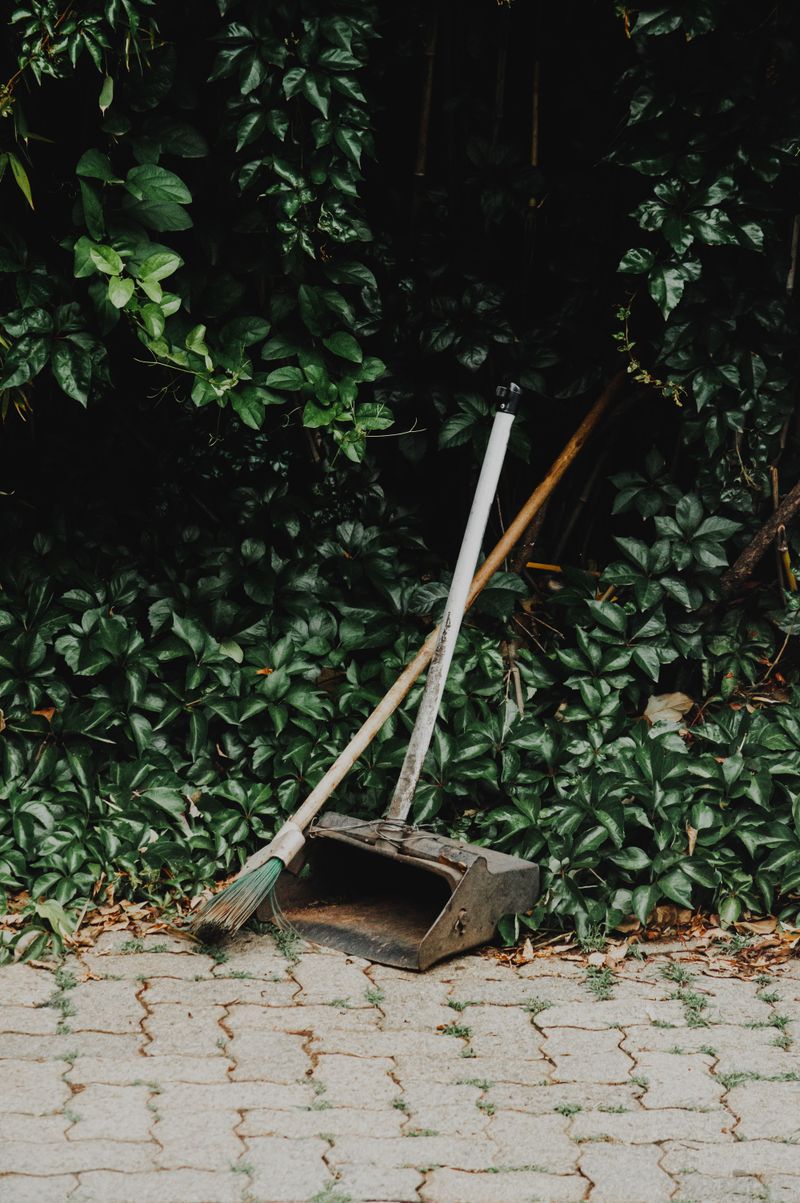
Ever wondered how a weed grows in a crack with no dirt? The answer is sneaky. The dirt makes itself, one leaf and one grass clipping at a time.
Leaves, dust, pollen, and bits of mowed grass blow onto your pavers all the time. Some of that mess slips into the joints.
Over a few weeks, it breaks down into a thin layer of rich soil. To a weed seed, that tiny strip feels like a five-star hotel.
Regular sweeping stops the cycle. When you clear away debris before it rots, you take away the food and soil weeds depend on. It sounds almost too easy, but it really works.
Try to sweep or blow off your patio and walkways once a week. A stiff push broom is great for scrubbing dust out of the cracks. A leaf blower is faster for large areas, like a long driveway.
Fall deserves extra attention. Texas yards often have pecans, live oaks, and cedar elms that drop leaves for weeks. Live oaks are a funny case, since they shed most of their leaves in spring instead of fall.
Either way, keep an eye on whatever trees hang over your pavers and step up your cleaning when they let go.
Do not forget mowing day. Point your mower so clippings shoot onto the lawn, not the patio. If some land on the pavers anyway, blow them back onto the grass right away.
They will feed your lawn instead of the weeds. Five minutes with a broom can save you hours of pulling later.
4. Pull Weeds While They’re Young
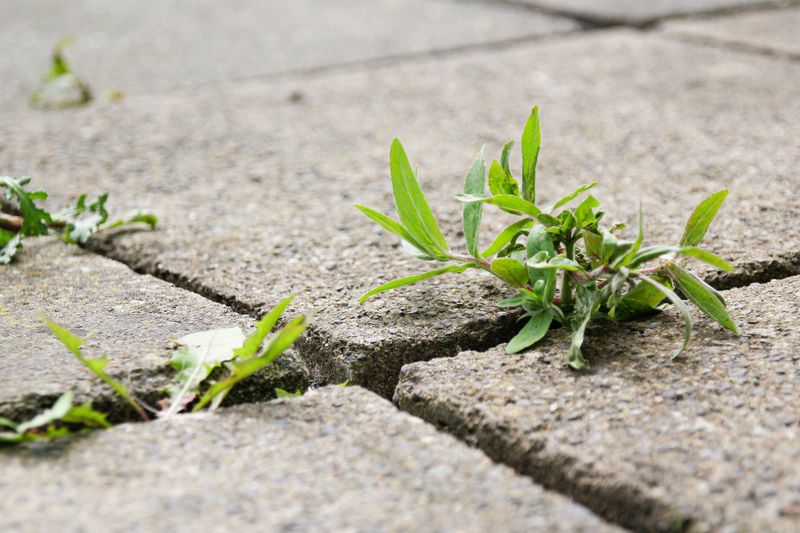
My grandmother had a saying about weeds. Catch them as babies, and they come out with a whisper. Wait too long, and they put up a fight.
She was right. Young weeds have short, thin roots that have not grabbed onto much yet. A gentle tug often pulls out the whole plant.
Older weeds grow deep roots that wrap around the bottom of the pavers, and they often snap off when you pull. Whatever root stays behind can grow right back.
Timing makes a huge difference. The best moment to weed is after a good rain or a deep watering. Wet soil is soft and loose, so roots slide out much more easily.
In the Texas summer heat, try early morning, when it is cooler and the ground still holds a bit of moisture.
You do not need anything fancy. A crevice weeder is a small tool with a thin, hooked blade made just for paver cracks. An old butter knife or flat screwdriver can do the same job. Slide the tip down beside the weed, wiggle it under the roots, and lift.
Try to get the whole root every time. Toss the weeds in a bag instead of leaving them on the patio. Some weeds can drop seeds even after you pull them.
A quick walk around your pavers once a week works wonders. Bring your tool and a small bucket. Pull anything new while it is still tiny. It turns a big chore into a calm little ritual, and your patio stays looking sharp all season.
5. Pour Boiling Water On Weeds
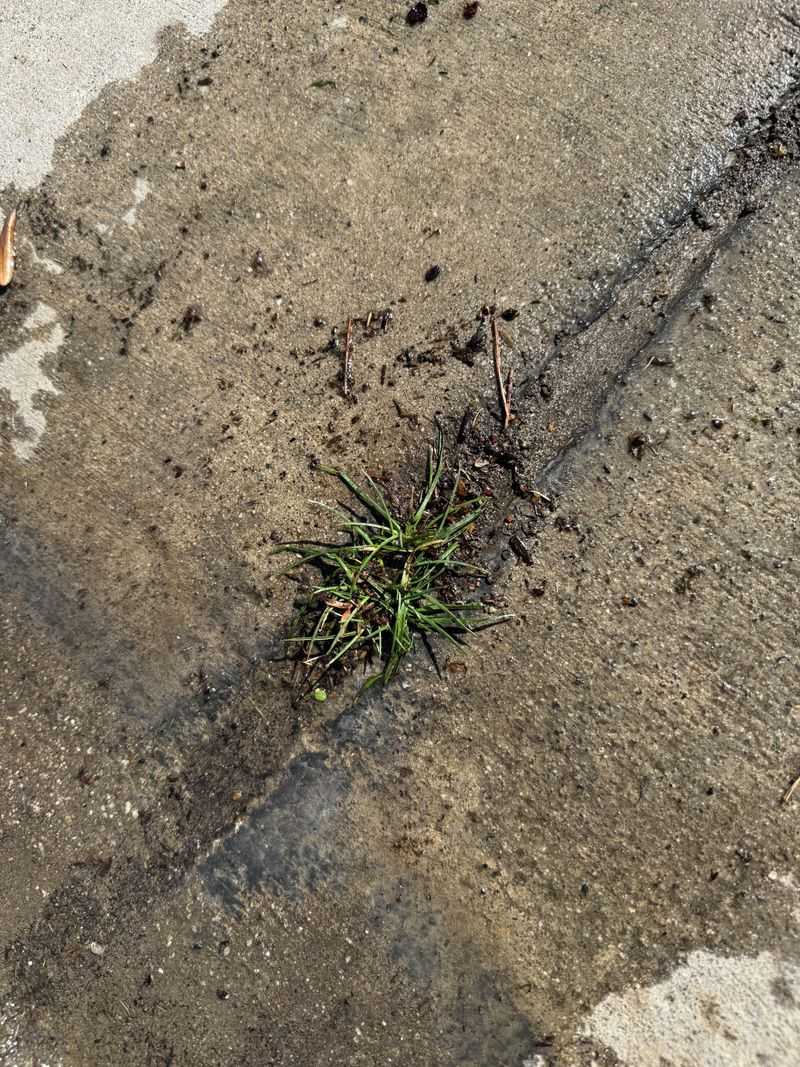
Your kitchen kettle might be one of the best weed fighters you own. No chemicals, no store trip, and no strange smells. Just hot water and a steady hand.
Boiling water works by cooking the plant. The heat breaks down the leaves and stems almost right away.
Within a day or two, the weeds turn brown and wilt. It is a great choice if you have kids or pets who play on the patio, since nothing harmful is left behind.
Here is how to do it. Bring a full kettle or pot of water to a rolling boil. Carry it carefully to the patio, and pour slowly and directly onto each weed. Aim right at the base, where the stem meets the crack.
Safety comes first with this trick. Wear closed shoes, long pants, and gloves. Keep children and pets indoors while you work. Pour low to the ground so the water does not splash back at you.
Watch out for nearby plants too. Boiling water cannot tell a weed from your favorite flowers. Hot water flowing off the pavers can hurt grass or garden beds along the edges, so go slowly near borders.
Tough weeds may need more than one round. Dandelions, nutsedge, and Bermuda grass have strong roots that can send up new shoots.
Repeat the treatment every week or so until they give up. Each round weakens the root a little more.
Fun tip: some people save the hot water from boiling pasta or potatoes. Let it cool a bit less than you think and use it before it gets cold.
6. Apply A Pre-Emergent At The Right Times
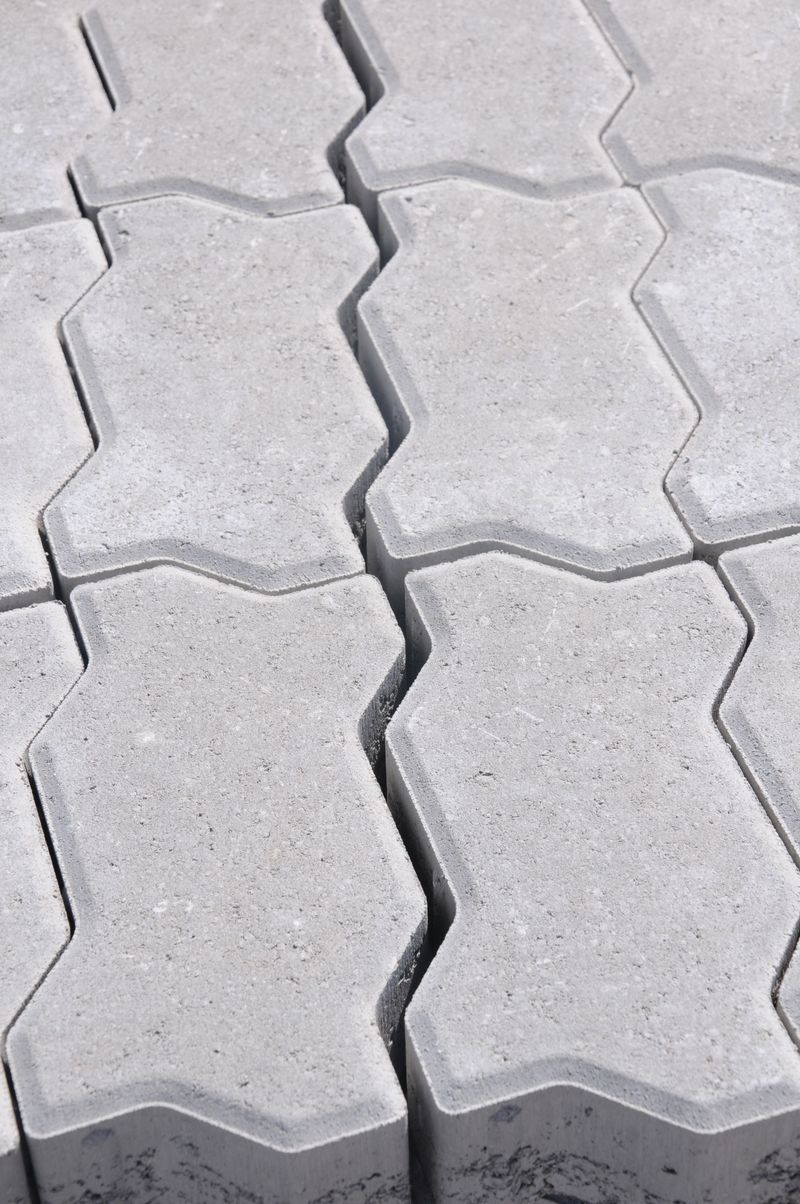
Stopping a weed before it even exists sounds like magic. A pre-emergent herbicide comes pretty close. It works on seeds, not plants.
Once you spread it, a pre-emergent forms a thin barrier at the soil surface. When a weed seed starts to sprout, that barrier stops the tiny root from growing. The seed never makes it above ground. Your paver joints stay clean without you lifting a finger.
Timing is the secret. In most of Texas, the first application should go down in late winter, around mid-February to early March.
That is just before soil warms and spring weeds like crabgrass wake up. North Texas can wait a couple of weeks longer, while South Texas may need to start a bit sooner.
A second round in early fall, usually September, blocks cool-season weeds. Henbit, chickweed, and annual bluegrass all sprout as the weather cools. Hitting both seasons covers most of the year.
Keep one big rule in mind. A pre-emergent does nothing to weeds that are already growing. Pull or treat any existing weeds first, then apply the product to the clean joints.
Always read the label closely. It will tell you how much to use, how to apply it, and whether to water it in.
Many granular types need a light watering to activate. Some products are not safe near certain plants or vegetable gardens, so check before you spread.
Store the bag in a cool, dry place away from kids and pets. Set a reminder on your phone for both seasons, and you will rarely miss your window.
7. Reduce Extra Moisture
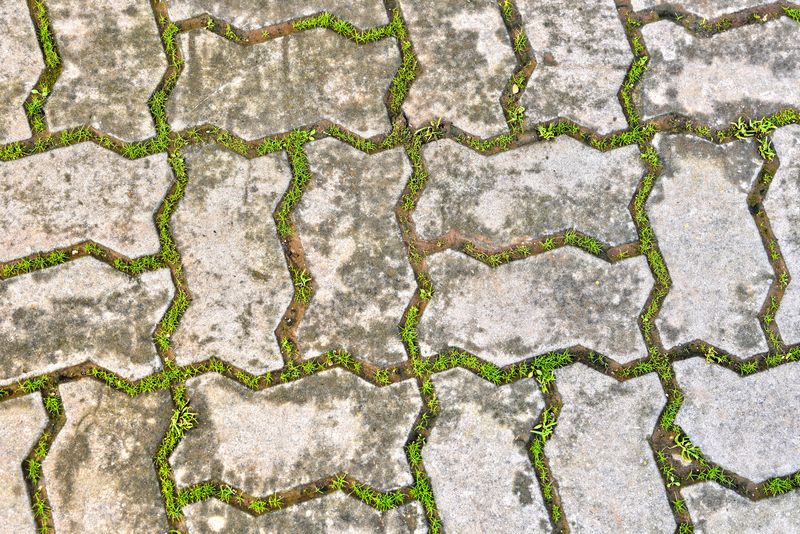
Weeds are a lot like teenagers in summer. They hang out wherever the water is. Give them damp cracks, and they will move right in.
Many paver weed problems start with the sprinkler system. A head that sprays too far can soak your patio or walkway every single morning.
Those joints stay wet while the rest of the hardscape dries, and weed seeds love it. If you only see weeds along one edge of the patio, overspray is a likely suspect.
Run your sprinklers while you watch. Notice where the water lands. Most sprinkler heads can be adjusted with a small tool or a twist of the top.
Turn them so the spray stays on the grass and garden beds. You may need to swap out a few heads for ones with a smaller spray pattern.
Fixing overspray saves water too. That matters a lot in Texas, where many cities set watering limits during dry summers. Every drop that lands on concrete is a drop your lawn never gets.
Drainage is the other half of the puzzle. Look for spots where puddles sit after rain. Low areas or pavers that have sunk can trap water for days. Clogged gutters and downspouts pointing at the patio can also flood the joints.
Small fixes go a long way. Point downspouts toward the lawn, clean your gutters, and lift or level pavers that have dipped.
A dry, well-drained surface is simply less friendly to weeds. Combine this trick with the others, and your pavers will stay clean and crisp all year long.