The Smallest Winter Sleeper In Minnesota Is Hiding In A Cave Nobody Visits
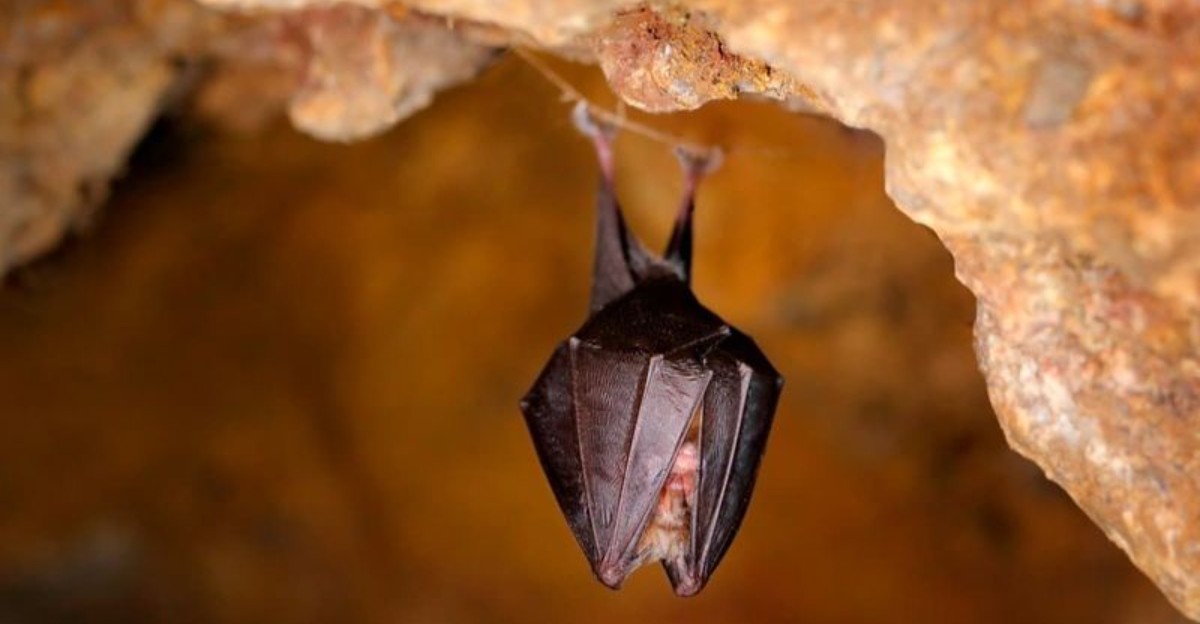
A creature that weighs about as much as one or two nickels can hang upside down in a Minnesota cave for half the year, its fur beaded with water droplets that sparkle like frost. Its heart slows to a crawl. Its breath can pause for long stretches.
I first read about it during a snowy January and could not stop wondering how something so small makes it to spring. Turns out the answer has a lot to do with darkness, steady temperatures, and silence.
You might notice its relatives over your garden on summer evenings in Minnesota, snapping up moths and beetles near the porch light. You probably have no idea where they went once the frost arrived.
Some of these winter hideouts are old mines and remote caverns that few people ever set foot in. That quiet matters more than you would guess, and the reason surprised me.
The Tiniest Cave Bat in the North Woods Weighs Less Than Two Nickels
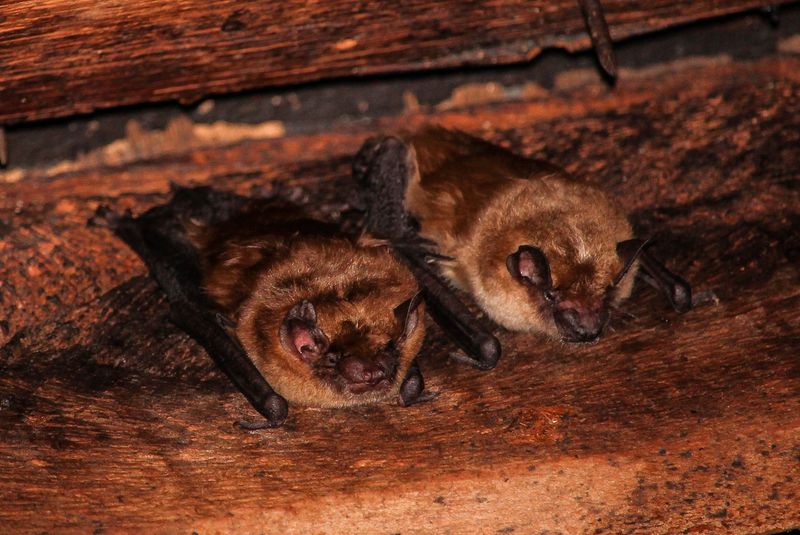
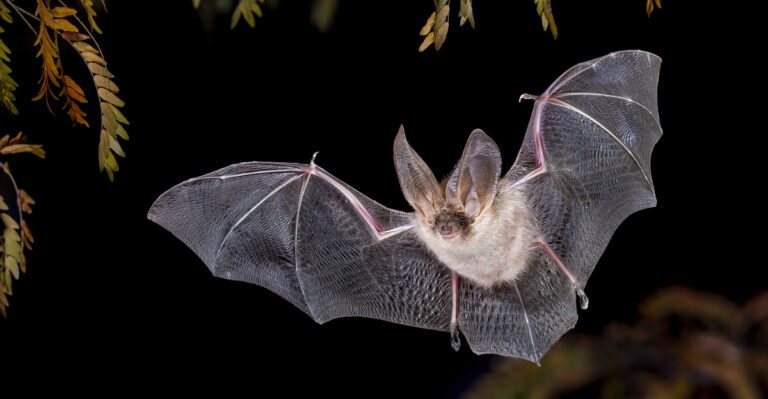
Drop a couple of nickels in your palm and you are holding about the weight of Minnesota’s smallest winter sleeper. The tricolored bat tips the scales at roughly 4 to 8 grams, depending on the season. Its body is about the length of your thumb.
Plenty of small creatures spend winter tucked away, but most of them do something a bit different. Frogs freeze, chipmunks wake often to snack, and many insects pause as eggs or larvae.
Bats are true hibernators, and among the four bat species that hibernate in Minnesota, the tricolored bat is the tiniest. The other three are the little brown bat, the northern long-eared bat, and the big brown bat.
Little browns come close in size, which is why people sometimes mix them up. Tricolored bats are usually a touch lighter and have a softer, more golden look.
I love that our smallest hibernating mammal is this little. It takes real biological skill to make it through months of freezing weather with a body that weighs about as much as a sheet or two of printer paper.
So the big question becomes where this featherweight spends its winter, and why that hideout matters so much.
Tricolored Bats Wear Three Shades of Fur and Sparkly Dew Drops
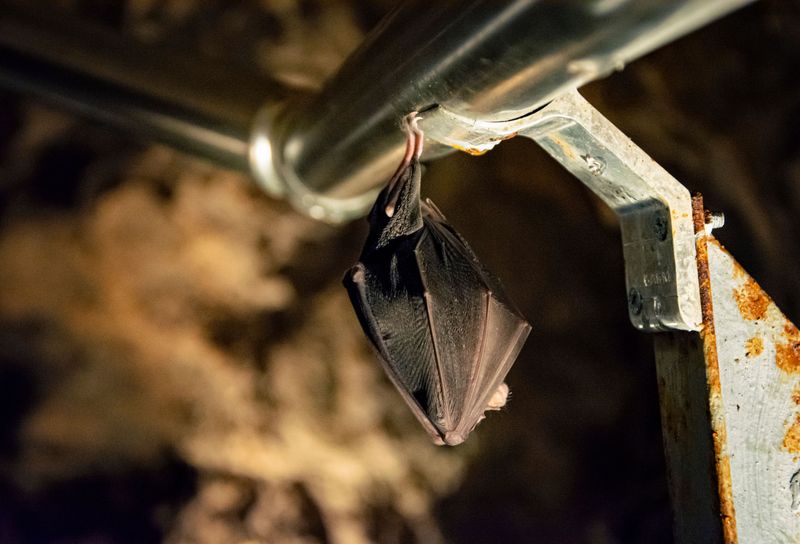
Each hair on a tricolored bat tells a little story. Look closely and you will see three bands of color: dark gray at the base, yellowish brown in the middle, and darker brown at the tip. Its forearms often have a pinkish or reddish tint against black wing membranes.
Biologists used to call this species the eastern pipistrelle, and you may still spot that name in older field guides. Here in the Upper Midwest, it sits near the northwestern edge of its range, so sightings are less common than with little brown bats.
Fun fact time. Hibernating tricolored bats often get coated in tiny droplets of condensation from the humid cave air. Under a flashlight beam, they can look like they are sparkling with jewels.
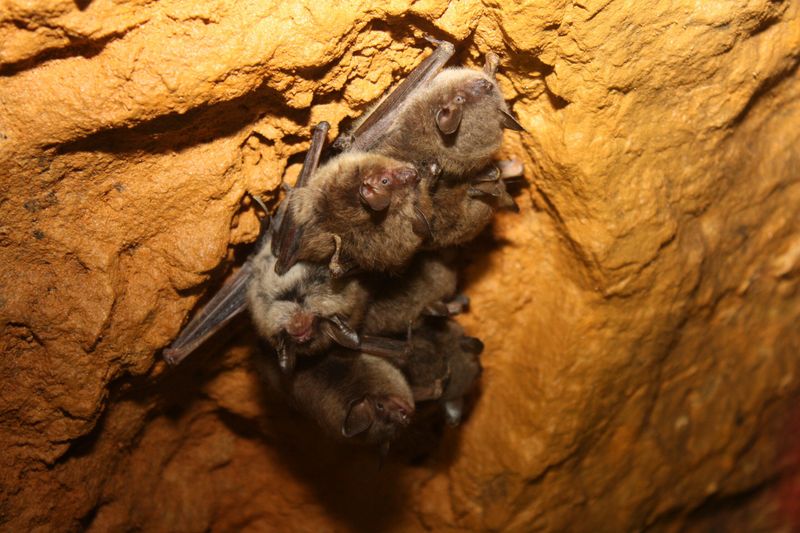
They also tend to hibernate alone or in very small groups. While little brown bats may pack together in clusters, a tricolored bat usually hangs by itself on a wall or ceiling.
Of course, admiring those dewy jewels in person is not something you should go looking for. Even a short beam of light and some body heat can stir a sleeping bat, and that stir has a real cost, which comes up again a little later.
A Hibernating Bat’s Heartbeat Drops From Hundreds to a Handful
Few things in nature amaze me like a bat’s winter thermostat. During summer flights, a tricolored bat’s heart can race at hundreds of beats per minute.
In deep hibernation, it slows to a small fraction of that pace, sometimes only a dozen or so beats.
Body temperature falls too, dropping close to the temperature of the surrounding cave air. Breathing slows so much that a bat may go many minutes between breaths. Everything runs on stored fat packed on during late summer and fall feasting.
Hibernation is not one long uninterrupted nap, though. Bats rouse naturally every couple of weeks or so, often to drink, shift position, or rebalance their bodies. Those short wake-ups burn a surprising share of the winter fat budget.
Researchers estimate that arousals use most of the energy a bat spends all winter. That means every extra wake-up, whether from noise, light, or disease, chips away at the fuel needed to reach spring.
Tricolored bats are often among the first to settle in during fall and the last to leave in spring. In this region, that can mean hanging on a cave wall from October well into April. Picture a carefully rationed lunch box that has to last six months.
Quiet Mines and Caves Give These Bats the Steady Air They Need
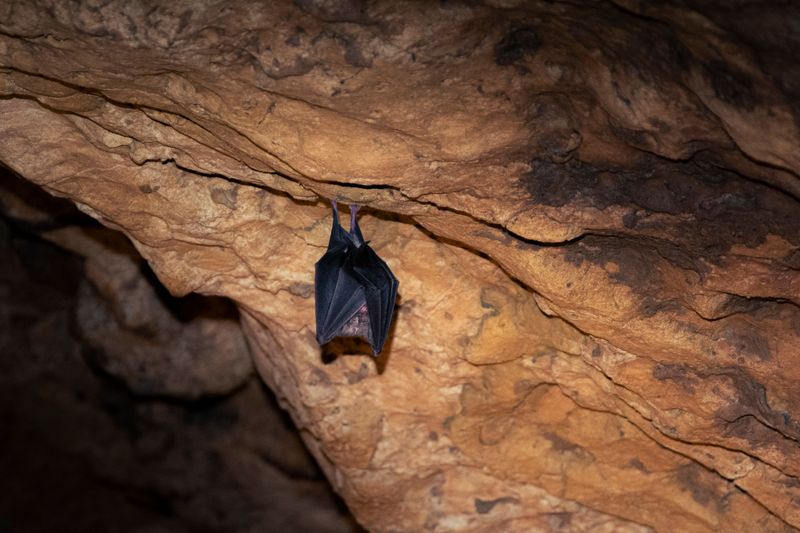
Cave air works like a giant underground blanket. Deep inside caves and old mines, temperatures stay steady through the winter, usually somewhere in the 30s to 40s Fahrenheit, with high humidity.
Biologists call these winter roosts hibernacula. Tricolored bats are picky tenants. They usually choose deeper, warmer, and more stable spots than many other bats.
Humid air matters as well, because it keeps their thin wings from drying out during months without water.
Minnesota has fewer natural caves than you might expect, so abandoned mines play a big role.
The Soudan Underground Mine in the northeast is one of the state’s largest known bat hibernacula. Mystery Cave, in the karst country of the southeast, also shelters wintering bats.
Many smaller sites are tucked away on private land or in remote corners and rarely see people. Some are gated so bats can fly in and out while visitors stay out.
For gardeners, there is a neat connection here. The bats snapping up insects near your tomatoes in July may have traveled a long way from one of these underground refuges. A healthy cave miles away can mean fewer pests in your yard next summer.
White-Nose Syndrome Turned Cave Hibernation Into a Hard Winter Test
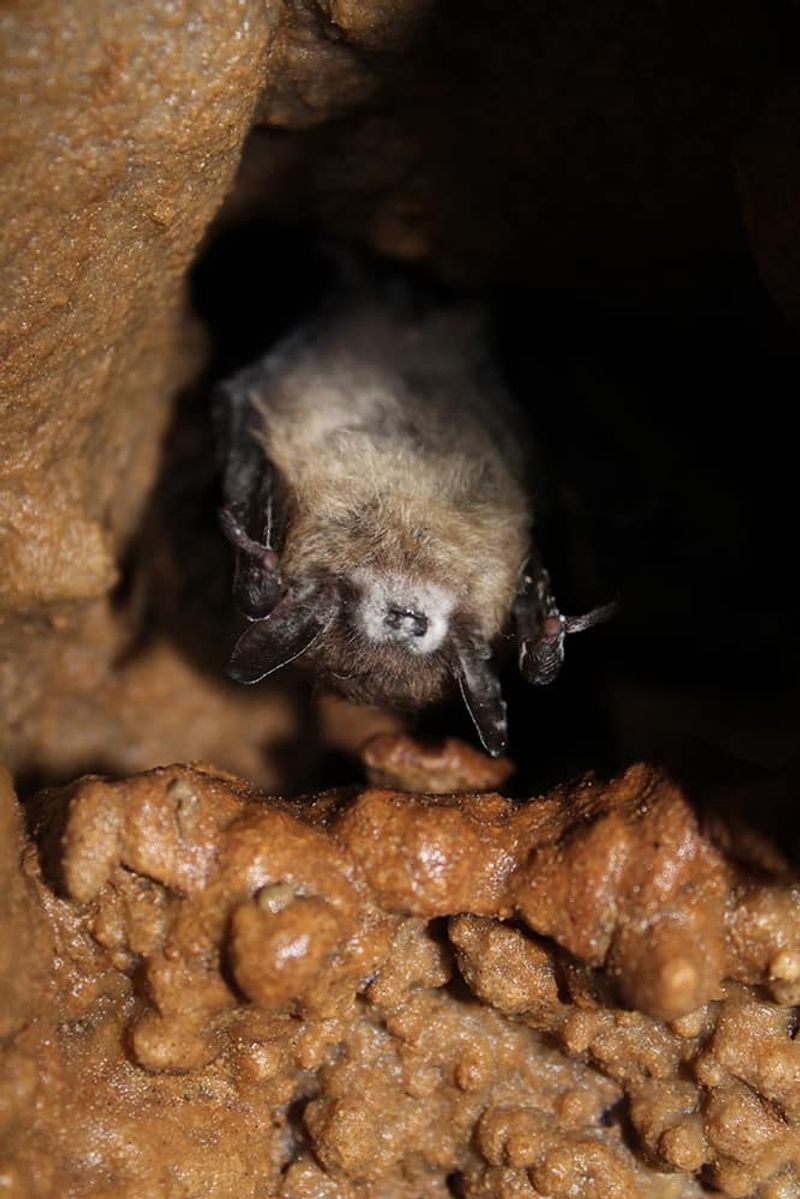
A fuzzy white growth on a bat’s nose sounds harmless, yet it has caused some of the steepest wildlife declines in North America. White-nose syndrome comes from a cold-loving fungus called Pseudogymnoascus destructans.
It thrives in exactly the cool, damp caves where bats hibernate. The fungus grows on muzzles, ears, and wing membranes.
Infected bats wake up much more often than normal, burning through fat reserves months too early. Some leave the cave in midwinter searching for food that is not there.
The disease was confirmed in Minnesota in 2016, at Soudan Underground Mine and at Forestville/Mystery Cave State Park.
Since then, wintering bat counts at several monitored sites have dropped sharply. Tricolored bats have been hit especially hard across their range. In 2022, the U.S.
Fish and Wildlife Service proposed listing the species as endangered, largely because of this disease. The northern long-eared bat was reclassified as endangered in 2023.
People can carry fungal spores on boots, clothes, and gear from one cave to another. That is one reason the details of cave access matter so much. Even careful explorers can move spores around without realizing it.
A Cave Nobody Visits Is Exactly What a Sleeping Bat Wants
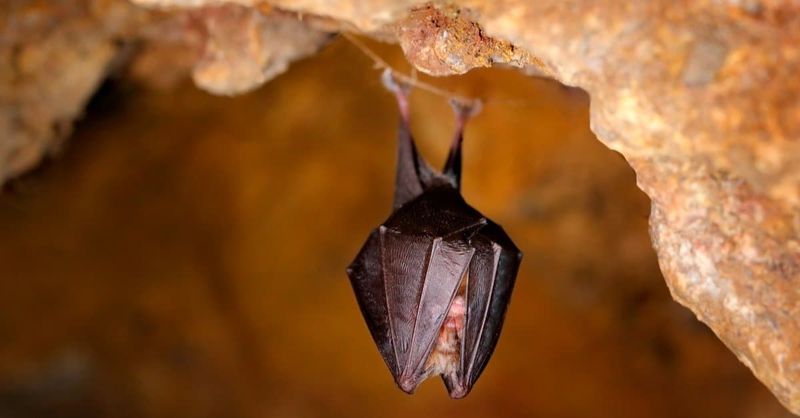
Honestly, a lonely cave is a gift to a hibernating bat. Every visit brings light, sound, and warmth from human bodies, and any of those can trigger an arousal. One disturbance can cost a bat the fat it would normally use over many days of sleep.
That is why many caves and mines with bat colonies are closed or gated during winter. Land managers often limit entry from fall through spring. Some caves with public tours schedule them around the hibernation season.
If you love exploring, follow posted closures and check rules before heading underground. National decontamination guidelines ask cavers to clean and treat gear between sites and to avoid bringing equipment from one cave region into another.
Spotting a bat flying outdoors in January is a warning sign, not a cute surprise. Report it to your state DNR, which tracks unusual winter activity as part of disease monitoring.
So the line about a cave nobody visits is more than a catchy phrase. For these tiny sleepers, quiet and solitude are part of the survival plan. Leaving them alone may be the kindest thing any of us can do for them all winter long.
Your Backyard Bat House and Native Flowers Welcome Bats Back in Spring
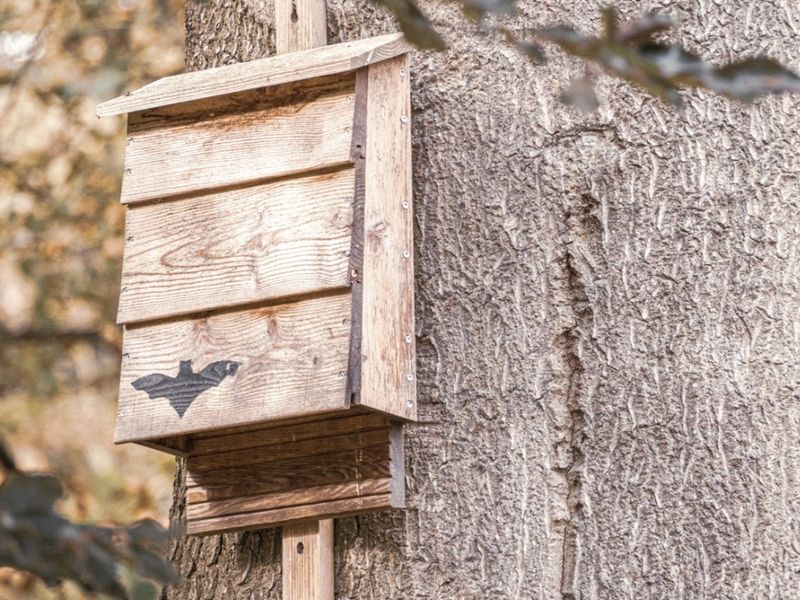
Come late spring, survivors of the long underground winter head out to feed, and your garden can welcome them. Local bats eat night-flying insects such as moths, beetles, mosquitoes, and midges.
A nursing female may eat close to her body weight in insects on a busy night. A well-built bat house is a solid start. Mount it at least 12 feet high on a pole or building, facing south or southeast so it soaks up morning sun.
Tricolored bats rarely use bat houses, but little brown and big brown bats often move in. Plant native flowers that attract night moths, like evening primrose, wild bergamot, and native goldenrods.
More moths means more bat snacks. Cutting back on broad-spectrum pesticides keeps that buffet healthy.
Leave a few old snags or shaggy-barked trees standing where it is safe, since some bats roost under loose bark in summer. Tricolored bats often tuck into clumps of leaves in tree canopies, so mature trees help too.
If a bat ends up inside your home, call a wildlife professional or your local health department rather than handling it bare-handed.
Only a small share of bats carry rabies, but safety comes first. Small choices like these give the smallest sleepers a better shot at a good summer.