What It Means When Rain Pools in Your Virginia Garden Beds After a Long Drought
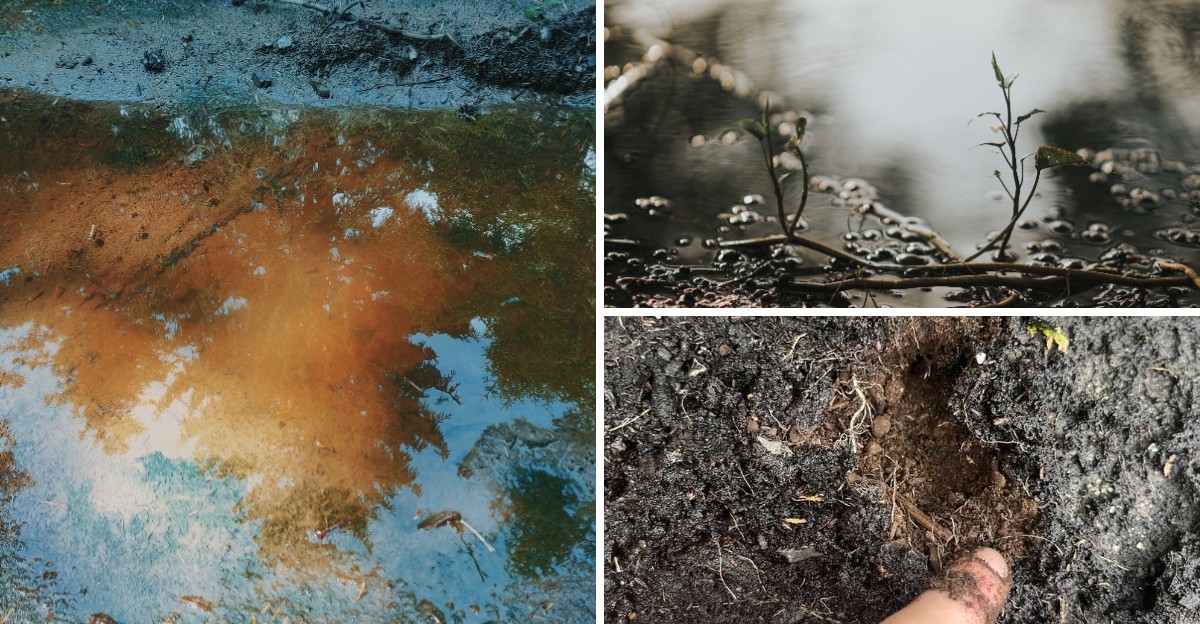
Bone-dry soil can actually push rainwater away instead of drinking it in. Scientists have a name for it, and it shows up in backyards far more than most of us realize.
In my own yard, I watched a summer storm finally arrive after weeks of cracked, dusty beds. I expected the ground to soak it up fast. Instead, shiny puddles sat on top like the soil had sealed itself shut.
It made me grumpy at first. Then it made me curious. Across Virginia, red clay, sandy coastal plots, and tired mulch all react to drought in their own odd ways.
You might be staring at the same puddles right now and wondering if your garden is broken. It probably isn’t.
Your soil is sending a message, and learning to read it can change how you garden for years. So what is that puddle really saying?
Those Shiny Puddles on Dry Garden Soil Are a Clue
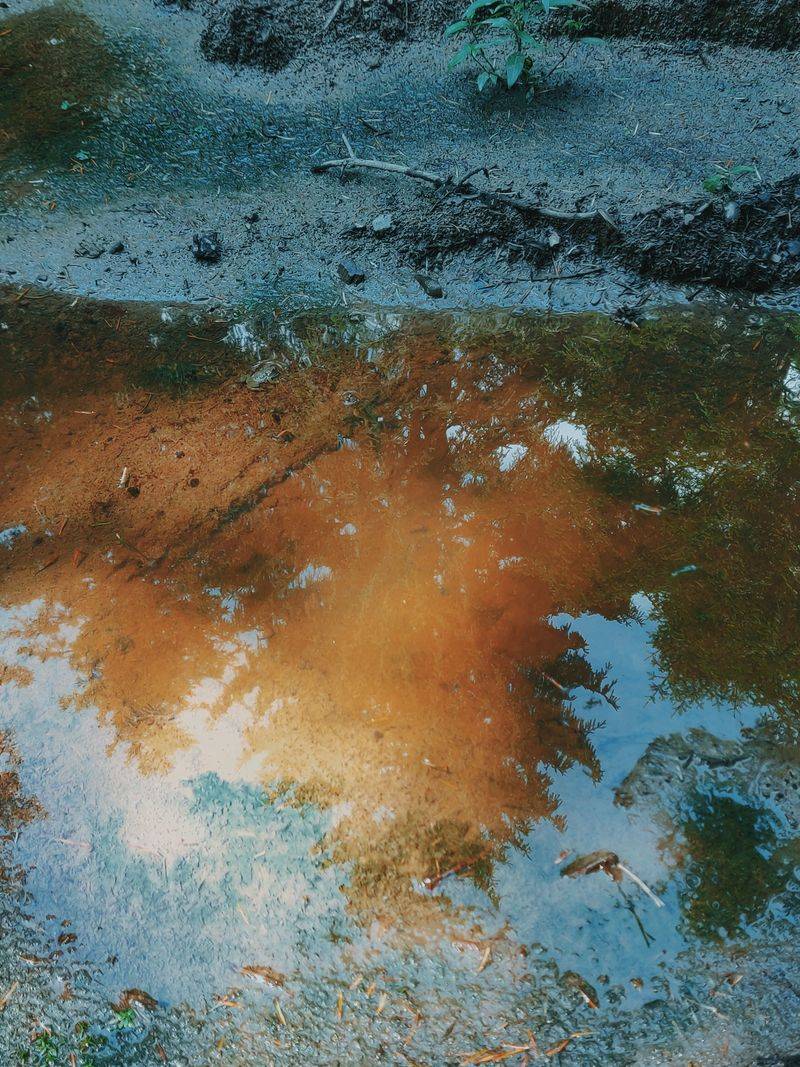
Puddles after a drought feel backwards, right? Most of us expect thirsty ground to gulp every drop.
Yet dry soil often behaves more like a hard plate than a sponge during the first heavy rain.
Two main things are usually going on. First, drought pulls soil particles tightly together, especially in clay, so the tiny pores that carry water downward shrink or close.
Second, very dry soil can turn water repellent, which means the surface sheds water before it has a chance to sink in.
Rain intensity matters too. A summer thunderstorm can drop an inch of water in under an hour, and dry, crusted soil simply cannot take it in that fast.
The extra water either runs off or sits in low spots.
In my garden, the puddles taught me to look closer instead of panicking. Short-term pooling that fades within a few hours is mostly a sign of slow soaking, not a disaster.
Water that hangs around for a full day or more points to a deeper drainage issue worth fixing.
So treat those puddles as a free soil test from the sky. Notice where they form, how long they last, and whether they return after the next storm.
Those simple observations will guide every fix you try next.
Rock-Hard Red Clay Squeezes Out the Air Pockets Water Needs
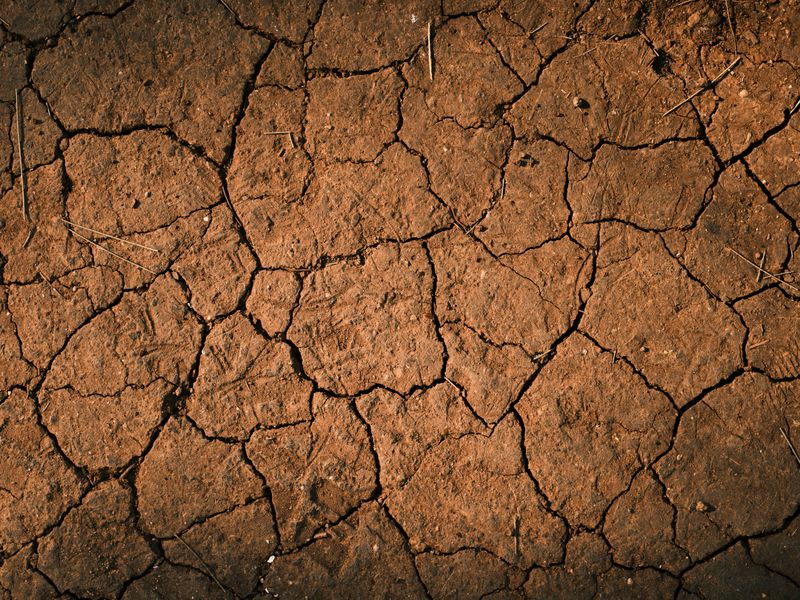
Anyone who has dug in Piedmont red clay knows the feeling. In wet weather it sticks to your boots, and after a long dry spell it can feel like baked pottery.
That hardness is a big reason rain struggles to get in.
Clay particles are incredibly small and flat. When they dry out, they pack together and shrink, often leaving wide surface cracks but a dense, tight layer between them.
Water may race down a few cracks while the rest of the bed sheds it.
Foot traffic makes things worse. Walking on beds, parking a wheelbarrow, or running a mower nearby presses dry soil even tighter.
Virginia Cooperative Extension notes that compaction reduces pore space, which slows both water and root movement.
A simple screwdriver test helps here. Push a long screwdriver into the soil a day after rain.
If it slides in easily for several inches, you’re in decent shape. If it stops hard near the surface, you’ve found a compacted layer.
Resist the urge to till clay while it is soaking wet. Working wet clay smears it into an even tighter mass, almost like modeling dough.
Wait until a handful crumbles when squeezed, then loosen gently with a garden fork.
Water Beading Like Pearls Means Your Soil Turned Water Repellent
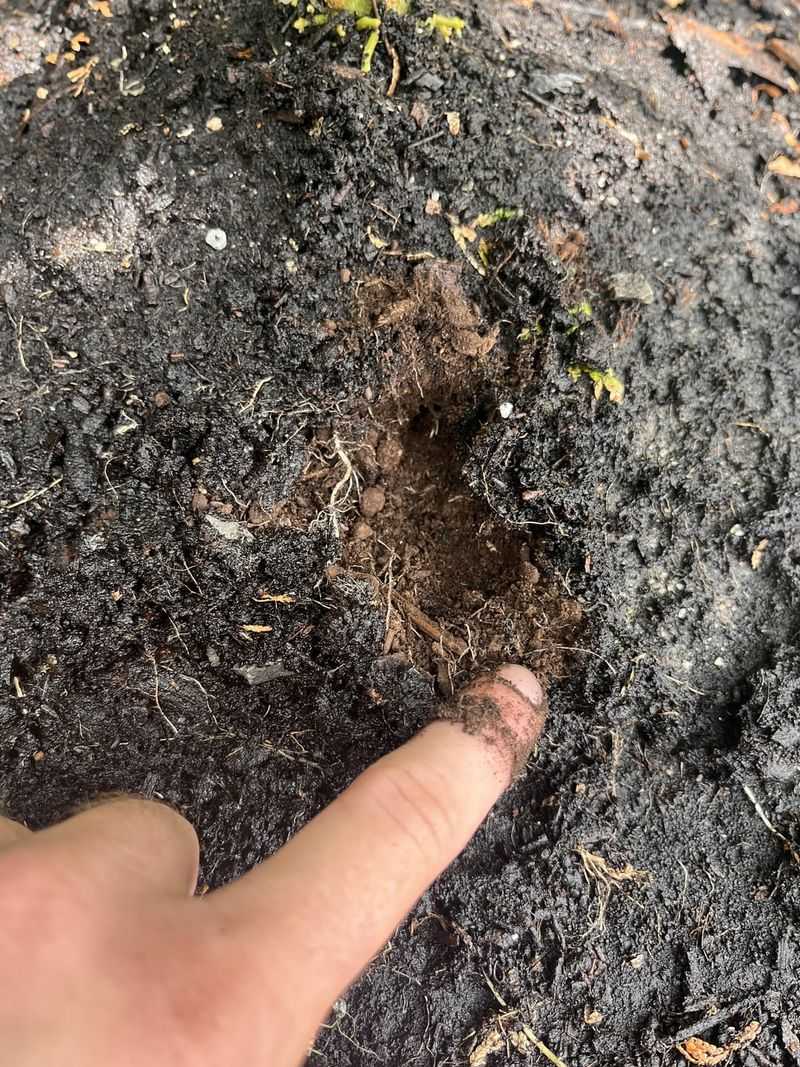
Ever seen raindrops sit on soil like tiny glass marbles? It looks pretty, but it is a warning sign.
Soil scientists call it hydrophobicity, which simply means water repellency.
During long dry periods, waxy compounds from decaying roots, leaves, and fungi coat soil particles. Once those coatings dry out, the surface acts a bit like a freshly waxed car hood.
Water beads up and rolls away instead of soaking in.
Sandy soils, common in parts of Hampton Roads and the Eastern Shore, tend to show this more strongly. Old, dried-out mulch and potting mix can do it too.
Even rich garden beds can turn stubborn after weeks without rain.
The water drop test is quick and kind of fun. Put a single drop on a dry patch and count.
If it vanishes in a few seconds, your soil is fine. If it lingers for a minute or longer, repellency is part of your puddle problem.
Fixing it usually takes patience rather than drastic action. Repeated gentle watering slowly rewets the coatings, and the effect often fades once soil stays moist for a while.
Adding compost and keeping beds lightly covered helps prevent the problem from coming back next dry season.
Roots Sitting in Standing Water Start Gasping for Oxygen
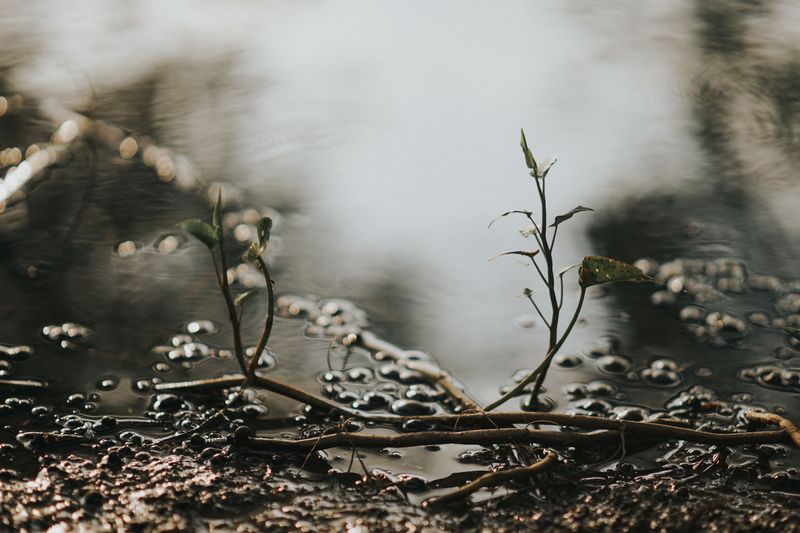
Plant roots breathe, and that surprises plenty of new gardeners. They pull oxygen from tiny air spaces in the soil.
When puddles fill those spaces for too long, roots start to suffocate.
Drought-stressed plants are in a tough spot here. Their roots are already weakened from weeks of dryness.
A sudden soaking that lingers can push them over the edge, opening the door to root rot organisms like Pythium and Phytophthora.
Watch for clues above ground. Leaves may wilt even though the soil is wet, which feels confusing at first.
Yellowing lower leaves, slowed growth, and a sour smell from the soil are other hints that roots are struggling.
If you suspect trouble, check gently. Healthy roots are usually firm and white or tan.
Brown, mushy roots that slip apart when touched point to rot.
Quick action makes a difference. Skip extra watering until the soil drains, and hold off on fertilizer, since stressed roots can’t use it well.
Pulling back thick mulch from soggy stems for a few days lets the surface dry faster. Truth be told, a little patience often saves plants that look rough right after a big storm.
A Shovel and a Hole Can Reveal How Well Your Beds Drain
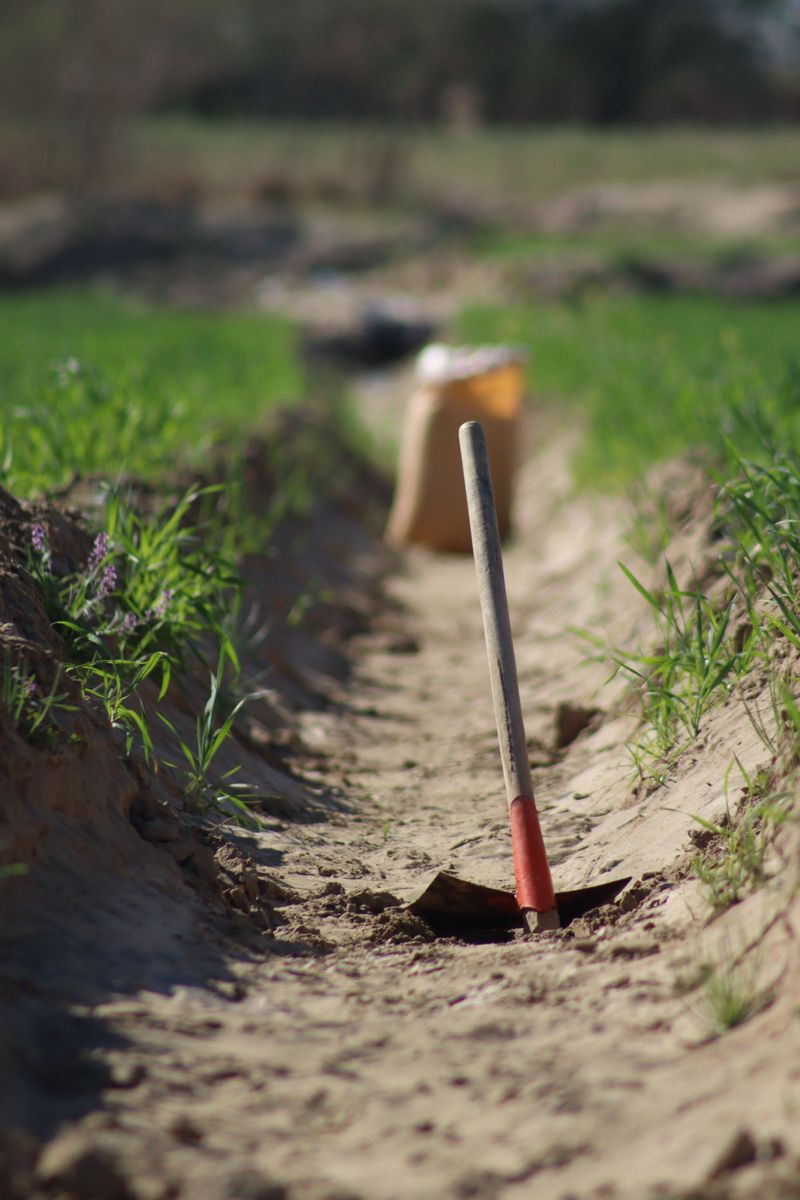
My favorite garden test costs nothing but a little sweat. Grab a shovel, dig a hole about a foot deep and a foot wide, and you’ll learn more than any guess could tell you.
Fill the hole with water and let it drain. That first fill wets the surrounding soil, which matters a lot after drought.
Then fill it again and check how fast the level drops, using a ruler or a stick with marks.
Many extension services use roughly an inch per hour as a helpful guide. Draining at about that speed suggests decent drainage for most garden plants.
Water still sitting there after several hours signals heavy clay, a hardpan layer, or a high water table.
Look at the hole’s sides while you’re down there. A sharp change in color or texture can reveal a compacted layer from old construction.
In new Virginia subdivisions, builders often scraped off topsoil and left dense subsoil behind.
Also send a soil sample to the Virginia Tech Soil Testing Lab. It covers pH and nutrients, and you can request an organic matter test too.
Together with your drainage check, you’ll know exactly what you’re working with before spending money on fixes.
Compost Turns Dense Garden Beds Into Crumbly, Thirsty Soil
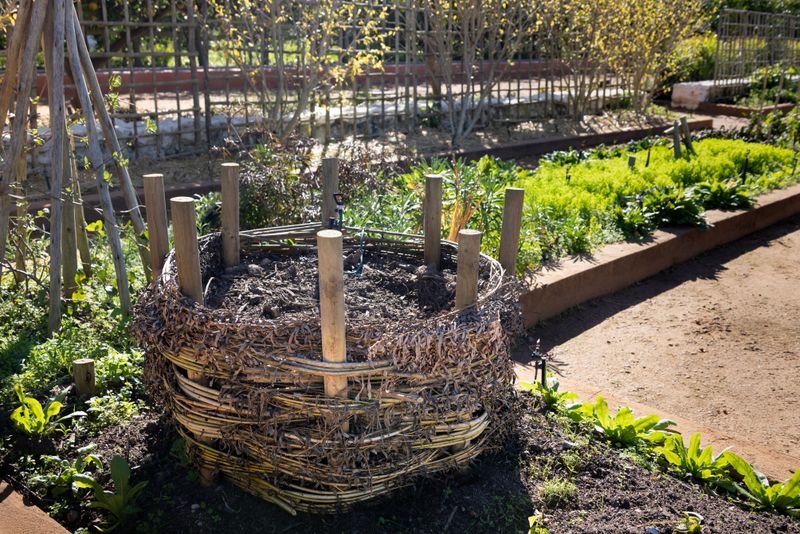
If I could hand every clay gardener one gift, it would be a mountain of compost. Organic matter is the long-term answer to both compaction and water repellency.
It works slowly, but it truly works.
Compost glues tiny clay particles into larger crumbs called aggregates. Between those crumbs, bigger pores form, giving water and air room to move.
In sandy soil, organic matter does the opposite job and helps hold moisture longer.
Aim to spread one to three inches of finished compost each year. Work it lightly into the top six to eight inches of your beds when the soil is moist but not soggy.
Leaf mold and well-aged manure are good choices too.
Fall is a smart window in most of the state. Cooler temperatures and regular rain help soil life break down organic matter over winter.
Planting a cover crop like crimson clover or cereal rye adds roots that open channels deep in the soil.
Skip the old advice about adding sand to clay. Mixing small amounts of sand into heavy clay can create a texture closer to concrete.
Stick with organic matter, keep adding it year after year, and your beds will reward you.
Shredded Mulch and Slow Soaking Help Rain Sink In
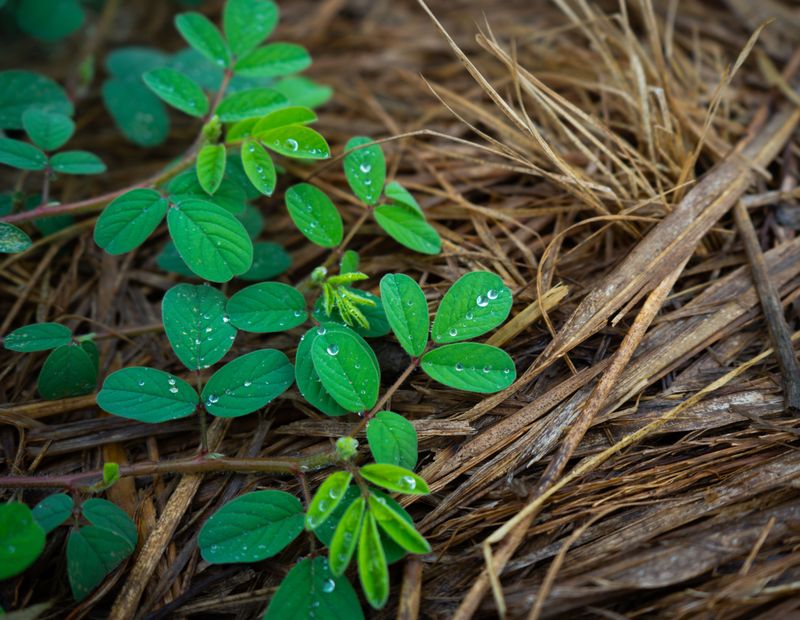
Raindrops hit bare soil harder than you’d guess. Each drop knocks loose tiny particles that seal the surface into a crust.
A good layer of mulch softens that blow and keeps the surface open.
Spread two to three inches of shredded leaves, pine straw, or hardwood mulch over your beds. Keep it a few inches away from stems and tree trunks to avoid rot.
Thicker piles can actually shed water, so more is not better.
Watering style matters during dry spells too. Deep, slow soaking with a soaker hose or drip line lets water seep in instead of running off.
Short daily sprinkles keep roots shallow, which leaves plants more stressed when drought returns.
Here’s a trick I love for repellent soil. Water in two or three short sessions spaced about 20 minutes apart.
The first pass dampens the surface, and the next ones sink in much better.
Early morning watering cuts evaporation and lets leaves dry before evening. If your mulch has gone crusty and gray, rake it lightly to break the top layer.
That small chore helps the next storm go into the soil instead of over it.
Rain Gardens and Native Plants Turn Soggy Low Spots Into Wins
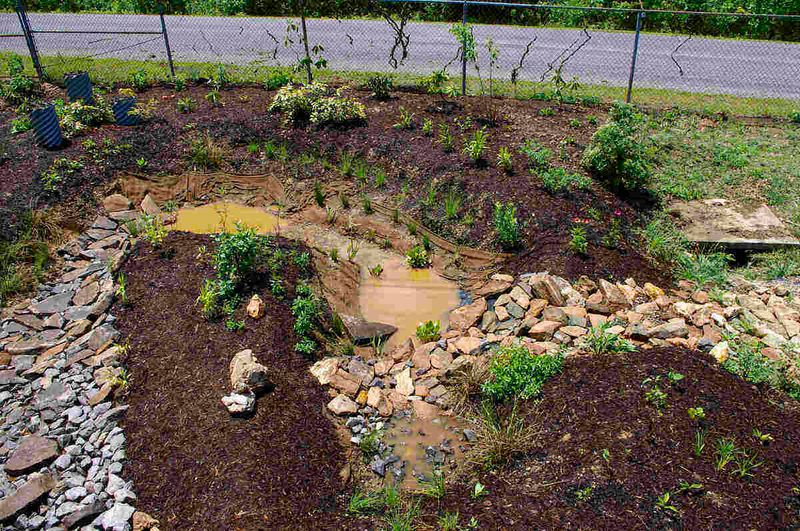
Some puddles have nothing to do with drought. Water simply flows downhill, and certain low spots will collect it no matter how good your soil gets.
Working with that slope beats fighting it.
Start by checking grading near your house. Soil should slope away from the foundation, dropping several inches over the first ten feet.
Downspouts should empty well away from garden beds and the house.
For stubborn wet areas, a rain garden can be a lovely fix. It is a shallow, planted dip that catches runoff and lets it soak in, usually within a day or two.
The Virginia Department of Conservation and Recreation and Virginia Cooperative Extension both offer helpful rain garden guides.
Native plants shine here because many handle both soggy spells and dry weeks. Swamp milkweed, blue flag iris, cardinal flower, switchgrass, and buttonbush are solid choices for Virginia yards.
Their deep roots open soil channels over time and feed pollinators too.
If you ask me, the biggest takeaway is simple. Puddles after a drought are information, not failure.
Watch where water goes, feed your soil every year, and choose plants that fit each spot, and your garden will handle the next swing in weather far better.