7 Arizona Herbs That Struggle Once Afternoon Heat Builds Up
Growing herbs in Arizona starts out feeling like a great idea, and honestly, for a few glorious months, it absolutely is. Then May shows up.
Suddenly your previously happy basil looks defeated by noon, your cilantro is bolting like it has somewhere urgent to be, and your patio herb collection is collectively staging a protest against the afternoon sun.
Arizona heat is no joke for a lot of popular herbs, and the jump past 100 degrees can happen fast enough to catch even experienced gardeners off guard.
The frustrating part is that everything looks fine right up until it doesn’t.
The good news is that once you understand which herbs genuinely struggle with intense afternoon heat and why, you can plan smarter, adjust faster, and stop replacing the same plants over and over again.
1. Cilantro Bolts Fast In Afternoon Heat
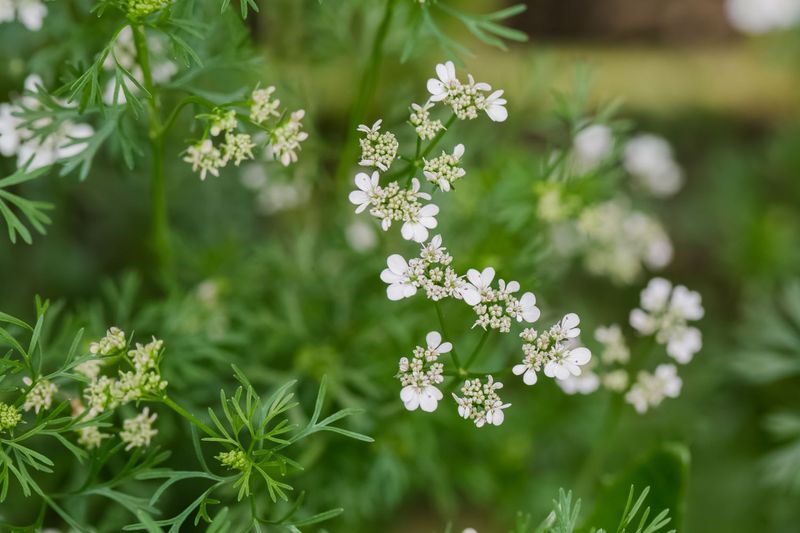
Walk outside on a warm afternoon and you may notice your cilantro has shot up tall, gone spindly, and started flowering before you ever got a chance to harvest a single leaf.
That rapid change is called bolting, and cilantro is one of the most heat-sensitive herbs grown in Arizona gardens.
Once temperatures climb into the upper 80s or beyond, cilantro shifts its energy from producing leaves to producing seeds, which means the flavorful foliage you wanted for salsas and tacos disappears quickly.
In low-desert Arizona, cilantro performs best as a cool-season herb, typically planted in fall or late winter when daytime temperatures stay mild.
Raised beds and containers that sit in full afternoon sun are especially tough spots for cilantro because the soil heats up fast and dries out quickly.
Afternoon shade from a wall, shade cloth, or nearby taller plants can extend the harvest window by several weeks.
Succession planting is a smart strategy for gardeners who love cilantro. Sowing small batches every two to three weeks during cooler months keeps a steady supply coming before heat builds.
Once summer arrives, cilantro rarely recovers well, so most gardeners let it go to seed and collect coriander for cooking or replanting in fall.
Keeping the soil consistently moist without overwatering also helps slow the bolting process slightly during warm spells.
2. Dill Struggles When Days Turn Hot
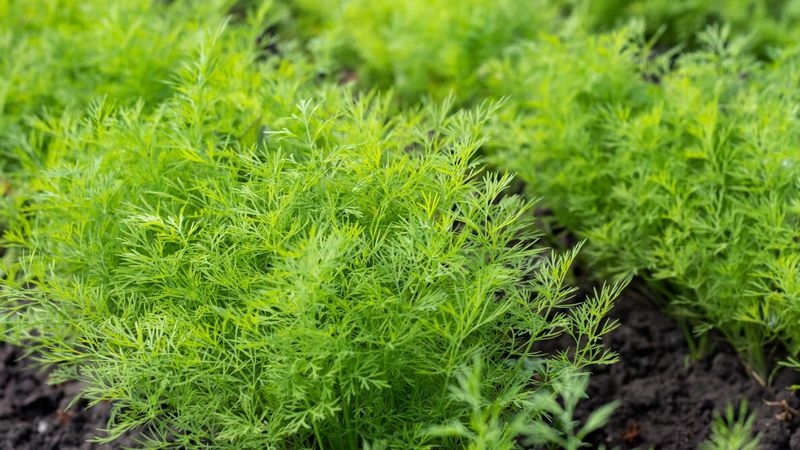
Few herbs look as delicate as dill, with its feathery fronds and soft yellow flower clusters, and that delicate appearance is actually a clue about how it handles heat.
Dill is a cool-season herb that grows well during Arizona’s mild winters and early spring months, but once afternoon temperatures start pushing into the 90s, dill tends to bolt quickly and lose its culinary appeal.
The fronds become sparse, the plant rushes to flower, and the harvest window closes faster than most gardeners expect.
In raised beds and patio containers across Arizona, dill planted in full sun is especially vulnerable once afternoon heat builds. The combination of intense sunlight, dry air, and fast-draining soil can stress dill rapidly.
Moving containers to a spot that receives morning sun but afternoon shade can make a noticeable difference in how long dill stays productive and flavorful.
Your Arizona Garden Changes Every Week. Your Plan Should Too.
Gardening in Arizona changes quickly throughout the season. Every Friday you’ll receive a simple weekly plan showing exactly what to plant, prune, fertilize, harvest, and protect so you never miss the right timing.
Timing is one of the most useful tools for dill growers. Planting in September through February gives dill the cooler conditions it needs to thrive.
During those months, dill can grow robustly in vegetable beds alongside lettuce, spinach, and other cool-season crops.
Once heat arrives, most gardeners find it easier to let dill flower and collect seeds for replanting rather than trying to keep it going through summer.
Fresh dill is generally a cool-weather reward in Arizona gardens.
3. Parsley Prefers Relief From Harsh Sun
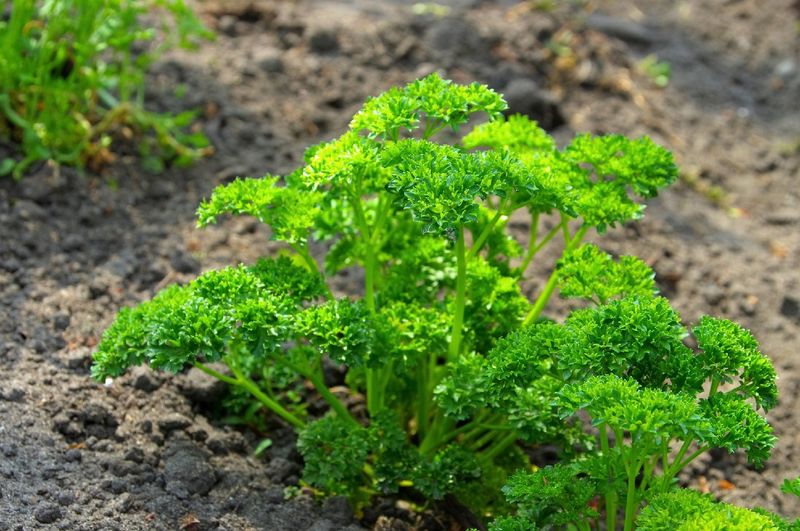
Parsley has a reputation for being a tough, low-maintenance herb, but afternoon heat can push even this resilient plant to its limits.
Both curly and flat-leaf parsley varieties grow well during Arizona’s cooler months, producing thick, flavorful leaves that work in everything from salads to roasted dishes.
Once afternoon temperatures climb into the high 90s, however, parsley leaves can yellow, wilt, and lose their fresh flavor, especially when plants are sitting in full sun with no afternoon relief.
Container-grown parsley on patios is particularly prone to heat stress because pots absorb and radiate warmth, raising the soil temperature well beyond what parsley roots prefer.
Gardeners who notice their parsley looking droopy or scorched by midafternoon may want to shift containers to a spot with eastern exposure so the plant gets morning light without the brutal late-day sun.
In raised beds, positioning parsley near taller plants or structures that cast afternoon shade can help extend the productive season.
Watering consistently is important for parsley, but soaking the soil too frequently can cause root issues in hot weather. Checking soil moisture a few inches down before watering helps avoid both under-watering and oversaturation.
Parsley planted in fall and grown through Arizona’s mild winter often produces abundantly until late spring, giving gardeners months of flavorful harvests before summer heat makes growing conditions more challenging for this herb.
4. Chervil Needs Cooler Growing Conditions
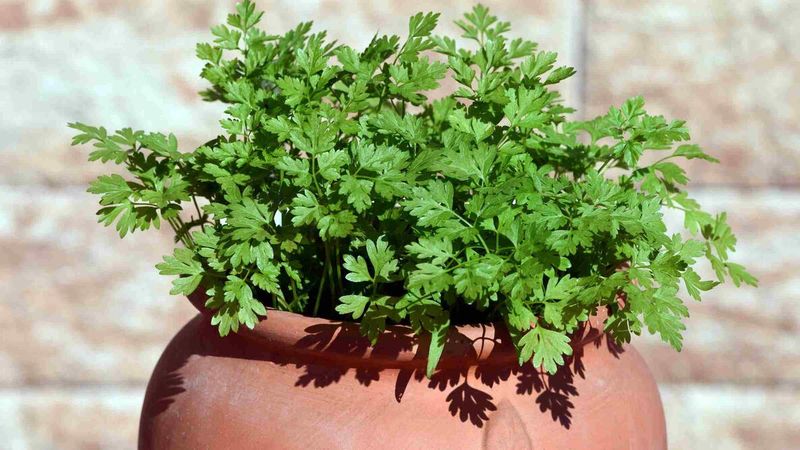
Chervil is one of those herbs that many gardeners have not tried yet, partly because it is not as commonly found at nurseries and partly because it is notoriously fussy about heat.
Related to parsley and carrying a subtle anise-like flavor, chervil is a cool-season herb that genuinely struggles once afternoons warm up.
It bolts quickly in response to heat and long daylight hours, which means its window for productive growth in low-desert Arizona is relatively short compared to warmer-season herbs.
For gardeners curious about growing chervil, late fall and early winter planting tends to give the best results. Raised beds with partial shade or indoor windowsill planters that receive bright but indirect light can work well during cooler months.
Chervil does not handle reflected heat from walls or pavement well, so placement matters quite a bit in Arizona’s hot outdoor environments. A shaded patio corner or a north-facing bed can give chervil a fighting chance during mild weather.
Keeping chervil’s soil consistently moist without letting it become waterlogged is key, especially as temperatures begin to rise in late February and March. Harvesting outer leaves regularly can encourage new growth and slow bolting slightly.
Once chervil begins to flower and set seed in response to rising heat, the leaves turn bitter and less useful in the kitchen.
Growing chervil as a short-season cool-weather herb and replanting each fall tends to work better than trying to extend its life into Arizona summers.
5. Chamomile Fades As Heat Builds
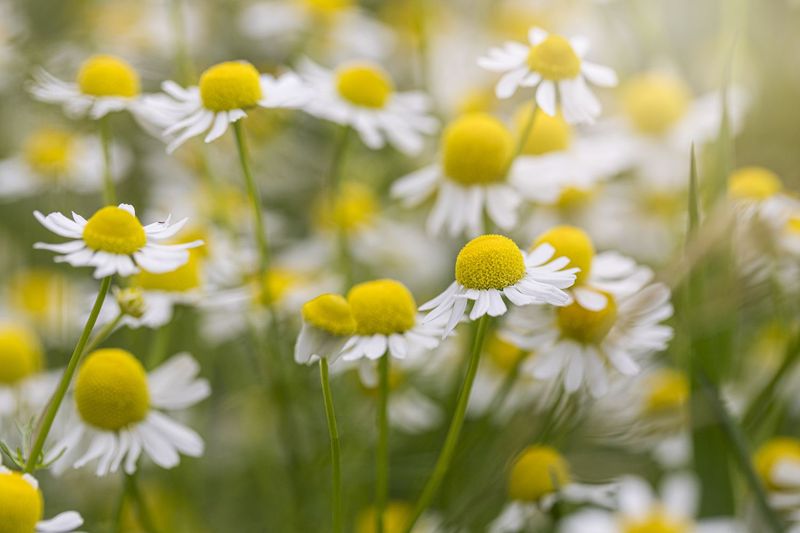
There is something charming about chamomile’s small white flowers and apple-like fragrance, and gardeners who grow it during cooler months often find it a rewarding herb for teas and relaxation blends.
German chamomile, the most common variety grown for herbal use, is a cool-season annual that flourishes in Arizona’s mild fall and winter weather.
As afternoon heat begins building in late spring, chamomile flowers fade faster, stems weaken, and the plant’s overall energy shifts toward setting seed rather than continuing to bloom.
In raised beds and garden containers, chamomile grown in full sun tends to fade earlier than plants with some afternoon shade protection. The flowers, which are the most valued part of the plant, can become sparse and less fragrant as heat stress increases.
Gardeners who want to maximize their chamomile harvest should plan to pick flowers consistently during peak bloom in late winter and early spring before afternoons become too intense.
Chamomile tends to reseed itself readily, which is a useful quality for gardeners who want it to return the following cool season.
Allowing a few plants to go to seed before removing them means new chamomile seedlings may appear once fall temperatures cool the soil again.
Chamomile is generally not a plant that bounces back well once Arizona summer heat settles in, but with good seasonal timing it can produce generous harvests of fragrant flowers from a relatively small planting space.
6. Fennel Performs Better Before Summer Heat
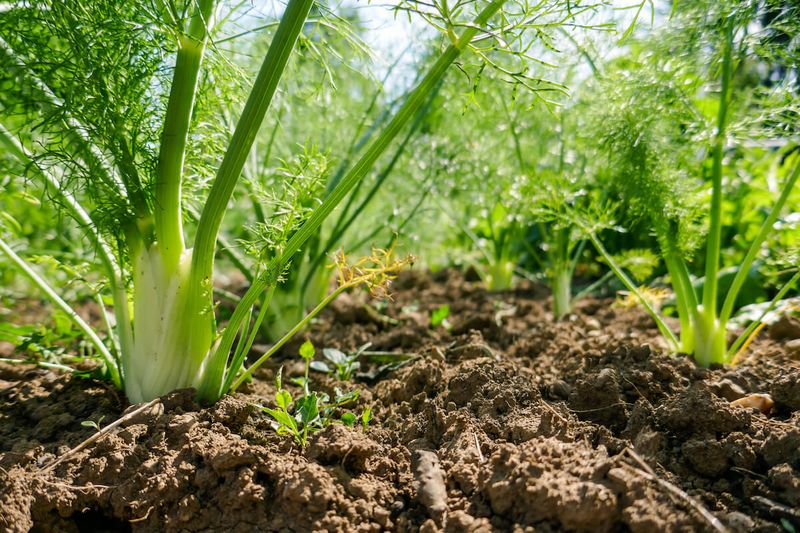
Fennel is an interesting herb because it can tolerate more heat than some cool-season herbs, yet gardeners often notice that its flavor, texture, and productivity peak during the cooler months rather than in the heat of summer.
Both common fennel and Florence fennel, the bulbing type grown as a vegetable, perform noticeably better when planted in Arizona’s fall or late winter planting windows.
Once afternoon heat builds in late spring and summer, fennel tends to bolt quickly, sending up tall flower stalks and shifting away from producing the tender foliage and bulbs that make it useful in the kitchen.
In raised beds and large containers, fennel can grow quite tall and may need staking during windy spring days.
The feathery fronds are flavorful and useful long before the plant bolts, so harvesting regularly during cooler months helps gardeners get the most from each plant.
Afternoon shade from a pergola, shade cloth, or nearby taller plants can slow bolting once temperatures begin to rise.
Florence fennel, in particular, needs consistent soil moisture and cooler root temperatures to form a proper bulb. Arizona’s hot afternoons and fast-drying container soil make bulb development difficult once summer approaches.
Gardeners who want fennel bulbs should plant early enough in fall to allow full development before heat arrives.
Herb fennel grown for its fronds and seeds is more forgiving, but even it shows stress and reduced flavor quality once afternoon temperatures push past the mid-90s regularly.
7. Mint Needs Shade And Steady Moisture
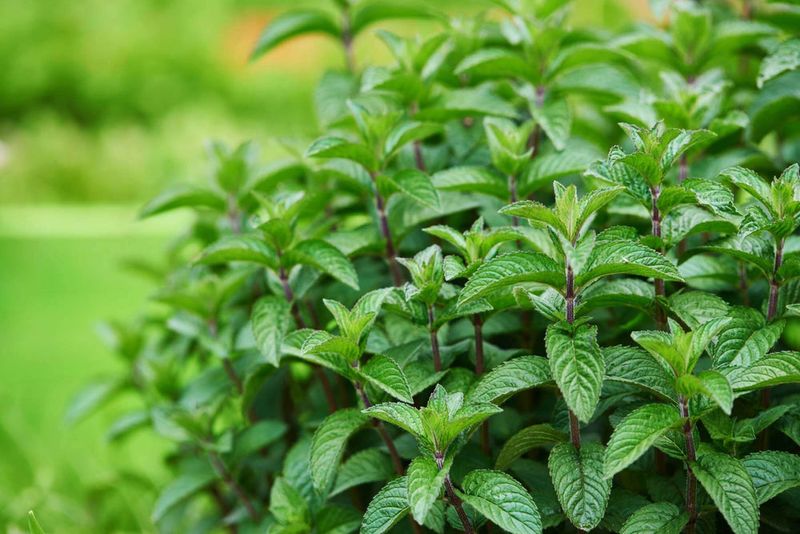
Mint has a reputation for being nearly unstoppable, spreading enthusiastically through garden beds and taking over containers, but Arizona afternoons can humble even this vigorous herb.
While mint is more heat-tolerant than many cool-season herbs, the combination of intense afternoon sun, dry desert air, and fast-draining soil can cause mint leaves to wilt, scorch at the edges, and lose their fresh, bright flavor.
Gardeners who have grown mint in other climates may be surprised to find it looking stressed and ragged by midsummer.
Keeping mint in containers rather than directly in garden beds is common advice for gardeners, partly to control its spreading habit and partly because containers can be moved to shadier spots as heat builds.
A location that receives morning sun and afternoon shade tends to work well for mint.
Under a patio cover, beside a shaded wall, or beneath a tree canopy can all provide the relief mint needs to stay productive through warmer months.
Consistent moisture is probably the most important factor for keeping mint healthy in Arizona heat. Containers dry out fast in desert conditions, and mint roots that dry out completely may struggle to recover quickly.
Checking soil moisture daily during hot stretches and watering before the soil becomes bone dry helps maintain healthier plants.
Cutting mint back periodically also encourages fresh new growth and helps prevent the woody, less flavorful stems that can develop when plants are heat-stressed for extended periods.