How To Choose The Right Mulch For Your New York Yard
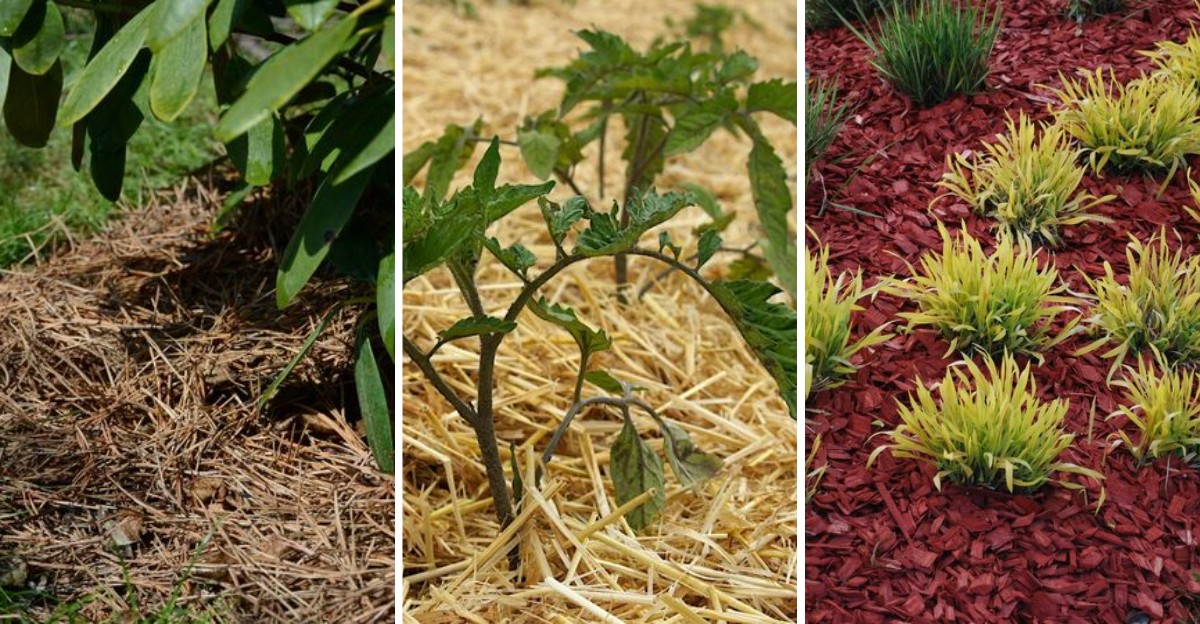
Garden beds that smell like fresh cedar and damp earth after a light rain start with one simple choice. The mulch you spread can shape how your whole yard looks and grows.
New York yards face snowy winters, sticky summers, and surprise downpours. The right cover holds in water, blocks weeds, and keeps roots comfortable when the weather swings wildly.
Not every bag at the garden center belongs in every bed, though. Some types feed the soil, while others suit only certain plants.
A few can even cause trouble for curious pets. The way you spread mulch matters more than most people think, too.
Shrubs, trees, vegetables, and flower beds all have different needs. Picking smarter can save money and grow a healthier, happier yard.
1. Shredded Hardwood Works Great For Shrub Beds
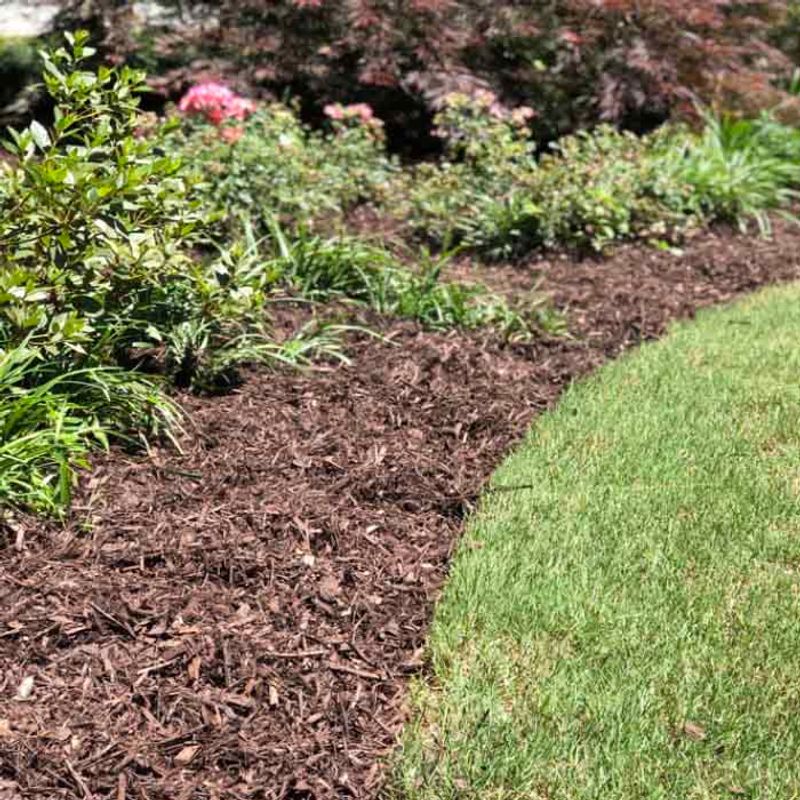
Walk past almost any tidy shrub bed in Westchester, and you will likely spot shredded hardwood. Its deep brown color makes green leaves pop like a fresh painting.
Gardeners love it for more than looks, though. The stringy pieces knit together into a mat that stays put during heavy rain.
That mat matters in New York, where summer storms can wash loose mulch onto sidewalks. Shredded hardwood holds firm, even on gentle slopes beside the driveway.
Underneath, the soil stays cooler and damper during hot July afternoons. Shrubs like boxwood, hydrangea, and viburnum appreciate that steady moisture around their roots.
Weeds have a harder time, too. Seeds landing on the soil cannot get enough sunlight to sprout under a solid layer.
As the wood slowly breaks down, it feeds the soil with organic matter. Earthworms move in and help loosen heavy clay, which shows up in many local yards.
Here is a handy tip for buying it. Look for products labeled double or triple shredded, since finer pieces settle neatly and decompose more evenly.
Bagged mulch works for small beds, but bulk delivery saves money on bigger jobs. One cubic yard covers roughly 100 square feet at three inches deep.
Plan to top it off each spring as the color fades. A light refresh keeps beds looking sharp without building up too much depth.
2. Pine Bark Suits Acid-Loving Rhododendrons And Azaleas
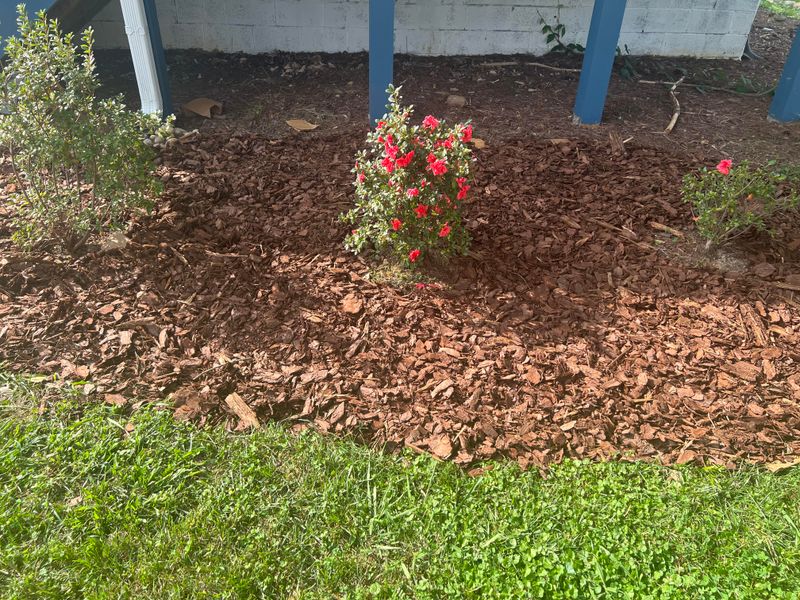
Few sights beat a rhododendron bursting with purple blooms in late May. Behind that show, many gardeners rely on a quiet helper: pine bark mulch.
Rhododendrons and azaleas prefer soil on the acidic side. Pine bark won’t change your pH much, but it suits these shrubs perfectly and keeps their shallow roots cool and moist.
If your pH truly needs lowering, a soil test and soil sulfur will do the job.
Pine bark comes in a few sizes, and each one has a purpose. Large nuggets last for years, while mini nuggets and shredded bark look finer and tidier.
Big nuggets can float away in a heavy storm, so choose wisely. On flat ground they shine, but slopes call for the shredded version.
Moisture stays locked in the soil beneath the bark. That matters because azalea roots sit close to the surface and dry out quickly in summer.
Your New York Garden Changes Every Week. Your Plan Should Too.
Gardening in New York changes quickly throughout the season. Every Friday you’ll receive a simple weekly plan showing exactly what to plant, prune, fertilize, harvest, and protect so you never miss the right timing.
Long Island gardeners often pair pine bark with mountain laurel, pieris, and hollies. All of these shrubs enjoy similar soil and look lovely together in shady corners.
Fun fact: pine bark is a byproduct of the lumber industry. Using it turns leftover material into something your garden can truly use.
Since it lasts longer than most mulches, you will buy less over the years. A quick fluff with a rake each spring brings back its warm, reddish glow.
3. Shredded Leaves Are Free And Feed The Soil
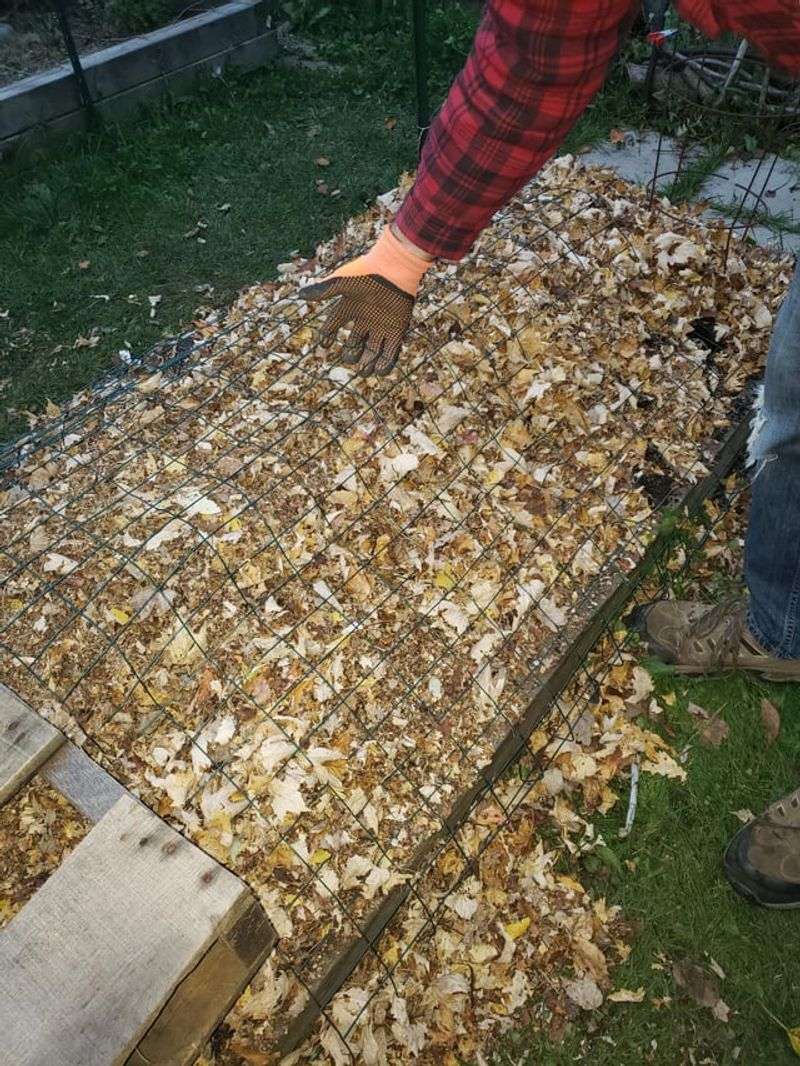
Every October, trees across the Hudson Valley drop a mountain of free mulch right onto your lawn. Most people bag it up and send it away, which is a real missed chance.
Shredded leaves make one of the richest mulches you can find. As they rot, they feed the soil with organic matter that plants crave.
Whole leaves tend to mat down into a soggy sheet. Shredding them first lets air and water pass through while keeping weeds in check.
Getting the job done is easier than you might think. Run a mower with a bag attachment over the leaves a couple of times.
Spread the bits around perennials, shrubs, and garden beds. A two to three inch layer works nicely and settles quickly after a few rains.
Over the winter, earthworms pull leaf pieces down into the ground. By spring, the soil feels darker, softer, and much easier to dig.
Maple, oak, and birch leaves all work well in this role. Oak leaves break down slowly, so they last longer than thinner maple leaves.
Save a few extra bags in a corner of the garage or shed. They come in handy for topping beds later or adding to your compost pile.
Best of all, this mulch costs nothing but a little effort. Your wallet and your plants will both thank you come summer.
4. Straw Is Perfect For Vegetable Gardens
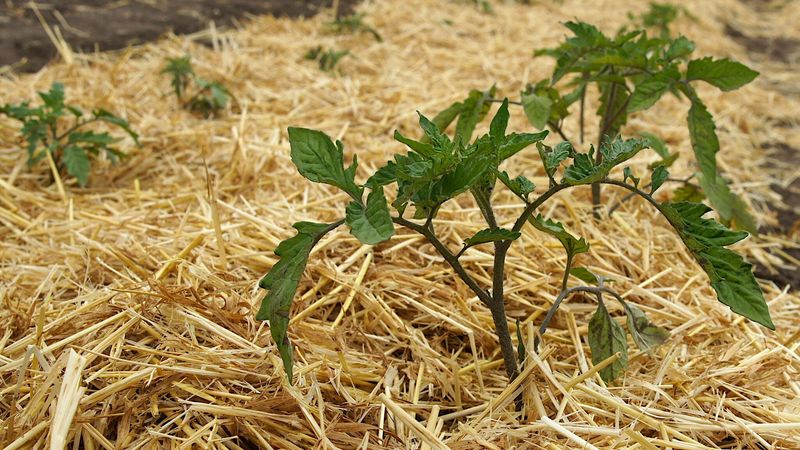
Ripe tomatoes resting on clean golden straw just look happier than ones sitting in mud. Vegetable growers have used straw for generations, and for good reason.
Straw blocks sunlight from reaching weed seeds in the soil. Fewer weeds means less time on your knees and more time picking beans.
A loose layer also traps moisture beneath it. During dry August weeks, you will find yourself watering less often.
Soil splashing onto leaves can spread plant diseases like early blight. Straw creates a barrier, keeping lower tomato leaves cleaner and healthier.
Be careful not to confuse straw with hay. Hay often carries seeds that sprout into a weedy mess, while straw is mostly seed-free stalks.
Many farm stands in upstate New York sell straw bales at fair prices. One bale covers a surprising amount of space once you fluff it apart.
Wait until the soil warms in late May before spreading it. Cold soil under straw stays cold, which can slow down heat-loving crops.
Aim for about four to six inches of fluffy straw. It packs down to a few inches within a week or two.
At season’s end, simply turn the straw into the soil. It breaks down over winter and leaves behind organic matter for next year’s harvest.
5. Wood Chips Shine On Paths And Around Trees
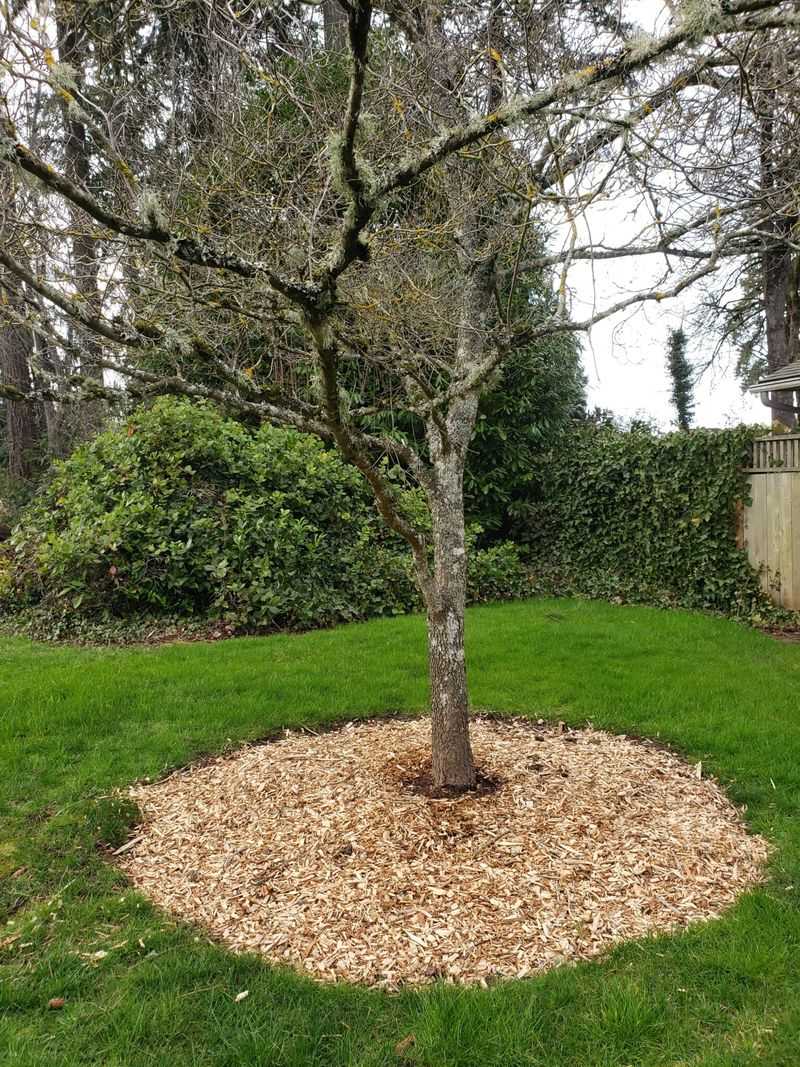
Ever watched a tree crew grind branches into a truck full of chips? That pile can become one of the most useful materials in your yard.
Wood chips are chunkier than shredded mulch, mixing bark, wood, and sometimes leaves. Their rough texture makes them ideal for walking paths.
Foot traffic packs bare soil tight, which squeezes out air. A thick layer of chips cushions every step and keeps the ground beneath loose.
Around trees, chips mimic the natural forest floor. Roots spread wider, soil life thrives, and moisture lingers longer after rain.
A wide ring of chips also protects trunks from mowers and string trimmers. Bark scrapes may seem small, yet they open the door to pests and disease.
Here is a money-saving secret many New York homeowners miss. Local arborists often give away chips for free just to avoid dumping fees.
Apps and websites like ChipDrop connect gardeners with tree crews nearby. Just be ready for a big load, sometimes ten yards or more.
Fresh chips can borrow a bit of nitrogen from the soil surface. Keep them on top rather than mixing them into veggie beds to avoid problems.
On paths, a four inch layer works well and lasts a couple of years. Add more whenever you spot soil peeking through.
6. Pine Needles Work Well On Slopes And Acidic Beds
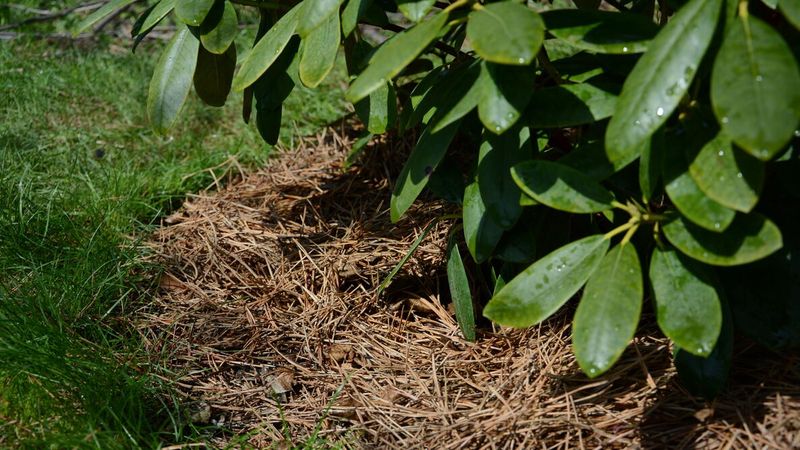
Got a hillside that sheds mulch every time it rains? Pine needles might be the quiet hero your slope has been waiting for.
Gardeners in the South call it pine straw, and it is gaining fans up north. The long needles interlock like tiny puzzle pieces and refuse to wash away.
Weight matters on uneven ground, too. Needles are light and easy to carry up a steep bank without straining your back.
Pine needles look right at home around blueberries, rhododendrons, and hollies, though they won’t change your soil’s pH much.
Worried about turning the whole yard sour? The effect is small, and most garden plants handle pine needles just fine.
Homeowners near the Adirondacks or Long Island Pine Barrens may have needles dropping right in their yard. Raking them up costs nothing and clears the lawn at the same time.
The airy layer lets rain soak through quickly. Meanwhile, it shades the soil and slows weeds from popping up.
Needles break down slowly, so one layer can last a full season or longer. Their warm reddish tone also adds a cozy, woodland look to beds.
Spread about three inches, since needles settle less than chips. A quick fluff with a leaf rake in spring keeps them fresh and tidy.
7. Dyed Mulch Looks Bright But Adds Little Value
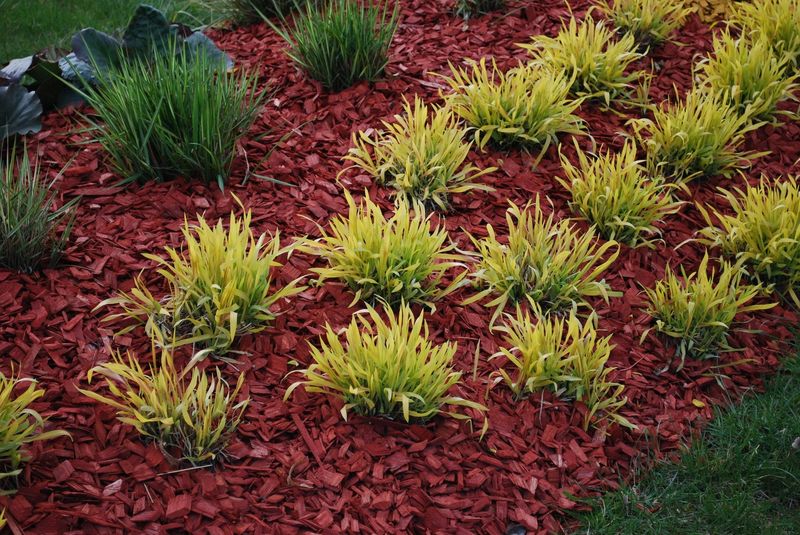
Bright red mulch catches the eye from across the street, no doubt about it. Before you load your cart, though, take a closer look at what is inside.
Many dyed mulches are made from recycled wood like old pallets. Some batches may even include treated lumber with chemicals you would rather avoid.
The coloring itself is usually iron oxide or carbon-based dye. Most experts consider these dyes safe for plants and soil critters.
The bigger issue is what the mulch fails to do. Recycled wood breaks down slowly and adds very little to your soil.
Black dyed mulch also soaks up heat on sunny days. Tender plants can feel stressed during a steamy New York heat wave.
Color fades quickly, too. After a summer of sun and rain, that cherry red often turns a dusty pink.
If you still love the look, choose wisely. Seek bags certified by the Mulch and Soil Council, which test for harmful wood sources.
Another smart move is limiting dyed mulch to areas without edible plants. Front walkways and decorative spots work better than veggie patches.
Natural options like shredded hardwood offer a rich color without the guesswork. Your soil gains more, and you skip the yearly fade.
8. Cocoa Mulch Can Be Dangerous For Dogs
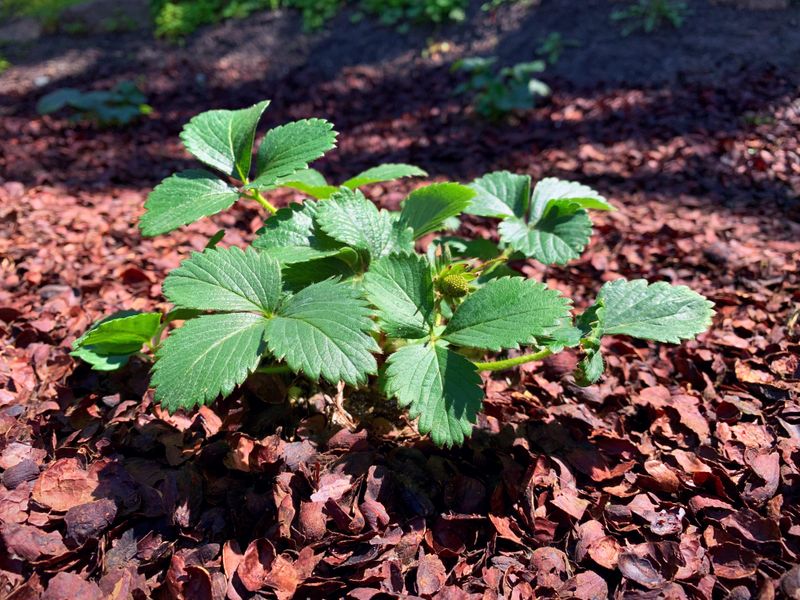
Imagine a garden that smells like a warm brownie on a summer afternoon. Cocoa mulch delivers exactly that, and it is easy to see the appeal.
Made from cocoa bean shells left over from chocolate making, it looks rich and dark. Fine texture and a sweet scent make it popular in fancy flower beds.
Here is the catch for pet owners. Cocoa hulls contain theobromine and caffeine, the same compounds that make chocolate harmful to dogs.
Dogs are drawn to that chocolatey smell like kids to an ice cream truck. A few curious mouthfuls can lead to vomiting, diarrhea, or a racing heartbeat.
Larger amounts may cause tremors or seizures. Severe cases can even become life-threatening, especially for small breeds.
Cats tend to ignore it, but dogs rarely pass up a tasty snack. If you share your yard with a pup, skip cocoa mulch entirely.
Neighbors matter too, since dogs wander and sniff during walks. Think twice before using it in a front yard near a busy sidewalk.
If your dog eats some, call your vet or the ASPCA Animal Poison Control line right away. Quick action makes a big difference.
Plenty of pet-friendly choices exist instead. Shredded hardwood, pine needles, and shredded leaves give a similar look without the risk.
9. Two To Three Inches Is The Sweet Spot
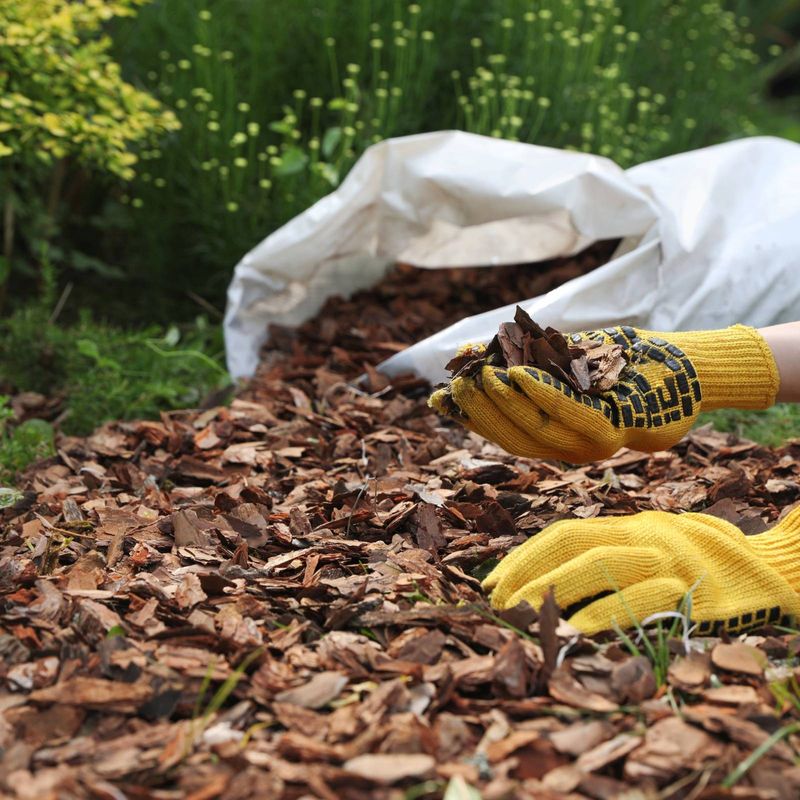
Mulch is a lot like frosting on a cake. Too little looks sad, and too much gets messy fast.
For most flower beds and perennials, two to three inches works best. That depth smothers weeds while letting air and water reach the roots.
Trees and large shrubs can handle a bit more. Around them, three to four inches offers extra protection and moisture.
Spreading too thin, under about an inch and a half, wastes your effort. Weeds poke right through, and the soil dries out quickly.
Going too deep causes its own trouble. Thick layers over four inches can trap water, starve roots of oxygen, and invite rot.
A simple trick helps you check your work. Push a ruler or your finger into the mulch to measure the layer.
Old mulch counts toward your total, so measure before adding more. Many New York homeowners pile on fresh mulch yearly without realizing the depth keeps growing.
If last year’s layer still looks decent, rake it to loosen it up. Then sprinkle a thin topcoat just to refresh the color.
Want to figure out how much to buy? Multiply the bed’s length by width in feet, then divide by 108 for cubic yards at three inches deep.
10. Never Pile Mulch Against Tree Trunks
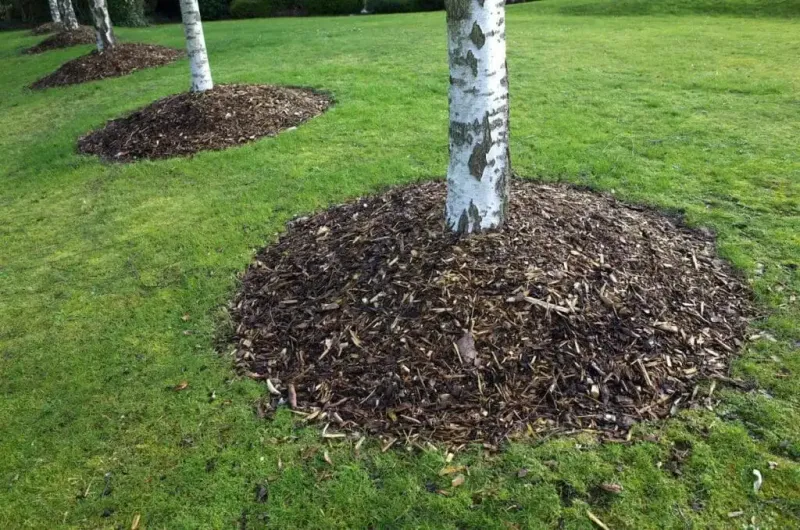
Drive through many suburbs and you will spot them: tall mounds of mulch hugging tree trunks. Arborists call these mulch volcanoes, and they do far more harm than good.
Bark near the base needs air to stay healthy. Wet mulch pressed against it softens the wood and invites rot, fungus, and insects.
Roots suffer too, since thick piles block oxygen from reaching them. Over time, trees may grow weak, unstable, or start girdling themselves with circling roots.
Mice and voles love those cozy mounds as winter hideouts. Hidden from view, they chew bark and can harm a young tree badly.
So what does good mulching look like? Picture a flat donut or saucer instead of a cone.
Leave three to six inches of open space around the trunk. The root flare, where the trunk widens at the ground, should stay visible.
Spread mulch outward as far as you can, ideally toward the drip line. A wide ring helps roots and keeps mowers at a safe distance.
Already have a volcano in your New York yard? Gently pull the mulch back with your hands or a rake, taking care not to scrape the bark.
Your trees will reward the fix with stronger growth and longer lives. Small changes now protect shade and beauty for decades.