The Strange Noises Coming From Minnesota Lakes Have A Simple Explanation
Frozen lakes can sound like a science fiction movie, complete with laser blasts and whale songs. I first heard it on a calm January evening in Minnesota, and I honestly looked around for a spaceship.
The noise came from beneath my boots, then raced away across the ice. Some booms rolled like thunder. Others pinged so fast they seemed to bounce off the shoreline and come right back.
You might notice these sounds most on bitter, clear nights in Minnesota, when the air feels sharp and the snow squeaks. Folks have blamed monsters, ghosts, and even buried trains over the years. I get it, because the sounds feel almost alive.
Scientists have studied this eerie music for decades, and the answer is surprisingly down to earth.
It involves cold air, warm sunshine, and a lake that refuses to sit still. The ice isn’t haunted. It’s simply a lake breathing, and every crack, boom, and ping is its voice.
That Booming Lake Ice Has A Lot To Say
Standing on a frozen lake when it suddenly booms is a heart-thumping moment. I froze in place the first time, half expecting the ice to open up.
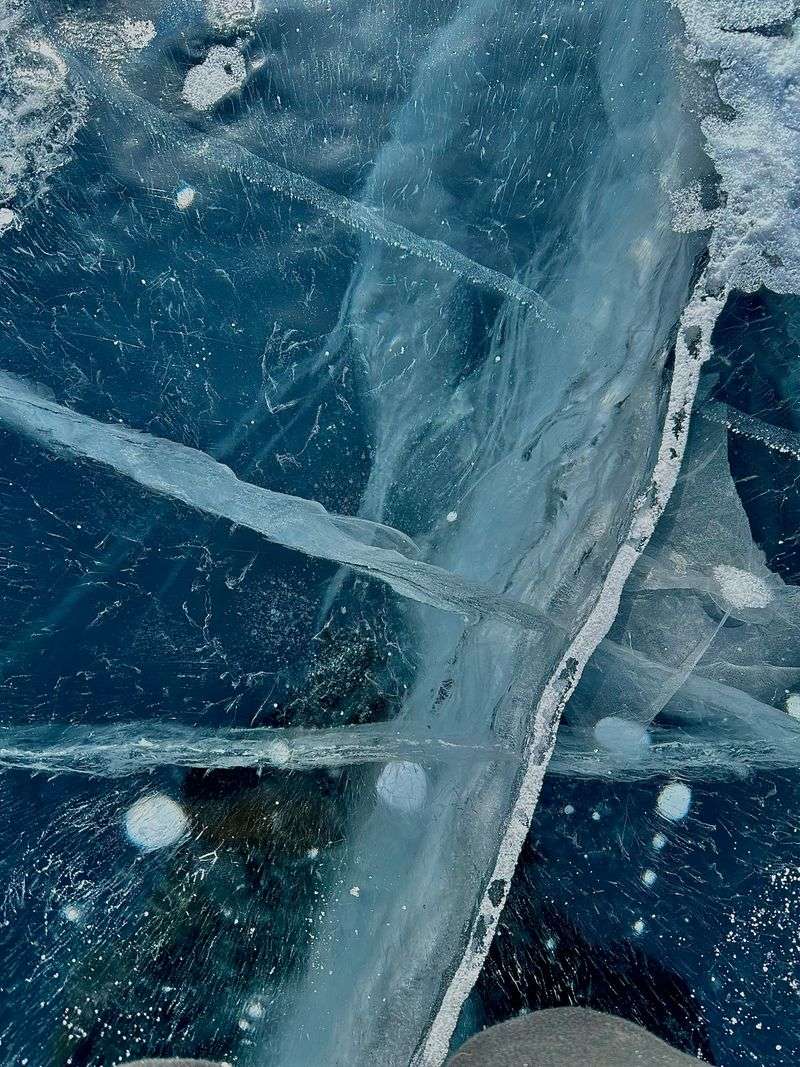
Nothing happened, except a long echo rolling toward the far shore. Those groans, pings, and cracks come from the ice sheet itself. A frozen lake is not a solid, quiet slab. It acts more like a giant, stiff blanket that moves a tiny bit all winter long.
Every lake in the state does this to some degree, from small ponds near the Twin Cities to huge northern waters like Mille Lacs and Lake of the Woods. The sounds are part of normal winter life. Anglers in ice houses hear them nearly every night.
Knowing the source can turn fear into fascination. Instead of wondering what lurks below, you can start listening for patterns.
Notice what time the sounds begin, how loud they get, and whether the sky is clear or cloudy.
Many longtime ice anglers say a talking lake makes the long, cold evenings more fun. Once you understand it, the noise feels less like a warning and more like company. Grab a warm drink and enjoy the show.
Shrinking And Swelling Ice Sheets Create The Racket
Physics class finally pays off here. Ice shrinks when it gets colder and expands when it warms up, just like a sidewalk or a metal bridge. On a lake, that tiny change happens across thousands of acres at once.
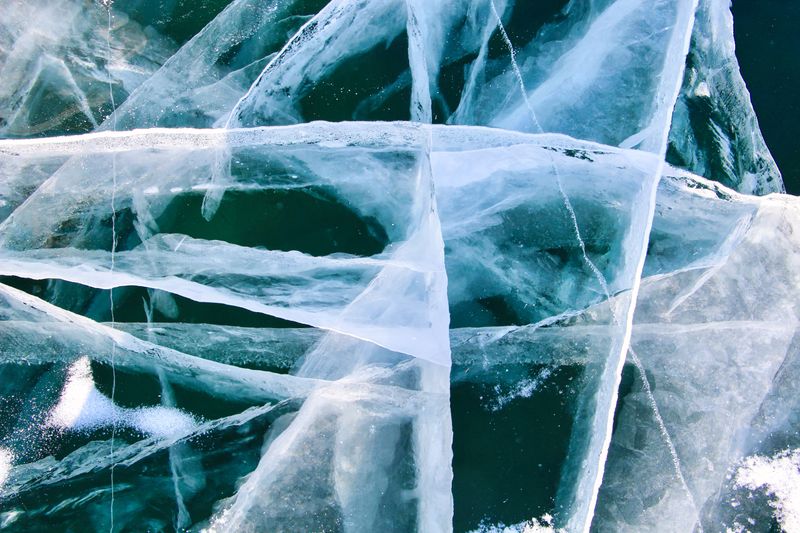
When the air temperature drops quickly, the top layer of ice contracts. It pulls apart and snaps, forming new cracks that release energy as sound. Warm sunshine does the reverse, making the ice swell and push against itself.
The University of Minnesota and the state Department of Natural Resources both point to this thermal stress as the main cause. That is the simple explanation behind the spooky soundtrack. No creatures or secret machines required.
Here is a helpful way to picture it. Grab an ice cube from the freezer and drop it into a glass of room-temperature water. You will likely hear it crackle as the outer layer warms faster than the center.
A frozen lake does the same thing on a massive scale. The cracks often refreeze quickly, then crack again with the next temperature swing. That cycle repeats all winter, so the lake keeps up its chatter for months.
Those Laser Gun Pings Are Racing Through The Ice
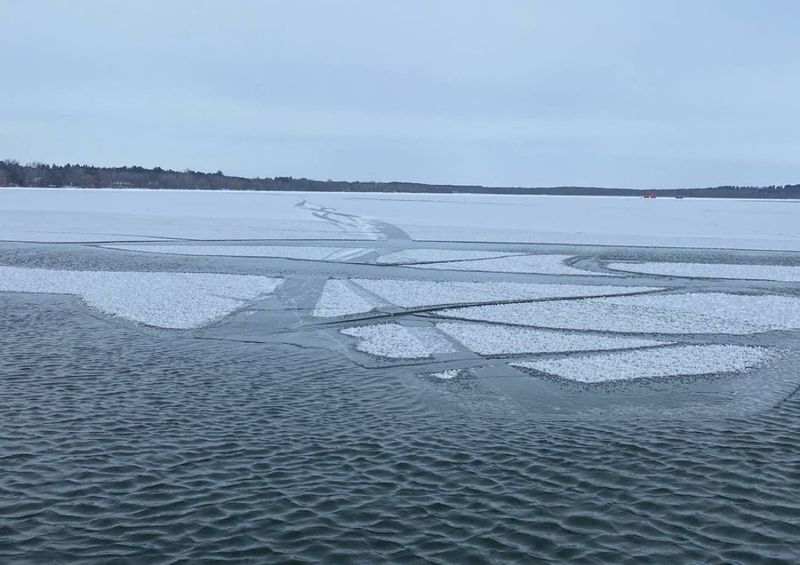
If you have heard a frozen lake make sounds like a Star Wars blaster, you are not alone. Videos of this effect regularly go viral every winter, and many of the best ones come from Minnesota.
The strange pitch comes from how sound moves through ice. When a crack forms, it sends vibrations racing across the sheet. High-pitched sound waves travel a bit faster through the ice than low ones do.
So the squeaky part reaches your ears first, and the deeper tones arrive a split second later. Your brain hears that as a descending zip, like a sci-fi laser. Scientists call this spreading effect dispersion.
Fun fact for curious kids and grownups alike. Movie sound designers have recorded similar effects by striking long, tight wires and cables.
The same science explains why a frozen Minnesota lake and a radio tower guy wire can sound so alike.
Thin, clear ice early in the season tends to produce the best pings. If you want to hear it yourself in Minnesota, stay on shore and toss a small rock onto newly frozen ice. The ricochet can sound surprisingly futuristic and is much safer than walking out.
Cold Clear Nights Turn Up The Volume On Frozen Lakes
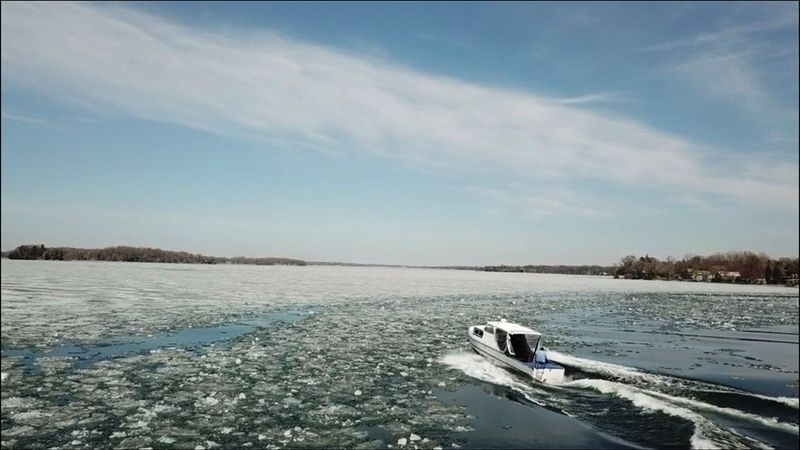
My favorite listening hour comes right after sunset on a clear, frigid evening. The sky goes purple, the air bites, and the lake starts warming up its vocal cords.
It can be remarkably loud. Big temperature swings drive the noise. On sunny days the ice absorbs heat and expands. Once the sun drops and clouds are absent, heat escapes fast, and the ice contracts in a hurry.
That rapid change creates the most stress, so the cracking and booming peak in the evening and early morning. Cloudy nights act like a lid, holding warmth in and keeping the lake calmer. Mild, steady weather tends to stay quieter too.
You can use this pattern to plan a listening trip. Check the forecast for a clear night following a sunny afternoon. A drop of 20 degrees or more often sets off a lively chorus.
Dress warmly, bring a thermos, and stand near the shoreline. Turn off music and stay still for a few minutes.
Many people are surprised how quickly the first rumble arrives, and how often it repeats once things get going.
A Fresh Snow Layer Can Muffle The Ice Chorus
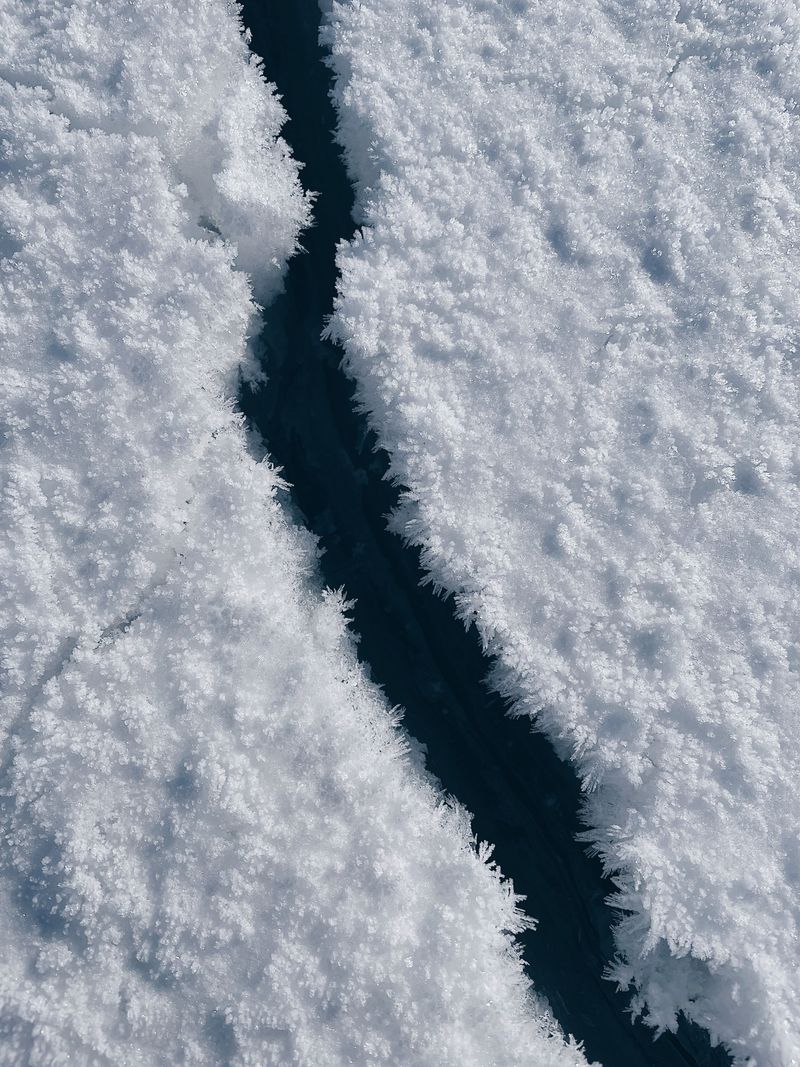
Snow changes everything on a winter lake, including the soundtrack. After a big storm, I noticed the booming nearly disappeared for days. The lake seemed to have hit the mute button.
A thick layer of snow works like insulation. It slows down how fast the ice warms during the day and cools at night. With smaller temperature swings, the ice cracks less often.
Fluffy snow also soaks up sound. All those tiny air pockets between flakes absorb vibrations before they travel far. Recording studios use soft, porous materials for the same reason.
Clear, snow-free ice is a different story. Without that blanket, sunlight and cold air hit the surface directly, and sound bounces freely across the hard sheet. Early winter and windswept lakes often produce the loudest performances.
Snow brings a safety twist worth knowing. Because it insulates, heavy snow can actually slow ice growth and hide weak spots underneath.
Snow piled on top can also push the ice down and cause slushy water to seep up. So a quiet, snowy lake is not automatically a stronger lake. Keep checking thickness no matter how peaceful things sound.
Pressure Ridges Along The Shoreline Groan The Loudest
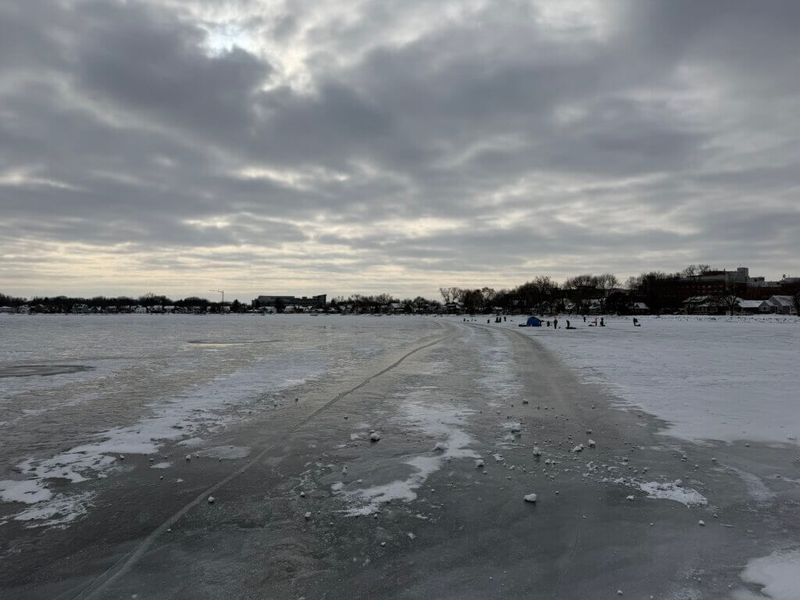
Ever seen a jagged wall of ice slabs piled up across a lake? That stunning sight is a pressure ridge, and it often comes with some of the deepest groans of the season. Big lakes like Mille Lacs and Lake of the Woods are famous for them.
Ridges form when expanding ice runs out of room. The sheet shoves sideways until one edge buckles upward, stacking blocks like a broken sidewalk. The grinding of those slabs creates long, low moans.
Wind also plays a role. Steady gusts can push ice sheets against one another or against the shoreline, adding even more pressure. Some ridges grow several feet tall.
Along shores, expanding ice can creep onto land and shove rocks, docks, and soil. Folks in the state call this ice heave or ice push. It is one reason many lake owners pull docks out before freeze-up.
Please admire ridges from a distance. The ice around them is often cracked, uneven, and sometimes hides open water.
Many vehicles have broken through near ridges, so the Department of Natural Resources advises crossing them with extreme caution or not at all.
Bubbles, Wind, And Footsteps Add Their Own Lake Sounds
Temperature takes most of the credit, but a few supporting players add to the lake’s mix. Some are subtle, while others catch you off guard. Each one has a down-to-earth cause.
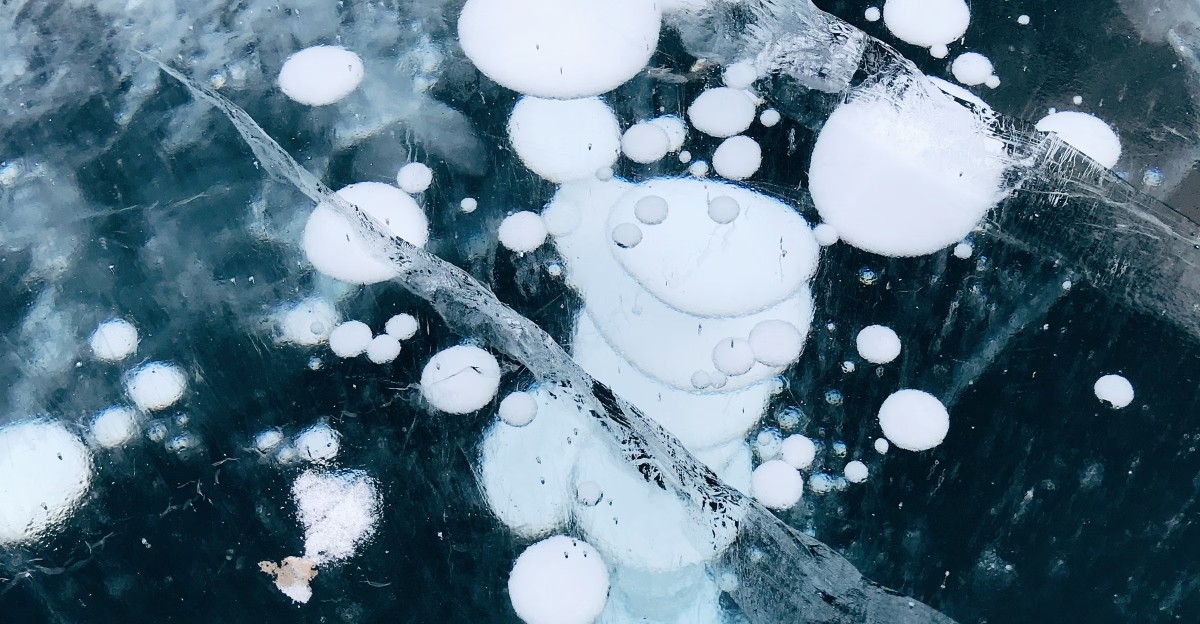
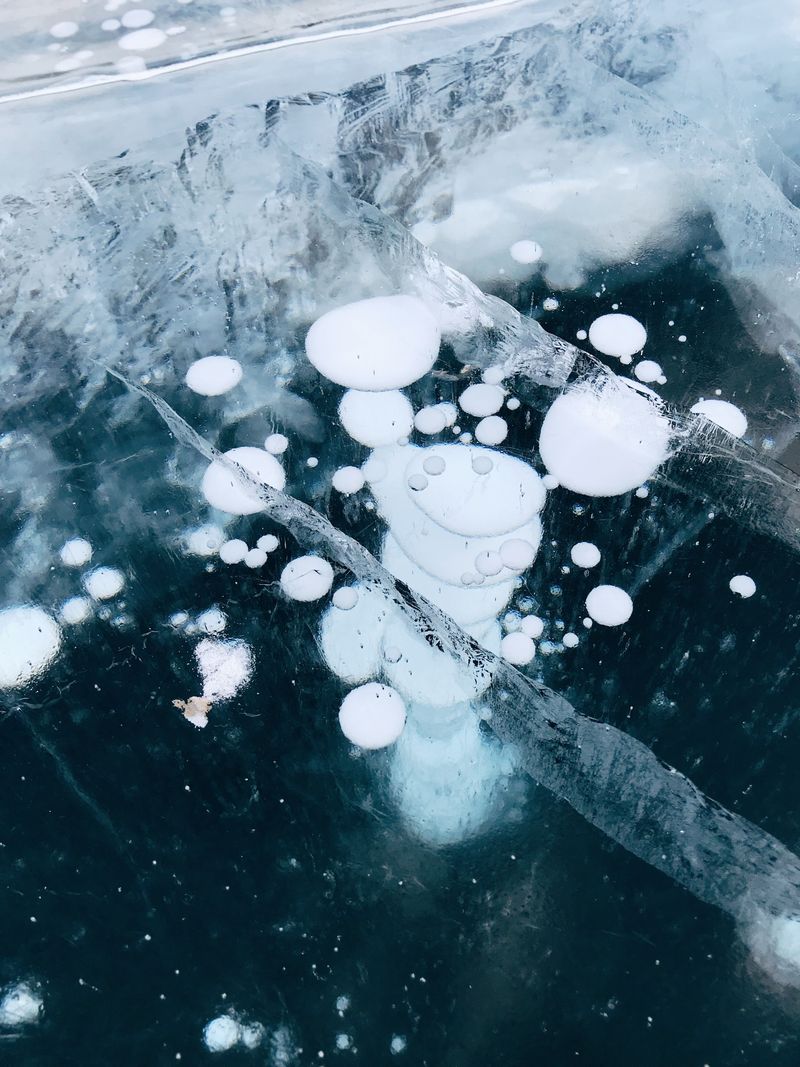
Look closely at clear ice and you may spot frozen white bubbles stacked like coins. Many come from methane and other gases released by plants and leaves breaking down on the lake bottom. Gas escaping through cracks can create soft hisses or gurgles.
Wind brings its own sounds. It can rattle loose ice chunks, whistle over pressure ridges, and nudge ice sheets so they creak along the shore. On open water before freeze-up, waves slapping thin ice edges can tinkle like wind chimes.
Weight matters too. A truck, snowmobile, or group of people can make ice flex, sending out cracks and pops.
Experienced anglers say these sounds are usually normal, but ice that sags or seeps water is a warning sign.
One myth worth clearing up involves fish. Some species do make grunts and drumming sounds, yet they are rarely loud enough to hear through thick ice. Those big booms belong to the ice itself.
Check The Ice Thickness Before You Step Out And Listen
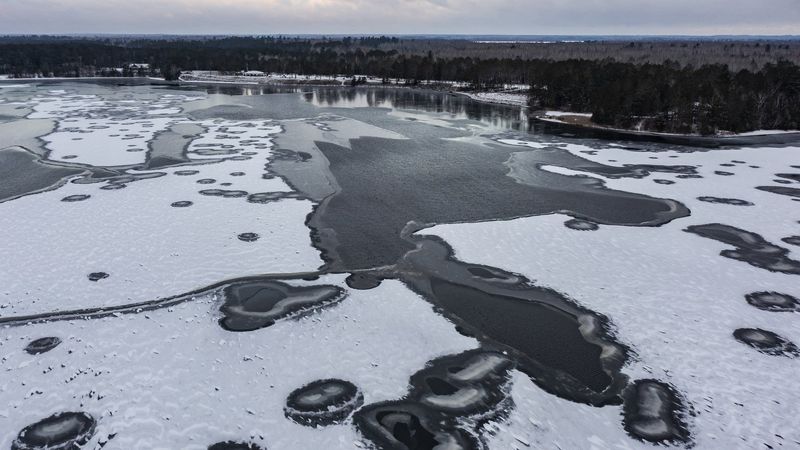
Noisy ice is not automatically dangerous ice, and quiet ice is not automatically safe. Sound tells you the lake is moving, not how strong it is. Thickness and quality are what count.
The Minnesota Department of Natural Resources offers clear guidelines for new, clear ice. Stay off anything under 4 inches.
Four inches can hold a person on foot, 5 to 7 inches a snowmobile or small ATV, 7 to 8 inches a side-by-side ATV, and 9 to 10 inches a small car or SUV.
White or cloudy ice is weaker, so double those numbers when you see it. Check thickness with an auger or spud bar every 150 feet or so, because ice varies a lot. Moving water near inlets, bridges, and springs keeps ice thin.
Pack a few simple items before heading out. Ice picks worn around your neck, a life jacket, a rope, and a charged phone can make a huge difference. Going with a buddy is smart too.
Then settle in and enjoy one of winter’s coolest natural concerts. The lake will keep talking all season, and now you know exactly what it is saying.