The Last Lawn Mow Of The Year In Texas And Why Height Matters More Than You Think
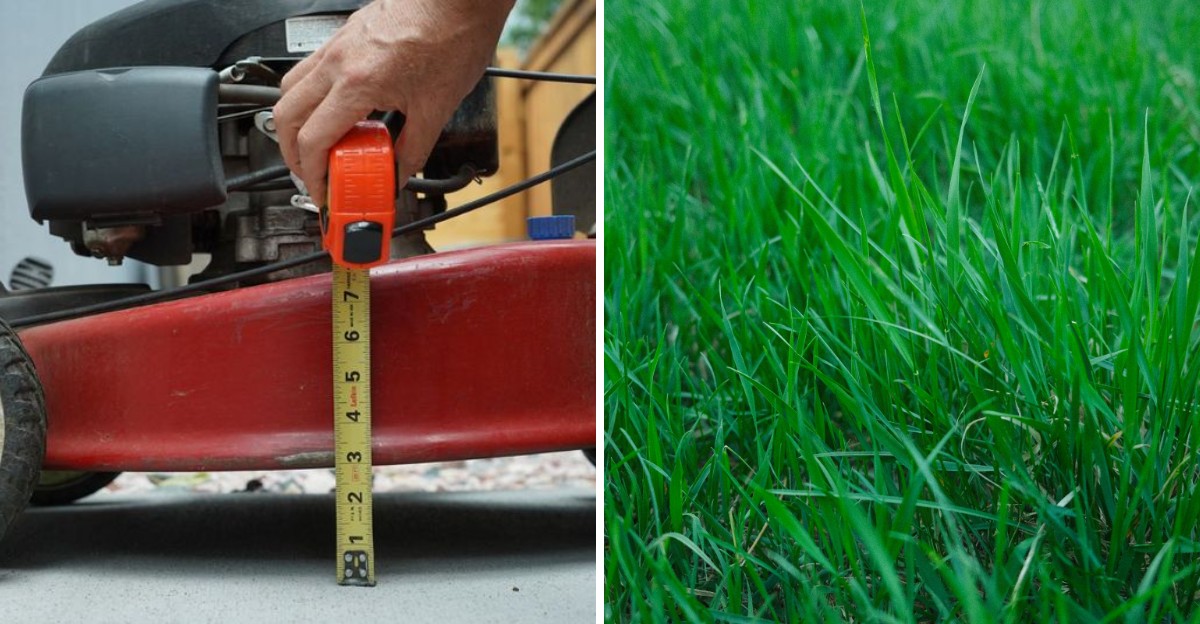
Your grass blades are basically solar panels, and the ones left standing in late fall help feed the roots all winter.
I used to give my lawn a short buzz cut before the cold arrived. It looked tidy for about a week. Then spring came, and thin, patchy spots showed up right where I had cut the lowest.
To my surprise, the real damage happened slowly and quietly. Scalped turf loses its winter blanket, burns stored energy, and leaves bare soil open to sneaky weeds. In Texas, our warm-season grasses depend on that stored energy to green up again.
So how tall should that final cut be? The answer depends on the grass in your yard, the region you live in, and one simple rule. Your mower deck might be set lower than you realize right now.
1. That Final Pass With The Mower Shapes Your Spring Lawn
Spring green-up starts months before you notice it. Warm-season grasses like St. Augustine, Bermuda, and zoysia slow down as fall temperatures drop, and they begin storing energy for the cold months.
That energy comes from the leaf blades. Grass makes food through photosynthesis, then tucks the extra sugars into its roots, stolons, and crowns. Those stored reserves are what push out fresh green shoots once the soil warms again.
A low final cut takes away a big chunk of the plant’s food factory right when it needs to fill the pantry.
The grass may also spend reserves trying to replace lost leaves instead of saving them. Texas A&M AgriLife turf experts point out that mowing too low is one of the most common reasons lawns thin out.
I like to think of the last mow as tucking the lawn into bed. A neat trim is fine, but the blanket should stay on.
Leaving some height gives the crowns, which are the growing points near the soil, a bit of shelter from chilly air.
The height you pick today quietly decides how thick and green your yard looks next April. Small choice, big payoff.
2. Raise The Mower Deck A Notch For Your Grass Type
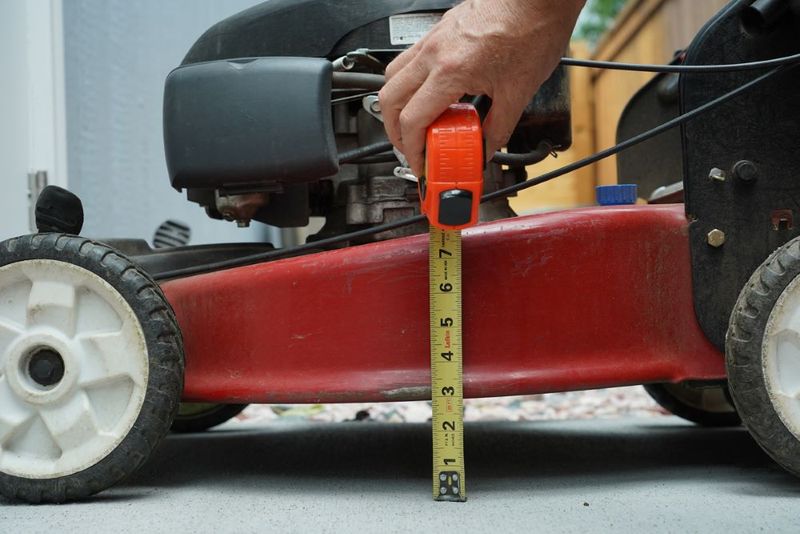
Grab a ruler and walk outside. Measure your grass, then check your mower height setting, because the right number depends on what is growing in your yard.
Here are commonly recommended ranges for Texas lawns. St. Augustine does best around 2.5 to 4 inches, and many gardeners keep it near the top of that range in fall.
Common Bermuda likes about 1 to 2 inches, so aim for the upper end late in the season. Hybrid Bermuda can sit a bit lower if it was managed that way all year.
Zoysia generally prefers 1 to 3 inches depending on the variety. Fine-leaf types stay shorter, while wider-bladed types handle more height. Buffalograss, the tough native favorite, looks great left at 3 to 4 inches or even unmowed.
Personally, I bump my deck up one notch in early fall and leave it there. That way the last cut does not shock the grass.
One quick tip helps a lot. Many mower dials do not match real blade height, so measure the cut grass after one pass. You might find your setting is half an inch lower than you thought.
3. Scalped Bermuda Patches Tell The One-Third Rule Story
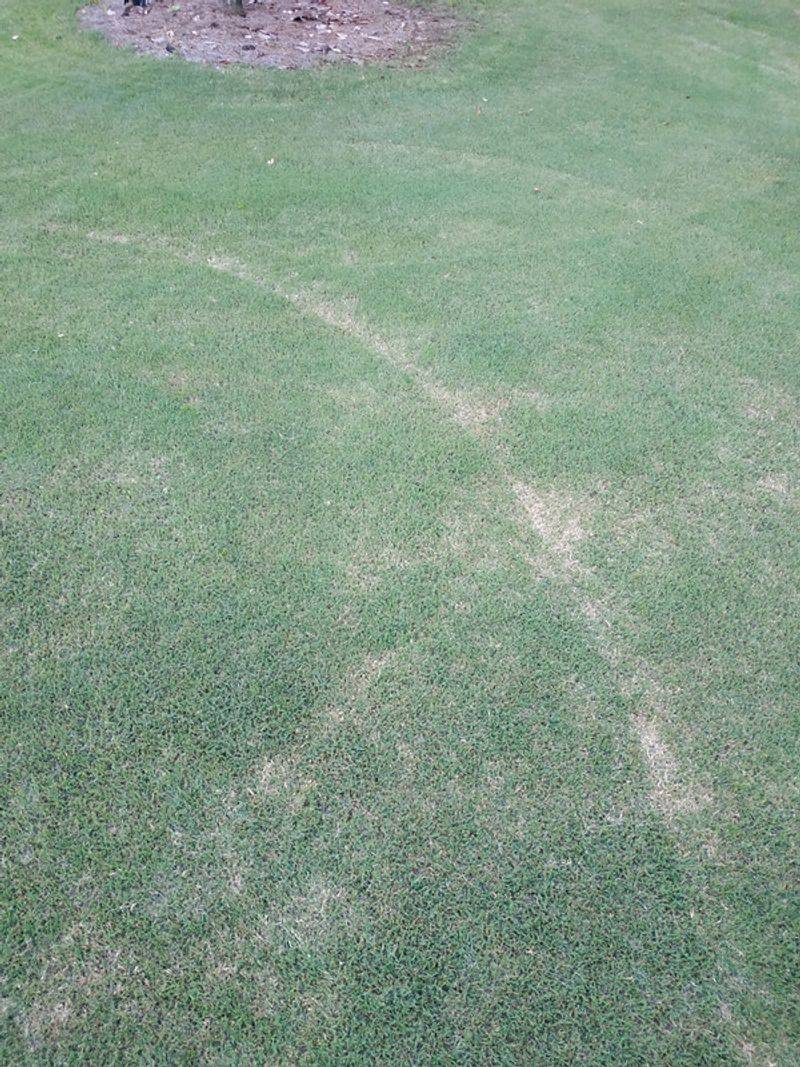
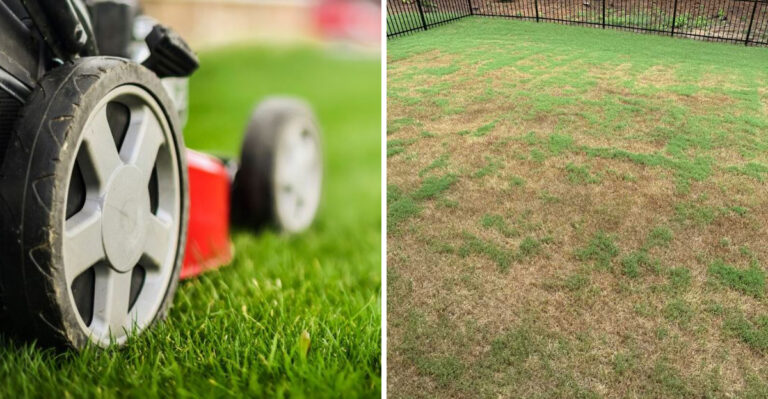
Ever see a lawn with tan, stubbly streaks right after a mow? Those streaks are scalping, and they happen when a mower slices into the stems and crowns instead of the leaves.
The one-third rule prevents most of it. Remove no more than one third of the blade height in a single mowing.
If your St. Augustine stands 4.5 inches tall and your goal is 3 inches, that is one cut. If it stands 6 inches, take it down in two steps a few days apart.
Fall makes this tricky because growth is slower and gardeners often skip a mow or two. Then the lawn looks shaggy, and the temptation to whack it all down at once kicks in. Resist that urge.
Scalped areas also lose their shade over the soil. Bare spots warm and cool quickly, dry out faster, and give weed seeds a sunny welcome mat.
Uneven ground causes plenty of scalping too. High spots and bumps get shaved first, so slow down near curbs and humps. A little patience on this last cut saves a lot of patching next spring.
4. Taller Grass Blades Keep Winter Weeds Out Of Sight
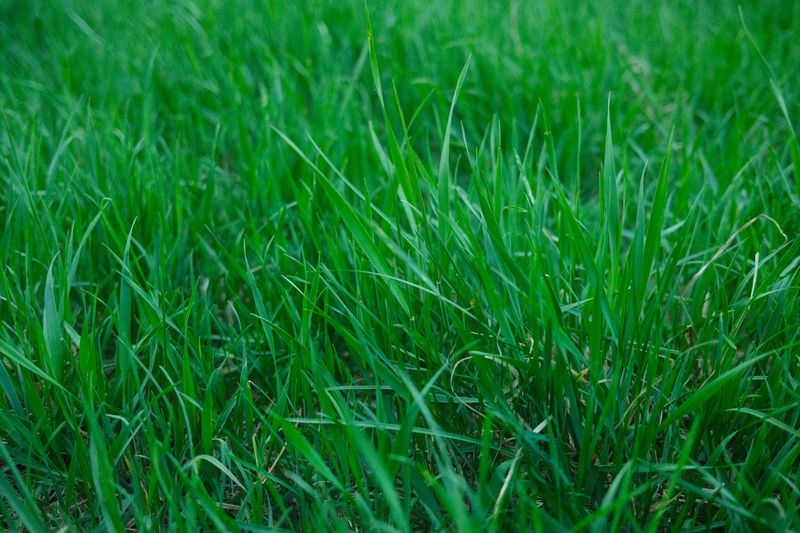
Weeds are sneaky opportunists. Winter annuals like henbit, chickweed, and annual bluegrass sprout in fall across much of the state, and they love thin, short turf.
Taller grass blades shade the soil surface. Many weed seeds need light and open space to sprout and grow, so a thicker canopy makes life harder for them.
Research from university turf programs has long linked proper mowing height with fewer weeds.
I noticed this in my own yard the hard way. The section I mowed lowest near the driveway filled with henbit by January, while the taller patch by the fence stayed fairly clean.
Height also helps the soil hold moisture. Shaded ground loses less water to sun and wind, which matters during dry Texas winters.
Deeper roots often follow taller tops too. Grass kept at a healthy height tends to support stronger roots that reach more water and nutrients.
None of this means you can skip weed control altogether. Pre-emergent products for winter weeds usually go down in early fall, before soil temperatures drop. Pair that timing with a taller final cut, and you give weeds very little room to move in.
5. Watch For Slowing Growth And Fading Turf Before Parking The Mower
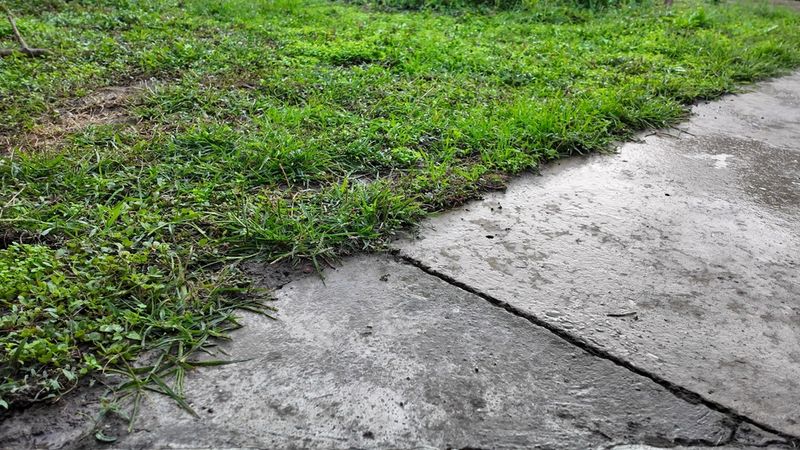
Your lawn sends clear signals when it is ready to rest. The biggest clue is simple: growth slows so much that a week or two passes without the grass needing a trim.
Color is the next hint. Bermuda and zoysia often turn tan or straw-colored after the first frost, while St. Augustine may hang on to some green longer, especially in mild areas.
Timing varies a lot across Texas. North Texas and the Panhandle often see dormancy start in November. Central Texas lawns tend to slow around the first freeze, which commonly lands in late November or December.
Along the Gulf Coast and in the Rio Grande Valley, grass may grow lightly through much of winter, so mowing might continue now and then.
Believe it or not, there is no single calendar date for the last mow. Your grass decides, not the holidays.
A handy habit is to measure before every late-season cut. If the blades have barely grown since the last mow, skip it and check again in a week.
Once growth stops and the color fades, you can clean the mower and give it a well-earned break.
6. Sharp Mower Blades Leave Cleaner Grass Tips
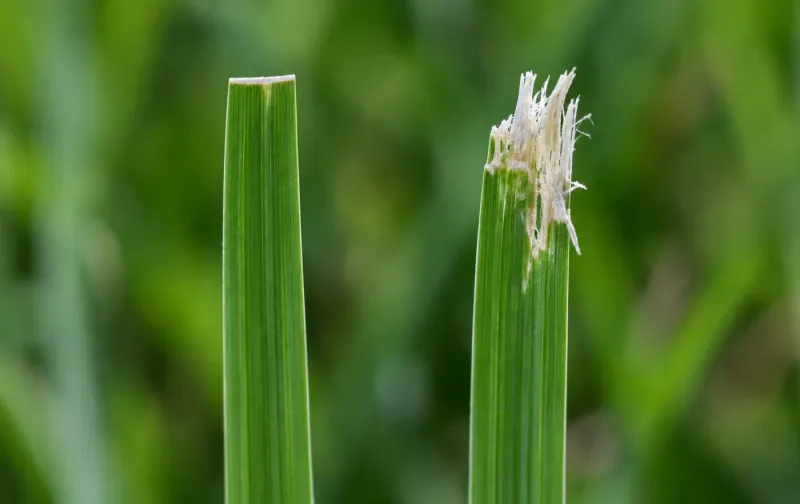
Take a closer look at your grass tips after mowing. Clean, straight edges mean a sharp blade. Frayed, whitish, or shredded tips mean the blade is tearing instead of cutting.
Torn grass loses more moisture and heals more slowly. Those ragged wounds can also give fungal diseases an easier entry point, and the lawn takes on a dull, grayish look.
Most homeowners do well sharpening blades once or twice a season. Hitting rocks, roots, or sprinkler heads can dull them much faster, so check after any loud clunk.
Safety comes first here. Disconnect the spark plug wire or remove the battery before touching the blade. Wear thick gloves, and mark which side faces down so it goes back correctly.
A balanced blade matters too. An unbalanced one shakes the mower and can harm the engine, so hang it on a nail or use a cheap balancer after sharpening.
Mowing dry grass adds another layer of help. Wet blades clump, cut unevenly, and can spread disease spores around the yard.
You will love how easy this is. Twenty minutes in the garage can make your final cut look sharper too.
7. Fallen Oak Leaves Can Smother A Short Lawn
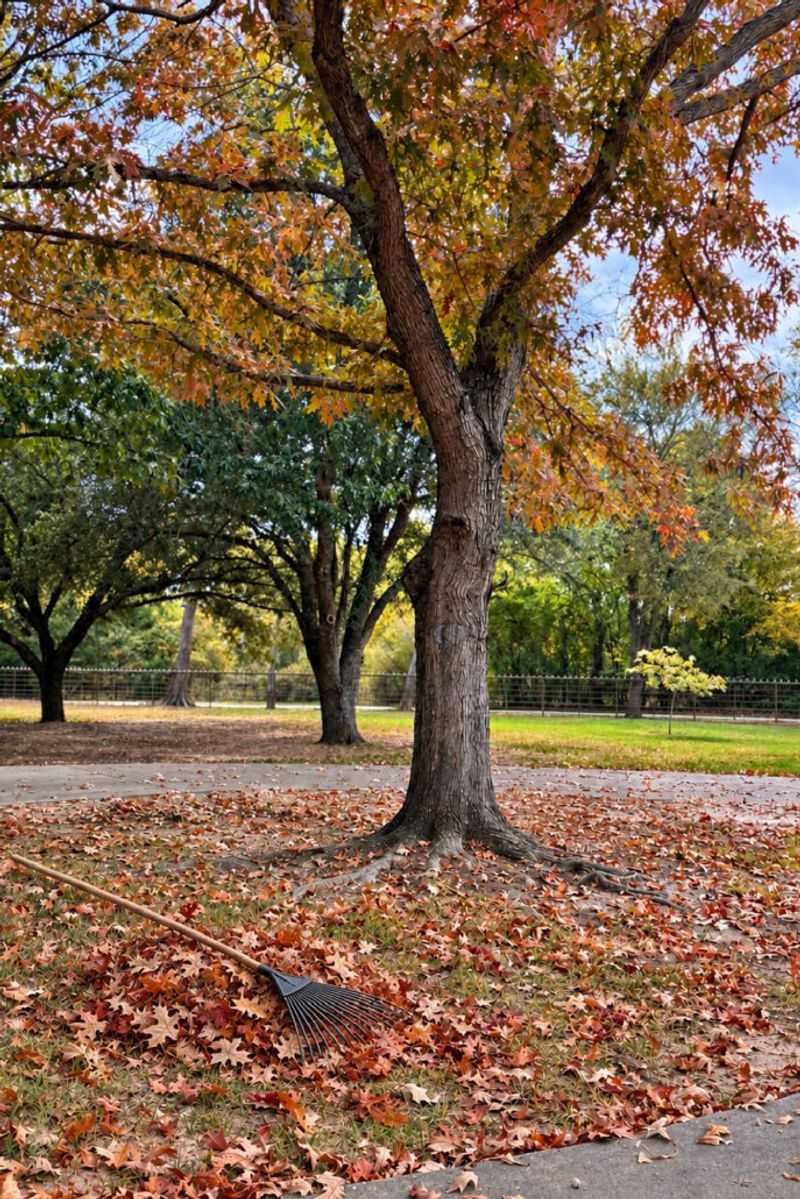
Live oaks, pecans, and red oaks drop a lot of leaves on Texas lawns. A thin layer is no problem, but a thick mat can block sunlight and trap moisture against the grass.
Shaded, soggy turf under leaf piles is more likely to struggle with fungal problems like large patch in St. Augustine and zoysia. That disease shows up as circular brown or orange patches, often in cool, damp fall weather.
Here is a fun twist. Your mower can handle leaves while you take care of that final cut. A mulching mower chops leaves into small bits that slip down between grass blades and break down into the soil.
The trick is keeping the deck at your recommended fall height. Lowering it to suck up leaves invites scalping, so run over the yard more than once if needed.
Extra leaves beyond what the lawn can absorb make great compost or garden bed mulch. Your flower beds will appreciate the free cover.
Personally, I try to clear leaves every week or two during peak drop. It keeps the grass breathing, and the job feels much lighter than one giant rake marathon in December.
8. Light Winter Watering Helps Your Dormant St. Augustine Bounce Back
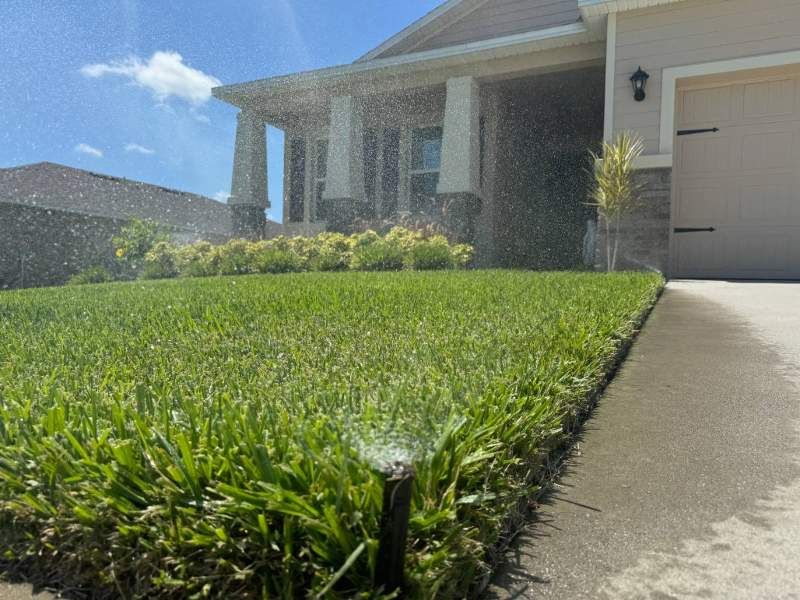
Dormant grass is resting, not gone. Its roots and crowns still need some moisture, especially during long dry spells that are common in parts of Texas each winter.
Texas A&M AgriLife guidance suggests watering dormant lawns only when rainfall is scarce, often every few weeks.
A deep soak in the morning, ideally before a freeze, can help protect the turf because moist soil holds heat better than dry soil.
Skip fertilizer once the grass is dormant. Feeding warm-season turf in winter can encourage tender growth that cold snaps damage and may also feed weeds.
A light fall feeding in September or early October is the better window if your lawn needs it.
Foot traffic counts too. Frosty grass blades are fragile, so try to keep paths off the lawn on icy mornings.
Finally, keep that higher mowing height in mind for spring. Many experts suggest waiting until the grass greens up fully before the first real mow. A light cleanup cut to remove brown tips works well once growth resumes.
I truly believe the best lawns are built in the off-season. A smart last mow and a little patience are where it starts.