The Strange Silver Creature Hiding Behind Your Minnesota Bathroom Wall
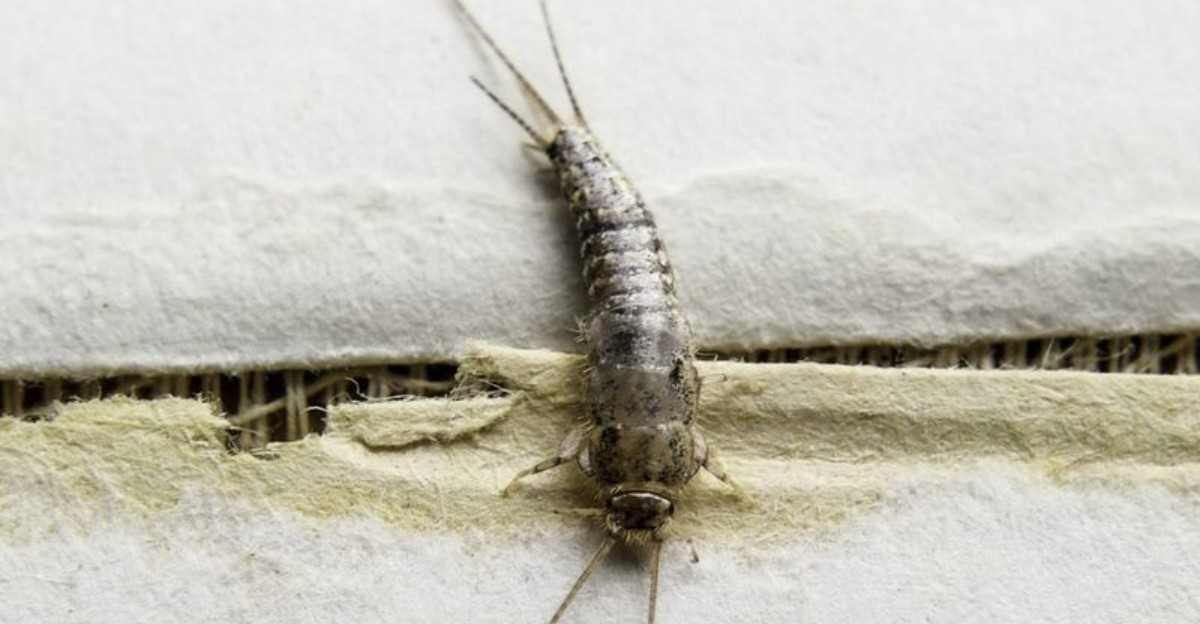
Some of the shiny little bugs racing across your bathtub belong to a lineage older than the dinosaurs. Fossils of their close relatives date back hundreds of millions of years. I still flinch when one darts out at midnight.
The creature has no wings and a body covered in tiny silvery scales. It wiggles when it runs, a lot like a fish slipping through water. It can also go weeks, even months, without a meal.
You might notice one stuck in the sink after a hot shower. Minnesota homes give it exactly what it craves, especially during long, steamy winters indoors.
I started checking my seed boxes after spotting one near the basement shelf in my Minnesota house.
A few simple habits make a big difference. Meet the silverfish, the ancient, fast-moving freeloader that loves your bathroom for its warmth, its moisture, and its endless supply of crumbs.
That Silvery Wiggling Bug Has A Very Old Family Tree
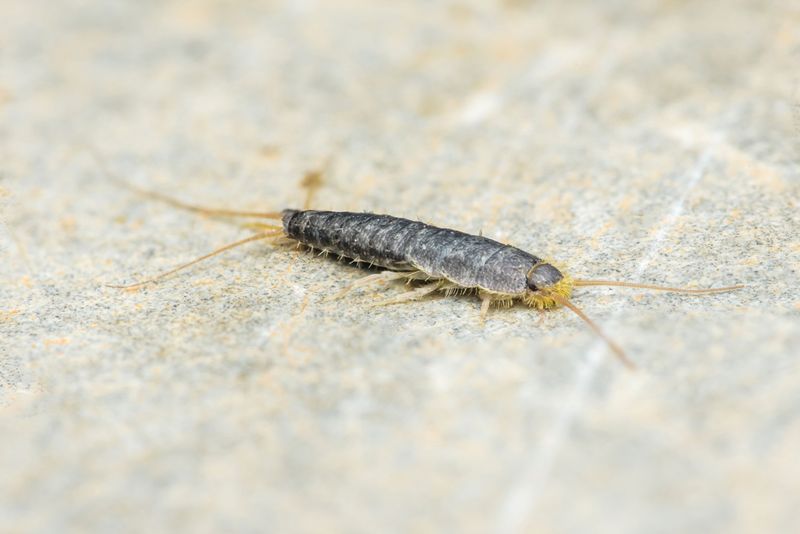
Late one night, I flipped on the bathroom light and watched a shiny gray streak dart under the baseboard. That little sprinter was a silverfish, a common household insect in Minnesota.
Adults usually measure about half an inch long. Their bodies are shaped like a carrot, wide at the front and tapering to a point.
Look closely and you will see two long antennae up front and three thin bristles trailing off the back end.
The silver color comes from tiny scales covering the body. Those scales rub off easily, which helps the insect slip away from spiders and other predators. The quick, side-to-side wiggle when it runs gave the bug its fishy name.
Silverfish belong to an ancient group of wingless insects. Scientists consider them primitive because they look much like their ancestors did ages ago. They do not go through a dramatic change like a caterpillar becoming a butterfly.
Young silverfish simply look like smaller, paler versions of the adults. They grow by shedding their skin over and over.
Spotting one means you are sharing your home with a true living fossil, which honestly makes it a little more interesting than gross.
Steamy Showers Turn Your Bathroom Into A Silverfish Spa
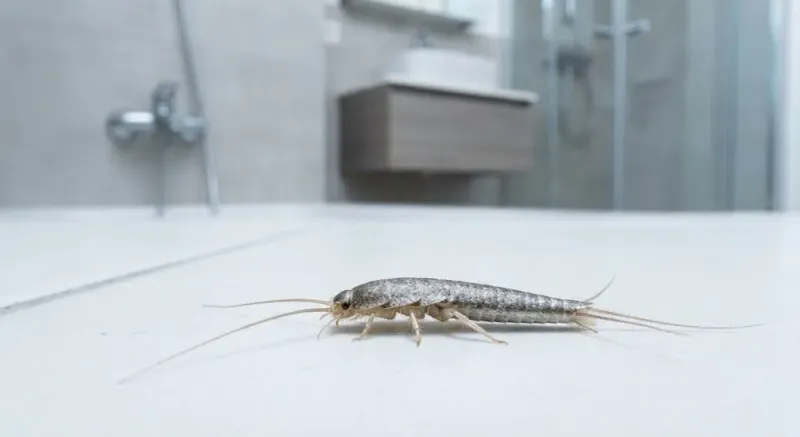
Moisture is the big secret behind every silverfish sighting. These insects need high humidity, often around 75 percent or more, to thrive and lay eggs. A bathroom after a long hot shower checks every box.
Steam settles into wall gaps, behind tiles, and under sinks. Small leaks around pipes keep those hidden spaces damp for days.
Silverfish can even pull moisture straight from humid air, so they rarely need a puddle to drink from.
Minnesota homes face a quirky challenge here. In winter, windows stay shut and people spend more time indoors, so steam from cooking and bathing gets trapped.
Basements also stay cool and damp in many older houses, giving these bugs another favorite hideout.
You can change the game fast. Run your bathroom exhaust fan during showers and for about 20 to 30 minutes afterward. Wipe down wet tile and hang towels where they dry quickly.
Many pest experts suggest keeping indoor humidity below about 50 percent. A cheap humidity gauge from the hardware store tells you where you stand.
If numbers creep high, a dehumidifier in the basement can help dry things out and make your home far less welcoming.
Paper Seed Packets Look Like Dinner To A Silverfish
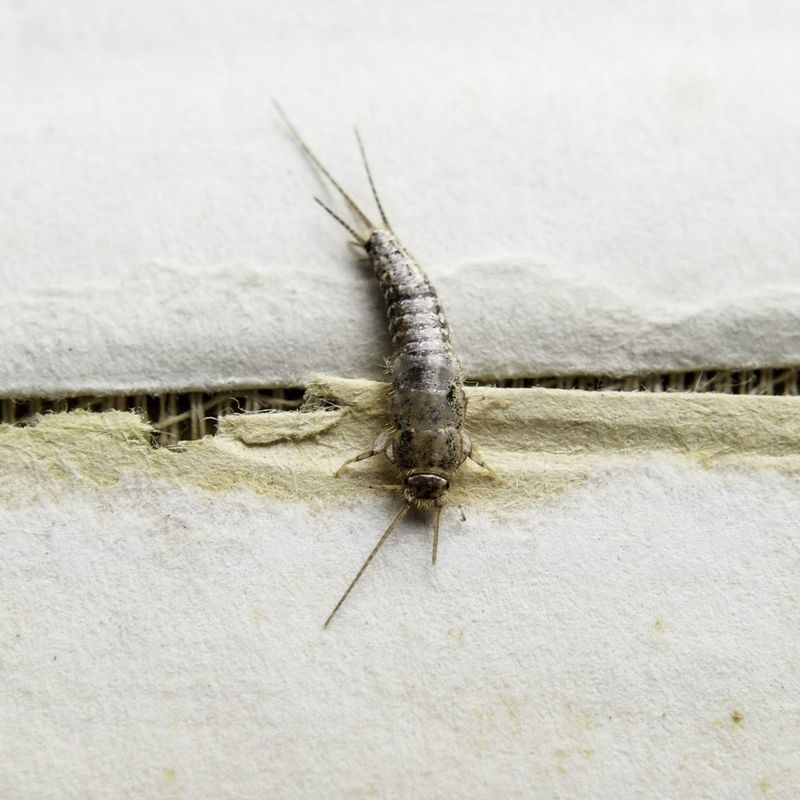
Gardeners, this part stings a bit. Silverfish love starch, sugar, and cellulose, and our seed stash is full of all three.
Paper packets, cardboard boxes, and envelopes look like a buffet to them, and Minnesota basements give them the perfect place to feast.
These bugs also nibble on book glue, wallpaper paste, cereal, flour, and old photographs. They graze on cotton and linen fabric too. Damage often shows up as ragged holes, scraped surfaces, or yellowish stains.
I once found chewed edges on a box of saved tomato seed envelopes in my basement. The seeds themselves were fine, but the labels were half gone. Guessing which heirloom variety was which made for a confusing spring.
Protecting your collection is simple. Move seed packets into airtight plastic or glass containers with snug lids.
A small packet of silica gel inside helps keep seeds dry, which also helps them stay viable longer.
Store gardening books, catalogs, and journals off the basement floor and away from damp walls, a smart habit for any Minnesota gardener. Keep potting mixes, dried herbs, and birdseed sealed too.
Swap old cardboard boxes for plastic bins whenever you can. These small changes protect more than seeds. They remove easy meals that keep silverfish hanging around, even in the dampest Minnesota basement.
Those Tiny Pepper Specks Near Your Baseboards Mean Something
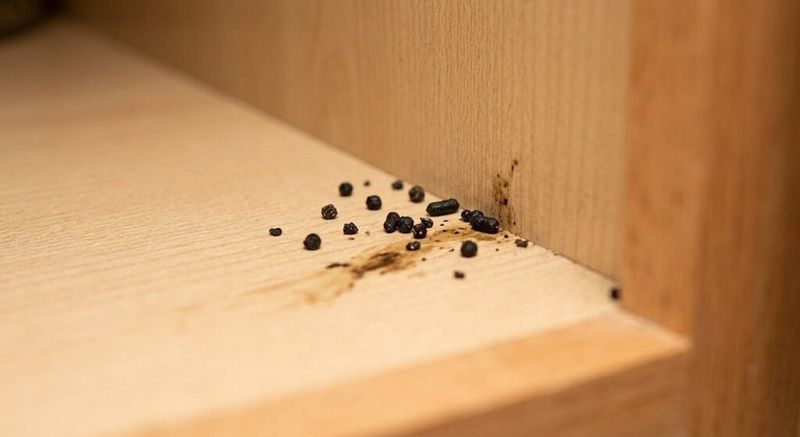
Silverfish are night owls, so you may see their clues before the bugs themselves. Learning those signs helps you catch a problem early.
Look for small black or dark specks that resemble ground pepper. These are droppings, often found along baseboards, inside drawers, and under sinks. You may also find thin, papery shed skins, since silverfish keep molting even as adults.
Yellowish stains on paper or fabric are another hint. So are notches along book edges or chewed wallpaper near the ceiling. Silvery scales sometimes rub off and leave a faint shimmer on shelves.
Bathtubs and sinks offer an easy check. Silverfish often slip in at night and cannot climb the smooth, slick sides.
A quick look first thing in the morning tells you plenty. Want a simple test? Wrap a small glass jar in masking tape so they can climb up the outside. Drop a bit of bread or flour inside and leave it overnight near a suspected spot.
The tape gives grip on the way in, but the slippery glass inside traps them. Counting your catch over a few nights shows whether you have a few wanderers or a bigger crowd.
A Silverfish Can Stick Around For Years If You Let It
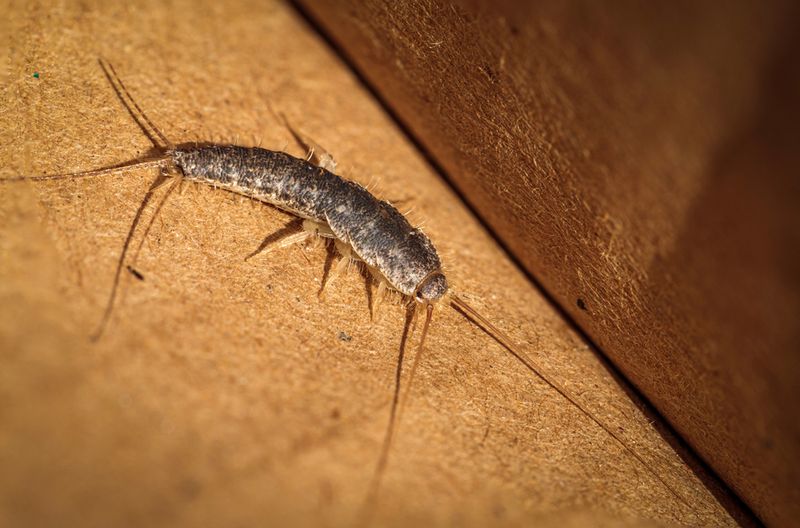
Here comes the surprising part. Unlike many household insects that live only weeks, silverfish can survive for several years. Some reports suggest two to eight years under ideal conditions.
Females tuck small clusters of eggs into cracks, crevices, and wall gaps. Eggs are tiny, whitish, and nearly impossible to spot. Depending on warmth and moisture, they hatch in a few weeks to a couple of months.
Young silverfish need months to grow into adults, molting along the way. Unlike most insects, adults keep molting throughout life, sometimes dozens of times. Indoors, breeding can happen in any season because our heated homes stay comfortable.
They are also tough customers when food runs short. Silverfish can go a long time without eating, so a single cleanup rarely solves things. Patience matters more than a one-time blitz.
For Minnesota homeowners, this means steady habits beat panic. Keep humidity low month after month, not just in summer. Recheck traps every few weeks and seal new cracks as you find them.
Slow, consistent effort wears a population down. Each dry, tidy week makes it harder for eggs to survive and young bugs to grow.
Sealing Cracks And Drying Pipes Sends Silverfish Packing
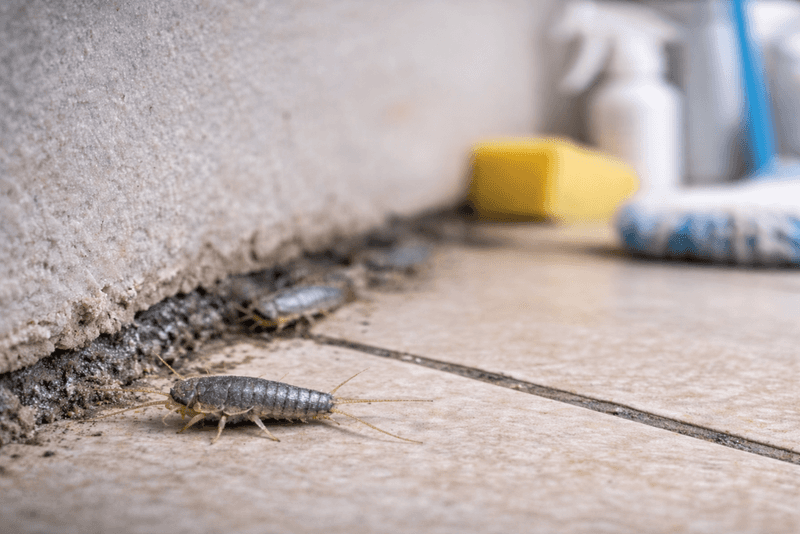
Ready to fight back without harsh sprays? Start with the hiding spots and water sources, since those matter most.
Fix dripping faucets and leaky pipes under sinks right away. Caulk gaps around tubs, baseboards, pipes, and window trim. Fewer cracks mean fewer places to hide and lay eggs.
Vacuum often, especially along edges, under appliances, and inside closets. This pulls up crumbs, dust, eggs, and the bugs themselves. Empty the canister outside so stragglers do not crawl back out.
Clutter is a silverfish hotel. Clear out stacks of old newspapers, magazines, and cardboard in basements and closets. Store linens and seasonal clothes in sealed bins.
Food-grade diatomaceous earth can help in dry, hidden cracks. It is a fine powder that scratches the insect’s waxy coating and dries it out.
Apply a very thin dusting where pets and kids cannot reach, and wear a mask, since breathing the dust is irritating.
Boric acid dust is another option used in wall voids, but follow label directions closely. Sticky traps placed along baseboards also help you monitor progress. Combine several steps, and you will often see fewer silverfish within weeks.
A Dry, Tidy Basement Keeps Your Garden Supplies Safe Year Round

Honestly, silverfish are more nuisance than menace. They do not bite, sting, or spread disease to people or pets. Still, nobody wants a crowd nibbling seed labels and favorite gardening books.
Think of prevention as part of your gardening routine. Set a dehumidifier in the basement during humid summer months, and keep bathroom fans running after showers in winter. Check humidity with a gauge a few times each season.
Keep garden gear organized. Seeds, bulbs, dried herbs, and potting supplies belong in sealed containers on raised shelves. Leave a little space between storage and damp foundation walls for airflow.
Outside, pull mulch, leaf piles, and firewood a few inches away from your foundation. Damp debris against the house can invite silverfish and other moisture-loving pests indoors. Clean gutters so water drains well away from walls.
If sightings stay high after weeks of effort, a licensed pest professional can inspect wall voids and hidden spaces. They can treat areas you cannot reach and point out moisture problems you missed.
A drier home helps you and your seeds. And that shiny little visitor will look elsewhere for its next steamy hideout.