Native Plants With Deep Roots That Help Virginia Yards Resist Erosion
Rain hits your Virginia slope, and twenty minutes later half your topsoil is sitting in the driveway. Sound familiar? Steep yards, clay-heavy soil, and sudden downpours make erosion one of the most common headaches for homeowners across the state.
The fix isn’t sandbags or retaining walls that cost a fortune. It’s underground, literally, in the root systems of plants built for this exact job.
Native Virginia species have spent thousands of years adapting to local rainfall patterns, soil types, and slopes. Their roots don’t just sit near the surface. They dig down, branch out, and lock soil particles in place like a living net.
Plant the right mix, and that muddy mess after every storm becomes a thing of the past.
1. Little Bluestem
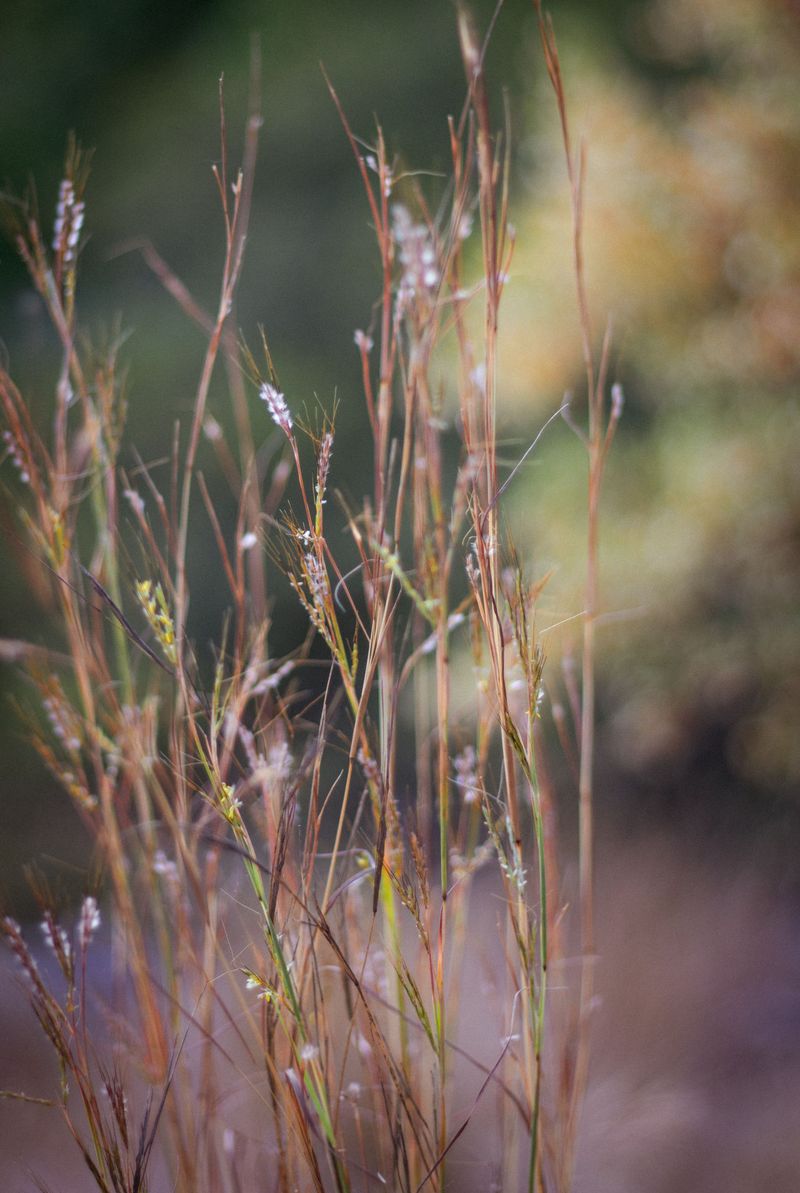
Imagine a grass that turns the color of a sunset every fall and holds your hillside together like glue. Little Bluestem does exactly that, and it has been doing so across American prairies for thousands of years.
This native bunchgrass sends roots down three to five feet into the soil. That depth gives it serious grip on slopes, banks, and problem areas where other plants wash away.
Little Bluestem thrives in poor, dry, well-drained soils where lawn grass refuses to grow. It actually prefers neglect over fertilizer, making it one of the easiest plants a homeowner can choose.
The plant grows two to four feet tall and stays clumped, so it does not spread aggressively. Each clump anchors a patch of earth while letting rainwater soak in slowly rather than rush downhill.
Come late summer, feathery white seed heads emerge and catch the light like tiny fireworks. Birds love those seeds throughout winter, so your yard becomes a mini wildlife refuge without any extra effort.
Native plants with deep roots that help Virginia yards resist erosion rarely get more reliable than this one. Little Bluestem is drought-tolerant, deer-resistant, and practically pest-free once established.
Native plants with deep roots that help Virginia yards resist erosion rarely get more reliable than this one. Little Bluestem is drought-tolerant, deer-resistant, and practically pest-free once established, making it a low-fuss choice for sunny slopes and dry embankments.
2. Switchgrass
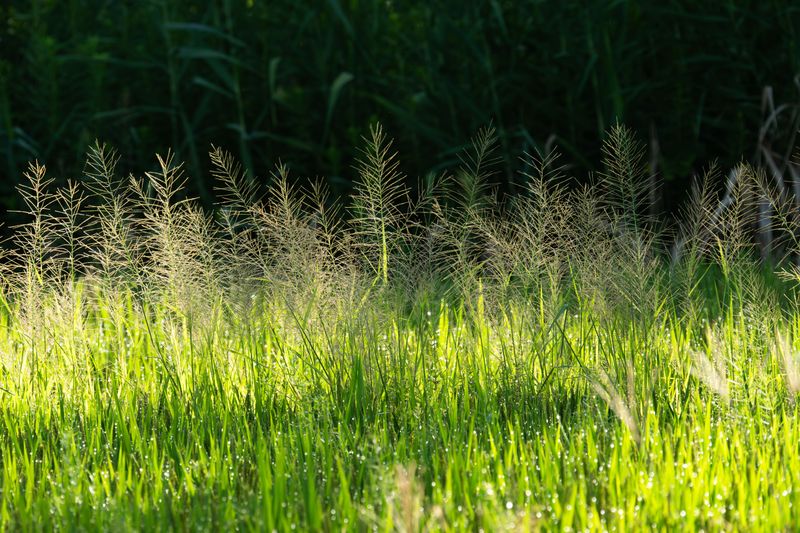
Switchgrass is the overachiever of the native grass world, and your eroding yard desperately needs to meet it. This powerhouse plant has been stabilizing American soil since long before landscaping was even a concept.
Its root system plunges six to eleven feet underground, which is almost unbelievable for a plant you can buy at a local nursery. Those deep roots act like underground anchors, holding massive amounts of soil even during heavy downpours.
Switchgrass adapts to wet areas, dry slopes, and everything in between. That flexibility makes it ideal for the unpredictable conditions found across much of the Mid-Atlantic region.
The plant grows three to six feet tall depending on the cultivar you choose. Popular varieties like Shenandoah turn a rich wine-red in fall, adding serious curb appeal alongside serious function.
Airy seed heads appear in late summer and give the plant a soft, cloud-like appearance that sways beautifully in the wind. Songbirds and small mammals rely on those seeds as a critical winter food source.
Your Virginia Garden Changes Every Week. Your Plan Should Too.
Gardening in Virginia changes quickly throughout the season. Every Friday you’ll receive a simple weekly plan showing exactly what to plant, prune, fertilize, harvest, and protect so you never miss the right timing.
One clump of Switchgrass can hold a surprising amount of disturbed earth on its own. Plant several together along a slope or drainage swale, and you have built a living wall against soil loss.
This grass ranks near the top of any list of native plants with deep roots that help Virginia yards resist erosion. Once established, it keeps working underground for decades with almost no upkeep.
3. Virginia Creeper
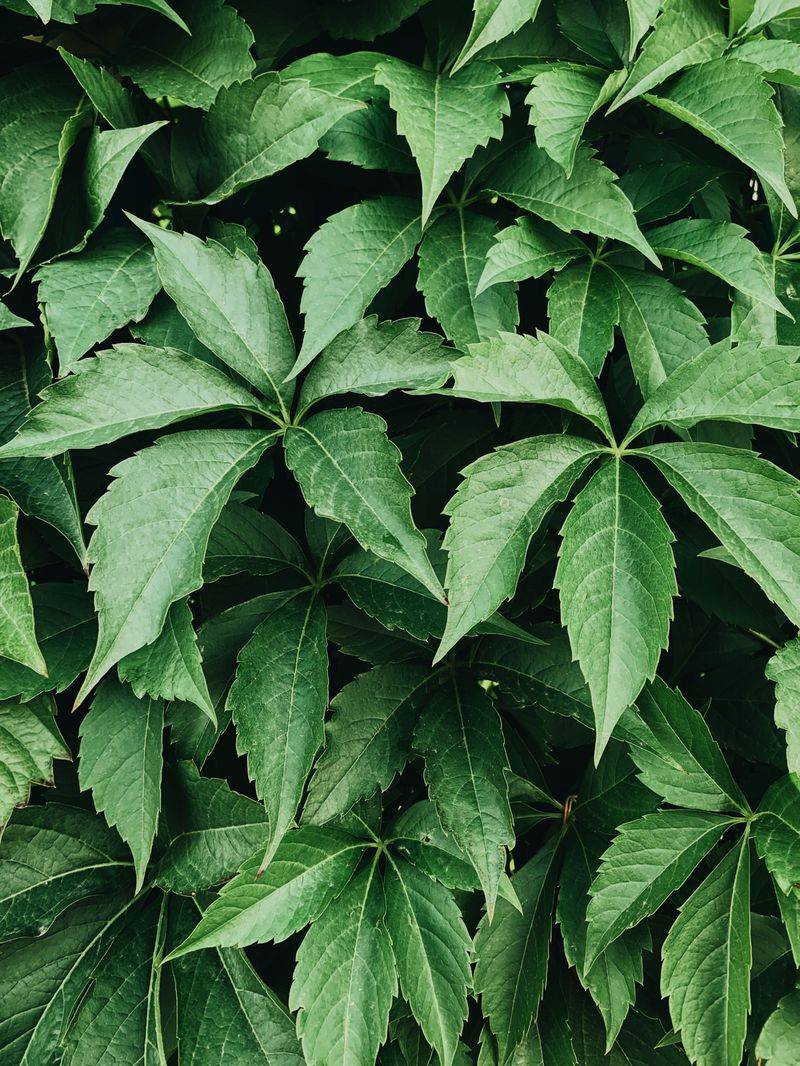
Few plants announce the arrival of fall quite like Virginia Creeper, blazing red across fences, slopes, and stone walls. Beyond its stunning looks, this native vine is one of the hardest-working erosion fighters you can grow.
Virginia Creeper spreads quickly across bare ground, sending out stems that root wherever they touch the soil. That spreading habit creates a dense mat of coverage that shields exposed earth from pounding rain.
The root system is both wide and deep, gripping soil across a broad area while anchoring firmly below the surface. On steep banks where nothing else wants to grow, this vine moves in and takes charge.
It tolerates full sun, deep shade, poor soil, and dry conditions with equal ease. That adaptability is rare, and it makes Virginia Creeper a go-to choice for tricky spots that stump most gardeners.
Each leaf has five leaflets that turn a jaw-dropping crimson every October, giving you a seasonal show while the roots keep doing their quiet, essential work underground. Small dark berries appear in fall and feed dozens of bird species through winter.
The plant does spread vigorously, so give it space or guide it where you want coverage. A little direction early on prevents it from climbing into areas you want to keep clear.
This vine belongs on any list of native plants with deep roots that help Virginia yards resist erosion, since it delivers ground-level coverage that grasses simply cannot match on shaded or rocky terrain.
4. Wild Blue Indigo
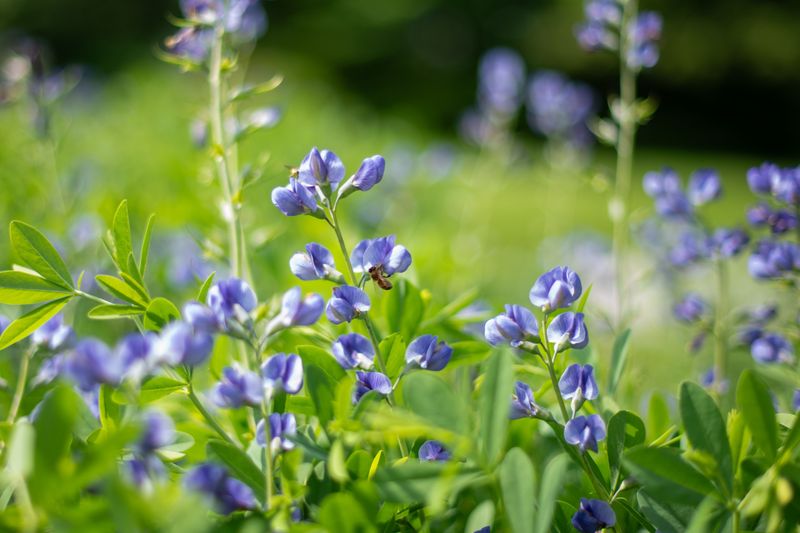
Wild Blue Indigo looks like something from a fancy botanical garden, but it belongs right in your backyard. This stunning native perennial has been quietly winning over gardeners who want beauty and function in the same plant.
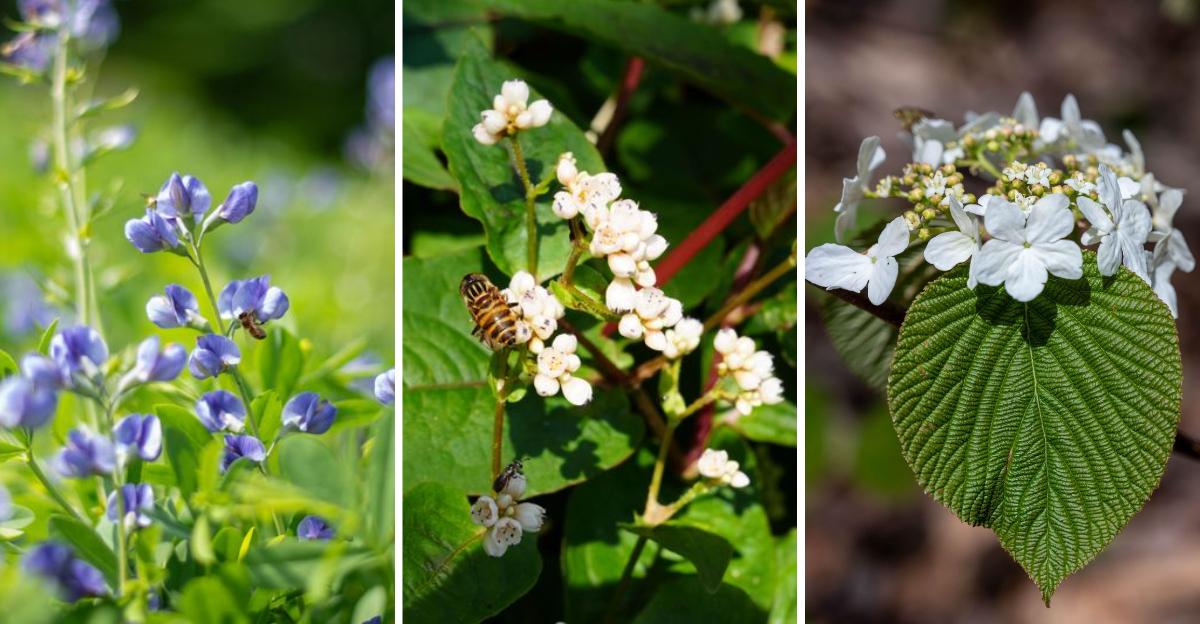
The secret to its erosion-fighting power lies underground, where a thick taproot drives deep into the earth. That taproot can reach several feet down, locking the plant firmly in place even on challenging slopes.
Wild Blue Indigo is a legume, which means it actually improves the soil it grows in. It fixes nitrogen from the air and deposits it into the ground, slowly enriching depleted or compacted soil over time.
Gorgeous blue-purple flower spikes shoot up in late spring and attract bumblebees by the dozen. After blooming, the plant develops inflated seed pods that rattle in the breeze and add a quirky, interesting texture to fall gardens.
The foliage is a cool blue-green color that holds its shape and color all season long. Even without flowers, it looks polished and purposeful in a mixed planting or along a sunny bank.
This perennial grows two to four feet tall and wide, forming a substantial clump over several years. Once established, it is deeply drought-tolerant and essentially maintenance-free.
Few native plants with deep roots that help Virginia yards resist erosion combine jaw-dropping beauty with serious underground staying power quite like Wild Blue Indigo.
5. New Jersey Tea
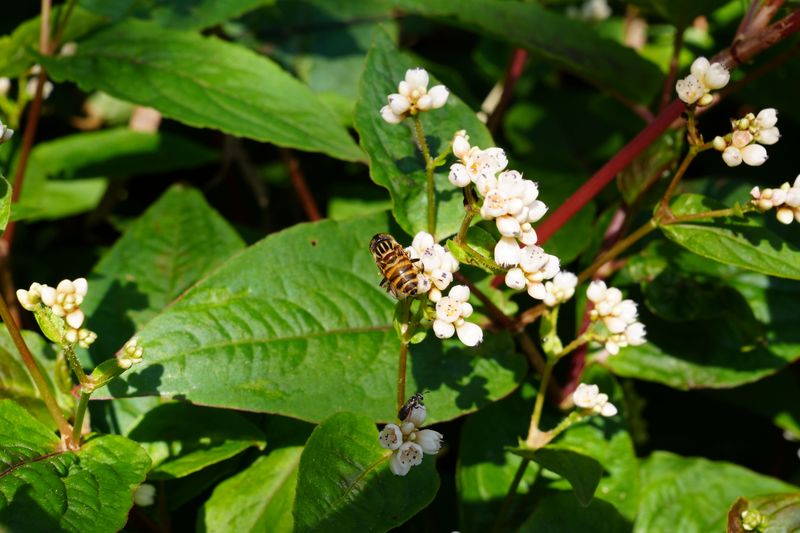
Do not let the delicate white flowers fool you. New Jersey Tea is one of the toughest native shrubs in the eastern United States, and it has the root system to prove it.
This compact shrub grows only two to three feet tall, but its roots are a completely different story. The taproot plunges dramatically deep into the earth, growing far deeper than the plant’s modest height above ground would suggest.
That extraordinary root depth makes it almost impossible to dislodge once established. Slopes, dry banks, and thin rocky soils that challenge most plants are exactly where New Jersey Tea prefers to live.
Fluffy clusters of tiny white flowers cover the plant in late spring and early summer, creating a frothy, romantic look that pollinators absolutely love. Butterflies, native bees, and hummingbirds all visit regularly when it is in bloom.
Colonial-era settlers once brewed the dried leaves as a tea substitute when imported tea was hard to come by. That quirky bit of history makes it a great conversation starter at any garden gathering.
The plant is drought-tolerant, deer-resistant, and thrives in full sun to light shade without any fertilizing or fussing. It actually resents rich, moist soils and performs best when left to its own devices in lean conditions.
On sunny, dry slopes, New Jersey Tea is a standout among native plants with deep roots that help Virginia yards resist erosion. It settles into spots where other shrubs have failed and quietly holds its ground.
6. Joe Pye Weed
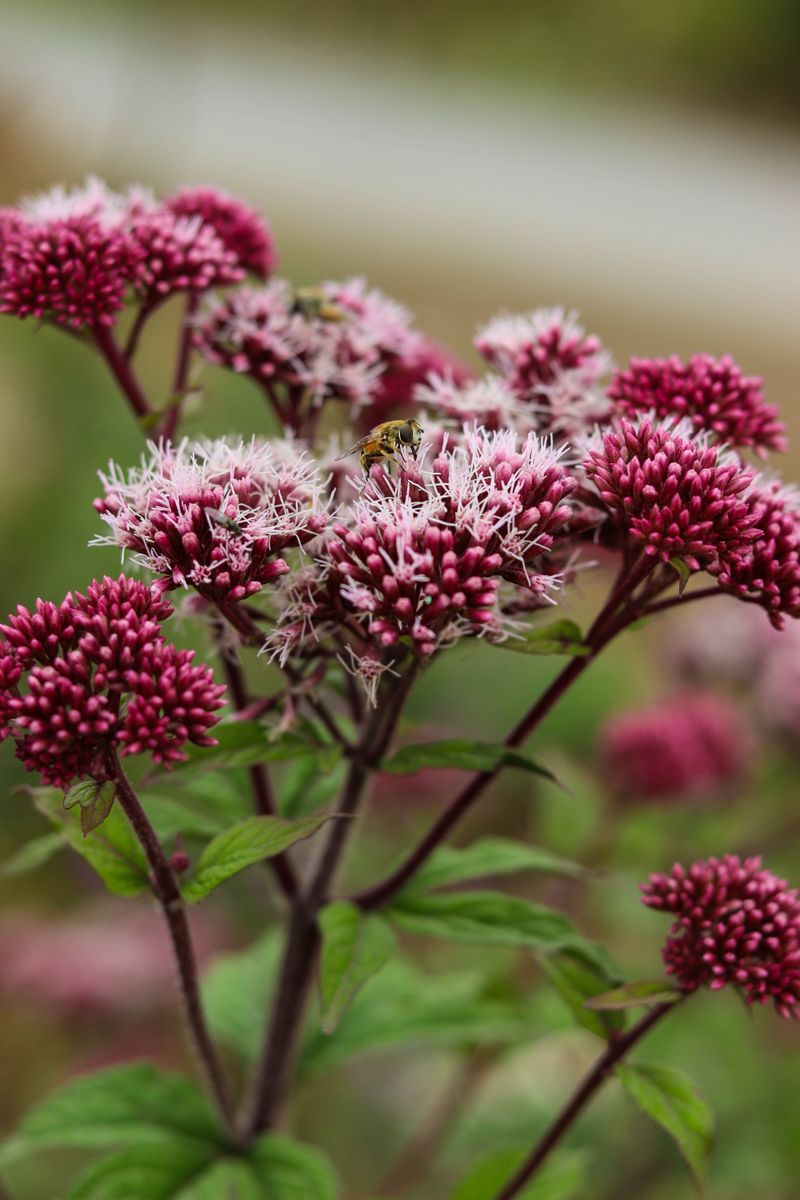
Tall, bold, and absolutely covered in butterflies by August, Joe Pye Weed is the showstopper of the native plant world. Gardeners who plant it once tend to wonder how they ever managed without it.
This native perennial grows four to seven feet tall with massive domed flower heads in dusty rose-pink. Those blooms are a magnet for monarch butterflies, swallowtails, and native bees from midsummer through early fall.
Below the surface, Joe Pye Weed builds a dense, fibrous root system that spreads widely and grips soil with impressive force. On wet slopes and stream banks, those roots hold earth in place even during heavy rainfall events.
It thrives in moist to average soils and handles partial shade well, making it useful in spots that stay damp after storms. Rain gardens and low-lying areas prone to erosion are ideal planting locations for this tall beauty.
The plant spreads slowly by rhizomes, gradually expanding its footprint and increasing soil coverage over time. That gentle spreading habit builds a stronger erosion barrier season after season without becoming invasive.
According to garden folklore, Joe Pye Weed takes its name from a colonial-era healer who is said to have used the plant medicinally. That rich history adds a layer of meaning to every clump growing in a modern yard.
On wet or shaded ground, this towering perennial is one of the most dependable native plants with deep roots that help Virginia yards resist erosion, earning its place every single season.
7. Golden Ragwort
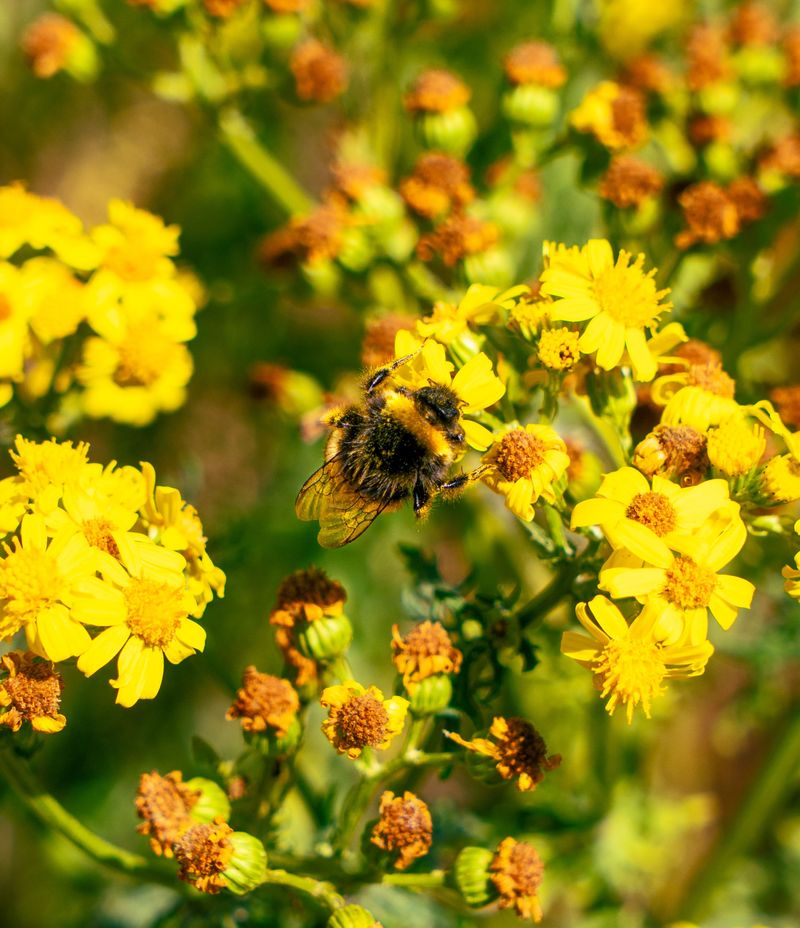
Spring arrives in a rush of yellow when Golden Ragwort blooms, carpeting shaded slopes with cheerful, daisy-like flowers. For gardeners fighting erosion under trees where grass refuses to grow, this plant is a genuine problem-solver.
Golden Ragwort forms a thick, low-growing mat of foliage that stays green through most of winter in moderate climates. That year-round coverage means bare soil never gets the chance to wash away between growing seasons.
The root system is fibrous and dense, spreading horizontally to weave a tight underground net beneath the soil surface. Steep, shaded embankments that would otherwise lose inches of topsoil each year become stable and protected under this mat.
It spreads enthusiastically once established, filling gaps and crowding out weeds without any help from you. That self-sufficient spreading is exactly what a struggling slope needs to gain long-term stability.
Golden Ragwort tolerates wet soils, dry soils, full shade, and part sun, which makes it nearly impossible to plant in the wrong spot. Few native plants offer that level of flexibility across such varied conditions.
Early spring blooms appear before most other perennials wake up, providing a critical nectar source for queen bumblebees just emerging from winter. Supporting those early pollinators has ripple effects throughout the entire local ecosystem.
On shaded ground, Golden Ragwort is the unsung hero among native plants with deep roots that help Virginia yards resist erosion. Tuck it under trees and let it fill in the gaps grass never could.
8. Arrowwood Viburnum
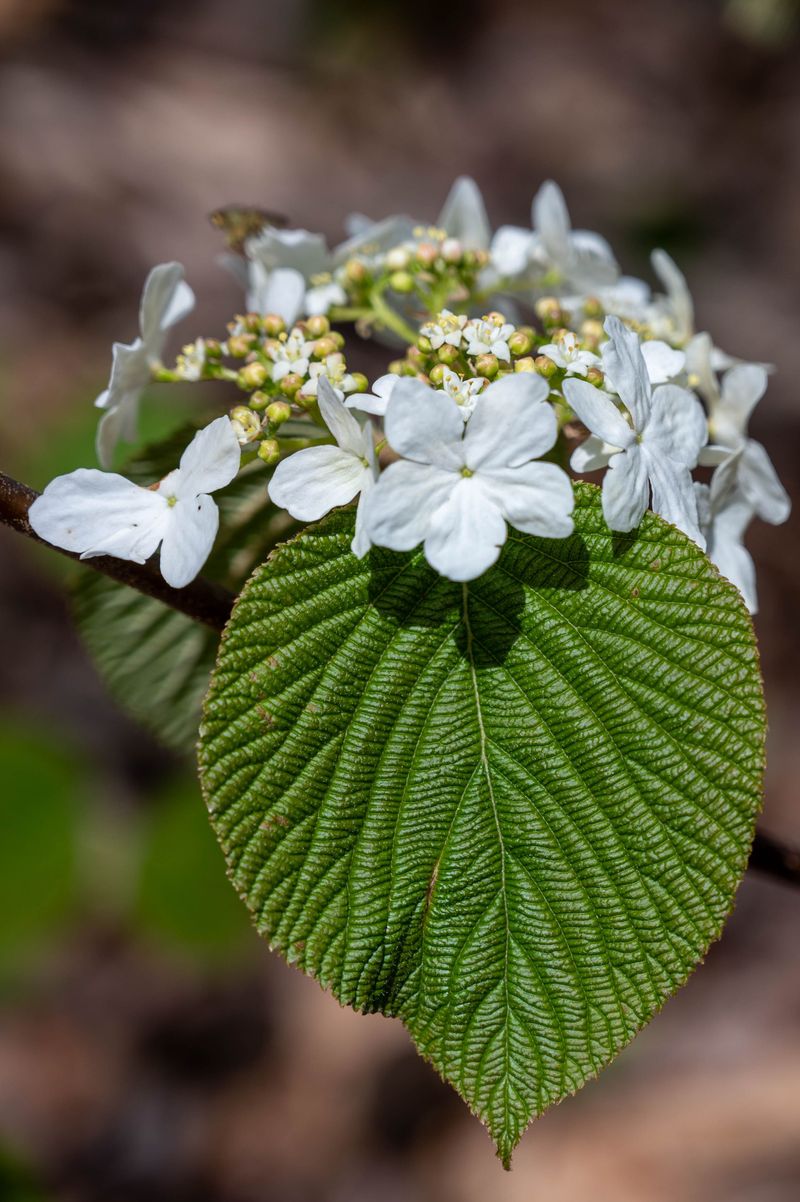
If a shrub could be described as dependable in the best possible way, Arrowwood Viburnum is exactly that plant. It grows where it is planted, does what it promises, and keeps your soil locked in place through every storm.
This native shrub reaches six to ten feet tall and spreads by suckering, forming a multi-stemmed colony over time. That colony habit is precisely what makes it so effective at holding banks, slopes, and stream edges together.
Flat-topped clusters of creamy white flowers open in late spring and fill the air with a light, pleasant fragrance. By fall, those flowers have transformed into clusters of dark blue berries that dozens of bird species depend on for migration fuel.
The root system is both deep and wide-spreading, creating a dense underground framework that stabilizes large areas of disturbed or sloped ground. Streambanks, pond edges, and wet slopes are where Arrowwood Viburnum truly shines.
Fall foliage shifts to shades of red, orange, and purple, giving the shrub a spectacular seasonal finale before winter sets in. Few native shrubs offer that much visual interest across four full seasons.
It tolerates wet feet, periodic flooding, and heavy clay soils that would stress most ornamental shrubs. That toughness makes it a practical first choice for low-lying areas prone to both erosion and standing water.
Rounding out this list of native plants with deep roots that help Virginia yards resist erosion, Arrowwood Viburnum brings wildlife value, seasonal beauty, and rock-solid soil stability to any challenging landscape.