The Texas Garden Plants Deer Target First When August Drought Eliminates Their Natural Food Sources
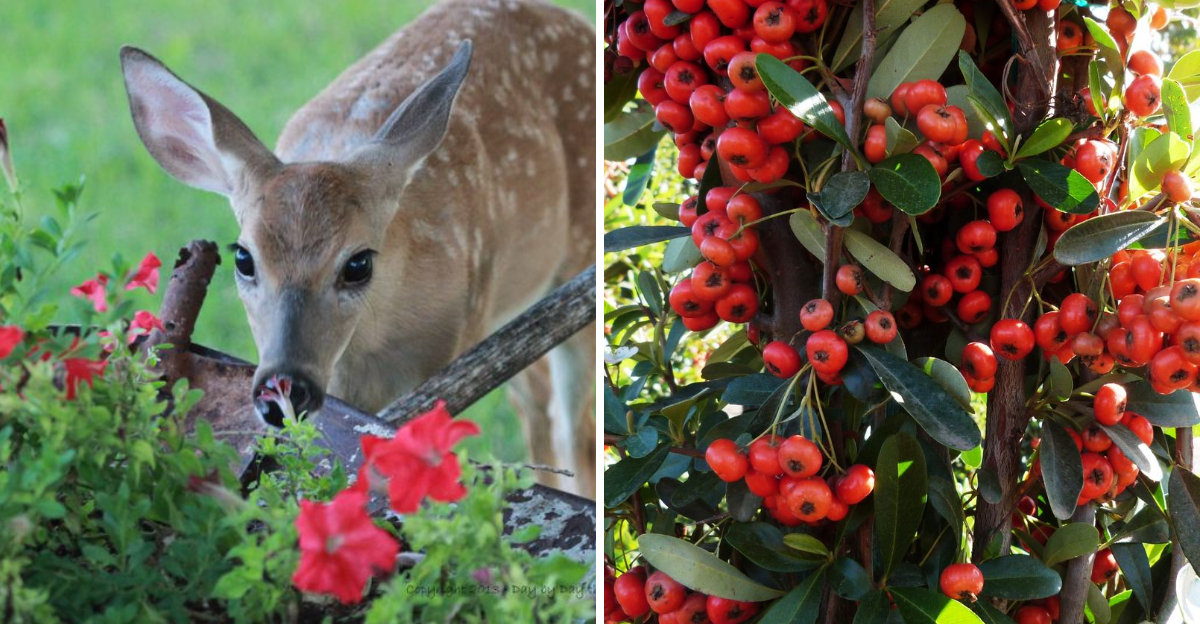
Deer that keep a respectful distance through most of the year become a completely different problem during August drought conditions.
When natural food sources dry up across the wider landscape, deer push into residential areas with a boldness and persistence that catches a lot of Texas homeowners off guard.
A garden that was left alone all spring and summer can become a nightly target almost overnight once conditions outside your fence line get desperate enough. Drought changes deer behavior significantly.
Animals that had sufficient forage just weeks earlier are now covering more ground, taking more risks, and showing far less hesitation about entering yards and gardens they previously avoided. And when they arrive, they don’t browse randomly.
Deer have clear preferences, and certain Texas garden plants get targeted first and most aggressively when natural food sources disappear.
Knowing which plants are at the highest risk right now gives you a real head start in protecting your garden before the damage starts. Here’s what deer are targeting first in Texas gardens during August drought conditions.
1. Roses
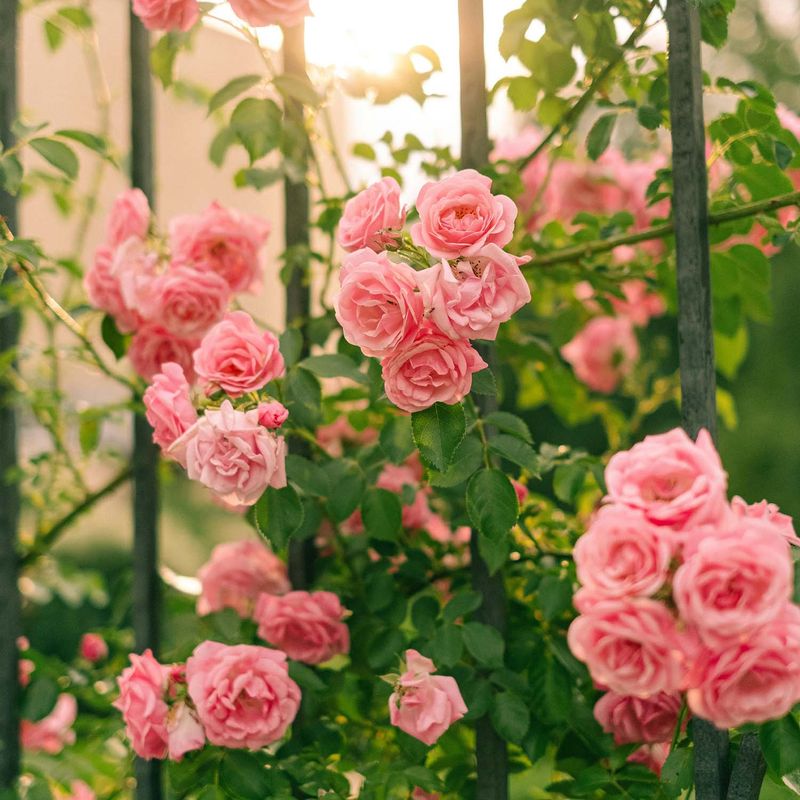
Few plants in a Texas garden attract deer as quickly as roses do. The moment drought tightens its grip on the surrounding landscape, deer zero in on rose beds with almost alarming speed.
Rosebuds, open flowers, and tender new leaves are all fair game, and a deer can clear a healthy bush overnight without much effort.
One of the most frustrating things about rose damage is how it looks. Unlike the clean, angled cuts a pair of pruning shears leaves behind, deer browsing creates torn, ragged stems.
You might walk outside one morning and find your blooms simply gone, with rough, shredded stubs left in their place. That jagged damage is a clear sign deer were your late-night visitors.
Roses are especially vulnerable because Texas gardeners water them consistently through summer, keeping the foliage soft and the new growth lush. That moisture content is exactly what deer crave when the surrounding landscape turns dry and tough.
A well-watered rose bush practically signals to passing deer that a reliable food source is nearby.
Protecting your roses during August takes real effort. Physical barriers like metal cages or chicken wire fencing placed directly around individual bushes can help.
Deer repellent sprays applied to foliage and buds also offer some protection, though they need to be reapplied after rain or irrigation. Planting roses closer to your home, near motion-activated lights or near heavily trafficked areas, can also reduce browsing pressure.
Deer prefer quiet, low-risk feeding spots, so making your rose beds feel less safe goes a long way toward keeping them intact through the hottest part of summer.
2. Hibiscus
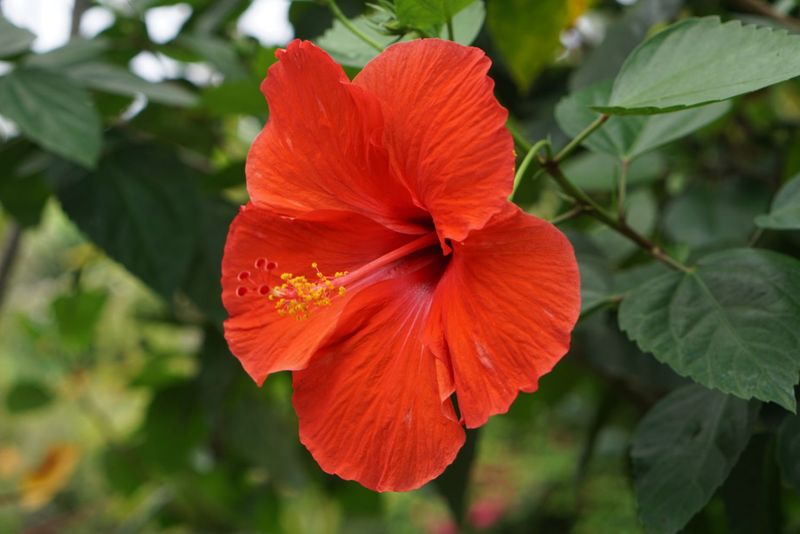
Hibiscus is one of those plants that seems almost designed to appeal to deer. The large, showy flowers are soft and full of moisture.
The foliage is tender and easy to chew. The shoot tips are succulent and packed with nutrients.
Put all of that together, and you have a plant that deer find almost impossible to resist when their natural food sources dry up in August.
Your Texas Garden Changes Every Week. Your Plan Should Too.
Gardening in Texas changes quickly throughout the season. Every Friday you’ll receive a simple weekly plan showing exactly what to plant, prune, fertilize, harvest, and protect so you never miss the right timing.
What makes hibiscus damage so dramatic is the speed at which it happens. A deer can strip the entire upper portion of a hibiscus plant in a single visit.
Both open flowers and developing buds disappear, along with the soft new growth at the tips of each branch. The next morning, what was a full, flowering shrub can look like a collection of bare sticks from the waist up.
Tropical hibiscus varieties, which are common in Texas container gardens and landscape beds, tend to suffer more than native hibiscus species. The tropical types have especially soft, high-moisture foliage that deer find irresistible.
Native Texas star hibiscus is somewhat less appealing but still gets browsed when pressure is high.
Keeping hibiscus safe during peak drought season requires a layered approach. Tall wire fencing around the plant works well.
Scent-based repellents hung near the plant can create a deterrent zone. Some gardeners move potted hibiscus to a screened porch or covered patio during August and September.
If you have hibiscus planted in the ground, consider surrounding it with strongly scented plants like rosemary or Mexican marigold, which deer tend to avoid and may help mask the hibiscus from browsing animals moving through your yard at night.
3. Petunias
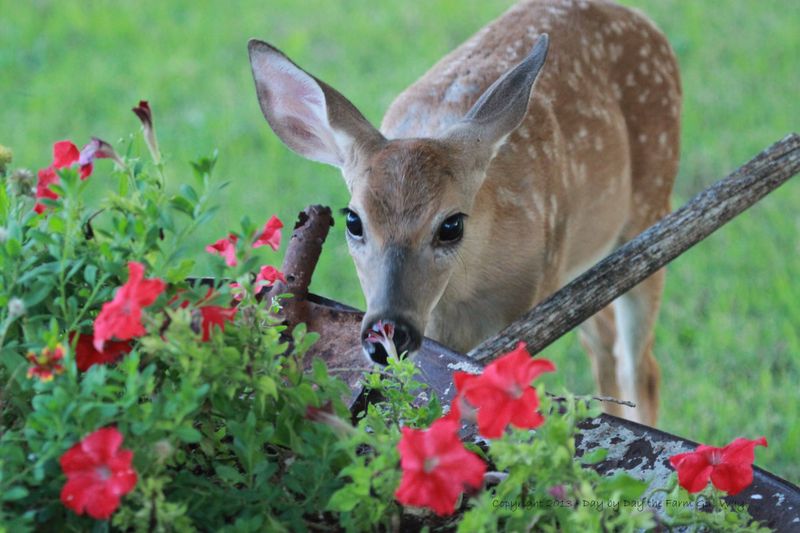
Petunias might seem like a surprising target, but deer absolutely love them. The leaves are soft and tender.
The flowers are easy to reach. And most petunia beds sit right at the perfect browsing height for a deer moving through a yard in the middle of the night.
When August drought removes most of the natural vegetation deer depend on, petunia beds become a priority stop on their nightly route.
A single deer can remove most of the blooms and growing tips from an entire flower bed in one visit. What gets left behind is a collection of damaged stems with no flowers and little foliage.
The plants are not beyond recovery, but they will need time and consistent watering to push out new growth. In the meantime, your once-colorful bed looks pretty rough.
Wave petunias and spreading varieties are especially vulnerable because they grow low and wide, making every part of the plant accessible without the deer even needing to stretch.
Upright varieties in hanging baskets are a bit safer, but deer have been known to reach for baskets hanging lower than five feet off the ground.
One practical solution is to move potted petunias to elevated hooks or wall-mounted brackets that put them out of easy reach. For in-ground beds, a low wire barrier around the perimeter can interrupt browsing behavior.
Deer repellent granules scattered around the edges of the bed also help create a scent boundary.
Reapplying repellents every week or so during heavy deer pressure months makes a noticeable difference in how much damage your petunia beds actually take through the hottest stretch of summer.
4. Geraniums
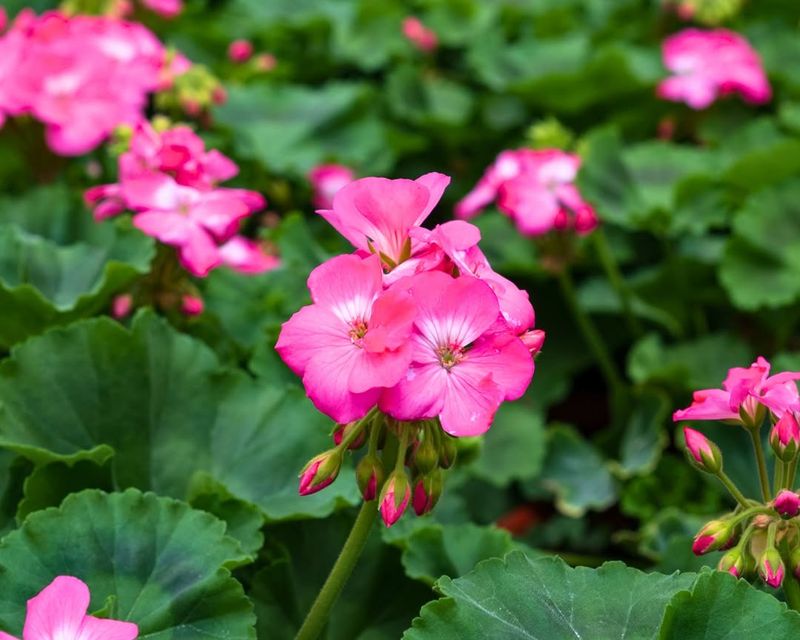
Here is something that surprises a lot of Texas gardeners: deer eat geraniums. Most people assume that the strong, distinctive scent of geranium foliage would keep deer away.
And while it is true that deer tend to avoid heavily aromatic plants, garden geraniums do not produce enough of a deterrent scent to protect their flowers. Those bright, clustered blooms are exactly what deer go after first.
Flower clusters and the tender upper growth of geranium plants are the portions most likely to vanish overnight. The lower, older leaves with their stronger scent are usually left alone.
But the fresh, new growth at the top of the plant and the colorful flower heads disappear quickly when deer are hungry and desperate enough to push past their usual preferences.
Zonal geraniums, which are the most common type planted in Texas gardens, are particularly targeted.
Their upright growth habit puts the flowers at an accessible height, and their consistent blooming through summer means there is always something fresh and appealing for deer to find.
Ivy geraniums trailing from hanging baskets face less risk, but any basket hanging within reach is still fair game.
Mixing geraniums with genuinely deer-resistant plants can reduce browsing pressure. Planting them alongside salvias, lantana, or strongly scented herbs creates a less inviting environment.
You can also try applying a contact repellent directly to the flower heads and upper stems every week during August and September.
Some gardeners report good results using motion-activated sprinklers, which startle deer and discourage repeat visits without requiring daily intervention from you.
5. Photinia
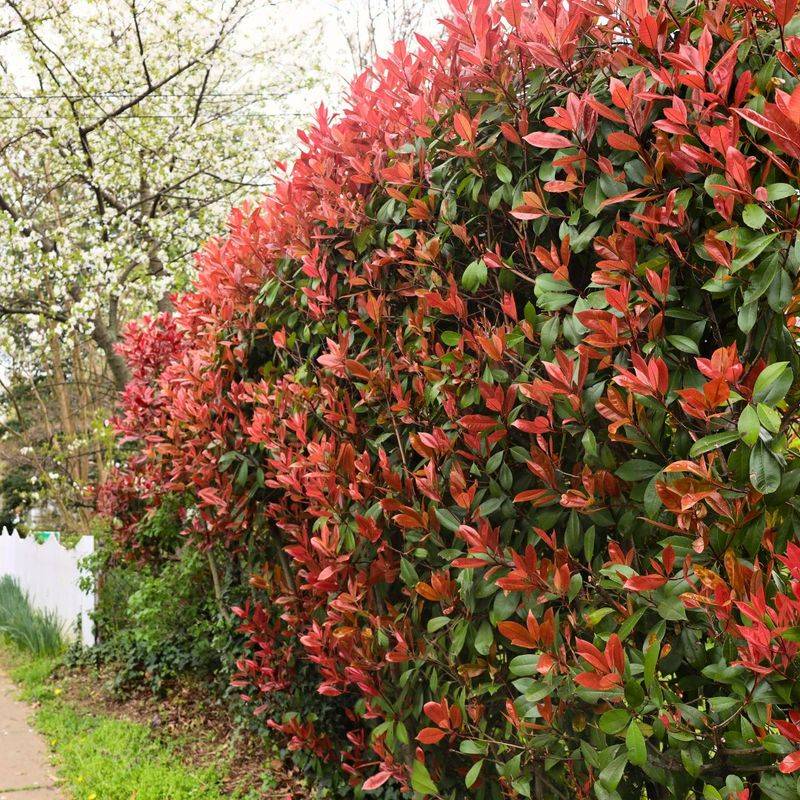
Red tip photinia is one of the most popular shrubs in Texas landscapes. Homeowners love it for its fast growth, dense coverage, and the brilliant red color of its new foliage.
Unfortunately, those bright new shoots are precisely what makes photinia such an appealing target for deer during August drought conditions. The young growth is soft, colorful, and full of moisture, everything a thirsty deer is looking for.
Deer are drawn to photinia most strongly after the shrub has been recently pruned or has received a good soaking from irrigation. Pruning triggers a flush of fresh, tender new growth, and irrigation keeps that growth succulent and easy to chew.
If you trim your photinia in midsummer and then water it regularly, you are essentially sending an invitation to every deer in the neighborhood. Repeated browsing leaves photinia looking uneven and sparse below the deer’s reach.
Over time, the lower portions of the shrub become thick and woody while the upper sections get constantly browsed back, creating an odd, lollipop-like shape that takes a long time to correct. Hedges that were once tight and uniform can develop noticeable gaps and thin spots.
Timing your pruning to avoid the peak August pressure window can help reduce damage. If you prune in early summer and let the new growth harden off before drought conditions peak, it becomes less attractive to deer.
Wrapping individual shrubs with deer netting during the worst months is another effective strategy. For large photinia hedges, a simple strand of wire at browsing height, combined with a repellent spray, can significantly reduce the amount of damage you deal with each season.
6. Euonymus
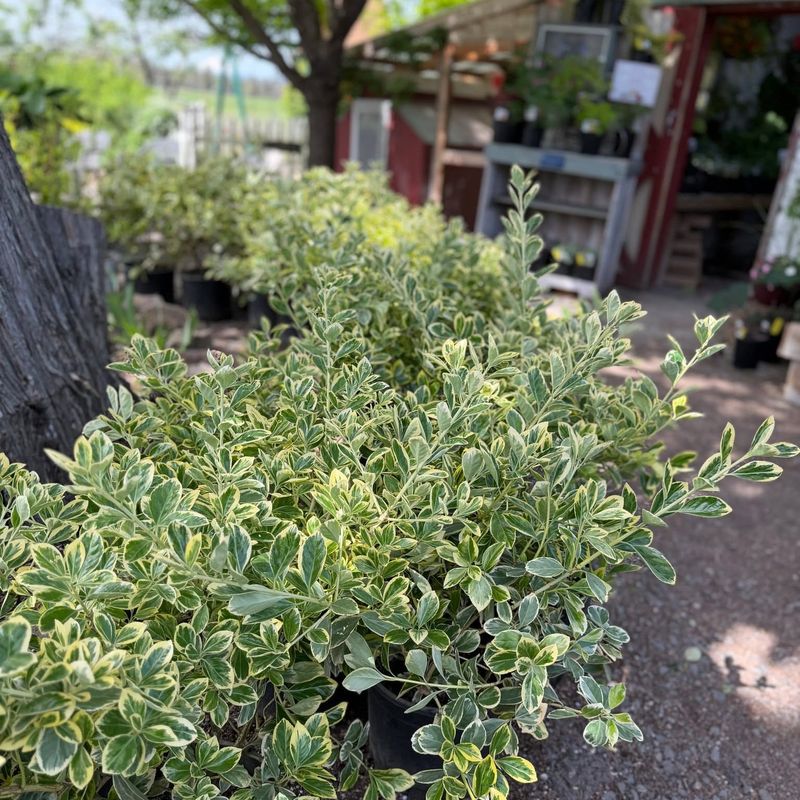
Euonymus shrubs have a quiet, reliable presence in Texas landscapes. They hold their color year-round, grow steadily without much fuss, and fill in spaces beautifully.
But that evergreen or semi-evergreen nature is exactly what makes them a prime target during August drought.
When most other plants in the wild landscape have dried up and lost their leaves, euonymus stays green and leafy, making it stand out like a neon sign to hungry deer.
Deer feeding on euonymus tends to create a very recognizable pattern. The shrubs develop a clean browse line, with everything below the deer’s reach eaten away and the upper growth left intact.
Leaves and young twigs disappear from the bottom up, leaving bare, exposed stems below a canopy of untouched foliage. The effect looks almost surgical, and it gets worse with each visit.
Because euonymus stays green all winter in many parts of Texas, deer can develop a habit of browsing it throughout the fall and into the cooler months as well.
What starts as August drought damage can turn into a year-round problem if deer learn that your euonymus shrubs are a reliable food source.
Breaking that habit early is much easier than dealing with chronic, repeated browsing over multiple seasons.
Installing a wire cage around smaller euonymus plants offers solid protection. For established hedges, deer fencing along the perimeter of the planting bed works well.
Repellent sprays applied to the lower foliage every one to two weeks during peak season create a scent barrier that discourages casual browsing.
Combining physical barriers with scent deterrents gives you the strongest protection and keeps your euonymus looking full and healthy through the toughest months of the year.
7. Pyracantha
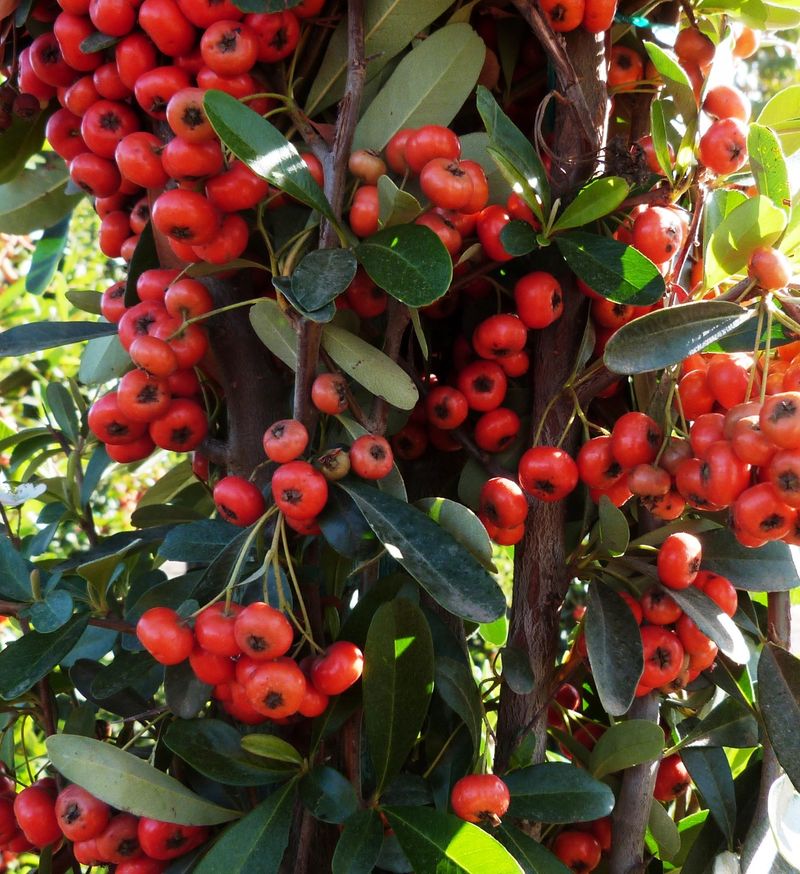
Pyracantha, commonly called firethorn, has a tough reputation. Those sharp, dense thorns make it a popular choice for barrier plantings and security hedges.
A lot of Texas gardeners assume the thorns make it deer-proof, and in mild conditions, that assumption holds up reasonably well. But August drought changes the rules entirely.
A deer that is hungry enough will push through the discomfort of thorns to reach the leaves, shoots, and clusters of bright berries inside.
The berries are a particular draw. Pyracantha produces heavy clusters of orange or red fruit that ripen in late summer and fall, right when drought conditions are at their worst and natural food sources are most scarce.
Those berries are high in carbohydrates and easy to strip from the branches. Deer will reach through the thorny outer growth to get to them, often pulling entire fruiting branches down in the process.
Accessible leaves and new shoots also get eaten when deer pressure is high. The damage tends to be messier and less uniform than with smooth-stemmed plants, because the thorns make it harder for deer to feed cleanly.
You might notice broken branches, stripped leaves on accessible sections, and missing berry clusters, all signs that deer have been working at your pyracantha despite the thorns.
Protecting pyracantha during peak drought months is tricky because of the thorns. Deer netting draped loosely over the shrub can prevent access without requiring you to work directly against the thorny branches.
Repellent sprays applied to the outer edges of the plant, particularly near the berry clusters, help reduce the reward deer get from pushing through the thorns.
Removing easy-access entry points by keeping the lower branches trimmed tight also makes browsing less convenient for deer moving through your yard.