The Texas Yard Features That Bring Mice Indoors As Temperatures Drop

When Texas winters roll in, the cool air pushes tiny visitors toward the warmest place they can find, which is often your home. Mice are always searching for shelter, food, and a cozy spot to wait out the cold, and your yard might be sending them an open invitation.
Some everyday features around your property make it easy for these furry critters to get comfortable before slipping inside through the smallest cracks.
The good news is that once you know what draws them in, you can make simple changes that keep them outside where they belong.
Here are the common yard features that welcome mice as the weather turns chilly. Each one comes with practical tips you can use right away to protect your family and your home.
A little effort in your yard today can save you a lot of trouble indoors later. Let’s take a closer look at what might be turning your property into a mouse magnet.
1. Woodpiles Stacked Close To The House
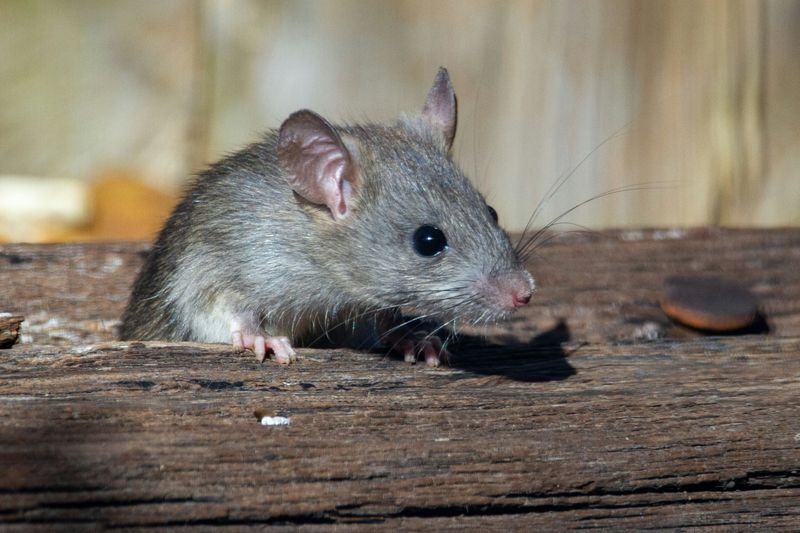
Nothing says winter comfort like a warm fire, but that stack of firewood by your back door might be doing you a disservice. Woodpiles are one of the favorite hangouts for mice looking to escape the cold.
The gaps between logs create dark, sheltered tunnels where rodents can nest and hide. Add in the fact that wood traps heat, and you have got a five-star hotel for critters.
When you stack wood right against your house, mice have a short and easy trip from their cozy pile to your walls. They can climb, squeeze, and explore until they find a crack that leads inside.
The smart move is to store firewood far from your home. Try to keep it at least twenty feet away from your walls if you have the space.
Raising the woodpile off the ground helps too. Use a rack or some sturdy blocks to lift the logs up about a foot. That extra height makes it harder for mice to build hidden nests underneath.
Only bring in the wood you plan to burn soon. Logs that sit indoors for weeks can carry hidden passengers into your living room without you even knowing.
Check your pile now and then for signs of nesting, like chewed bark or small droppings. Catching a problem early keeps it from growing.
By moving your wood and keeping it neat, you take away one of the most inviting shelters in your Texas yard. Mice will have to look somewhere far less convenient than your doorstep.
2. Overgrown Shrubs And Tall Grass

Think of thick bushes and long grass as a secret hideout for mice. The taller and messier your plants grow, the more places these little animals have to hide from hawks, cats, and other predators.
Mice love feeling safe while they scurry around looking for food. When shrubs press right up against your house, they act like a bridge that leads straight to your walls. From there, a mouse only needs a tiny gap to slip inside.
Your Texas Garden Changes Every Week. Your Plan Should Too.
Gardening in Texas changes quickly throughout the season. Every Friday you’ll receive a simple weekly plan showing exactly what to plant, prune, fertilize, harvest, and protect so you never miss the right timing.
Texas yards often grow wild during warm months, and by the time fall arrives, the greenery is bushy and dense. That overgrowth traps warmth and blocks the wind, making it a comfy spot for critters to gather.
Keeping your grass trimmed short is one of the easiest fixes. Aim to cut it low, especially in the areas closest to your foundation. Short grass leaves mice feeling exposed, so they tend to look elsewhere.
Trim back shrubs so they sit at least a foot or two away from your outside walls. That open space removes their easy path indoors and lets you spot any activity quickly.
Pull weeds regularly and clear out any thick ground cover near doors and vents. These are prime hiding zones that many homeowners forget about.
A tidy landscape not only looks nice but also sends a clear message to rodents that your yard offers no cover. With fewer places to hide, mice will feel too nervous to stick around and search for a way in.
3. Bird Feeders And Spilled Seed
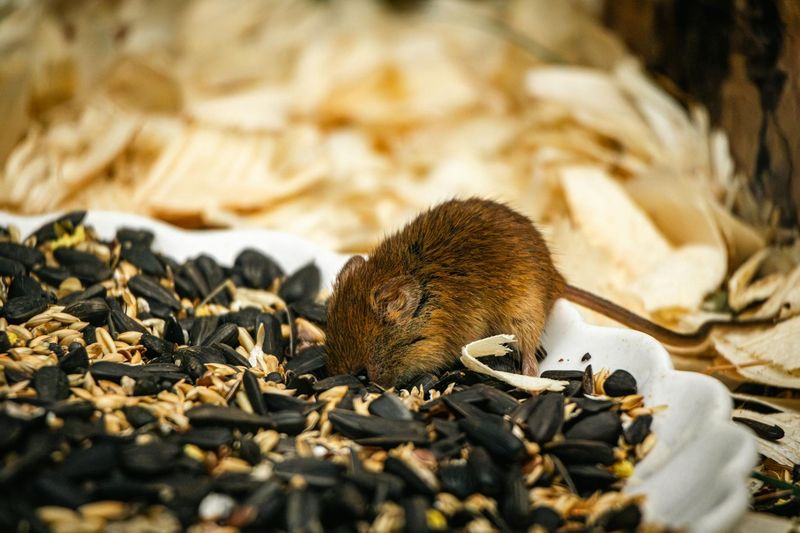
Feeding the birds feels wonderful, and watching cardinals and finches visit your yard brings a lot of joy. Yet that same seed you scatter for feathered friends is a buffet for hungry mice.
Seed that falls to the ground below a feeder piles up fast. Mice are drawn to those dropped kernels like magnets, and they will return night after night for an easy meal.
A steady food source keeps rodents close to your property. Once they know your yard offers reliable snacks, they start hunting for a warm place nearby to settle down.
You do not have to give up feeding birds entirely. A few small changes can keep the seed for the birds while cutting off the free lunch for mice.
Place your feeder well away from your house, and use a tray underneath to catch falling seed. Empty and clean that tray regularly so nothing rots or builds up.
Sweep or rake the area beneath the feeder often. Removing spilled seed each evening takes away the nighttime snack that mice crave most.
Store your bird seed in metal or hard plastic containers with tight lids. Bags left open in a shed or garage invite rodents to chew right through them.
Consider using seed types that create less mess, or offer smaller amounts so the birds finish it quickly. Less leftover food means fewer curious critters.
With a tidy feeding station, you can enjoy your backyard birds while making sure the mice do not join the party.
4. Cluttered Sheds And Storage Areas
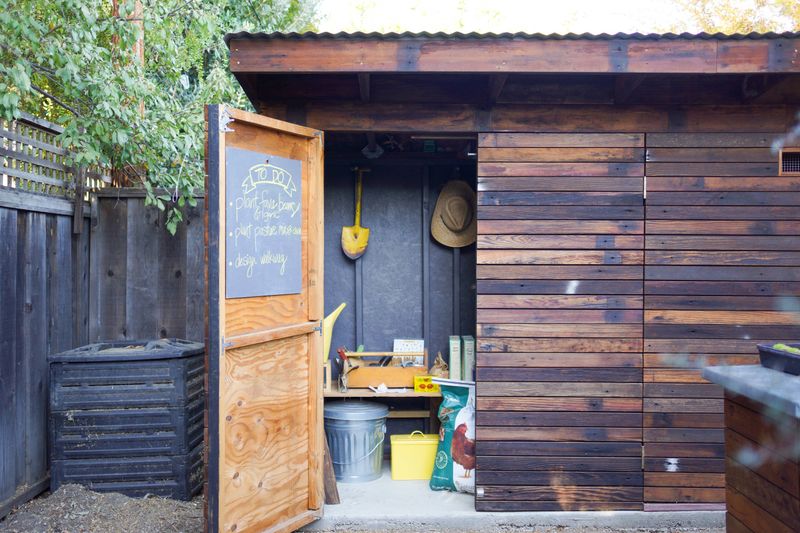
Every yard seems to collect a bit of junk over time. Old boxes, forgotten flower pots, and stacks of stuff create the perfect maze for mice to explore and settle into.
Cluttered sheds are especially tempting because they block the wind and hold onto warmth. A quiet corner behind a pile of boxes gives a mouse everything it needs to build a nest.
Since people rarely dig through cluttered storage, rodents can live undisturbed for a long time. They chew, breed, and multiply while you have no idea they are even there.
Cleaning out your shed is a great weekend project that pays off big. Start by clearing the floor so mice lose their hidden runways.
Swap cardboard boxes for plastic bins with secure lids. Mice chew through cardboard easily, but sturdy plastic gives them a tough barrier they usually avoid.
Keep items off the ground when you can. Shelves and racks lift your belongings up and remove the dark spaces where rodents like to hide.
Sweep the floors and check corners for droppings or shredded paper. These clues tell you whether visitors have already moved in.
Seal any gaps around the shed door and along the walls. Even a hole the size of a dime is enough for a mouse to squeeze through.
An organized storage space is far less inviting to rodents. When there is nowhere to hide and nothing to chew, mice will move along to look for shelter somewhere else, hopefully far from your Texas home.
5. Standing Water And Leaky Faucets

Water might be the last thing you think about when it comes to mice, but every living creature needs a drink. A dripping outdoor faucet or a puddle that never dries becomes a reliable water stop for rodents.
Texas can be dry, so any steady source of water stands out to thirsty critters. A reliable water source can make an area more attractive to mice, especially when other water sources are scarce.
Old buckets, clogged gutters, and low spots in the yard all collect water after rain. Those little pools are exactly what pests search for during the cooler months.
Fixing leaks is a simple way to remove this attraction. Tighten or repair any faucet or hose that drips, and check your spigots as the seasons change.
Empty out containers that hold rainwater, like flower pots, kiddie pools, and wheelbarrows. Flip them over so they cannot fill up again.
Clean your gutters so water flows away instead of pooling near your foundation. Clogged gutters can create damp zones that draw all kinds of pests.
Fill in any low spots in your yard where puddles form after a storm. Better drainage keeps the ground dry and less inviting.
Do not forget about pet water bowls left outside overnight. Bring them in or empty them before dark so mice cannot sip freely.
By cutting off easy water, you make your yard much less appealing. A rodent that cannot find a drink nearby is far more likely to keep moving and search elsewhere.
6. Fruit Trees And Fallen Produce
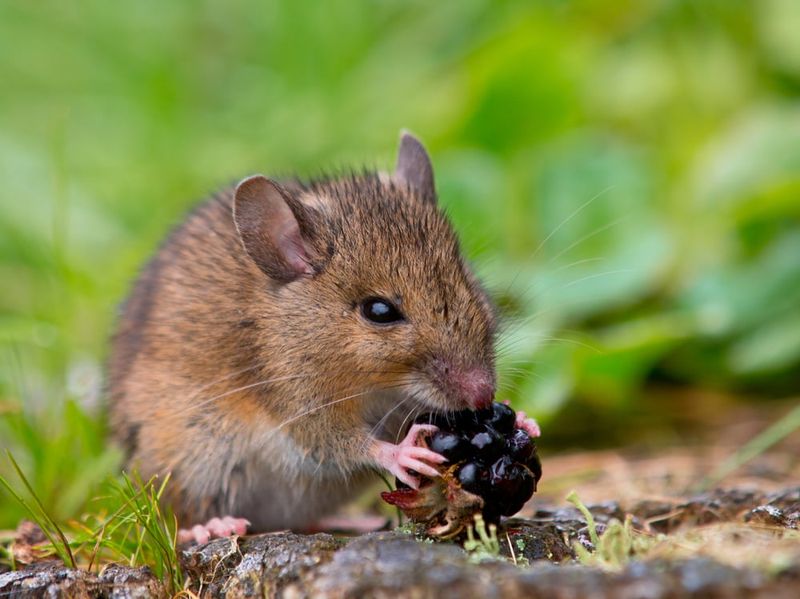
A fruit tree loaded with pecans, figs, or citrus is a real treasure in a Texas yard. The trouble starts when ripe fruit and nuts drop to the ground and get left behind.
Fallen produce is basically a free meal service for mice. They will gather every night to feast on the sweet, soft fruit rotting in the grass.
Once rodents learn your tree drops food regularly, they treat your yard as a dependable dining spot. That steady supply keeps them hanging around all season long.
Picking up fallen fruit often is the best defense. Make it a habit to walk under your trees and collect anything on the ground every few days.
Rake up nuts, seeds, and dropped fruit before they pile up and rot. A clean base under the tree removes the easy snacks that draw mice in.
Harvest ripe fruit promptly instead of letting it hang too long. Fruit that stays on the branch too long often falls and adds to the mess below.
Toss spoiled produce into a sealed compost bin or trash can rather than leaving it out. Open piles of scraps only invite more visitors.
Keep the grass short around your trees so any fallen bits are easy to spot and clean up quickly. Short grass also gives mice less cover while they forage.
With a little cleanup after each harvest, you can enjoy fresh fruit from your own yard without turning it into a feeding ground for rodents looking to move indoors.
7. Gaps And Cracks In The Foundation
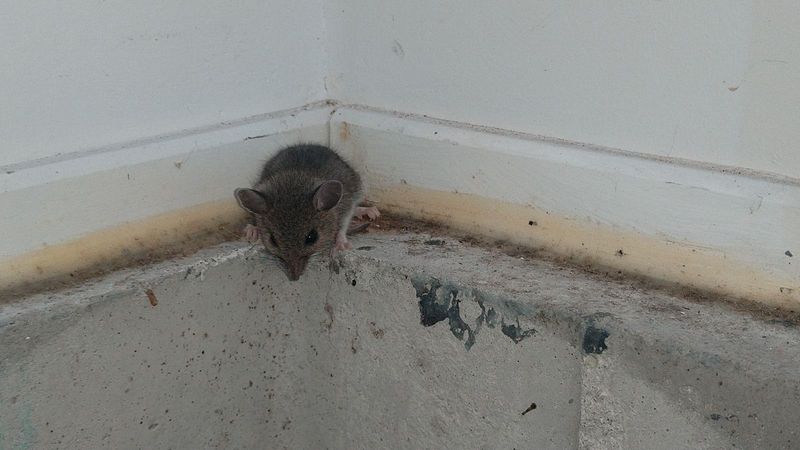
Here is a surprising fact about mice. A grown mouse can squeeze through a hole the size of a dime, which means even a tiny crack in your foundation is a wide-open door.
As temperatures drop, mice go on the hunt for any opening that leads to warmth. Your foundation, walls, and vents may have more gaps than you realize.
Cracks form naturally over time as houses settle and shift. Add in worn weather stripping and broken vent screens, and you have plenty of entry points for a determined rodent.
Walking around your home and inspecting the base is a smart first step. Look closely near pipes, cables, and where the foundation meets the walls.
Seal small cracks with caulk and fill larger holes with steel wool or copper mesh. Mice cannot chew through metal, so these materials make tough barriers.
Check the gaps under doors and add sweeps if you see daylight peeking through. Even that thin sliver is enough for a mouse to wiggle inside.
Repair torn screens on vents and crawl space openings. These spots are easy to overlook, yet they offer rodents a direct route into your home.
Pay attention to where utility lines enter the house. The spaces around them are common weak points that pests use to sneak in.
Blocking these openings is one of the most powerful things you can do. Once every gap is sealed tight, even the most creative mouse will find your home locked up and have to look for shelter somewhere far away.