The Thorny Michigan Native Tree That Gives Songbirds Their Safest Place To Nest
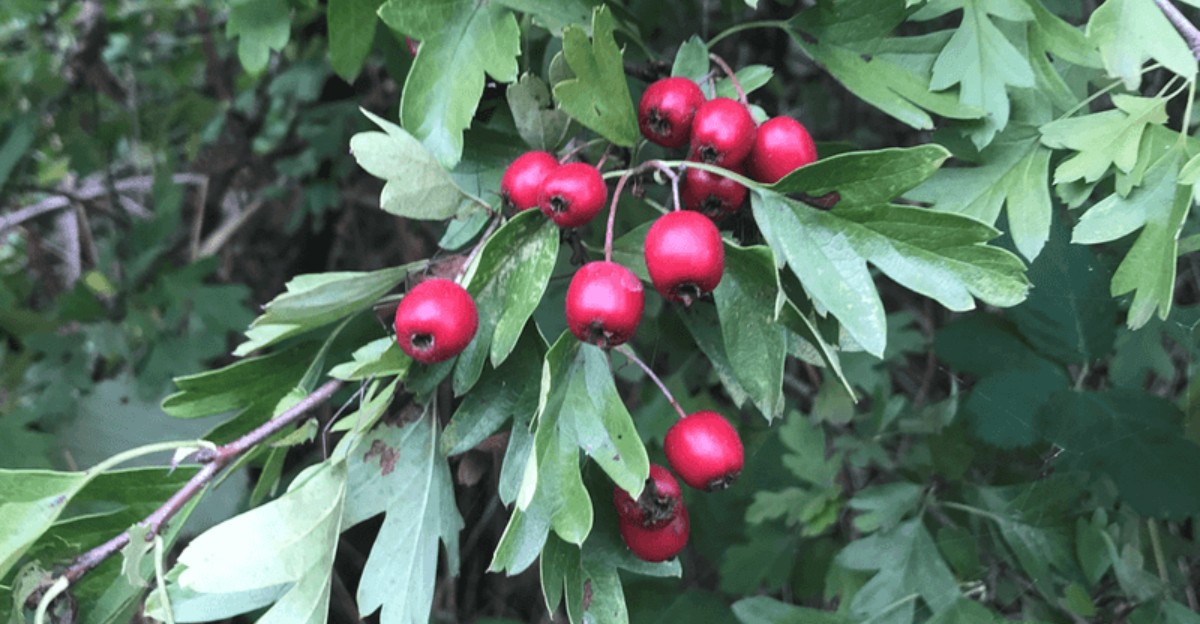
Few trees offer as much protection as hawthorn. Its branches are packed with long, sharp thorns, and that is exactly why songbirds love it. Cats, raccoons, and other climbers think twice before reaching into a nest tucked among those spines.
Michigan has several native hawthorn species, and they all do the job well. The tree also gives back in other seasons. White spring flowers feed pollinators, and clusters of red fruit feed birds through fall and winter.
It stays small, so it fits in many yards. The thorns do mean you will want to plant it away from walkways and play areas. For gardeners who care about wildlife, few native trees provide so much. It is a quiet hero of the Michigan landscape.
1. Hawthorns Are Native Michigan Trees Armed With Thorns
Walk along almost any old farm field in Michigan, and you might brush past a hawthorn without knowing it.
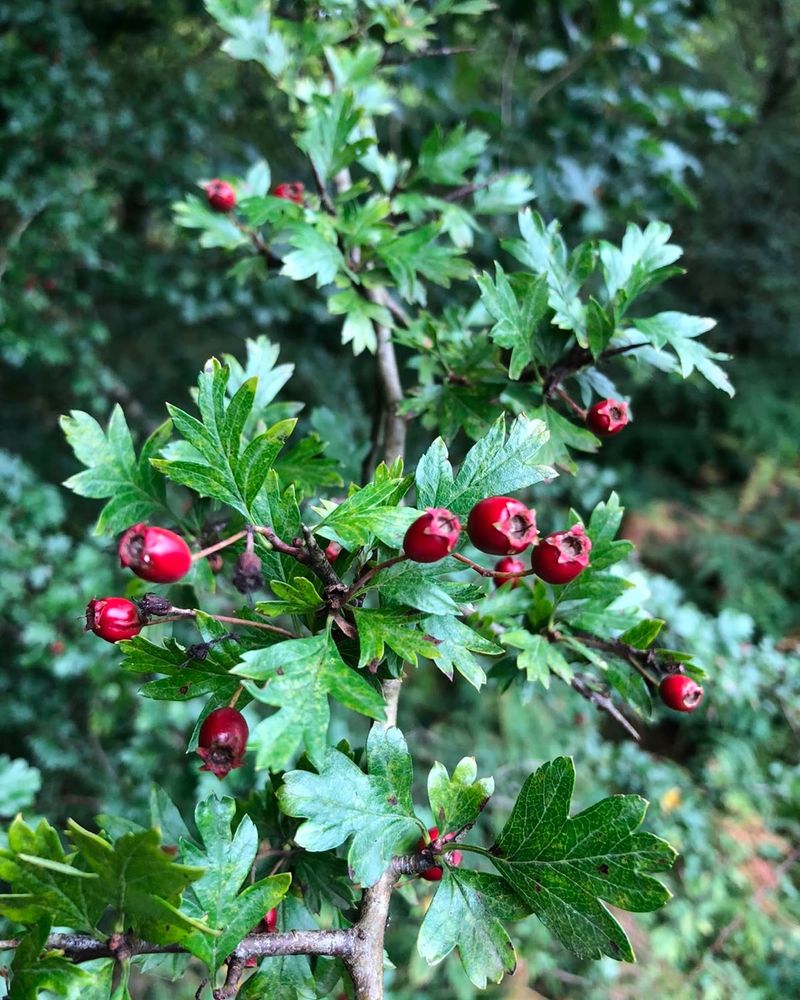
These small trees and large shrubs belong to a group called Crataegus, and many species grow wild across the state. Two common natives are cockspur hawthorn (Crataegus crus-galli) and downy hawthorn (Crataegus mollis).
Their branches carry long, sharp thorns, some reaching two inches or more on cockspur types.
Thick, twiggy growth fills the space between those thorns, forming a tangle that feels almost like a fence. Birds see that tangle as a safe spot to build nests and hide from trouble.
Getting one started at home is not hard. Hawthorns grow best in full sun to light shade and prefer soil that drains well after rain.
Depending on the species, a mature tree can reach about 15 to 30 feet tall, so give it enough room to spread out without crowding your house or other plants.
Placement matters a lot with a thorny tree. Keep hawthorns away from sidewalks, driveways, and play areas where kids, pets, or guests might bump into them. A back corner, a fence line, or the edge of a natural area works much better.
In the wild, Michigan hawthorns show up in old fields, along woodland edges, and in hedgerows between farms.
Those sunny, open borders are exactly where they thrive, which gives you a helpful clue for planting. If you copy that natural setting in your yard, your hawthorn will feel right at home and grow strong for many years.
2. Thorns Help Protect Nests From Predators
Imagine trying to reach a bird nest while sharp spikes poke at you from every side. That is exactly the problem a hungry raccoon or curious cat faces when a songbird builds its home inside a hawthorn. The thorns act like a guard that never sleeps.
Dense, prickly branches make it much harder for cats, raccoons, squirrels, and other predators to climb in and grab eggs or baby birds.
A nest tucked deep in the middle stays out of reach for many animals. That extra protection can mean more young birds make it to the day they leave the nest.
So who moves in? Northern cardinals love thick, thorny cover, and gray catbirds often build there too. Brown thrashers and American robins also pick dense shrubs and small trees for their nests, and a hawthorn fits the bill nicely.
Your Michigan Garden Changes Every Week. Your Plan Should Too.
Gardening in Michigan changes quickly throughout the season. Every Friday you’ll receive a simple weekly plan showing exactly what to plant, prune, fertilize, harvest, and protect so you never miss the right timing.
Location can make your tree even more inviting. Birds like hawthorns that sit near open areas and edges, such as the border between a lawn and a wooded patch. That setup lets them find food in the open and dash back to safety in seconds.
Here in Michigan, outdoor cats and other animals take a big toll on backyard bird nests every year. Keeping your own cat indoors helps, but planting thorny shelter adds another layer of defense.
A single hawthorn will not solve every problem, yet it gives local songbirds a real fighting chance to raise their families in peace.
3. Their Fruit Feeds Birds Into Winter
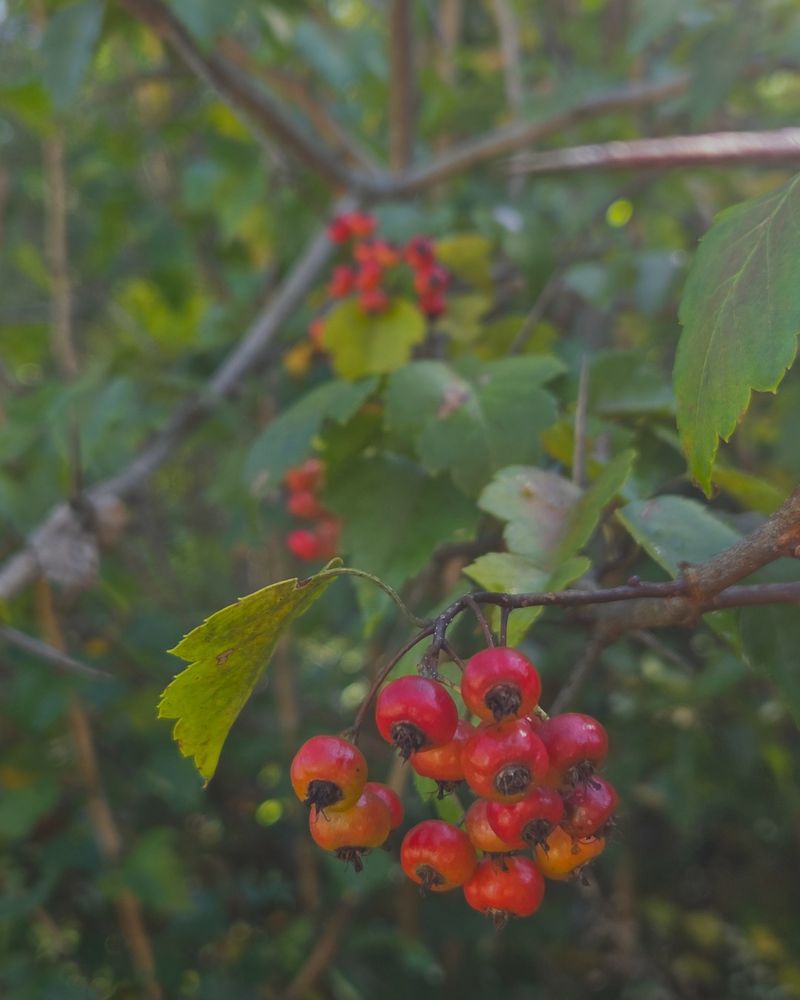
Snow is falling, the ground is frozen, and a flock of cedar waxwings suddenly lands in your yard. They are not lost. They found the hawthorn and its bright red fruit, still hanging on the branches long after most food is gone.
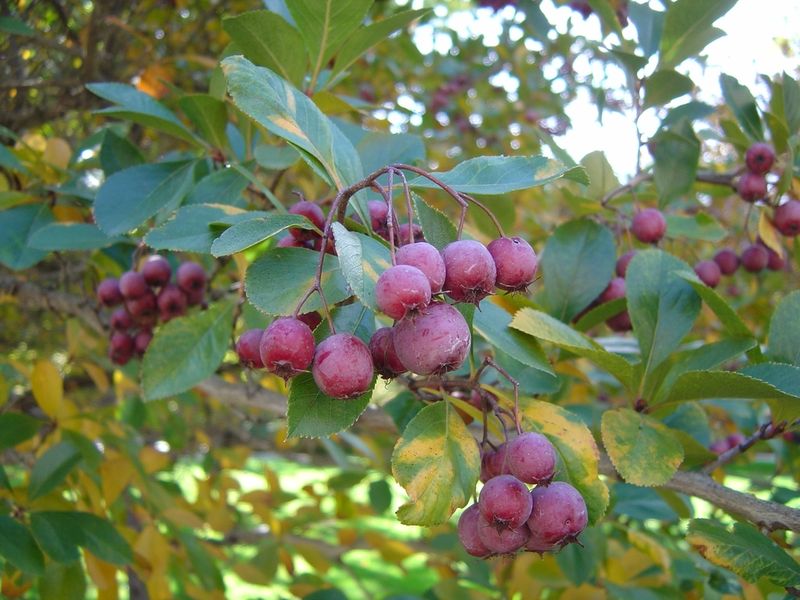
Those small fruits are called haws, and they look a lot like tiny apples. That makes sense, since hawthorns are part of the rose family, just like apple trees. Haws ripen in fall, and many stay on the tree well into winter.
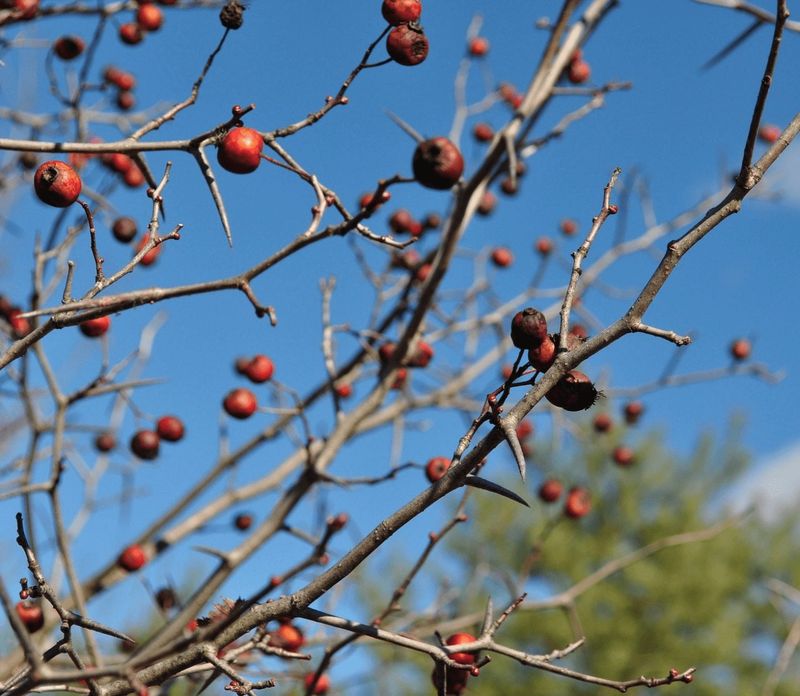
For birds, that timing is a lifesaver. Insects disappear when cold weather arrives, and fresh fruit becomes hard to find. Cedar waxwings, American robins, and other birds turn to lasting fruit like haws to keep their energy up through the toughest months.
If feeding birds is your goal, pick your tree carefully. Some nursery selections are bred to be thornless or to produce little or no fruit, which helps tidy gardeners but leaves birds hungry. Native fruiting species are the better choice for wildlife.
Once the fruit appears, resist the urge to clean it up. Leave the haws right where they are so birds can snack whenever they need to. A few dropped fruits on the ground may also attract other visitors looking for a meal.
Michigan winters can stretch on for months, especially up north. A tree that holds food into January or February becomes a natural bird feeder that never needs refilling. Watching hungry flocks gather on a gray day might just become your favorite winter show.
4. Spring Flowers Support Early Pollinators
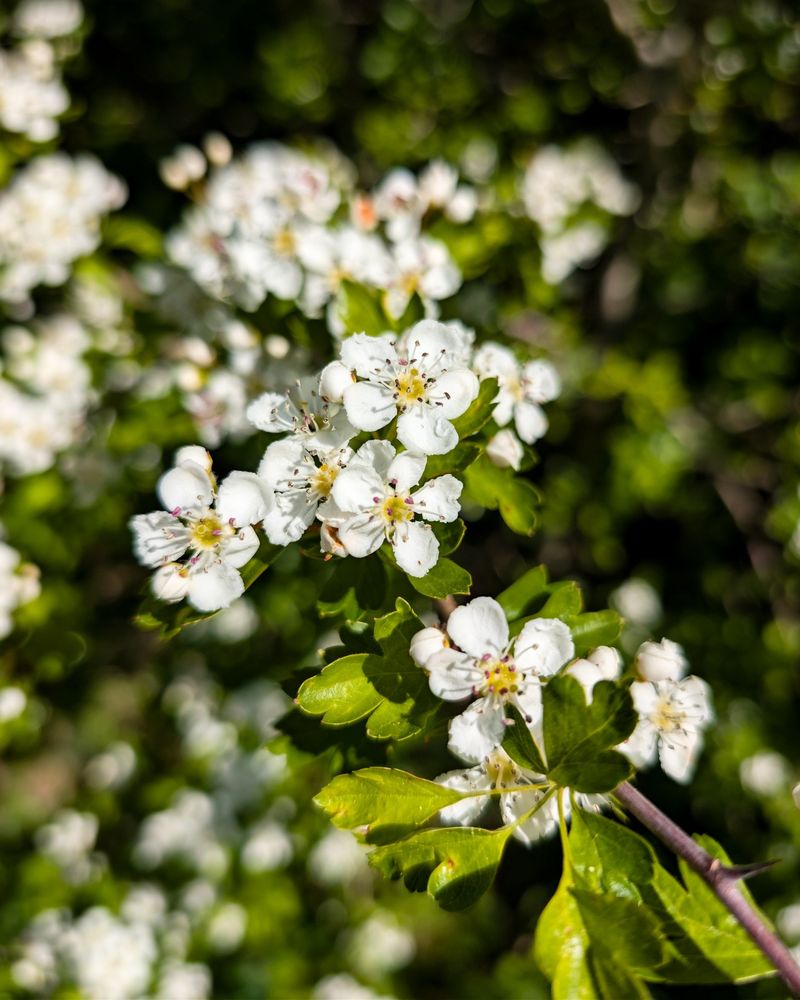
Late spring brings a cheerful surprise to hawthorn trees. Almost overnight, the branches fill with clusters of small white flowers, each one with five rounded petals. From a distance, the whole tree can look like it is covered in fresh snow.
Bees notice right away. The blossoms offer nectar and pollen to bees, flies, and other pollinators looking for a meal. Native bees especially benefit from this steady spring buffet.
All that buzzing does more than feed insects. When pollinators carry pollen from flower to flower, they help the tree make fruit. Every successful visit in May or June can turn into a haw that feeds a robin or waxwing months later.
Want the best show? Plant your hawthorn in a sunny spot, because more sun usually means more blooms. Shady trees tend to flower lightly and produce less fruit.
Protecting pollinators also means being careful with sprays. Avoid using insecticides while the tree is blooming, since those products can harm the very bees you are trying to help.
If pests become a problem, wait until flowering ends and choose the gentlest option you can find. Pairing hawthorns with other spring-flowering natives stretches the season.
Serviceberry, wild plum, and chokecherry make good neighbors and can keep the food coming. In Michigan, hawthorns usually bloom in late spring, after the earliest shrubs have finished.
That timing fills a helpful gap, so pollinators move from one blooming plant to the next without running out of food.
5. They Host Caterpillars That Feed Baby Birds
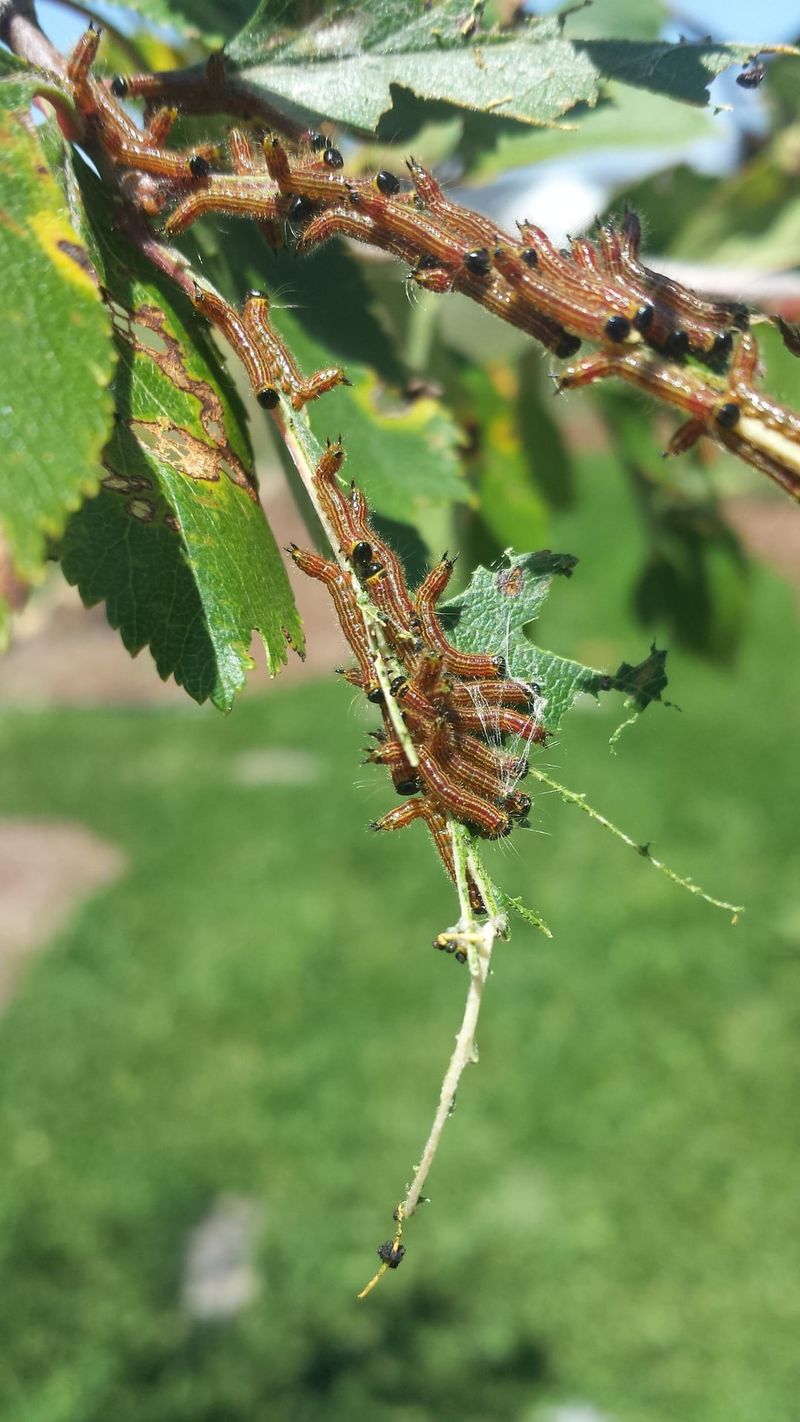
Here is something many people never guess: baby songbirds do not eat seeds. Even birds that crunch sunflower seeds at your feeder all winter switch to bugs when raising young. Soft, juicy caterpillars top the menu.
One pair of chickadees may need thousands of caterpillars to raise a single brood, according to researchers who study backyard birds. That is a huge grocery list for tiny parents. They need a nearby source that stays stocked all season.
Native trees like hawthorns fill that need. They host many kinds of caterpillars, from moths to butterflies, because local insects have lived alongside them for a very long time.
A nest in a hawthorn can sit right next to the food that parents need, saving them long, tiring trips.
So what should a gardener do? Learn to live with a few chewed leaves. Some holes and nibbled edges mean the tree is doing its job, and a healthy hawthorn handles that feeding just fine.
Skip broad-spectrum insecticides too. Those sprays wipe out helpful insects along with pests, and that leaves bird parents with empty pantries. Letting nature balance itself often works better than you might expect.
Planting a mix of native trees and shrubs helps even more. Oaks, cherries, willows, and dogwoods each support different insects, so a variety brings a wider buffet.
Across Michigan, native plants keep insect populations strong through spring and summer, when breeding birds depend on them most. Your hawthorn can become one key part of that busy backyard food web.
6. Choose Disease-Resistant Species And Good Sites
Orange, gooey spots on hawthorn leaves can look alarming the first time you see them. That is usually cedar-hawthorn rust, a common fungus with a strange life story.
It needs two hosts, spending part of its life on eastern red cedars or junipers and part on hawthorns.
Rust is not the only issue. Fire blight, a bacterial disease, makes shoot tips turn black and curl like a shepherd’s crook. Leaf spots can also weaken trees, causing early leaf drop and less fruit for birds.
The good news is that smart choices prevent many headaches. Washington hawthorn (Crataegus phaenopyrum) has a solid reputation for disease resistance and still offers thorns and bright fruit.
Winter King green hawthorn is another favorite, known for healthy leaves and showy red haws that last into winter.
Site matters as much as species. Full sun and good airflow help leaves dry quickly after rain, which makes life harder for fungus. Avoid crowding your tree against buildings or other dense plants.
Go easy on fertilizer as well. Too much nitrogen pushes soft, fast new growth that fire blight loves to attack. Most hawthorns do well with little or no feeding at all.
If fire blight does appear, prune infected branches during dry, dormant weather in late winter, cutting well below the damage.
Clean your pruners between cuts. In Michigan, cedar-apple and cedar-hawthorn rusts show up often where junipers grow nearby, so a quick look around your neighborhood before planting can save trouble later.
7. Thornless Varieties Lose The Nesting Advantage
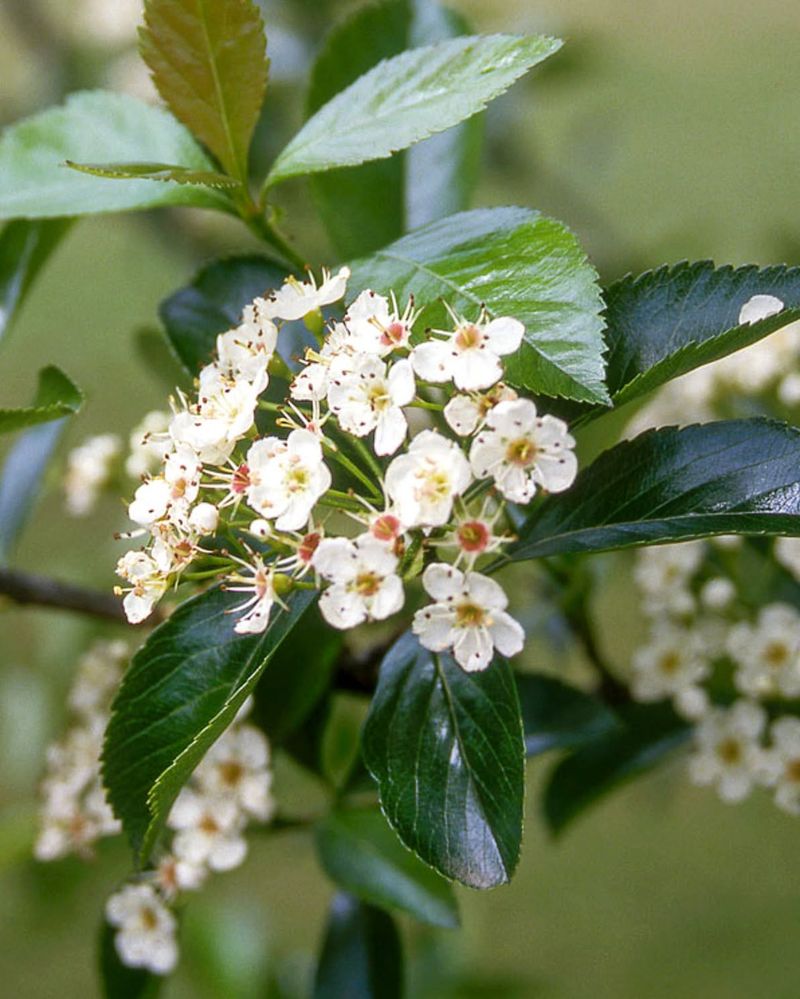
Nursery shoppers often fall for thornless cockspur hawthorn, and it is easy to see why. It has glossy leaves, pretty flowers, and no painful spikes waiting to snag your sleeve. For a busy front yard, that sounds like a dream.
Birds see things differently, though. Without thorns, the branches lose much of their power to keep cats, raccoons, and squirrels away from nests. The tree still offers some shade and cover, but it no longer works like a protected fortress.
Smart planning lets you enjoy both worlds. Place thorny native hawthorns along property edges, in back corners, or inside natural areas where people rarely walk. Those quiet spots give birds the safest nesting sites without putting family members at risk.
Thornless types still have a place. Use them near walkways, patios, and play areas where safety comes first. You will get spring blooms and summer shade without any scratched knees.
A simple yard map can help you decide. Sketch out where people walk, play, and park, then mark the low-traffic zones far from those paths. Thorny trees belong in the quiet zones, while gentler options fill the busy ones.
Michigan homeowners have a real chance to make a difference this way. Every well-placed thorny hawthorn adds a safe nesting spot in a landscape where good cover keeps shrinking.
With a little thought about placement, you can protect your family and the songbirds at the same time, and enjoy cheerful birdsong right outside your window every spring.