This Fall Pruning Rule Keeps Georgia Azaleas Safe From Winter Freeze Damage
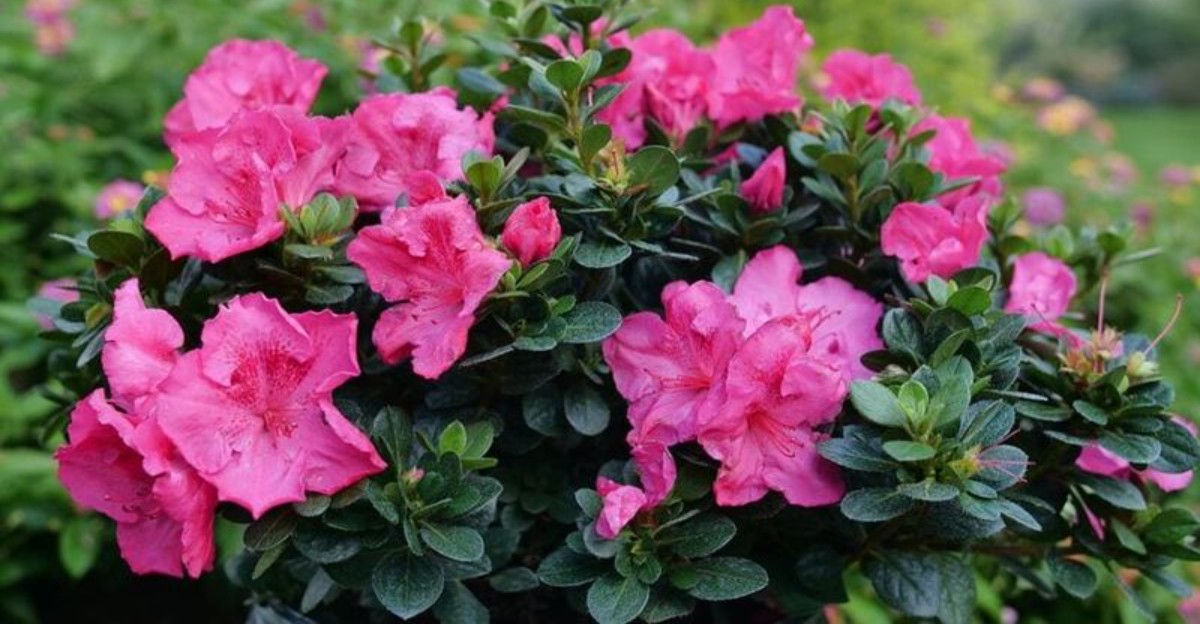
Fresh growth after a fall trim may look healthy, but it can leave azaleas more vulnerable when colder weather arrives.
Heavy pruning late in the season can encourage tender new shoots. Those young stems may not have enough time to harden before freezing temperatures arrive.
Timing also matters because many azaleas have already formed flower buds for the following spring.
Before reaching for the pruners, look closely at what actually needs attention. Save major shaping for the appropriate period after flowering instead of cutting heavily now.
Georgia gardeners should limit fall pruning to branches that truly require removal.
Leaving healthy growth alone helps the shrub enter winter without unnecessary tender shoots. It also protects flower buds already waiting on the stems for next spring.
1. Healthy Fall Growth Is Better Left Alone Before Winter Arrives
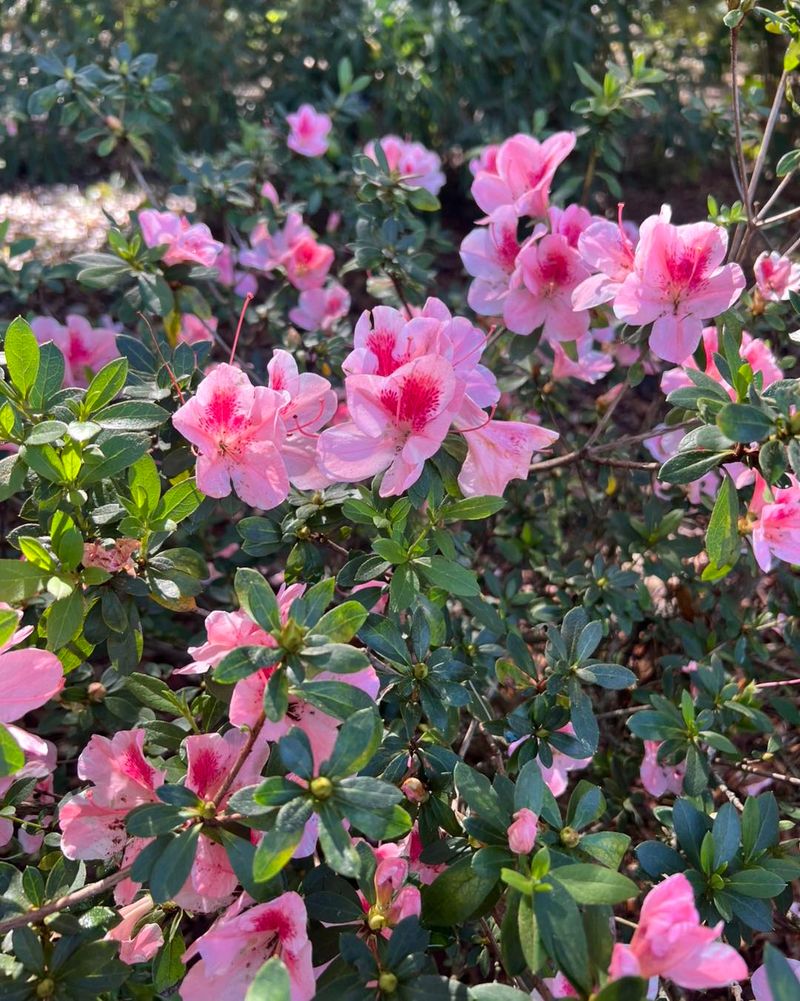
Put the pruners down, at least for now. A full, green azalea in October is usually doing exactly what it should be doing before winter.
Here is the simple rule most Georgia gardeners follow with good success.
Avoid pruning azaleas in fall, and wait until right after they finish flowering in spring. That one timing choice helps protect both the shrub and next year’s blooms.
Leaves on a healthy azalea are working hard in autumn, storing energy that helps the plant handle colder months.
Removing a lot of that foliage can leave the shrub with fewer resources heading into winter. It may also open up the interior to harsher wind and sun.
A slightly shaggy shape is not a problem worth fixing right away.
Instead of cutting, spend fall watching your plants. Look for yellowing leaves, pests like lace bugs, or soil that stays soggy after rain.
Those clues tell you more about plant health than any trim could, and they guide what you should do next spring.
Water deeply during dry spells, since fall droughts happen in many parts of the state. Healthy azaleas going into winter tend to handle cold snaps better than stressed ones.
2. Late Pruning Can Encourage Tender Growth Before Cold Weather
Cut a branch, and the plant answers back. Pruning often signals an azalea to send out fresh shoots near the cut.
In spring, that response is welcome, but in fall it can arrive at a bad time.
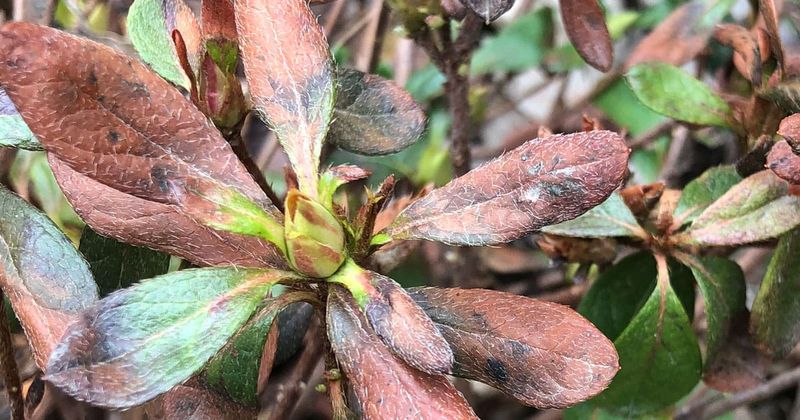
New shoots are soft and full of moisture, and they need several weeks to firm up. When a sudden freeze hits before they harden, those tender tips can turn brown or black.
Georgia weather makes this risk tricky, because warm spells in October and November are common.
A mild stretch after pruning can coax out growth quickly. Then one clear, cold night can undo all of it.
Damage is usually limited to tips and young stems, not the whole shrub. Even so, the plant spends energy replacing that lost growth when it could be resting instead.
Fertilizing in late fall can cause a similar flush of soft leaves, so skip feeding as well.
Timing matters more than how much you cut. Even light trimming late in the season may trigger some new shoots, depending on the variety and the weather.
Your Georgia Garden Changes Every Week. Your Plan Should Too.
Gardening in Georgia changes quickly throughout the season. Every Friday you’ll receive a simple weekly plan showing exactly what to plant, prune, fertilize, harvest, and protect so you never miss the right timing.
Letting the shrub slow down naturally is the safer choice. It gives stems the chance to toughen up before the coldest weeks arrive.
3. Fall Cuts Can Also Remove Buds Meant For Spring Flowers
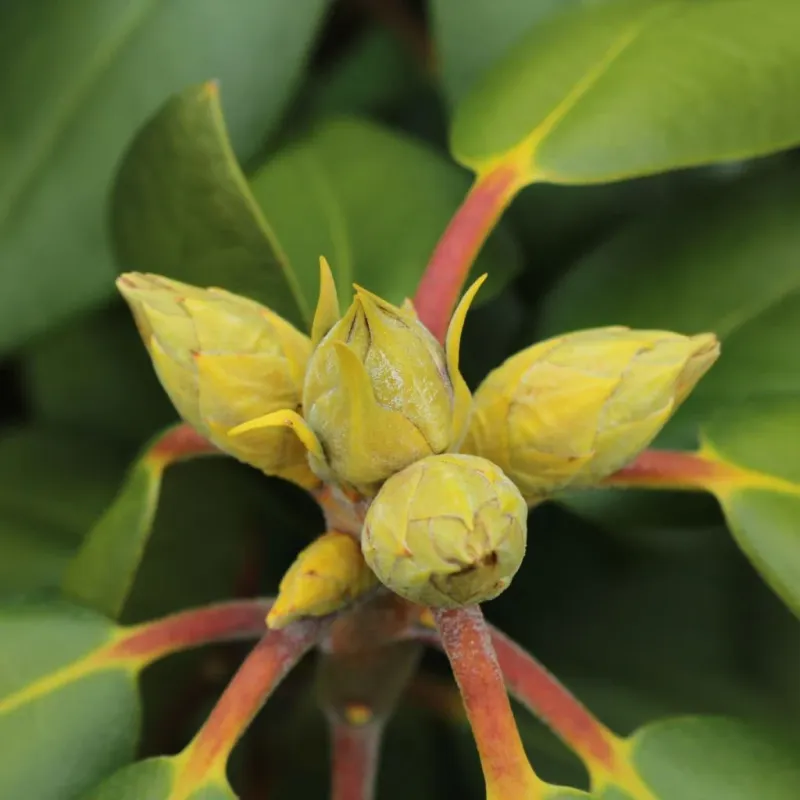
Next spring’s show is already sitting on the branches. Most azaleas form their flower buds in summer, shortly after the previous bloom fades.
By fall, those buds are tucked at the tips of the stems, waiting for warmer days.
Shear the shrub now, and you could be tossing a good chunk of April’s color into the yard waste bin. Gardeners in Georgia often wonder why a trimmed azalea flowered so poorly, and timing is a common reason.
Spotting the buds is easier than you might expect.
Flower buds tend to be plump and rounded, while leaf buds are smaller and more pointed. Gently peel back the outer scales on one, and you may see tiny folded petals inside.
Encore and other reblooming types follow a slightly different schedule, since they flower more than once a year.
Even so, heavy fall cuts can still cost you blooms on those varieties. Check the plant tag or the grower’s guidance before making any big decisions.
A few quick snips for a stray branch are usually fine. Wide shearing across the whole shrub is what tends to strip away the most buds and leave springtime looking thin.
4. Broken Or Diseased Branches Are The Main Exception
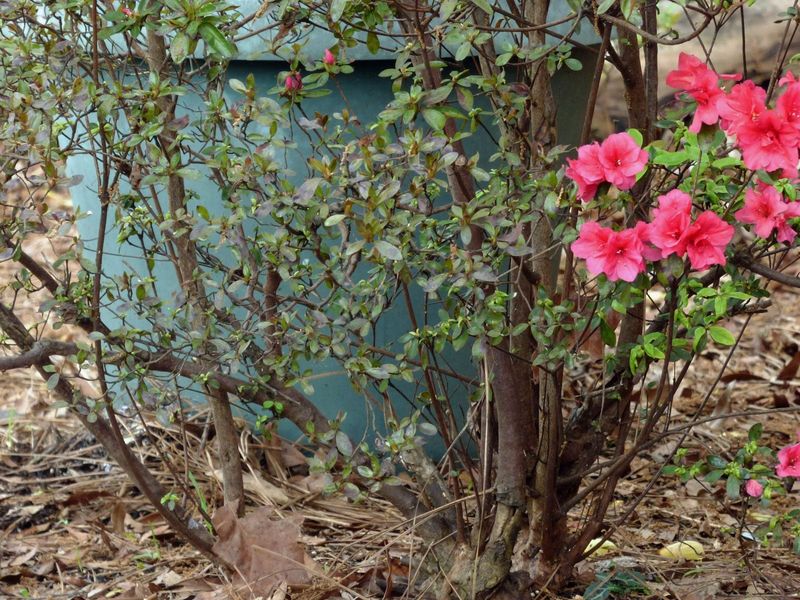
Some cuts just can’t wait. A branch snapped by wind or a falling limb is worth removing any time of year.
Broken wood can tear further and leave ragged wounds that heal slowly.
Diseased branches belong in the same category. Stems with cankers, damaged growth, or wilted leaves that stay limp after watering may be spreading trouble to the rest of the plant.
Make each cut a few inches into healthy wood, just above a side branch or bud.
Sharp bypass pruners give cleaner cuts than dull blades. Wiping the blades with a household disinfectant between cuts helps limit the spread of fungal problems.
Bag up the sick material instead of adding it to compost.
Fungal issues like Phytophthora root rot can show up as wilting branches in Georgia clay that drains poorly. Pruning alone may not solve that, so a county Extension office can help identify the cause.
Keep these repairs small and targeted. Removing a handful of problem branches is very different from reshaping the entire shrub, and it won’t trigger much tender growth.
When in doubt, cut less now and save the rest for spring.
5. Mulch Helps Protect Shallow Roots As Temperatures Drop
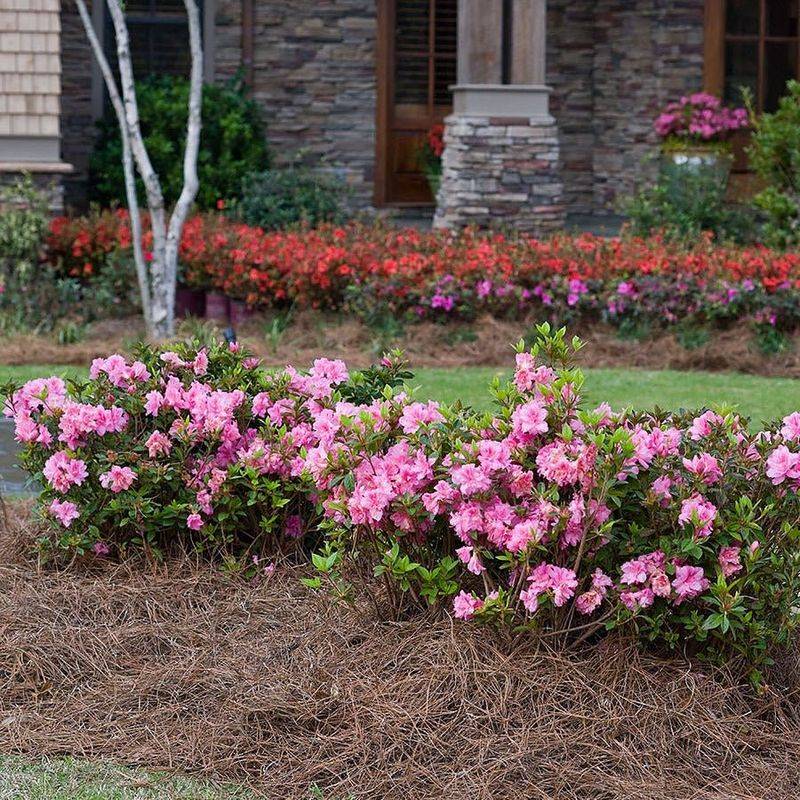
Azalea roots live close to the surface. Unlike deep-rooted shrubs, they spread through the top few inches of soil, where cold and dryness hit first.
A good layer of mulch works like a light blanket over that root zone.
Pine straw is a popular choice in Georgia, and it’s easy to find at most garden centers each fall. Shredded pine bark and chopped leaves also work well.
Aim for about two to three inches spread out to the edge of the branches.
Keep the mulch pulled back an inch or two from the main stems. Piling it against the trunk can hold moisture and invite rot or pests.
Mulch helps the soil temperature swing less on cold nights and sunny days.
It also holds moisture, which matters because azaleas can suffer when dry soil freezes. Water before a hard freeze if the ground has been dry for a while.
Results depend on your soil, site, and how cold the winter gets. Mulch won’t stop every bit of damage, but it gives roots a better chance to come through healthy.
That extra protection can make a noticeable difference when winter weather puts shallow roots under stress.
6. Major Shaping Belongs After The Spring Blooming Period
Picture the last pink petals dropping in late spring. That moment is your green light for real shaping work.
Pruning soon after bloom gives the shrub months to grow and set new buds before summer ends.
In much of Georgia, azaleas finish flowering in April or May, though timing shifts with variety and region. Try to wrap up major cuts by early July so you don’t remove next year’s buds.
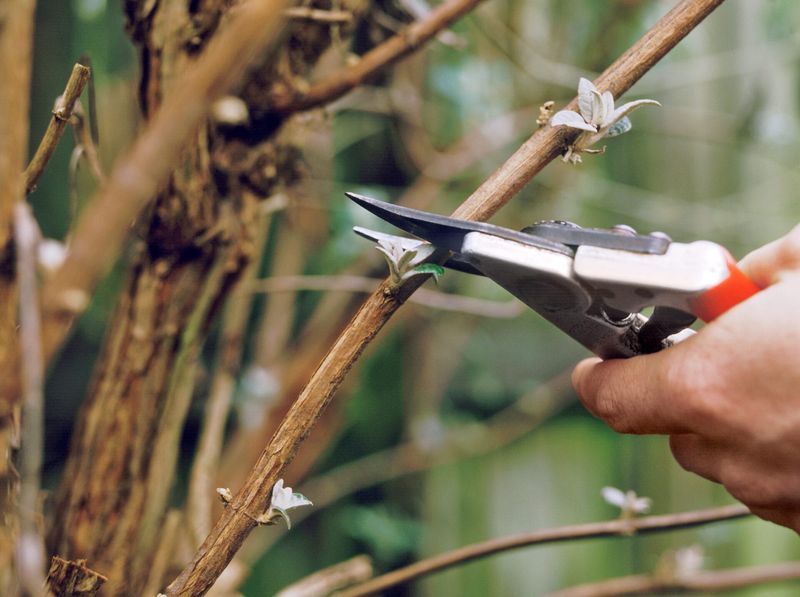
Hand pruners usually beat hedge shears for azaleas.
Cutting individual branches back to a side shoot keeps the shape natural and lets light reach the center. Shearing the outside often creates a dense shell with bare stems underneath.
Overgrown shrubs may need a gradual approach.
Try removing about a third of the oldest, tallest stems each year over a few seasons. That spreads out the stress and keeps some flowers coming each spring.
Hard cuts close to the ground can work on some old shrubs, but recovery varies. A healthy, well-watered plant tends to bounce back better than one already struggling.
That gives the shrub time to rebuild a balanced framework without sacrificing the buds that will carry next spring’s color.
7. Waiting Until Spring Protects Both New Growth And Flower Buds
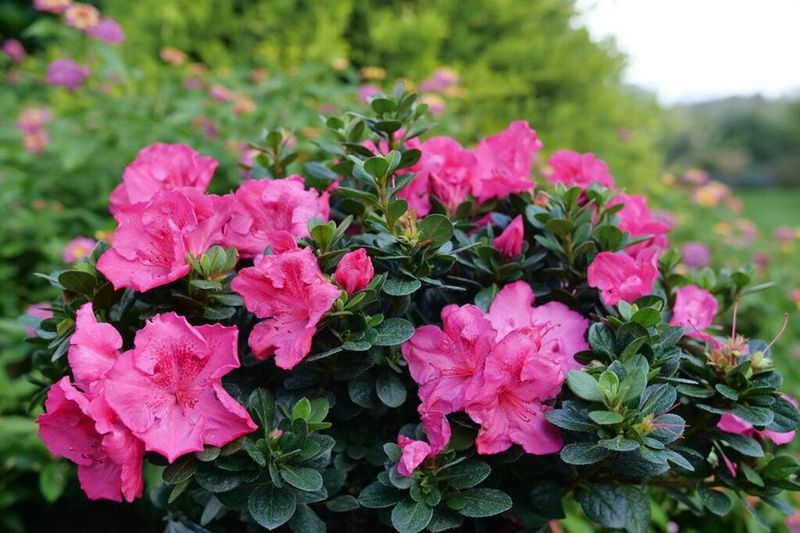
Patience rarely looks this good. A shrub left unpruned through winter often rewards you with a fuller spring show.
Holding off solves two problems at once.
You avoid pushing out soft shoots that frost may harm, and you keep the buds that formed last summer. Both benefits come from doing less, which is a nice change in a busy yard.
Winter in Georgia can bounce from mild to freezing within a single week.
An azalea that hasn’t been cut recently handles those swings with its natural defenses intact. Mature leaves and hardened stems are simply better prepared than fresh growth.
Use the waiting months for planning instead.
Note which shrubs block walkways, crowd windows, or look thin in the middle. Snap a few photos so you remember exactly what needs attention once flowering ends.
No rule fits every garden perfectly. Microclimates, soil type, and plant variety can change how your azaleas respond.
Still, for most home gardeners, this simple timing habit lowers the risk of winter damage. It also helps keep those familiar spring blooms coming back year after year.