The Underground Lawn Pest That Can Make Florida Bahia Grass Feel Loose Under Your Feet
Walk across your Florida lawn and something feels off. The turf gives way underfoot like a cheap rug sliding on a hardwood floor.
Nothing looks wrong from the porch. The color holds, the blades stand tall, and the neighbors would never guess.
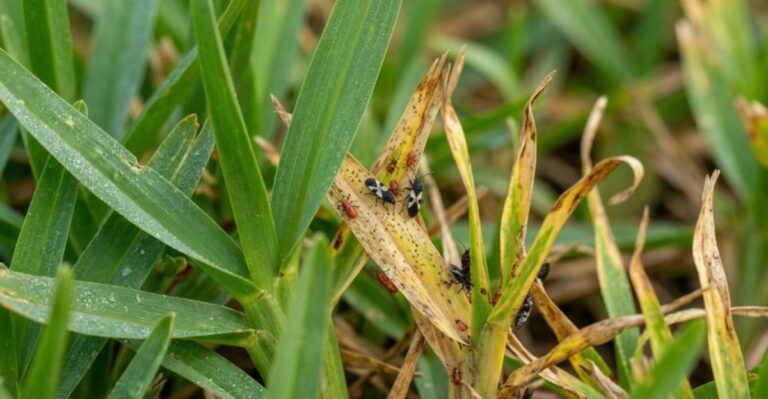
Yet below the surface, an uninvited crew is busy cutting the one thing that keeps your Bahia grass anchored to the ground.
By the time brown patches show up, the damage has been running for weeks. Pull back a corner and the whole section may peel away like wet carpet.
Do the foot test the next time you cross the yard. The answer to what’s going on lives just beneath your shoes.
1. Meet The Mole Cricket, Bahiagrass’s Underground Enemy
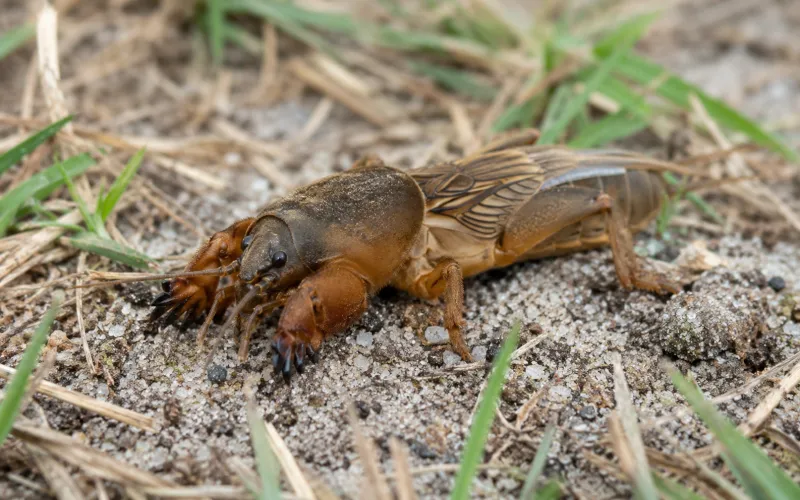
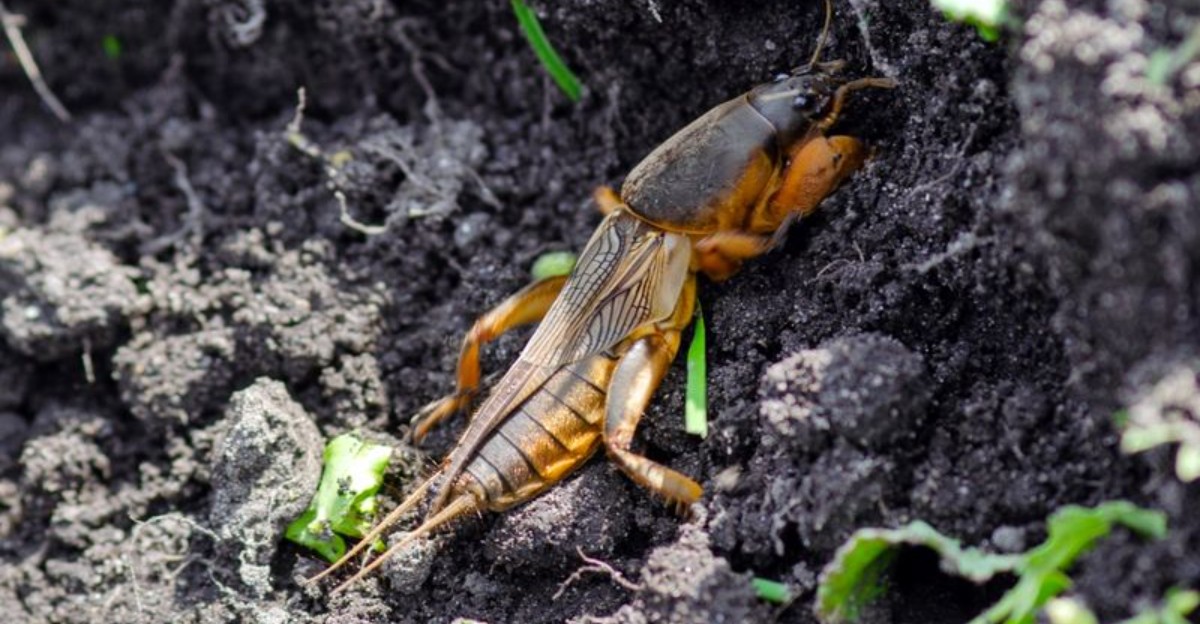
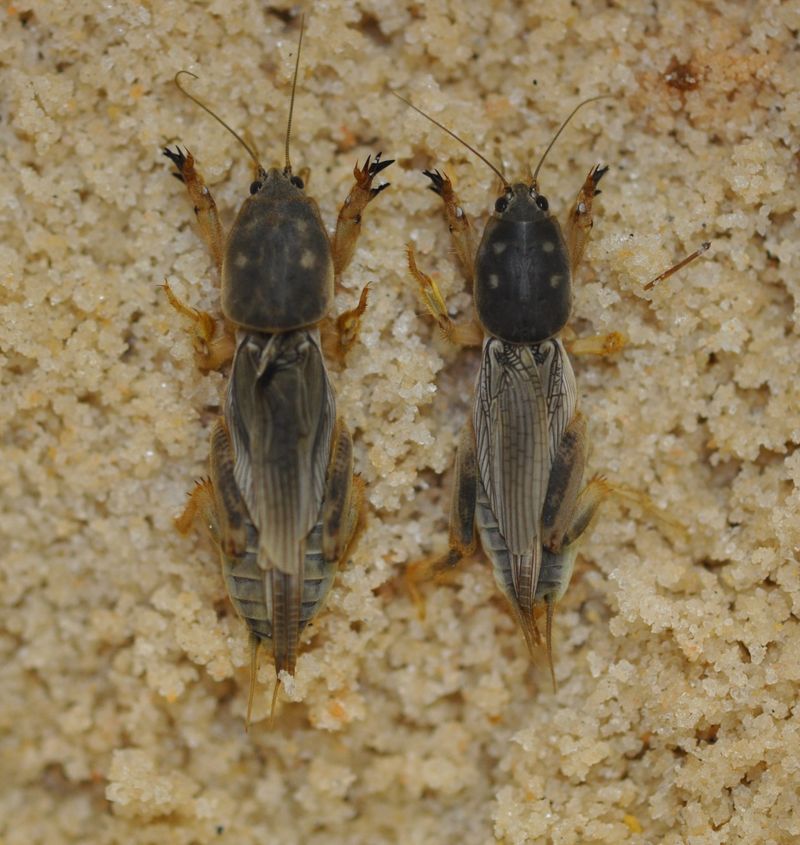
Picture a cricket that traded its jumping legs for a pair of tiny shovels. That odd mix is exactly what a mole cricket looks like up close.
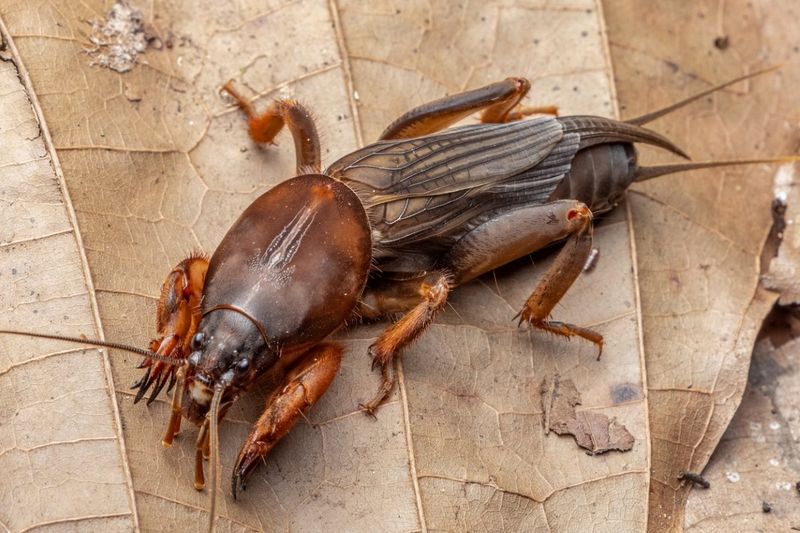
Adults are brown, fuzzy, and about 30 to 40 millimeters long. That is roughly the length of your thumb from tip to knuckle.
Long antennae poke out from the front, and the wide front legs look like little garden spades built for scooping soil.
Most of their lives happen underground. They carve long tunnel systems just below the surface, coming up mostly at night.
On warm spring evenings, adults may even fly around porch lights looking for mates.
Mole crickets live in many parts of the world. Still, they cause their biggest headaches in the Southeast, and Florida’s warm weather and sandy soil suit them perfectly.
Bahia grass is one of their favorite targets.
Why Bahia? Its open growth and the sandy ground it often grows in make tunneling easy.
A healthy Bahia lawn can handle a few crickets, but a big crowd can turn it thin and spongy.
Here is a fun fact to share at dinner. Male mole crickets sing from special chambers in the soil shaped like little megaphones, which makes their chirps louder.
If you hear a steady buzz from the ground at dusk, a male may be calling nearby.
2. Florida Has Three Invasive Mole Cricket Species
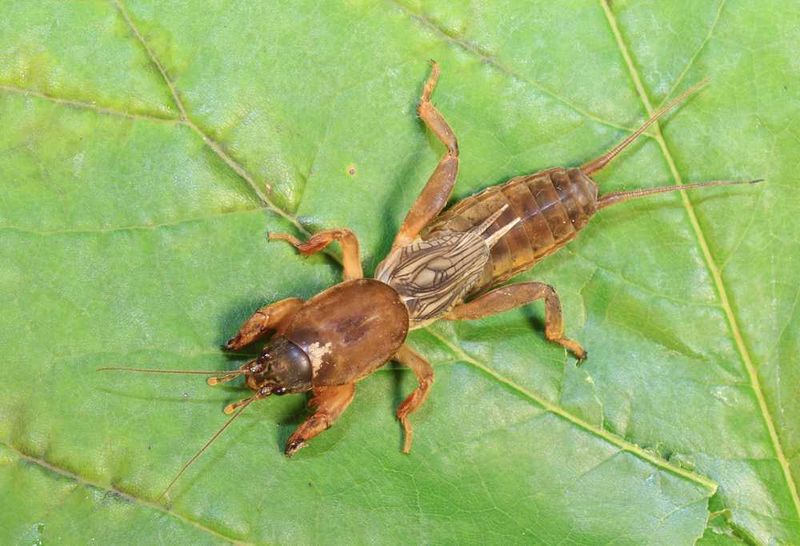
Long before smartphones, a few stowaways slipped into the Southeast. Experts believe three mole cricket species arrived by accident in the early 1900s, likely hidden in ship ballast soil.
Florida now hosts all three troublemakers. Meet the tawny, the southern, and the short-winged mole crickets.
None of them are native, and each brings its own habits to your yard.
The tawny mole cricket is a plant eater that chews on grass roots and shoots. The southern mole cricket mostly hunts other small critters in the soil, but its tunneling still loosens turf.
The short-winged mole cricket cannot fly, so it spreads slowly, mostly in southern Florida.
Here is a neat twist. Florida also has a native species called the northern mole cricket.
It lives mainly in wet, swampy spots and rarely bothers lawns at all.
Knowing the difference matters. If you spot a cricket near a pond edge, it might be the harmless local.
Your Florida Garden Changes Every Week. Your Plan Should Too.
Gardening in Florida changes quickly throughout the season. Every Friday you’ll receive a simple weekly plan showing exactly what to plant, prune, fertilize, harvest, and protect so you never miss the right timing.
If you see one in your sunny front yard with brown patches nearby, an invasive species is the likely culprit.
A county extension office can help you identify any cricket you catch. Snap a clear photo or drop the bug in a small jar of rubbing alcohol.
Experts can usually tell you which type it is within minutes, which helps you choose the right plan.
3. Tunneling Loosens The Soil And Severs Roots
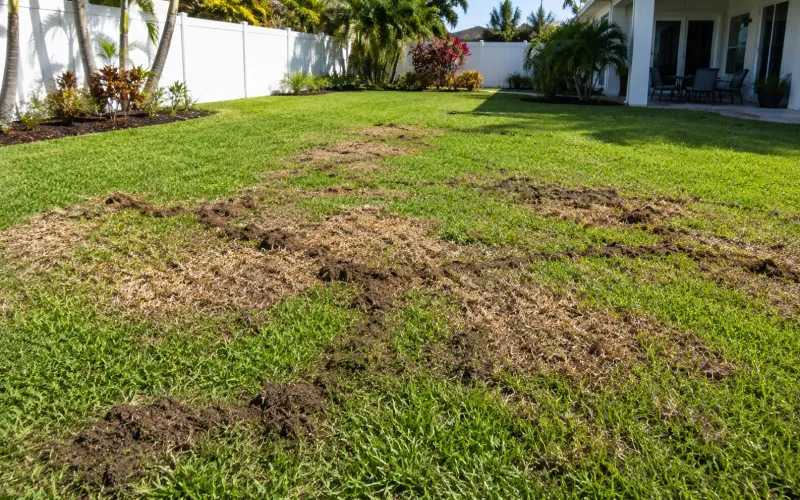
Think of your lawn as a carpet glued to the floor. Mole crickets work like tiny scissors, snipping the glue from underneath.
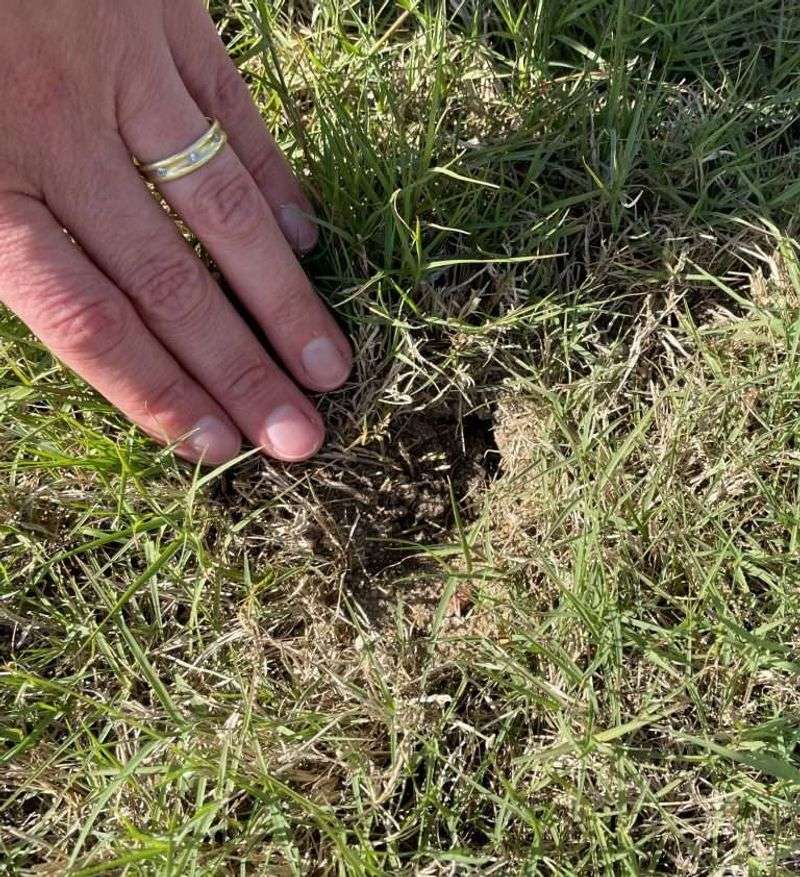
They tunnel through the top inch or two of soil. That shallow digging lifts and loosens the ground, so grass plants wobble instead of standing firm.
In a sandy Florida yard, you may notice your feet sinking a bit when you walk across it.
As they push through, they slice right through grass roots. Without a strong root connection, the plants struggle to pull up water.
Even a freshly watered lawn can turn dry and brown in spots.
The tawny species adds another problem by feeding directly on roots and shoots. So the grass takes a double hit, both from tunnels and from hungry mouths.
What does it all look like? Watch for irregular brown patches that do not match sprinkler gaps.
You might also see raised, wiggly lines on the surface, like tiny mole trails.
Try this quick check. Grab a handful of grass in a brown area and tug gently.
If it lifts easily with few roots attached, underground pests could be at work. Healthy Bahia grass holds on tight, so loose turf is a strong clue worth following up.
Fixing the problem early helps the grass bounce back faster once the crickets are gone.
4. Raccoons And Armadillos May Dig For Them
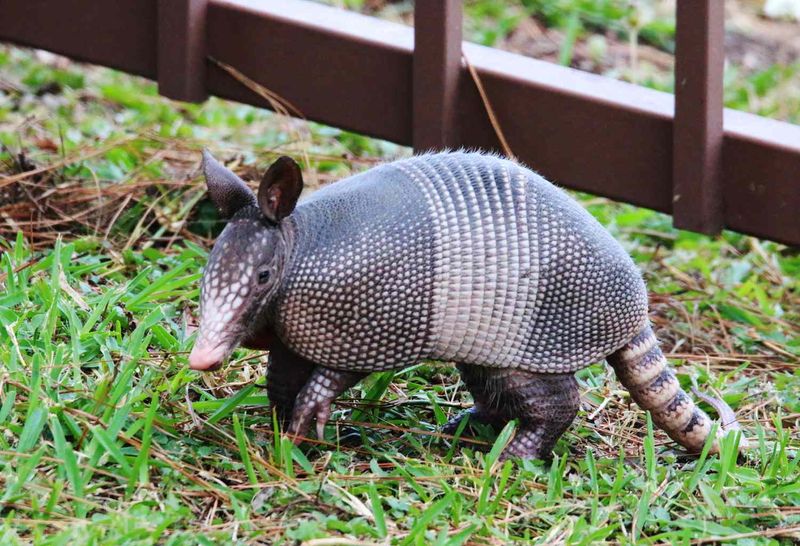
Wake up to a yard that looks like someone went treasure hunting overnight? Your midnight visitor may have been chasing a snack.
Mole crickets are a tasty meal for many Florida animals. Raccoons, armadillos, and several birds love to dig them up.
To these hungry diggers, your lawn is basically a buffet with the lid still on.
Armadillos poke their long snouts into soft soil and leave small, cone-shaped holes. Raccoons tend to roll back strips of turf, almost like peeling a rug.
Birds such as crows and cattle egrets may peck at the surface during the day.
The trouble is that this digging adds fresh damage on top of what the crickets already did. Patches of torn grass and scattered dirt can make a mild problem look much worse.
Here is the bright side. Animal digging is a useful warning sign.
When critters keep returning to the same spot, there is a good chance a large group of insects lives underneath.
Chasing off the animals rarely fixes things for long. Once the crickets are under control, the food source shrinks, and visitors usually move along on their own.
In the meantime, press torn turf back into place and water it lightly so the roots can settle again.
5. Pour A Soap Flush To Confirm Them
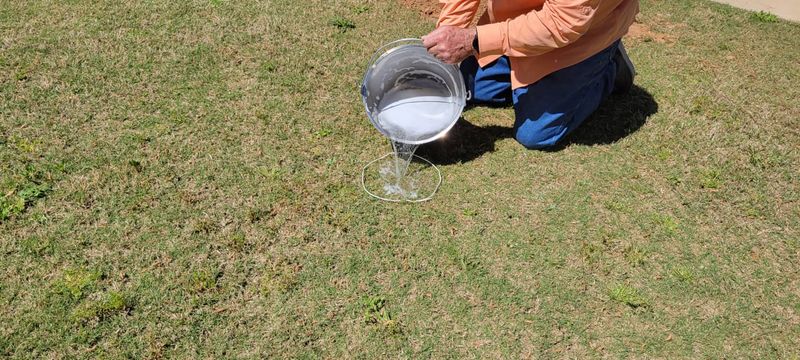
Grab a bucket, some dish soap, and a little patience. You are about to become a backyard detective.
A soap flush is the easiest way to find out if mole crickets are hiding below. Mix about two tablespoons of liquid dish soap into one gallon of water.
Some experts like lemon-scented soap, though plain soap works too.
Pick a spot near the edge of a brown or spongy patch in your Bahia lawn. The edge is where crickets are often most active, since they move toward healthier grass.
Slowly pour the mix over an area about 1 to 4 square feet.
Now watch closely for a few minutes. The soapy water irritates the insects, so they wiggle up to the surface to escape.
You may see brown crickets popping out and scurrying around.
For the best results, water the area lightly the day before. Moist soil helps the soap soak down to where the crickets hide.
Testing in the evening also helps, since that is when they are busiest.
Try a few different spots across your yard. One test can miss them, while several give you a clearer picture.
Keep a small notebook handy to jot down where you tested and what you found, since those notes guide your next steps.
6. Two To Four Crickets Means It’s Time To Act
Counting bugs might sound silly, but it is one of the smartest moves a homeowner can make. The number you see tells you whether to relax or roll up your sleeves.
After your soap flush, give the area a few minutes. Then count how many crickets come up.
If you see none or just one, your lawn is probably fine for now.
When two or more show up, that suggests a group big enough to cause trouble. Many experts say that two to four crickets in a small test area is the point where control should be on your mind.
Why not treat at the first sighting? A few crickets in a big lawn may do very little harm.
Treating too soon can waste money and affect helpful insects living in your soil.
Think of it like a smoke detector. One beep might be nothing, but a steady alarm means it is time to move.
Here is a handy habit to build. Repeat your soap test every few weeks through Florida’s late spring and summer.
Track the numbers in a notebook or phone app. If counts climb, you will spot the trend early and can plan treatment at just the right moment, before damage spreads across the yard.
7. Mid-June Through July Is Prime Treatment Time
Timing is everything, whether you are catching a bus or battling bugs. For mole crickets, the golden window opens in mid-June and runs through July.
Here is why. Adult mole crickets lay eggs in spring, and most of those eggs hatch by early summer.
The baby crickets, called nymphs, are tiny and soft at this stage.
Small nymphs are much easier to control than grown-ups. They stay closer to the surface and have not built deep tunnels yet.
Treatments reach them more easily and work faster.
Do a soap flush in early June to check for hatchlings. If you see tiny, gray-brown crickets about the size of a grain of rice, the timing is right.
When you treat, follow the product label closely. Water the lawn lightly before applying so the soil is moist.
Many products also need a little watering afterward to move them down into the root zone.
Treat in the late afternoon or early evening when you can. Nymphs move toward the surface after dark, so this helps the product meet them where they feed.
Mark your calendar now. A quick reminder for mid-June can save you from a summer of spongy turf and brown patches later.
8. Big Fall Nymphs Are Harder To Control
Ever tried to get a teenager out of bed? Big mole cricket nymphs can be just as stubborn.
All summer long, nymphs eat, dig, and grow. By late summer and fall, they are nearly adult size.
Their tunnels run deeper, and their appetites are larger too.
That growth makes them much tougher to manage. Treatments that work well on tiny June nymphs often struggle against these bigger insects.
You may need stronger products or more than one application.
Fall is also when lawn damage tends to show up the most. Many Florida homeowners first notice brown patches and spongy spots around September.
Unfortunately, that is when the crickets are hardest to stop.
So what can you do if you missed the summer window? Start with a soap flush to check numbers.
If counts are high, ask your local extension office or a lawn pro about bait products made for larger crickets.
Baits work best on warm nights after rain or watering, when crickets come up to feed.
Most importantly, use this year as a lesson for next year. Write down where the worst damage appeared.
Next June, test those same spots first. Catching the problem early is far easier than chasing it once the crickets have grown up.
9. Larra Wasps And Tiny Nematodes Fight Back
Nature has its own pest patrol, and some members are pretty wild. Meet two allies that hunt mole crickets for a living.
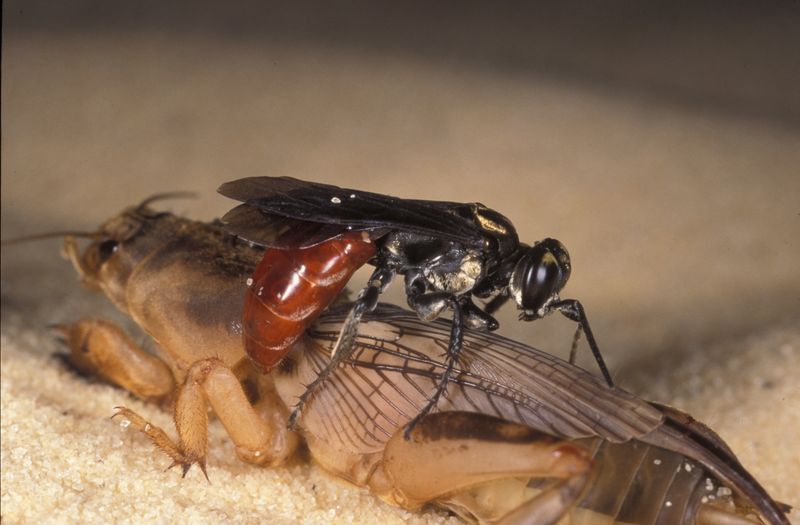
The first is the Larra wasp, known as Larra bicolor. It has a black body with a bright orange rear.
Female wasps track down adult or older mole crickets and sting them, which freezes the cricket for a few minutes.
While the cricket is still, the wasp lays a single egg on it. The cricket wakes up and goes about its business.
Meanwhile, the hatching larva feeds on its host and slowly takes it out of action.
Do not worry about stings. Larra wasps are calm around people and focus only on crickets.
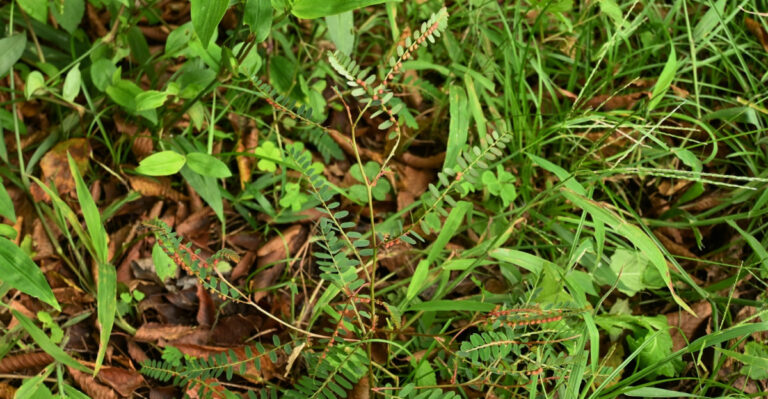
You can invite them by planting wildflowers like Spermacoce, also called shrubby false buttonweed, which provides nectar for adult wasps.
The second helper is a microscopic worm called a nematode. Species such as Steinernema scapterisci and Steinernema carpocapsae slip into crickets through natural body openings.
Inside, they release bacteria that overwhelm the insect, then multiply and move on to find new hosts.
You can buy these nematodes from garden suppliers. Apply them in the evening to moist soil, since sunlight harms them.
Together, these tiny warriors offer a gentle, long-term boost to any mole cricket plan.