The Tidy Nebraska Garden Is Quietly Evicting Winter Sleepers, And Giving Them A Protected Corner Costs Nothing
Some fuzzy caterpillars spend the coldest months frozen nearly solid beneath fallen leaves, then thaw and crawl away in spring. I learned that fact years ago, and it changed how I looked at every leaf pile in my yard.
Across Nebraska, many native bees and beetles ride out winter inside hollow stems or under crumpled leaf litter. A neat fall cleanup bags up those shelters and hauls them to the curb before anyone wakes.
I skipped my usual raking one autumn, mostly out of laziness, and spring brought more bees than ever. You might notice the same thing once you stop treating every brown stem like a mess to fix.
Nebraska gardeners can offer these sleepers a safe corner without spending a single dollar or buying any gear. So which tidy habits are quietly sending your smallest neighbors packing, and what should you leave alone this year?
1. Hollow Plant Stems Become Winter Bedrooms For Native Bees
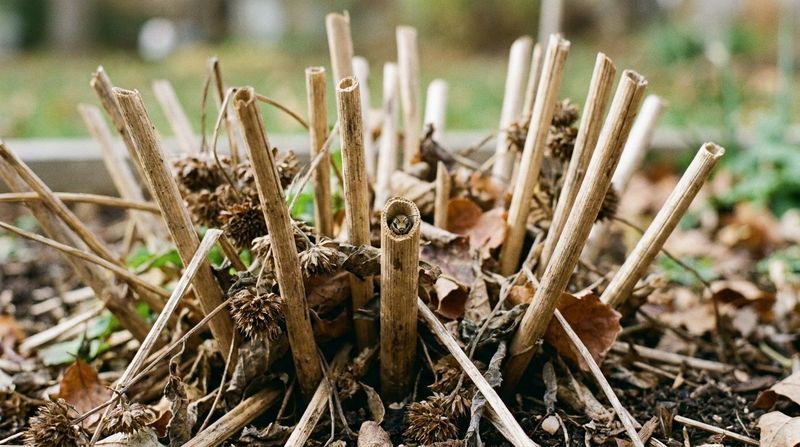
Snap a spent coneflower stalk in late winter, and you might find a tiny bee nursery packed inside. Small carpenter bees and some mason bees tuck their young into pithy or hollow stems like these.
Their mothers did the hard work last summer, carving tunnels and stocking each cell with pollen and nectar. The young bees rest inside through the cold months and chew their way out when spring warms up.
Cutting every stem to the ground in fall removes those nurseries before they get a chance to hatch. I used to do exactly that, and I wonder now how many bees left my yard in paper bags.
A gentler approach works well for most perennial beds, and it barely changes how the garden looks overall. Leave stems standing through winter, then trim them to roughly fifteen to twenty-four inches tall once spring arrives.
Those leftover stubs become fresh nesting spots for the next generation of stem-nesting bees later in the season. New leaves quickly hide the stubble, so the bed looks tidy again within a few short weeks.
Good stems to save include wild bergamot and Joe Pye weed, which both grow well in many Nebraska gardens. Raspberry canes and sumac branches also hold soft pith that small carpenter bees happily excavate for their nests.
Toss any trimmed stems loosely in a back corner rather than the compost bin, since some may hold sleepers. Your reward arrives in summer, when busy little bees work the flowers you thoughtfully left standing for them.
2. Fallen Oak Leaves Hide Sleeping Butterfly And Moth Caterpillars
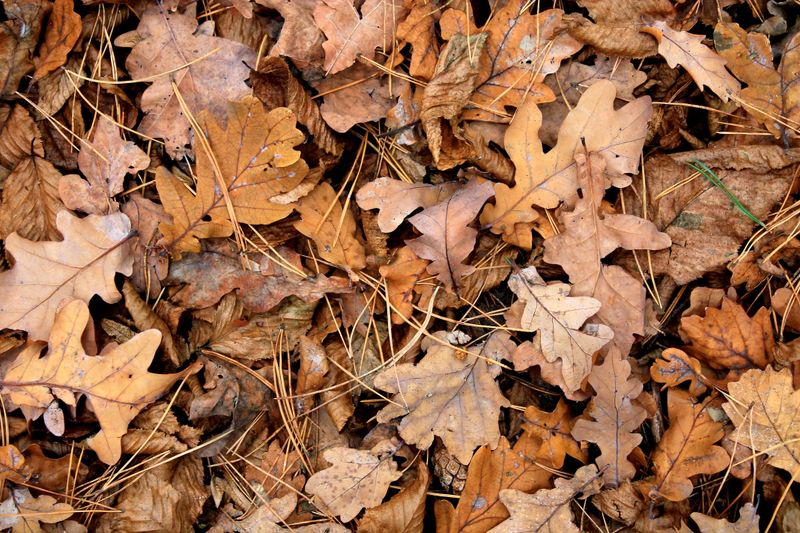
Crunchy oak leaves might look like yard waste, but to a fritillary caterpillar they work like a down comforter. Great spangled fritillary caterpillars hatch in fall and hide in leaf litter near violets until spring.
Once they wake, they crawl out and munch on fresh violet leaves before turning into bright orange butterflies. Many moths also overwinter in the leaf layer as pupae or as cocoons wrapped inside curled leaves.
Luna moths make a favorite example, because their papery cocoons often drop with the leaves each autumn. Bagging those leaves sends the cocoons to a landfill, along with the lovely green moths waiting inside them.
I still rake my lawn now, but I sweep those leaves into flower beds instead of stuffing them into bags. A layer two to three inches deep protects plant roots and gives sleepers a cozy blanket all winter.
Thick, matted leaves can smother turf, so moving them off the lawn still makes good sense for grass health. Beds under trees and along shrub borders welcome that extra layer with no harm at all to the plants.
Shredding leaves with a mower speeds up breakdown, but it also chops up any caterpillars hiding inside them. Whole leaves offer better protection, so save the mower for a small portion if you want faster mulch.
You will likely notice more moths around your porch light next summer, and more birds hunting caterpillars too. Many of those caterpillars started their year tucked beneath the leaves you decided to keep around.
3. Bumble Bee Queens Sleep Just Under The Garden Soil
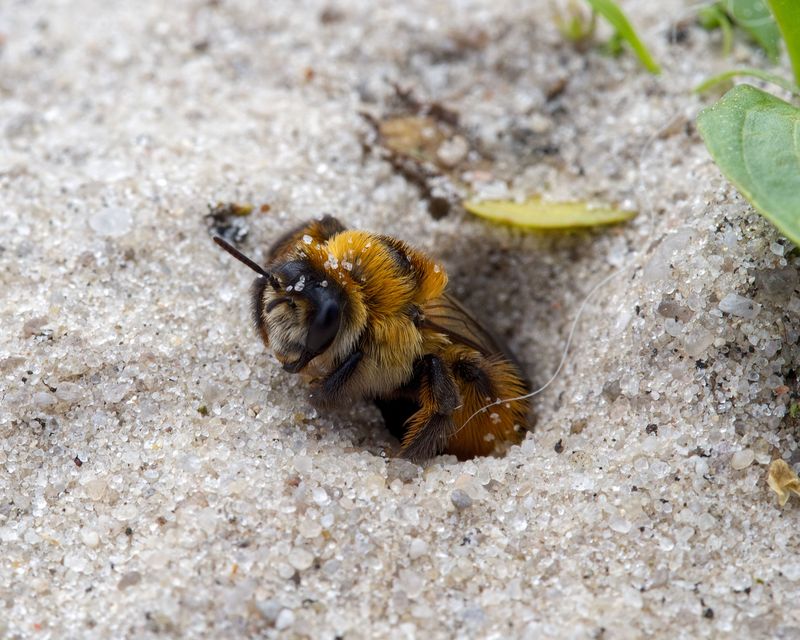
Most of a bumble bee colony fades away by autumn, and only the new queens carry on through winter. Each newly mated queen digs a small chamber a few inches into loose soil and settles in until spring.
Researchers call that chamber a hibernaculum, and queens often choose spots with soft soil and a leafy covering. Shady garden edges and north-facing slopes seem to be common picks, possibly because they warm slowly in spring.
Heavy digging and tilling in early spring can disturb those queens before they are ready to leave. Each queen you protect may start a brand new colony with dozens or even hundreds of workers by midsummer.
I keep one shady strip along my fence undisturbed, with leaves left to settle and soil left unturned. It looks a bit scruffy in March, but the first fat bumble bees I see usually appear right there.
Mulch piled too deep can make digging harder for queens, so a light leaf layer works better there. Skip landscape fabric or plastic sheeting in that zone, since queens cannot burrow through those tough barriers.
Early spring flowers help newly awake queens, who need nectar quickly after months without any food at all. Native wild plums and pasque flowers bloom early and give those hungry queens an important first meal.
Leaving a quiet corner costs nothing, yet it may be the most valuable bee habitat in your whole yard. Mark the spot with a stake so nobody in your household accidentally digs it up during spring chores.
4. Fuzzy Woolly Bear Caterpillars Freeze Under Leaf Piles
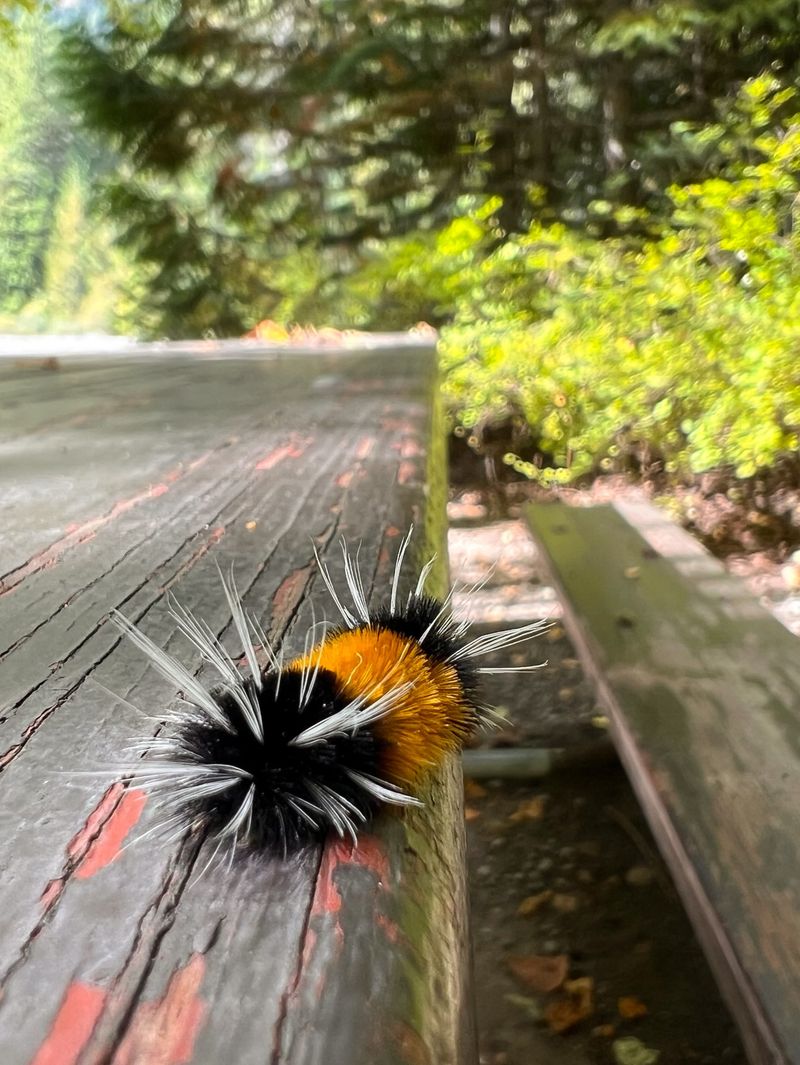
Few garden creatures are tougher than the woolly bear, that fuzzy black and rusty orange caterpillar crossing sidewalks in fall. It becomes the Isabella tiger moth later, but first it spends winter curled beneath leaves or loose bark.
Its body makes a natural antifreeze, allowing the caterpillar to freeze through without lasting harm to its cells. When spring temperatures climb, it thaws, munches on a few plants, and spins a cocoon for adulthood.
Folk wisdom claims the width of its orange band predicts winter weather, which is a fun story to share. Scientists have found no real link, though, since band width mostly reflects the caterpillar’s age and growth.
I still check each woolly bear I find, mostly because my kids enjoy guessing how harsh winter will be. Gently moving one off the driveway into a leaf pile is about the kindest thing you can do.
Woolly bears look for shelter under leaf litter or loose bark, where snow and leaves help buffer harsh swings. A bare patio offers little cover, so moving a wandering caterpillar to a leafy spot gives it better odds.
The caterpillars feed on common plants like plantain and dandelion, so they rarely bother prized flowers or vegetables. Leaving a weedy edge near your beds gives them food in spring and costs nothing beyond a little patience.
Next fall, watch for them hustling across roads and paths as they search for a winter hideout. Your leaf piles might be exactly the destination they hoped to find before the first hard freeze arrives.
5. Backyard Brush Piles Shelter Juncos And Toads
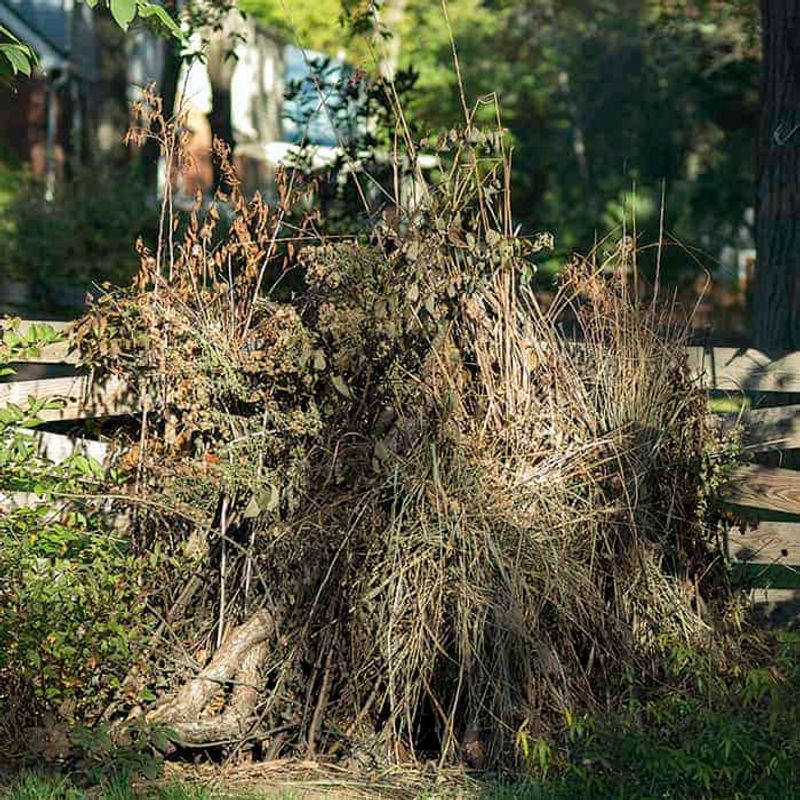
Dark-eyed juncos arrive in fall like little gray visitors in tuxedos, hopping under shrubs to search for fallen seeds. When a hawk swoops by or a cold wind howls, they dart straight into the nearest tangle of branches.
A simple brush pile made from your own pruned limbs gives those birds an instant hiding spot. Start with thicker logs on the bottom, then crisscross smaller branches on top to leave plenty of open pockets.
Toads benefit too, though they use the pile a little differently than the birds do during winter. American toads dig backward into loose soil, and the leafy ground beneath a pile offers a quiet place to burrow.
Cottontail rabbits and many overwintering insects also tuck themselves inside the sheltered center of a pile during snowy weather. I enjoy reading the tracks in fresh snow, since they reveal who visited while I stayed warm indoors.
Place the pile away from your house foundation, since you probably do not want mice settling beside your walls. A back corner near shrubs or a fence line works nicely and keeps the pile mostly out of view.
Some towns have rules about yard debris, so check local ordinances if your pile will be visible from the street. A compact pile usually avoids complaints, especially when it sits behind plantings or a low fence.
Add new branches each year as old ones settle and soften, and the pile will slowly feed your soil. It costs nothing beyond hauling sticks a few steps, which beats paying for curbside pickup any day of the week.
6. Swallowtail Chrysalises Cling To Old Dill Stalks
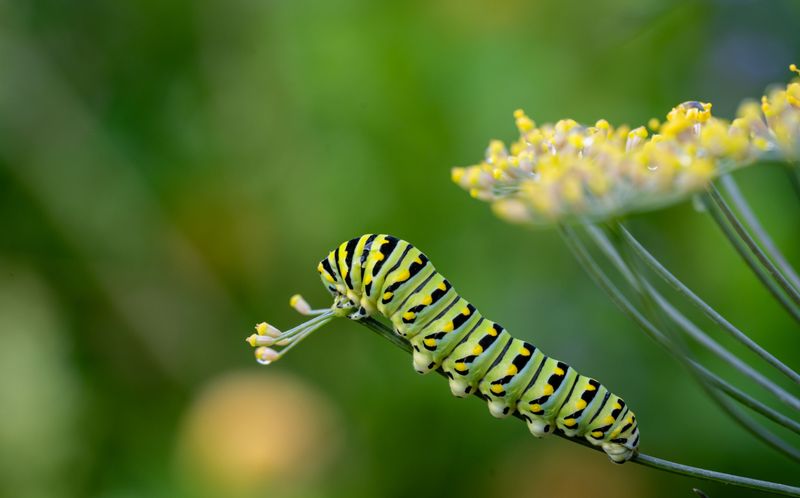
A black swallowtail chrysalis can look just like a broken twig, brown and woody, glued to an old stem. Those caterpillars you spotted chewing dill or parsley last summer may still be hanging around in that disguise.
Late-season caterpillars pupate in fall and stay in the chrysalis through winter, waiting patiently for warmer days. The butterfly emerges in spring, ready to lay eggs on the same family of plants that fed its parents.
Many swallowtails attach to sturdy stems or nearby fence boards, held in place by a single silk girdle. Pulling up your herb garden in fall sends those chrysalises to the compost pile before they get a chance.
I leave my dill and fennel stalks standing until late spring, and I check them before cutting anything back. Once I found three chrysalises on one dill stalk, which made the scruffy look feel worth every bit.
Golden alexanders is a native host plant that grows well across much of Nebraska and blooms in late spring. Planting it gives swallowtails a home base, and its stems offer more places for chrysalises to hang.
If you must move a stem, cut it carefully and tie it upright to another plant in a protected spot. Keep the chrysalis outdoors, since warm indoor air can trigger the butterfly to emerge far too early.
Spotting a chrysalis takes a sharp eye, so slow down and look closely at stems near your host plants. Finding one feels like discovering a hidden gift, and spring rewards you with fluttering black and yellow wings.
7. Firefly Larvae Wait Out Winter In Damp Leafy Soil
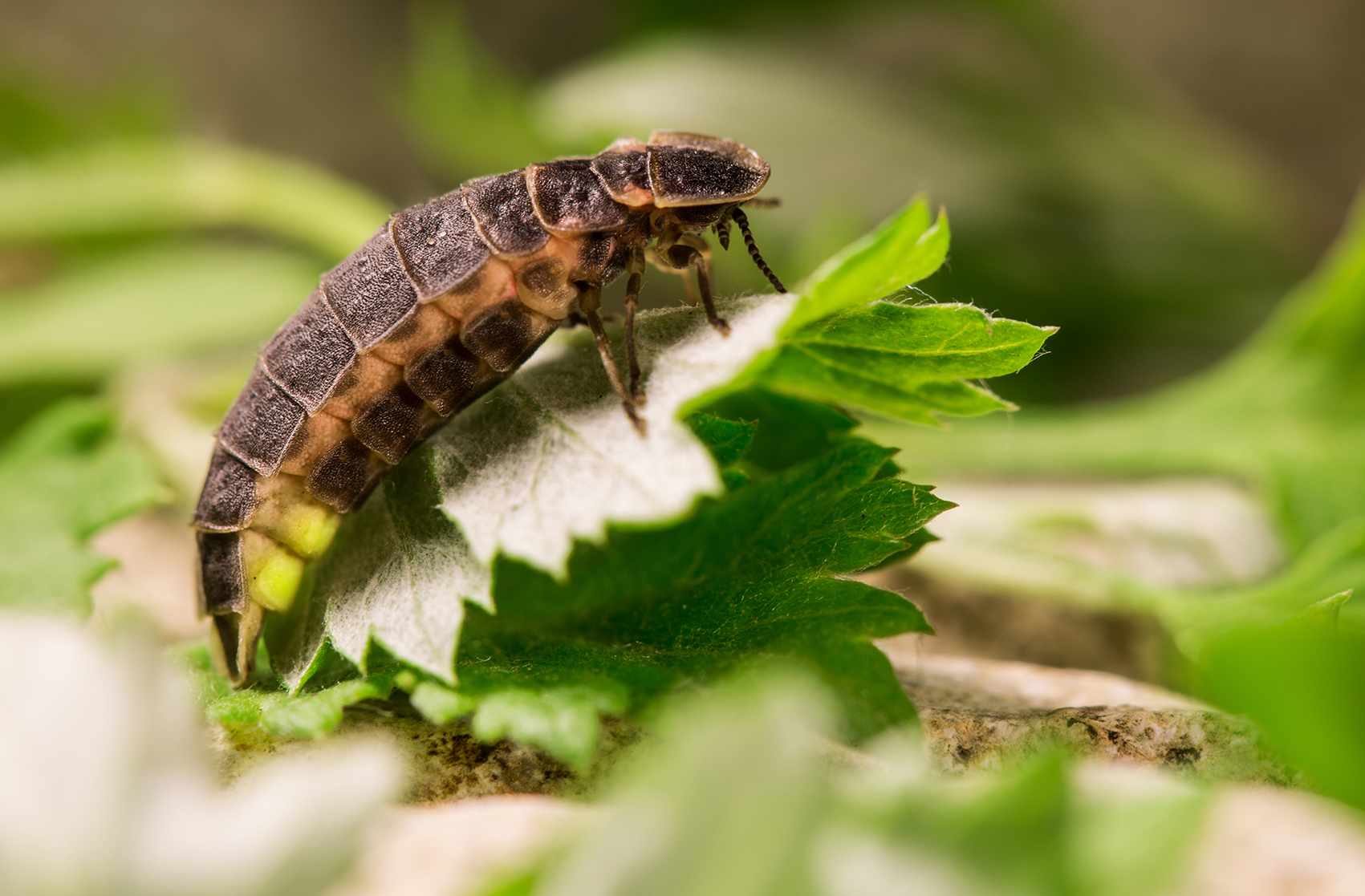
Those summer evening sparks over your lawn begin as fierce little larvae that spend winter underground. Most firefly species overwinter as larvae in soil or leaf litter, hunting snails and slugs during warmer seasons.
Firefly larvae can glow too, which is why some people call them glowworms when they spot them near the ground. Their larval stage can last a year or more, so protecting their habitat matters through every season.
Damp, leafy spots suit them best, since larvae need moisture and plenty of soft-bodied prey to grow. A bare, raked lawn treated with chemicals offers very little for them to eat or hide under.
I keep a strip of taller grass and fallen leaves near a shady corner where my yard stays damp longest. Each June, that area flickers brighter than the rest of the neighborhood, and the show costs me nothing.
Lawn pesticides and grub treatments can harm firefly larvae, since they live in the same soil layer as targeted pests. Cutting back on those products helps fireflies along with many other helpful soil creatures in your yard.
Outdoor lights matter as well, because fireflies use flashes to find mates during warm summer nights. Turning off porch lights or using motion sensors gives adults a better chance to spot each other in the dark.
Fireflies are a favorite memory for many people who grew up chasing them across backyards on long summer evenings. Saving a damp, leafy corner today might bring those twinkling nights back to your own yard next year.
8. Bare Soil Patches Welcome Ground Nesting Bees
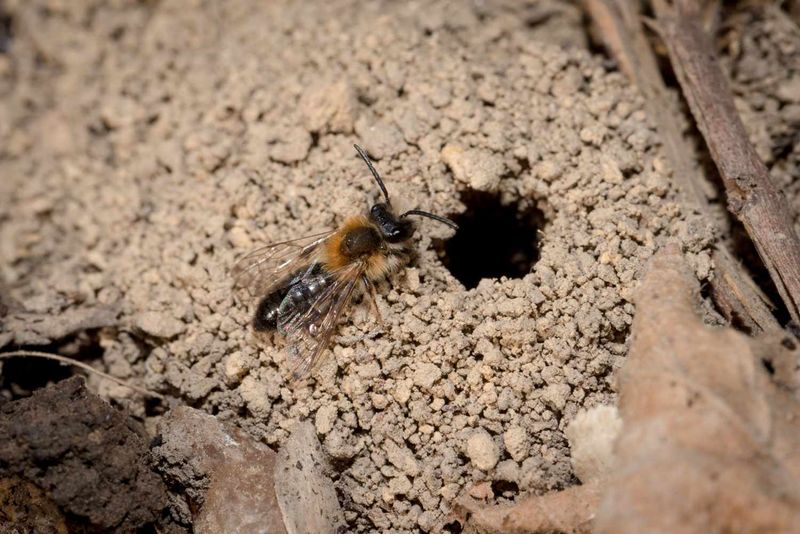
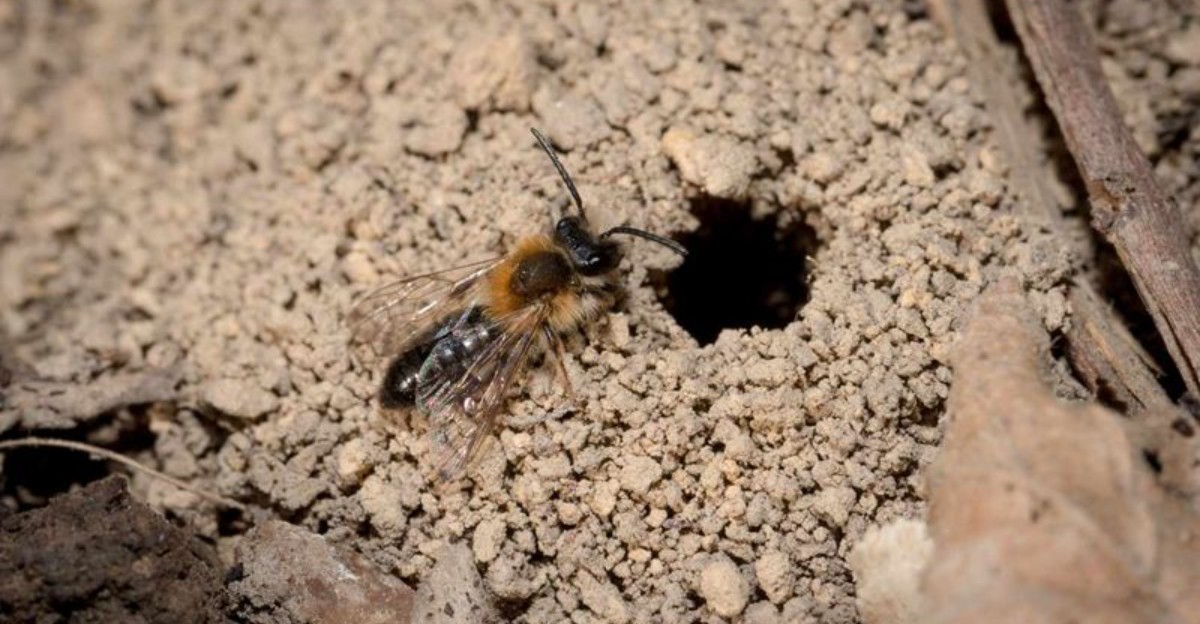
Roughly seventy percent of native bee species nest in the ground, not in hives or fancy wooden bee houses. Mining bees and sweat bees dig narrow tunnels into bare soil, and their young often overwinter down there.
Thick wood mulch and landscape fabric block those bees from reaching the soil they need for nesting. A tidy bed covered edge to edge can quietly push them out without anyone noticing a thing.
Leaving a few sunny patches of bare, well-drained soil gives these bees plenty of room to dig. Sandy or loamy spots on a gentle slope work especially well, because water drains away instead of flooding tunnels.
I left an unmulched strip along my vegetable garden, and tiny mounds of soil appeared there by late April. Each mound marked a nest entrance, with small bees zipping in and out on warm afternoons.
Ground-nesting bees are mostly mild-mannered and rarely sting, since females have no hive to defend from intruders. Kids can watch them safely from a short distance, which makes a fun backyard science lesson each spring.
Avoid tilling or digging in those patches during winter and early spring, since young bees rest just below the surface. Mark the area with a few stones so you remember where your quiet tenants live.
Many Nebraska soils already suit ground nesters well, so you usually just need to pull back mulch and leave it alone. Few garden projects are this easy, and the payoff includes better pollination for your fruits and vegetables.