The Winter Mistake That Can Leave Georgia Gardenias Without Flowers Next Summer
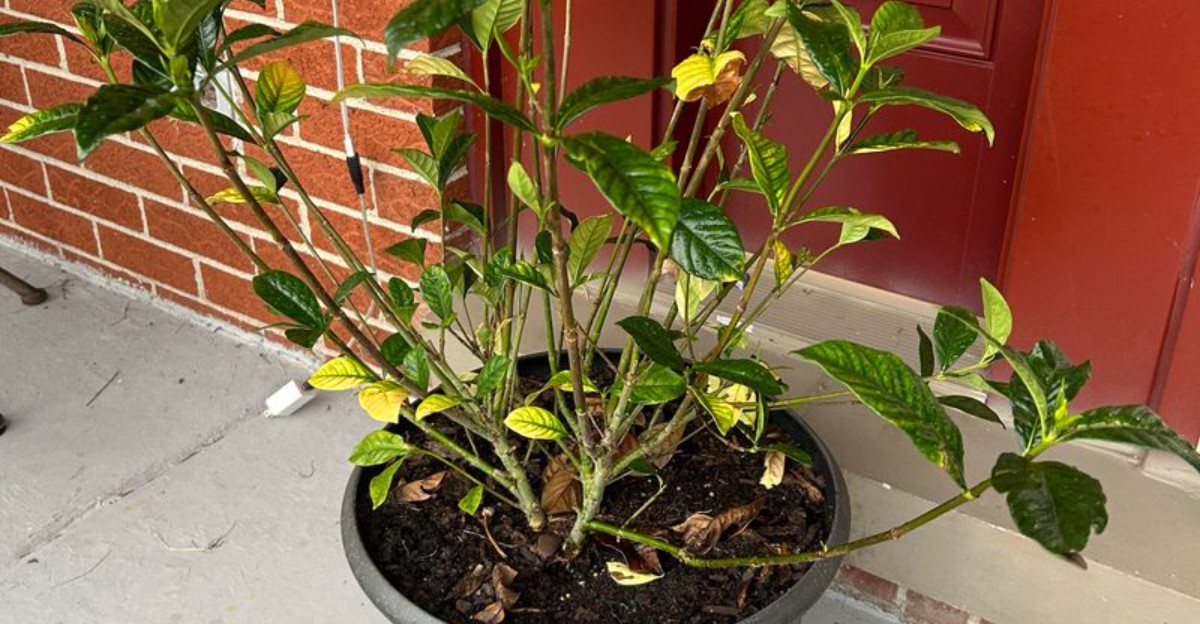
Some of the creamy summer blossoms you crave next June may already be developing on the branches right now, tucked into tiny buds. Most folks walk right past them all winter without a second glance.
I find that both wonderful and a little nerve-racking. A shrub that plans its party months ahead is trusting you not to spoil the surprise.
One afternoon with the wrong tool in your hand can undo a whole season of quiet preparation.
Here in Georgia, mild winter days tempt gardeners outside to tidy up. You see a lanky branch, you feel productive, and you snip.
It feels like good housekeeping at the time.
Then summer arrives with glossy green leaves and almost no perfume. Plenty of gardeners blame the weather, the soil, or bad luck.
What if the real answer was hiding in your own garage, waiting on a hook?
1. Those Tiny Gardenia Buds Are Already Holding Next Summer’s Show
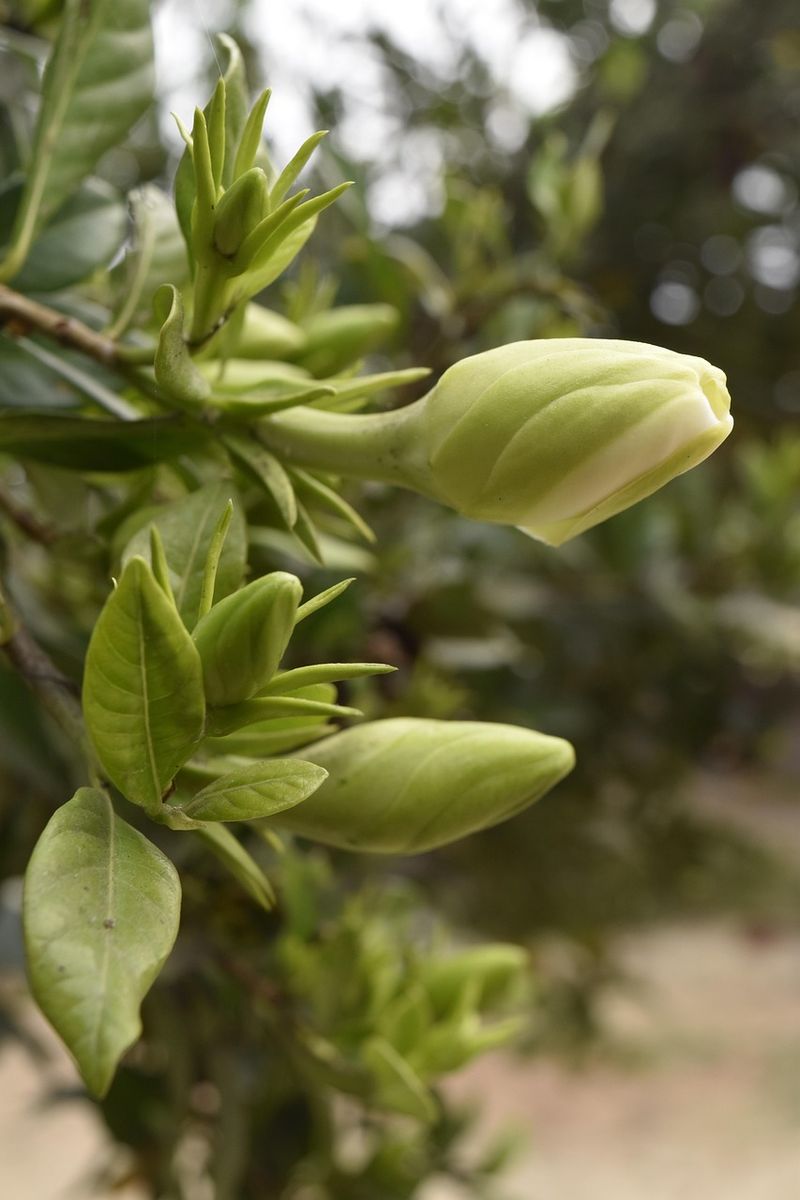
Peek closely at a gardenia branch tip in January and you may spot a small, pointed green bud. That little nub is next summer’s flower, already formed and waiting.
Common gardenias, Gardenia jasminoides, set most of their flower buds in late summer and fall. University of Georgia Extension and other Southern horticulture sources agree that the main early summer bloom comes from buds made on the previous season’s growth.
In other words, the shrub finishes its homework well before winter starts.
I love how sneaky that is. The plant looks quiet and plain all winter, but it is holding a full load of blossoms in reserve.
Those buds sit through cold snaps, rainy weeks, and short days, simply waiting for warmth.
Knowing this changes how you treat the shrub between November and March. Every branch tip matters because many of them carry a bud.
If you remove those tips, you remove the flowers too.
Some reblooming types, like ‘August Beauty’ or ‘Jubilation’, can add flowers on newer growth later in the season. Even with those varieties, the biggest and most fragrant show usually depends on buds set the year before.
Guarding them now pays off in June.
2. Pruning Shears In Winter Are The Real Gardenia Bloom Thief
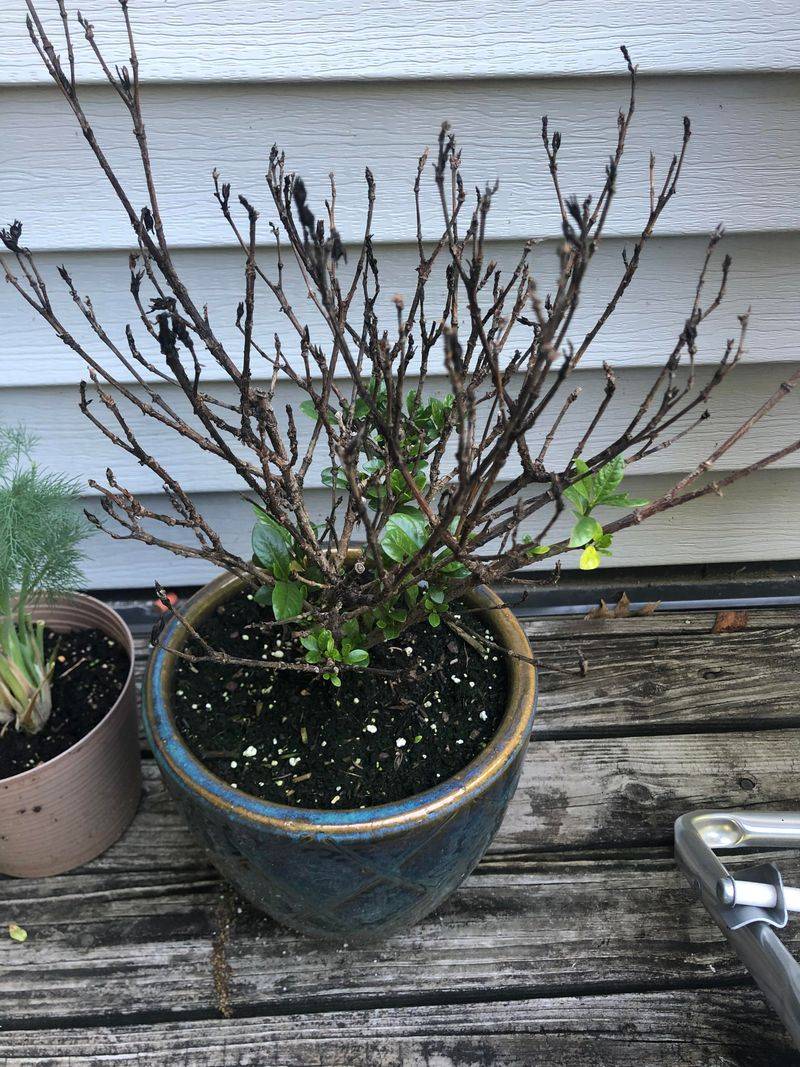
Winter pruning is the mistake behind most bloomless gardenias. It sounds almost too simple, yet it is the explanation extension experts and longtime Southern gardeners point to again and again.
When you shape a gardenia in fall, winter, or early spring, you cut off the branch tips. Those tips are exactly where the flower buds are waiting.
The shrub may look neat afterward, but most of its summer blossoms just landed in your yard waste bag.
Personally, I get the temptation. A warm February afternoon in Georgia practically begs you to go outside and tidy something.
Gardenias that have grown into the walkway or over a window feel like an easy target.
Hard cuts also cause another problem. Pruning can push out tender new shoots, and those soft leaves are easily hurt by a late cold snap.
So you lose buds and risk frost-burned growth in one move.
If a branch is broken, diseased, or clearly in the way, you can remove that single stem anytime. That kind of small fix is fine.
Just put the shears away for any overall shaping until the flowers have had their turn next summer.
3. Shape Your Gardenia Bushes Right After The Flowers Fade
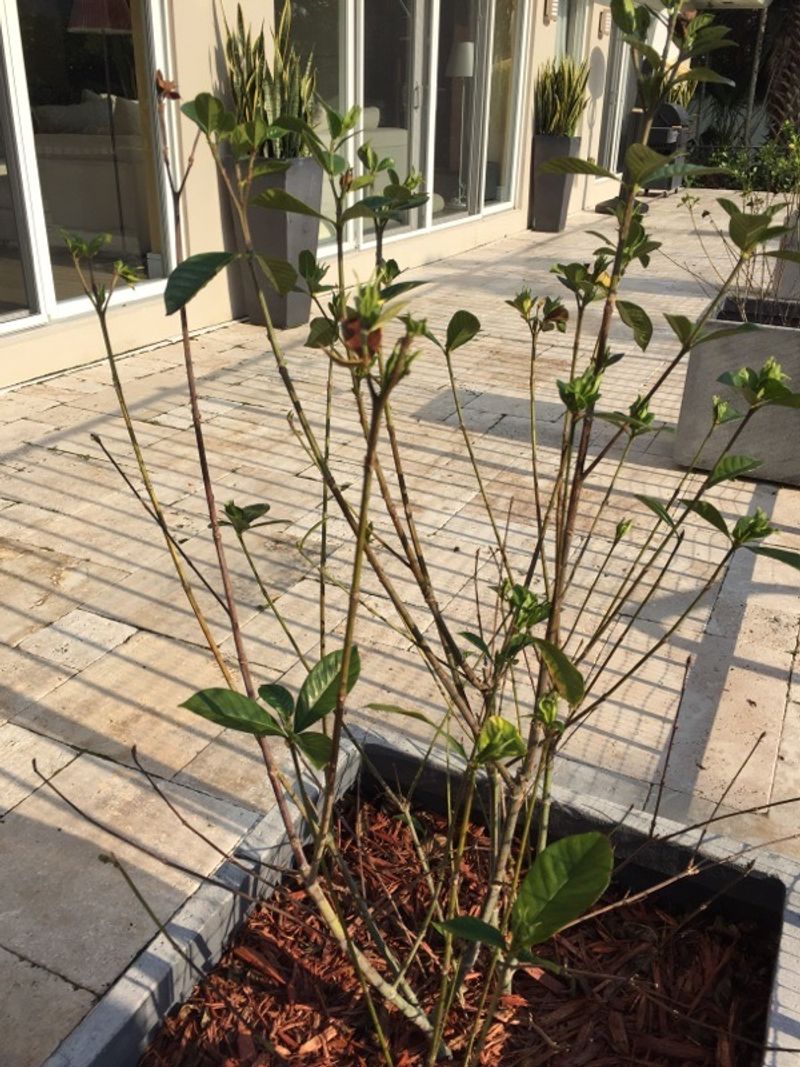
Timing is the whole secret here. The best moment to prune a gardenia is shortly after its main flush of blooms fades, which in most of Georgia lands somewhere in June or early July.
At that point, the shrub has finished its big show and has not yet started forming next year’s buds. You can trim long stems, reduce size, and shape the plant without losing future flowers.
It is a tidy little window, and it works beautifully.
Try to finish any real shaping by late July or early August. After that, the plant begins setting buds again, and cuts made later can repeat the same winter mistake in a different season.
South Georgia gardeners may have a bit more wiggle room, while the cooler north often runs a touch earlier.
Snipping off browned, spent blossoms is a different story. That light deadheading keeps the shrub looking fresh and can be done whenever flowers fade.
A handy trick is to mark your calendar for the week your gardenia’s blooms drop off. Make that your pruning date every year.
Your future self will thank you when the fragrance returns right on schedule.
4. A Hard Freeze Can Blacken Gardenia Leaves And Buds
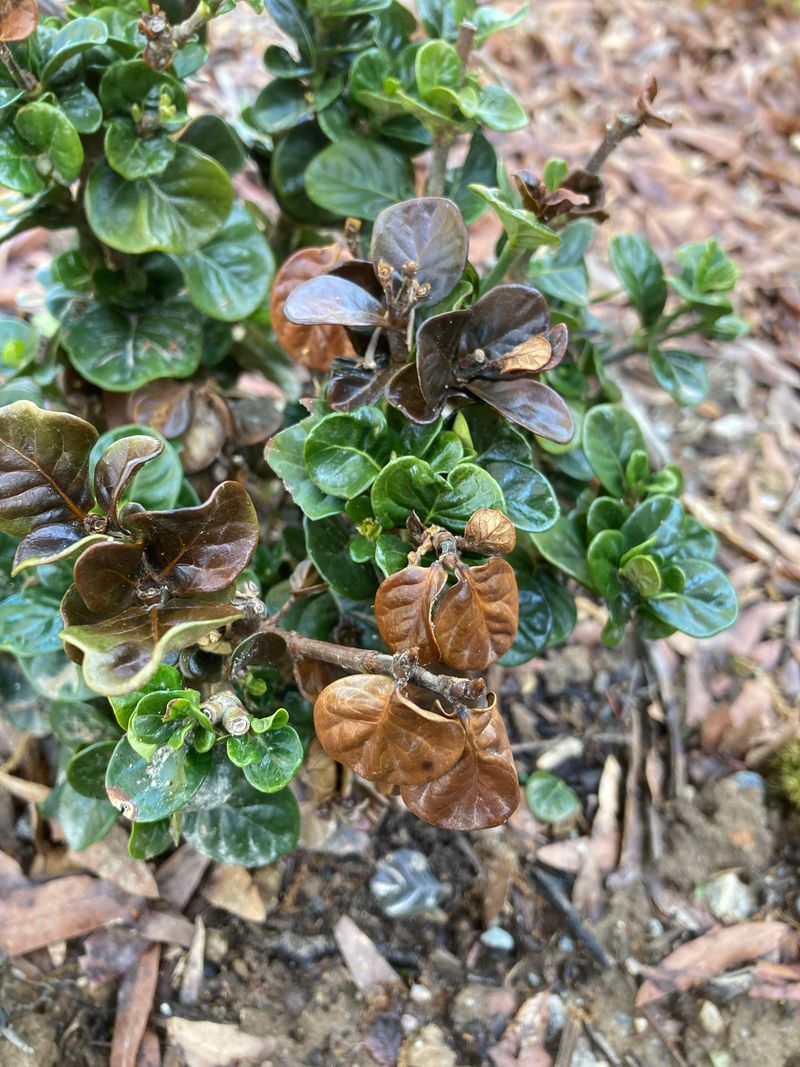
Cold weather is the second big reason gardenias skip their summer show. Shears get the most blame, but an icy January night can do real harm too.
Most common gardenias are rated for USDA zones 8 through 11, and Georgia covers zones 7a through 9b.
That means gardeners in the northern part of the state are growing these shrubs at the edge of their comfort zone. A hard freeze in the teens can brown or blacken leaves and damage the buds sitting at the tips.
You may not notice the bud damage right away. Many gardeners only realize something went wrong in spring, when buds turn brown and drop or simply fail to open.
Cold-hardy cultivars help a lot in chilly spots. ‘Kleim’s Hardy’, ‘Frost Proof’, and ‘Chuck Hayes’ are often recommended for colder parts of the South.
Planting location matters as well. A spot near a south or east-facing wall, sheltered from harsh winter wind, can stay a few degrees warmer.
I believe that one smart placement choice saves more blooms than any amount of last-minute rescue work during a cold snap.
5. Frost Cloth And Mulch Can Protect Gardenia Shrubs On Cold Nights
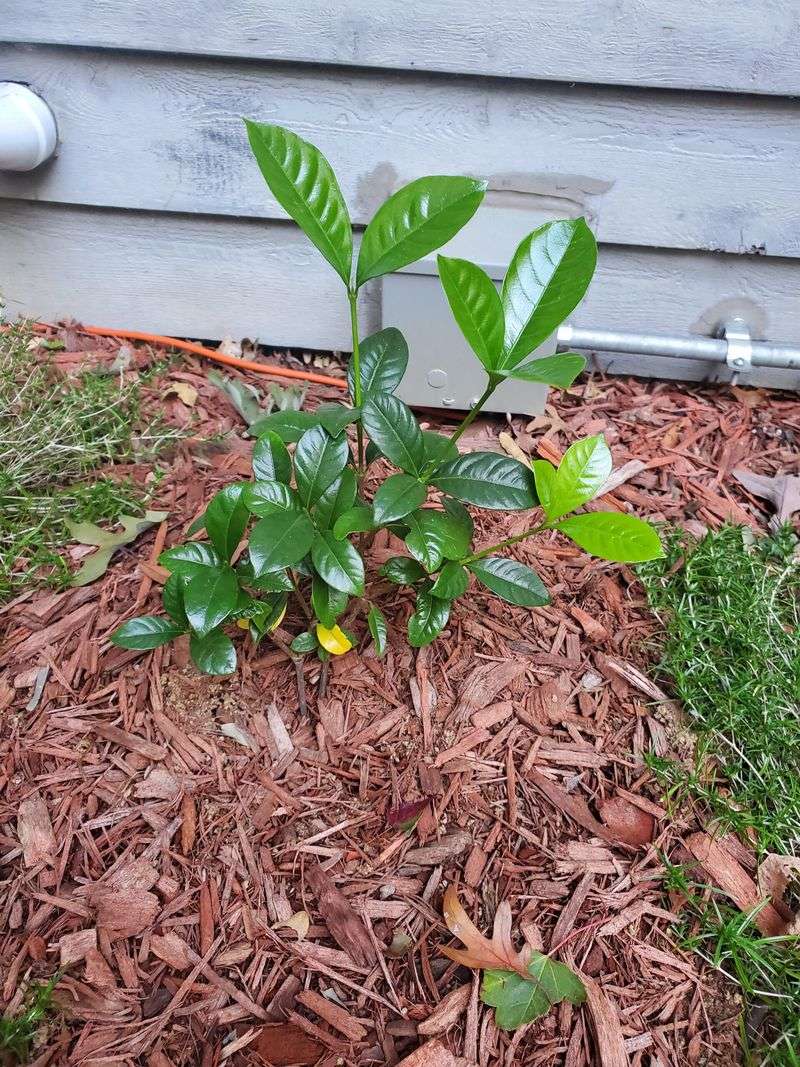
A forecast dipping into the low 20s or teens is your signal to act. Covering a gardenia takes only a few minutes and can make a real difference for those waiting buds.
Use breathable frost cloth, an old sheet, or a light blanket. Drape it so it reaches the ground, because the soil releases stored warmth overnight and the cover traps it around the plant.
Avoid plastic touching the leaves, since it can transfer cold right through.
Take the cover off once temperatures climb the next morning. Leaving it on during a sunny day can overheat the shrub and trap too much moisture.
Mulch is your steady, everyday helper. A two to three inch layer of pine straw or shredded bark keeps roots cozier and holds moisture.
Keep it a few inches away from the main stems to discourage rot.
Watering before a freeze is another smart step if the soil is dry. Moist soil holds heat better than dusty, dry ground.
Container gardenias are easier still. Simply roll the pots into a garage or against the house when a cold front rolls through, then bring them back out afterward.
6. Late Fertilizer Can Push Gardenia Leaves Instead Of Flowers
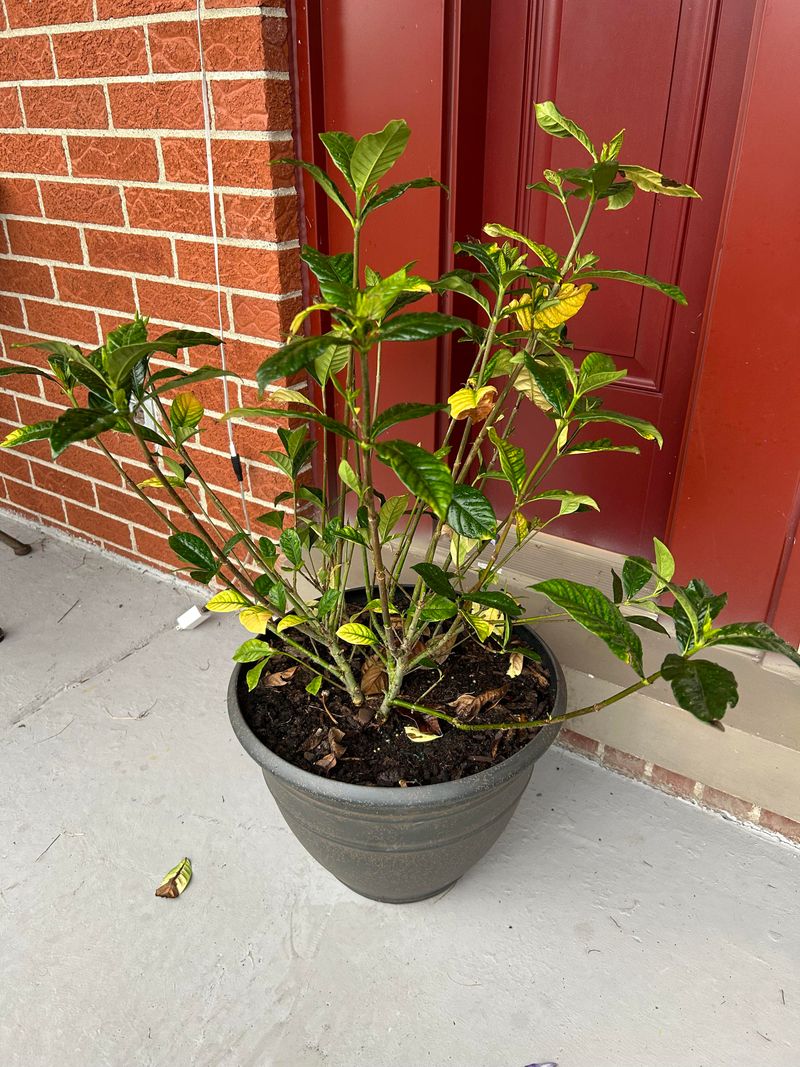
Feeding feels like kindness, yet a bag of fertilizer at the wrong moment can quietly work against your blooms. Gardenias are hungry plants, but timing changes everything.
A fertilizer made for acid-loving plants, like those sold for azaleas and camellias, suits gardenias well. Apply it in spring as growth begins, then again lightly in early summer if needed.
Always follow the label rate.
Skip feeding from late summer through winter. Extra nitrogen late in the season can push soft, leafy growth that is easy prey for frost, and it may pull energy away from bud development.
Soil acidity matters just as much as fertilizer. Gardenias like a pH roughly between 5.0 and 6.5.
Above that range, they struggle to take up iron, and the leaves turn yellow between green veins.
A soil test through your county UGA Extension office is inexpensive and takes the guesswork out. It tells you your pH and what nutrients are actually missing.
You might be surprised to learn your soil needs very little, which saves money and keeps the shrub focused on flowering rather than piling on leaves.
7. Steady Water And Morning Sun Keep Gardenia Buds From Dropping
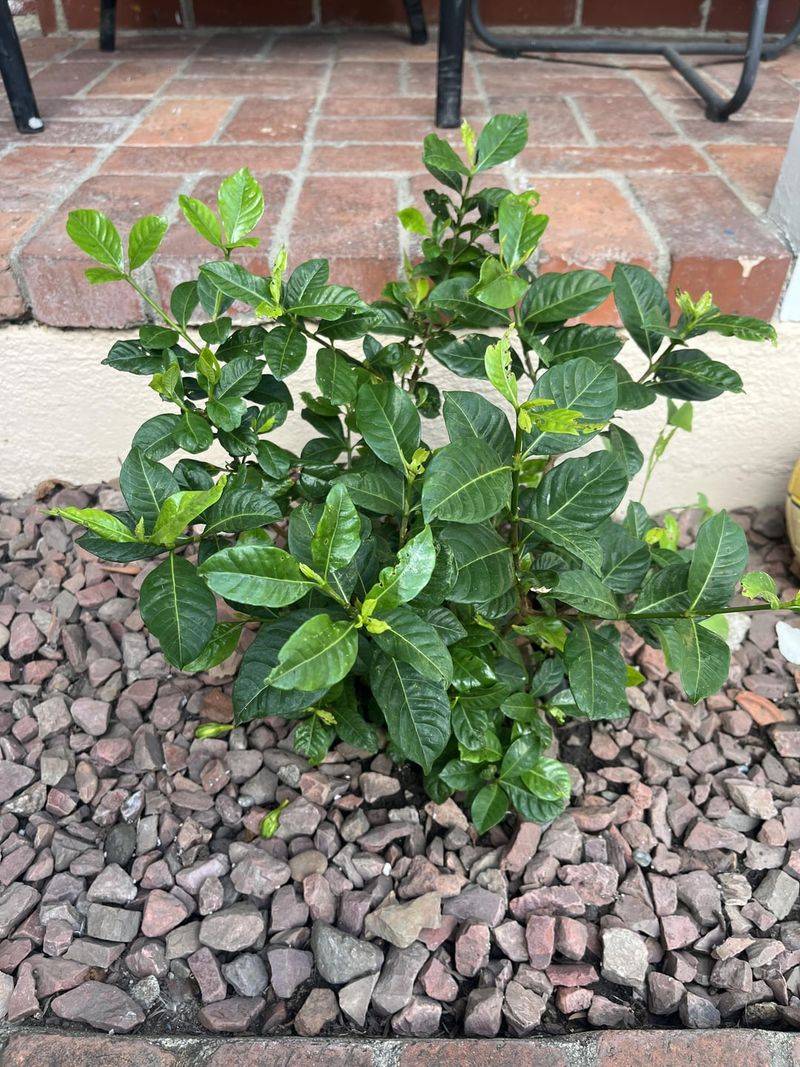
Bud drop can feel like heartbreak. You protect the shrub all winter, buds swell in spring, and then they fall to the ground unopened.
Uneven watering is a common trigger. Gardenias like soil that stays evenly moist but never soggy.
Long dry spells followed by heavy soakings stress the plant, and buds are often the first thing it lets go.
About an inch of water each week works well, more during hot Georgia summers. A soaker hose or drip line keeps moisture steady and leaves dry, which also helps reduce leaf problems.
Light plays a big role too. Morning sun with some afternoon shade suits most gardenias across the state.
Too much shade means fewer flowers, while harsh all-day sun can scorch leaves and stress buds.
Pests deserve a quick glance as well. Aphids, whiteflies, and scale can weaken plants and leave behind sticky honeydew and sooty mold.
Insecticidal soap or horticultural oil handles most cases.
Put it all together and your plan is simple. Prune right after summer flowers, guard against hard freezes, feed in spring, and water steadily.
Follow that rhythm, and next summer’s fragrance should drift across your yard again.