8 California Native Plants to Plant in Winter for Spring Blooms
In spring, the Antelope Valley poppy reserve can glow so orange that visitors spot it from the highway. That show starts months earlier, when winter rains soak tiny seeds hidden in dry California soil.
Many native plants, in our gardens and across the wild hills, do their real root work during the cool, wet months, long before a single bud opens.
It’s remarkable that a shrub planted on a rainy December day can need almost no summer water later on. You handle the easy part, while winter storms take care of most of the watering, no bill attached.
Why wait until April to shop when the smartest California gardeners are digging holes right now? These eight natives are ready for your shovel, and a few of them might surprise you.
1. California Poppy
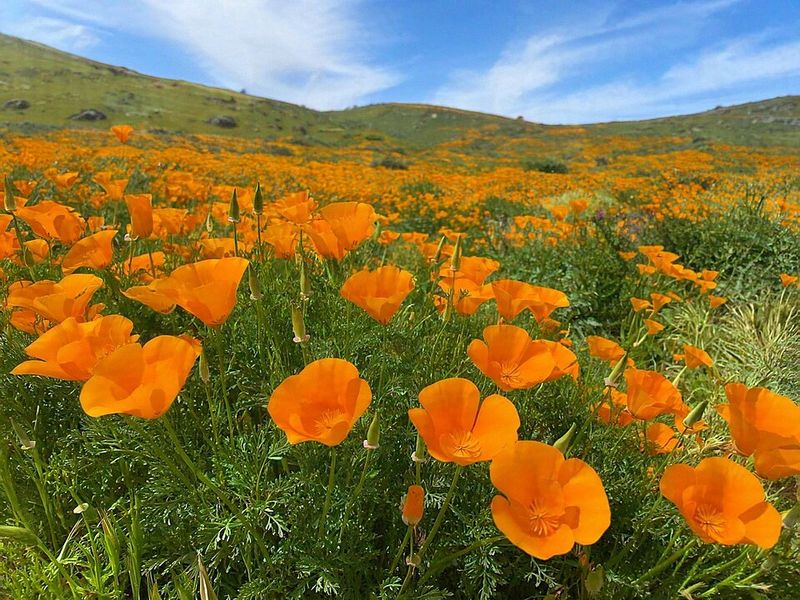
Our official state flower has a funny habit of folding its petals shut every evening and on gloomy days. I love checking on mine at sunrise, when the silky orange cups slowly open like tiny umbrellas.
Eschscholzia californica grows easily from seed, and winter is the best time to scatter it across bare ground. The seeds need light to sprout, so just press them gently into the soil instead of burying them.
Full sun keeps these plants happy, and they handle sandy or rocky soil better than rich garden beds. Honestly, pampering them with fertilizer often gives you floppy leaves and fewer flowers, so a little neglect works nicely.
Winter rain usually handles watering, though you can sprinkle the area during long dry stretches before sprouts appear. Seedlings show up in a few weeks, forming soft clumps of feathery blue-green leaves about a foot tall.
Bloom time often kicks off in late winter and peaks in spring, with scattered flowers lasting into summer. Bees roll around inside the open cups, collecting pollen, and you can watch them for a surprisingly long time.
One tip I learned the hard way is that poppies hate being moved once their long taproots form. Sow seeds right where you want flowers, and thin crowded seedlings rather than trying to transplant them later.
Let a few pods dry and split open at the end of the season for next year’s crop. Your patch will often reseed by itself, spreading that cheerful orange glow a little farther each spring.
2. Arroyo Lupine
After a rain shower, the round leaves of Arroyo lupine hold shiny water droplets like little silver marbles. You might catch yourself crouching in the garden just to watch those drops roll around in the breeze.
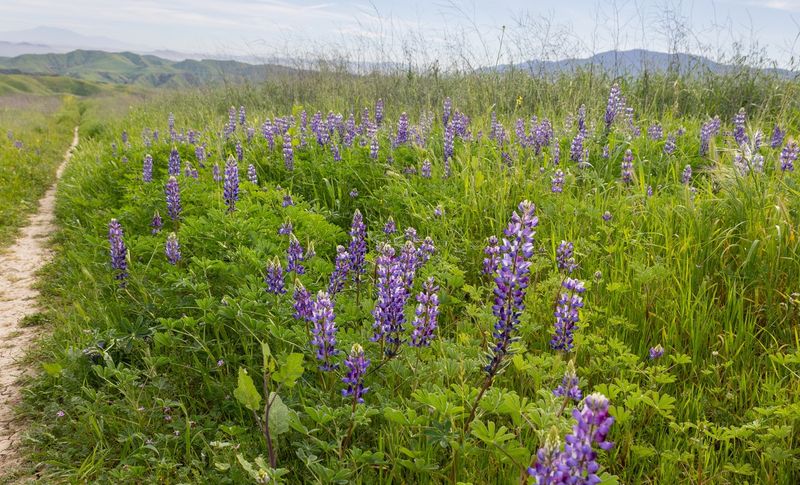
Lupinus succulentus is a fast annual that can reach two to four feet tall in a single season. Its tall spikes of purple flowers, marked with white or pinkish spots, look fancy without any fussing from you.
Hard seed coats slow sprouting, so I nick each seed with a nail file or soak it overnight first. Sow them directly in the ground during early winter, about a half inch deep, ahead of a rain if possible.
Keep the soil moist while seedlings settle in, then let winter weather take over most of the watering duties. Full sun suits them best, though a bit of afternoon shade helps in hotter inland gardens.
Flowers usually appear from late winter into spring, and bumblebees go wild for them. You’ll notice heavy bees pushing open the petals, which is a fun little show for kids to spot.
Like other lupines, this plant hosts root bacteria that pull nitrogen from the air into the soil. That makes it a helpful neighbor for later plantings, especially in tired or sandy ground.
Please keep in mind that lupine seeds and pods are toxic if eaten by people or pets. Plant them away from curious dogs, and teach little ones that these pretty pods are for looking only.
3. Concha Ceanothus
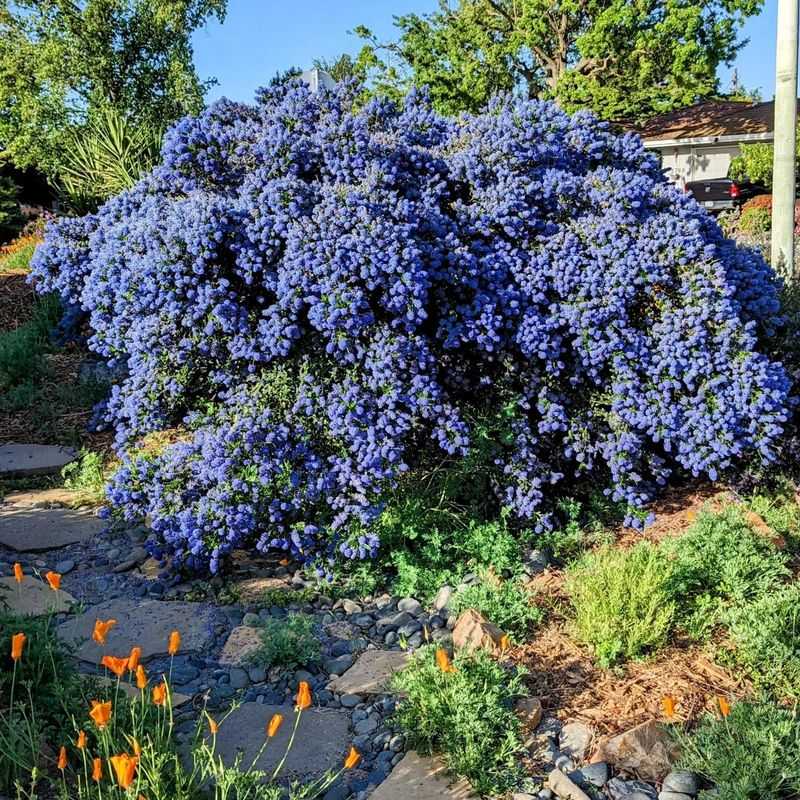
Few shrubs can stop traffic, but a Concha ceanothus in full bloom honestly makes neighbors slow down on the sidewalk. Its flowers open into clusters of deep cobalt blue from reddish buds, creating a rich two-tone look.
Often called wild lilac, this hybrid has arching branches dressed in small, glossy, dark green leaves all year. Most plants grow roughly six feet tall and wider than that, so give yours plenty of elbow room.
Winter is a smart planting window, since cool rain helps new roots spread before the heat returns. Choose a sunny spot with soil that drains well, because soggy ground causes many ceanothus plants to struggle.
Concha has a reputation for handling heavier soil better than many of its cousins, which I appreciate. Still, I’d plant it on a slight mound if your yard holds puddles after a big storm.
Water deeply but infrequently during its first year, then pull back once summer arrives in later seasons. Established plants generally prefer dry summers, and frequent sprinklers can shorten their lives quite a bit.
Spring is the big moment, when bees and other pollinators cover the shrub so thickly it seems to hum. I like planting it near a window, so you can enjoy that buzzing blue cloud from indoors.
Skip heavy pruning, since cutting into old bare wood rarely leads to fresh growth. Light shaping right after flowering keeps it tidy, and the shrub will reward you with another bold show next spring.
4. Howard McMinn Manzanita
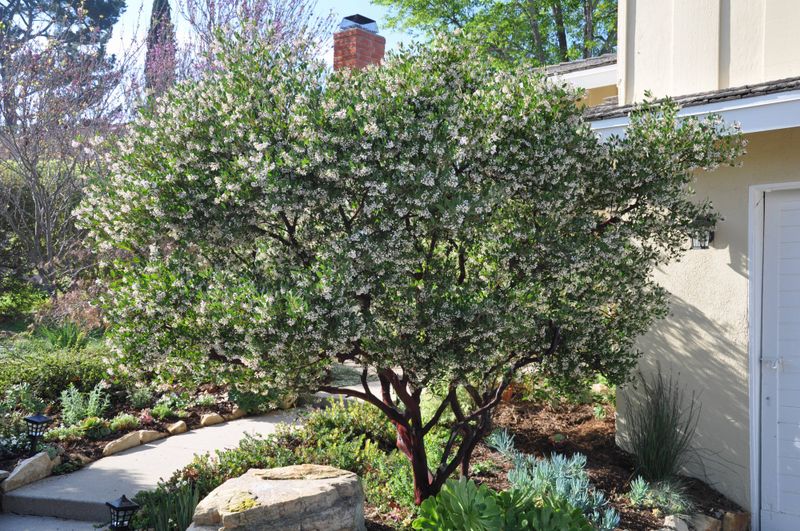
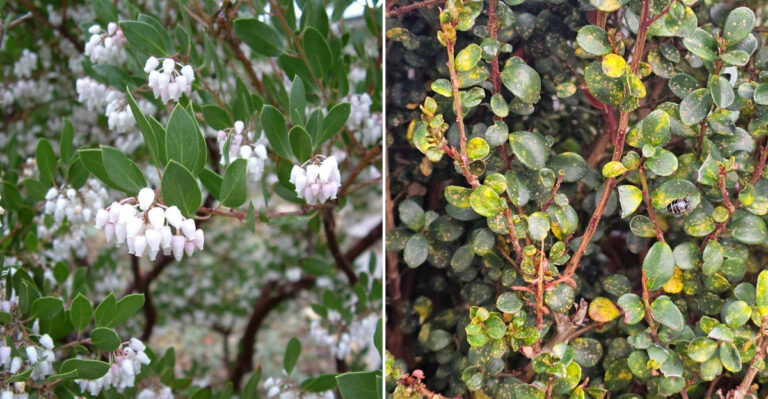
Run your hand along a manzanita branch and you’ll swear it was polished like fine furniture. That smooth, mahogany-red bark twists in such graceful shapes that many gardeners treat this shrub like living sculpture.
Howard McMinn is a popular selection of Arctostaphylos densiflora, prized for being more forgiving than many wild manzanitas. It usually grows around four to six feet tall and spreads wider, making a dense, rounded evergreen mound.
Planting during the cool months lets roots settle in before summer heat arrives for the first time. Pick a spot with good drainage, and skip the compost, since manzanitas prefer lean, native-style soil.
Full sun works well near the coast, while some afternoon shade helps in hot inland valleys. Water new plants occasionally during dry spells in their first year, then taper off as they mature.
Clusters of tiny pink-blushed white flowers appear in late winter, hanging like miniature lanterns along the branches. Hummingbirds visit them early in the season, when few other nectar sources are open for business.
Later, small berries form that look a bit like tiny apples, which explains the Spanish name meaning little apple. Birds and other wildlife snack on them, so you’ll enjoy extra visitors after the flowers fade.
My favorite tip is pruning lower branches to reveal that gorgeous bark, but only during summer’s dry weather. Pruning in wet months can invite fungal problems, so patience pays off with this beauty.
5. Baby Blue Eyes
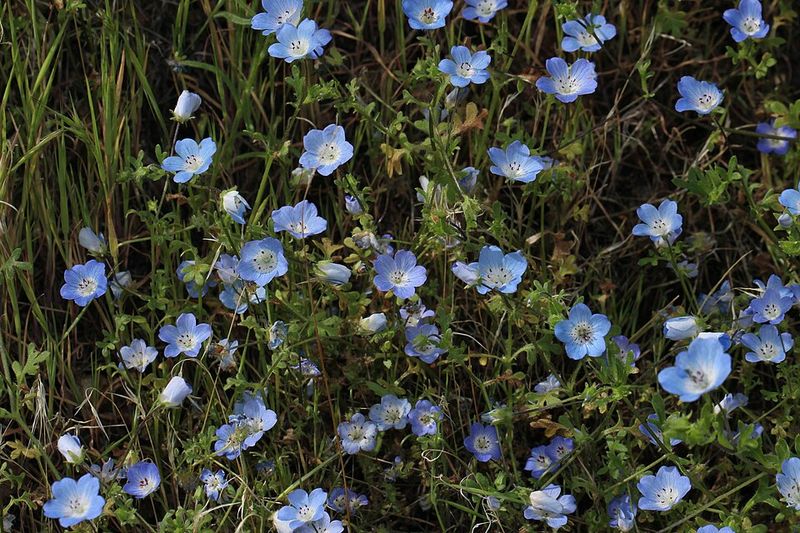
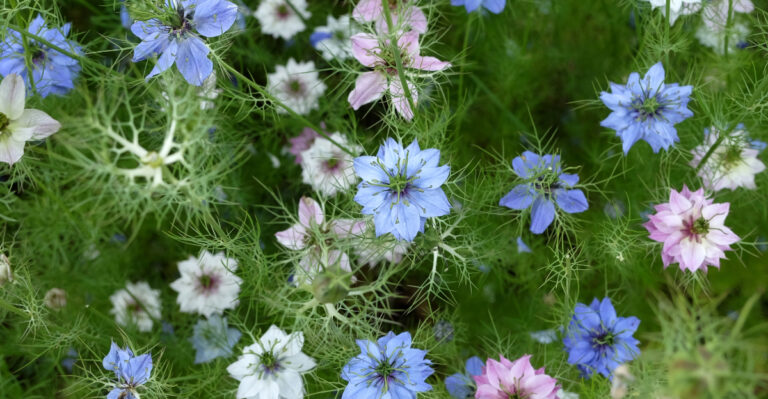
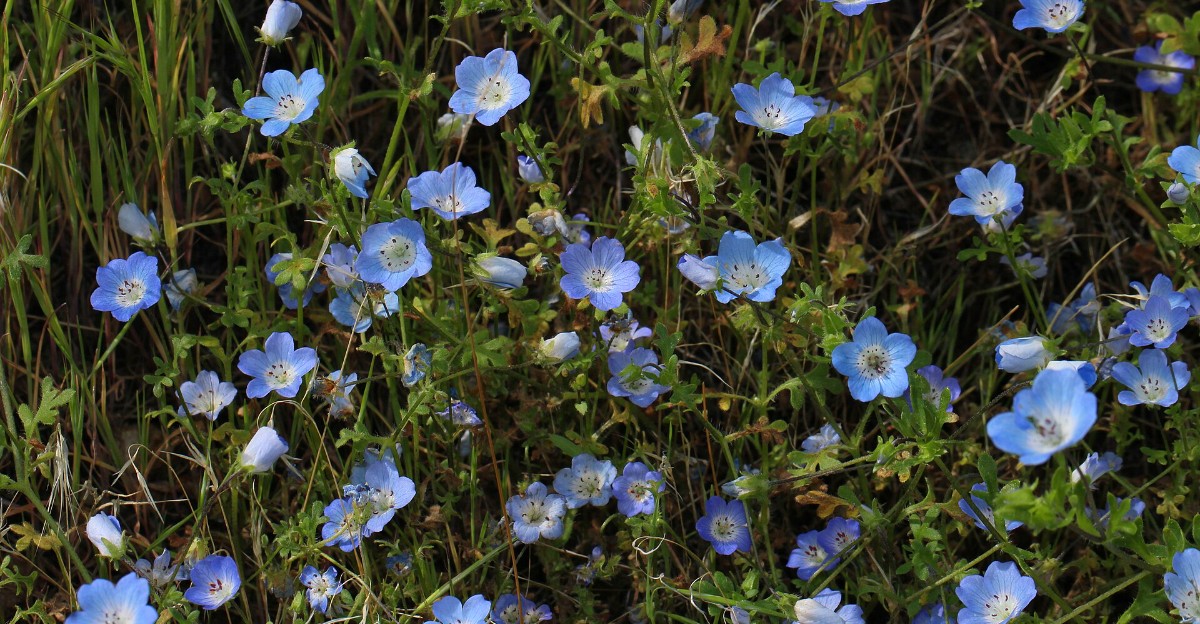
Kids usually spot these flowers first, probably because each bloom looks like a tiny sky-blue saucer staring back at them. The white centers make the blue pop even brighter, almost like someone painted them with a careful brush.
Nemophila menziesii is a low, sprawling annual that typically stays under a foot tall. Its soft, lacy leaves spill over edges nicely, so I love tucking it along paths and in front of taller plants.
Scatter seeds in fall or winter on loose soil, then rake them in lightly or simply press them down. They sprout with cool weather and rain, which is exactly what our wet season usually provides.
Give them full sun near the coast or a little afternoon shade where spring days turn warm. Steady moisture helps during their growing season, but soggy, puddled soil can cause seedlings to rot.
Flowers start showing up in late winter or early spring, depending on where you live and the weather. Native bees and hoverflies visit the open cups, and hoverfly larvae happily munch aphids in your garden.
I like mixing these with orange poppies, since blue and orange make such a cheerful pair in spring. The colors look like a sunny afternoon, and the two plants enjoy similar winter sowing schedules.
Once blooms fade and the weather heats up, the plants wither and drop seeds for next year. Leave a few in place, and you may find a fresh blue carpet popping up after the next rains.
6. Douglas Iris
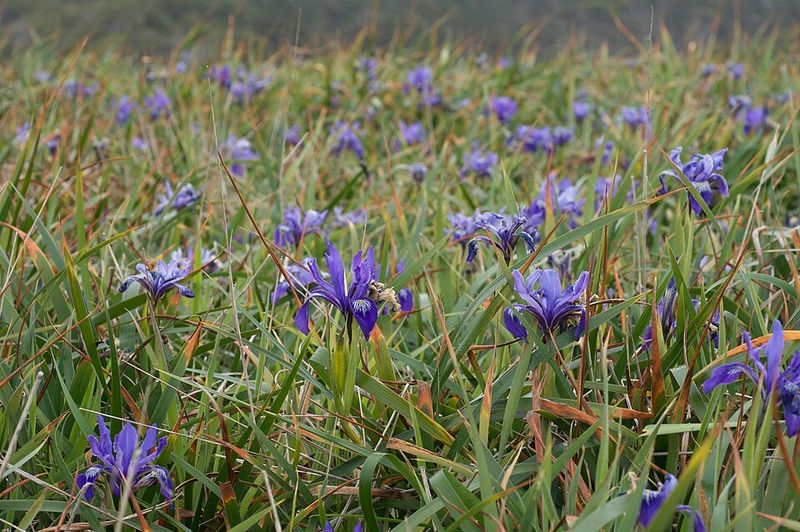
Look closely at a Douglas iris petal and you’ll find delicate veins that resemble tiny watercolor brushstrokes. Each flower seems hand-painted, and no two clumps in my garden have looked exactly alike so far.
Iris douglasiana is native to coastal areas from southern Oregon down through much of our coastline. It forms evergreen clumps of strappy leaves, usually one to two feet tall, with blooms rising just above them.
Fall and winter are ideal planting seasons, because these irises push out new roots when cool rains return. Plant them at the same depth they grew in the pot, and water well to settle the soil.
Coastal gardens can give them plenty of sun, but inland spots call for some afternoon shade. They tolerate many soil types, even some clay, as long as water drains away instead of sitting around.
Spring brings flowers in shades of purple, lavender, cream, or white, depending on the plant’s genes. Bees nudge into the blossoms for nectar, guided by those pretty lines straight toward the center.
Once established, Douglas iris handles summer dryness well, especially under oak trees where watering is discouraged. A little occasional water inland keeps leaves looking fresher, though too much summer moisture can cause rot.
Divide crowded clumps in fall or early winter when new white roots appear. Sharing divisions with friends is one of my favorite garden traditions, and the plants usually bounce back quickly.
7. Blue-Eyed Grass
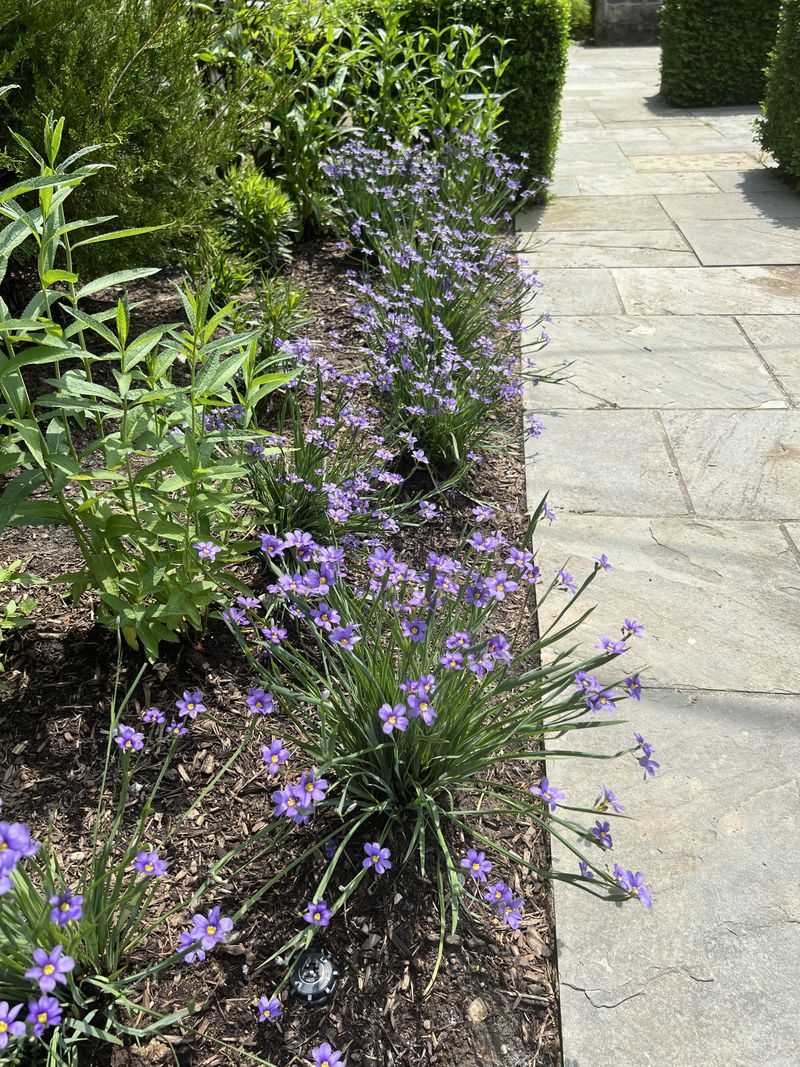
Despite its name and its skinny leaves, blue-eyed grass isn’t a grass at all. It’s actually a tiny member of the iris family, which feels like a fun secret to share with garden visitors.
Sisyrinchium bellum forms neat tufts usually less than a foot and a half tall. In spring, small purple-blue flowers with bright yellow centers pop open on slender stems, like little stars sprinkled across a lawn.
Winter planting from nursery pots works beautifully, letting roots grow while the soil stays cool and damp. Space plants about a foot apart, and they’ll fill gaps between stepping stones or along a sunny border.
Sun to light shade suits this adaptable little perennial, and it handles both sandy and clay soils. Good drainage still helps, especially during wet winters when heavy ground can stay soggy for days.
Each flower lasts about a day, but new ones keep opening over many weeks in spring. Native bees and small butterflies stop by often, so it earns its spot in any pollinator patch.
Summer heat may cause plants to go dormant and turn brown, which is perfectly normal behavior. A splash of water now and then can stretch the green season, though they bounce back with fall rains anyway.
Blue-eyed grass reseeds gently, so you may discover surprise seedlings in nearby cracks and corners. I usually let them stay, because those unexpected blue sparkles make the garden feel wild and friendly.
8. Western Redbud
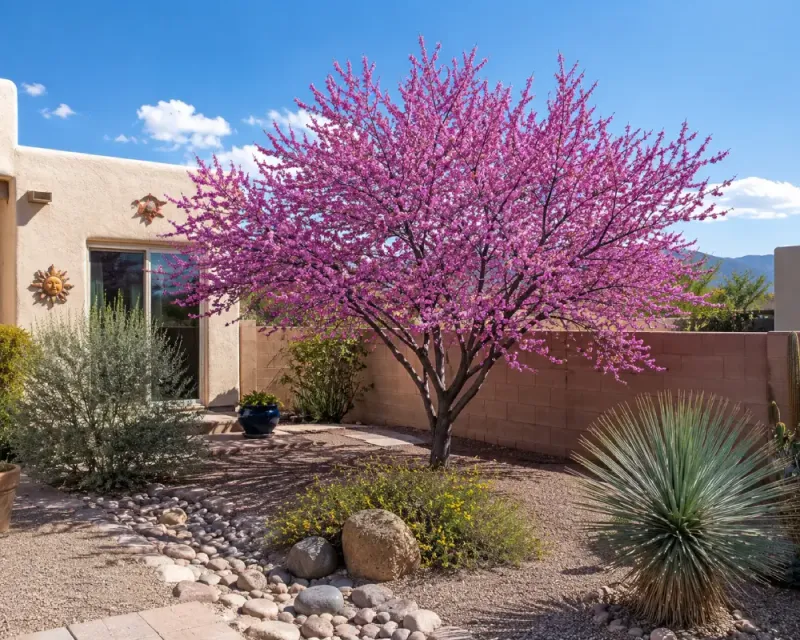
Bright magenta flowers bursting straight from bare branches make western redbud look like it skipped the leafy stage entirely. I’ll admit I drive slower past one in bloom, just to soak up that rosy glow.
Cercis occidentalis is a multi-trunk shrub or small tree, usually ten to twenty feet tall when mature. Heart-shaped leaves arrive after the flowers, starting bluish green and often turning yellow or reddish in autumn.
Winter is a great time to plant one, since dormant trees settle in easily with seasonal rain. Dig a hole as deep as the root ball but twice as wide, then water slowly and deeply.
Full sun brings the best flower show, though light shade works in hot inland locations. Well-drained soil is important, and redbuds generally prefer occasional deep soaks over frequent shallow sprinkles.
Native bees love the pea-shaped blossoms, which usually appear from late winter into spring. Flat seed pods follow, ripening from green to purplish brown and sometimes hanging on into the colder months.
Here’s a fun detail for curious gardeners, since redbud twigs were traditionally used in Native American basket weaving. Some tribes pruned plants on purpose to encourage long, straight shoots with that lovely reddish bark.
Many people find redbud flowers more abundant in areas with chilly winter nights. Mild coastal gardens can still grow them, but bloom may be lighter, so inland yards often enjoy the biggest spring display.