The Worst Time Maryland Gardens Get Watered And 10 Tips To Change That
Most gardeners think watering is foolproof. Point the hose, soak the soil, walk away. But ask any seasoned Maryland grower and they’ll tell you a different story.
The clock matters just as much as the water itself. Douse your beds under a blazing noon sun and half that moisture evaporates before roots ever touch it.
Wait until dusk instead, and you’re creating conditions favorable to fungus, mildew, and every soil-borne problem that thrives in damp darkness overnight.
Maryland’s humid summers make this mistake even costlier, turning a simple watering can into a common cause of root rot and wilted leaves.
The fix isn’t complicated, but it does require breaking a habit most people never question. Nail the right window, and your garden stops struggling and starts thriving. Maryland soil has plenty to give; it just needs water delivered on its terms, not yours.
Midday Sun Evaporates Water Before Roots Absorb It
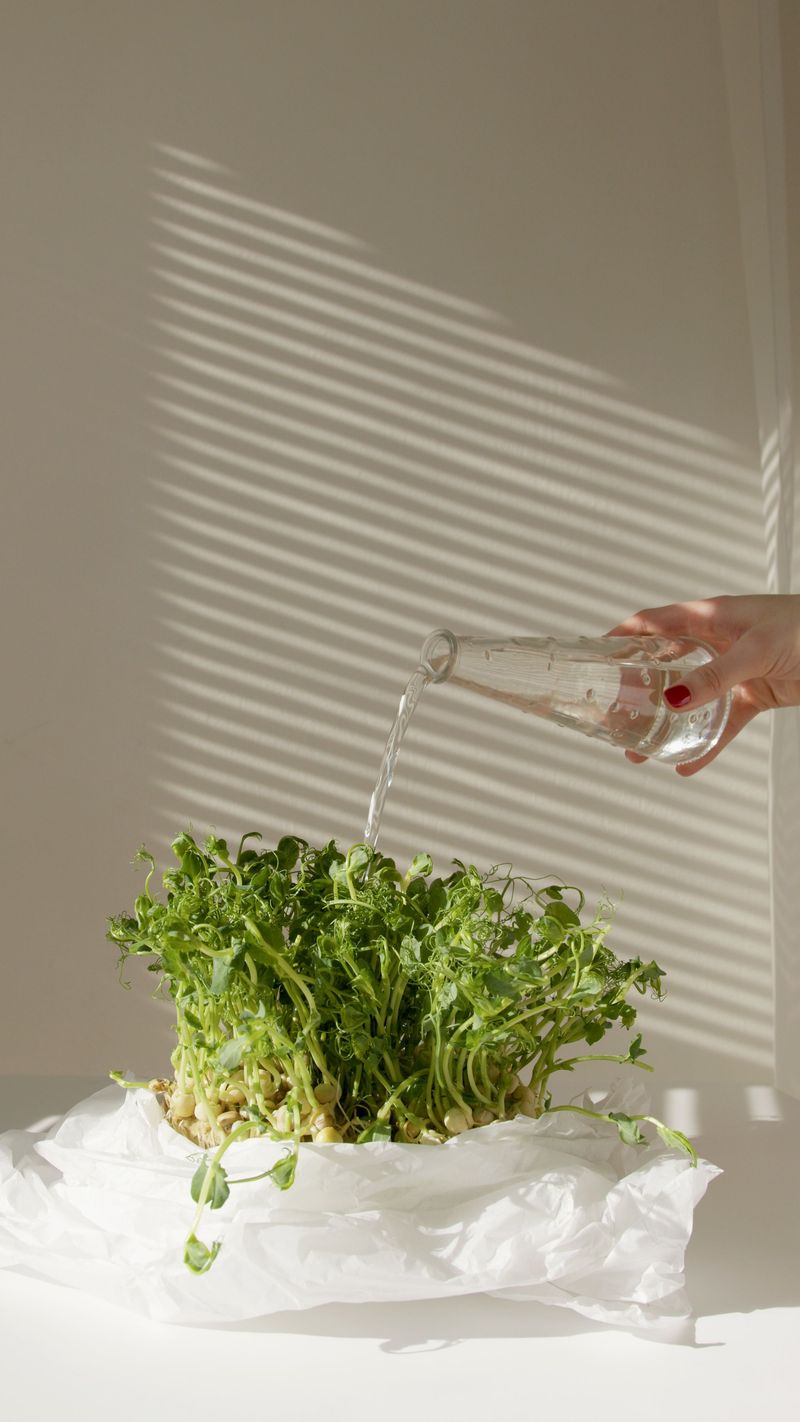
Noon is the enemy of a good soak. When the sun is highest, soil temperatures spike fast. Water hits the ground and vanishes before roots ever get a sip.
You end up wasting water and leaving plants thirsty in the worst heat of the day. One of the worst times to water Maryland gardens is right around midday.
Temperatures between 11am and 2pm can often reach into the upper 80s and 90s during Maryland summers.
Evaporation rates skyrocket under those conditions. A full watering can disappear in minutes without reaching the root zone where it matters.
Plants stressed by heat also absorb moisture less efficiently. Their stomata close up to prevent moisture loss, which blocks intake.
Skipping the midday window saves water and protects your plants from added stress. Shift your schedule even slightly, and you will notice a real difference in how your garden looks and feels.
Evening Watering Invites Fungal Disease Overnight
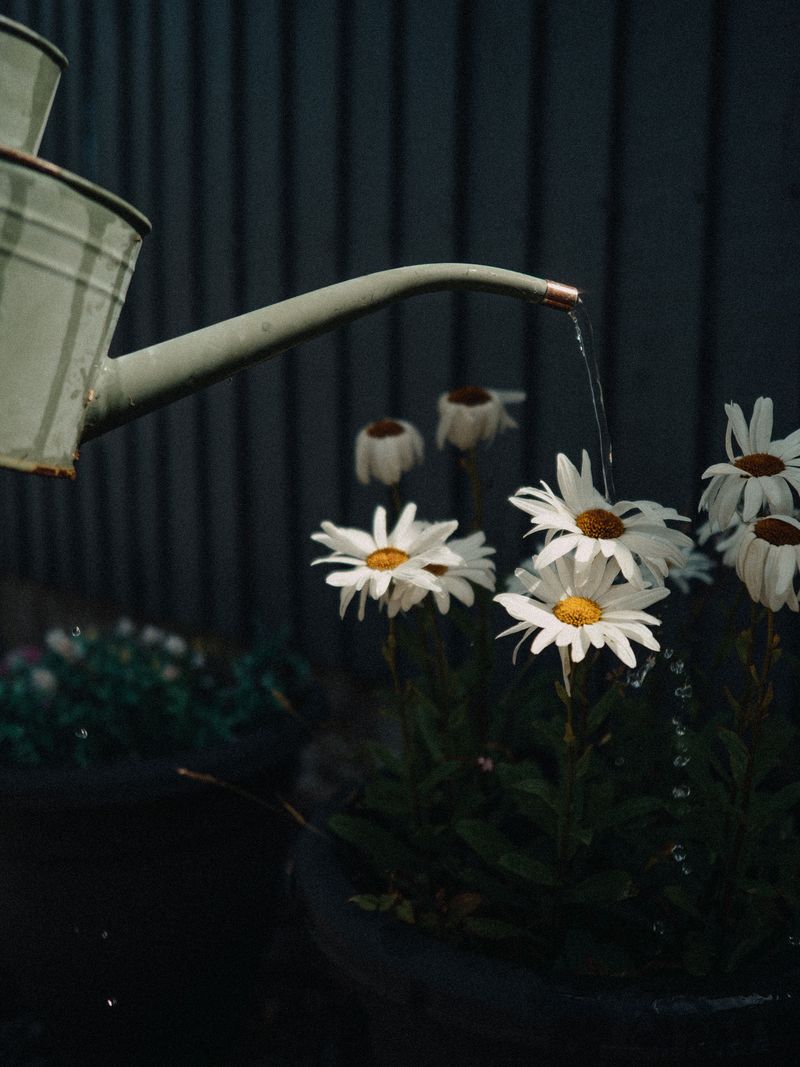
Wet leaves at night create an environment where fungal problems can easily develop. Moisture sits on foliage for hours with no sun to dry it out.
Fungal spores thrive in damp, dark conditions. Powdery mildew, black spot, and leaf blight all love a soggy overnight garden.
Maryland summers bring humidity that already pushes plants toward disease. Adding evening irrigation on top of that creates conditions that significantly increase infection risk.
Once fungal problems take hold, they spread fast. Neighboring plants can catch spores carried by wind or splashing water.
Treating fungal disease takes time, money, and repeated effort. Prevention is far easier than a cure when it comes to garden health.
Switching away from evening watering is one of the simplest fixes a gardener can make. Your tomatoes, roses, and squash will breathe easier without spending the night soaking wet.
Windy Afternoons Waste Water Through Drift And Evaporation
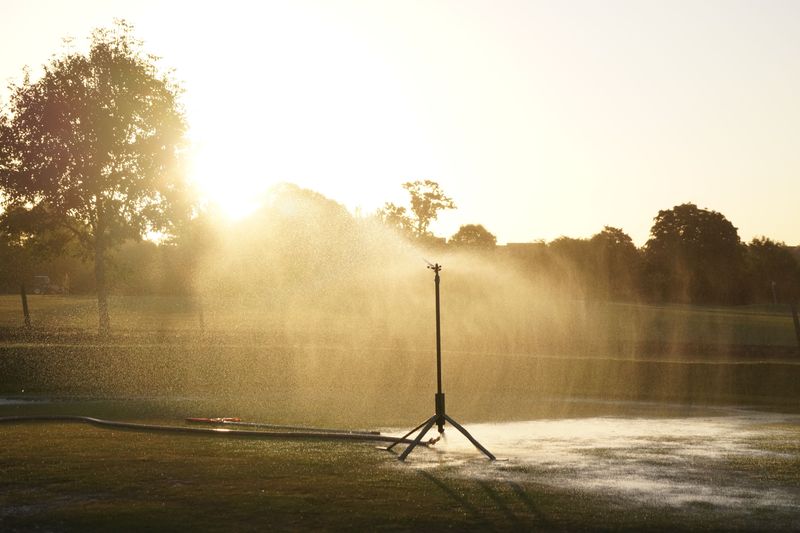
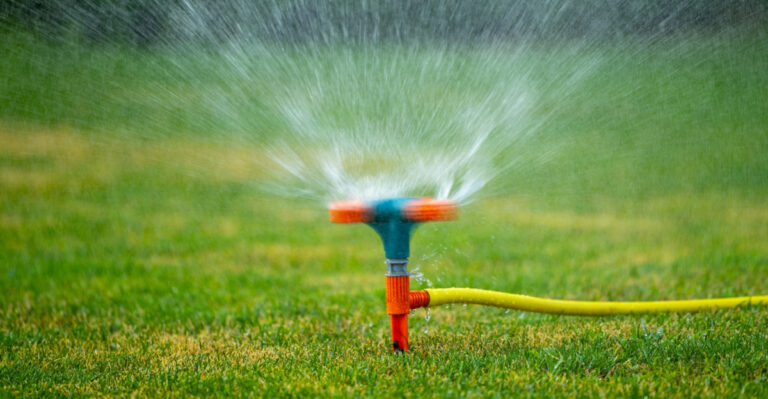
Have you ever watched your sprinkler water the sidewalk instead of your garden? Afternoon winds in Maryland can be unpredictable and forceful.
Wind drift is a real problem for overhead sprinklers. Water gets blown off course before it ever reaches the soil below your plants.
Your Maryland Garden Changes Every Week. Your Plan Should Too.
Gardening in Maryland changes quickly throughout the season. Every Friday you’ll receive a simple weekly plan showing exactly what to plant, prune, fertilize, harvest, and protect so you never miss the right timing.
On top of drift, afternoon heat turns airborne droplets into vapor fast. You might run your system for 20 minutes and deliver only half the intended water.
Breezy conditions also cause uneven coverage. One section gets soaked while another stays bone dry, creating inconsistent growth patterns.
Afternoons in Maryland can often see noticeable gusts during warmer months. That is enough wind to seriously compromise an overhead watering session.
Choosing calmer morning hours eliminates drift almost entirely. You get more water where it belongs, and your garden gets a fair, even drink every single time.
Water Early Morning Between 6 And 10am
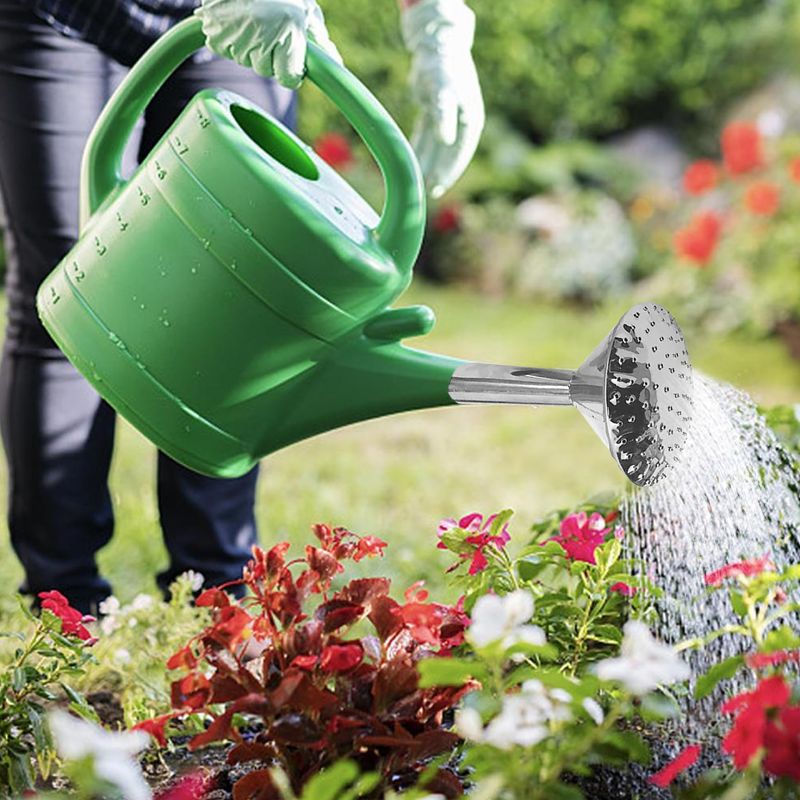
Early morning is the golden window for garden hydration. The air is cool, the wind is calm, and the sun is just waking up.
Watering between 6 and 10am gives moisture time to soak deep into the soil. Roots absorb it before afternoon heat has a chance to pull it back out.
Foliage that gets accidentally wet has hours to dry before nightfall. That drying time cuts the risk of fungal problems dramatically.
Morning watering also fits naturally into most daily routines. A quick session before work or breakfast sets your garden up for a successful day.
Plants are most receptive to water uptake in the early hours. Their systems are primed and ready to pull nutrients up from moist soil.
Making the shift to morning watering is one of the easiest wins in gardening. Try it for one week and watch how much greener and stronger your plants become.
Aim Hoses Directly At Soil Not Leaves
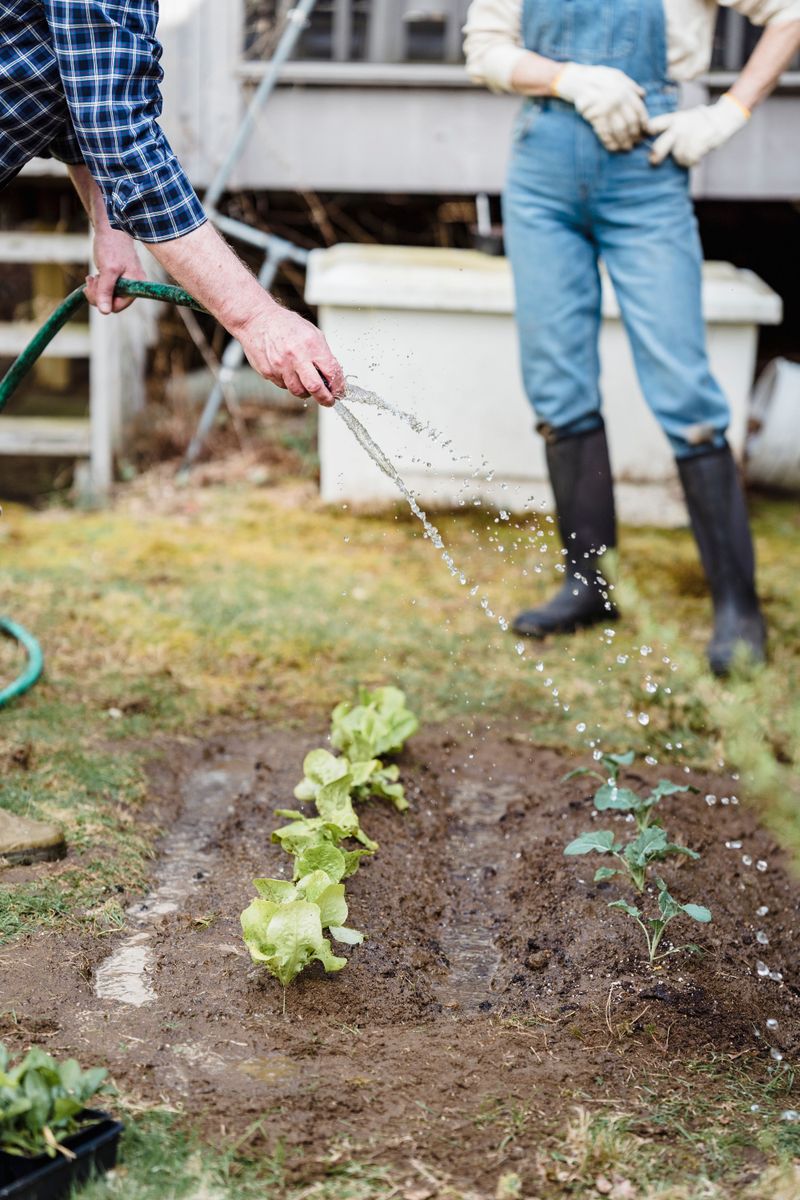
Soaker hoses and targeted nozzles changed the gardening game. Spraying leaves might feel satisfying, but it does almost nothing for your plants.
Water absorbed through roots is what feeds and sustains a plant. Leaf surfaces are not designed to take in moisture the way roots are.
Wet foliage also creates conditions where disease can spread quickly. Every droplet sitting on a leaf is an open invitation for fungal spores.
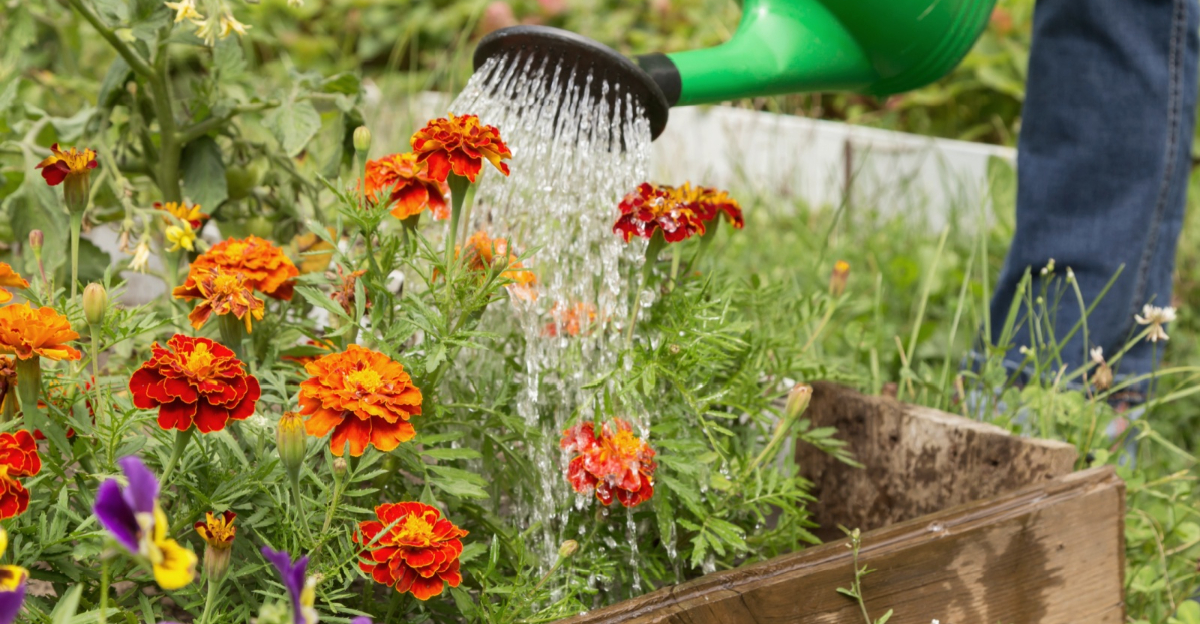
Directing water at the soil base sends hydration straight to the source. Root zones get a direct delivery, and nothing is wasted on surfaces that cannot use it.
A simple adjustment to your nozzle angle makes a big difference. Point the stream low, aim for the soil line, and keep leaves as dry as possible.
Consistent base watering also encourages deeper root growth over time. Roots chase moisture downward, building a stronger anchor and a more drought-resistant plant overall.
Check Soil Moisture Before Turning On The Tap
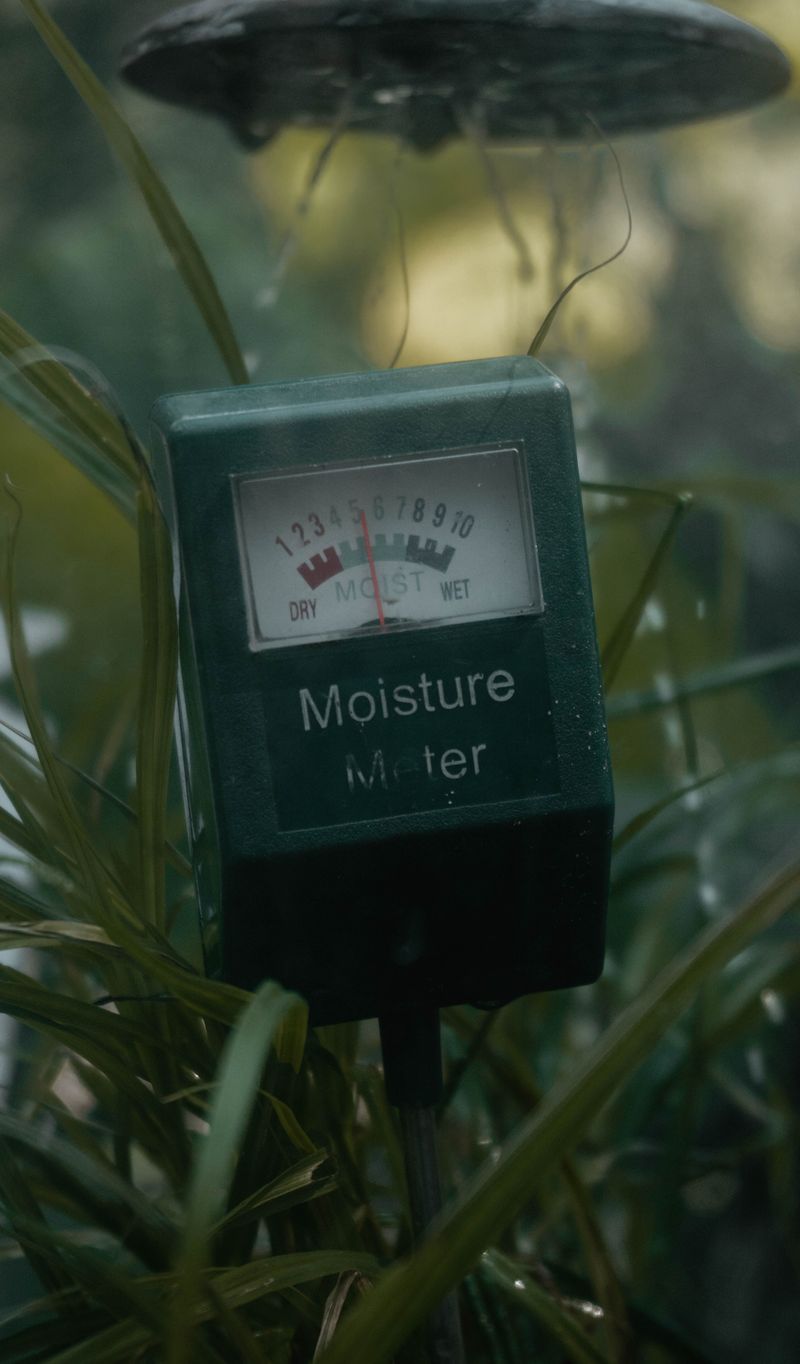
Overwatering is just as harmful as underwatering, and it happens all the time. Grabbing the hose out of habit without checking the soil is a common mistake.
Stick your finger about two inches into the soil near your plants. If it feels moist, your garden does not need more water yet.
Waterlogged soil pushes out oxygen, which roots need to function. Plants sitting in soggy ground can show wilting symptoms that look just like drought stress.
A simple moisture meter can often be found in the ten to twenty dollar range, depending on the brand. It reads soil hydration levels in seconds and tells you exactly what your garden needs.
Checking before watering also helps you notice differences across your yard. Shaded beds dry out slower than sunny spots, so each area may need a different schedule.
Building this habit saves water, money, and a lot of plant heartache. Your garden will tell you what it needs if you take a moment to listen.
Deep Watering Builds Stronger Root Systems
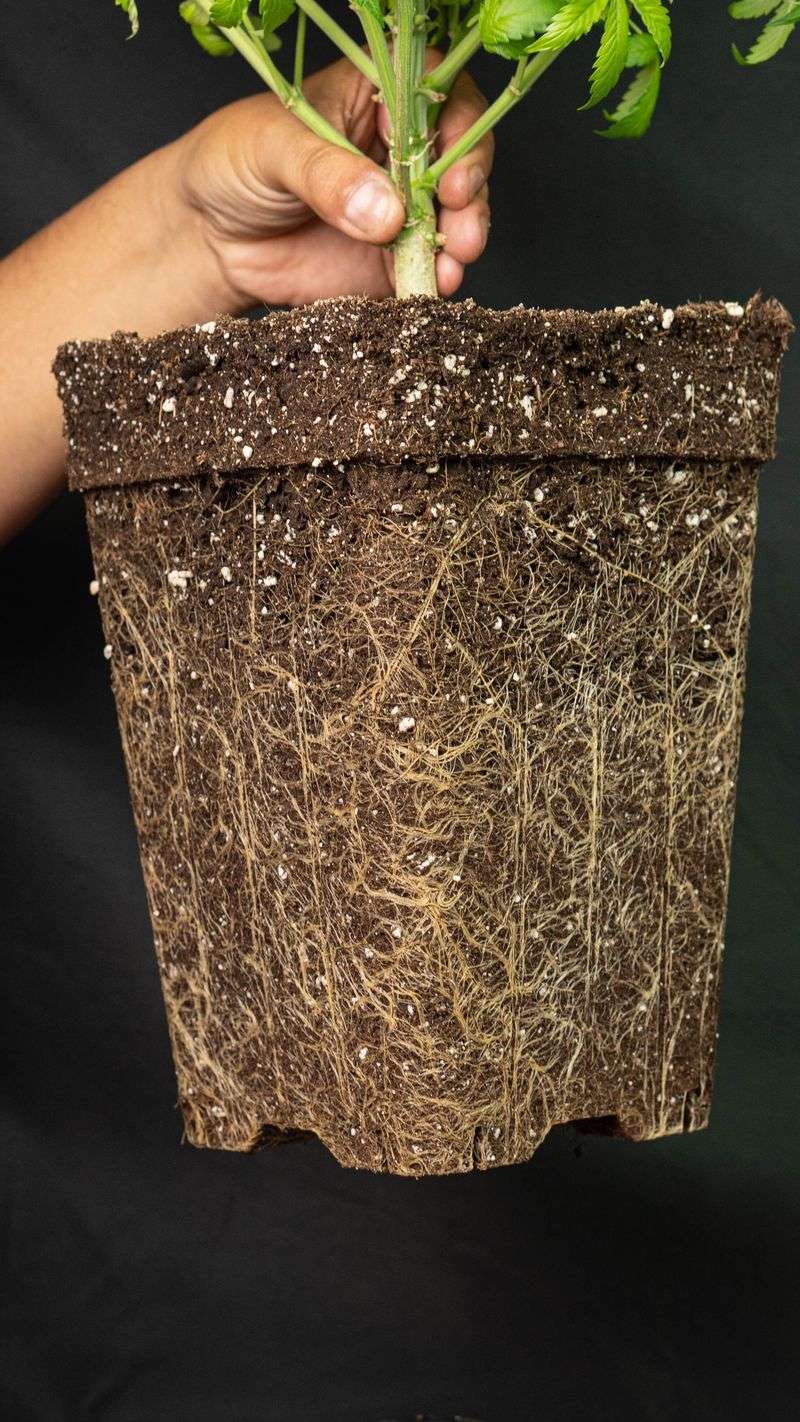
Shallow watering creates shallow roots, and shallow roots are fragile roots. Frequent light sprinkles train plants to stay near the surface where moisture disappears fast.
Deep watering means soaking the soil slowly until moisture reaches six to eight inches down. Roots follow the water and grow downward seeking it out.
Plants with deep root systems handle heat and drought far better. When surface soil dries out, deep roots keep pulling moisture from cooler layers below.
A slow, thorough soak two or three times a week beats a quick sprinkle every day. Less frequent but deeper sessions build resilience into your plants over time.
You can test your depth by pushing a wooden dowel into the soil after watering. If it slides in easily past six inches, you have hit the right zone.
Think of deep watering as an investment in your garden’s future toughness. The roots you build now will carry your plants through the hottest Maryland summer days.
Mulch Beds To Retain Moisture Longer
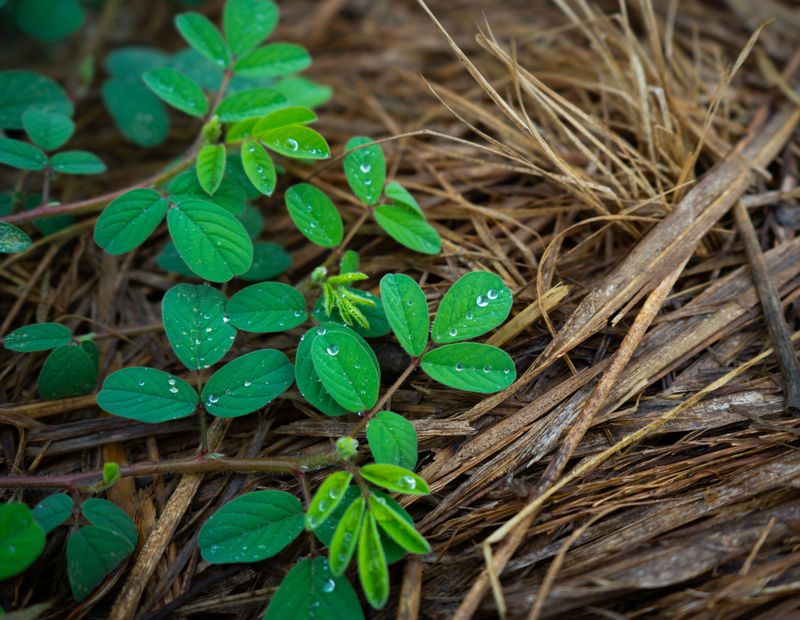
Bare soil loses moisture quickly when left exposed. Sun and wind pull water out of exposed ground at a surprising rate.
A two to three inch layer of mulch acts like a blanket for your soil. It slows evaporation, keeps roots cooler, and holds onto moisture between watering sessions.
Wood chips, straw, and shredded leaves all work well as mulch materials. Each option breaks down over time and adds organic matter back into the soil.
Mulched beds can often stay moist noticeably longer than bare ones. That means you may need to water less often, saving time and resources.
Mulch also suppresses weeds, which compete with your plants for water. Fewer weeds mean more moisture stays available for the plants you actually want to grow.
Spreading mulch is one of the easiest upgrades any Maryland gardener can make. A single afternoon of work pays off in healthier plants and lower water bills all season.
Group Plants With Similar Water Needs Together
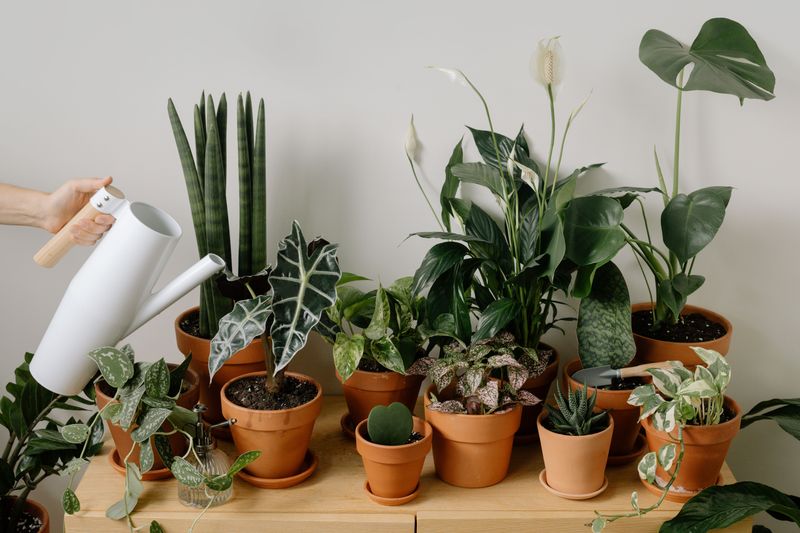
Planting a cactus next to a fern is a recipe for frustration. One will always be over or underwatered no matter what you do.
Grouping plants by their water needs is called hydrozoning, and it is a brilliant strategy. Each zone gets exactly the right amount of moisture without compromising any plant in the group.
Drought-tolerant natives like black-eyed Susans and coneflowers thrive in drier zones. Moisture-loving plants like astilbe and hostas do best where the soil stays consistently damp.
Hydrozoning also makes your watering routine faster and more efficient. You cover one zone thoroughly, then move to the next without second-guessing every plant.
Reorganizing your garden layout takes some upfront planning and effort. But the long-term payoff in plant health and time saved is absolutely worth it.
Start small by rearranging just one section of your yard this season. Once you see the results, you will want to redesign every bed with this approach in mind.
Install Drip Irrigation For Consistent Results
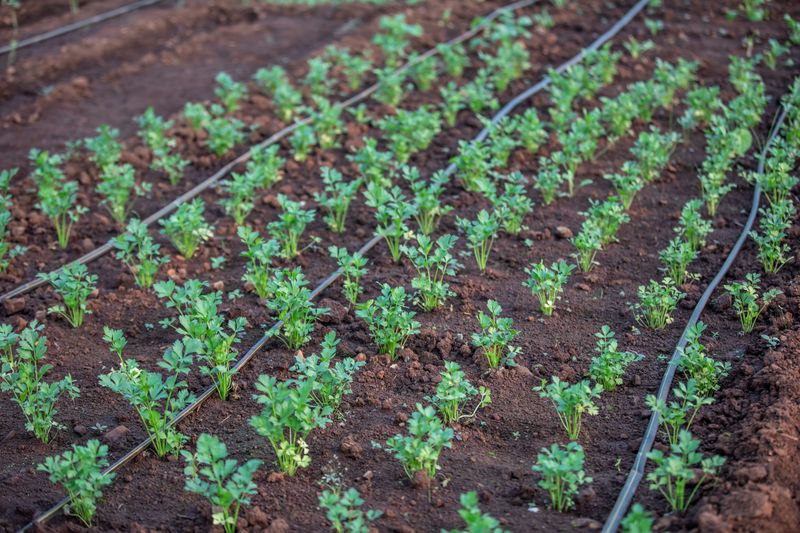
Drip irrigation is the closest thing to a perfect watering system. Water goes exactly where it is needed, at a slow and steady rate that soil can absorb.
Unlike sprinklers, drip lines deliver moisture directly to the root zone. Leaves stay dry, runoff is minimal, and every drop does meaningful work.
A basic drip system for a small garden can often be found in the fifty to seventy dollar range, depending on retailer and setup size. Installation is straightforward, and most kits come with clear instructions for beginners.
Drip systems can also connect to timers, making watering fully automatic. Set it once, and your garden gets consistent hydration without daily effort from you.
Consistent watering means more predictable plant growth and fewer stress-related problems. Plants on a steady schedule produce better, look healthier, and resist pests more effectively.
A common mistake is setting your irrigation system and forgetting to adjust it. Pair your drip setup with seasonal schedule checks to keep everything dialed in perfectly.
Avoid Overhead Sprinklers On Hot Days
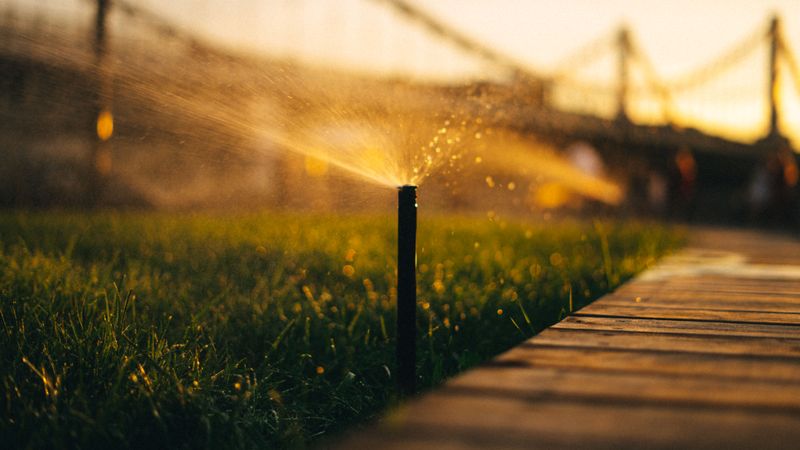
Sprinklers on a hot afternoon look satisfying but can damage leaves. Water droplets on leaves act like tiny magnifying glasses under strong sun.
Leaf scorch is a genuine risk when overhead watering happens in peak heat. Brown, crispy patches appear where droplets concentrated sunlight onto the surface.
Hot-day sprinkler use also wastes a significant amount of water to evaporation. A significant portion of overhead-applied water can vanish before touching the ground, especially in peak heat and wind.
Soil baked by afternoon heat also repels water initially. Water runs off the surface instead of soaking in, defeating the whole purpose of watering.
If you must use an overhead sprinkler, choose early morning as your window. The sun is gentle, the air is calm, and absorption rates are at their peak.
Swapping overhead sprinklers for drip lines or soaker hoses on hot days is a smart upgrade. Your plants get the hydration they need without the burn or the waste.
Collect Rainwater For Eco-Friendly Irrigation
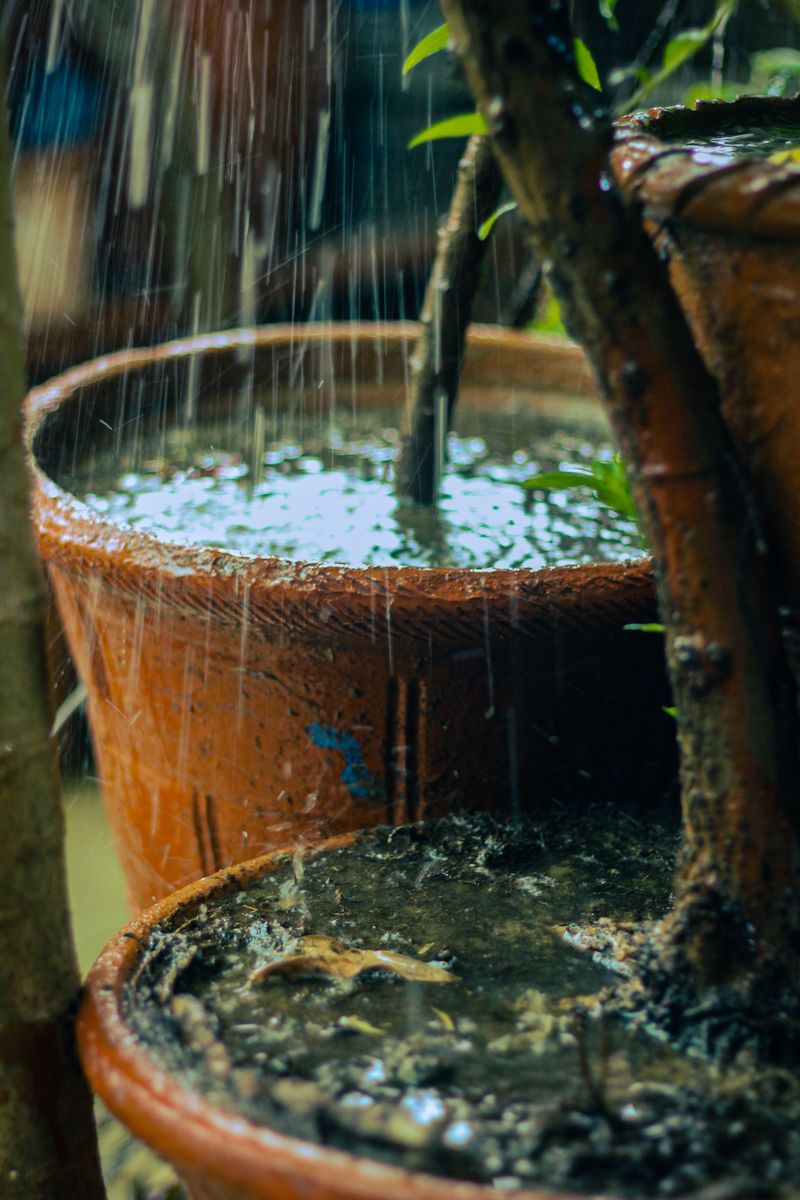
Rain barrels are one of the smartest tools a Maryland gardener can own. They capture free, natural water that would otherwise run straight into storm drains.
A single inch of rain on a 1,000 square foot roof generates over 600 gallons of runoff. Capturing even a fraction of that fills a barrel fast.
Rainwater is slightly acidic, which many garden plants actually prefer. It is also free of chlorine and other chemicals found in tap water.
Setting up a rain barrel requires minimal tools and a basic downspout diverter. Most systems can be assembled in under two hours with no plumbing experience needed.
During dry spells, a full barrel can carry your garden through several days without tap water. That saves money on utility bills and reduces strain on local water supplies.
Water is wasted most often when resources aren’t used efficiently. Collecting rainwater keeps your garden thriving while doing something genuinely good for the environment around you.
Adjust Schedules Seasonally As Temperatures Shift
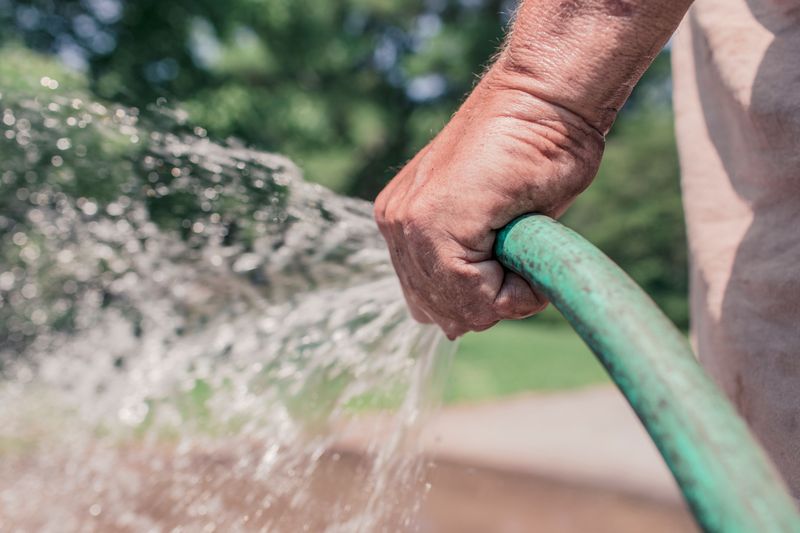
Your watering schedule shouldn’t stay frozen in place from March through October. Plants have different needs as the seasons shift, and treating every month like July is a fast track to either drowning roots or leaving them parched.
Spring calls for moderation. Cooler air and frequent rain mean your soil often holds moisture longer than you’d expect, so daily watering quickly becomes unnecessary.
Summer flips the script entirely. Rising heat and longer daylight hours pull moisture out of the ground faster, pushing many gardeners toward watering two or three times a week just to keep pace.
Then autumn arrives, temperatures drop, and that demand fades again, often cutting your watering routine roughly in half. Ignore these shifts and you’ll either waste water on plants that don’t need it or starve them during peak growing months.
Smart gardeners check soil moisture regularly instead of relying on a fixed calendar. A quick finger test two inches deep tells you more than any generic watering chart ever will.
Build flexibility into your routine, adjust as conditions change, and your garden stays balanced no matter what the thermometer says outside.