What That White Coating On Your Black-Eyed Susans Actually Means In Maryland

I knelt down and rubbed the leaf between my fingers, and what came off was white, chalky, and completely wrong. My Black-Eyed Susans, gorgeous all July, looked unwell overnight.
That was my first encounter with powdery mildew in Maryland, and I lost half my border before I understood what I was up against. It is not dirt and it is not residue.
It is a living fungus, already moving through your garden while you read this. Ever wonder why a plant looks pale and worn down even in full sun?
Mildew. Maryland gardens are ideal ground for it: warm days, humid nights, dense plantings. The good news is that this fungus has vulnerabilities.
Learning them shifts you from overwhelmed gardener to confident one. What comes next gives you everything you need to handle it with confidence.
What Is That Suspicious White Coating On Your Plants

You step outside one morning and notice your Black-Eyed Susans look like someone dusted them with flour. That chalky, white coating is powdery mildew, a fungal disease caused by the pathogen Golovinomyces cichoracearum.
It spreads through airborne spores that land on leaf surfaces and take hold fast. Unlike most fungi, powdery mildew does not need wet leaves to grow.
It actually thrives in dry conditions with high humidity in the air around the plant. That makes Maryland summers a near-perfect environment for this fast-moving fungus.
The white coating is actually a layer of fungal threads and spores sitting right on top of the leaf. It looks almost decorative at first, which is why so many gardeners ignore it too long.
Early identification is your biggest advantage against this disease. Black-Eyed Susans, known botanically as Rudbeckia hirta, are especially vulnerable during warm, humid stretches.
The fungus feeds on the plant’s cells, pulling nutrients away from the stems and flowers. Left unchecked, that innocent white dusting spreads into a widespread infection across your garden bed.
Catching it early means you have real treatment options available. Once you know what powdery mildew looks like, you will never mistake it for anything else again.
June Humidity Creates Ideal Spreading Conditions

June in Maryland feels like living inside a warm, wet sponge. The humidity climbs fast, and that thick, moist air is exactly what powdery mildew spores need to travel.
Spores float through the air on breezes and land wherever conditions feel right. Once temperatures stay between 60 and 80 degrees Fahrenheit, the fungus spreads quickly.
Maryland’s mid-Atlantic climate combines warm nights and muggy days in a way that favours rapid spread. Those conditions let spores germinate on leaf surfaces without needing standing water.
This is what makes June the start of the most vulnerable stretch for your Black-Eyed Susans. The plants are lush and growing fast, which means more tender leaf surface for spores to colonize.
Gardeners often notice the white coating first on the lower leaves, where air barely moves. That lack of airflow lets spores settle and multiply before anyone notices the problem.
Your Maryland Garden Changes Every Week. Your Plan Should Too.
Gardening in Maryland changes quickly throughout the season. Every Friday you’ll receive a simple weekly plan showing exactly what to plant, prune, fertilize, harvest, and protect so you never miss the right timing.
By the time the coating creeps up to the upper leaves, the infection is already established. Acting during the first week of visible symptoms gives you the best shot at saving the plant.
Keep an eye on your garden every few days throughout June. A quick walk-through with fresh eyes can catch this fungal disease before it spreads across your entire garden bed.
Appears On Leaves, Stems, And Buds

Powdery mildew does not politely stay in one place. It starts on the lower leaves, then moves to the stems, and eventually reaches the flower buds themselves.
Watching it progress up a plant makes the scale of infection much clearer once you know what you are seeing. Each new surface it covers is another feeding site for the fungal threads beneath.
The upper sides of leaves are usually the first visible target. White patches appear that look almost powdery when you rub them with your finger.
Infected stems may show a faint grayish coating that feels slightly fuzzy. Buds covered in mildew often fail to open properly, which robs your garden of its best summer color.
Once the buds are affected, the plant is under considerable stress. Flower production drops, and the blooms that do open may look distorted or smaller than normal.
Rudbeckia plants fighting off mildew on multiple fronts burn through their energy reserves quickly. That stress makes them more vulnerable to other insects and diseases moving in.
Checking all parts of the plant, not just the leaves, gives you a clearer picture of how far the infection has traveled. A full-plant check every few days during summer keeps you informed and ready to respond.
Weakens Plants During Peak Growing Season
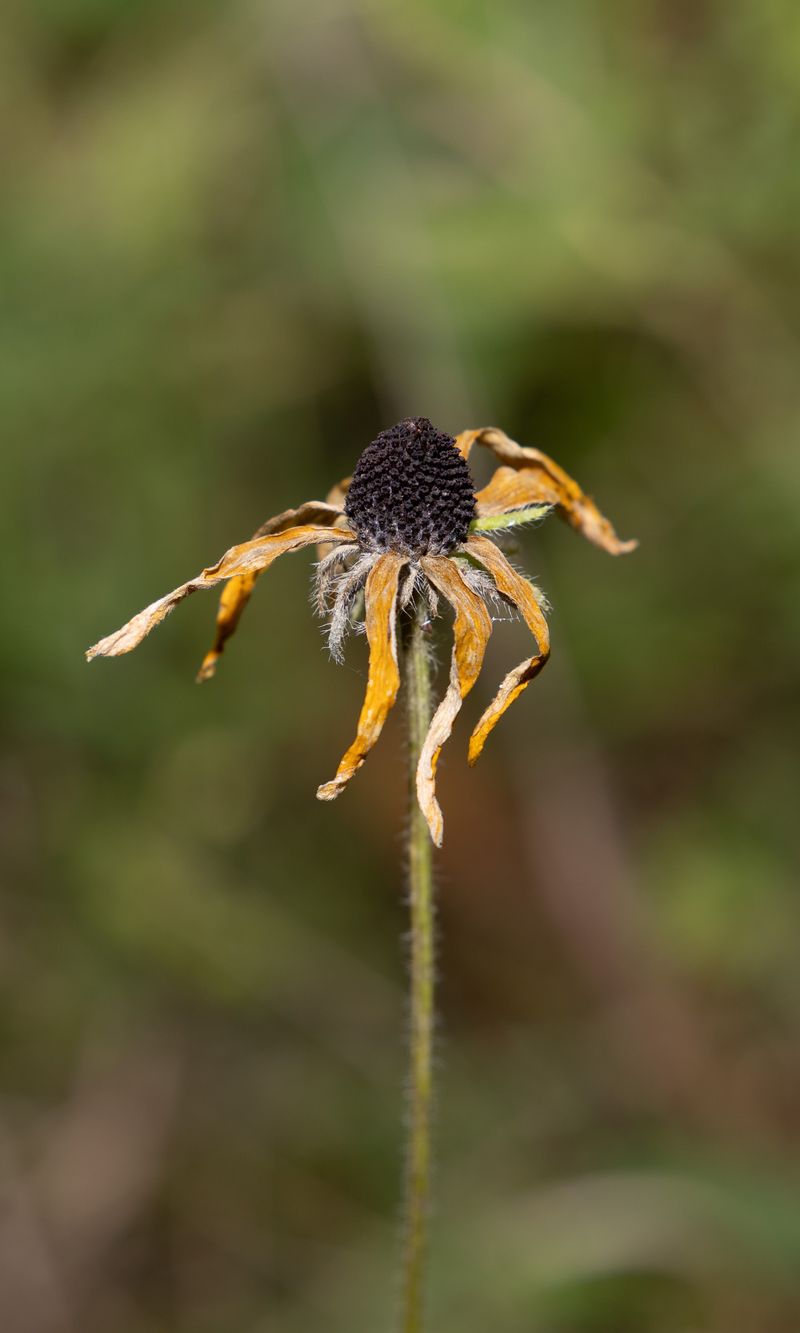
Timing matters a lot with powdery mildew, and unfortunately it hits hardest during July and August. That is exactly when your Black-Eyed Susans should be putting on their best show.
The fungus feeds by inserting tiny structures into plant cells and pulling out nutrients steadily over time.
That constant drain weakens the plant’s ability to photosynthesize and produce the energy it needs to thrive.
A mildew-covered leaf cannot absorb sunlight efficiently, no matter how bright the summer days become.
Less sunlight absorption means less energy available for roots, stems, and flowers to stay strong and develop properly.
Plants under fungal attack also close their stomata, which are tiny pores used for gas exchange and essential moisture regulation.
Closed stomata slow overall growth and make the plant significantly more sensitive to heat and drought stress during an already demanding season.
You may notice yellowing leaves, stunted growth, or noticeably fewer flowers than expected in previous years.
Those are all clear signs the plant is redirecting its limited energy toward fighting off infection instead of blooming.
The white coating on Black-Eyed Susans during peak season is not just ugly, it is a visible sign of a plant under real distress.
Ignoring those early visual cues leads to a much harder and slower recovery later in the season when conditions become even more challenging.
Catching the problem early also means using fewer treatments overall, which is better for your garden’s broader ecosystem and beneficial insect populations.
Healthy plants bounce back faster when treated at the first signs of trouble. Giving your Rudbeckia the support it needs during peak growing season keeps your garden looking full and vibrant well through September.
Poor Air Circulation Makes It Worse

Cramped plants are happy plants in theory, but in practice they create a mildew breeding ground. When leaves and stems press against each other, air cannot move through freely.
Stagnant air around foliage keeps moisture and spores trapped close to the plant, allowing fungal problems to develop quickly and spread unchecked. That micro-environment is exactly what powdery mildew loves most.
Black-Eyed Susans spread naturally through self-seeding, which means garden beds can get crowded fast without much notice.
Thinning them out each spring is one of the simplest and most effective preventive steps you can take.
Spacing plants about 18 to 24 inches apart allows air to flow freely between stems and leaves.
That steady movement of air dries out surface moisture and carries spores away before they have a chance to settle and take hold.
Walls, fences, and dense shrubs can also block airflow in garden beds positioned near structures.
Planting Rudbeckia at least a foot away from solid barriers gives the plants the breathing room they need to stay healthy throughout the growing season.
Pruning lower leaves that touch the soil also helps significantly by removing easy entry points for fungal spores looking for a host.
Clean cuts made with sanitized shears keep the plant tidy and meaningfully reduce overall infection risk.
Removing spent or damaged foliage throughout the season extends this benefit even further, keeping the canopy open and light reaching the inner stems.
Good air circulation is one of the most underrated tools in any gardener’s toolkit. A little space between plants can mean the difference between a frustrating mildew outbreak and a season full of golden blooms.
Fungicide Options For Treating Powdery Mildew

Prevention only goes so far. When powdery mildew pushes past your defenses, fungicide is your next line of response.
Gentler choices include neem oil, potassium bicarbonate, and sulfur-based sprays. These options work well for mild or early-stage infections and are generally safer for beneficial insects and surrounding plants.
For more persistent infections, chlorothalonil-based products are widely used and trusted by gardeners dealing with stubborn fungal problems.
Chlorothalonil works by interfering with the fungus’s ability to produce energy at the cellular level, ultimately disrupting its survival. Look for it at garden centers under brand names like Daconil or Ortho Garden Disease Control.
Note that chlorothalonil products are currently undergoing EPA label updates, so always check the product label for the most current application guidance before use.
Always read the label carefully before applying any fungicide to your plants. Spray the product thoroughly on all leaf surfaces, including the undersides where spores often hide and spread most rapidly.
Apply in the early morning so the solution dries completely before temperatures peak. Repeat applications every seven to ten days while symptoms remain active.
Consistency is key because one treatment rarely stops a well-established infection. Avoid spraying during windy conditions or when rain is expected within 24 hours.
Wind spreads the product away from target plants, and rain washes it off before it can work effectively.
Chlorothalonil is a broad-spectrum fungicide, which means it targets many types of fungi at once.
That makes it especially useful if you suspect multiple fungal issues developing across the same garden bed. Always wear gloves and eye protection when handling any chemical treatment.
Protecting yourself while treating your Black-Eyed Susans keeps the whole gardening experience safe and effective.
Water At The Base, Not Overhead

How you water your plants matters just as much as how often you water them. Overhead watering splashes onto leaves and creates the wet surfaces that fungal spores need to move around.
In Maryland, humidity already does half that work for them. Keeping foliage dry is one of the easiest ways to reduce powdery mildew risk.
Soaker hoses and drip irrigation deliver water right to the root zone without wetting the leaves. If you use a regular garden hose, aim it at the soil and keep the nozzle low.
A gentle flow at the base of the plant is far better than a spray from above. Watering in the morning also helps because any accidental splash on leaves dries quickly in the daytime warmth.
Evening watering leaves moisture on plants overnight, which invites trouble. Consistent soil moisture also reduces plant stress, which keeps immune defenses stronger.
Stressed plants fighting drought are far more susceptible to fungal infections than well-hydrated ones.
Mulching around the base of your Black-Eyed Susans helps retain soil moisture between watering sessions.
A two-inch layer of wood chips or straw keeps roots cool and reduces the need to water as often, a simple step that Maryland gardeners often overlook until mid-July.
Simple changes in how you water can prevent powdery mildew before it ever appears on your Black-Eyed Susans. That small habit shift pays off in cleaner, healthier plants all season long.