What It Really Means When Texas Cardinals Look Patchy And Moth-Eaten In September
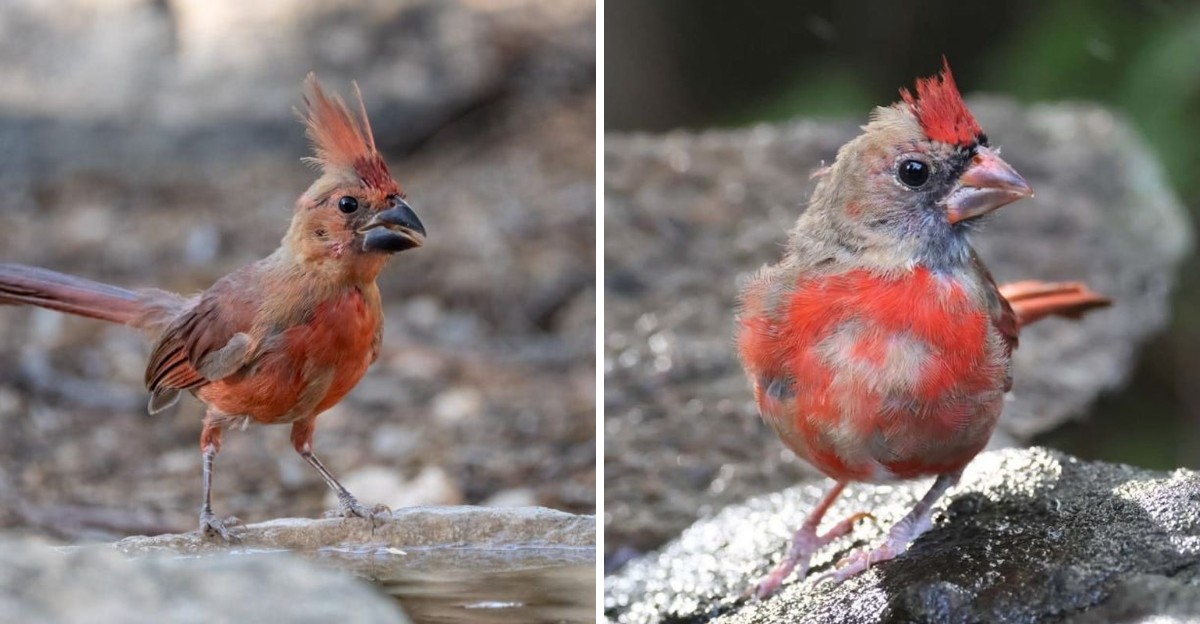
If the cardinals visiting your Texas yard in September are looking a little rough, you’re not alone in noticing.
That brilliant red male that looked so striking through spring and early summer can appear surprisingly patchy and moth-eaten by September, with missing feathers and an overall scruffiness that seems at odds with the bird you remember from a few months ago.
Most people assume something is wrong. The bird looks sick or somehow compromised. In almost every case, nothing is wrong at all.
What you’re seeing is a completely normal process that cardinals go through every year at roughly this same point in the season.
Understanding what’s actually happening removes the concern and makes the September cardinal a considerably more interesting bird to observe than the perfectly plumaged version that gets all the attention in spring.
Here’s exactly what those patchy Texas cardinals in September are telling you and what’s really going on beneath those missing feathers.
1. Normal Yearly Feather Molt
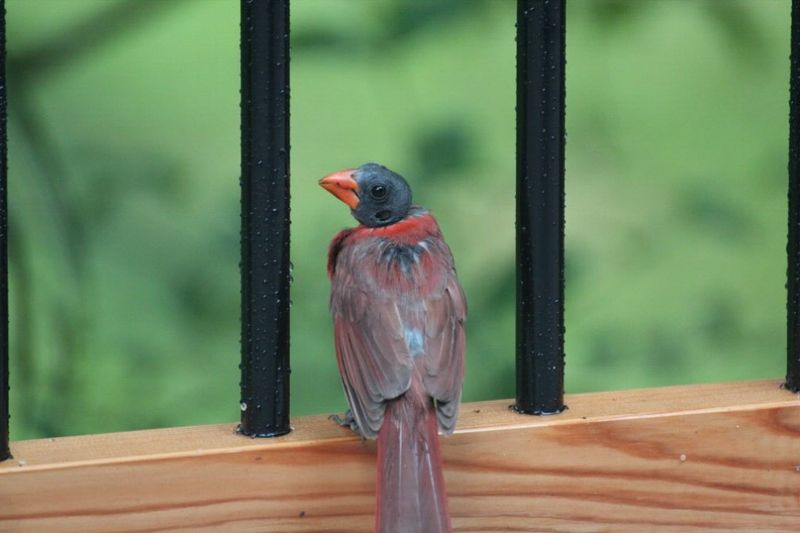
The number one reason cardinals look shabby in September is the yearly molt. After the busy breeding season ends, these birds shed their old worn feathers and grow shiny new ones.
Feathers take a beating all year long. Sun, rain, and squeezing in and out of bushes leave them frayed and dull. Replacing them keeps a cardinal warm and able to fly well through winter.
During molt, feathers drop out in patches instead of all at once. That is why your backyard visitor might have thin spots on its chest or a scruffy tail. New feathers push out slowly, poking through like tiny straws called pin feathers.
This process takes a lot of energy. You might notice cardinals resting more, hiding in shrubs, and singing less than they did in spring. They are simply saving their strength for growing feathers.
Here is a fun bit of trivia. A cardinal grows thousands of new feathers during a single molt, and it all happens over several weeks. Nature spreads the job out so the bird can still fly and escape danger.
You can help by offering high-protein foods like black oil sunflower seeds and mealworms. Feathers are made mostly of protein, so good meals speed up recovery.
Keep your feeders full and clean during this time. A steady food supply means the bird spends less energy searching and more energy healing its coat.
Within a few weeks, that raggedy cardinal will look bright and sleek again. Molt is messy but completely healthy, so relax and enjoy the transformation.
2. The Startling Bald-Headed Cardinal
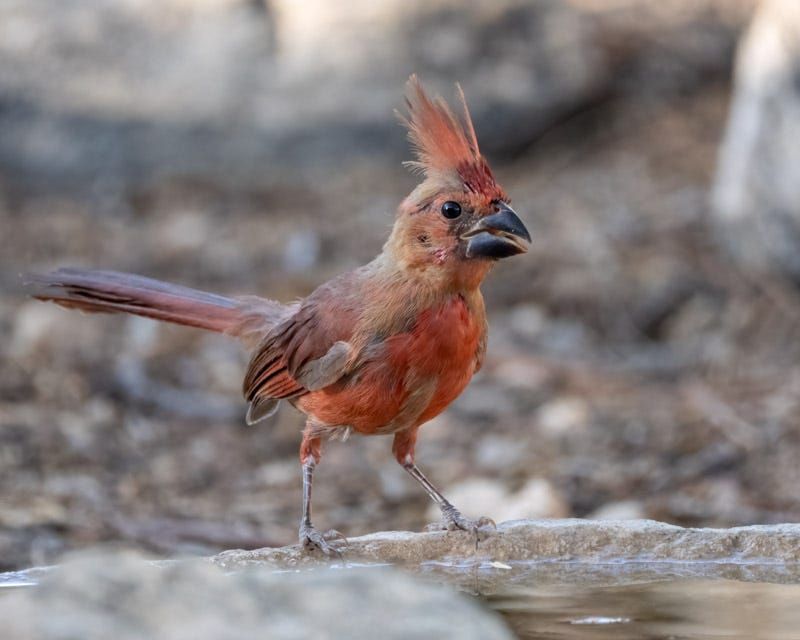
Few sights shock backyard birders more than a cardinal with a totally bald head. The bright red body looks normal, but the head shows gray, wrinkly skin instead of feathers.
This odd look happens most often in late summer and early fall. It is usually just an extreme version of the normal molt, where all the head feathers drop at the same time.
Scientists are still learning why some cardinals lose every head feather at once while others molt slowly. Many think it is simply a quirk of timing that runs in certain birds.
Your Texas Garden Changes Every Week. Your Plan Should Too.
Gardening in Texas changes quickly throughout the season. Every Friday you’ll receive a simple weekly plan showing exactly what to plant, prune, fertilize, harvest, and protect so you never miss the right timing.
Sometimes tiny mites or lice can add to the problem. These pests hang around the head where a bird cannot preen itself easily, so feathers there fall out and grow back slowly.
The good news is that bald cardinals almost always recover fully. Within a couple of weeks, soft new feathers cover the bare skin again, and the bird looks perfectly normal.
You do not need to catch or treat a bald cardinal. Handling wild birds causes stress and rarely helps. The best thing you can do is keep your yard clean and welcoming.
Scrub your feeders often and change birdbath water every day. Cleaner spaces mean fewer mites spreading from bird to bird.
Offering nutritious seeds also supports faster feather growth. A well-fed bird bounces back much quicker than a hungry one.
So if a spooky, bald-headed cardinal shows up this September, snap a photo and smile. You are watching a normal part of nature that will fix itself in no time.
3. Feather Mites And Tiny Pests
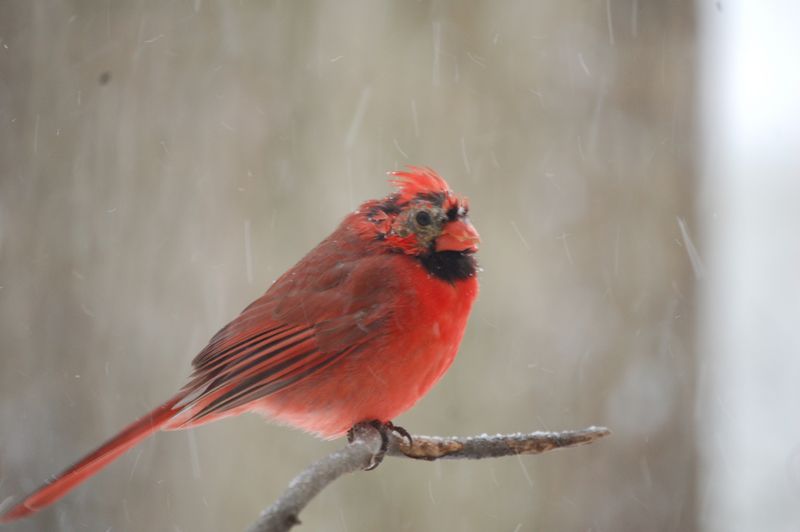
Tiny hitchhikers might be the reason a cardinal looks moth-eaten. Feather mites, lice, and other little bugs love to live in a bird’s plumage.
These pests chew on feathers and skin, leaving ragged holes and thin patches. Heavy infestations make a cardinal look truly moth-bitten, almost like something nibbled its coat.
Warm, humid Texas weather in late summer creates the perfect home for these bugs. That is one reason September birds sometimes look rougher than spring ones.
A cardinal fights back by preening and taking dust baths. You may see one rubbing in dry dirt or fluffing wildly in a birdbath to shake pests loose.
You can lend a hand by keeping fresh water available for bathing. Clean feathers are harder for mites to grip and hide in.
Dirty feeders spread these pests fast, since sick and healthy birds crowd together at the same spot. Wash your feeders with a mild bleach solution about once a week.
Rinse everything well and let it dry before refilling. This simple habit protects every bird that visits your yard, not just the cardinals.
Most healthy cardinals handle a few mites without trouble. Their bodies and grooming keep the numbers low enough to stay fine.
Trouble shows up only when a bird is already weak or stressed. Then pests can multiply and cause real feather damage.
If you spot lots of ragged birds, focus on cleanliness rather than sprays or medicines. A tidy feeding station is your best tool for keeping your feathered guests healthy and looking sharp.
4. Stress From The Long Texas Summer
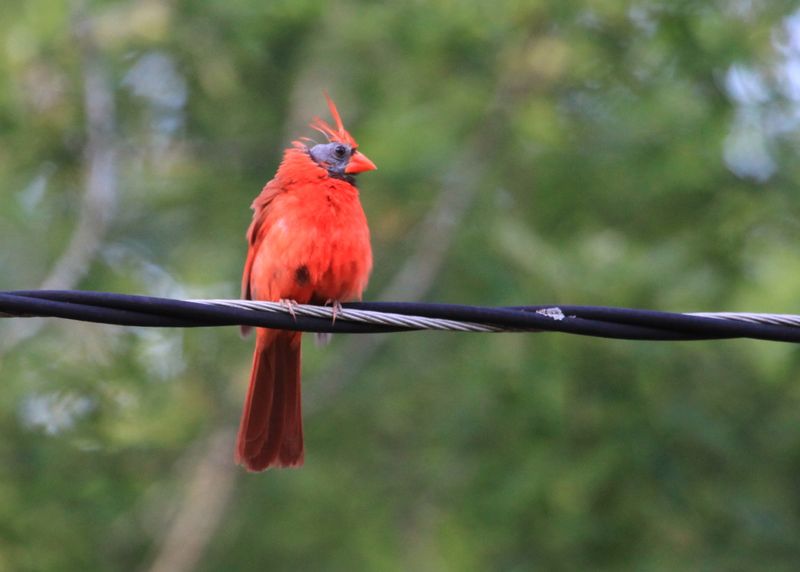
Think about how tired you feel after a scorching Texas summer. Cardinals feel that heat too, and it shows in their feathers by September.
Months of high temperatures, dry spells, and hunting for food wear a bird down. A stressed body puts less energy into keeping feathers neat and bright.
Raising babies adds even more pressure. Parent cardinals fly countless trips carrying bugs and seeds to hungry chicks, which leaves them thin and ragged by fall.
When food and water get scarce during a drought, feathers suffer first. The body saves its resources for survival, so the coat gets pushed to the back of the line.
You might notice a stressed cardinal looking dull, with faded reds and messy edges. It may also act jumpy or tired at your feeder.
Helping is easier than you think. A shallow dish of clean water gives birds a cool drink and a place to bathe during hot spells.
Place feeders in shady spots so cardinals do not overheat while eating. A little shade makes your Texas yard a comfortable rest stop.
Offer energy-rich foods like sunflower seeds and safflower. These treats help a worn-out bird rebuild strength quickly.
Once cooler weather arrives and food returns, most cardinals perk right back up. Their feathers fill in and their colors brighten again.
Seeing a tired-looking cardinal in September is often just proof that it worked hard all summer. With a little help from you, it will be ready to face the winter ahead in much better shape.
5. Young Birds Growing Their Adult Colors
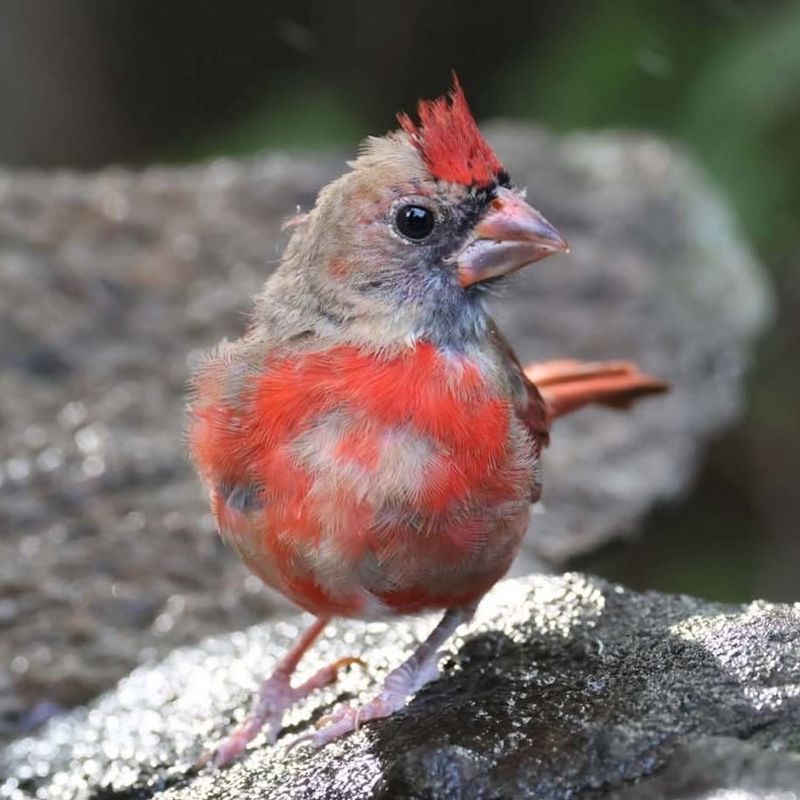
Not every scruffy cardinal is an adult. Many patchy birds in September are actually youngsters growing into their grown-up feathers for the very first time.
Young cardinals hatch with dull brown or grayish coats and dark beaks. As fall arrives, they swap those baby feathers for the colors they will wear as adults.
During this switch, a young bird can look like a strange patchwork quilt. A male might show blotches of red mixed with brown, while a female shows warmer tones filling in.
The beak changes too, slowly turning from blackish to the bright orange we all recognize. This gives young birds an unfinished, mismatched appearance for a while.
Watching this change is one of the coolest parts of backyard birding. You are basically seeing a bird grow up right before your eyes.
These teenagers are often clumsy and unsure at feeders. They may wait for a parent to feed them even though they are big enough to eat alone.
You can support young cardinals by offering easy foods like hulled sunflower seeds. Softer, shell-free options are simpler for beginners to handle.
Keep feeders low and safe so awkward young flyers can land without trouble. Nearby bushes give them a quick hiding spot from cats and hawks.
By late fall, most young cardinals finish their color change and look like proper adults. The patchy phase is short but totally normal.
So if you spot a splotchy red-and-brown bird this September, you are likely meeting one of this year’s babies. Give it time, and it will soon shine.
6. Poor Diet And Missing Nutrients
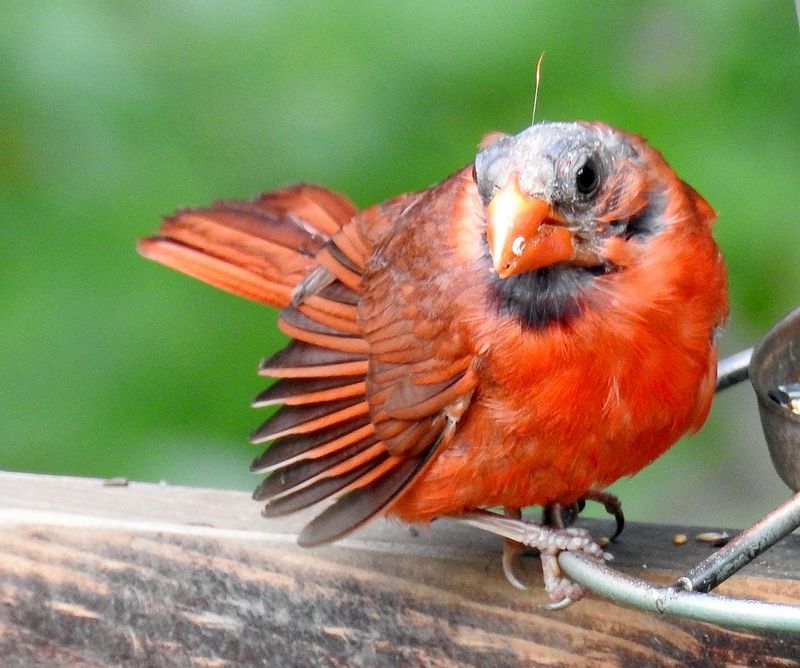
What a cardinal eats shows up directly in its feathers. A bird stuck on a poor diet often looks faded, thin, and moth-eaten by early fall.
Bright red coloring comes from pigments found in certain fruits and seeds. Without enough of these foods, a male cardinal’s red can turn pale or blotchy.
Feathers themselves are built from protein. When a bird cannot find enough good food, its new feathers grow in weak and ragged.
Cheap birdseed mixes are part of the problem. Many are full of filler seeds that birds toss aside, leaving them hungry for real nutrition.
You can make a huge difference with better food choices. Black oil sunflower seeds are packed with fat and protein cardinals love.
Add safflower seeds, which cardinals enjoy and squirrels usually skip. This gives your red birds a peaceful, healthy meal.
Berries and small fruits boost those color-making pigments too. Planting native shrubs like dogwood or beautyberry offers a natural buffet.
Fresh, clean water rounds out a healthy diet. Birds need water for drinking and for keeping their feathers in good shape.
During molt season, a rich diet matters even more. Growing thousands of new feathers takes serious fuel, so quality food speeds recovery.
Watch how quickly a well-fed cardinal improves. Within a few weeks of better meals, its colors deepen and its coat smooths out.
Feeding wild birds is a small act with big rewards. Good food helps your September cardinals go from patchy and pale to bold and beautiful again.
7. Signs Of A Real Health Problem
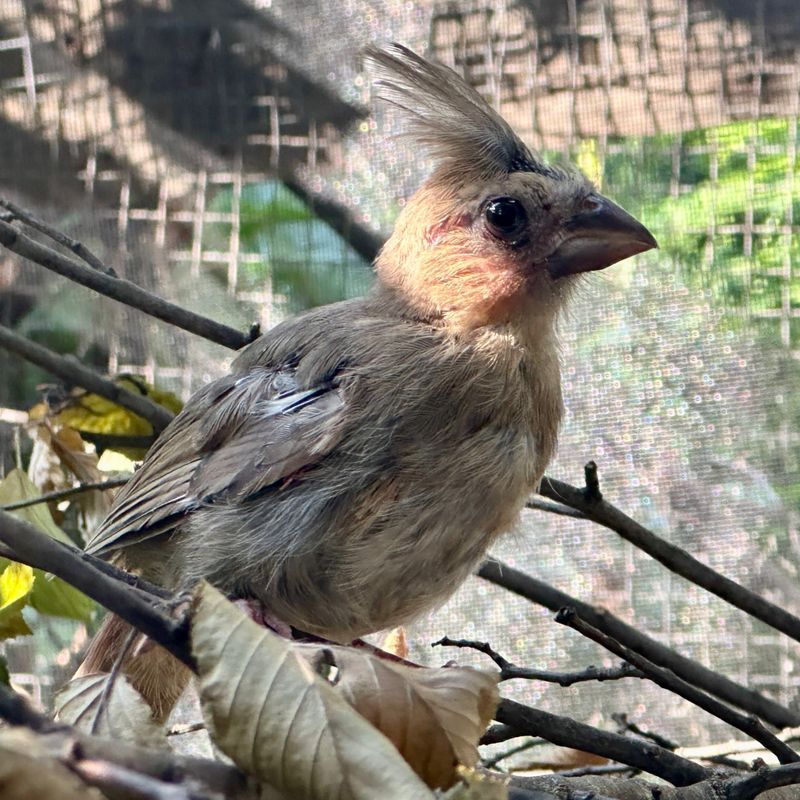
Most patchy cardinals are fine, but once in a while ragged feathers hint at a true illness. Learning the warning signs helps you spot birds that need extra care.
A sick cardinal often looks fluffed up and dull for days, not just during a quick molt. It may sit very still and let you get closer than usual.
Crusty or swollen eyes are a big red flag. This can signal an eye infection that spreads easily at crowded feeders.
Watch for a bird that seems weak, sleepy, or unable to fly well. Poor appetite and constant fluffing are other clues that something is wrong.
Diseases often pass from bird to bird at dirty feeding stations. Old seed, damp husks, and grime create the perfect place for germs to grow.
The best protection is a clean setup. Scrub feeders with soap and a weak bleach mix, then rinse and dry them fully.
Rake up old seed and droppings from the ground below. Move feeders now and then so waste does not pile up in one spot.
If you notice several sick-looking birds, take your feeders down for a couple of weeks. A short break helps stop illness from spreading through the flock.
Never try to handle or treat a wild cardinal yourself. Instead, call a licensed wildlife rehabber if a bird truly seems to be suffering.
Staying alert makes you a better backyard host. By keeping things clean and watching for real symptoms, you help your cardinals stay healthy long after their patchy September days have passed.