The Yard Habits Making Grub Problems Worse In Michigan Lawns This Spring
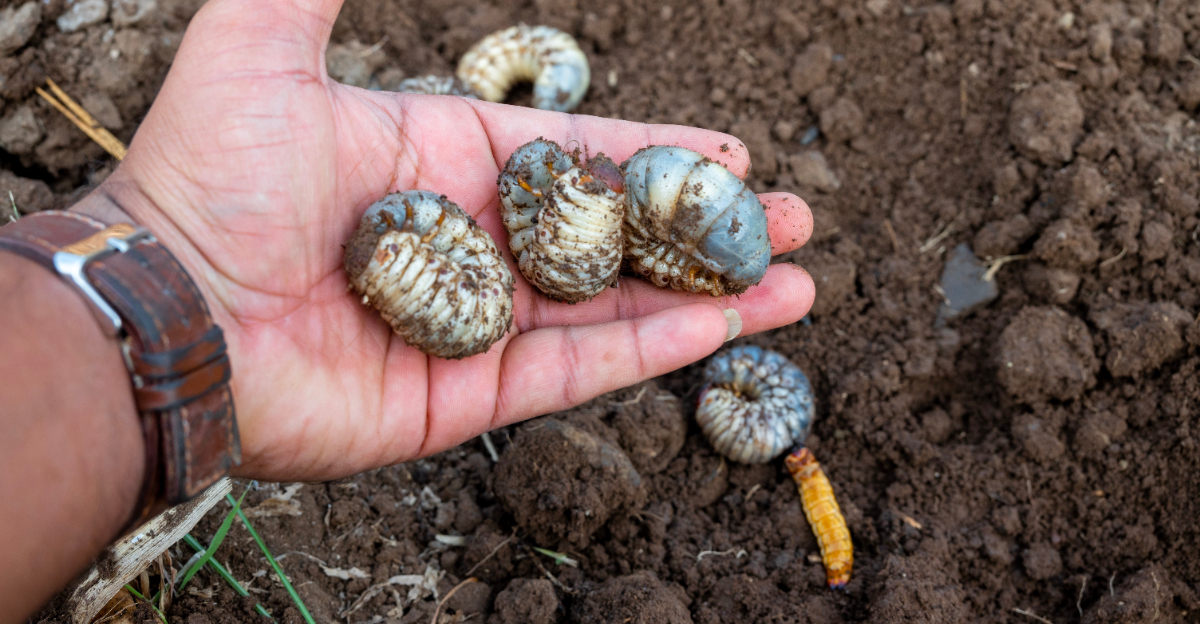
Grubs in a Michigan lawn rarely announce themselves until the damage is already visible, and by that point the population has been building for longer than most homeowners realize.
What makes grub problems genuinely difficult is that the habits contributing to them are often the same habits people associate with taking care of their lawn.
Watering patterns, mowing height, thatch buildup and the timing of certain lawn treatments all influence how hospitable a yard is to the beetles that lay the eggs grubs hatch from.
A lawn that looks well maintained on the surface can be quietly setting up the conditions for a bad grub season without any obvious warning.
Understanding which specific habits are working against you this spring is the first useful step toward actually changing the outcome.
1. Keeping Turf Too Short
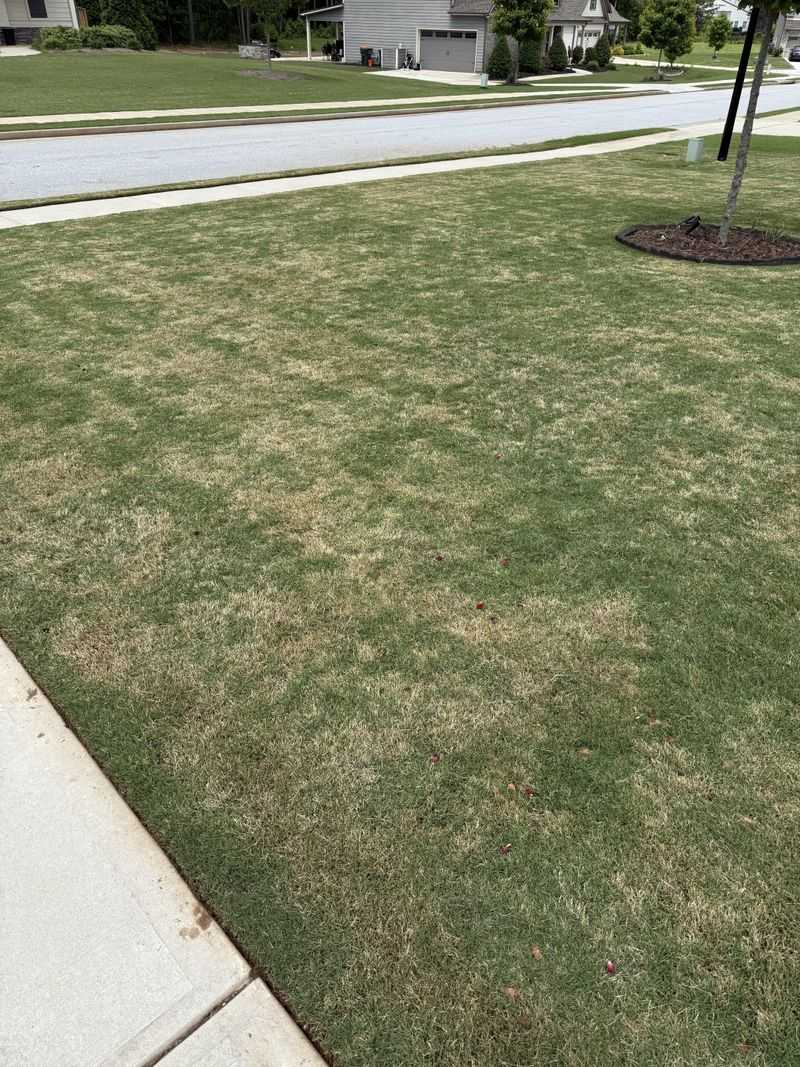
Cutting your grass as short as possible might seem like a smart way to save time between mows, but it actually puts your lawn under serious stress. Grass that gets cut too short struggles to grow deep, strong roots.
Without those deep roots, the turf becomes weak and thin, which makes it far more vulnerable to grub feeding activity happening just below the surface.
Most Michigan lawns do best when mowed at a height between three and four inches. Keeping grass at that height shades the soil naturally, which helps retain moisture and makes conditions less inviting for beetles looking for a place to lay their eggs.
Beetles prefer warm, dry, exposed soil when choosing where to deposit eggs in early summer.
Scalping your lawn also removes the protective leaf blade that helps grass recover from damage quickly. When grubs feed on roots, a tall and healthy lawn can sometimes mask the early signs and bounce back faster. A short lawn has almost no buffer at all.
Try raising your mower deck one notch higher than you normally would and stick with that setting throughout the spring and summer. You will likely notice your lawn staying greener longer with less watering needed.
A taller lawn is simply a tougher lawn, and tougher turf is the first line of defense against grub pressure building up in your yard this season.
2. Ignoring Thin Or Bare Lawn Patches
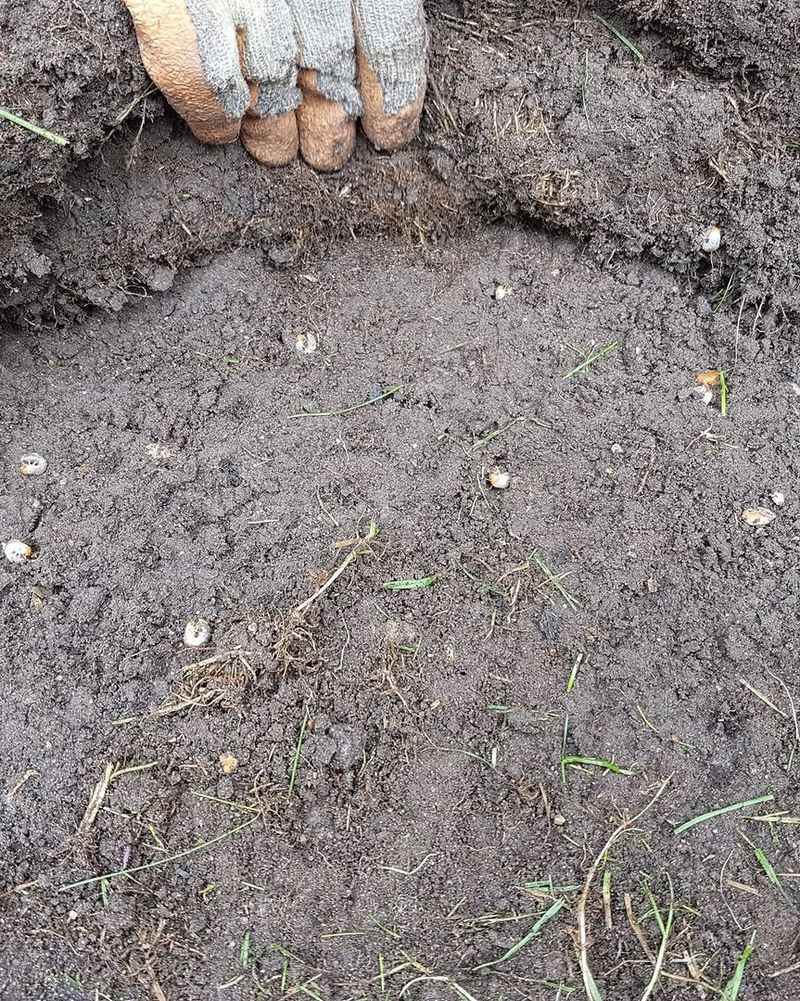
Bare patches in a lawn can look like just a cosmetic problem, but they are actually a warning sign worth paying close attention to.
Exposed soil heats up faster than covered ground, and that warmth is exactly what attracts egg-laying beetles in late spring and early summer.
Japanese beetles and masked chafers, both common in Michigan, actively seek out thin or open turf areas to deposit their eggs.
When those eggs hatch in midsummer, the young grubs immediately begin feeding on grass roots. Thin areas that already lack healthy root systems give grubs an easy food source with almost no resistance.
Over time, those patches grow larger and the turf becomes even harder to recover without serious intervention.
Addressing bare spots early in spring gives your lawn a real fighting chance. Loosen the soil in the affected areas, add a thin layer of quality compost, and overseed with a grass variety suited to Michigan conditions like Kentucky bluegrass or tall fescue.
Your Michigan Garden Changes Every Week. Your Plan Should Too.
Gardening in Michigan changes quickly throughout the season. Every Friday you’ll receive a simple weekly plan showing exactly what to plant, prune, fertilize, harvest, and protect so you never miss the right timing.
Keep those areas consistently moist until the new grass establishes itself firmly.
Even if full recovery takes a few weeks, filling in those bare spots removes the open invitation for beetles to choose your yard over your neighbor’s. Healthy, dense turf is genuinely one of the most effective natural barriers against grub infestations.
Staying on top of thin patches is one of the smartest and most affordable things a Michigan homeowner can do each spring.
3. Leaving Heavy Thatch In Place
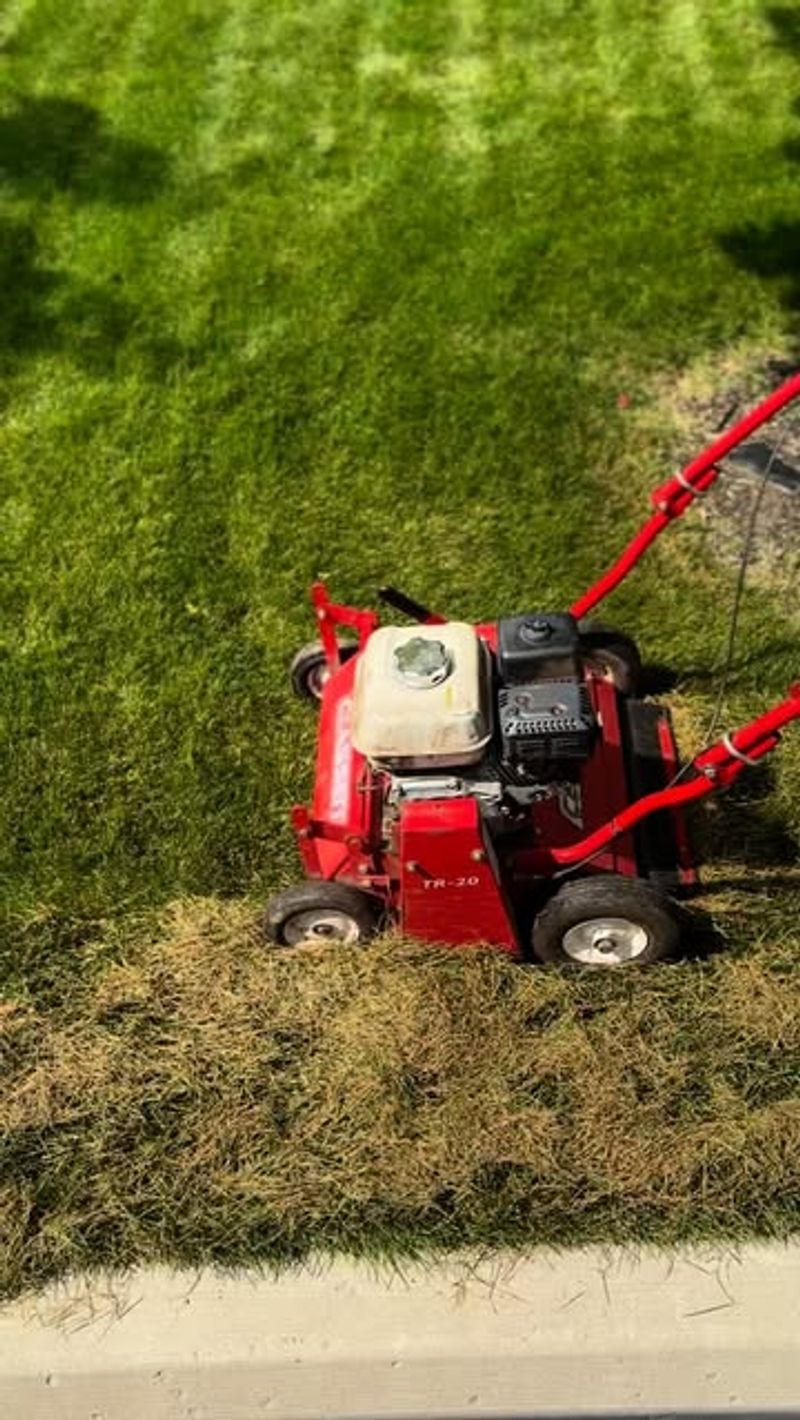
Thatch is that spongy layer of old grass stems, roots, and organic debris that builds up between the soil surface and the green blades above. A thin layer of thatch, around half an inch or less, is actually helpful because it insulates the soil and retains some moisture.
But when thatch gets thicker than that, it starts causing real problems for lawn health.
Thick thatch creates a warm, humid environment that is surprisingly appealing to grubs. It also blocks water, fertilizer, and oxygen from reaching the soil where grass roots actually need them.
Roots begin growing up into the thatch layer rather than down into the soil, which makes the entire lawn shallow-rooted and fragile.
Grubs that feed on shallow roots can cause visible damage much faster in a thatch-heavy lawn than in one with healthy soil contact. The turf simply has no depth to fall back on when feeding pressure increases.
Pulling back a small section of turf and noticing more than half an inch of spongy brown material beneath the green grass is a clear sign that dethatching is overdue.
Spring is a great time to dethatch Michigan lawns using a dethatching rake or a power dethatcher rented from a local hardware store. Following up with aeration helps even more by opening the soil to air and nutrients.
Removing that thick thatch layer gives your lawn a fresh start and removes one of the hidden conditions that allows grub populations to build quietly over time.
4. Treating Without Checking For Grubs First
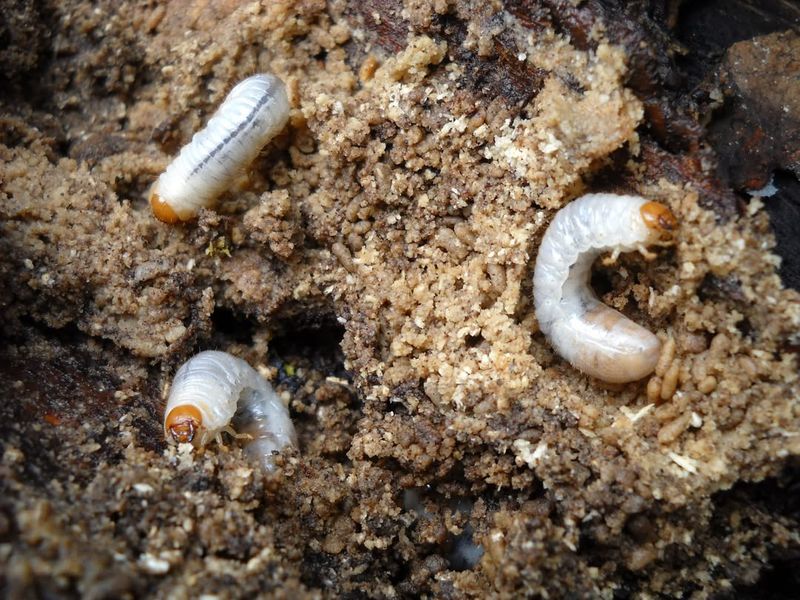
Reaching straight for a grub control product without actually confirming grubs are present is one of the most common and costly lawn care mistakes Michigan homeowners make. Not every brown patch or struggling area of turf is caused by grubs.
Applying treatment when grubs are not the real problem wastes money, adds unnecessary chemicals to your yard, and does nothing to fix whatever is actually going on.
Before treating anything, take a few minutes to do a simple inspection. Choose an area of the lawn that looks stressed or damaged and use a flat shovel to cut a one-foot square section of turf about three inches deep.
Fold it back and look through the soil carefully. Finding fewer than five grubs per square foot generally does not require treatment. Finding ten or more in that space is when action becomes worthwhile.
Timing also matters a great deal. Spring grubs are older, larger, and much harder to manage with surface treatments because they have already moved deeper into the soil to avoid cold temperatures.
Most lawn care professionals in Michigan recommend targeting the younger grub stage in midsummer rather than trying to treat in spring when effectiveness drops significantly.
Checking first gives you real information to work with instead of guessing. It also helps you decide whether cultural changes like better watering habits or overseeding will solve the problem without any product at all.
A shovel and ten minutes of your time can save you from spending money on treatments your lawn may not even need this season.
5. Assuming Every Brown Patch Is Grub Damage
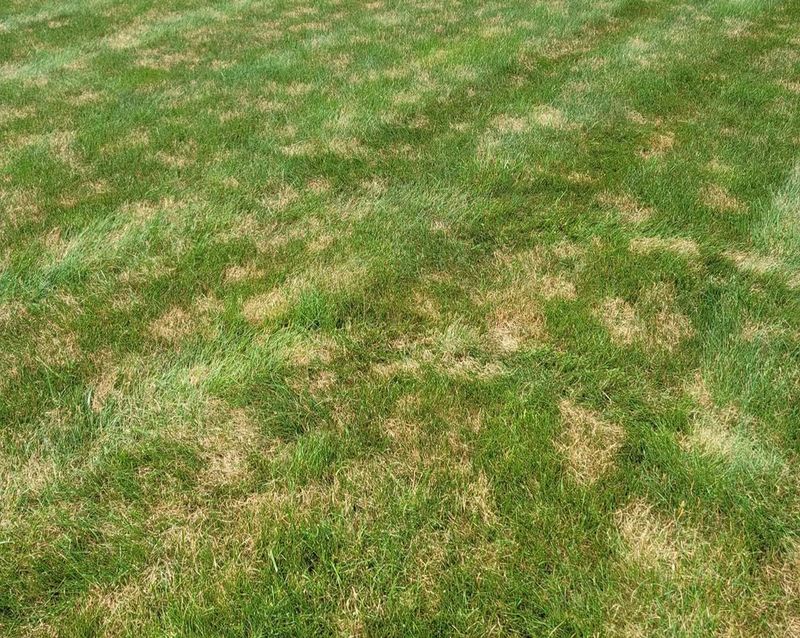
Brown patches on a Michigan lawn in spring can come from a surprising number of causes, and jumping straight to grubs as the explanation often leads homeowners in the wrong direction.
Frost heaving, winter desiccation, snow mold, dog spots, salt damage from winter road treatment, and drought stress can all produce brown areas that look similar to grub damage at first glance.
Grub damage typically shows up as turf that feels spongy or loose underfoot, almost like a piece of carpet that has come unglued from the floor.
You can grab a handful of the affected grass and roll it back like a rug because the roots have been eaten away beneath the surface.
That rolling-back test is one of the most reliable ways to distinguish grub damage from other causes.
If the turf holds firm and the roots look intact when you pull back a section, grubs are probably not the issue. Check for fungal patterns, soil compaction, or signs of pet activity before deciding on a course of action.
Treating for grubs when another problem is responsible delays the real fix and can actually make overall lawn health worse.
Taking the time to correctly identify what is actually causing the damage puts you in a much stronger position. Healthy lawn care is always built on accurate diagnosis rather than assumptions.
Once you know what you are dealing with, the right solution becomes obvious and far more effective than guessing and hoping the problem resolves itself before summer arrives.
6. Skipping Overseeding In Thin Areas
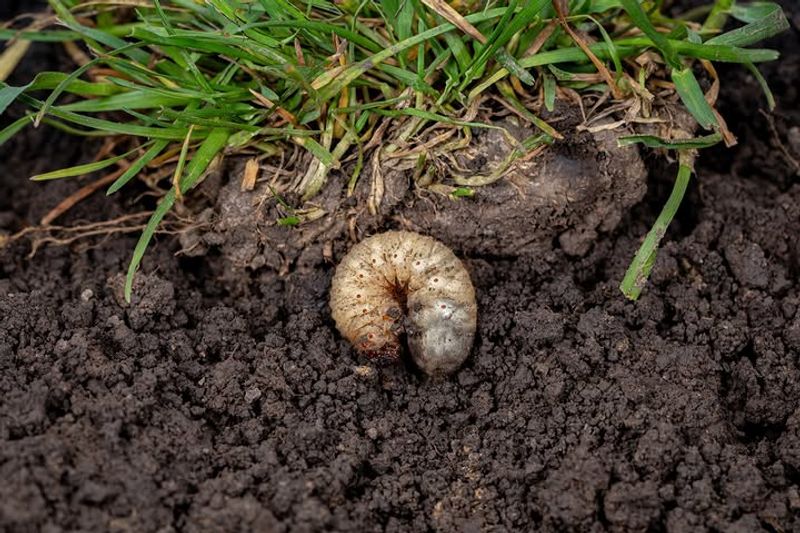
Overseeding is one of the most powerful and underused tools in a Michigan homeowner’s lawn care routine. Many people skip it because the results are not instant, but that patience pays off in a big way.
Dense, thick turf created through regular overseeding is genuinely one of the best natural defenses against grub pressure, because there is simply more healthy root mass for the lawn to work with when feeding begins.
Thin lawns are fragile lawns. When grubs feed on the roots of sparse turf, the damage becomes visible quickly and spreads fast because there is no surrounding density to hold the lawn together.
A thick lawn can absorb some root loss without showing obvious signs, giving you more time to respond before the problem becomes a major repair project.
Early spring is a decent time to overseed in Michigan, though late summer to early fall tends to produce the strongest germination results because soil temperatures are ideal and competition from weeds is lower.
If spring is your window, choose a quality grass seed blend suited to your lawn’s sun exposure and prepare the soil by loosening it lightly and adding a thin topdressing of compost.
Water consistently until the new seedlings establish themselves and avoid mowing the overseeded areas too soon. Even filling in just the thin spots each year gradually builds a denser, more resilient lawn overall.
Committing to overseeding as a regular habit is one of the simplest ways to make your Michigan lawn naturally more resistant to grub problems every single season.
7. Allowing Soil Compaction To Build Up
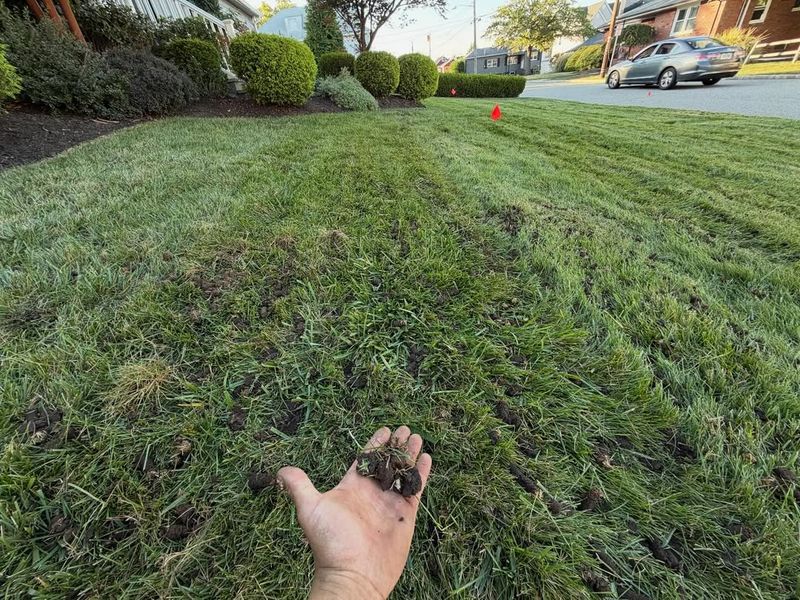
Soil compaction is one of those slow-building problems that does not announce itself loudly until the lawn is already struggling.
In Michigan, heavy clay soils are especially prone to compaction, and years of foot traffic, vehicle parking, or even repeated freezing and thawing can press soil particles so tightly together that water, air, and nutrients can barely move through them at all.
Compacted soil forces grass roots to stay shallow because pushing through dense, hard ground takes more energy than most turf grass can manage. Shallow roots mean a weaker lawn overall, and a lawn with weak roots is far more susceptible to visible grub damage.
The same compaction that stresses your turf also creates conditions that certain beetle species find attractive when selecting egg-laying spots in late spring.
Core aeration is the most effective solution, and spring is a good time to get it done in Michigan, especially before soil temperatures climb too high.
A core aerator pulls small plugs of soil out of the ground and leaves channels that allow water and oxygen to penetrate deeply.
Those channels also give grass roots a path to grow downward rather than spreading sideways near the surface.
You can rent a core aerator from most equipment rental shops, or hire a local lawn service to handle it quickly. Following aeration with a round of overseeding and a light fertilizer application gives your lawn a strong recovery boost.
Addressing compaction regularly keeps your turf healthier, more deeply rooted, and far better equipped to handle whatever grub pressure comes its way this season.
8. Relying On Preventive Products At The Wrong Time
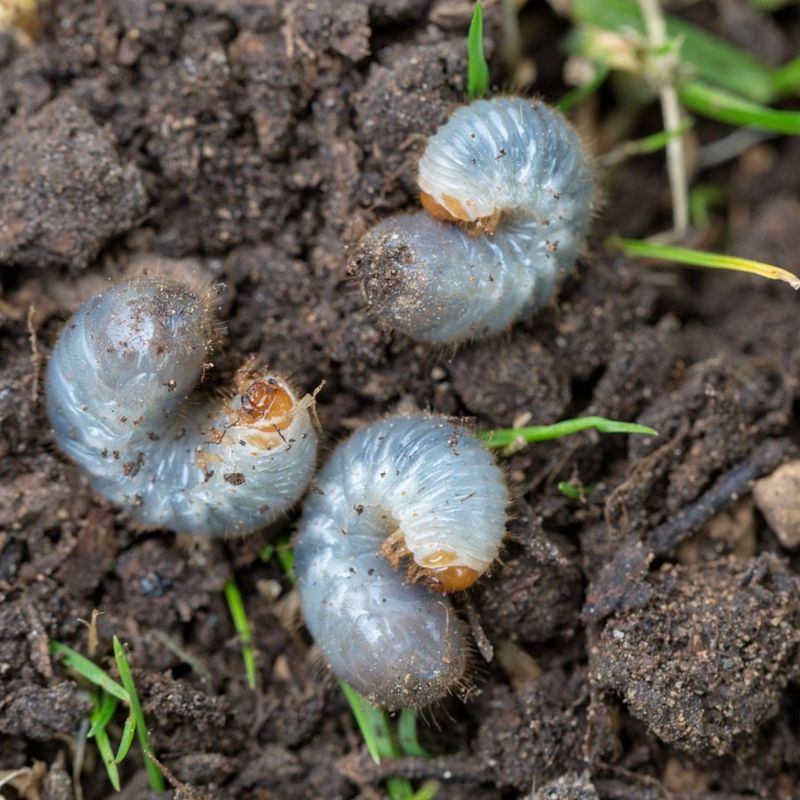
Preventive grub control products can be genuinely effective tools when used correctly, but timing is everything. Many Michigan homeowners apply preventive treatments too early in spring, thinking they are getting ahead of the problem.
The reality is that most preventive products are designed to target newly hatched grubs in midsummer, not the older grubs that are already in the soil from the previous year’s population.
Applying a preventive product in April or May means it will likely break down or move through the soil before the new egg-laying and hatching cycle even begins. You end up spending money on a product that is no longer active when it is actually needed most.
Reading the label carefully and matching the application window to the product’s intended timing is one of the most important steps any homeowner can take.
Most preventive products containing active ingredients like chlorantraniliprole work best when applied between late May and mid-July in Michigan, depending on your specific location and the beetle species present in your area.
Chlorantraniliprole has a longer soil activity window and is generally considered one of the more forgiving options in terms of timing flexibility.
Talking to a local Michigan State University Extension office or a trusted lawn care professional before purchasing any product is always a smart move. They can tell you which beetles are most active in your county and when the ideal treatment window falls.
Getting the timing right means the product actually does its job, and your investment in lawn care translates into real, visible results throughout the rest of the season.