The Secret To Keeping Texas Salvia Blooming All Summer Long
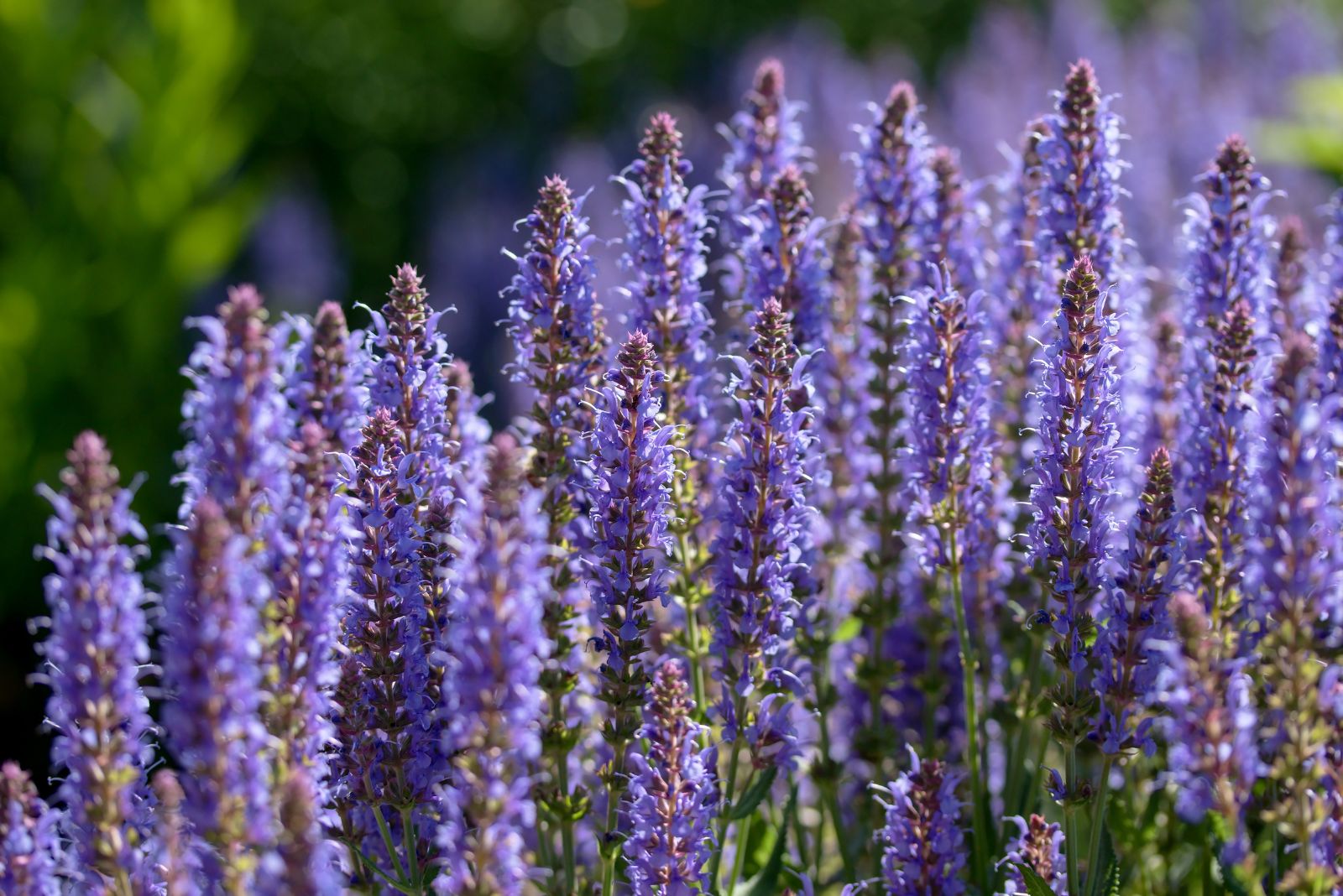
Texas salvia is one of the most reliable summer bloomers available to gardeners in this state, but reliable does not always mean effortless.
A lot of Texas gardeners end up with salvia that looks impressive through May and June and then gradually loses momentum right when the heat peaks and the color is needed most. The plant is not struggling because of the heat. Salvia is built for Texas summers.
The decline almost always comes back to a specific set of habits, or missing habits, that quietly cut the bloom cycle short before it has a chance to keep going.
Understanding what actually drives repeat flowering in salvia, and what commonly done things work against it, changes the results significantly.
The difference between a plant that fades by July and one that stays in heavy bloom through September is smaller than most people think, and it starts with knowing exactly what to do and when to do it.
1. Plant Salvias In Full Texas Sun
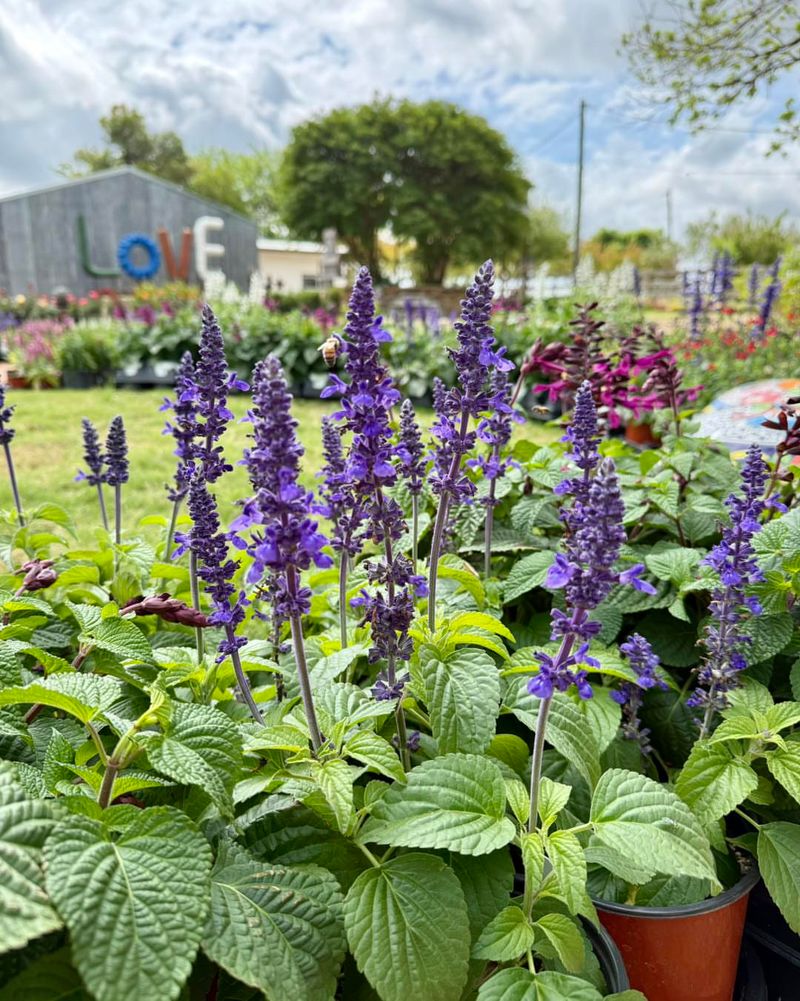
Nothing gets a Texas salvia fired up like a full day of blazing sunshine. These plants were practically built for the Texas heat, and they thrive when the sun hits them hard and direct from morning to evening.
If you plant them in a shady spot, you will get a lot of leafy green growth but very few flowers.
Full sun means at least six to eight hours of direct sunlight every single day. More is even better for salvias.
A south-facing or west-facing garden bed is usually the sweet spot in most Texas yards. Avoid planting near tall trees, fences, or buildings that cast shade during the hottest parts of the day.
When salvias get the intense light they love, their blooming kicks into high gear. The flower spikes grow taller, the colors look more vivid, and the plants stay compact and bushy instead of leggy and floppy.
Sunlight also helps the soil dry out between waterings, which salvias strongly prefer. If you are moving salvias from a pot or a shadier spot, give them a few days to adjust to full sun gradually. Set them out for a few hours each day before making the final move.
Once established in their sunny home, these plants are remarkably tough and will push out blooms on repeat all summer long without much fuss at all.
2. Water Deeply But Not Constantly
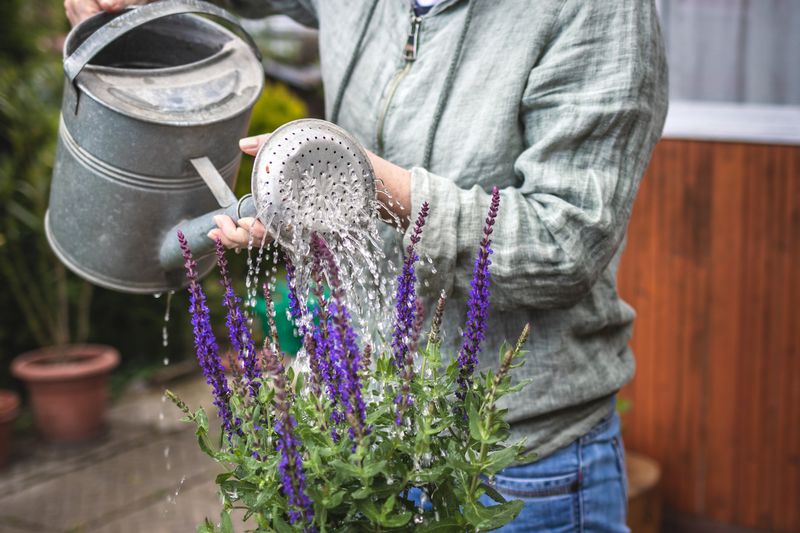
Overwatering is one of the fastest ways to slow down a salvia’s bloom cycle. A lot of gardeners make the mistake of watering a little bit every day, thinking that keeps the plant happy.
What actually happens is the roots stay shallow and weak, and the plant spends more energy surviving soggy soil than producing flowers.
Deep watering done every few days is far better for established salvias. When you water deeply, the moisture soaks down several inches into the soil.
The roots chase that water down and grow strong and wide. Strong roots mean a healthier plant that can handle Texas heat and still push out blooms all summer.
Your Texas Garden Changes Every Week. Your Plan Should Too.
Gardening in Texas changes quickly throughout the season. Every Friday you’ll receive a simple weekly plan showing exactly what to plant, prune, fertilize, harvest, and protect so you never miss the right timing.
A good rule of thumb is to let the top inch or two of soil dry out before watering again. Stick your finger in the dirt near the base of the plant.
If it feels dry an inch down, go ahead and water slowly and thoroughly. If it still feels moist, hold off another day or two.
Salvias grown in sandy or rocky Texas soil may need water a bit more often than those in heavier clay soil. Pay attention to how your specific garden drains.
Raised beds dry out faster than in-ground beds. During extreme heat waves, even established salvias may need a little extra help.
But always aim for deep and infrequent rather than shallow and constant. That simple shift in watering habit can make a huge difference in how many blooms you see each week.
3. Trim Spent Flower Spikes Regularly
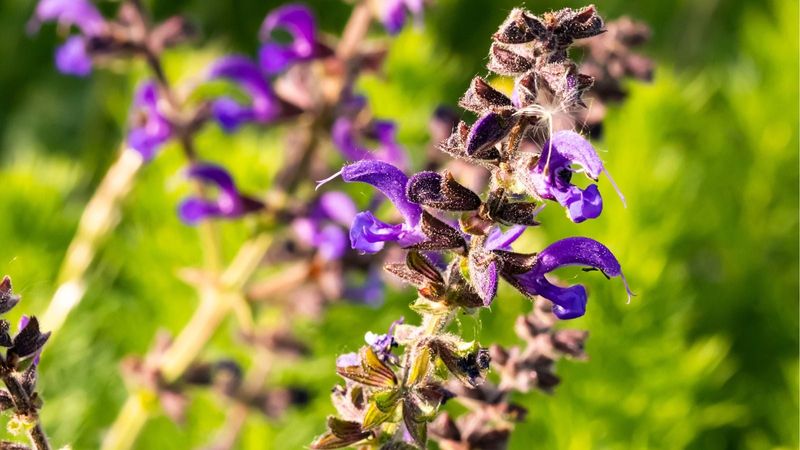
Here is a gardening trick that pays off big time: the moment a salvia flower spike starts to look brown and worn out, cut it off.
This practice is called deadheading, and it sends a clear signal to the plant that its job of producing seeds is not done yet. In response, the plant pushes out fresh new flower spikes almost immediately.
Left on the plant, those spent spikes drain energy that could otherwise go toward new blooms. The plant starts focusing on seed production instead of flowering, and the show slows down significantly.
Regular trimming keeps the plant in constant bloom mode all the way through summer and into early fall.
You do not need fancy tools for this job. A pair of clean scissors or small hand pruners works perfectly.
Snip the spent spike off just above the next set of healthy leaves or a side shoot. That little side shoot will quickly grow into a new flowering branch. Within a week or two, you will often see fresh buds forming right where you made the cut.
Making deadheading a weekly habit is one of the easiest and most rewarding things you can do for your salvias. Walk through the garden with your pruners on a Saturday morning, and spend just a few minutes tidying up the old spikes.
The results are almost instant. Gardeners who deadhead consistently report that their salvias look fuller, bloom longer, and stay much more attractive than plants that are simply left alone after each wave of flowers finishes.
4. Avoid Heavy Fertilizer Applications
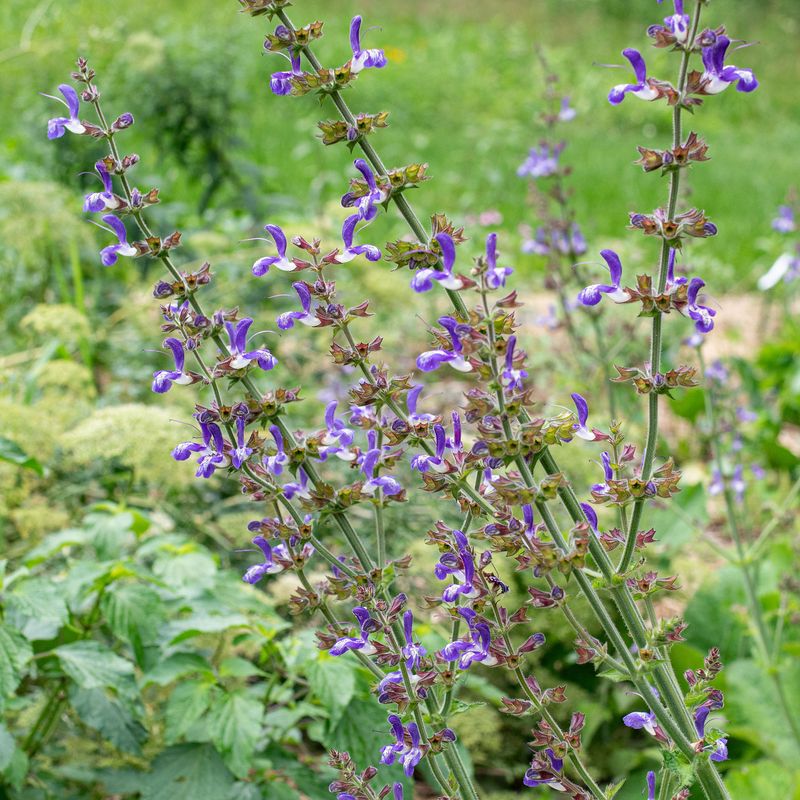
More fertilizer does not always mean more flowers. With salvias, it can actually mean the opposite.
When you pour on a lot of nitrogen-rich fertilizer, the plant gets a big burst of energy and channels it straight into producing leaves. You end up with a big, bushy, green plant that looks healthy but barely blooms. That is not the goal.
Salvias are naturally lean feeders. They evolved in rocky, nutrient-poor soils where they had to work hard to survive.
Giving them rich, heavily fertilized soil throws off their natural rhythm. The plant basically gets too comfortable and stops trying to produce seeds through flowers because it is already thriving on all those extra nutrients.
If you want to fertilize, keep it light and simple. A slow-release granular fertilizer applied once in early spring is usually plenty for the whole season.
Look for a formula with a balanced or slightly lower nitrogen ratio. Something labeled for blooming plants or flowering perennials works well. Avoid liquid fertilizers that deliver a heavy dose all at once.
Compost is a gentler option that many experienced gardeners swear by. A thin layer of finished compost worked into the soil around your salvias in spring improves soil texture and adds mild nutrients without overwhelming the plant.
It also helps with moisture retention during dry Texas summers. If your salvias are already in decent soil and getting enough sun and water, they may not need any fertilizer at all. Sometimes the best thing you can do is simply trust the plant and step back.
5. Give Plants Plenty Of Airflow
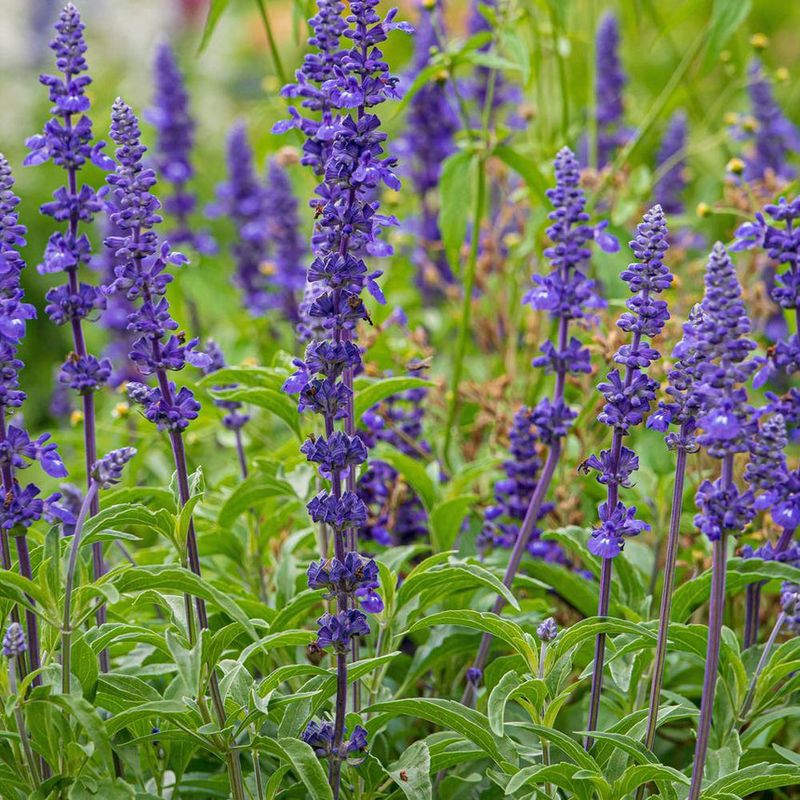
Crowded plants are stressed plants, and stressed plants do not bloom well. Salvias need good airflow around their stems and leaves to stay healthy during the hot, sometimes humid Texas summer.
When plants are jammed too close together, moisture gets trapped between them, and that is when fungal problems start creeping in.
Powdery mildew and other fungal issues love warm, damp, still air. Once they take hold, they weaken the plant and reduce blooming noticeably.
You might notice white powdery patches on the leaves or stems turning brown and mushy near the base. These problems are much harder to fix once they get started, so spacing plants correctly from the beginning is the smarter move.
Most Texas salvias do best when planted about 18 to 24 inches apart. That spacing gives each plant enough room to spread out naturally and allows air to move freely between them.
Good airflow dries out surface moisture quickly after rain or watering, which keeps fungal issues from gaining a foothold.
If you already have salvias planted too close together and they seem stressed or are not blooming as well as expected, consider thinning them out. Carefully dig up a few plants and relocate them to a new spot with better spacing.
Pruning away some of the inner branches can also help open up the plant and improve air circulation without having to move anything.
It sounds like a small detail, but proper spacing is one of those behind-the-scenes factors that makes a surprisingly big difference in how long and how heavily your salvias bloom all season long.
6. Cut Plants Back Lightly In Midseason
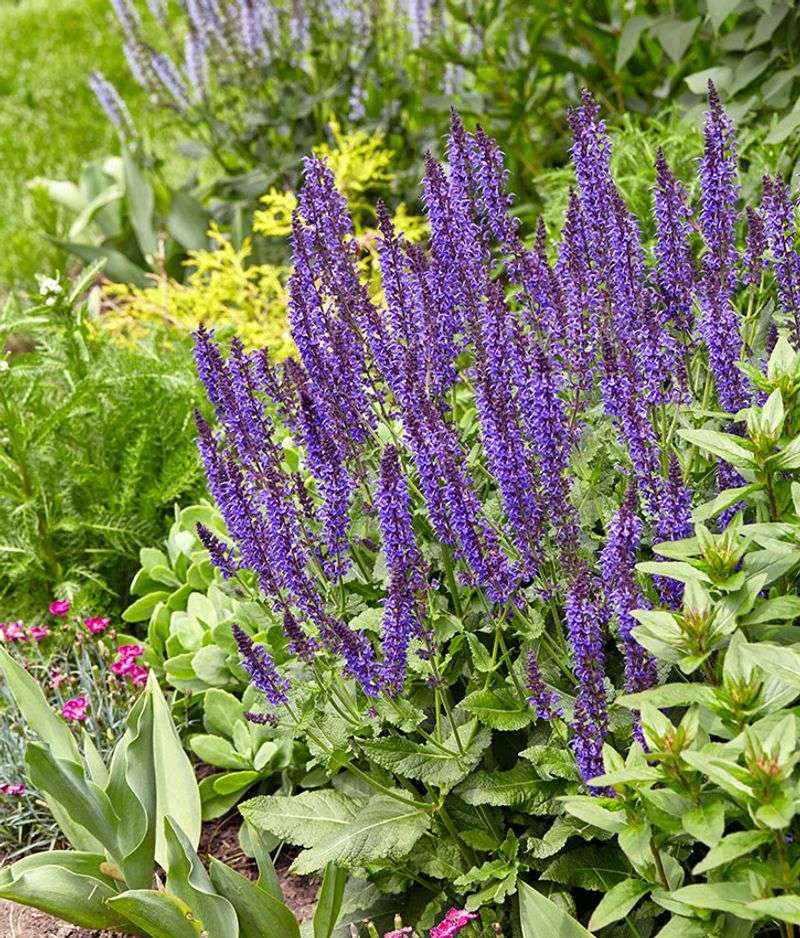
By midsummer, even the healthiest salvias can start to look a little tired and leggy. The first big flush of blooms has come and gone, the stems have stretched out, and the plant just looks a bit worn around the edges.
This is the perfect moment for a light midseason trim, and it can completely transform how the plant performs for the rest of the summer.
Cutting the plant back by about one-third sends a strong signal to push out fresh new growth from the base. Within a couple of weeks, you will usually see clusters of new shoots emerging, and those shoots are loaded with flower buds.
It is almost like hitting a reset button on the plant’s bloom cycle, and the results are often even better than the first round of flowers.
Use clean, sharp pruners and make your cuts just above a set of healthy leaves or a visible side shoot. Avoid cutting all the way down to bare woody stems, especially in the middle of summer when heat stress is already a factor.
Leaving some green growth on the plant helps it recover faster and bounce back with more energy.
After trimming, give your salvias a deep watering and a small amount of balanced fertilizer if the soil seems especially depleted. Then step back and watch.
Most gardeners are genuinely surprised by how quickly salvias respond to a midseason haircut. Within three to four weeks, the plant often looks fuller and more vibrant than it did at the start of summer, ready to bloom right through to the first cool days of fall.