What It Really Means When A Bluebird Shows Up In Your Missouri Yard
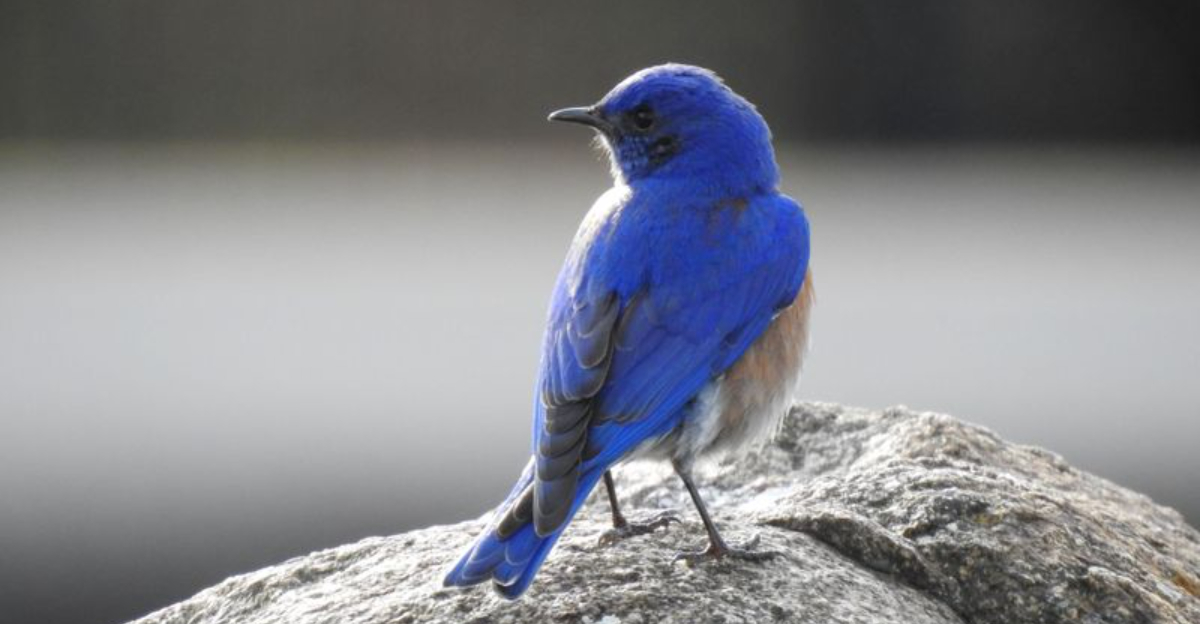
Blue settles quickly on your fence post before you register the shift. Your breath catches before your mind can even explain why. Missouri named this bird its official state symbol for good reason.
Nothing about that shade of cobalt looks accidental to you. Rarely do you see a color this deliberate this close to home. Wings carry quiet signals about your soil and air. Suddenly you notice details about your own yard you missed before.
Few visitors arrive at your window carrying this much meaning. Understanding why they choose your porch reveals real secrets about your land. Their presence tells you the air stays clean and alive. Missing their visits would mean losing something quietly essential.
Curiosity now pulls you forward, eyes fixed on that fence post. This quiet corner of Missouri is becoming a rare gathering ground for them. You cannot look away now, because everything changes from here.
Bluebirds Are A Sign Of A Healthy Habitat
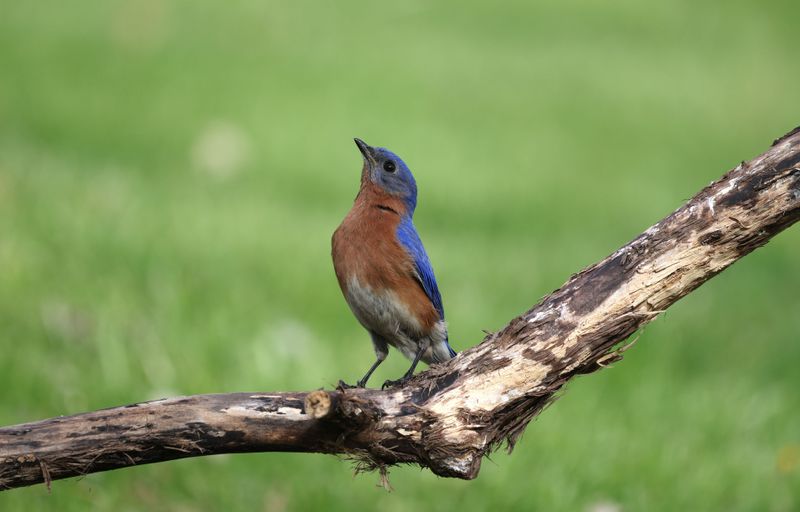
A bluebird landing in your yard is a positive signal about the health of your land. These birds are picky about where they hang out, and their presence tells you something important about your land.
Eastern Bluebirds need open spaces with short grass and scattered trees. They hunt insects by perching, spotting movement below, then dropping down to snag them from the ground.
That hunting style requires clear sightlines and healthy soil full of bugs. If your yard supports that, you have built something valuable for local wildlife.
Areas heavy with pesticides tend to have fewer insects, which makes them less attractive to bluebirds. Chemicals reduce the insect populations these birds depend on for food, especially during nesting season when protein demand skyrockets.
Many birders and conservationists view bluebird populations as a rough indicator of ecosystem health. Fewer bluebirds in a region often signals environmental stress, habitat loss, or overuse of lawn chemicals.
Spotting one in your Missouri yard means your space is functioning like a real, living habitat. Your grass, your trees, and your soil are doing their jobs.
Healthy yards attract healthy birds, and healthy birds keep insect populations balanced naturally. You are part of a working ecosystem, not just a homeowner with a lawn.
That bluebird on your fence is not just pretty. It is proof that your yard has what it takes to support life beyond the surface level.
What Attracts These Birds To Missouri Yards
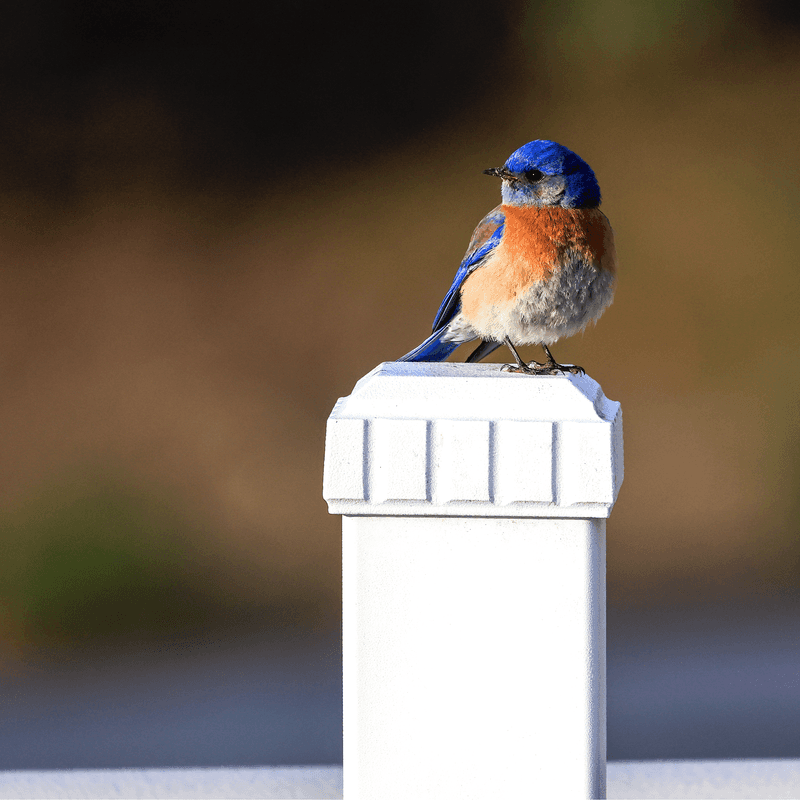
Bluebirds do not show up randomly. They are drawn in by very specific conditions, and once you know what those are, you can roll out the welcome mat.
Open lawn space is the number one draw. Bluebirds need a good stretch of short, managed grass to hunt effectively and feel safe from predators.
Scattered perches matter just as much. Low tree branches, fence posts, and garden stakes give them the elevated vantage points they use to spot insects below.
Water is another major magnet. A shallow birdbath with moving water, kept clean and fresh, can pull bluebirds in from surprising distances during dry stretches.
Your Missouri Garden Changes Every Week. Your Plan Should Too.
Gardening in Missouri changes quickly throughout the season. Every Friday you’ll receive a simple weekly plan showing exactly what to plant, prune, fertilize, harvest, and protect so you never miss the right timing.
Native berry-producing shrubs also help. Dogwood, holly, and serviceberry provide fall and winter food when insects become scarce and temperatures drop across the state.
Nest boxes are arguably the single biggest factor. Bluebird numbers declined sharply in the mid-1900s due to a mix of habitat loss and rising competition from invasive house sparrows and starlings for nesting cavities.
Putting up a properly sized nest box with a 1.5-inch entry hole gives them a safe place to raise their young. Placement on an open pole, away from trees, keeps predators at bay.
Bluebirds are loyal to spots that work for them. Give them food, water, shelter, and open space, and they will come back season after season without fail.
Common Myths About Bluebird Sightings And Luck
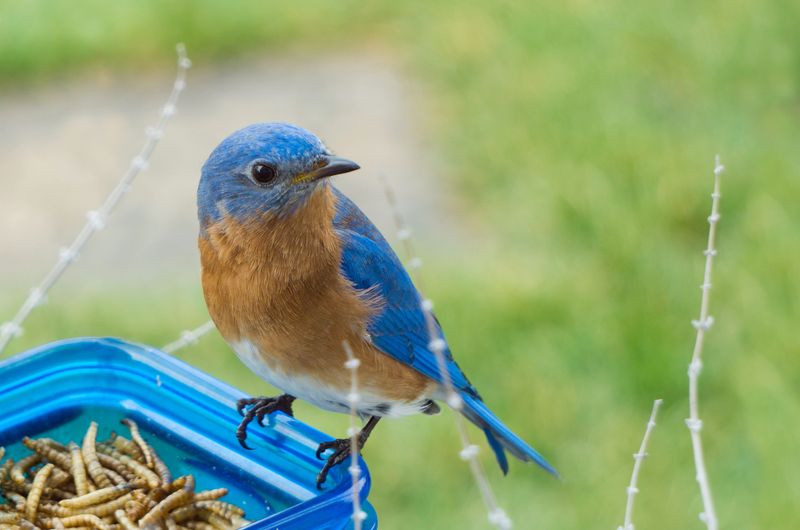
People have been attaching meaning to bluebird sightings for centuries, and not all of those meanings hold up to scrutiny. Some are charming, some are misleading, and a few are just plain wrong.
One popular belief is that a bluebird sighting predicts good luck or positive change coming your way. That idea traces back to Native American traditions and European folklore, and it has stuck around in greeting cards and songs ever since.
There is nothing wrong with finding personal meaning in a beautiful bird. But scientifically speaking, their arrival has more to do with habitat conditions than cosmic timing.
Another myth is that bluebirds only appear in spring. Plenty of Eastern Bluebirds stay in the Midwest through winter, especially when berry sources are available and temperatures stay mild.
Some people believe bluebirds are extremely rare, making any sighting feel magical and once-in-a-lifetime. The truth is that conservation efforts since the 1970s have brought their numbers back significantly.
Nest box programs across the state have helped Eastern Bluebird populations recover in a major way. You are more likely to spot one now than people were several decades ago, thanks to decades of conservation work.
A third myth is that bluebirds are aggressive or territorial toward humans. They are actually quite tolerant of people and will nest close to homes without issue.
Enjoy the folklore, but also appreciate the real story. A bluebird in your yard is a conservation success, not just a lucky charm.
Seasonal Patterns Behind Their Appearance
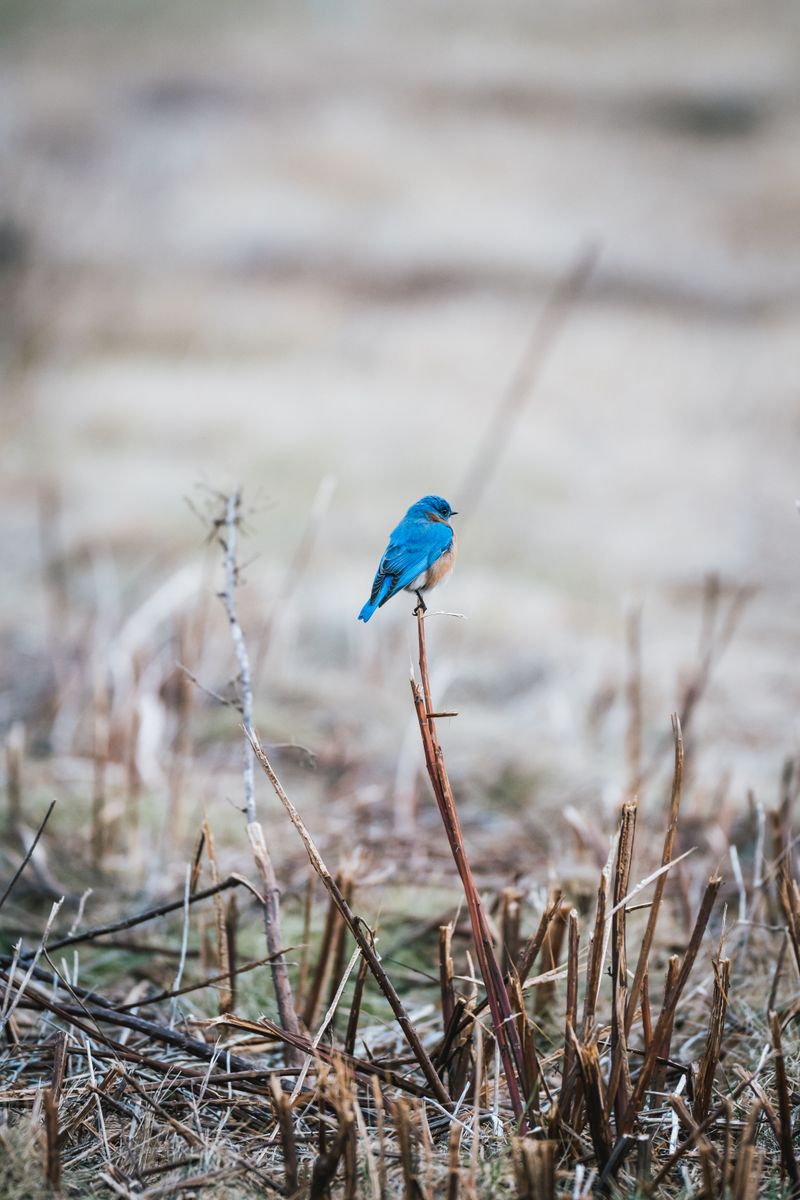
Timing matters when it comes to bluebirds. Understanding their seasonal behavior helps you know exactly why one just showed up in your yard right now.
Early February through March is prime bluebird season in the Midwest. Males arrive first and begin scouting nest cavities, singing loudly to establish territory and attract females.
By April, most pairs are actively nesting. The female builds the nest while the male guards the area and delivers food, making this one of the busiest months in their calendar.
A second clutch of eggs often follows the first. Bluebird pairs can raise two or even three broods per season if conditions stay favorable and food stays plentiful.
Summer sightings are common but quieter. Adults are busy feeding fledglings, and you might spot young birds with spotted chests learning to hunt alongside their parents in open grassy areas.
Fall brings a shift in behavior. Family groups begin forming larger flocks, moving together across the landscape in search of berry sources as insect availability drops.
Winter sightings surprise a lot of people. Eastern Bluebirds do not always migrate south, and a flock huddled in a cedar tree on a cold January morning is a perfectly normal sight.
Knowing the seasonal rhythm helps you prepare your yard at the right times. Put up nest boxes by late January and you will be ready before the scouts arrive.
Simple Ways To Encourage Bluebirds To Stay
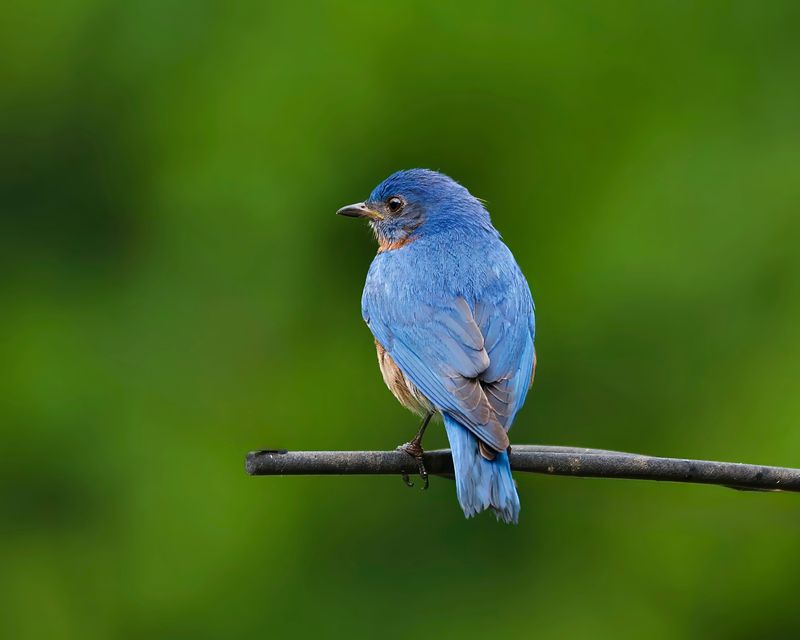
Getting a bluebird to visit is one thing. Getting it to stick around is the real win, and it does not take much effort to make that happen.
Start with a quality nest box. Look for one built to North American Bluebird Society specifications, with a 1.5-inch round entry hole and proper ventilation slots near the top.
Mount the box on a smooth metal pole between four and six feet off the ground. A predator guard baffle below the box keeps raccoons and snakes from raiding eggs.
Face the entry hole away from prevailing winds, ideally pointing east or southeast. That keeps rain out and gives the birds a warm morning sun exposure they seem to prefer.
Monitor the box weekly during nesting season. Checking on it does not disturb the birds and lets you spot problems like house sparrow invasions before they become serious issues.
Mow your lawn regularly during nesting months. Short grass makes insect hunting easier, and bluebirds will return to a yard where food is consistently accessible and easy to catch.
Add a dripper or water wiggler to your birdbath. Moving water catches their attention from a distance and gives them a reliable spot to drink and bathe between feeding runs.
Skip the pesticides on your lawn. A yard full of grubs, beetles, and earthworms is a reliable, natural food source for bluebirds, and those insects do not require any expensive supplements or store-bought seed.
Signs Your Yard Is Becoming Bluebird Habitat
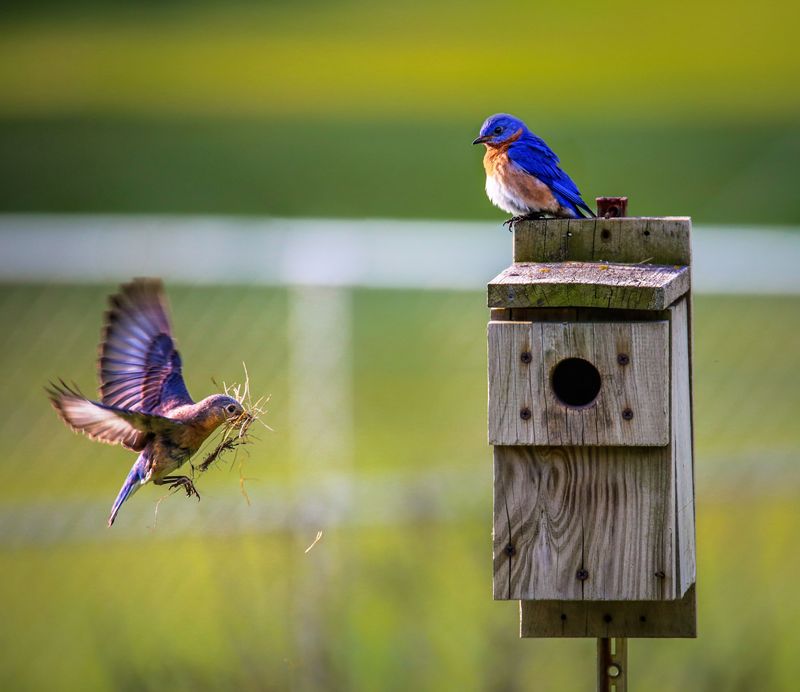
You might not realize your yard has crossed a threshold until a bluebird tells you. There are clear signs that your outdoor space is evolving into genuine habitat worth noticing.
The first sign is repeated visits. If a bluebird keeps returning to the same fence post or tree branch, it is scouting and evaluating your space as a potential home base.
Hearing their soft, melodic call from your yard on multiple mornings is another strong indicator. Males sing persistently near areas they are seriously considering for nesting.
Spotting a pair together is significant. When a male brings a female to inspect a nest box or cavity, the decision-making process has already moved into a serious phase.
You might notice them hovering low over your lawn. That hunting behavior means your grass is producing enough insect activity to make your yard worth their time and energy.
Finding bluebird feathers near your nest box or on the ground nearby is a good clue too. Preening and molting happen close to home, so shed feathers suggest regular, comfortable use of your space.
Fledglings spotted near a nest box in summer confirm successful breeding. Those spotted, chunky young birds tumbling through the grass mean your yard supported a full nesting cycle.
When bluebirds choose your space year after year, you have built something that matters. Your yard has become a real refuge for one of nature’s most celebrated little birds.
Why Bluebirds Matter Beyond Your Backyard
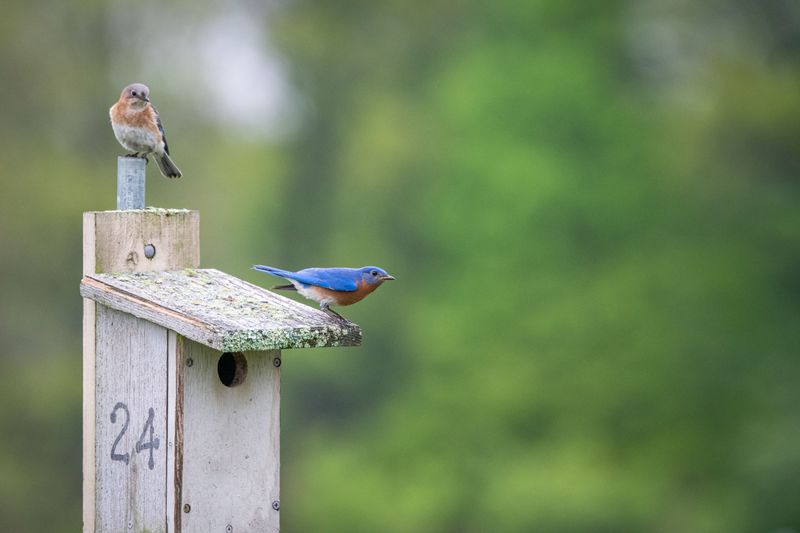
One bluebird in your yard is connected to a much bigger story. These birds play a role in the local ecosystem that goes well beyond looking beautiful on a fence post.
Bluebirds are insectivores, which means they eat enormous numbers of bugs throughout the season. A single pair feeding nestlings can consume a large number of insects per day during peak nesting weeks.
That insect control is valuable. Grasshoppers, beetles, and caterpillars that might otherwise damage gardens and crops end up becoming meals for hungry bluebird families instead.
Their nest box use also benefits other cavity-nesting species. When bluebirds finish a nesting cycle and move on, other birds like tree swallows or chickadees may use the same box later.
Supporting bluebirds means supporting a broader network of native wildlife. Every species that thrives in your yard creates conditions that help other species find food, shelter, and safety nearby.
The Eastern Bluebird is also a conservation comeback story worth celebrating. Populations declined sharply in the mid-twentieth century due to habitat loss and competition from invasive house sparrows and starlings.
Citizen-led nest box programs helped reverse that decline across the entire eastern half of the country. Ordinary homeowners with ordinary yards made a meaningful difference for this species over decades.
A bluebird in your Missouri yard is living proof that small actions add up. What you do in your own backyard genuinely matters for bluebird populations across the region.