The Mulch Mistake Making Rainy Season Flooding Worse In Texas Yards
Water sits in your beds for hours after a storm, and you probably assume the soil is just slow to drain. Texas rainfall arrives in bursts, and your yard needs to move that water fast or it starts working against you.
Your mulch layer feels like protection, but it can behave nothing like you expect when heavy rain hits. Something about the way you handle mulch in Texas quietly changes how water moves through your yard.
Few people ever question a material you trust, and that trust is exactly where the trouble starts. Homeowners rarely think about mulch as a drainage risk, yet your yard reacts to it every time rain falls.
Drainage failures like this build slowly, and your grass pays the price before you spot the pattern. You’re about to find out exactly what your mulch is doing during rainy season, and how simple the fix turns out to be.
Piling Mulch Too Deep Turns The Layer Into A Water Barrier
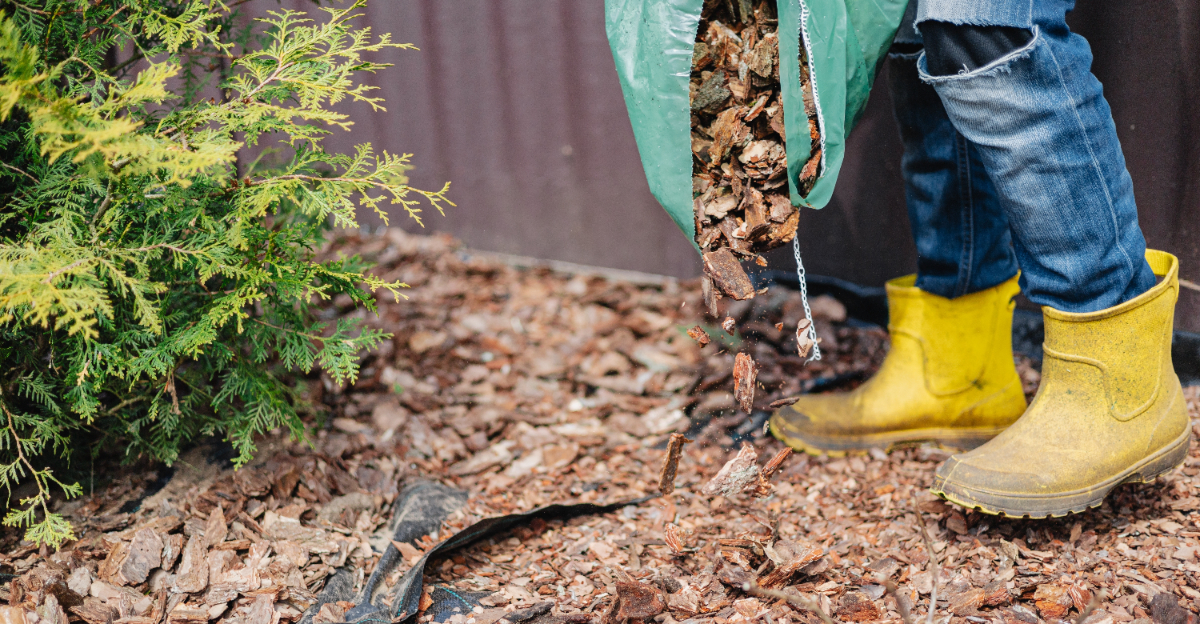
Too much of a good thing can flood your yard. Many homeowners pile mulch four, five, even six inches deep, thinking more coverage means better protection.
That thick layer stops working as a soil helper. Instead, it acts like a sponge that struggles to drain after heavy downpours.
Rain hits the top of the mulch and spreads sideways before it ever reaches the soil. The water has nowhere to go, so it pools right where you least want it.
Compact mulch layers create a crust on top after repeated storms. That crust sheds water instead of letting it soak through, which only makes pooling worse.
Soil experts note that mulch piled too deep can cut water infiltration dramatically, and that matters even more when Texas storms dump inches of rain in a short window.
Your plants suffer, your soil stays bone dry underneath, and your lawn turns into a temporary pond above. The problem usually starts with one too-generous bag spread across the garden bed.
Keeping depth between two and three inches is the sweet spot most landscapers recommend. Any more than that, and you are building a barrier, not a benefit.
Fine Bark And Shredded Wood Mat Together Under Heavy Rain
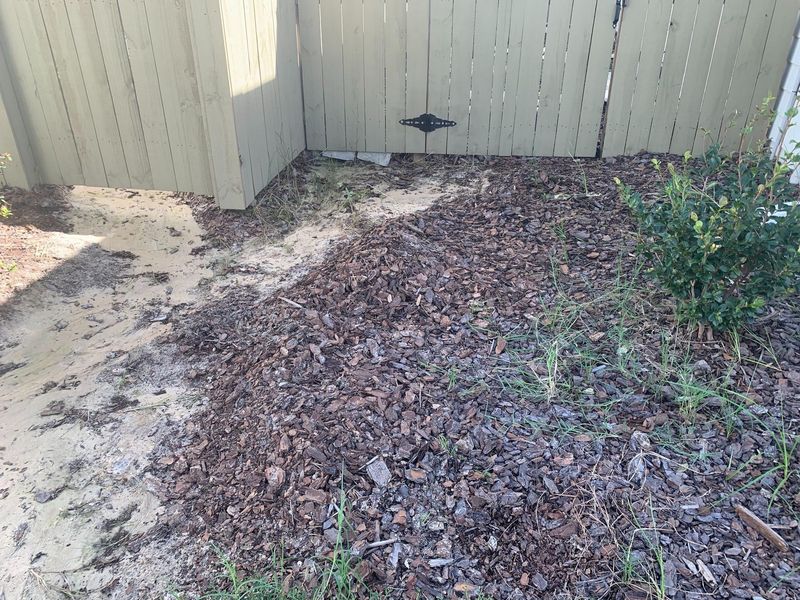
Not all mulch behaves the same way when the sky opens up. Fine bark and shredded wood varieties are especially sneaky troublemakers during storm season.
These smaller pieces interlock tightly when wet, forming a thick mat. That mat can become nearly waterproof after just one heavy rain event.
Picture a wet paper towel sitting on top of your soil. Water sits on top of it rather than passing through, and that is exactly what fine mulch does.
Coarser materials like pine nuggets or chunky bark chips leave gaps between pieces. Those gaps let rainwater funnel down toward the soil where it belongs.
Shredded wood is popular because it looks clean and stays put in the wind. But that same tight-knit texture that keeps it tidy also traps moisture right at the surface.
Your Texas Garden Changes Every Week. Your Plan Should Too.
Gardening in Texas changes quickly throughout the season. Every Friday you’ll receive a simple weekly plan showing exactly what to plant, prune, fertilize, harvest, and protect so you never miss the right timing.
Homeowners in humid parts of the state notice their shredded mulch turning gray and leathery after summer storms. That color change is a sign the material has matted and is no longer draining properly.
Swapping to a chunkier mulch type is one of the fastest ways to improve drainage. The issue is often hiding in the texture, not just the depth.
Choosing the right material for your climate makes a real difference. Chunky, open-structured mulch lets storms pass through instead of pool above.
Runoff Redirects Toward Foundations Instead Of Soaking In
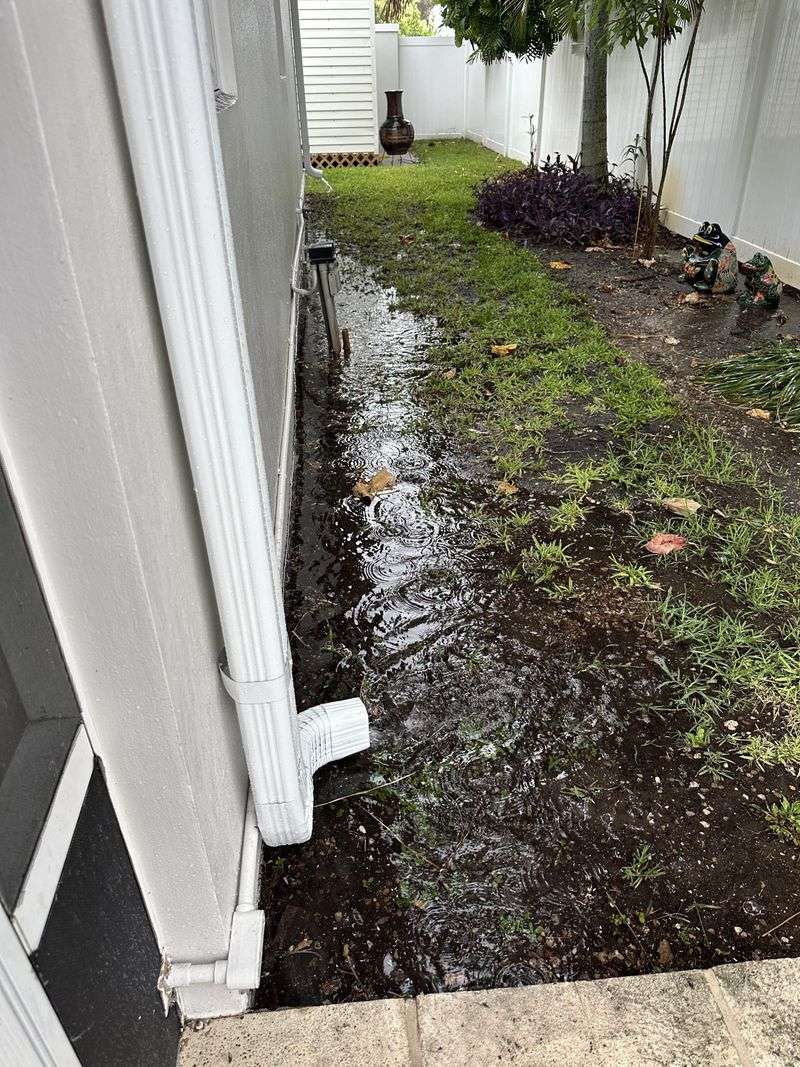
Your foundation is the last place you want water collecting. Yet that is exactly where misdirected runoff tends to travel when mulch is layered incorrectly.
When mulch forms a barrier, rainwater does not soak into the soil beneath. Instead, it moves along the surface, following the path of least resistance.
That path often leads straight to your home’s foundation or crawl space. Over time, repeated exposure to pooled water can crack concrete and weaken wooden framing.
Many homeowners notice wet spots near their exterior walls only after significant storm damage has already occurred. By then, the repair bill is far less pleasant than a simple mulch adjustment would have been.
Proper mulching actually slopes slightly away from the home, directing water outward. Most people either skip this step or unknowingly build the mulch up against the siding.
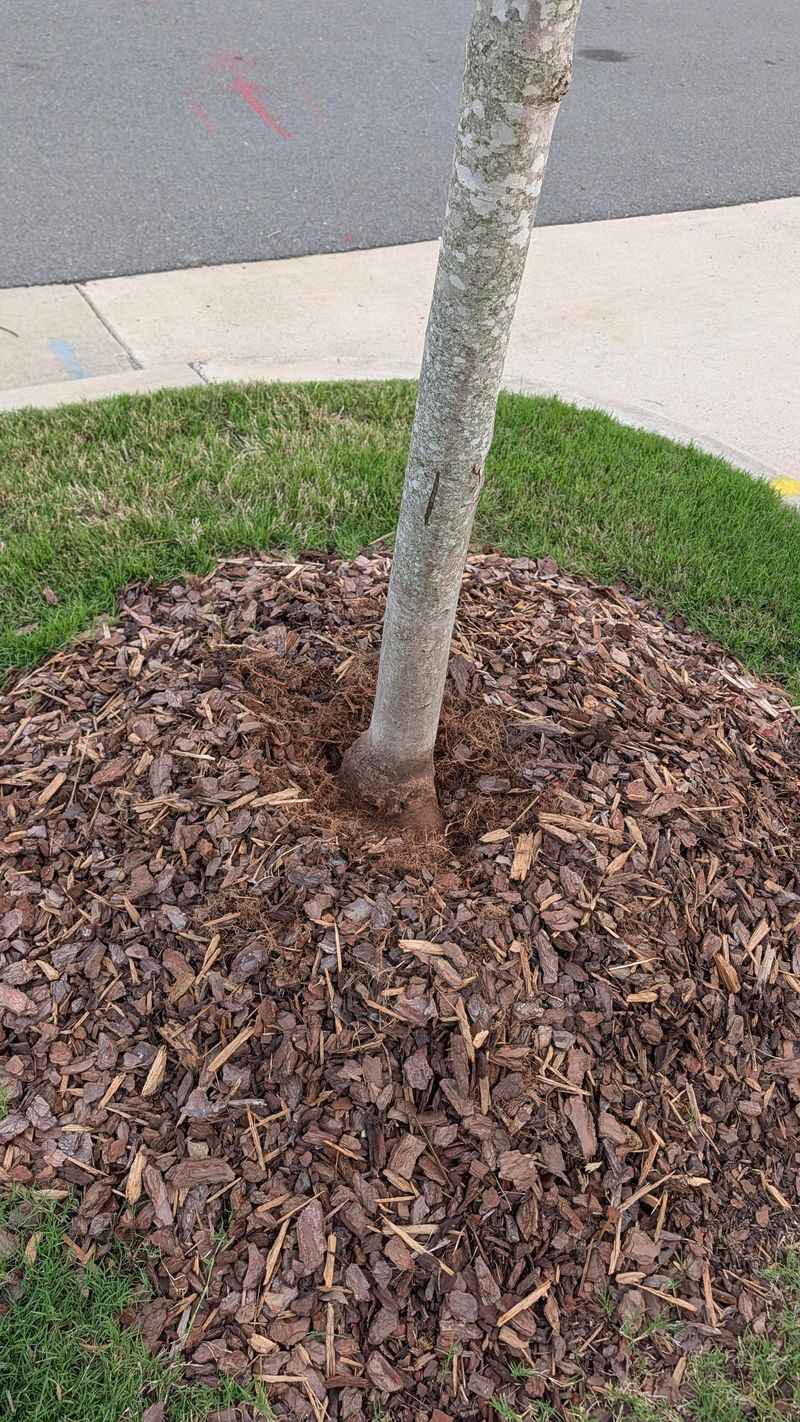
Landscapers call this the volcano effect when mulch piles up too high around tree trunks, and the same kind of buildup causes trouble when it happens against your home’s walls.
Pulling mulch back six inches from your foundation line is a simple fix. That small gap gives water a chance to soak into exposed soil before reaching your home.
This kind of damage is not always obvious from a distance. Sometimes it is happening right at your doorstep, one storm at a time.
Standing Water Above The Layer Starves Roots Of Oxygen
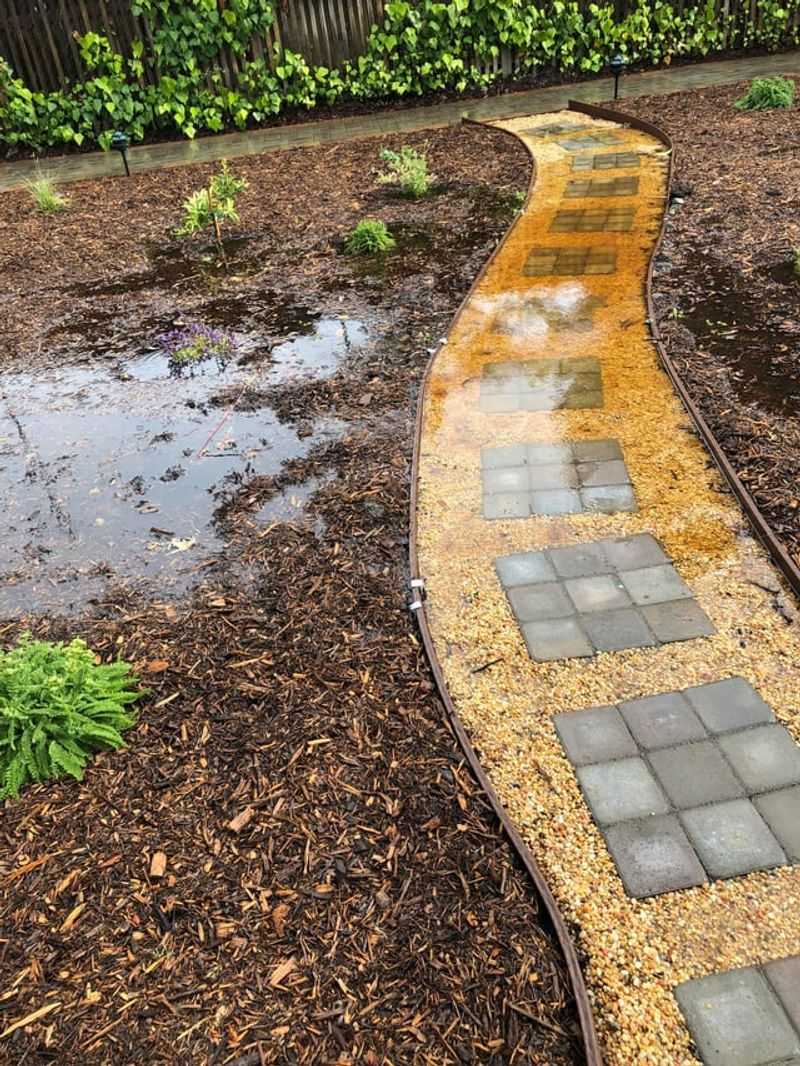
Plants need air just as much as they need water. When standing water sits above a compacted mulch layer, it cuts off the oxygen supply to roots below.
Roots trapped under waterlogged mulch begin losing oxygen within hours of a heavy storm. This is one of the most overlooked causes of plant decline in Texas gardens.
You might think your plants are thriving because they are surrounded by water. But those yellowing leaves and drooping stems tell a different story entirely.
Oxygen moves through soil pores, and those pores fill with water when drainage fails. Once filled, there is no room left for the air that roots desperately need.
This condition is called anaerobic stress, and it weakens plants from the inside out. Stressed roots become vulnerable to fungal infections and rot that spreads quickly in warm, wet climates.
Gardeners across the Gulf Coast region deal with this problem every summer. The combination of clay-heavy soil and poorly draining mulch creates a real risk for root systems.
Aerating your soil before the rainy season begins can help water move through faster. Pairing that with the right mulch depth gives roots the best chance of staying healthy.
This kind of damage does not just hurt your lawn. It quietly weakens the plants you worked hard to grow, one waterlogged storm at a time.
Correct Depth And Texture For Texas Downpours
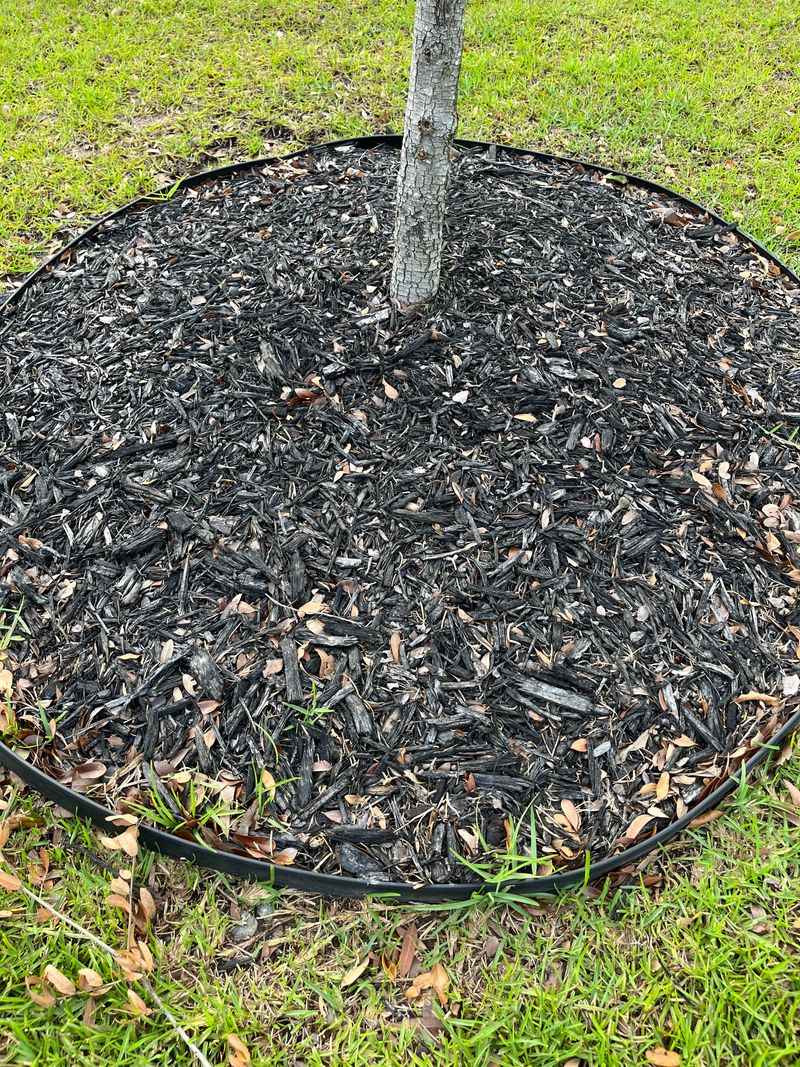
Getting mulch right is not complicated when you know the numbers. Two to three inches is the range that protects soil without blocking drainage.
At that depth, mulch insulates roots, holds moisture between storms, and still lets heavy rain pass through. It is a balance most gardeners can achieve with one bag adjustment.
Texture matters just as much as depth when Texas storms roll in fast. Chunky bark nuggets, pine straw, and coarse wood chips all allow water to flow between pieces.
Pine straw is a popular choice across the southern part of the state for good reason. Its needle-like structure creates natural channels that guide water downward instead of sideways.
Hardwood bark nuggets sized at one to two inches also perform well in heavy rain. They stay in place, resist matting, and break down slowly enough to last through a full storm season.
Avoid dyed or processed mulches that have been compressed into dense bricks or blocks. Those products often shed water rather than absorb it, making drainage problems worse on sloped yards.
Mixing a thin layer of compost beneath your mulch before application also helps. Compost improves soil structure and speeds up water absorption right where it counts most.
Choosing the right depth and texture solves most of this problem outright. Small changes in material choice lead to real improvements when the next storm hits.
Raking And Refreshing Steps That Restore Drainage Before The Next Storm
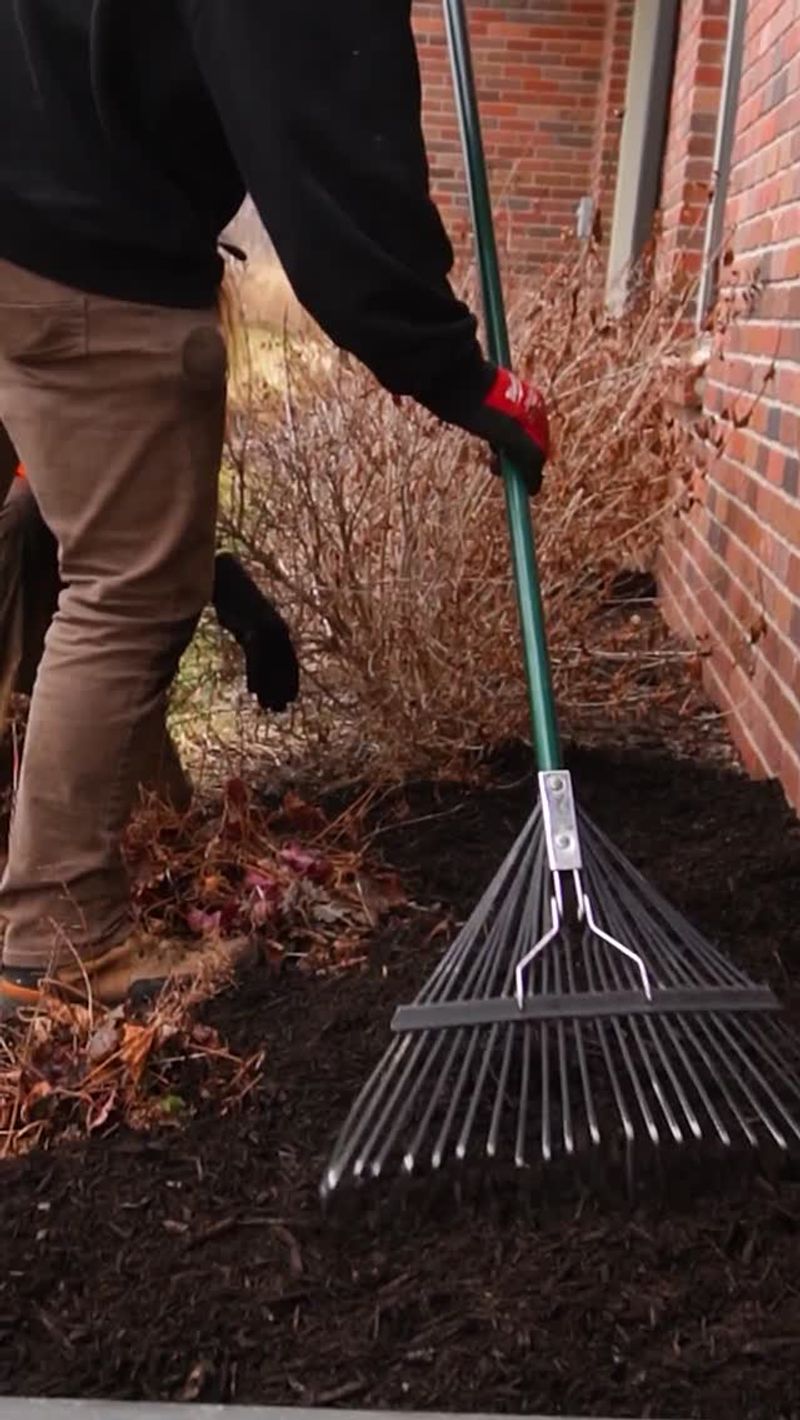
A rake and thirty minutes can save your yard from the next big storm. Refreshing your mulch layer before rainy season is one of the smartest prep moves you can make.
Start by raking the existing mulch to loosen any compacted or matted sections. This simple step reopens the air pockets that rain needs to pass through the layer.
Check the depth as you rake, pressing down gently with your hand to feel the thickness. If it feels dense and springy like a sponge, it has likely been compressing all season.
Remove any sections that have turned black, slimy, or leathery, as those areas are no longer draining. Toss them into your compost bin and replace with fresh, chunky material.
After loosening the old layer, add fresh mulch only where the depth has dropped below two inches. Resist the urge to pile it on, since more is not better when flooding is your concern.
Check the slope of your mulch near the home’s edge and along any raised beds. Redirect the surface so it angles slightly away from structures and toward open lawn areas.
Mark your calendar to refresh mulch once before rainy season and once after summer ends. Consistent upkeep prevents the slow creep of compaction that causes drainage to fail over months.
Solving this starts with a rake and a plan. Staying ahead of the problem means your yard handles the next downpour with ease.