Why Stink Bugs Invade Ohio Homes Every September And How To Seal Them Out Early
Stink bugs do not wait for September to make their decision. They make it in August, from the yard, while the weather is still warm and the choice of which structure to move into has not yet become urgent.
By the time they start appearing on windows and door frames, the assessment is already complete. Your home either passed or it did not.
The Ohio yards and homes that see the worst stink bug invasions every September are not unlucky. They are accessible.
Gaps that seem insignificant in July become the entry points that a determined insect population exploits the moment temperatures shift. Sealing them out works.
It just works considerably better in August than in September. By then the pressure is already building and the bugs are already positioned and waiting.
August is the window. September is the consequence.
1. Cooler Days Put Stink Bugs On The Move
Toward the end of a warm growing season, activity around backyard gardens and orchards begins to shift in a subtle but meaningful way.
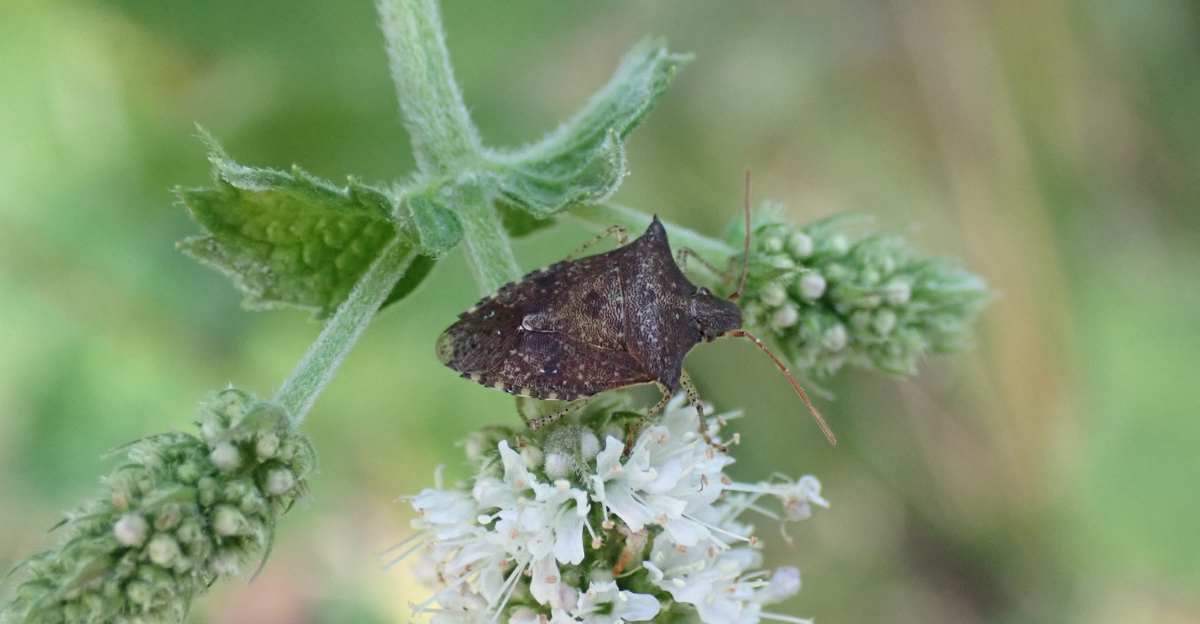
Brown marmorated stink bugs, Halyomorpha halys, spend spring and summer feeding on a wide range of fruits, vegetables, and ornamental plants.
Adults complete their development and feeding during this period.
As late summer transitions toward early fall, two environmental cues appear to play a role in changing their behavior. Shortening day length, known as photoperiod, is one factor that researchers have associated with the shift toward overwintering behavior.
Gradually cooling temperatures contribute as well, though a single cold night is not a reliable trigger for every individual insect.
The movement toward sheltered overwintering sites tends to build gradually across the late summer into early fall period. Adults are not responding to a fixed calendar date.
Timing can also vary depending on where you are in Ohio, since northern and southern regions may experience seasonal cooling at different rates.
What this means practically is that late August is a genuinely useful window. Adults have not yet gathered in large numbers around most structures.
Inspecting the exterior now puts Ohio homeowners ahead of the fall aggregation period. Surfaces are still easy to access, and conditions are generally comfortable for doing the work.
Detailed exclusion steps come later, but the timing advantage starts here.
2. Sunny Walls Become Their First Gathering Place
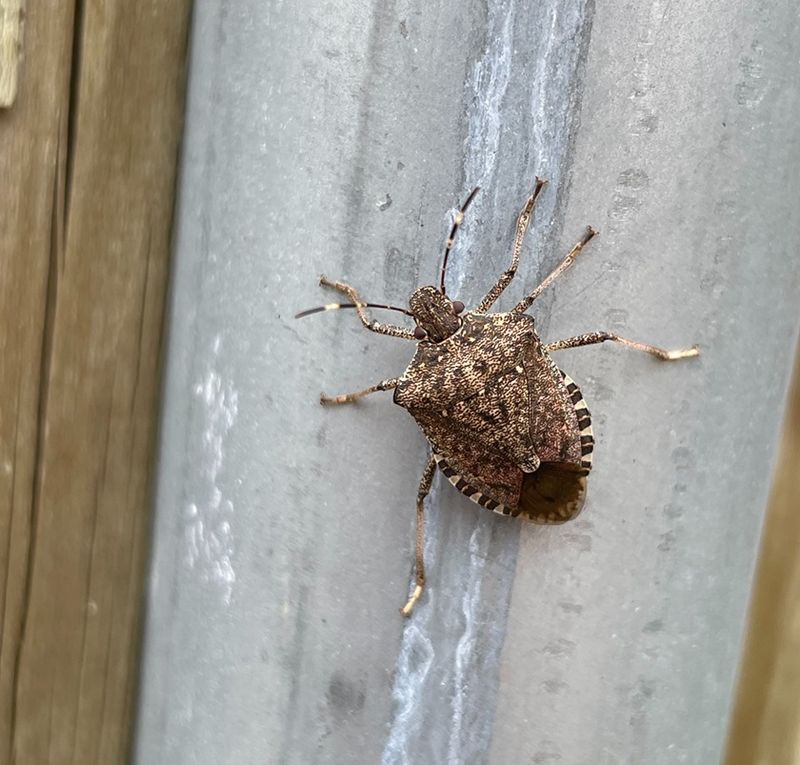
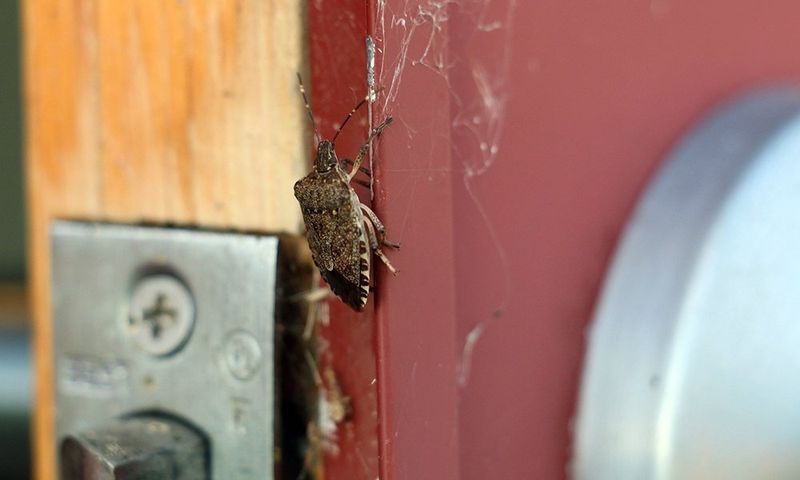
Walk around the outside of a house on a warm September afternoon and you may notice a handful of mottled brown insects resting on the siding. Adults of Halyomorpha halys are sometimes observed congregating on exterior building surfaces during the fall aggregation period.
Sun-exposed walls can be among the areas where this gathering becomes visible.
Researchers have noted that brown marmorated stink bugs can use aggregation signals. These signals, sometimes described as aggregation pheromones, may influence where other individuals gather.
This chemical communication is separate from the defensive odor the insects release when disturbed or handled. Crushing one insect does not automatically draw others toward the spot.
Seeing adults resting on siding is not the same as finding them inside a wall void. The exterior surface is a staging area of sorts.
Your Ohio Garden Changes Every Week. Your Plan Should Too.
Gardening in Ohio changes quickly throughout the season. Every Friday you’ll receive a simple weekly plan showing exactly what to plant, prune, fertilize, harvest, and protect so you never miss the right timing.
Some individuals will move on without entering the structure, while others may find nearby gaps and work their way into protected spaces.
A concentration of insects along one section of siding is a useful clue during a home inspection. It can point toward an area worth examining closely for gaps around trim, soffits, or other nearby openings.
No single wall is guaranteed to be the only problem area. A thorough inspection of the full perimeter gives a clearer picture of where attention is needed before fall activity increases.
3. Tiny Gaps Are All They Need To Get Inside
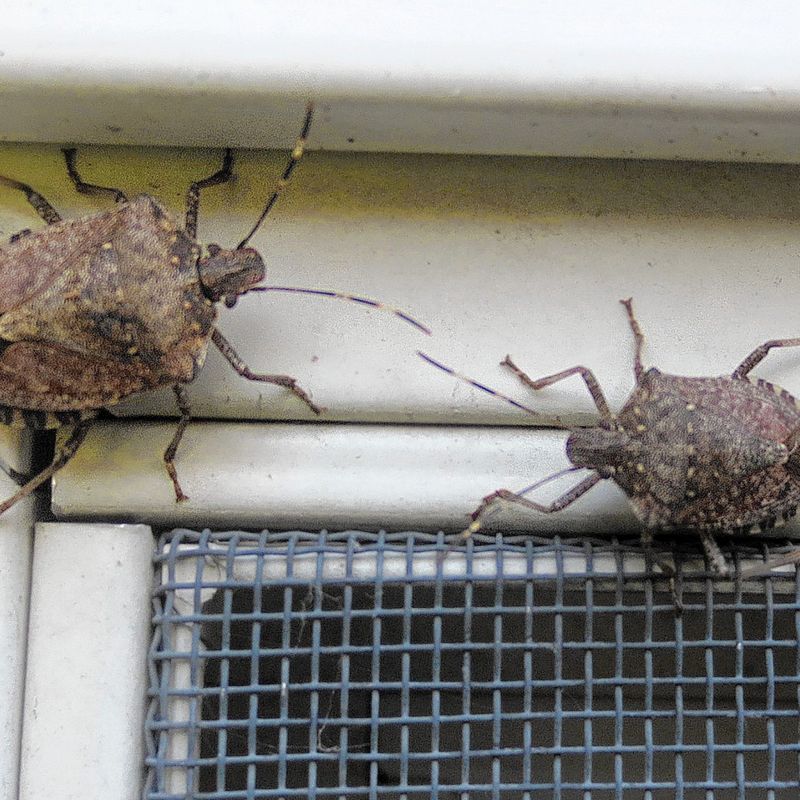
A narrow shadow along the edge of a fascia board or a slight separation where siding meets a corner trim piece may not look like much from the driveway.
For brown marmorated stink bugs seeking a protected overwintering site, existing structural openings are the path of least resistance.
The insects exploit gaps that are already present rather than creating new ones.
Extension guidance from multiple land-grant universities points to several common exterior locations worth examining.
Gaps around window and door trim, separations along soffits and fascia, and openings at foundation transitions are among the areas that can allow entry.
Roofline gaps and spaces beneath siding edges are also worth noting during a careful exterior walkthrough.
Numerous small openings can matter more collectively than one obvious hole. A home that appears solid from a distance may have many modest gaps that add up to meaningful access points when adults are actively searching for shelter.
Sealing appropriate cracks with suitable materials is a reasonable response, but not every opening should receive the same treatment. Some gaps are intentional parts of the building system, designed to allow water drainage or airflow.
Closing those without understanding their purpose can create moisture or ventilation problems. When in doubt about whether a gap is structural or incidental, checking with a qualified professional before applying any material is a sensible approach.
4. Loose Screens Leave An Easy Way Through
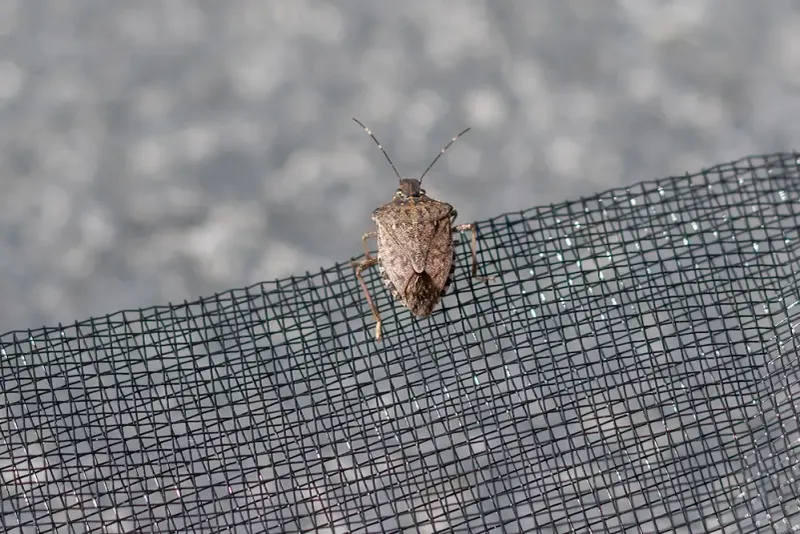
A small tear in the corner of a window screen is easy to overlook during the busy summer months. By late August, that kind of minor damage deserves a closer look.
Screens on windows, screen doors, and certain vents provide a straightforward barrier. They help separate the home’s interior from insects gathering outside during fall.
Inspecting each screen means more than a quick glance. Look for tears, frayed mesh, edges that have pulled away from the frame, and screens that no longer sit flush in their tracks.
A screen that appears intact from inside the house may have a loose lower edge that lifts slightly when wind pushes against it.
Attic vents and crawl space vents can also be relevant. Properly screened vents can reduce entry into those spaces, which are attractive overwintering sites.
Any screening used on functional vents must preserve required airflow. Blocking necessary ventilation to exclude insects creates a different set of problems, so the goal is appropriate screening rather than complete coverage.
Dryer vents deserve a separate note. Fine mesh placed over a dryer exhaust can trap lint and create a safety concern.
If a dryer vent cover has deteriorated, replace it with a properly designed exterior vent flap. Do not improvise with ordinary window screen material.
Checking these details now, before fall activity picks up, is far easier than trying to manage them later.
5. Doors And Windows Hide More Openings Than You Think
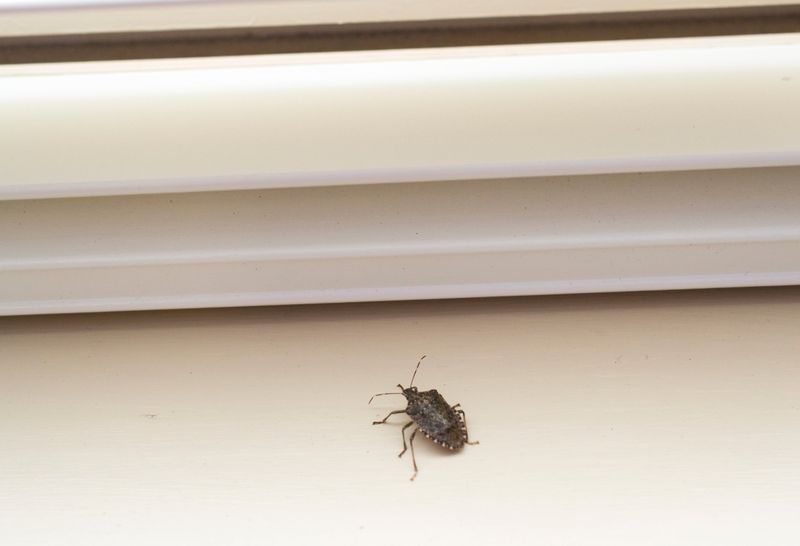
Daylight showing beneath an exterior door is one of the clearest signs that a gap exists where insects can pass through.
Door sweeps and thresholds work together to close the space between the bottom of a door and the floor, and worn or missing components leave that space open.
Checking each exterior door by looking at the threshold from inside on a bright day can reveal problems quickly.
Weather stripping around door frames and window frames compresses over time. Material that once created a firm contact may now leave narrow channels at the sides or top of the frame.
Replacing worn or detached weather stripping is a straightforward task that can close those channels before fall.
The glass pane itself is rarely the problem. The surrounding frame, exterior trim, and the caulk joints where trim meets siding deserve more attention.
Caulk shrinks, cracks, and separates over years of temperature cycling. Reapplying appropriate caulk to those joints can close gaps that are otherwise easy to miss.
One caution applies here. Some window frames include small drainage openings or weep holes designed to release water that collects in the frame channel.
Filling those openings can trap moisture and lead to rot or water damage inside the frame. If you are unsure whether a small opening is a drainage feature, consult the window documentation or a qualified contractor before applying any sealant.
6. Utility Lines Can Lead Straight Through The Wall
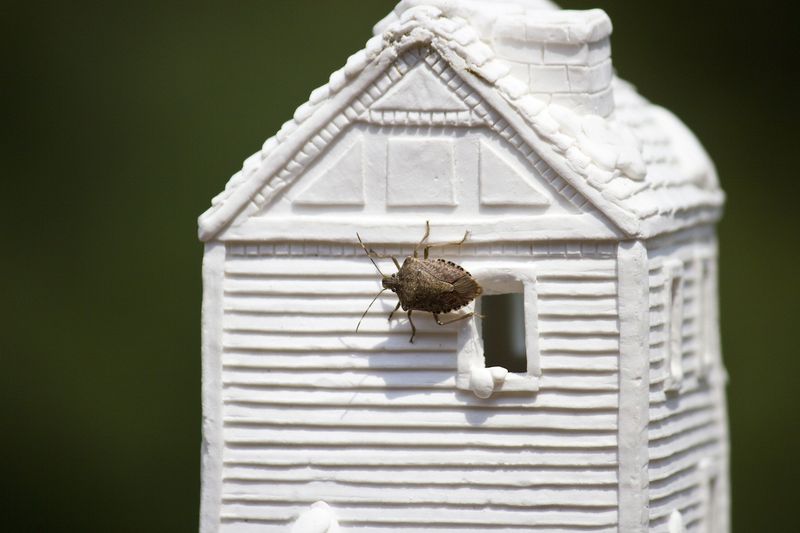
Follow a cable or internet line from where it attaches to the exterior of a house and you will often find the point where it disappears into the wall. That penetration, even on a neatly installed line, may have a gap around it where the line passes through siding or masonry.
Similar situations occur with plumbing lines, outdoor hose connections, and HVAC refrigerant lines.
These openings are easy to overlook during a general inspection because the line itself draws the eye rather than the space around it.
Checking each accessible utility penetration from the outside involves looking at the gap between the line or pipe and the surrounding wall material.
Even a modest opening at that point can provide access to the wall interior.
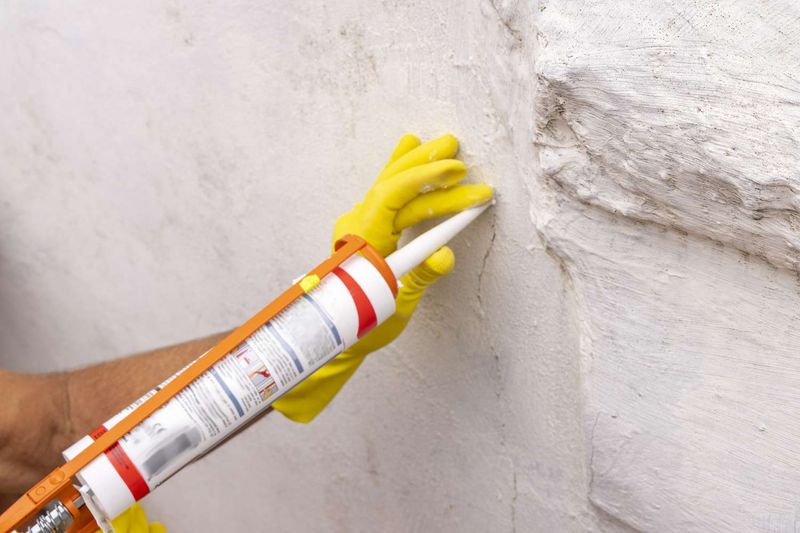
Closing appropriate gaps around utility penetrations is a reasonable exclusion step where the material and location allow it. The important limits involve safety.
Do not apply random foam or sealant around electrical service entrances, gas lines, exhaust vents, or high-temperature equipment. First understand what is behind the wall and what purpose the opening serves.
Accessible, low-risk penetrations such as cable or internet lines can often be sealed with an appropriate exterior-grade product. Applied correctly, it can close the gap without interfering with the line’s function.
If a significant gap involves gas or electrical service, contact a licensed professional. Attempting the repair without proper knowledge of the system creates unnecessary risk.
7. Waiting Until October Makes Sealing Much Harder
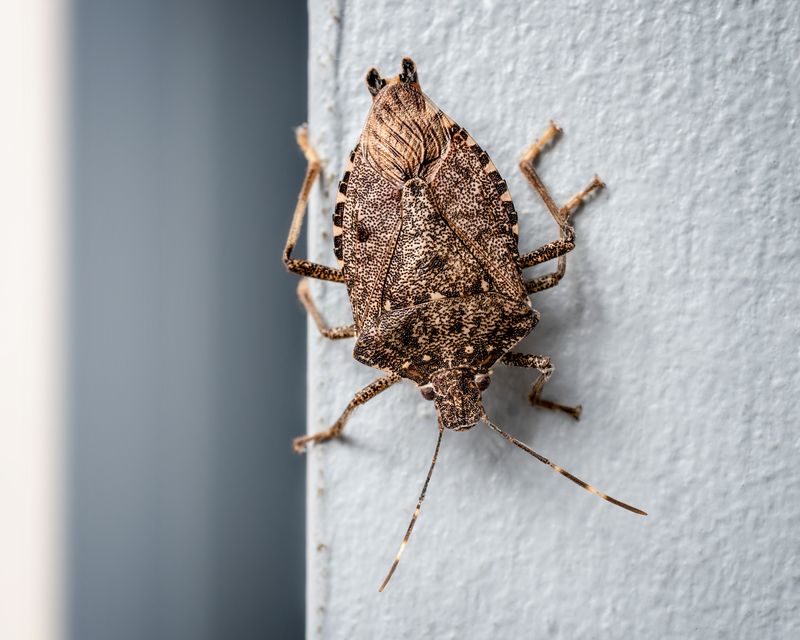
An indoor sighting of a brown marmorated stink bug in late October often has its origins weeks earlier. Adults that find their way into wall voids, attic spaces, or other concealed areas during the fall aggregation period can remain hidden for some time.
When indoor temperatures rise on warm winter days or as heating systems run, some of those individuals may become active and move toward interior living spaces.
Closing exterior gaps after adults have already reached those concealed areas can still reduce new entry, but it cannot remove individuals already settled inside. The insects do not establish breeding colonies within the structure.
Halyomorpha halys overwinters as adults, and reproduction does not occur indoors during winter. The nuisance comes from individuals that become active and appear unexpectedly, not from a population multiplying inside the walls.
Suggesting that Ohio homeowners open walls to locate overwintering adults is not practical or reasonable advice.
The more useful approach is to address accessible exterior gaps before the fall aggregation period builds, so fewer adults reach those interior spaces in the first place.
Timing matters because the work is simply easier now. Exterior surfaces are accessible, weather is cooperative, and the number of adults actively searching for shelter has not yet peaked.
Address gaps around trim, screens, doors, and utility lines in late August. Doing the work early gives you a better chance of reducing how many adults enter as conditions shift.
8. Seal The House Before Sprays Become The Temptation
A can of perimeter spray sitting on a garage shelf can feel like a quick answer when adults start appearing on siding. Exterior pesticide applications are sometimes used as part of a broader management approach.
However, Extension guidance and EPA resources consistently place physical exclusion ahead of chemical treatments.
Exterior insecticide treatments have real limits. Residual effectiveness varies depending on the product, weather conditions, and the surface being treated.
Adults can continue arriving from surrounding vegetation throughout the fall aggregation period. That means a single application does not create a lasting barrier.
Reinvasion from nearby areas is a recognized limitation.
Indoor foggers and treatments aimed at wall voids are not recommended approaches for this species. Using a product in a way not specified on its label is both a legal concern and a safety issue.
No pesticide rates, mixing instructions, or product names belong in a general home guide for this reason.
For adults that have already made it indoors, using a vacuum to remove them is a practical option supported by Ohio Extension guidance.
The defensive odor the insects release when disturbed may linger in the vacuum, so using a dedicated unit or emptying the canister promptly is worth considering.
Physical exclusion, completed before aggregation builds, remains the most reliable way to reduce how many adults reach the structure in the first place.