There’s A New Visitor In Kentucky Lawns, And It Moves Fast
Grass doesn’t just fade overnight, yet yours might have already. Something crawled across Kentucky lawns this week and started stripping green from sight. A hungry traveler moves in dense waves across open ground.
It strips healthy blades down to bare dirt within just a few hours. Nobody warns you until the change stares right back at you. Patches spread fast, and quiet unease spreads faster among watchful homeowners.
Kentucky’s mild climate this season practically rolled out a warm welcome mat. Warm nights and thick turf gave this pest exactly what it wanted. Your neighbor’s yard might already be dealing with this problem quietly.
This outbreak appears unusually fast compared to past seasons. Waiting even a few more days could cost you the entire lawn.
Every single hour matters more once this pest settles into your grass. You need to know exactly what’s happening before your entire lawn disappears completely.
A Traveling Pest Reaches Kentucky Lawns
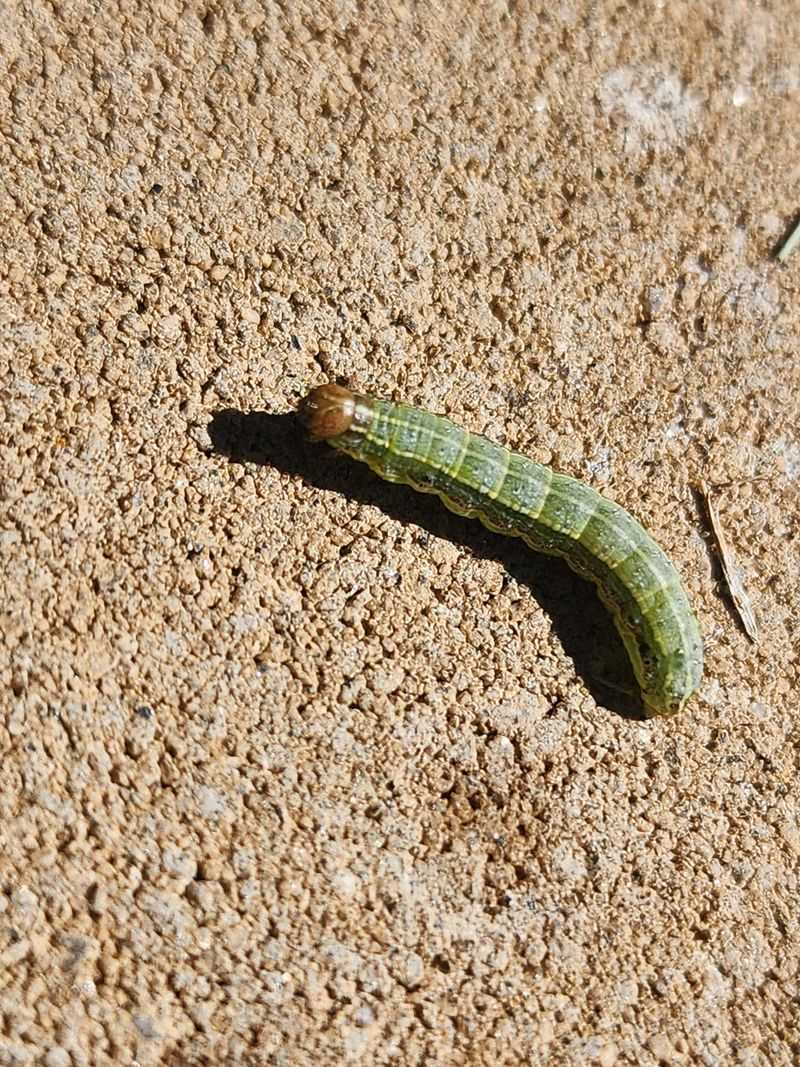
Your lawn looked fine last week. Now it shows significant damage, and you never saw it coming. Fall armyworms have arrived in Kentucky, moving in large groups and feeding heavily on grass before most homeowners even notice.
The name reflects their behavior. They move in large groups, feeding on grass as they go. A single patch of healthy turf can show visible damage within a few days of an infestation.
Kentucky lawns are the latest stop for a fast-spreading pest that has caused damage across southern states in past seasons, including Georgia, Tennessee, and Alabama.
Fall armyworms are not native to the Midwest. They start each year in Florida and the Gulf Coast, then spread outward as adults fly north on wind currents. By late summer, they reach states like Kentucky with full force.
Most people confuse the damage with drought stress or fungal disease. That confusion costs valuable time needed to treat the lawn effectively.
Catching them early makes a major difference in how much damage your lawn ultimately takes.
Armyworm season in the Bluegrass State is not slowing down anytime soon, so staying alert is your best first move.
How Storm Fronts Carry Armyworms Across States
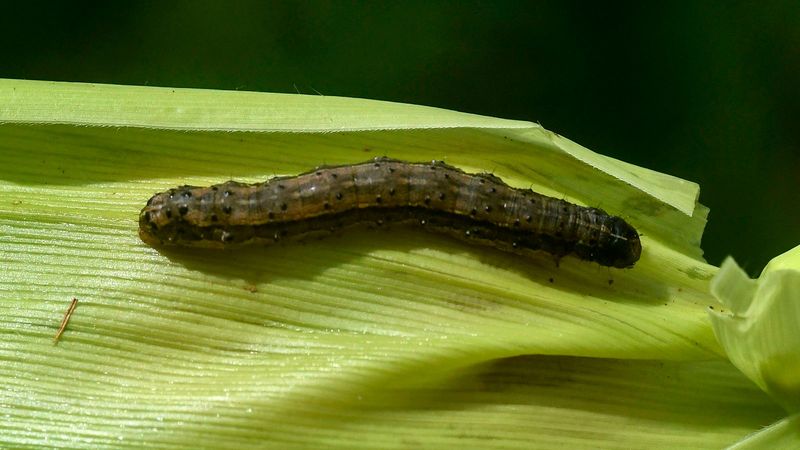
Nature has a delivery system, and it works fast. Storm fronts act like invisible highways, carrying adult armyworm moths hundreds of miles overnight.
Adult moths do not eat your grass. They fly north on warm air currents ahead of weather systems, then land and lay eggs once the storm passes.
A single female moth can deposit up to 1,000 eggs in her short lifetime. She hides those eggs in grass blades, often in clusters covered with a fuzzy coating.
Within just a few days, the eggs hatch into tiny caterpillars. Those caterpillars are nearly invisible at first, but they grow fast and start feeding immediately after hatching.
Late summer storm patterns across the South tend to push these moths directly into the Ohio Valley region. That region includes most of central and western Kentucky, making those areas especially vulnerable each August and September.
Your Kentucky Garden Changes Every Week. Your Plan Should Too.
Gardening in Kentucky changes quickly throughout the season. Every Friday you’ll receive a simple weekly plan showing exactly what to plant, prune, fertilize, harvest, and protect so you never miss the right timing.
Meteorologists and entomologists have started tracking moth migration using light traps and weather data together. The data shows clear links between strong storm events and sudden armyworm outbreaks days later.
Homeowners rarely connect a passing thunderstorm to a lawn problem. But that storm may have dropped thousands of eggs right onto your turf without you knowing.
Understanding how these pests travel helps you predict when your neighborhood might be at risk. Watching local weather patterns during late summer gives you a small but meaningful head start against the next wave.
Why Lawns Turn Brown Almost Overnight
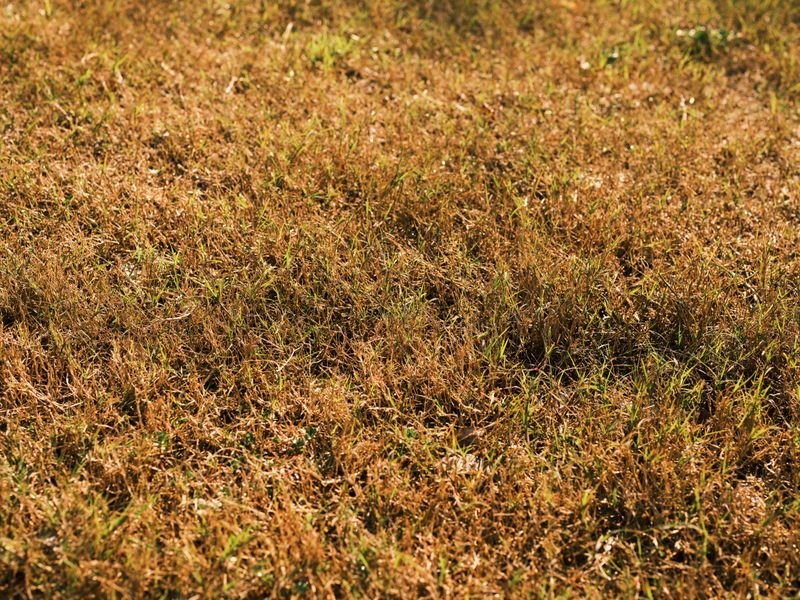
One morning you pour your coffee and glance out the window. The yard looks fine. By dinner, there are brown patches spreading like spilled paint across the grass.
Fall armyworms feed during the night and early morning hours. During the heat of the day, they hide in the thatch layer just below the grass surface.
That feeding schedule is exactly why the damage seems to appear from nowhere. You never catch them in the act because they work while you sleep.
Young caterpillars scrape the surface of grass blades at first, leaving a thin, papery look. Older caterpillars chew the entire blade down to the soil level, which is when the brown color becomes obvious.
Fescue, bermudagrass, and ryegrass are all targets, but tall fescue lawns in Kentucky tend to take the hardest hits. The thick canopy of fescue provides perfect hiding cover for larvae during daylight hours.
A medium-sized infestation can cause significant damage to a quarter-acre lawn within about a week. Large infestations can affect multiple lawns across a neighborhood within a week.
Drought-stressed lawns experience the worst outcomes because weakened grass cannot recover as quickly. Healthy, well-watered turf has a slightly better chance of bouncing back after an infestation.
The speed of the damage is what catches most people off guard. Knowing that armyworms work fast means you need to act even faster once you spot the first warning signs.
Spotting An Infestation Before It Spreads
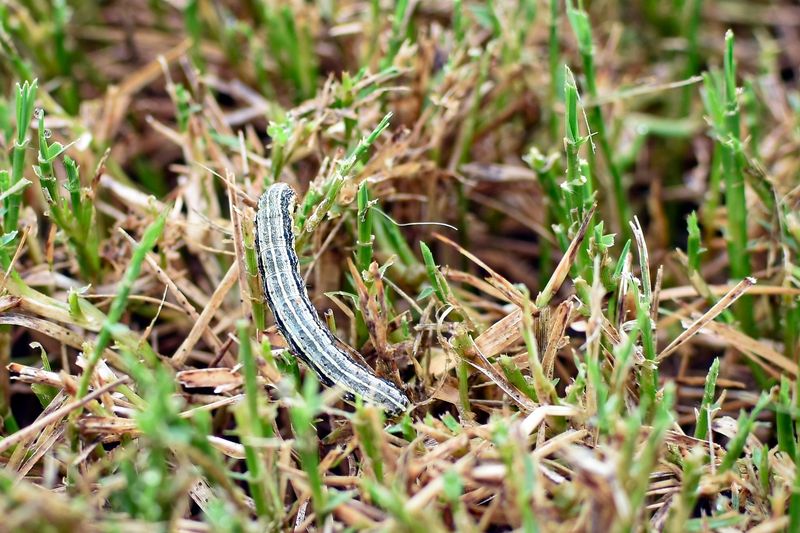
Check your lawn right now. Walk to the edge of any brown patch and part the grass with your fingers near the soil line.
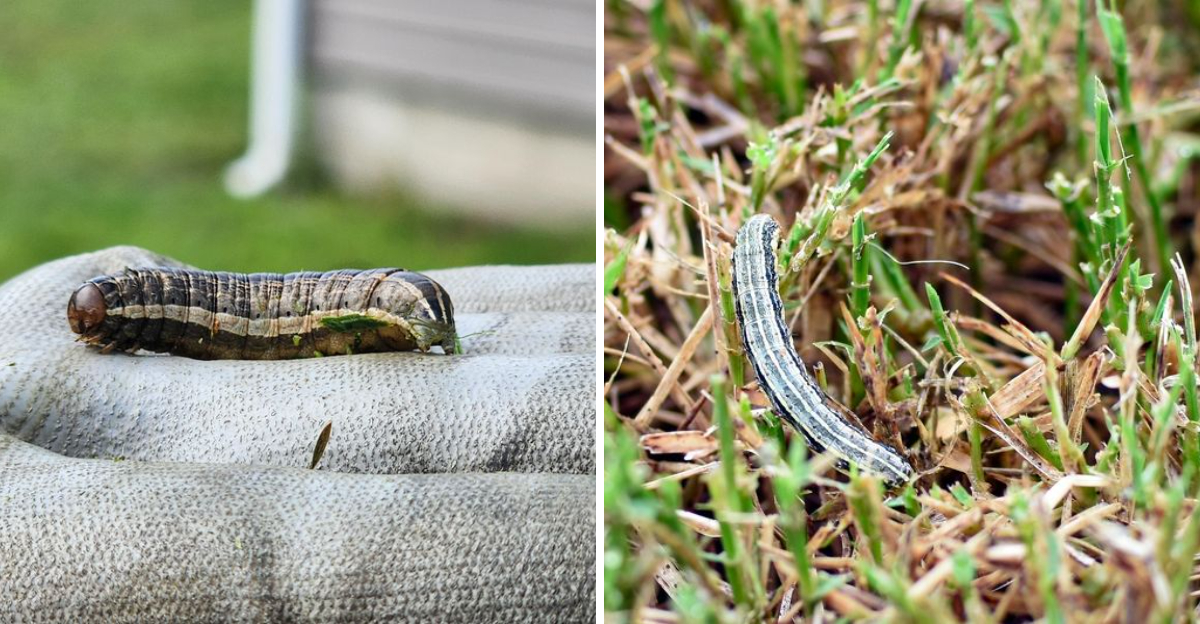
If you see greenish or brownish caterpillars with a pale stripe running down each side, you have found your problem. Fall armyworms have a distinct inverted Y-shape marking on the front of their head.
The soap flush test is one of the fastest ways to confirm a suspicion. Mix two tablespoons of dish soap into a gallon of water and pour it slowly over a square foot of turf.
Within minutes, any hidden caterpillars will crawl to the surface to escape the irritant. Count what emerges. Finding more than three caterpillars per square foot means the infestation is already serious.
Birds are another reliable early warning sign. If robins, starlings, or grackles are suddenly gathered on your lawn and pecking at the soil, they may be hunting larvae before you even know they are there.
Look for small ragged holes in grass blades along the edges of your lawn first. Armyworms typically start feeding at borders before moving toward the center of a yard.
Moths are attracted to bright lights at night during peak season. Seeing large numbers of small brown moths fluttering around your porch light in August or September is a signal worth taking seriously.
Early detection is the single biggest factor in limiting damage. Catching Kentucky lawns under threat in the first stage of infestation saves weeks of recovery time.
Treatment Options That Help Stop The Damage
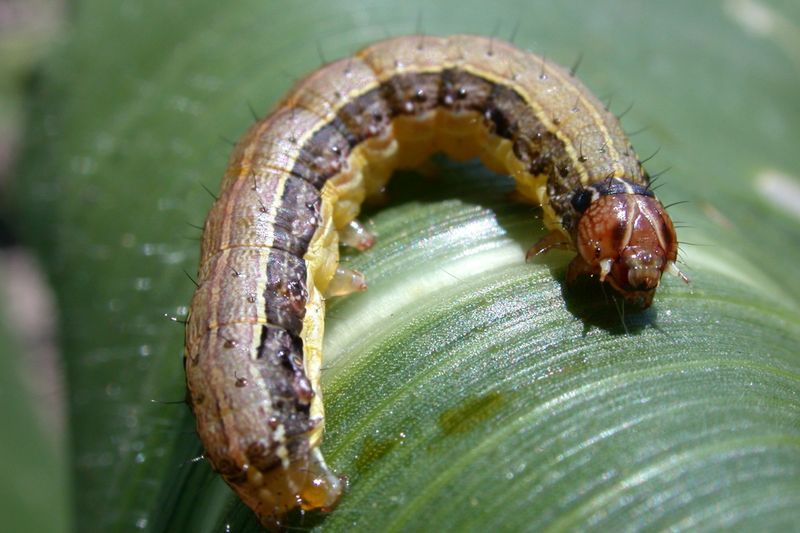
Speed matters more than anything once you confirm an infestation. Waiting even 48 hours allows caterpillars to grow larger, and larger caterpillars are much harder to control.
Spinosad is one of the most effective organic options available to homeowners. It is derived from naturally occurring soil bacteria and works by disrupting the nervous system of caterpillars after they ingest treated grass.
Bacillus thuringiensis, commonly called Bt, is another biological treatment that works well on young larvae. Apply it in the evening when caterpillars are most active and feeding heavily.
Synthetic pyrethroid insecticides like bifenthrin or lambda-cyhalothrin are faster-acting options for serious outbreaks. These products are widely available at hardware and garden stores across the region.
Always water your lawn lightly before applying any treatment. Moist soil encourages caterpillars to move upward toward the surface, where contact with the product becomes more likely.
Apply treatments in the early evening for best results. Morning dew can dilute granular products, and midday heat breaks down liquid sprays before they have time to work properly.
Repeat applications are often necessary seven to ten days after the first treatment. A second round catches any caterpillars that hatched after the initial spray dried out.
Kentucky lawns dealing with an active infestation need prompt, targeted treatment to stop the spread. Choosing the right product and timing your application correctly gives your turf the strongest possible chance of coming through the season intact.
Recovering Your Lawn After An Armyworm Outbreak
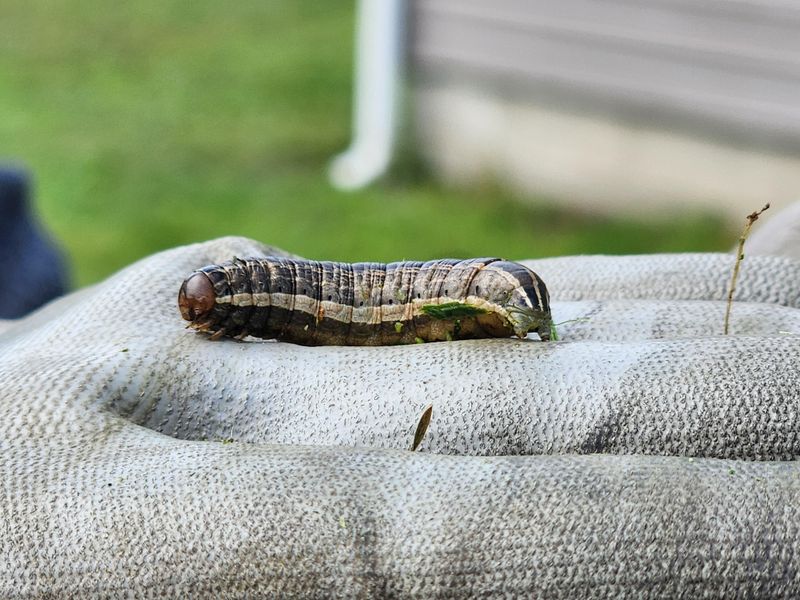
The caterpillars are gone, but the lawn may still show significant damage. Recovery is possible, and it starts with understanding what the grass actually needs right now.
Assess the damage first by walking the yard and marking areas where soil is fully exposed. Bare spots need overseeding, while thin areas may recover on their own with proper watering and fertilization.
Early fall is actually a good time for lawn repair in Kentucky. Soil temperatures are still warm enough for seed germination, and cooler air reduces the stress on new growth trying to establish roots.
Tall fescue seed blends work best for most central Kentucky lawns. Spread seed at the recommended rate on the bag and rake it lightly into the top quarter-inch of soil for good seed-to-soil contact.
Water new seed lightly twice a day until germination begins, usually within seven to fourteen days. Once seedlings reach about an inch tall, reduce watering frequency but increase the depth of each session.
A starter fertilizer applied at seeding time speeds up recovery significantly. Look for a product with a higher phosphorus number in the middle of the three-number ratio on the bag label.
Avoid mowing new grass until it reaches at least three inches in height. Cutting too early pulls seedlings out of the soil before roots have anchored properly.
Kentucky lawns are the latest stop for this pest, but recovery is entirely possible. With the right recovery steps, your turf can come back stronger than it was before the outbreak.