The Popular Fall Mum Ohio Gardeners Are Replacing With Hardier Varieties
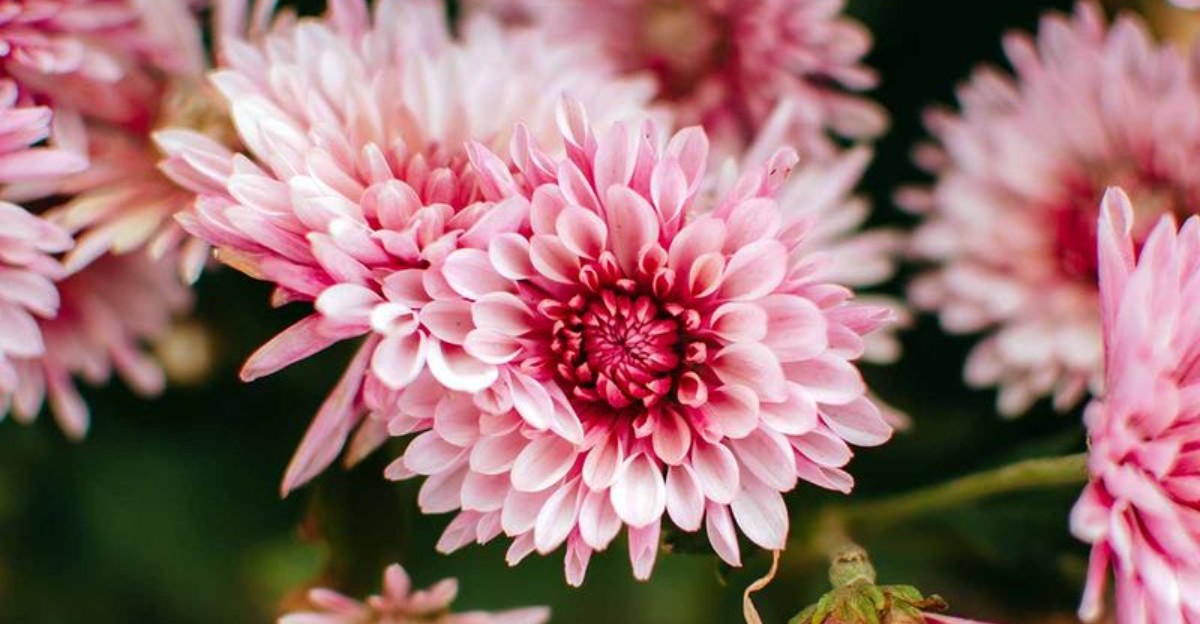
Every garden center in Ohio stacks the same rows of mums each fall, and plenty of gardeners now walk right past them on purpose.
Mums put on a good show for a few weeks, then fold fast once frost hits, and you’re left with a pot of brown stems and nothing else to show for it.
Gardeners burned by that cycle year after year now pick tougher plants built to survive Ohio winters instead of fading at the first cold snap.
These hardier picks return each spring on their own, save you a repeat trip to the store, and still bring that same punch of fall color to your porch.
You might love the classic look of a mum, but loyalty only goes so far when a plant checks out after one season. More neighbors catch on each year, and thin mum displays at local shops tell the real story.
Rethink your fall lineup this year. The switch could spare you the same letdown next October.
1. Move Beyond The Classic Cushion Mum
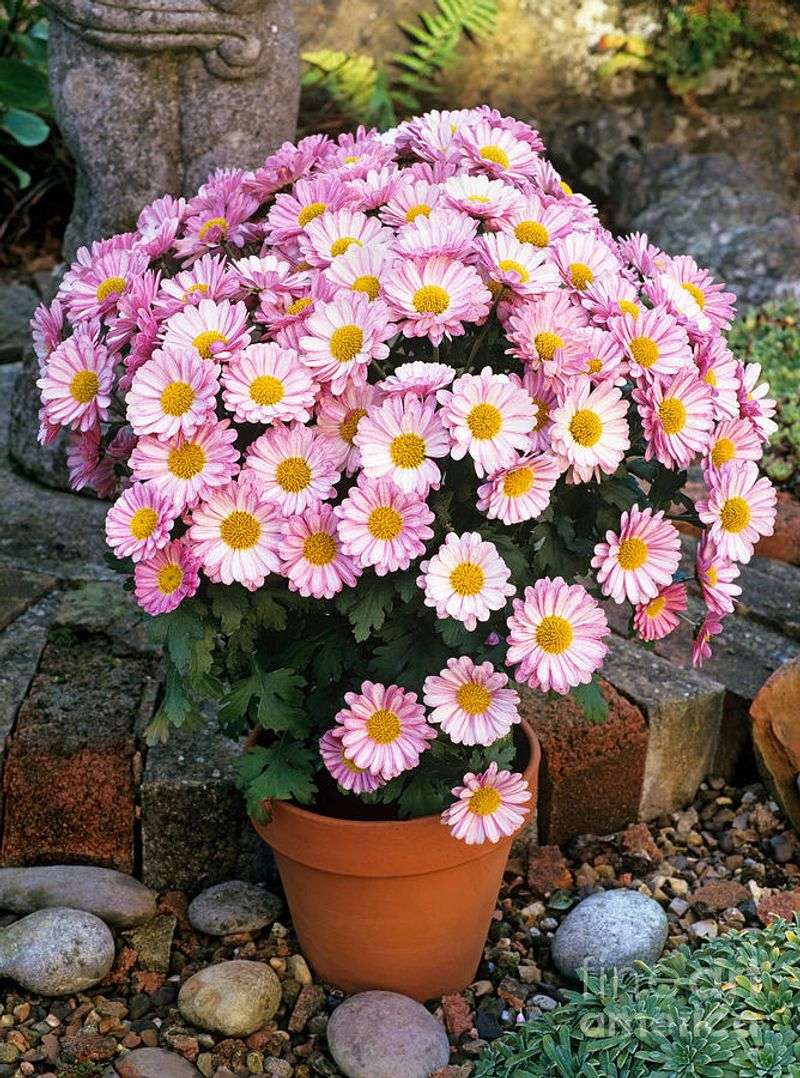
Walk into almost any Ohio garden center in September and the cushion mum greets you first. Short, rounded, and packed with blooms, it looks like a bouquet someone squeezed into a pot.
Gardeners love these plants for good reason. They handle a light frost, come in every autumn shade imaginable, and instantly make a front step look welcoming.
The trouble starts after the show ends. Most shoppers treat cushion mums as one-season decorations, tossing them on the compost pile once the flowers fade and the weather turns raw.
That habit is not really the gardener’s fault. Cushion mums sold in full bloom have spent their energy on flowers, leaving little left over for root growth before the ground stiffens up.
A smarter approach is to keep enjoying cushion mums for their looks while adding tougher, longer-lived types to your beds. Think of the cushion mum as the seasonal guest and the hardy types as the residents.
Fun bit of history: chrysanthemums were grown in China more than two thousand years ago, mainly as herbs and tea, not porch decor.
Once you start looking past that familiar mounded shape, a whole world of chrysanthemums opens up. Some spread wide, some bloom into November, and many settle in for the long haul.
2. Understand Why Some Mums Stay Seasonal
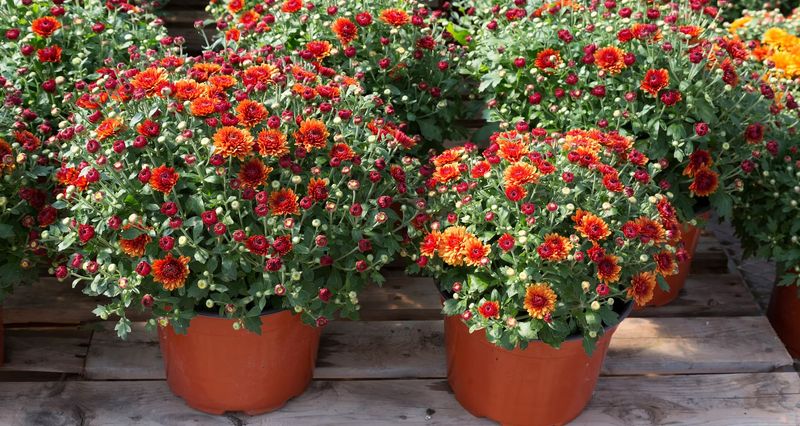
Here is the part nobody mentions at the checkout counter. Many mums sold for autumn displays are florist types grown primarily for a strong seasonal bloom show rather than long-term garden performance.
Growers time these plants so every bud opens at the same moment for maximum shelf appeal. Cold tolerance and root strength simply are not part of the goal.
Because of that focus, the plant pushes nearly all its energy upward into flowers. The roots stay shallow and tightly coiled inside the pot shape, barely reaching into surrounding soil.
Ohio winters make short work of shallow roots. Soil here freezes, thaws, and freezes again, heaving small root balls right up toward the surface where wind and ice reach them.
Your Ohio Garden Changes Every Week. Your Plan Should Too.
Gardening in Ohio changes quickly throughout the season. Every Friday you’ll receive a simple weekly plan showing exactly what to plant, prune, fertilize, harvest, and protect so you never miss the right timing.
Bloom timing matters too. A plant that flowers in late October has only a few weeks of decent soil temperature left, which is rarely enough to anchor itself.
None of this means those plants are a bad buy. Use them like you would pumpkins and cornstalks, as cheerful seasonal props with a clear end date.
Once you can tell the difference between a decoration and a perennial, shopping gets much easier. You stop expecting spring miracles from plants that were built for a six-week performance.
3. Choose Hardy Garden Mums For Ohio Winters
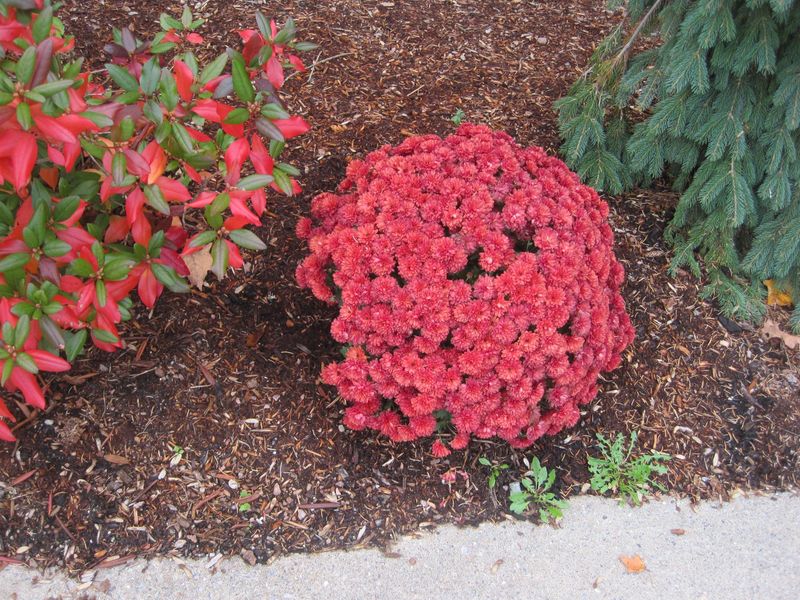
Hardy garden mums are the quiet workhorses of the autumn border. Bred for cold tolerance rather than pure shelf appeal, they return each spring with thicker crowns and more flowers.
Many parts of the state fall within USDA Zones 5 and 6, where hardy garden mums can perform well with the right planting timing and care. The catch is timing, since they need a full growing season to settle their roots.
Plant them in spring or late summer and they reward you for years. Drop them in during mid October and you are mostly gambling.
Certain series have earned real trust among Midwest gardeners. The Mammoth Mum collection from the University of Minnesota handles conditions down to Zone 3 and grows into wide, shrub-sized cushions.
The Morden series, developed in Canada, is also rated to Zone 3 and holds up beautifully through freeze and thaw swings.
Korean mums deserve a spot too. The old favorite called Sheffield produces soft apricot-pink daisies and has a reputation for showing up faithfully, often outliving the gardener’s memory of planting it.
Ask your local nursery specifically for perennial or hardy garden mums by name. Tags that say perennial, along with a listed hardiness zone, are your best clue that the plant intends to stay.
4. Skip Florist Mums That Rarely Return
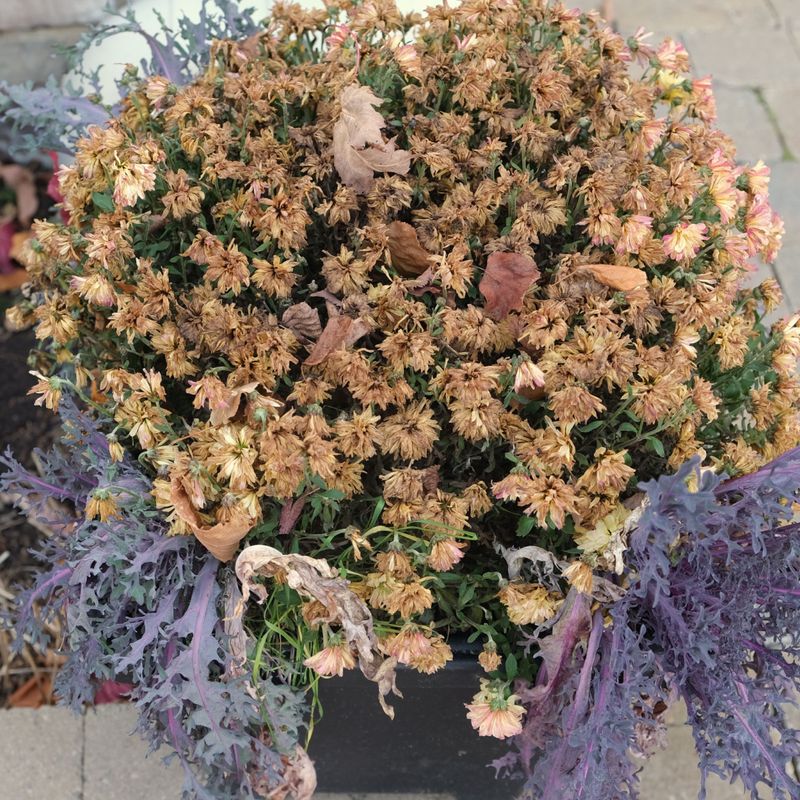
Grocery store mums wrapped in shiny foil are the impulse buy of autumn. They look wonderful on a kitchen table, and that is honestly their whole job.
Florist types are selected for flower shape, color, and uniform size. Breeders working on them care about how the blooms photograph, not how the roots handle February.
Bring one outdoors in Ohio and the odds turn against it quickly. Thin roots, tender stems, and greenhouse-soft growth do not match up with sleet and frozen clay.
My own experiment years ago involved three foil-wrapped mums planted along a walkway in November. By May, all three had turned into small brown reminders that plant tags matter.
Treat these as seasonal indoor color instead. Set them in a bright window, water when the top inch of soil feels dry, and enjoy several weeks of blooms.
If you cannot resist planting one, mulch heavily and consider it a lottery ticket rather than a landscape investment.
A quick tell at the store: florist mums usually sit indoors under lights in decorative sleeves, while hardy types wait outside in plain nursery pots with zone information printed on the label. That small detail saves both money and disappointment.
5. Try Daisy Mums For A Different Fall Look
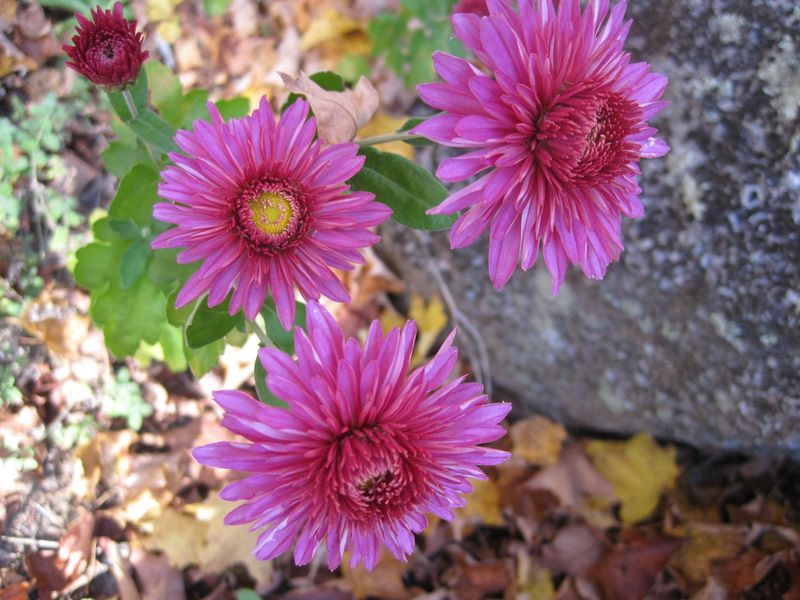
Something refreshing happens when you plant a daisy mum next to the usual tight pompons. The open, single flowers have yellow centers and petals that radiate outward like a child’s drawing of the sun.
Pollinators notice the difference too. Those exposed centers give late-season bees and butterflies an easy landing pad and a meal when little else is blooming.
Clara Curtis is a longtime favorite, producing dusty rose blooms and thriving reliably in zones 4 through 9. It spreads slowly outward, filling gaps without bullying neighbors.
Mammoth Daisy selections push hardiness even further, holding up in zone 3 conditions. They form sizable domes that can measure several feet across once established.
Gardeners who want something unusual should look for the Dark Bronze Daisy Chrysanthemum, sometimes labeled Korean mum or Dendranthema. Rated for zone 3b, it can spread up to five feet.
For smaller spaces, Harmony chrysanthemums stay compact and ask very little in return.
There is also Dernier Soleil, a French cultivar whose name means last sun. It opens daisy-like flowers in August and keeps going right up to the first hard frost, which feels like a generous parting gift from summer.
6. Add Spider Mums For Late Season Color
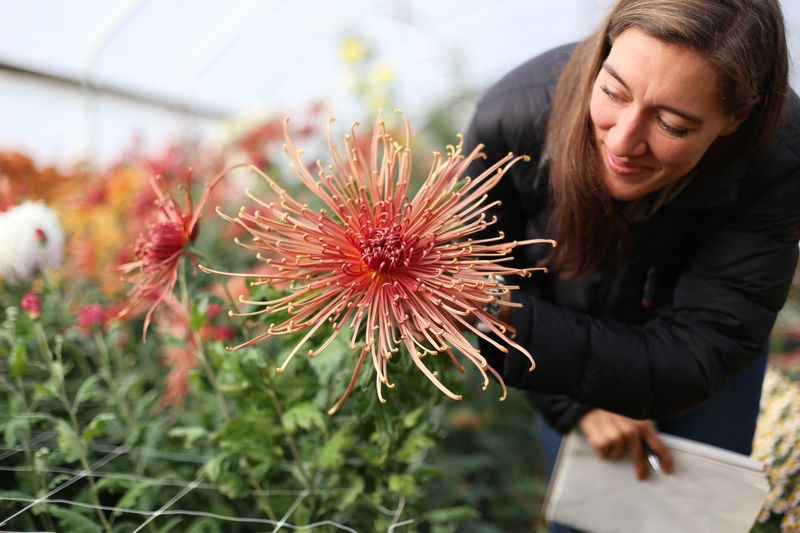
Wild, shaggy, and a little theatrical, spider mums look like fireworks paused mid-burst. Their long tubular petals curl and twist outward, which is exactly how they earned the nickname.
Also called Fuji mums, these belong in the hardy group and manage winters in Zone 5 with reasonable success. That puts much of Ohio within range.
Timing is their real superpower. Spider mums tend to bloom later than most, carrying color from October well into November when the rest of the garden has gone quiet.
Because they flower so late and need a bit of extra care, big box stores rarely stock them. Finding them usually means ordering from specialty chrysanthemum growers who ship rooted cuttings in spring.
The variety names alone are worth the hunt. Western Voodoo glows orange and yellow, Descanso leans bronze and apricot, Chesapeake offers clean white, and Fleur de Lis unfurls lilac-pink petals.
Plant them where you will actually see them from a window or walkway, since November garden strolls get short and chilly.
Give the stems a bit of wind shelter and pinch them back in early summer for sturdier growth. The payoff is a flower nobody else on your street is growing.
7. Pick Plants With Strong Root Systems
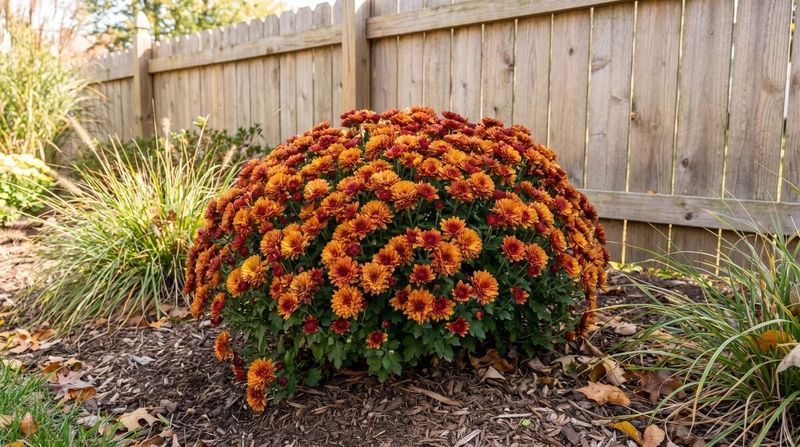
Roots do the real work of surviving winter, even though flowers get all the attention. A deep, branching root system holds the crown steady while soil expands and contracts through freeze and thaw cycles.
Giving plants that chance means planting in spring or late summer. Roots grow fastest when soil is warm and moisture is steady, not when frost is already on the pumpkins.
Ohio’s heavy clay adds a wrinkle. Working compost into the planting area loosens the structure and improves drainage, which matters because mums dislike sitting in soggy ground.
Cold, wet soil is especially rough on them. Raised beds or slightly mounded planting spots help water move away from the crown.
When you take a plant out of its pot, gently tease apart the outer roots with your fingers. Roots left in a tight spiral often keep circling instead of reaching into native soil.
A well-prepared planting area, proper watering, and good drainage do most of the work when helping new roots establish.
Check a plant before buying by slipping it out of the pot. Pale, firm roots spreading through the mix are a promising sign, while a solid mat wrapped around the bottom suggests a plant that has been waiting too long.
8. Shop For Buds Instead Of Full Blooms
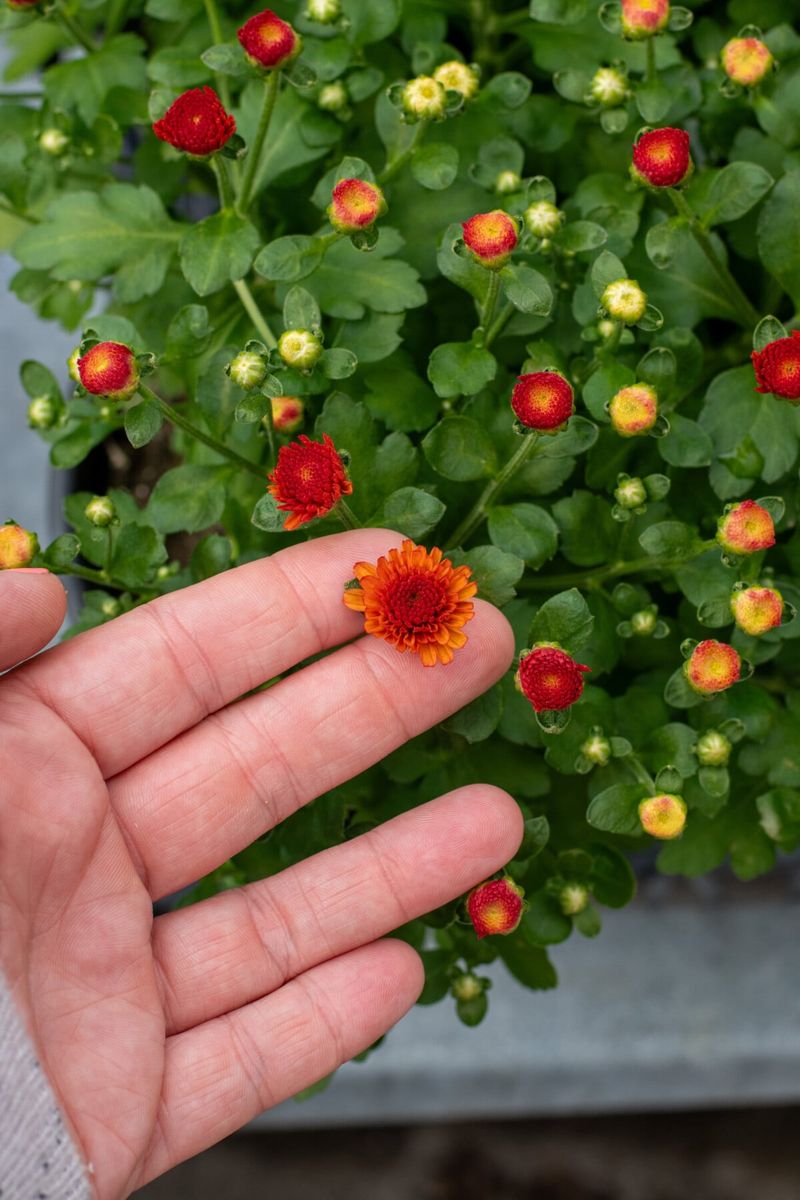
Resisting the fully flowered plant takes discipline. Every instinct says grab the one dripping with blooms, yet that plant is already partway through its show.
Look instead for tight buds showing just a hint of color, or a few flowers beginning to unfurl. Those plants will keep opening for weeks rather than days.
There is a practical reason beyond longer color. A mum in peak bloom is pouring energy into flowers, leaving less available for root growth, and roots are what carry a plant through winter.
Foliage tells you plenty as well. Bright green leaves, no yellowing at the base, and firm stems all point to a healthy, well-watered plant.
Give the pot a lift while you are at it. Bone-dry and lightweight often means the plant has already been stressed on a hot sales lot.
Avoid anything with brown crispy leaves near the soil line or a musty smell, which can signal crowded roots and poor drainage.
One more shopping tip worth remembering: buds that are completely green and hard may open slowly in cool weather, so a mix of stages gives you the most reliable stretch of color across the season.
9. Plant Fall Mums Early For Better Survival

Calendar timing decides more mum outcomes than any fertilizer ever will. For hardy perennial types in Ohio, early spring through early summer is the sweet spot for planting.
That schedule hands the plant an entire growing season to build roots. By the time cold weather arrives, it is anchored and ready.
Autumn planting can still work if you move quickly. Planting by late summer or early fall gives roots the best chance to establish before the ground freezes.
Wait until mid October and the odds drop sharply. The soil cools, root growth slows, and the plant heads into winter barely attached.
Water consistently after planting, especially during those dry stretches our state often gets in September. Keep going until the ground starts to freeze.
Once several hard frosts have passed, spread three to six inches of straw or compost over the crown. Mulch applied at that point insulates roots and steadies soil temperature instead of trapping warmth too early.
Sunlight and drainage round out the recipe. Six or more hours of direct sun keeps growth sturdy, and well-drained soil prevents soggy roots.
A spot sheltered from sharp winter winds, maybe near a fence or foundation, adds one more layer of protection for the season ahead.