Planting a Southern Magnolia in Florida This Fall? Don’t Bury the Root Ball Too Deep
Planting a tree just two inches too low can leave it struggling underground for years. Arborists say that small mistake is one of the most common reasons young landscape trees fail to thrive.
I find that a little shocking. We fuss over fertilizer, sunshine, and watering schedules, yet the real trouble often starts the moment the tree goes into the hole.
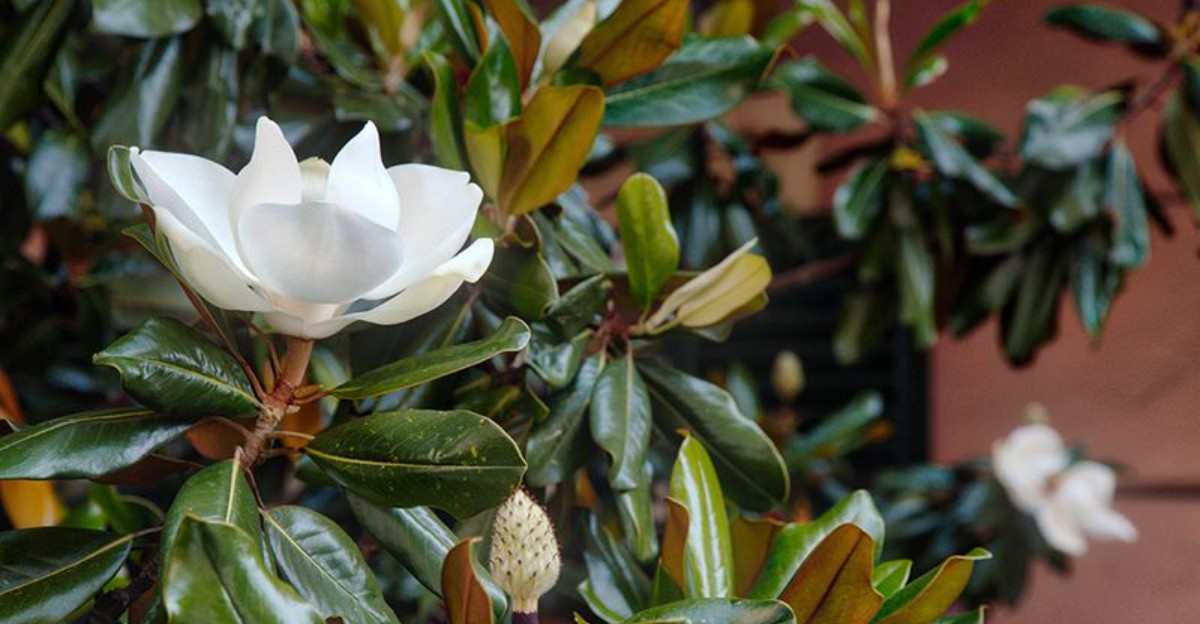
The tree in question is a Florida favorite with glossy leaves and blossoms the size of dinner plates. Its flowers smell like lemon and sweet cream on a warm evening.
I can’t walk past one in bloom without stopping for a sniff.
Fall is a smart time to plant it, too. The air cools down, the soil stays warm, and roots get months to settle in before summer heat returns.
Getting the root ball at the right depth from the start can spare your tree years of unnecessary trouble.
1. That Little Bulge at the Base of the Magnolia Trunk Matters Most
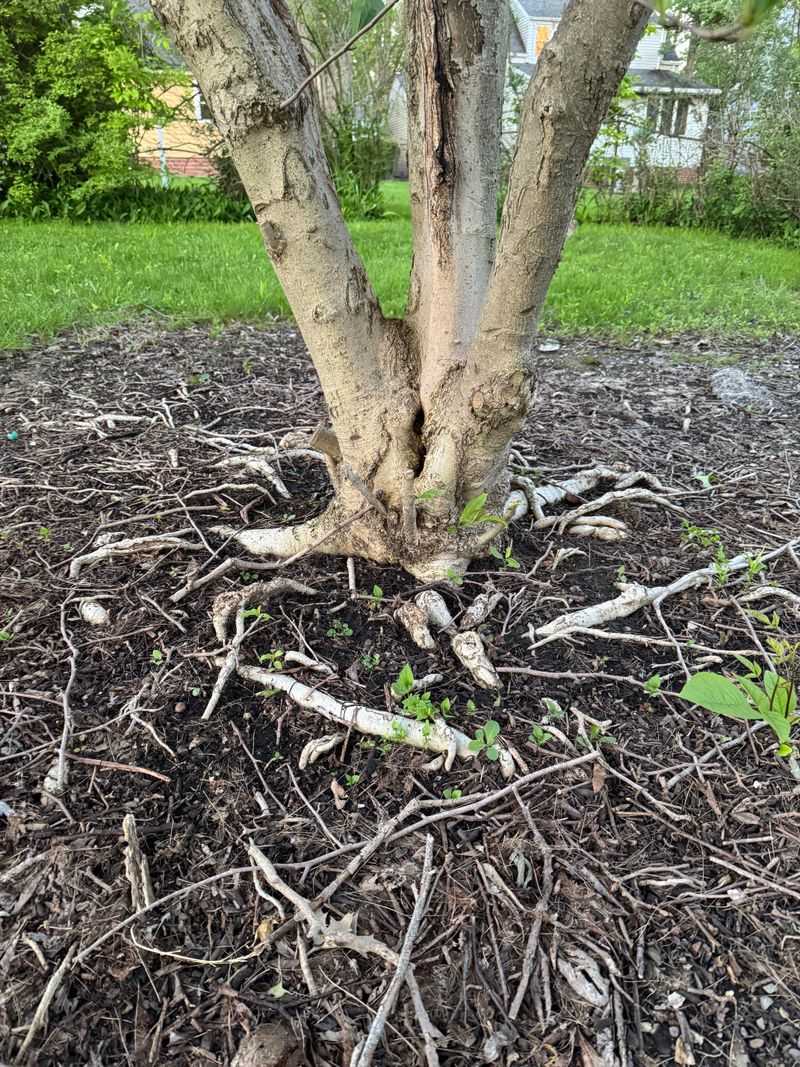
Look closely at the bottom of a young magnolia trunk. Right where the bark starts to widen and spread out, you’ll spot the root flare, sometimes called the trunk flare.
That flare is the dividing line between trunk and roots. Bark above it is built to stay dry and breathe.
Tissue below it is made for living in soil. Mix those two up, and the tree starts having problems it can’t easily fix.
Here’s the twist many gardeners miss. Nursery trees often arrive with extra soil piled on top of the root ball.
University of Florida IFAS researchers have found that many container trees have the flare buried an inch or more below the potting mix surface.
So the soil line in the pot may not be the right line for your yard. Before you dig, gently scrape away the top layer of potting soil with your fingers.
Keep going until you find the first main root growing out from the trunk.
That root, or the top of the flare, is your true planting mark. Once you know where it is, every other step gets much easier.
It takes about five minutes and could save your magnolia years of slow, frustrating growth.
2. Set the Magnolia Root Ball Slightly Above the Ground
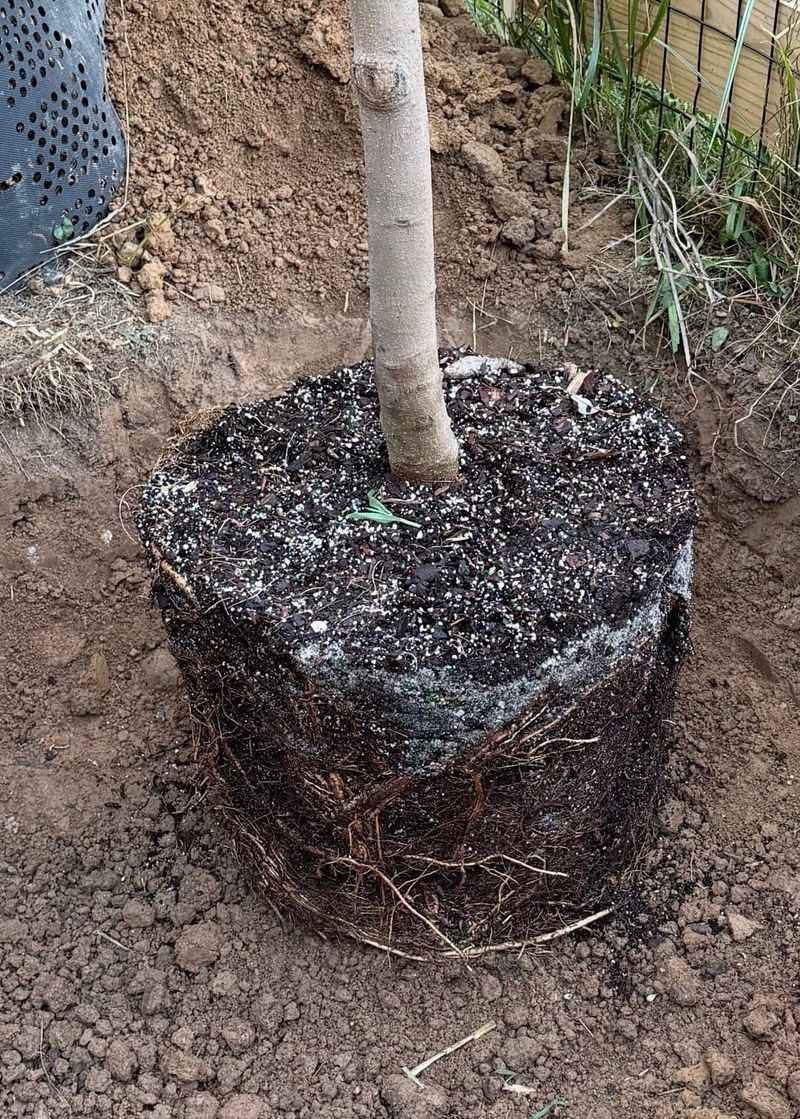
My rule of thumb is simple: high and dry beats low and soggy every time. For a Southern Magnolia, the top of the root ball should sit level with the ground or slightly higher.
UF/IFAS recommends placing the top-most root about one to two inches above the surrounding soil. In poorly drained spots, some experts suggest raising it even more, with soil gently sloped up to cover the sides of the root ball.
Why go higher? Freshly dug soil settles over time.
A tree planted exactly even today may end up sitting lower a few months later, especially after heavy rain.
Before you lower your tree in, measure the root ball from the bottom to that first main root. Then check the depth of your hole with a shovel handle laid across the top.
If the hole is too deep, add soil back and pack it down firmly with your foot.
Once the tree is in place, step back and look from a few angles. The flare should be easy to see.
Also make sure the trunk stands straight before you start filling in around it.
3. Dig a Wide, Shallow Hole Instead of a Deep One
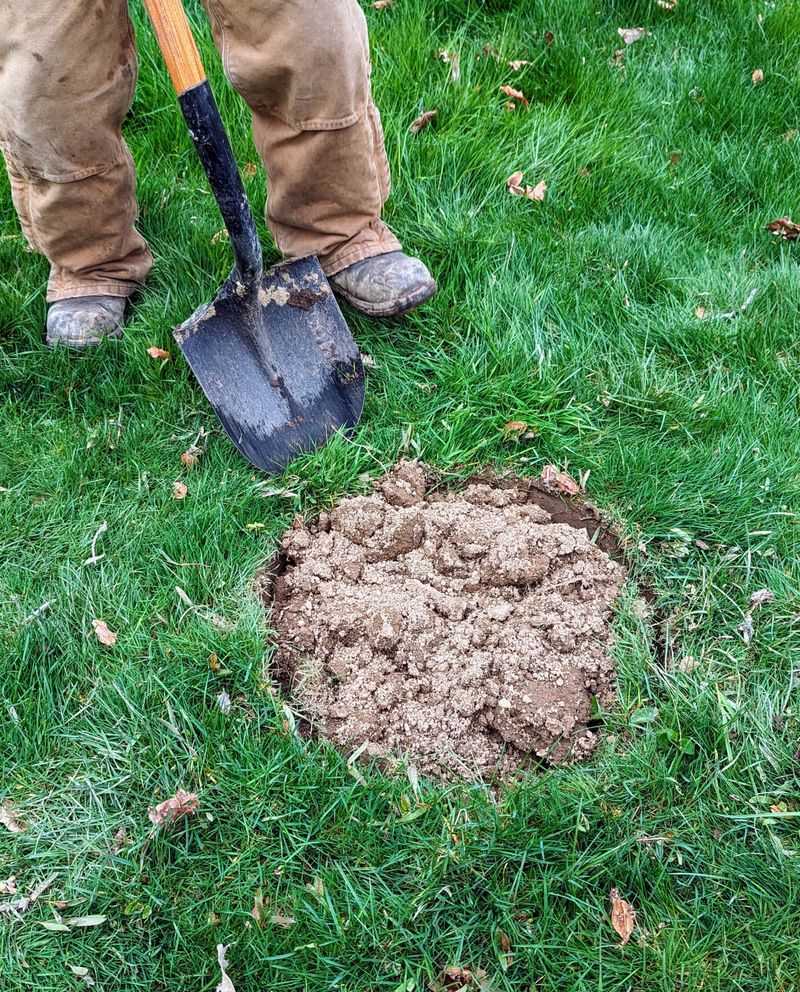
Most of us grab a shovel and dig straight down like we’re hunting for treasure. Tree roots actually prefer the opposite approach.
Magnolia roots spread mostly sideways through the top foot or so of soil, where oxygen is easiest to find. A wide hole gives them loose, easy soil to push into during their first year.
Aim for a hole at least two to three times wider than the root ball.
The depth should be no deeper than the root ball itself. It’s even fine to dig it a bit shallower.
Leave the bottom of the hole firm and undisturbed so the tree has a solid base to rest on.
If you loosen the soil under the root ball, the heavy tree can sink as that soil settles. Then all your careful measuring goes out the window.
In Florida, sandy soil can make digging pretty easy in many yards. In spots with clay, rock, or a hardpan layer, roughen up the sides of the hole with your shovel.
That simple step helps roots break out instead of circling around inside a smooth-walled pit.
4. Buried Magnolia Roots Can Quietly Struggle for Years
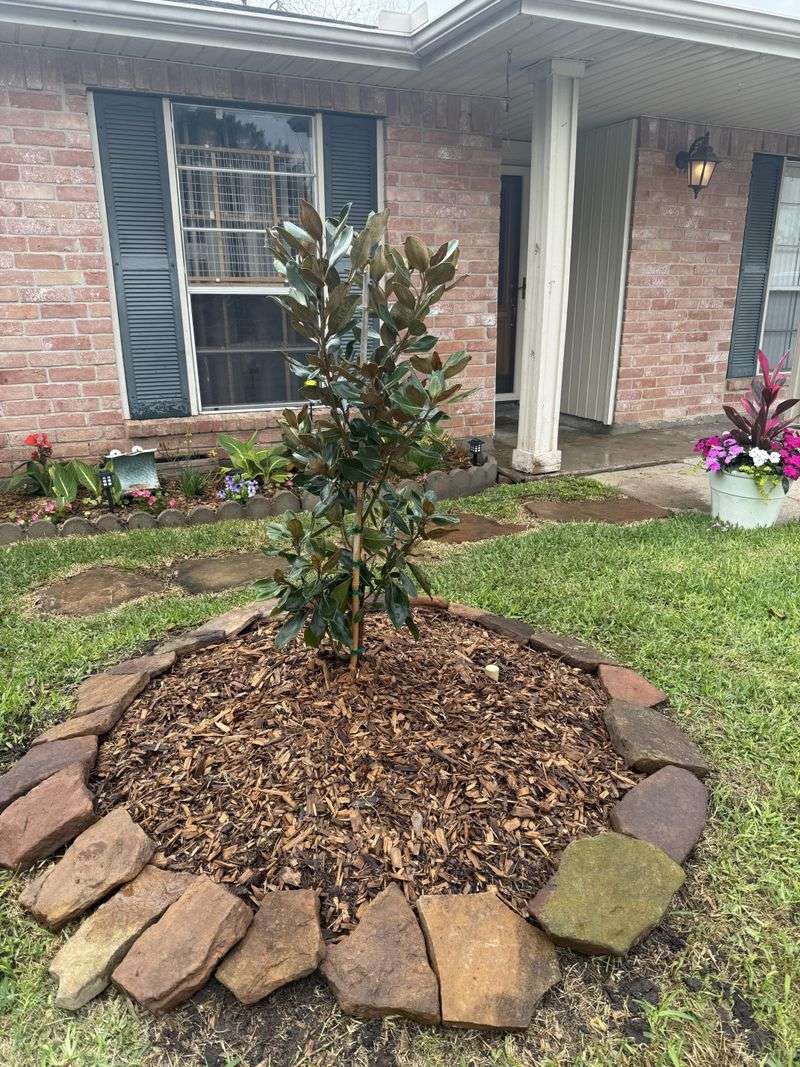
Trouble from deep planting rarely shows up right away. That’s what makes it so sneaky.
Roots need oxygen just like leaves need sunlight. When a root ball sits too low, especially in heavy or wet soil, those roots get less air.
Growth slows down, and the tree may look tired season after season.
Buried trunks have problems too. Bark that stays wet under soil or mulch can soften and invite rot and disease.
Over time, roots may start growing upward or wrapping around the trunk. These are called girdling roots, and they can squeeze off the flow of water and nutrients.
Signs often include:
Yellowing or thin leaves, small yearly growth, early leaf drop, and branches that decline from the top down.
A deeply planted tree can also be less stable in strong winds. That’s a real concern in hurricane country.
If your young magnolia already looks like a straight pole going into the ground, gently pull soil away from the base. You may be able to uncover the flare.
For larger or older trees, a certified arborist can check for girdling roots safely.
5. Florida’s Fall Weather Gives Magnolia Roots a Head Start
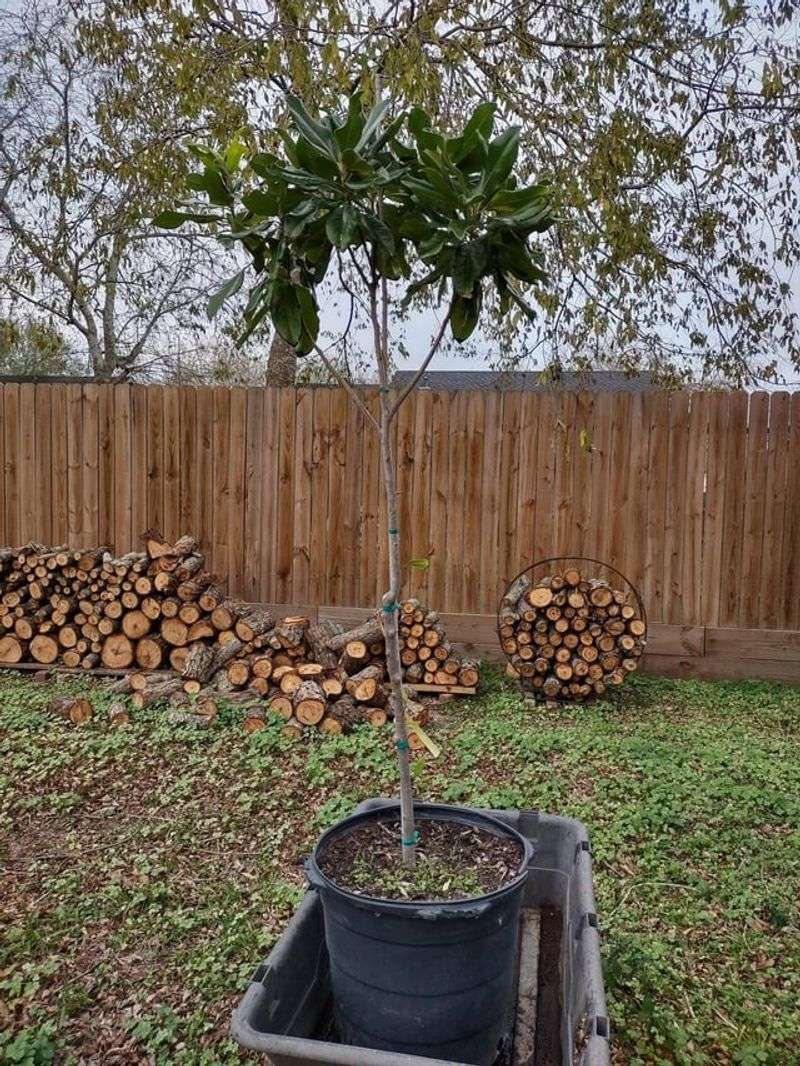
October in Florida feels like the whole state finally exhales. Your new magnolia will appreciate that relief just as much as you do.
Cooler air means leaves lose less water each day. Meanwhile, soil stays warm from the long summer, so roots keep growing.
That combination lets a tree build its root system before facing the heat again.
UF/IFAS notes that trees can be planted year-round in Florida with good watering. Still, many gardeners and extension experts favor fall and winter for less stress and lower water needs.
Southern Magnolia grows well in USDA zones 6 through 10. That covers North and Central Florida nicely.
In South Florida, it often struggles with the constant heat, so a native alternative may be a better fit there.
Keep an eye on hurricane season, which runs through November 30. Planting after a storm threat passes can save you some worry.
Fall also tends to be drier in much of the state. So don’t count on rain to do the watering for you.
Your fresh planting will still need plenty of help from your hose for the next several months.
6. Loosen Circling Roots Before the Magnolia Goes in the Ground
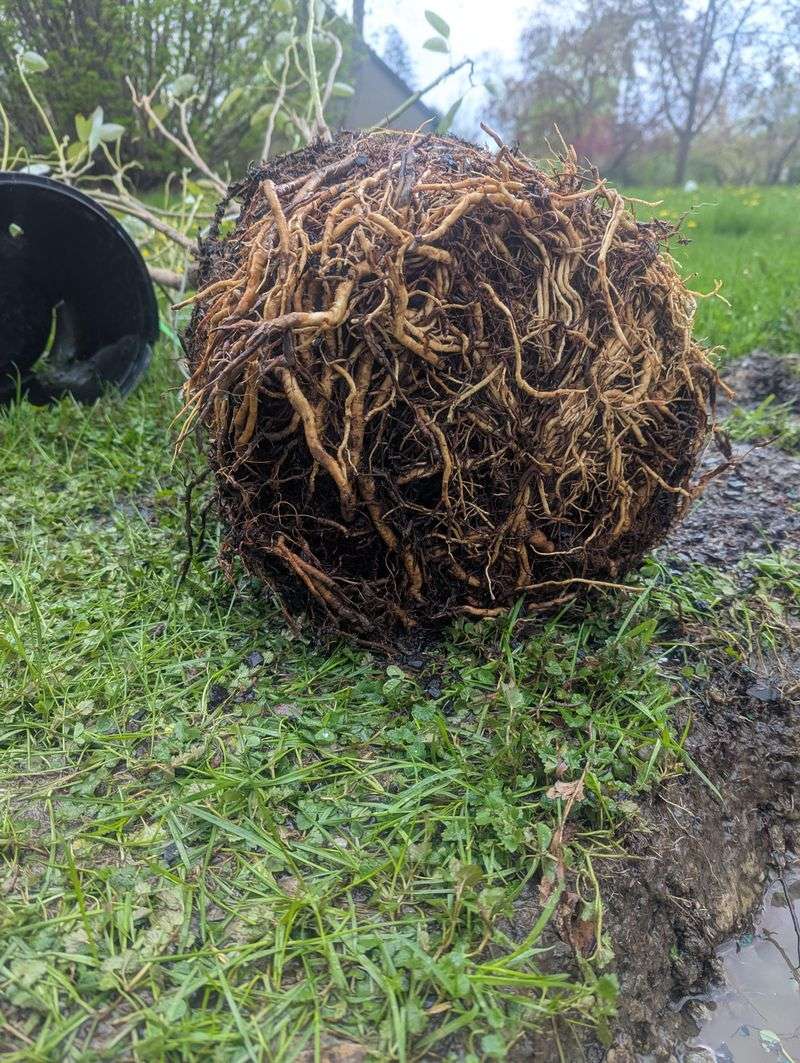
Slide that magnolia out of its pot, and you might find roots wrapped around the outside like a ball of yarn. Container trees do this a lot.
Roots hit the plastic wall and simply keep traveling in circles. If you plant them that way, they may keep circling in the ground too.
That habit can lead to the girdling problems that slowly choke a tree.
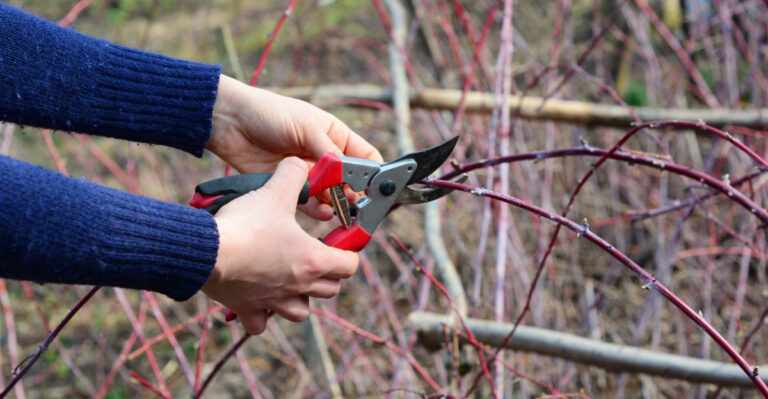
Use your fingers to tease circling roots outward. For thick, stubborn ones, make a few clean cuts with sharp pruners.
UF/IFAS research supports shaving off the outer layer of a badly root-bound ball to encourage straight new growth.
Remove everything that isn’t tree or soil. That means plastic pots, wire baskets, twine, and as much burlap as you can safely take off.
Synthetic burlap does not break down at all.
Work quickly and keep the roots shaded and damp. Fine roots dry out fast in the Florida sun, even on cooler fall days.
It may feel harsh to cut roots on a brand new tree. Honestly, it’s one of the kindest things you can do for its future.
7. Keep Mulch Away From the Magnolia Trunk
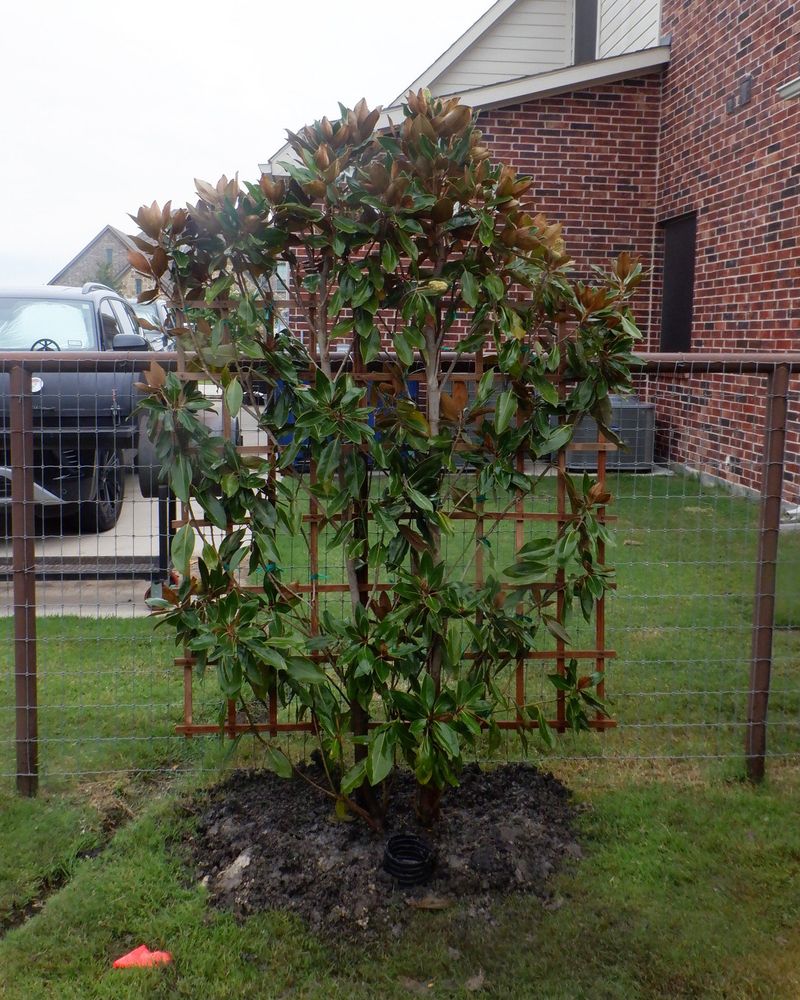
Backfill is the easy part, and many gardeners overthink it. Use the same native soil you dug out of the hole.
Rich bagged mixes can make roots lazy. They may stay inside the soft, fancy soil instead of reaching out into your yard.
Fill in around the root ball, then water as you go to settle the soil and remove air pockets.
Next comes mulch, and this is where a lot of trees get buried all over again. Spread two to three inches of mulch in a wide ring around the tree.
Pine bark, pine straw, or eucalyptus mulch all work well.
Keep mulch several inches away from the trunk. Those tall mulch volcanoes you see in parking lots trap moisture against the bark.
They can cause rot and even encourage roots to grow up into the mulch.
Don’t pile soil on top of the root ball. Keep the root flare visible and avoid covering the top of the root ball with additional soil.
A low ring of soil just outside the root ball can help hold water. Think of it like a little dish that guides moisture straight to the roots.
8. Steady Watering Helps Your Magnolia Settle In for Decades
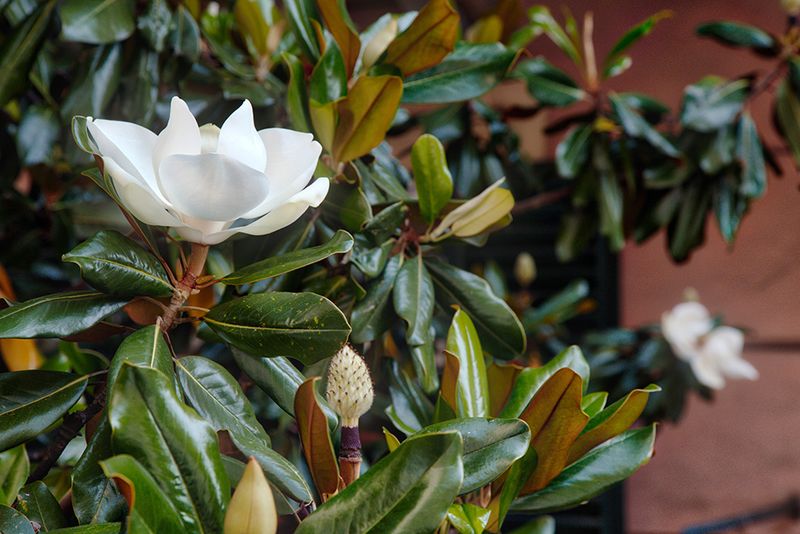
Patience pays off with this tree. A Southern Magnolia can reach 60 to 80 feet tall, so plant it with plenty of room away from houses, driveways, and power lines.
Watering is the next big job. UF/IFAS suggests frequent small waterings right on the root ball at first.
For a tree in a 15-gallon pot, try about two to three gallons per inch of trunk diameter.
A common schedule looks like this:
Water daily for the first one to two weeks. Then switch to every other day for a couple of months.
After that, water weekly until the tree is established.
Larger trees take longer to settle in. Expect several months per inch of trunk diameter in Florida’s warm climate.
Don’t panic if some leaves turn yellow and drop. Magnolias shed older leaves now and then, and transplant stress can add a few more.
Skip heavy fertilizer during the first season. Roots matter more than leafy growth right now.
Get the depth right, water steadily, and give it time. Then someday you’ll get those creamy, lemon-scented blooms all summer long.