Yard Features Arizona Homeowners Have That Scorpions Absolutely Love
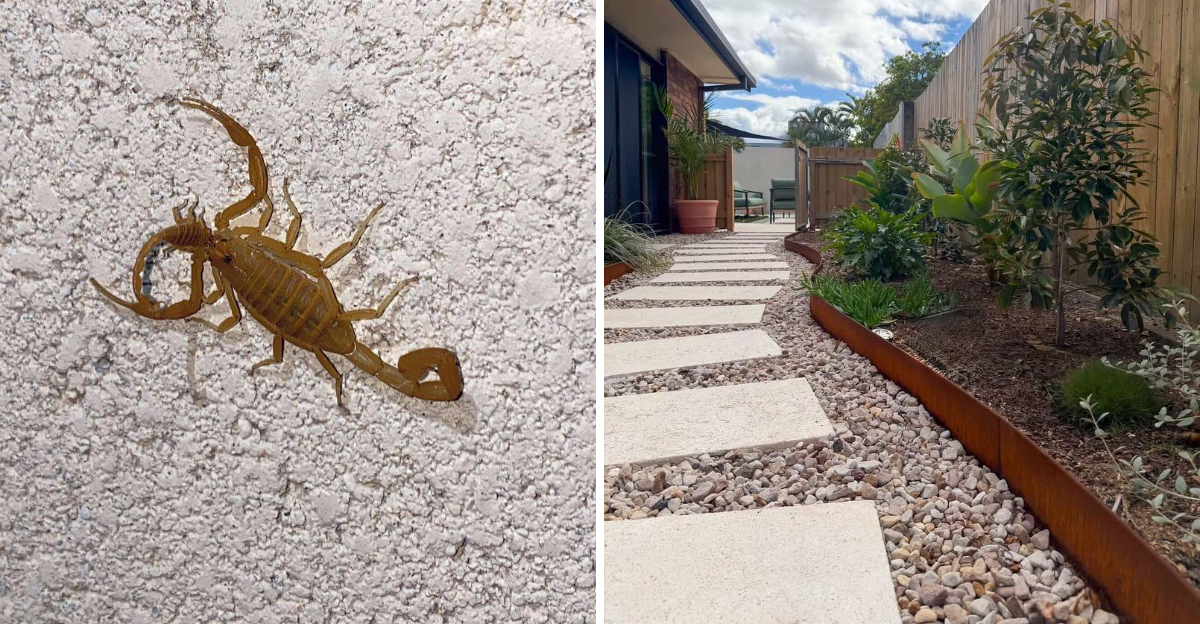
Finding a scorpion in the yard is unsettling enough. Finding them repeatedly is when many people start asking the same question.
What keeps bringing them back?
The answer is often closer than expected. Many of the features people install for appearance, comfort, or convenience can also appeal to scorpions.
That is why activity sometimes shows up in places that seem completely ordinary and harmless at first glance.
A common misconception is that only neglected properties attract attention. In reality, some of the most appealing spots can be found in well maintained landscapes where everything appears neat and under control.
These features blend into the yard so naturally that they rarely stand out as potential trouble areas.
That is what makes the issue so frustrating. Arizona homeowners are often surprised to discover which yard features attract the most attention and why certain areas seem to draw far more activity than others throughout the season.
1. Bird Baths Provide Water During Dry Weather
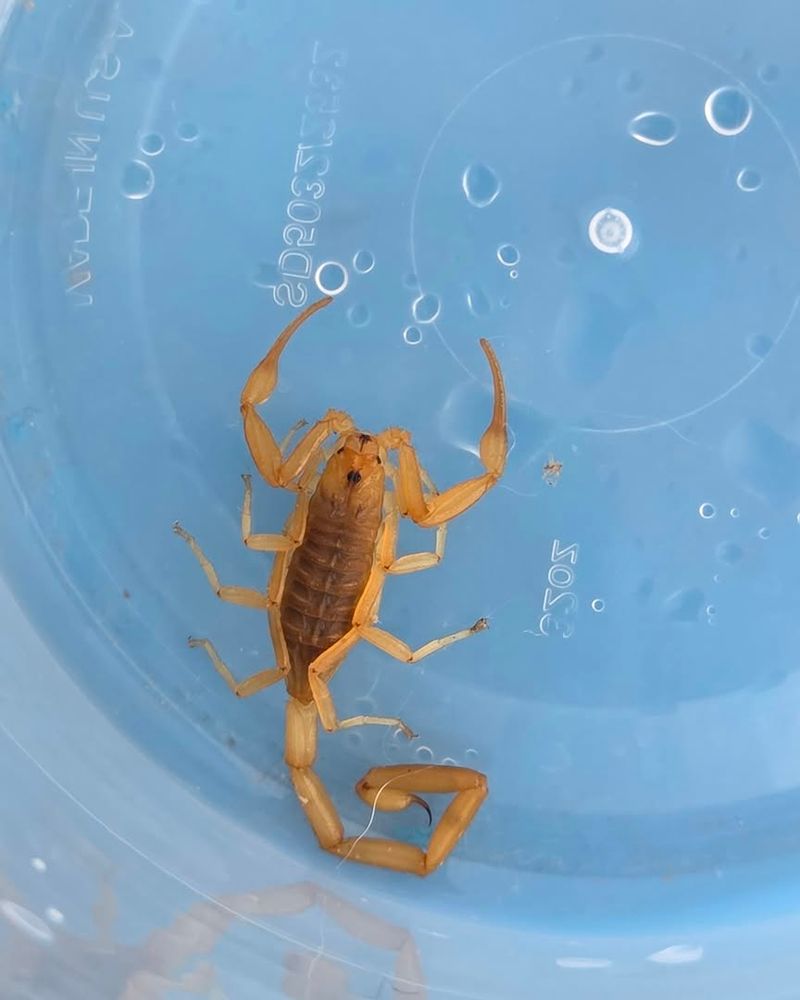
Water is the one thing scorpions will travel far to find. In a dry desert climate, a bird bath sitting in your yard is basically a neon sign pointing straight to your property.
Scorpions are most active at night. They move along walls, through mulch, and across patios searching for moisture.
A bird bath holds standing water around the clock, making it one of the most reliable water sources in the yard.
The base of a bird bath also tends to stay damp. Soil around the pedestal stays wet longer than surrounding areas, which attracts insects.
More insects means more food for scorpions, so they stick around longer.
Shallow dishes and decorative fountains create the same problem. Any feature that holds water without being emptied regularly becomes a resource scorpions can count on.
Switching to a moving-water fountain can help slightly, since scorpions prefer still water. But the real fix is placing the bird bath far from the house and checking the area underneath it regularly.
Clearing away any debris or leaf buildup near the base removes extra hiding spots. Elevating the basin on a smooth metal pole also makes it harder for scorpions to climb up and lounge near the water source at night.
Refreshing the water frequently and keeping the surrounding area clean can make the spot less attractive to both insects and the scorpions that hunt them.
2. Compost Piles Attract More Insect Activity
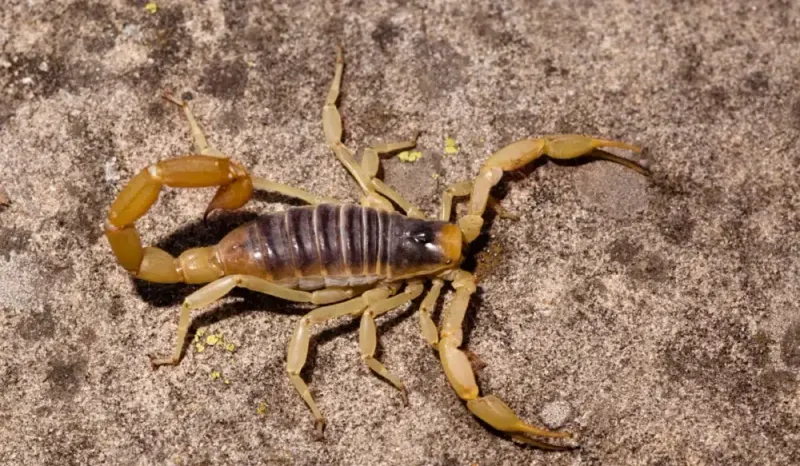
Compost piles are insect hotels, and scorpions know it. Beetles, crickets, roaches, and pill bugs all flock to decomposing organic material, and scorpions follow right behind them.
Rotting fruit, vegetable scraps, and damp leaves create a warm, moist environment that stays active with bug life day and night. Scorpions are opportunistic hunters.
They position themselves near reliable food sources and wait.
Compost piles placed close to the house are especially risky. Scorpions that spend their nights hunting near a compost pile will eventually wander toward nearby walls, patios, and entry points.
Moving the compost pile to the far edge of the property is a practical first step. Distance matters.
Your Arizona Garden Changes Every Week. Your Plan Should Too.
Gardening in Arizona changes quickly throughout the season. Every Friday you’ll receive a simple weekly plan showing exactly what to plant, prune, fertilize, harvest, and protect so you never miss the right timing.
A pile twenty feet from your back door is far less dangerous than one sitting right next to the foundation.
Keeping the pile contained in a sealed bin reduces insect access and makes the area less appealing overall. Open, loose piles are the worst option in a yard where scorpions are active.
Turning the pile regularly also disrupts the stable environment that insects prefer. Fewer insects means less reason for scorpions to hang around.
It does not remove the risk completely, but it lowers it in a meaningful way.
In Arizona, keeping compost piles dry on the surface and free of exposed food scraps can further reduce the insect activity that attracts scorpions in the first place.
3. Large Potted Plants Create Cool Hiding Spots
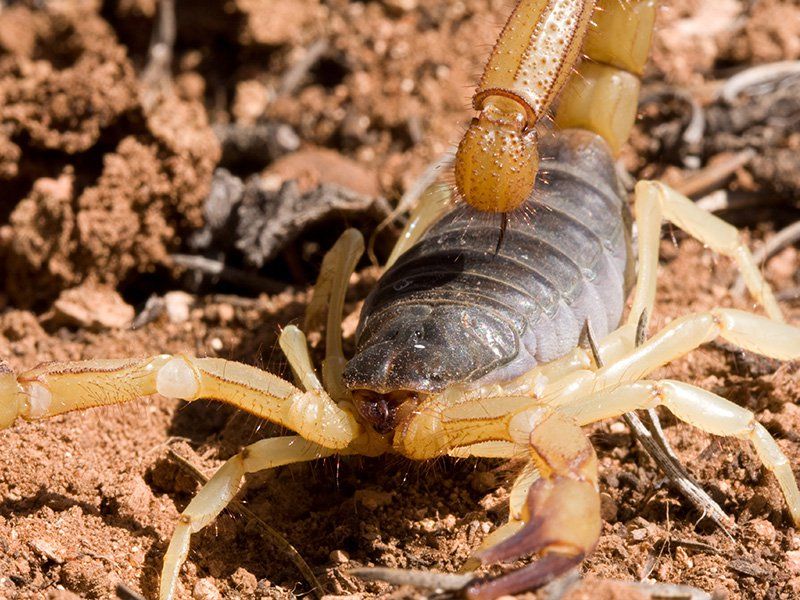
Flip over a large pot in the middle of summer and you might be surprised what is underneath it. Cool, damp soil, a flat surface, and shade are exactly what scorpions want during the hottest parts of the day.
Large containers hold moisture longer than the surrounding ground. The bottom edge creates a gap that traps humidity and blocks sunlight.
Scorpions press themselves into those tight spaces and wait out the heat.
Pots grouped closely together are even more attractive. Clusters of containers create a network of dark corridors that scorpions can move through without exposure.
They feel safe in those tight, shaded zones.
Elevating pots on feet or stands breaks up that contact with the ground. Less contact means less moisture buildup and fewer hiding opportunities directly under the container.
Checking underneath pots regularly is a simple habit that makes a real difference. Use a long tool to tip the pot rather than reaching underneath with bare hands.
Placing pots on gravel instead of bare soil also helps. Gravel drains faster and stays drier, which is less inviting for scorpions and the insects they hunt.
Rearranging pot placement away from walls and doorways reduces the chance of scorpions making their way indoors.
Keeping weeds and dense ground cover trimmed around container areas also reduces the sheltered pathways scorpions use to move between hiding spots.
4. Dense Vine Growth Creates Extra Cover
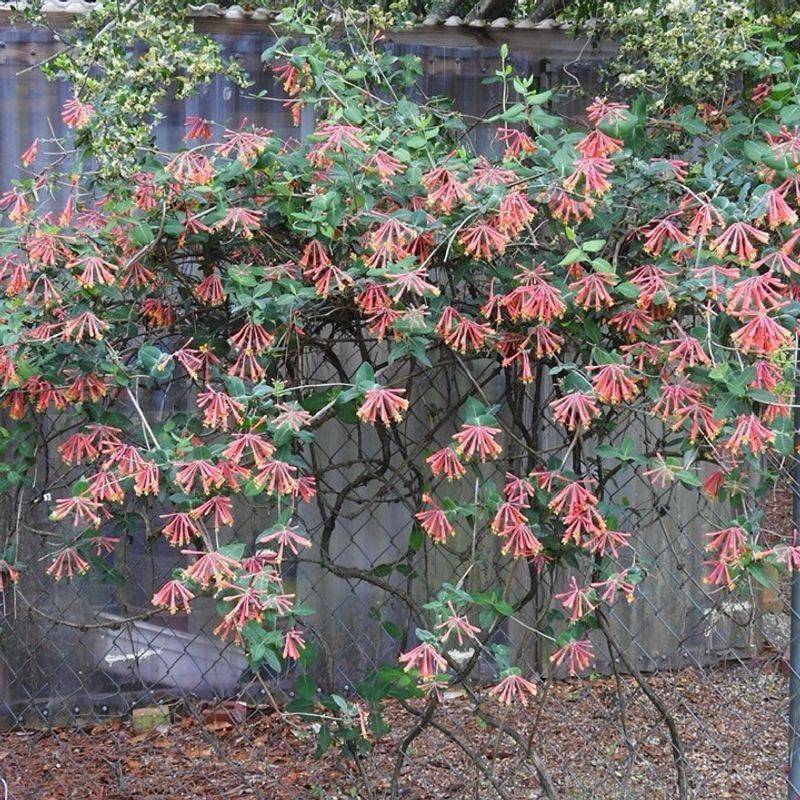
Vines look lush and beautiful climbing along a fence or wall. From a scorpion’s perspective, dense vine growth is a fully stocked apartment building with unlimited vacancies.
Thick layers of leaves create dark, humid pockets that stay cool even when outdoor temperatures climb. Insects nest in those spaces, and scorpions move in right alongside them.
The coverage also gives scorpions a way to move vertically along walls without being exposed.
Vines that grow directly against the house are the most concerning. They create a direct pathway from the ground to window frames, roof edges, and entry points.
Scorpions that climb can reach places most homeowners never expect.
Trimming vines back from the house by at least a foot reduces that direct connection. Keeping growth thinned out also reduces the humidity and shade that make vine areas so attractive.
Ground-level vine coverage is especially risky near doorways. Scorpions sheltering in vines close to an entry point have a short distance to travel once the door opens.
Pulling vines away from fences and walls periodically exposes the surface underneath. Sun and airflow dry out those hidden spaces quickly.
Less moisture and less cover means fewer insects, and fewer insects means less reason for scorpions to stay close to your home.
Regular pruning also makes it easier to spot pest activity before vines become dense enough to hide scorpions and other unwanted visitors.
5. Citrus Trees Drop Fruit That Attracts Insects
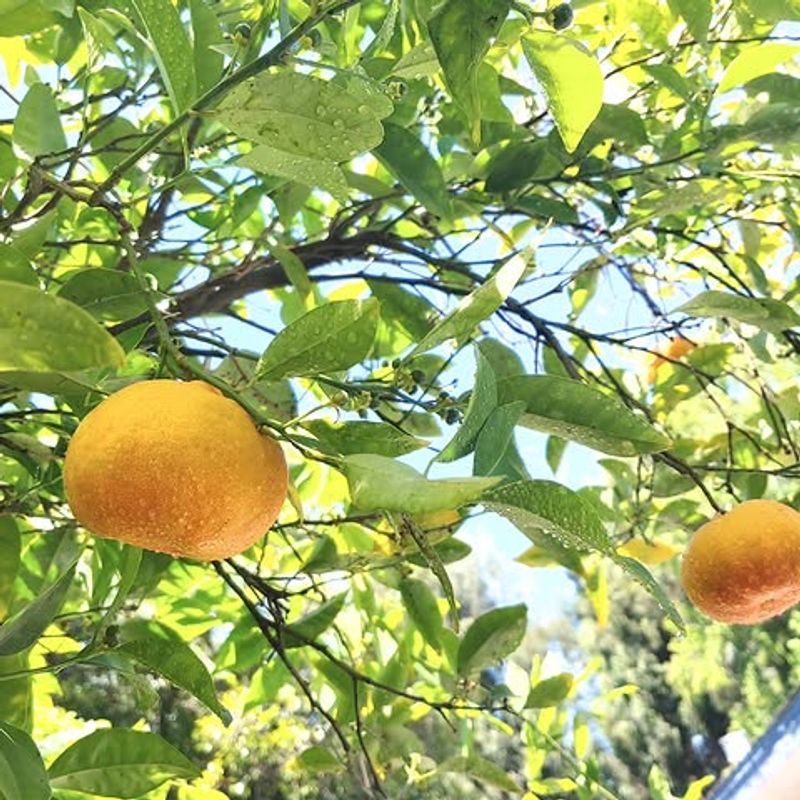
Fallen citrus fruit is basically a free buffet for insects. Rotting oranges, lemons, and grapefruits release sugar and moisture into the surrounding soil, pulling in roaches, beetles, ants, and flies almost immediately.
Scorpions do not eat fruit. But they absolutely eat the insects that come for it.
A citrus tree with unpicked or fallen fruit becomes a reliable hunting ground, especially at night when scorpions are most active.
Bark scorpions, the species most commonly encountered in the Southwest, are skilled climbers. They move up and down citrus tree trunks with ease.
The tree itself becomes both a hunting ground and a resting spot during daylight hours.
Picking up fallen fruit every few days breaks the cycle. Fewer rotting pieces on the ground means fewer insects, which means less reason for scorpions to patrol the area around the tree.
Keeping the ground under the tree clear of leaf litter and debris removes extra hiding spots. Scorpions that cannot find shelter during the day are less likely to stay in that part of the yard.
Placing sticky traps around the base of citrus trees can also help monitor activity. Knowing whether scorpions are present near a specific tree lets you focus your efforts where they matter most.
Even a few pieces of fruit left on the ground can keep insect activity high around the tree for days.
6. Outdoor Storage Sheds Stay Shaded All Day
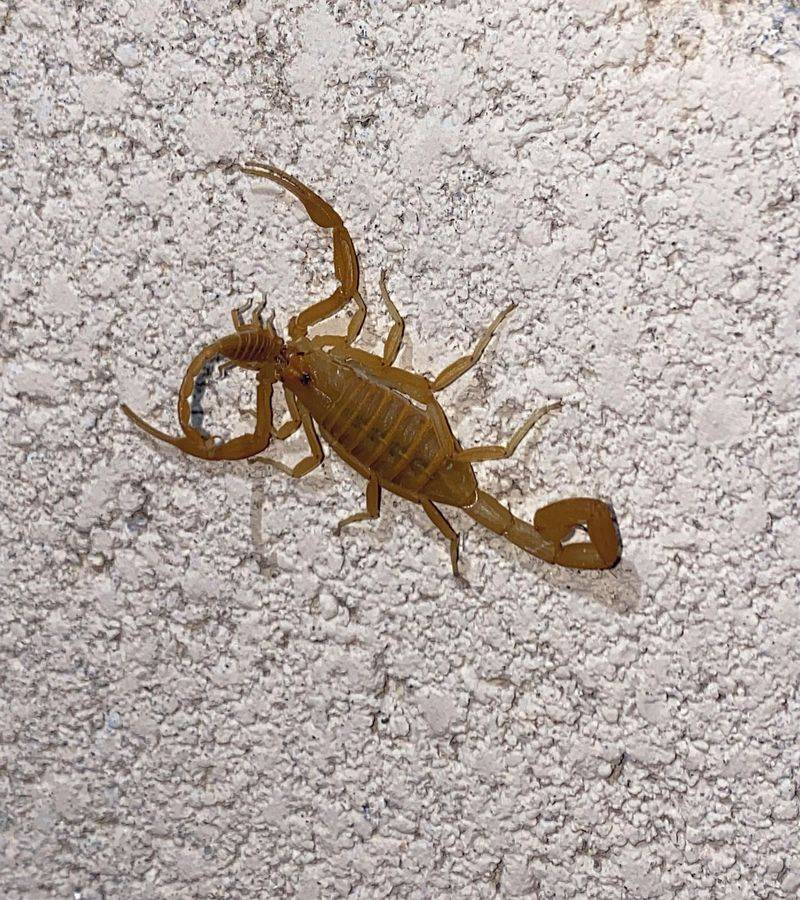
Storage sheds are scorpion paradise. They stay cool, stay dark, and rarely get disturbed for days or even weeks at a time.
That combination is hard to beat from a scorpion’s point of view.
Gaps under the shed door, cracks in the walls, and spaces around utility lines all serve as easy entry points. Once inside, scorpions find clutter, cardboard boxes, and stacked items that offer endless hiding places.
Cardboard is a major problem. It absorbs moisture, provides insulation, and breaks down slowly, creating a habitat that scorpions and their prey both enjoy.
Replacing cardboard storage with sealed plastic bins removes one of the biggest attractants.
Sheds built directly on bare soil are at higher risk. Scorpions can enter from below through gaps between the floor and the ground.
Adding a concrete pad or sealing the base significantly reduces access.
Cleaning out the shed at least twice a year forces scorpions out and removes the debris that lets them stay hidden for months. Regular disturbance makes the space feel less safe.
Weatherstripping around the door and caulking any cracks in the walls are low-cost fixes that make a real impact. A well-sealed shed is simply less inviting than one with easy access points on every side.
Keeping vegetation and debris away from the shed makes the area far less attractive to scorpions looking for shelter.
7. Stone Edging Creates Small Hiding Spaces
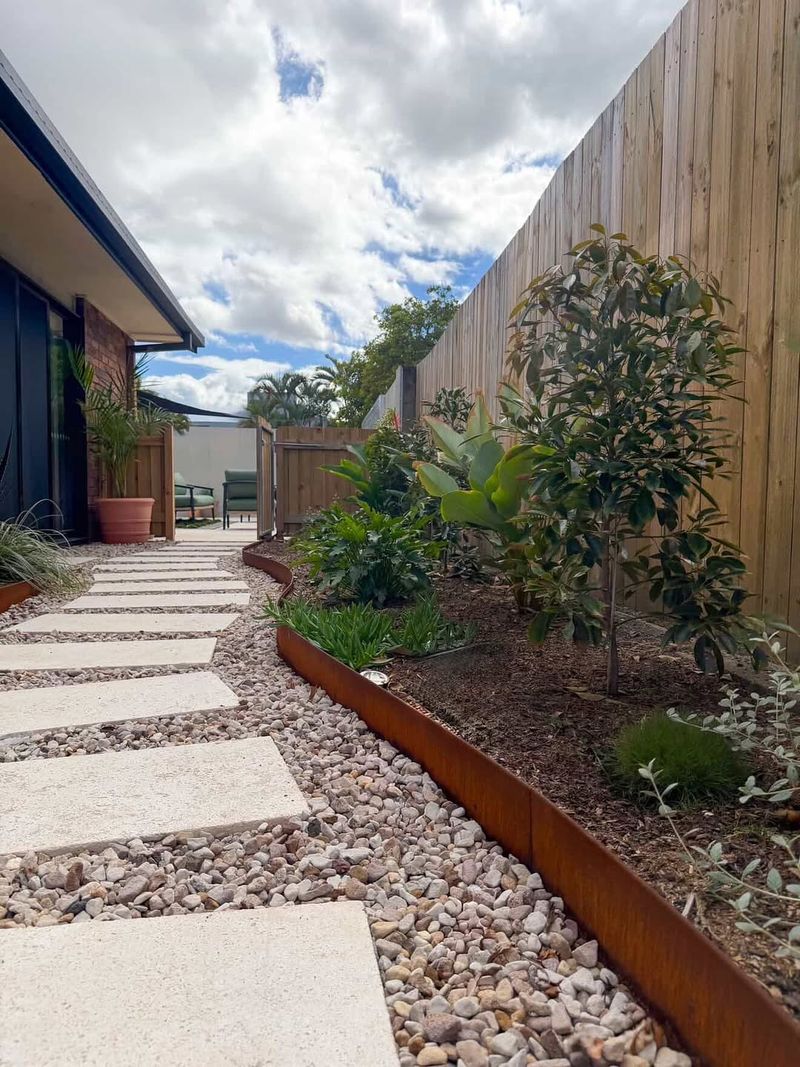
Stone edging is one of the most popular landscaping choices in desert yards, and it also happens to be one of scorpions’ favorite features. The gaps between stones are exactly the right size for a scorpion to squeeze into and stay hidden.
Flat rocks stacked or laid close together trap heat during the day and release it slowly at night. Scorpions are cold-blooded and use that stored warmth to stay active after sunset.
Warm stones near garden beds are prime real estate.
Moisture also collects under and between stones. Irrigation water, morning dew, and runoff from nearby plants keep those spaces damp enough to attract insects.
Where insects go, scorpions follow.
Reducing the number of stacked or overlapping stones limits the number of usable gaps. Single-layer edging with tight fitting stones and minimal gaps is harder for scorpions to use as shelter.
Pulling stone edging away from the house foundation is another practical step. Edging that runs directly along a wall creates a connected pathway from the yard straight to the structure.
Checking stone edging regularly, especially after irrigation, gives you a chance to spot activity early. Using a UV blacklight at night makes scorpions glow bright green, which makes inspections faster and far more effective.
Consistent monitoring keeps small problems from turning into larger ones.