These Are The Florida Yards Armadillos Destroy First And What Makes Them A Target
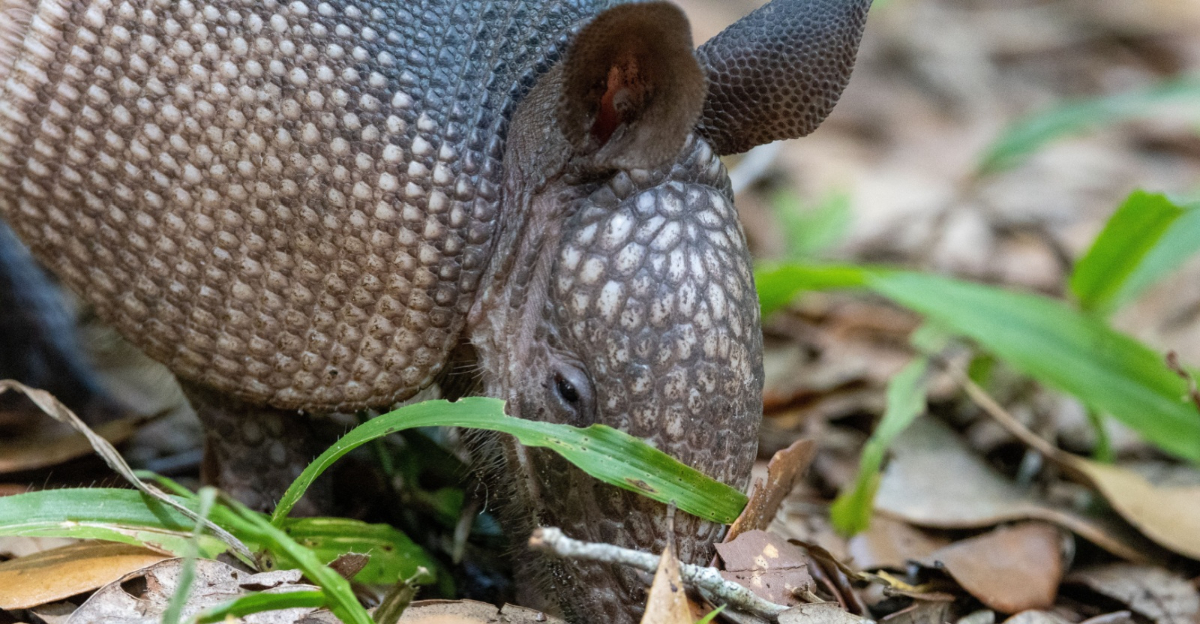
Florida yards are basically an all-you-can-eat buffet for the local wildlife, but waking up to find your pristine lawn looking like a Swiss cheese factory is a major bummer.
These armored little speed-bumps, known as armadillos, love to crash your property overnight. They leave behind a chaotic mess of shallow holes, shredded mulch, and completely ruined garden borders.
Trust me, they do not have a personal vendetta against your landscaping skills; they are just hungry!
Our warm weather and sandy, easily diggable soil make your lush, watered lawn look like prime real estate. Some yards practically roll out the red carpet for these nocturnal diggers without even realizing it.
These insights reveal why your property became the hottest club in town and how to politely revoke their VIP passes.
1. Yards With Overwatered Lawns
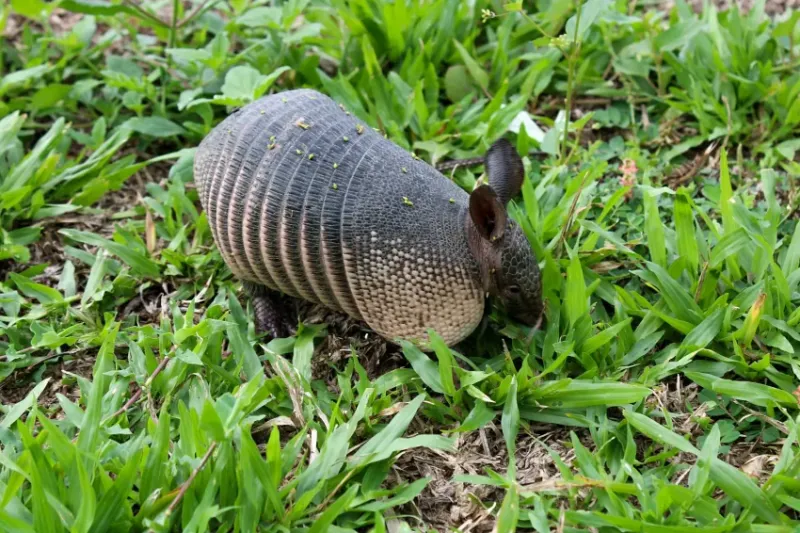
Soft, soggy lawns are practically an open invitation for armadillo foraging, and overwatering is one of the most common habits that makes Florida yards vulnerable.
When soil stays consistently moist from frequent irrigation, the ground becomes much easier to dig through.
Armadillos use their strong front claws to break into the upper soil layers where insects, worms, and other invertebrates tend to gather, and wet soil gives them very little resistance.
If the lawn feels spongy underfoot or stays damp long after rain, it may be giving armadillos exactly the kind of digging conditions they prefer.
Many Florida homeowners run their irrigation systems on a fixed schedule without adjusting for rainfall or soil moisture. During rainy stretches, that habit can leave lawns far wetter than they need to be.
Overly saturated soil also encourages certain insects to move closer to the surface, which can make the lawn even more appealing to a foraging armadillo moving through the neighborhood at night.
Checking soil moisture before running irrigation is a straightforward habit that can reduce this risk. Florida has local watering rules in many counties, and following those guidelines is a good starting point.
Watering deeply but less frequently tends to promote healthier grass roots while keeping the surface soil a bit less accessible to digging.
If armadillo activity shows up near irrigation heads or low-lying wet areas, that pattern is worth paying attention to as a clue about where moisture is concentrating in the yard.
2. Lawns Hiding Grub Problems
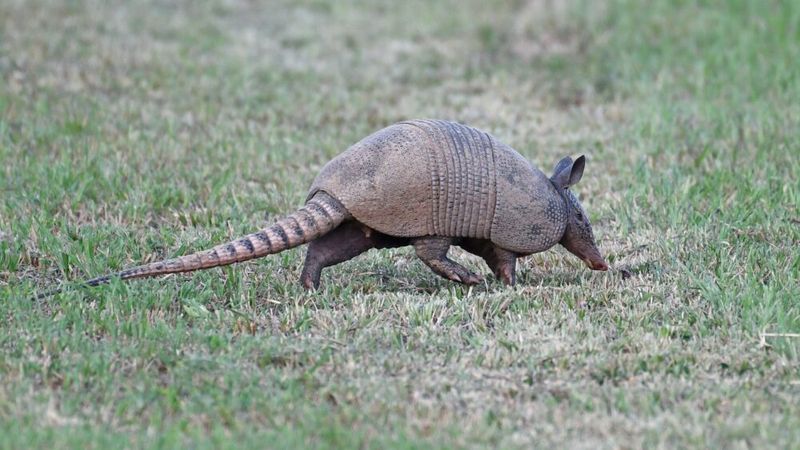
Repeated digging in the same general area of a lawn can sometimes point to more than just a roaming armadillo. When an armadillo returns to the same spots night after night, it may be finding a reliable food source just below the surface.
Grubs, beetle larvae, and other soil-dwelling insects are a significant part of what armadillos search for while foraging, and a lawn with an active pest population can become a regular stop.
Florida’s warm soil and humid conditions make it a favorable environment for several turf-damaging insects throughout the year. Mole crickets, white grubs, and similar pests live in the upper few inches of soil, which is exactly where armadillos tend to dig.
Your Florida Garden Changes Every Week. Your Plan Should Too.
Gardening in Florida changes quickly throughout the season. Every Friday you’ll receive a simple weekly plan showing exactly what to plant, prune, fertilize, harvest, and protect so you never miss the right timing.
Noticing scattered cone-shaped holes or small patches of disturbed turf does not automatically confirm a grub infestation, but it does suggest that checking the lawn for underlying pest activity is a reasonable next step.
A simple way to check is to pull back a small section of turf in an area where digging has occurred and look at the soil beneath.
If insects or larvae are present in noticeable numbers, addressing the lawn pest issue may reduce how often armadillos find the area rewarding.
A local Florida Extension office can help identify what pests are present and recommend appropriate management options for the specific turf type and conditions.
3. Gardens With Fallen Fruit Left Behind
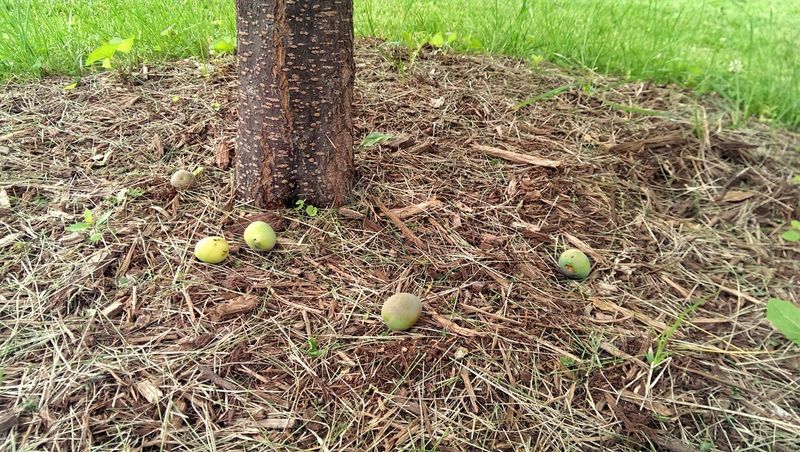
Walking through a Florida backyard after a warm night and spotting disturbed soil near the fruit trees is a frustrating but familiar experience for many homeowners.
Fallen fruit that sits on the ground for even a short time can begin to break down quickly in Florida’s heat and humidity, and that fermenting smell tends to draw in a variety of wildlife.
Armadillos are among those attracted to yards where fruit regularly drops and goes uncollected.
Citrus, figs, mangoes, and other fruit common in Florida landscapes can fall throughout the warmer months.
While armadillos are primarily after insects and invertebrates, the presence of fallen fruit may encourage them to linger in a yard longer or return more frequently.
The soft, moist ground beneath fruit trees can also be easier to dig through, combining two attractants in one spot.
Making a habit of picking up fallen fruit every day or two is a simple way to reduce the draw. This is especially useful during peak fruit-drop seasons when the ground beneath trees can accumulate quickly.
Compost bins with secure lids are a better option than open piles for disposing of fruit waste.
Keeping the area beneath fruit trees clean and raked also removes the cover that decomposing fruit can provide, making the spot less appealing for extended foraging visits during Florida’s long warm season.
4. Mulched Beds That Are Easy To Dig
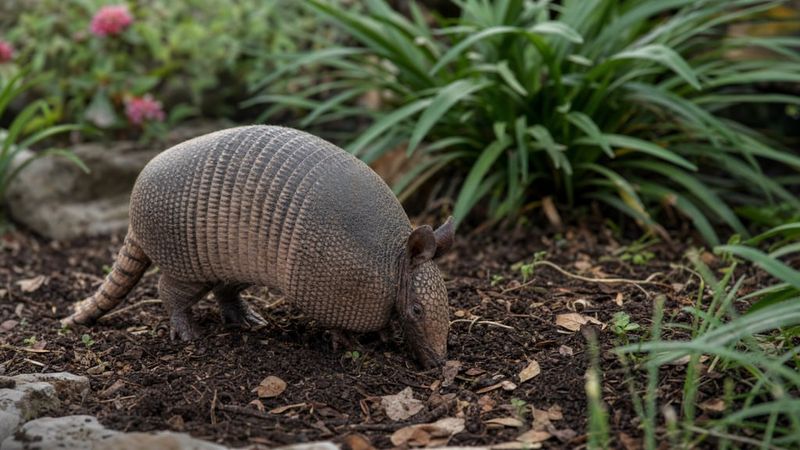
Loose mulch is one of the most common features in Florida landscaping, and for good reason – it holds moisture, moderates soil temperature, and reduces weeds.
However, freshly laid or thick mulch beds can also create an easy digging environment that armadillos may take advantage of while searching for insects and other invertebrates hiding beneath the surface.
Mulch near patios, walkways, and home foundations tends to stay moist and undisturbed, which can attract beetles, ants, termites, and other insects that armadillos feed on.
The soft, loose texture of mulch gives very little resistance compared to compacted turf, making it a relatively low-effort foraging spot.
Beds that border fence lines or shaded corners may see more activity because armadillos tend to move along edges and prefer areas with nearby cover.
Mulch is still a practical and beneficial tool in Florida yards, and removing it entirely is not necessary. Watching beds near structures for small disturbances or scattered mulch is a useful early warning habit.
Keeping mulch at a reasonable depth rather than piling it heavily can reduce how inviting the bed feels to a foraging armadillo.
If digging near a foundation or patio becomes persistent, it may be worth evaluating whether the bed is also close to brushy cover or other features that are making the area a regular part of an armadillo’s foraging route through the yard.
5. Yards With Brushy Edges That Offer Cover
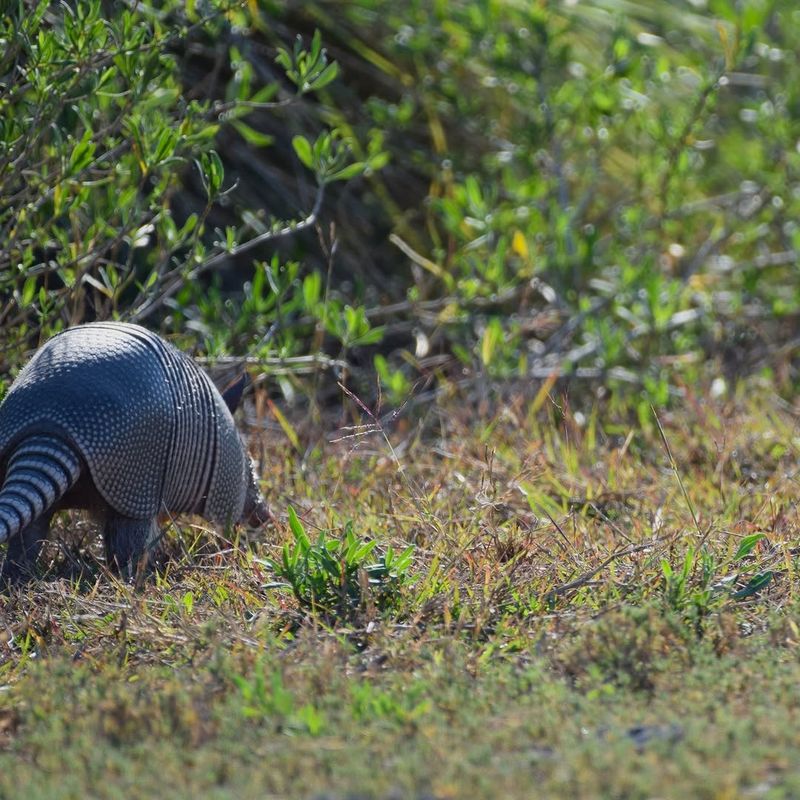
Overgrown fence lines, dense shrub borders, and quiet corners piled with leaves or debris are features that armadillos tend to gravitate toward while moving through Florida neighborhoods.
These brushy edges offer cover while an armadillo travels, rests, or forages, and yards with a lot of dense low vegetation along the perimeter can see more activity than those with open, maintained borders.
Armadillos are generally cautious animals that prefer to stay near cover rather than crossing wide open spaces.
A fence line thick with weeds, fallen branches, or unpruned shrubs essentially creates a sheltered corridor that connects one part of a yard to another.
Once an armadillo feels comfortable moving through that edge, it may begin exploring the lawn and garden beds nearby.
Trimming overgrown shrubs, clearing leaf litter from fence lines, and removing brush piles from low-use corners can make a yard feel less sheltered to passing armadillos.
This does not mean every natural planting needs to go – Florida landscapes benefit from native plants and layered vegetation for many reasons.
The goal is to reduce the dense, ground-level cover that allows armadillos to move undetected.
Paying attention to where digging tends to start can help identify which edges are being used as entry points, and tidying those specific spots is often more practical than overhauling the entire yard border at once.
6. Lawns Already Showing Shallow Digging Holes
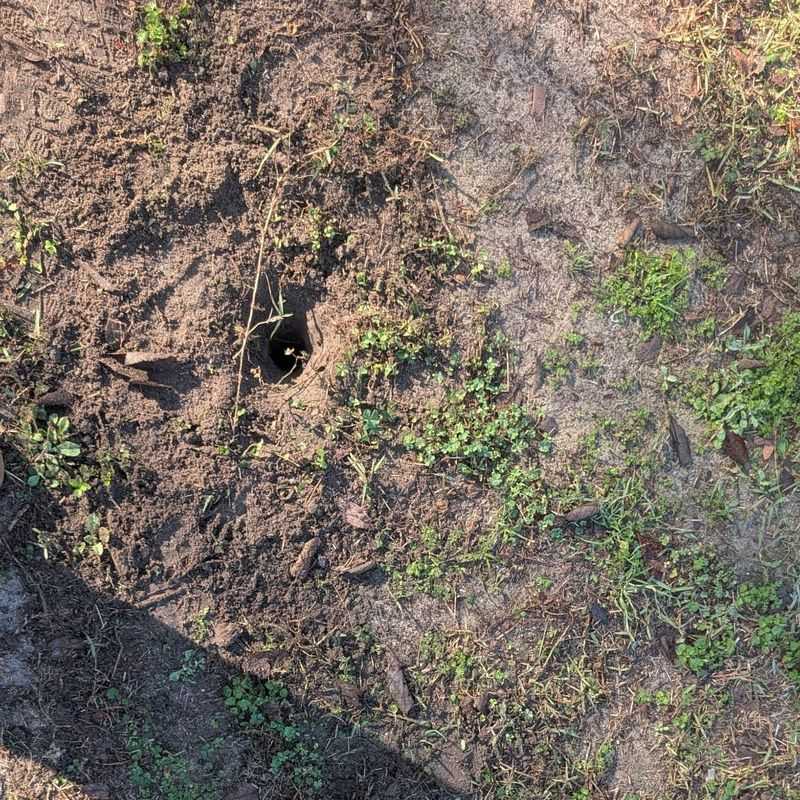
Spotting a cluster of small, cone-shaped holes scattered across the lawn on a quiet Florida morning is usually the first sign that an armadillo has been active nearby.
These shallow diggings are typically a few inches deep and a few inches wide, and they appear where the armadillo has used its snout and claws to break into the soil while searching for insects or other invertebrates just below the surface.
Once digging holes appear, the most useful response is to look at the bigger picture rather than just filling in the spots. Checking irrigation patterns, nearby mulch beds, fruit trees, and brushy edges can help identify what is making the yard attractive.
Shallow holes that keep reappearing in the same general area suggest that the armadillo is finding something worth returning for, whether that is moist soil, abundant insects, or convenient cover nearby.
Responding early tends to be more effective than waiting for the damage to spread. Adjusting watering habits, clearing fallen fruit, and tidying brushy corners are reasonable starting points.
Holes near flower beds, garden borders, or turf near the home’s foundation deserve a closer look because armadillos that begin foraging near structures sometimes progress to investigating those spots for potential burrow sites.
Keeping records of where and when holes appear can also help spot patterns that point to a specific attractant or entry route through the Florida yard.
7. Burrow-Friendly Spots Near Structures
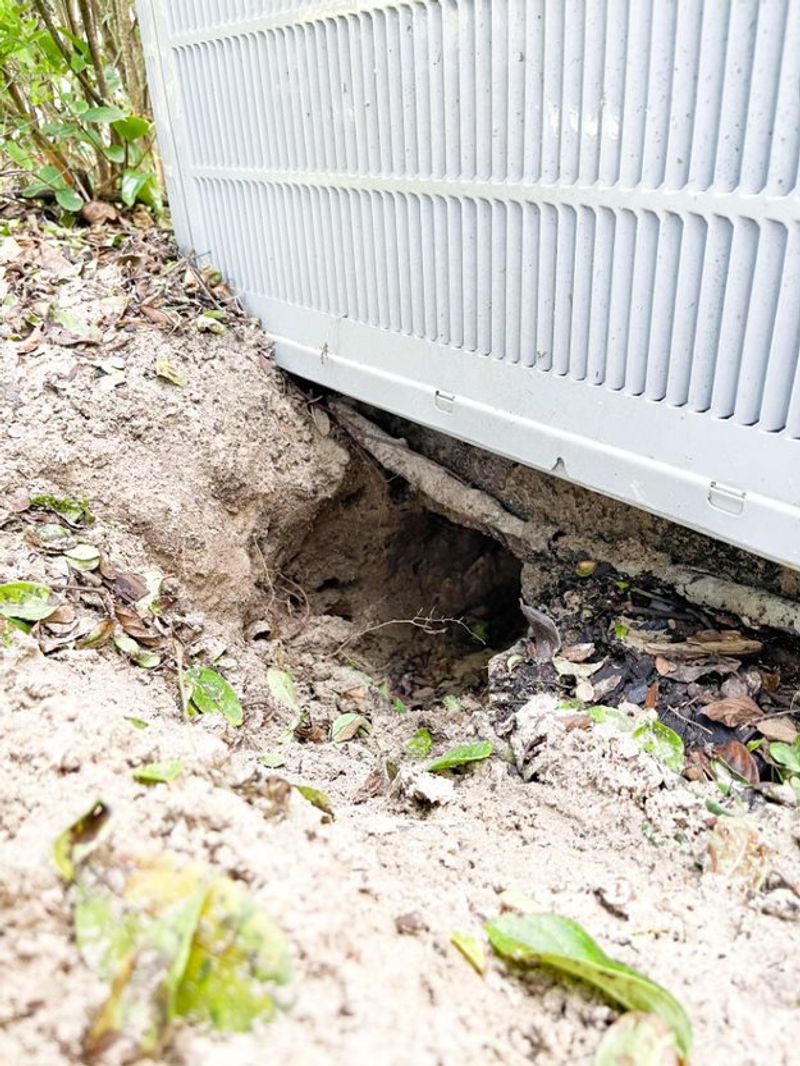
Finding a burrow opening near the base of a shed, patio, or home foundation is a step beyond typical foraging damage, and it is a situation that tends to concern Florida homeowners more than scattered digging holes in the lawn.
Armadillos create burrows for shelter and rest, and they tend to choose spots that feel protected on multiple sides – tucked against a structure, beneath dense shrubs, near a stump, or along a brush pile.
Florida’s sandy soils make burrowing relatively easy, especially near structures where soil tends to stay loose and undisturbed. A burrow near a foundation or under a patio slab can become more disruptive over time as the armadillo continues to enlarge it.
Walkways, garden borders, and utility areas near the home can also be affected if a burrow becomes established in a nearby low-use corner.
Checking the perimeter of structures periodically for fresh digging or disturbed soil is a helpful habit, especially during warmer months when armadillo activity tends to increase in Florida.
Removing brush piles, old stumps, and dense ground cover near foundations reduces the number of sheltered spots that feel suitable for burrowing.
If a burrow is found near a structure, consulting a professional wildlife management service is often the most sensible path forward, particularly when exclusion or removal needs to be handled carefully around the home’s foundation or utility areas.
8. Yards Relying On Repellents Instead Of Habitat Changes
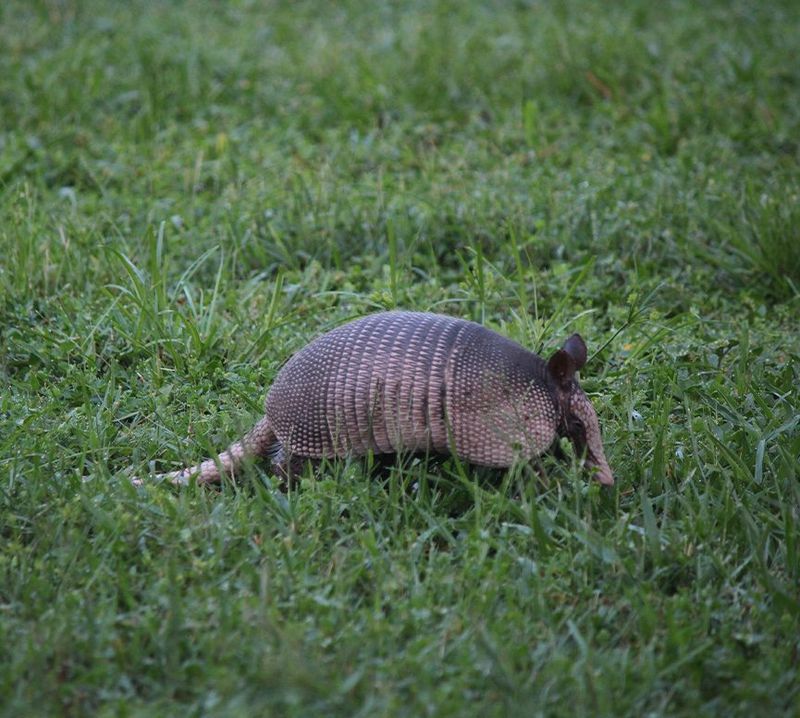
Reaching for a repellent product is a common first response when armadillo activity shows up in a Florida yard, and it is easy to understand why – repellents seem like a quick fix that does not require much effort.
The reality is that Extension guidance does not support repellents as a consistently reliable solution for armadillo problems.
Products marketed for this purpose have not shown strong or lasting results in research-based evaluations.
Relying on repellents while leaving the underlying attractants in place tends to produce disappointing outcomes.
If the lawn is overwatered, the mulch beds are loose and insect-rich, fallen fruit is sitting under the trees, and brushy edges are giving the armadillo easy cover, a repellent product applied along the border is unlikely to change the situation for long.
Armadillos are persistent foragers, and a yard that continues to offer food and shelter will likely continue to see activity.
Habitat changes tend to be more practical and more durable. Adjusting irrigation, managing food sources, tidying brushy edges, and addressing lawn pest issues remove the reasons an armadillo finds the yard rewarding in the first place.
When damage is persistent, especially near structures or in high-use areas of the yard, reaching out to a licensed Florida wildlife management professional is a reasonable and responsible next step.
Continuing to rely on products that may not deliver consistent results is rarely the most practical long-term solution in these situations.