These Texas Yard Mistakes Are Making Your Scorpion Problem Worse No Matter What You Try
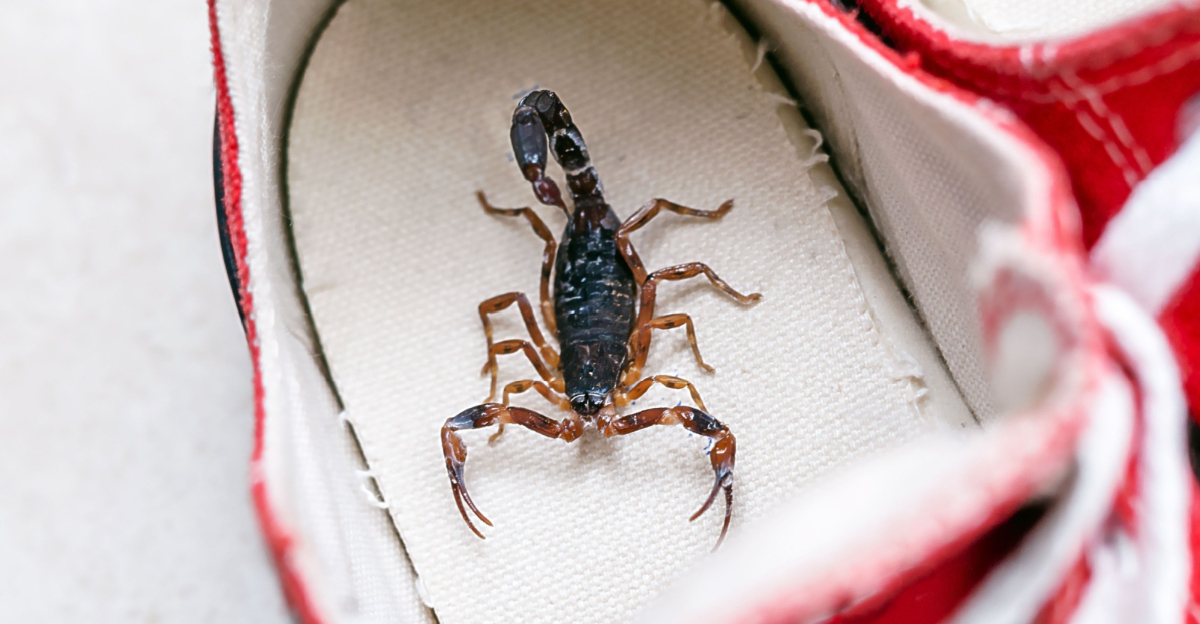
If scorpions keep showing up around your Texas home no matter what you do, your yard might actually be rolling out the welcome mat for them. Frustrating, right?
Texas weather keeps these creatures active for a good chunk of the year, and the tricky part is that a lot of totally normal yard habits are quietly giving scorpions everything they need to stick around.
We’re talking stacked firewood sitting against the house, cluttered spots along the foundation, small gaps near doors that seem harmless but really aren’t.
None of these things feel like a big deal on their own, but combined they can turn your outdoor space into a pretty comfortable situation for scorpions.
The good news is that once you know what’s actually drawing them in, making real changes around your property becomes a whole lot more straightforward.
1. Leaving Yard Debris Near The House
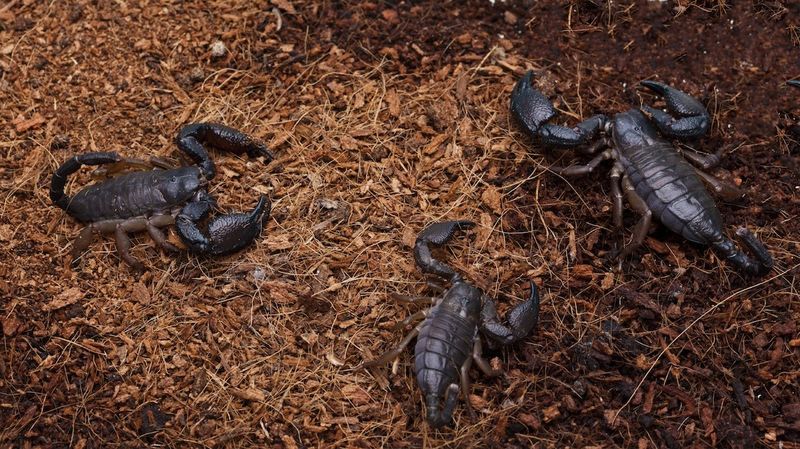
Cluttered side yards and foundation edges around Texas homes are some of the most overlooked scorpion shelters a homeowner can have.
Fallen leaves, old boards, broken pots, and scattered garden tools all create shaded, moist hiding spots that scorpions find very appealing.
The closer that debris sits to your house, the shorter the journey for a scorpion to slip inside.
Scorpions are not picky. Any loose material stacked or piled near the perimeter of a home gives them a ready-made resting spot during the day.
In Texas, where temperatures can climb quickly, cool and sheltered spaces under debris become prime real estate for these pests.
Walking your yard perimeter once a week and clearing away fallen branches, leaf piles, and old materials can reduce available hiding spots significantly. Move anything stored against the house at least a few feet away from the foundation.
Keeping that zone clear and dry makes the area far less welcoming. Consistent yard cleanup is one of the most practical habits homeowners can build when trying to reduce scorpion pressure around the home exterior.
2. Stacking Firewood Too Close To The Home
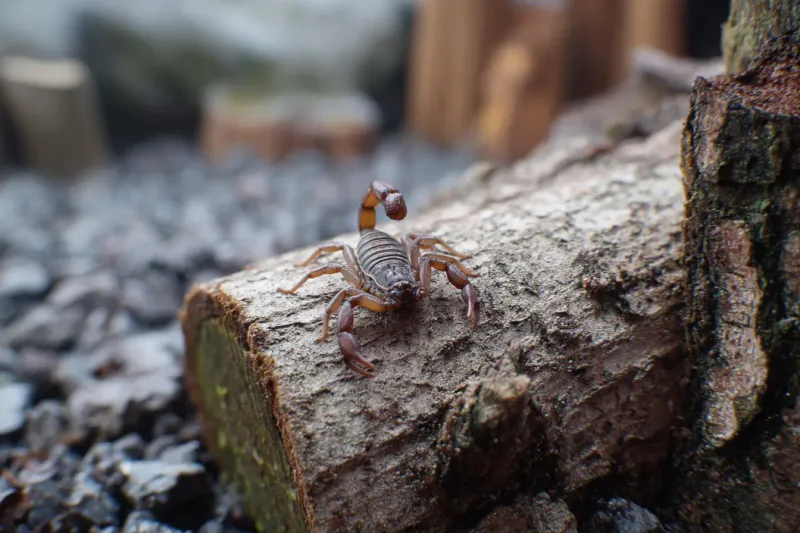
Few things attract scorpions to a Texas home quite like a woodpile sitting right up against the exterior wall. Firewood stacks offer exactly what scorpions look for: dark gaps, consistent shelter, and a stable surface to rest under.
In Texas, where bark scorpions and striped bark scorpions are commonly found, stacked wood near the foundation is a recognized harborage point that pest management professionals frequently flag.
The problem gets worse when the woodpile sits directly on soil or on a patio slab close to the house. Moisture from the ground and warmth from the sun create a comfortable micro-environment inside the stack.
Scorpions can move from the woodpile to the home wall and eventually find a gap to slip through with very little effort.
Moving your firewood storage at least 20 to 30 feet from the house is a straightforward fix. Stack wood on a raised platform or rack rather than directly on the ground to reduce ground moisture.
Bring in only what you plan to use right away, and inspect each piece before carrying it inside. A small habit change around wood storage can meaningfully reduce scorpion pressure near the home.
Your Texas Garden Changes Every Week. Your Plan Should Too.
Gardening in Texas changes quickly throughout the season. Every Friday you’ll receive a simple weekly plan showing exactly what to plant, prune, fertilize, harvest, and protect so you never miss the right timing.
3. Letting Grass Grow Tall Along The Foundation
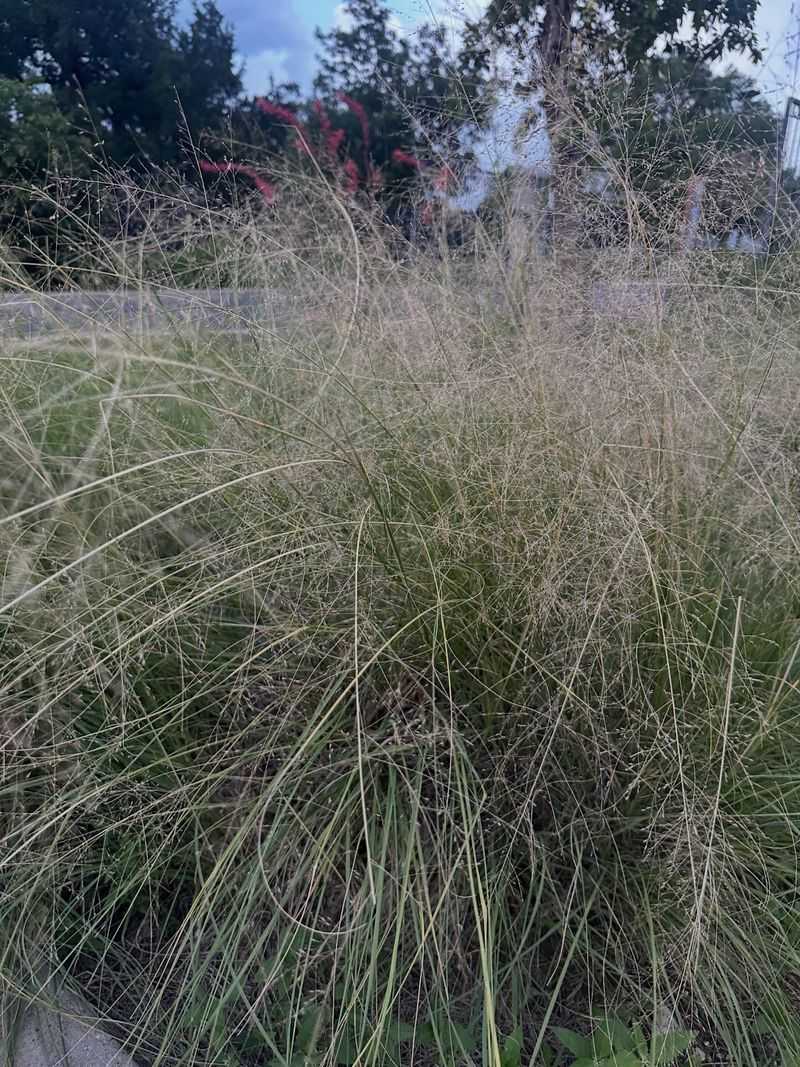
Tall grass creeping up along the foundation edge is a common sight in many Texas yards, especially during the warmer months when growth seems to happen overnight.
Most homeowners focus on mowing the open lawn but forget about the narrow strip of grass right along the house.
That strip, left to grow tall and thick, becomes a dense corridor that scorpions can move through with cover from above.
Ground-level shelter matters a lot to scorpions. Thick grass blades trap moisture, shade the soil, and create a layered environment that mimics the kind of natural debris scorpions use in the wild.
Along a Texas foundation, that combination makes the grass strip a practical highway from the open yard straight to the side of the house.
Trimming that foundation-edge grass short and keeping it well-maintained removes a key layer of cover. A clean, tidy border between the lawn and the house exterior also makes it easier to spot other issues like cracks, gaps, or weep holes that might need attention.
Consistent edge trimming, combined with keeping the soil dry near the foundation, can reduce the shelter available to scorpions moving around the perimeter of your Texas home.
4. Allowing Plants To Touch The House
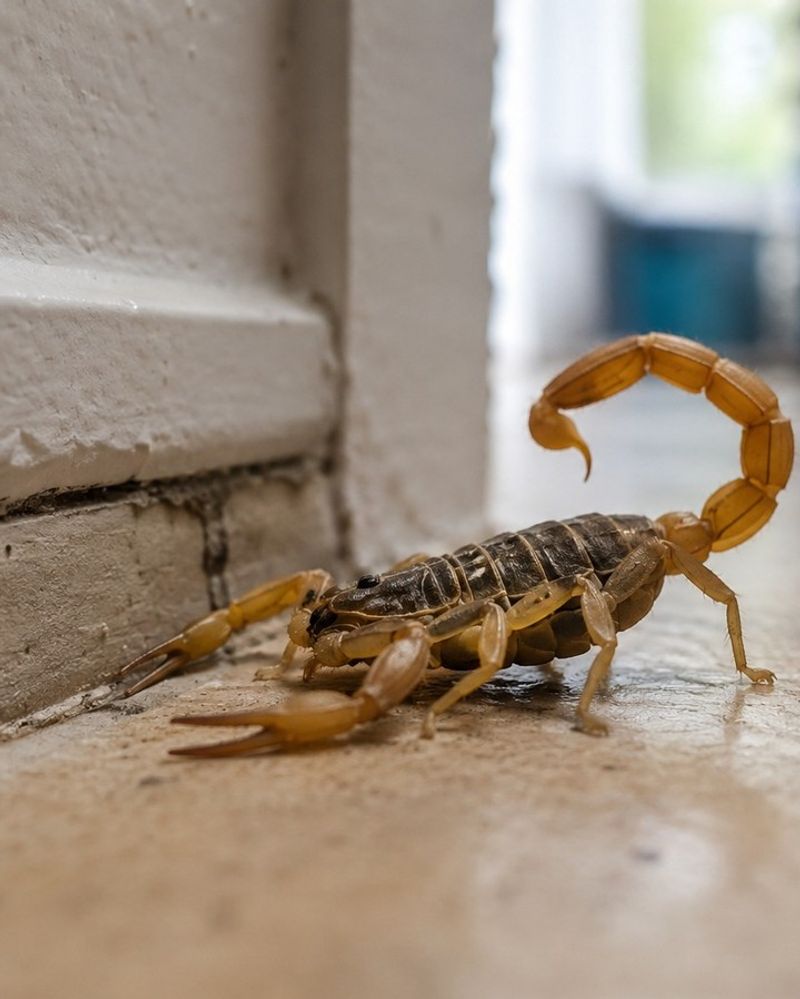
Dense shrubs, climbing vines, and overgrown garden beds pressed up against the side of a home create a living bridge that scorpions can use to reach the wall and eventually the interior.
Plants that touch the house provide constant shade, hold moisture against the exterior, and offer a textured surface full of tiny gaps where scorpions can rest or hide during the day.
Bark scorpions in particular are well known for climbing rough surfaces, and a shrub or vine growing against brick or stone veneer gives them an easy route upward.
From there, gaps around window frames, utility lines, or air conditioning penetrations become accessible.
What looks like a harmless ornamental plant touching the wall can quietly become a scorpion access point.
Pulling plants back so they sit at least a foot or two away from the house exterior makes a noticeable difference. Trim low-hanging branches that drape over the foundation edge and remove any vines growing on the wall itself.
Keeping garden beds tidy and slightly away from the structure also reduces moisture buildup along the foundation.
In Texas, where plants grow quickly in warm months, staying on top of this trimming is a practical part of managing scorpion pressure around the home.
5. Keeping Trash Cans Directly On The Ground
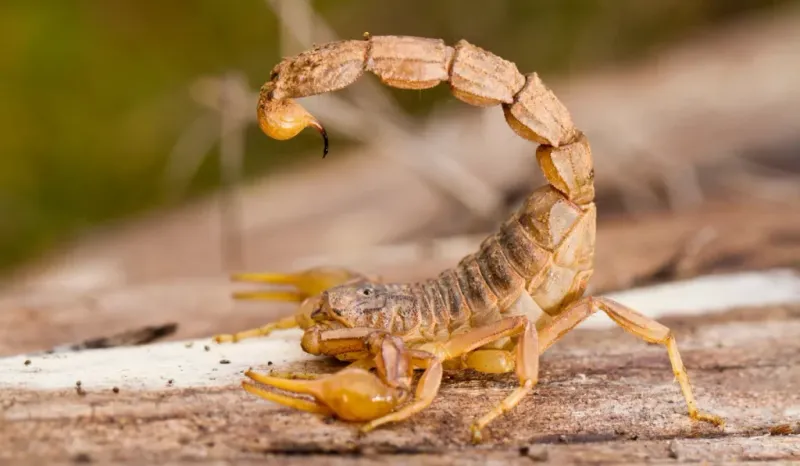
Trash cans sitting on the ground near the house might seem harmless, but the space underneath them is a reliable hiding spot for scorpions. The bottom of a plastic trash can creates a dark, enclosed cavity right at ground level.
In Texas heat, that shaded spot stays noticeably cooler than the surrounding patio or soil, which makes it appealing to scorpions resting during the day.
Beyond the shelter issue, trash cans attract insects. Ants, cockroaches, and other small bugs congregate around garbage, and scorpions follow prey.
If insects are gathering near your trash storage area, scorpions may not be far behind. Placing cans directly against the house wall compounds the problem by putting that activity zone right next to potential entry points.
Raising trash cans off the ground on a simple rack or platform removes the sheltered cavity underneath. Moving them a few feet away from the house wall also helps by separating that insect activity from the home perimeter.
Keeping lids tightly closed reduces insect attraction overall.
In Texas, where outdoor trash storage is common year-round due to mild winters, making this one adjustment can reduce an underappreciated scorpion harborage spot near your home exterior.
6. Ignoring Gaps Around Doors And Windows
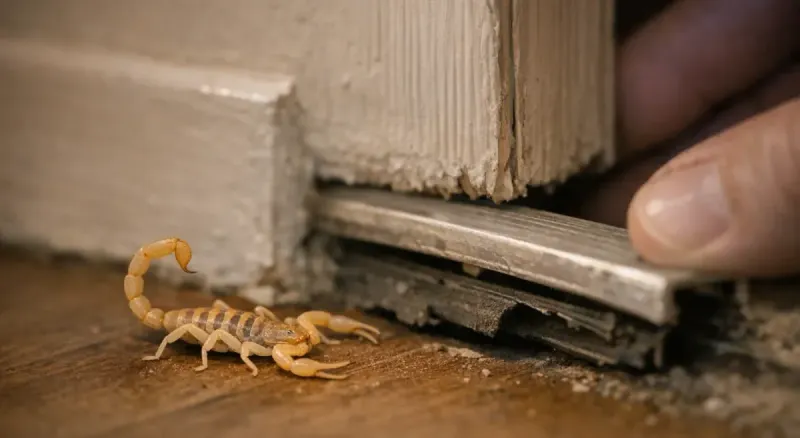
Worn weatherstripping, loose door sweeps, and small gaps around window frames are some of the most common ways scorpions find their way into Texas homes.
A gap that looks too small to matter can still be wide enough for a scorpion to squeeze through, especially younger ones.
Once they reach the threshold, a missing or damaged seal is essentially an open invitation.
Texas homes experience a lot of temperature swings throughout the year, and that expansion and contraction can cause door frames and window casings to shift slightly over time.
Caulking dries out, weatherstripping compresses, and small openings develop that are easy to overlook during a quick visual inspection.
Checking these areas carefully, especially on ground-floor doors and windows, is worth the effort.
Replacing worn door sweeps, applying fresh weatherstripping, and sealing gaps around window frames with appropriate caulk are all practical steps that pay off.
Pay extra attention to garage doors, which often have large gaps along the sides and bottom.
Sliding glass doors on patios and back porches are also worth inspecting closely. Keeping these entry points sealed reduces scorpion access significantly and also helps with energy efficiency during hot summers.
7. Leaving Brick Weep Holes Open
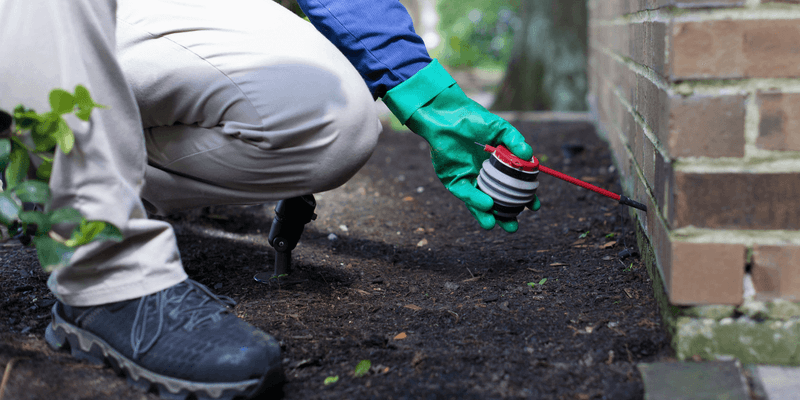
Brick weep holes are a feature most homeowners walk past every day without giving them a second thought. These small openings sit along the bottom course of a brick veneer wall and serve an important purpose, allowing moisture to drain out from behind the brick.
But those same openings are also perfectly sized for scorpions to enter the wall cavity and eventually reach the interior of the home.
In Texas, where brick veneer construction is extremely common, weep holes are present on a huge number of homes. Leaving them completely open means scorpions, and other pests, have a direct path into the wall system.
Once inside a wall cavity, they can move vertically and horizontally, finding gaps around electrical outlets, plumbing lines, or interior trim to enter living spaces.
Weep hole covers or inserts designed specifically for this purpose are widely available and allow moisture drainage while blocking pest entry.
Installing them along every accessible weep hole on the brick perimeter is a straightforward task that many homeowners overlook entirely.
Inspect the full perimeter of your home at brick level and look for any weep holes that are completely open. Covering them is one of the most targeted and effective steps you can take to reduce scorpion access through the exterior wall system.
8. Missing Cracks And Pipe Gaps
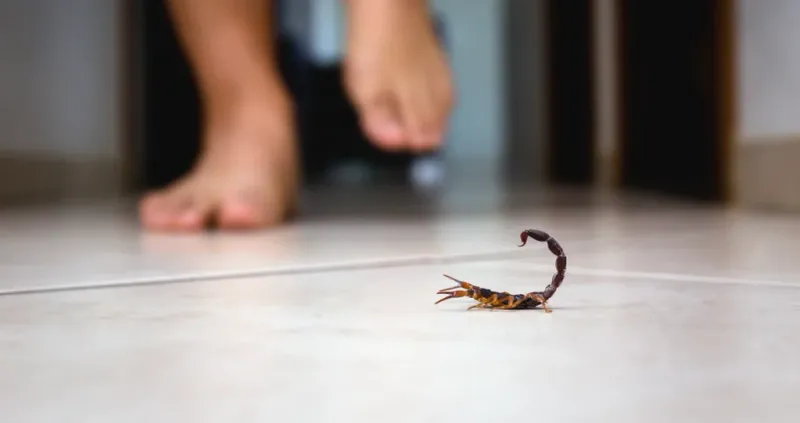
Small cracks along the foundation and unsealed gaps where pipes pass through the exterior wall are easy to overlook, but they can be meaningful entry points for scorpions.
Over time, Texas homes settle and shift, and hairline cracks develop in stucco, mortar, or concrete that widen slowly.
A gap that starts barely noticeable can become large enough for a scorpion to pass through within a season or two.
Pipe penetrations are another common weak spot. Where water lines, gas lines, conduit, or HVAC lines pass through the exterior wall, there is often a gap around the pipe that was never fully sealed or where the original sealant has dried and pulled away.
These spots tend to be overlooked during routine home maintenance because they are easy to miss on a casual walk around the property.
Inspecting the full exterior perimeter at a slow pace, getting close to the foundation and wall surface, helps locate these spots.
Fill cracks with appropriate exterior-grade caulk or masonry filler and seal pipe penetrations with expanding foam or pipe-specific sealant.
In Texas, doing this inspection once or twice a year, especially before warm-weather months when scorpion activity tends to increase, can meaningfully reduce the number of access points available around your home.
9. Relying Only On Pesticides
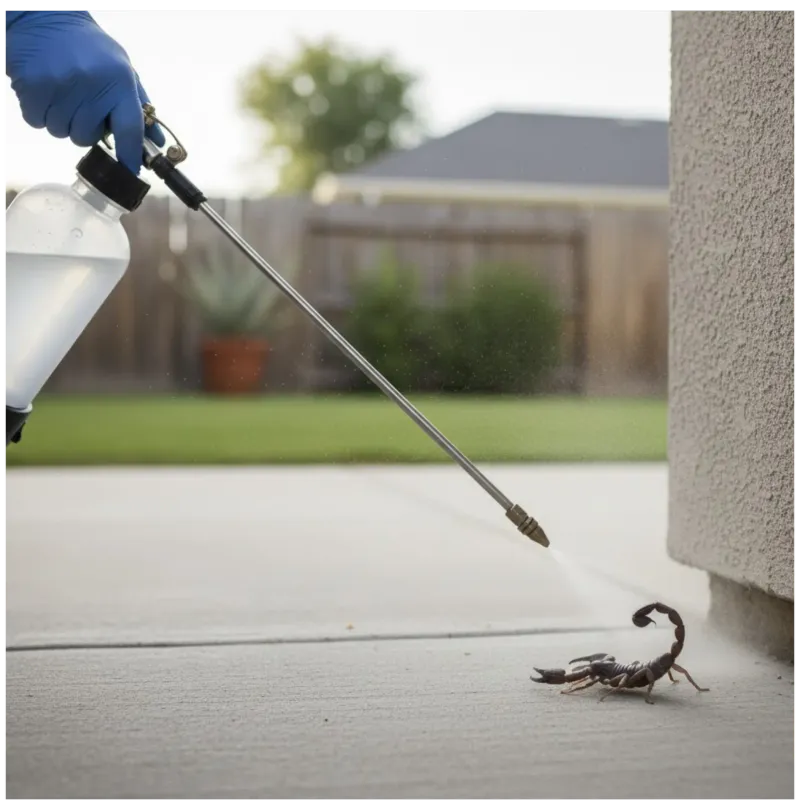
Reaching for a can of spray or calling for a pesticide treatment is often the first move Texas homeowners make when scorpions start showing up, and while pesticides can be part of a broader management plan, relying on them alone rarely solves the underlying problem.
Scorpions are not as sensitive to many common insecticides as other pests, and treatments tend to work best when combined with habitat reduction and exclusion work.
If the yard still has debris piles, tall grass along the foundation, stacked wood, open weep holes, and gaps under doors, pesticide applications will keep fighting an uphill battle.
Scorpions will continue to find shelter, breed, and move toward the house regardless of spray schedules, because the conditions that attract them have not changed.
Pesticides work better as a supporting tool rather than the main strategy.
Using them in combination with clearing yard debris, sealing entry points, trimming vegetation away from the house, and removing harborage spots gives the treatment something to build on.
Pest management professionals familiar with Texas conditions can recommend targeted application methods that complement habitat reduction.
Thinking of scorpion control as a whole-yard effort rather than a spray-and-wait approach leads to more consistent results over time and fewer frustrating reappearances.