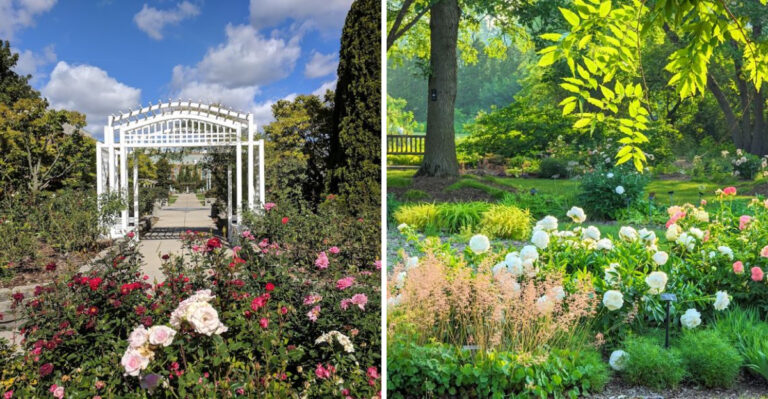
What Michigan Gardeners Get When They Let One Corner Of The Yard Go Wild
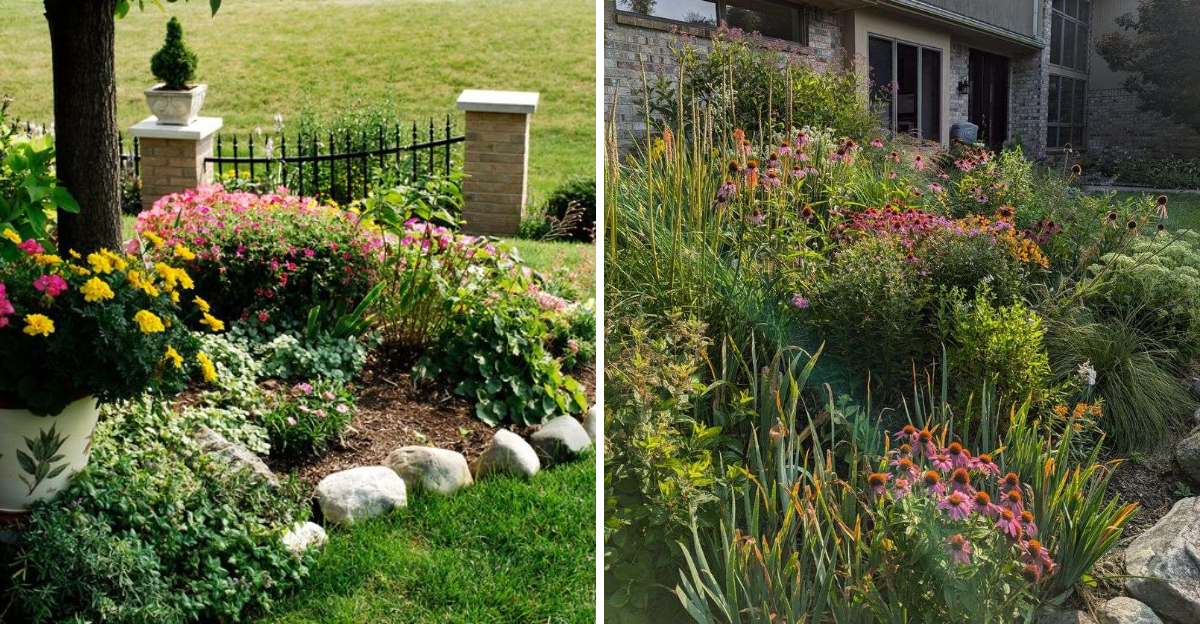
Most Michigan gardeners spend the season managing, trimming, and keeping things under control. Letting one corner go deliberately unmaintained feels counterintuitive, almost irresponsible.
What actually happens in that corner over a single season surprises almost everyone who tries it for the first time. Native plants appear without being invited.
Predatory insects move in and stay. Birds that never visited before start showing up regularly.
That one neglected corner quietly becomes the most ecologically active square footage on the entire property. What it gives back to the rest of the garden is something no amount of deliberate planting fully replicates.
1. More Native Bees In The Yard
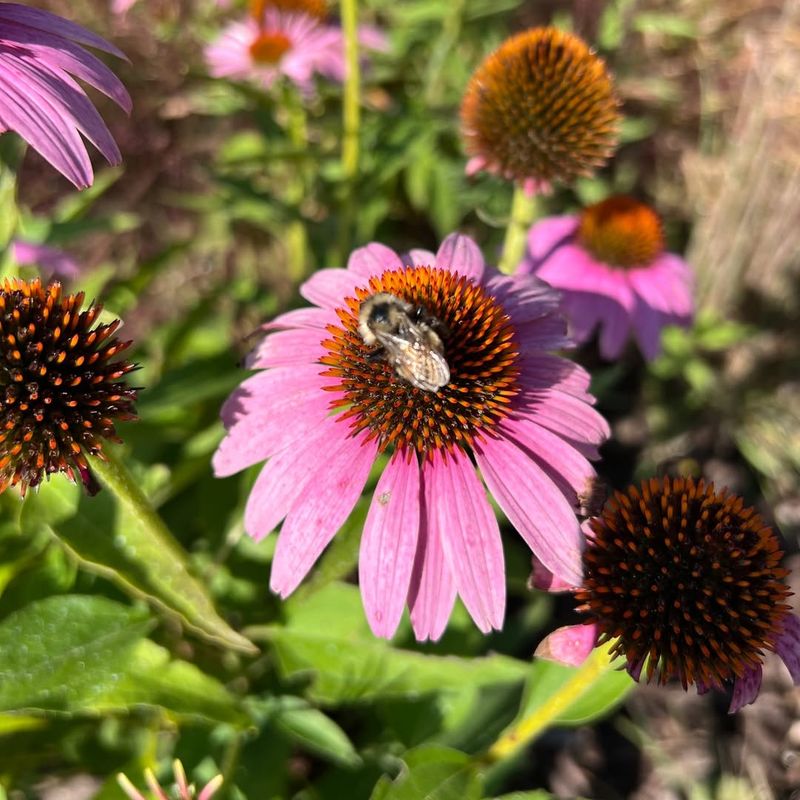
Michigan is home to over 450 species of native bees, and most of them never visit a typical lawn. They need something more specific than a patch of grass.
A wild corner can give them exactly what they are looking for. Native bees are not all honeybees living in hives. Many are solitary insects that nest in the ground, hollow plant stems, or bundles of dried leaves.
Open patches of bare or sandy soil are perfect for ground-nesting species like mining bees and sweat bees. Leaving hollow stems from plants like Joe-Pye weed or wild bergamot standing through winter gives stem-nesting bees a place to overwinter.
The goal is not a messy, forgotten corner. Think of it as a small habitat zone with real purpose.
Plant native flowers that bloom across different months, like wild bergamot in summer and asters in fall, so bees have food from spring through late season. Even a small area, maybe ten by ten feet, can support a surprising number of species.
Reducing bare ground and adding layered plantings with different heights makes the space even more useful. Over time, that one corner can quietly become one of the most active spots in your entire yard.
2. More Butterflies And Moths
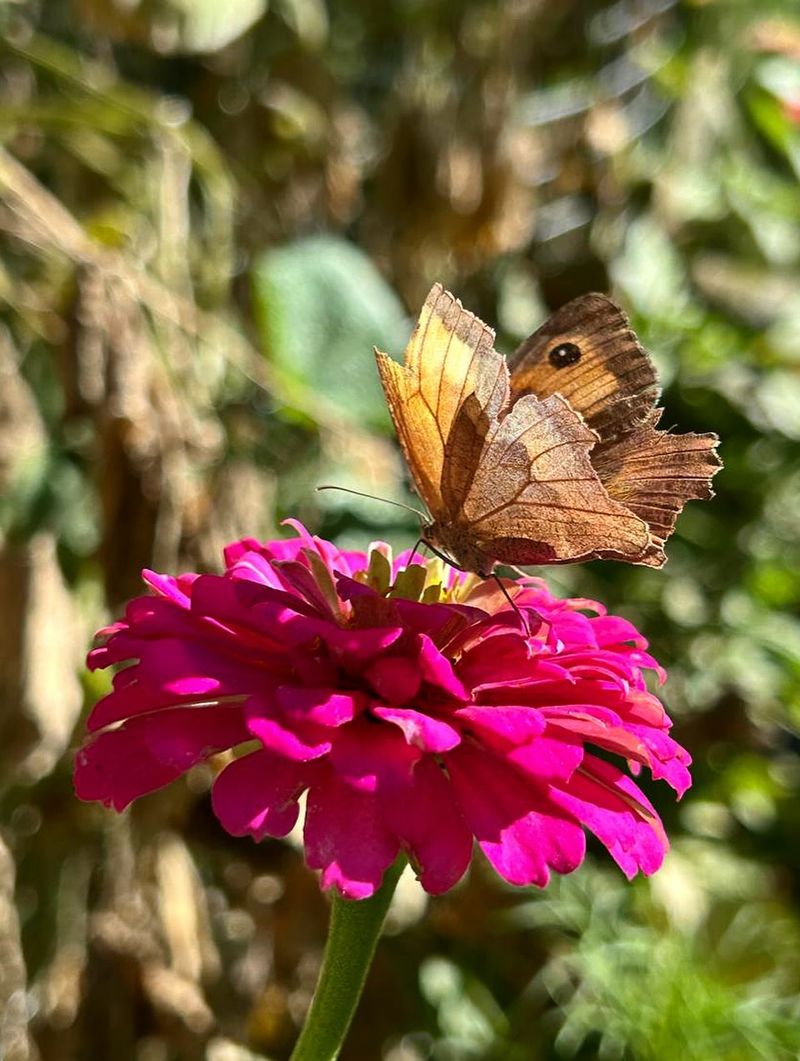
Butterflies and moths need more than a pretty flower to visit. Many species depend on specific host plants where they lay eggs and where their young feed and grow.
Without those plants, the insects simply cannot complete their life cycle, no matter how many blooms are nearby.
A wild corner stocked with native plants can support both groups in meaningful ways. Milkweed is the only plant monarch caterpillars can use, making it one of the most valuable additions a Michigan gardener can make.
Violets host fritillary butterflies. Native grasses support several skipper species. Goldenrod and asters are late-season powerhouses that feed dozens of moth and butterfly species heading into fall.
Shrubs like native viburnums or wild plum can add structure and additional host plant value where yard conditions allow. The key is layering plants of different heights and bloom times so something is always available.
Letting leaf litter stay in the corner also matters, because some moths spend part of their life cycle tucked beneath fallen leaves on the ground. A wild corner does not need to be large to make a difference.
Even a modest planting with five or six well-chosen native species can bring in far more butterfly and moth activity than a standard ornamental bed ever could.
Your Michigan Garden Changes Every Week. Your Plan Should Too.
Gardening in Michigan changes quickly throughout the season. Every Friday you’ll receive a simple weekly plan showing exactly what to plant, prune, fertilize, harvest, and protect so you never miss the right timing.
3. More Beneficial Insects Near The Garden
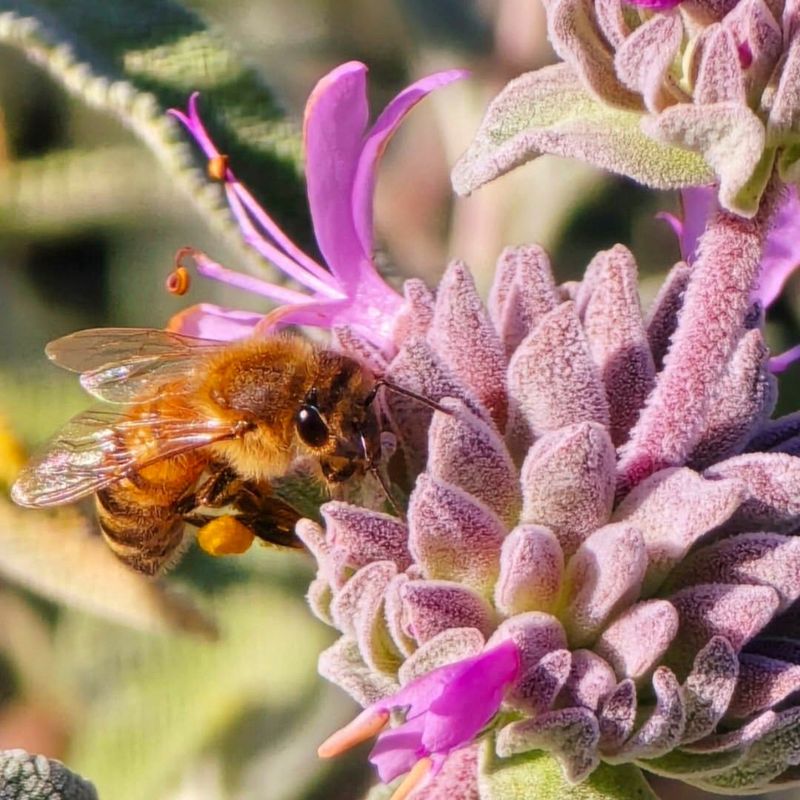
Not every insect in a garden is a problem. Hover flies, lacewings, ground beetles, parasitic wasps, and soldier beetles are all working quietly in the background, and they are remarkably good at keeping pest populations in check naturally.
The challenge is that beneficial insects need more than just prey to survive. They also need nectar, pollen, shelter, and resting spots at different points in their lives.
A wild corner with diverse native plantings provides all of these things in one place. Small-flowered natives like wild carrot relatives, goldenrod, and asters are especially attractive to tiny beneficial insects because their flower structure makes nectar easy to reach.
Hover fly larvae consume aphids by the hundreds. Lacewing larvae are aggressive feeders on soft-bodied pests.
Ground beetles patrol the soil surface at night and consume pest eggs and larvae before gardeners even notice a problem. Having a wild corner close to vegetable or flower beds means these helpful insects are already nearby when pest pressure builds.
Research from university extension programs consistently shows that yards and farms with diverse plant edges support higher populations of beneficial insects.
That translates to less need for sprays and more natural balance across the whole yard. One planted corner can quietly support an entire pest management system without any extra effort from you.
4. Better Bird Activity Through The Seasons
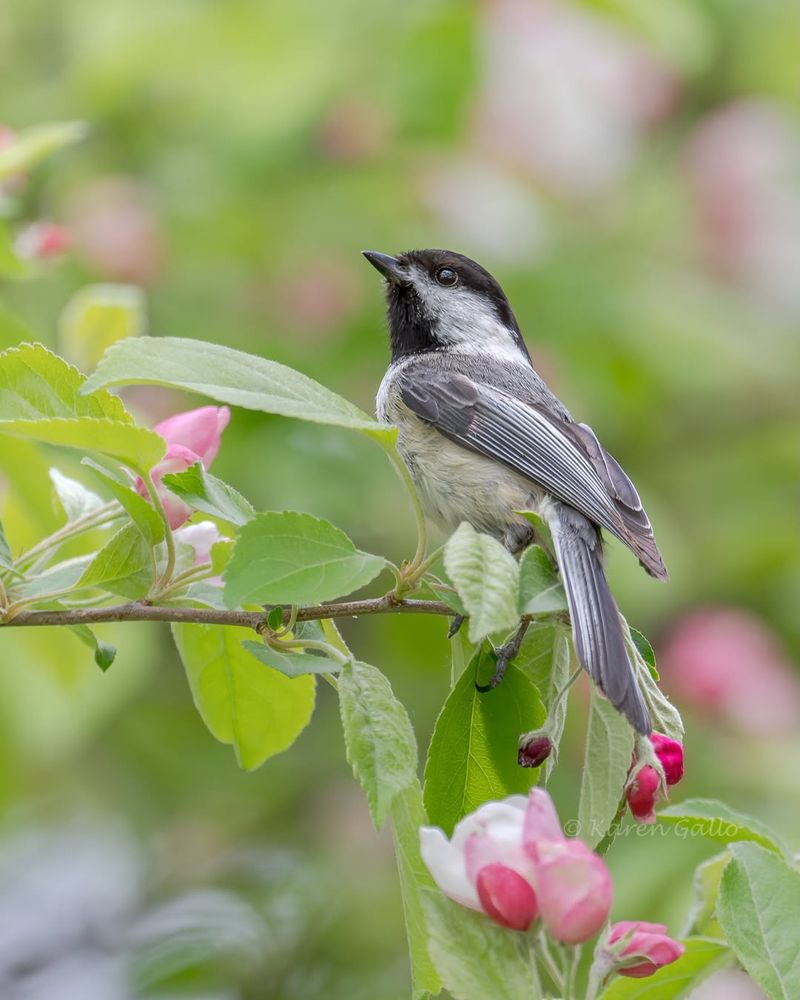
Birds follow food, and a well-planted wild corner can provide food in forms that standard lawns and ornamental beds simply cannot match.
Seed heads, berries, insects, and dense plant cover create the kind of yard edge that birds actively seek out through every season.
In fall and winter, seed heads from native grasses like little bluestem and prairie dropseed become important food sources for American goldfinches, dark-eyed juncos, and song sparrows.
Native shrubs that produce berries, such as viburnums, serviceberry, or native dogwoods, attract robins, waxwings, and cardinals.
Wrens and chickadees often hunt for insects and spiders hidden in dried stems and leaf litter close to the ground. Downy woodpeckers may work over larger stems looking for overwintering insects tucked inside.
Spring brings a second wave of activity as migrants pass through Michigan and resident birds begin nesting. Dense shrubby corners offer cover and potential nesting sites for species like gray catbirds or yellow warblers in areas with enough structure.
The variety of plant types in a wild corner, from groundcovers to tall grasses to shrubs, creates multiple layers that different bird species use in different ways.
Watching which birds visit each season becomes one of the most rewarding parts of having this kind of habitat in your yard.
5. Less Mowing In One Useful Spot
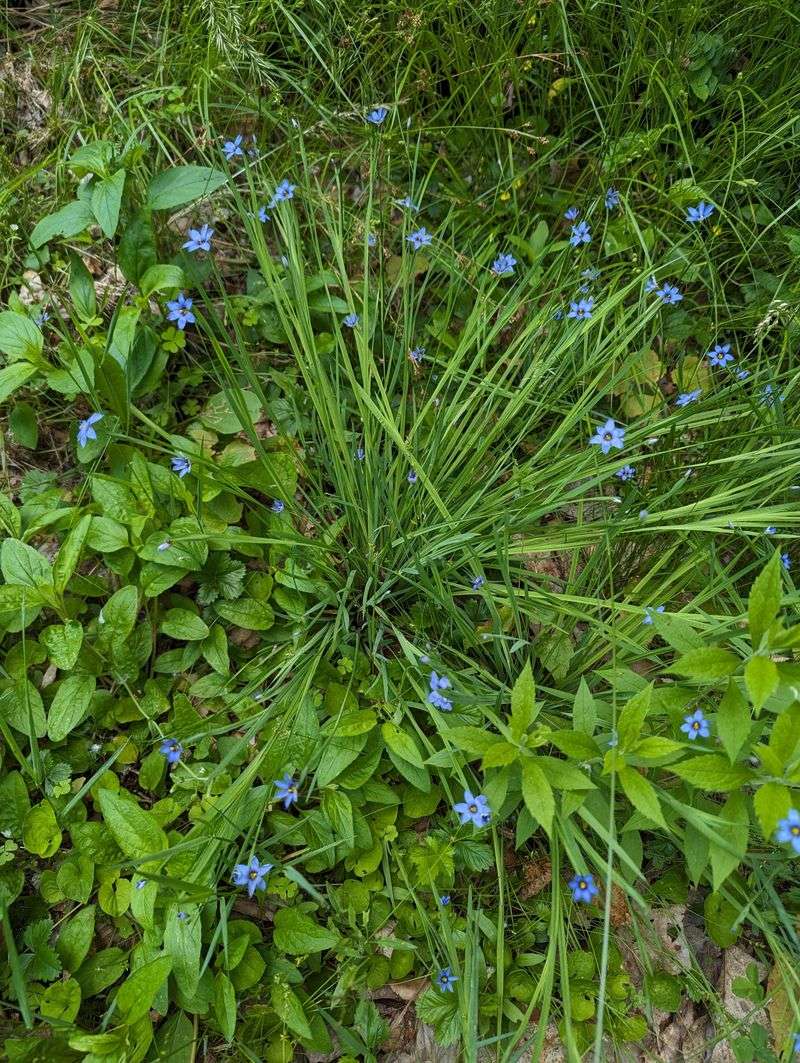
Mowing takes time, fuel, and effort. Multiply that across a full season and one corner of turf adds up to a surprising number of hours and gallons of gas.
Shifting even a small area away from regular lawn maintenance can make a real dent in yard work without changing the overall look of the property.
The best candidates for a wild corner are spots that are already awkward to mow. Back corners near fences, slopes that are hard to push a mower up, areas under large trees, or narrow strips along property lines are all good starting points.
These spots are often thin on grass anyway, making them easier to transition into planted areas. Replacing struggling turf with native perennials and groundcovers that fill in naturally means the space manages itself once established.
Keeping the surrounding lawn mowed neatly and maintaining a clean edge along the wild corner makes the whole yard look intentional rather than neglected.
A simple mowed path, a curved bed line, or a row of stones along the border signals that the corner is a planned feature.
Over time, as native plants fill in and root systems deepen, the space needs very little intervention. Less mowing in one corner means more time for the parts of the yard you actually enjoy spending time in.
6. Better Soil Cover And Root Activity
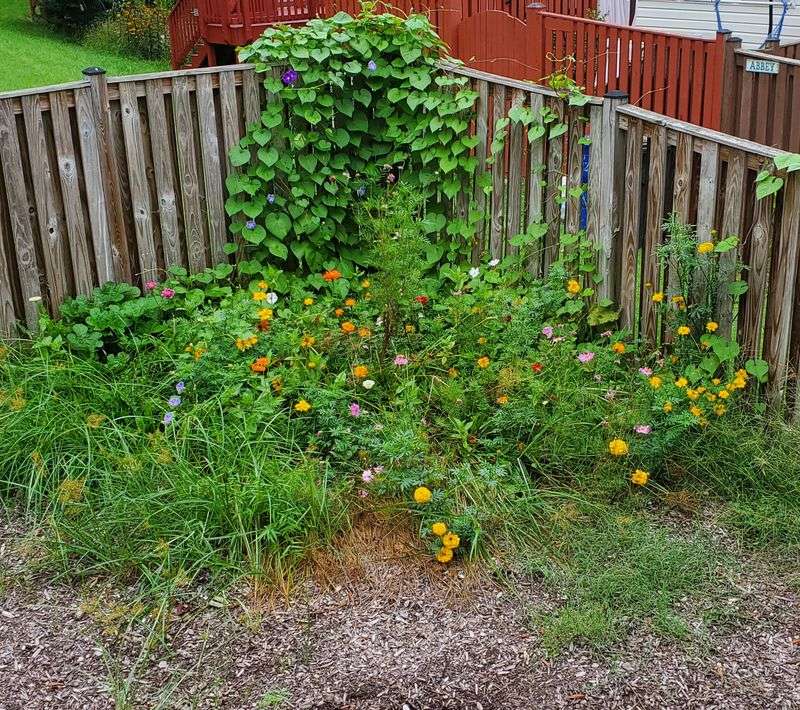
Bare ground is one of the most fragile conditions a yard can have. Rain hits it hard, compacts it quickly, and washes away the thin layer of organic matter that soil organisms depend on.
A planted wild corner keeps the soil covered year-round, and that makes a bigger difference than most gardeners expect.
Native grasses and sedges are especially valuable here. Plants like Pennsylvania sedge, prairie dropseed, and little bluestem develop deep, fibrous root systems that hold soil in place and create channels for water and air to move through.
Native perennials like wild ginger and woodland strawberry spread slowly as groundcovers, shading the soil surface and reducing moisture loss during dry stretches.
Those roots also feed soil fungi, bacteria, and invertebrates that cycle nutrients and keep the ground biologically active.
Compared to a patch of thin turf or bare mulch, a diverse planted corner has far more root mass working underground at any given time.
Earthworms, ground beetles, and other soil organisms concentrate in areas with more plant diversity and organic material.
Over several years, the soil in a well-planted wild corner typically improves in structure and biological activity without adding any fertilizer or amendments.
Healthy soil grows healthier plants, and a wild corner quietly builds that foundation one season at a time.
7. A Safer Place For Pollinators To Shelter
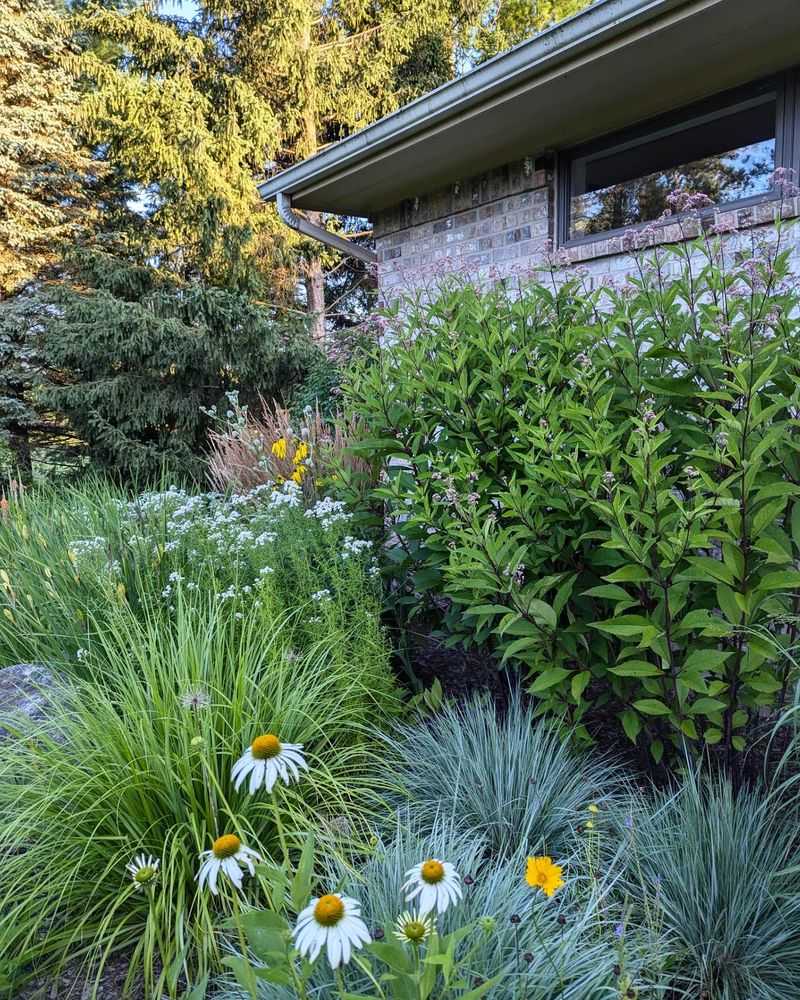
Most people think of pollinators as creatures that are active in warm weather and then simply disappear in winter. The reality is more interesting.
Many Michigan native bees, butterflies, and moths spend the cold months tucked inside hollow stems, beneath leaf litter, or just below the soil surface, waiting for spring.
A wild corner that stays undisturbed through fall and into early spring gives these insects a real chance to complete that cycle safely. Leaving dried plant stems standing through winter is one of the most impactful things a Michigan gardener can do.
Stems from plants like wild bergamot, cup plant, and ironweed provide natural tubes where small bees overwinter. Leaf piles tucked against shrubs or in low areas shelter moth pupae and butterfly chrysalises that would otherwise be lost to raking and cleanup.
Spring cleanup in the wild corner can be gentle and gradual rather than a single big clearout.
Waiting until daytime temperatures are consistently above fifty degrees gives overwintering insects time to emerge before stems and leaves are disturbed.
Cutting stems into shorter lengths and leaving them on the ground rather than bagging them is another easy option. Small habits like these add up to a much safer environment for the pollinators that visit your garden all summer.
The corner earns its keep in ways that are invisible but genuinely meaningful.
8. A Living Test Plot For Native Plants
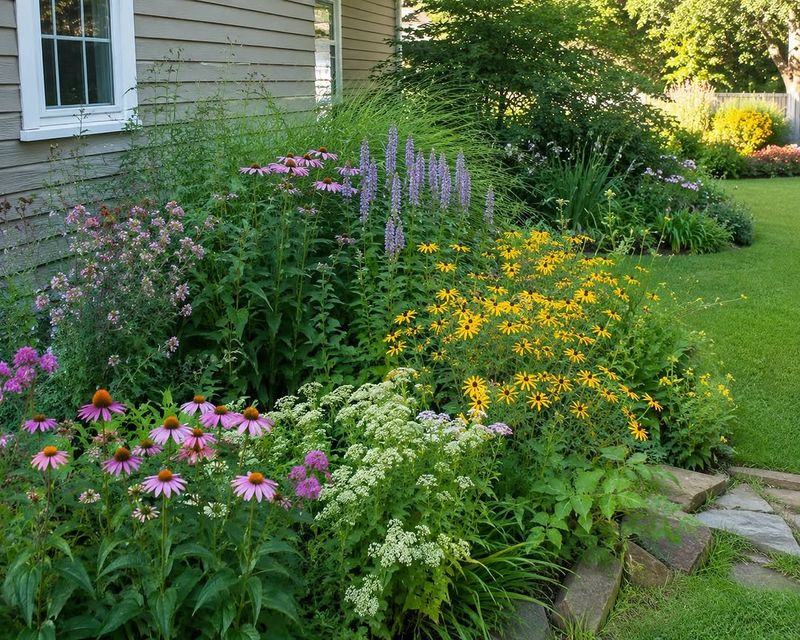
One of the most practical benefits of a wild corner is that it becomes a low-stakes place to experiment.
Before spending money or effort planting natives across a larger area, gardeners can watch how specific species perform in the actual conditions of their yard. Michigan yards vary widely. Some have heavy clay, others have sandy loam.
Some corners get full sun all day, while others are shaded by large trees or fences. Native plants are not one-size-fits-all, and what thrives in one yard may struggle in another.
Starting with a handful of reliable, adaptable species gives a clear picture of what works. Wild bergamot, black-eyed Susan, and purple coneflower are forgiving choices that perform well across a range of Michigan conditions.
Little bluestem handles dry, sunny spots with ease. Goldenrod and asters are tough enough for almost any corner. Serviceberry works beautifully as a small shrub where space allows.
Watching how plants establish, spread, and interact with each other over two or three seasons teaches more than any book or website can. Some plants will surprise you by spreading quickly.
Others may need a better-matched spot. That real-world information makes every future planting decision smarter and more confident.
A wild corner that starts as a test plot often grows into the most interesting and dynamic part of the entire yard.
9. Fewer Problems From Invasive Plants When Managed Early
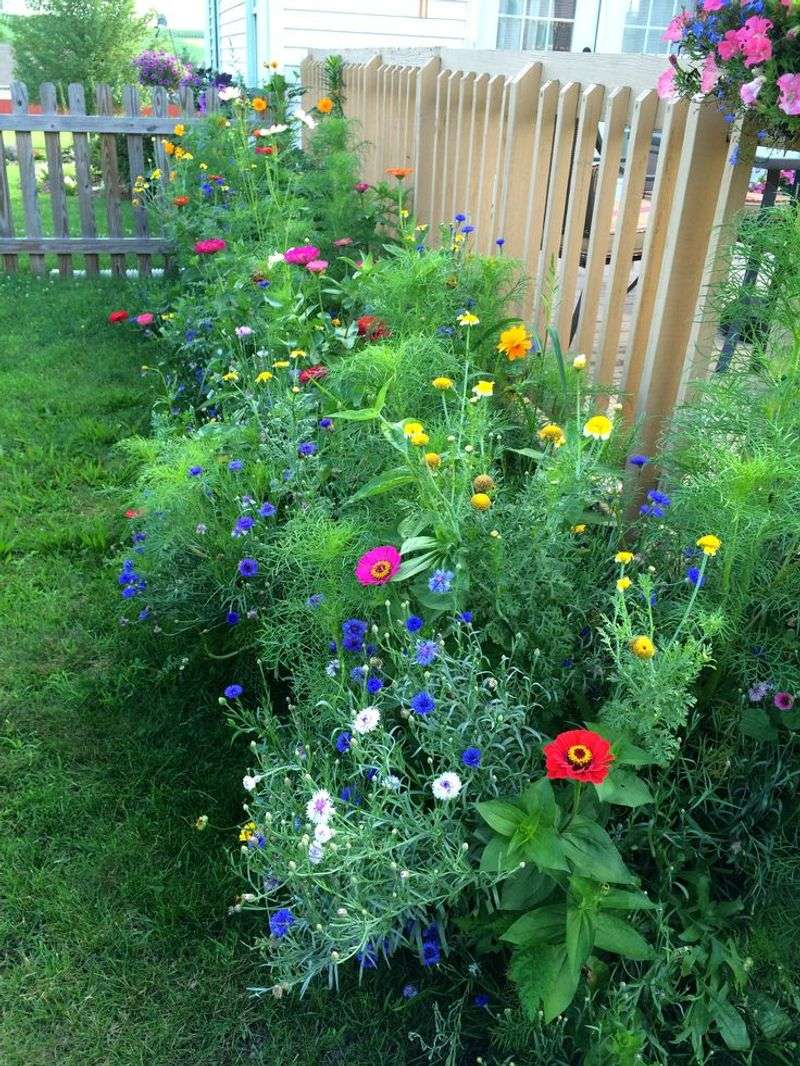
A wild corner left completely unattended can become a problem faster than most gardeners expect. Invasive plants are opportunists, and any disturbed or open ground is an invitation for them to move in and spread.
In Michigan, the list of common invaders is long and worth knowing well.
Garlic mustard is one of the most aggressive. It spreads quickly in shaded edges and crowds out native wildflowers by releasing chemicals into the soil that suppress other plants.
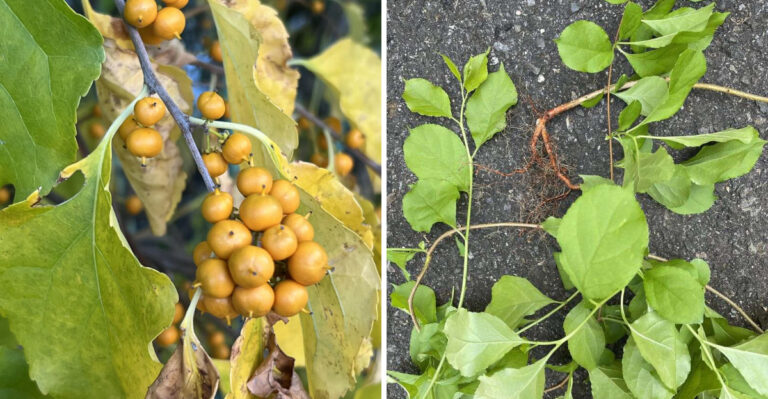
Buckthorn seedlings can appear from bird-dropped seeds and grow into dense shrubs within a few years if not caught early. Autumn olive, crown vetch, and Oriental bittersweet are other species to watch for along yard edges and fence lines.
Spotted knapweed and purple loosestrife can also establish in open or moist areas.
The good news is that catching these plants early makes removal much easier. Walking through the wild corner a few times each season, especially in spring when garlic mustard is easiest to spot and pull, keeps the situation manageable.
Filling in open ground with desirable native plants also reduces the bare spots where invasives tend to establish first.
A wild corner that is actively planted and occasionally checked stays useful for wildlife and does not become a spreading problem for neighboring yards or natural areas. Staying observant is the simplest and most effective tool available.
10. A Better Looking Yard When The Edge Is Defined
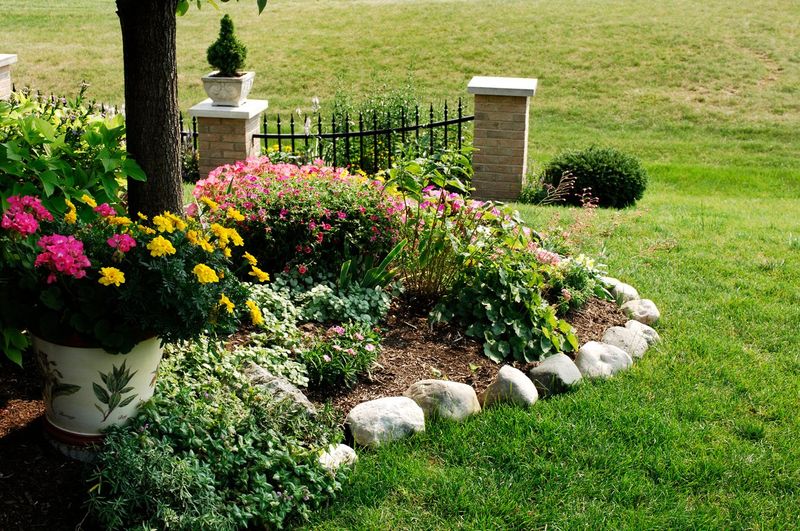
One of the most common reasons people hesitate to create a wild corner is the worry that it will look messy or out of place. That concern disappears almost entirely when the edge of the corner is clearly defined.
A crisp border changes how the whole space reads to anyone looking at the yard.
Something as simple as a mowed path along the front of the corner creates an immediate visual contrast that signals intention.
A curved bed line cut cleanly into the turf, a border of flat stones, or a low edging of timber or metal all work well depending on the style of the yard.
Some gardeners add a small sign identifying the space as a pollinator habitat or native plant area. That one detail shifts the perception from neglected to purposeful almost instantly.
Inside the corner, choosing plants with different heights and textures adds to the visual appeal.
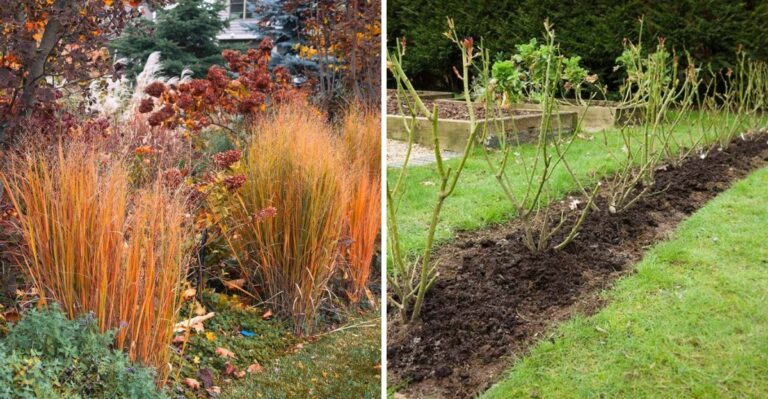
Tall grasses at the back, mid-height flowering perennials in the middle, and lower groundcovers at the front edge create a layered look that feels designed rather than random.
Seasonal interest matters too. A corner that has blooms in spring, summer, and fall, and interesting structure in winter, holds its visual appeal year-round.
Neighbors and visitors tend to respond very positively to a corner that looks intentional, and many end up asking questions about how to start their own.
11. A Small Habitat That Still Needs A Plan
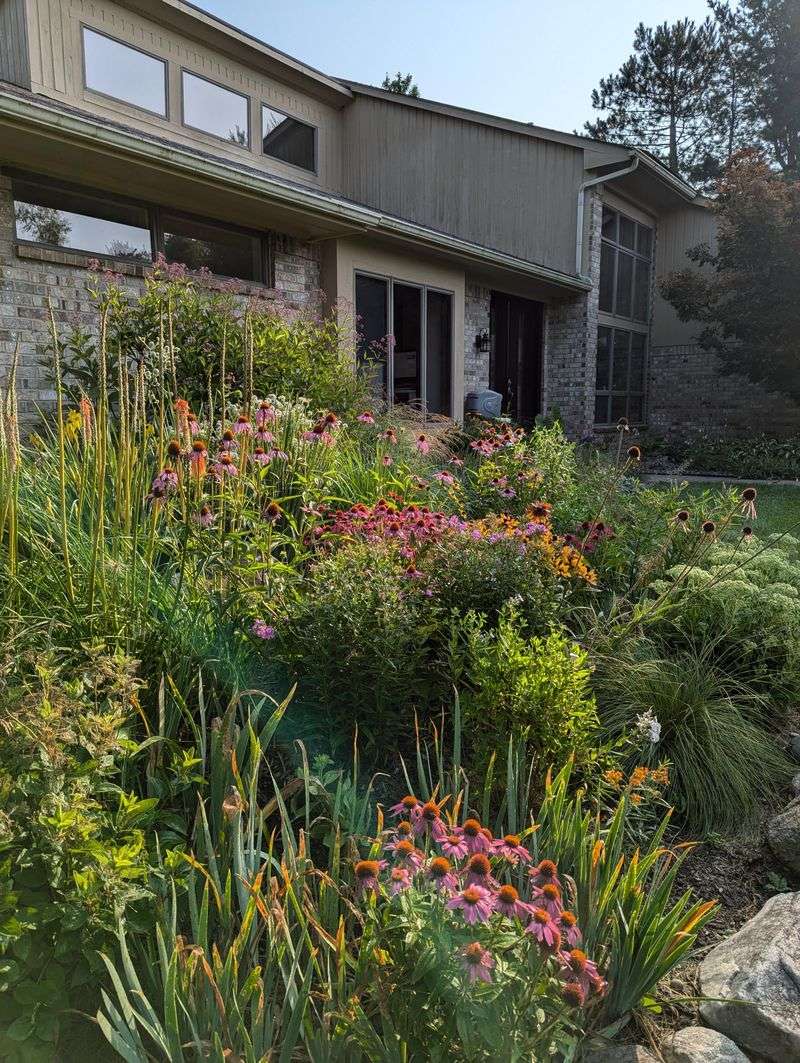
Letting a corner go wild does not mean letting it go without thought. The gardeners who get the most out of this kind of space are the ones who make a few key decisions upfront and stay curious about what happens next.
A little planning at the beginning makes the corner far more rewarding over time.
Start by choosing native plants suited to the actual conditions of the corner, whether that means sun or shade, wet or dry, clay or sand. Keep invasive plants out from the beginning by checking the space a few times each season, especially in spring.
Leave some plant material standing through fall and winter to give pollinators shelter. Reduce or eliminate pesticide use in and around the corner so beneficial insects can thrive without exposure to harmful sprays.
These are not complicated steps, but they make a significant difference in what the corner can support. Over time, the corner becomes a place to observe. Watch which bees visit which flowers.
Notice which birds show up after seed heads form in fall. Track which plants spread naturally and which ones need more space.
One wild corner, done thoughtfully, can bring more bees, birds, butterflies, healthy soil, and seasonal interest to a Michigan yard without turning the whole property into a meadow.
It is a small investment of space that pays back in ways that are genuinely worth watching.