These Are The Pennsylvania Native Fruits Worth Growing That Most Homeowners Have Never Tasted
Most Pennsylvania homeowners grow the same handful of fruits. Tomatoes, strawberries, maybe some blueberries if there’s space and patience for it.
These are great choices, but they represent a tiny slice of what’s actually possible in a Pennsylvania yard.
Because Pennsylvania is home to a remarkable range of native fruits that produce reliably, require minimal care, and taste like absolutely nothing you’ve ever bought at a grocery store. Most people have never even heard of them, let alone tasted them.
These native fruits were eaten by Indigenous communities across the region for centuries, relied upon by early settlers, and then largely forgotten as commercial agriculture narrowed down what most people think of as edible.
That’s a genuine loss, both for home gardeners and for the local ecosystems that depend on these plants. Growing them connects you to something older and more interesting than a standard backyard fruit patch.
And the flavors are often extraordinary. Here are the native Pennsylvania fruits worth growing and why your yard should have at least one of them.
1. Pawpaw
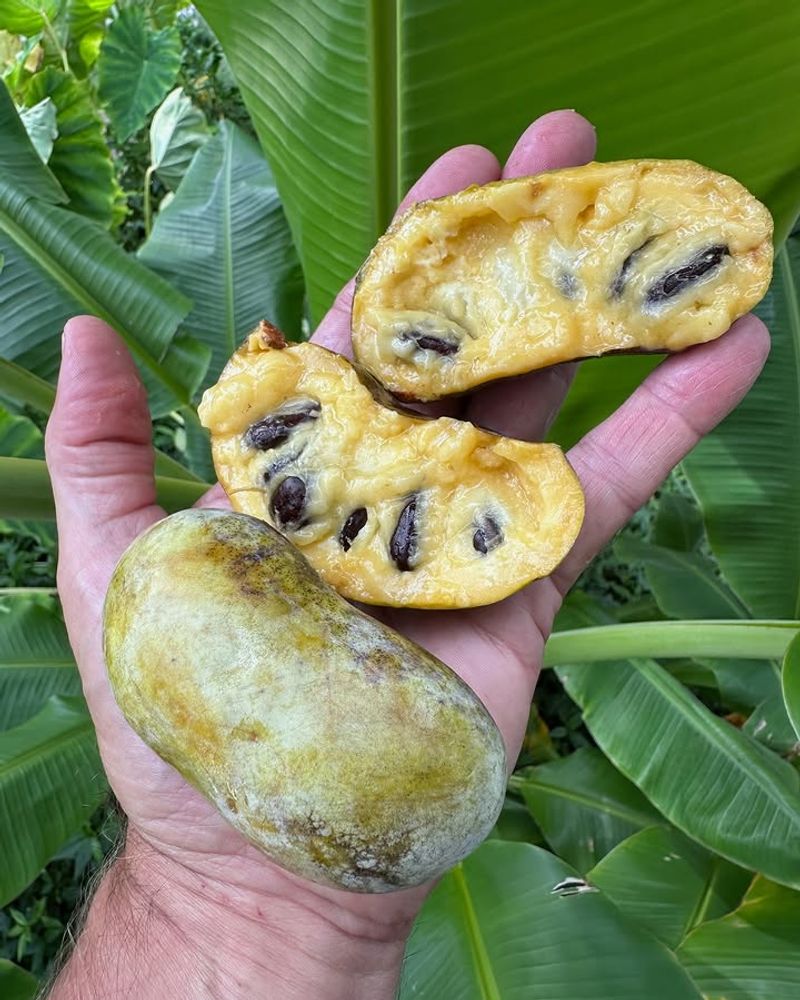
Imagine biting into a fruit that tastes like banana pudding mixed with mango, and you start to understand why pawpaw fans are so passionate.
Pawpaw is the largest native fruit in North America, and it grows naturally in Pennsylvania’s forests and river bottoms. It has been a favorite food of wildlife, Native Americans, and early settlers for centuries.
The pawpaw tree is small, usually growing between 15 and 25 feet tall, making it a great fit for most backyards. It prefers well-drained, slightly acidic soil and does best in partial to full sun.
One of the most important tips for growing pawpaw is to plant at least two genetically different trees. Pawpaws need cross-pollination to produce fruit, so a single tree will rarely give you a good harvest.
The fruit itself ripens in late summer to early fall, usually in September. When ripe, the skin turns from green to yellow-green, and the flesh becomes soft and creamy.
Many people describe the flavor as a mix of banana, mango, melon, and vanilla custard. It is rich, sweet, and surprisingly tropical for a fruit grown in Pennsylvania.
Fresh pawpaws do not store well, which is why you rarely see them in grocery stores. They are best eaten within a few days of picking.
You can also freeze the pulp and use it in smoothies, ice cream, bread, or pudding. Pawpaw trees are also naturally resistant to most pests, making them one of the easiest native fruits to grow without sprays or chemicals.
2. American Persimmon
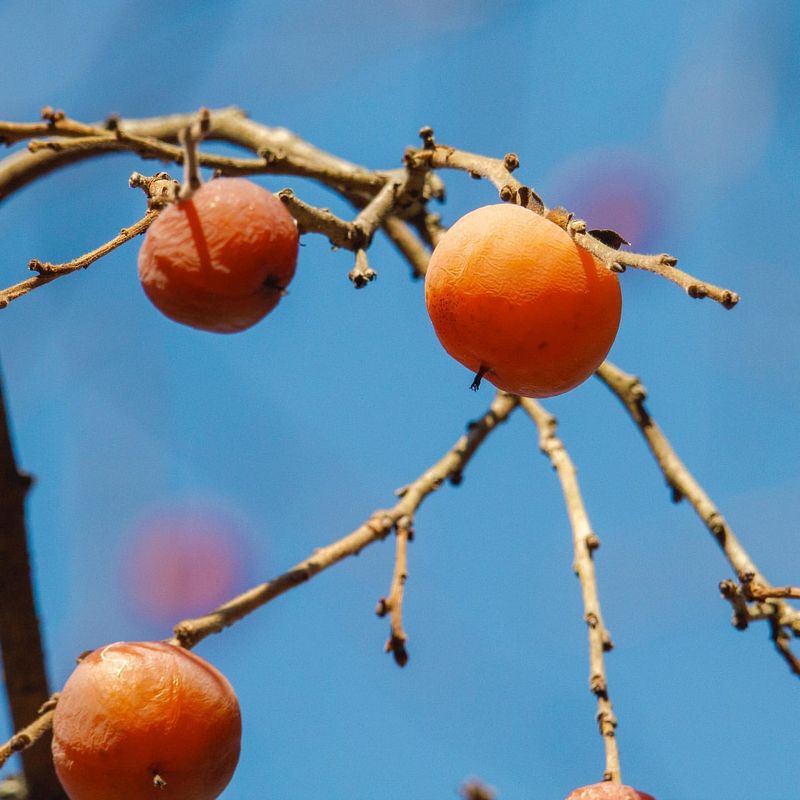
There is a local saying in the South that goes something like this: never eat a persimmon before the first frost. That old advice holds a real truth.
American persimmon is one of those fruits that punishes the impatient and rewards those who wait. Bite into an unripe one, and your mouth will pucker up so hard you will not forget it.
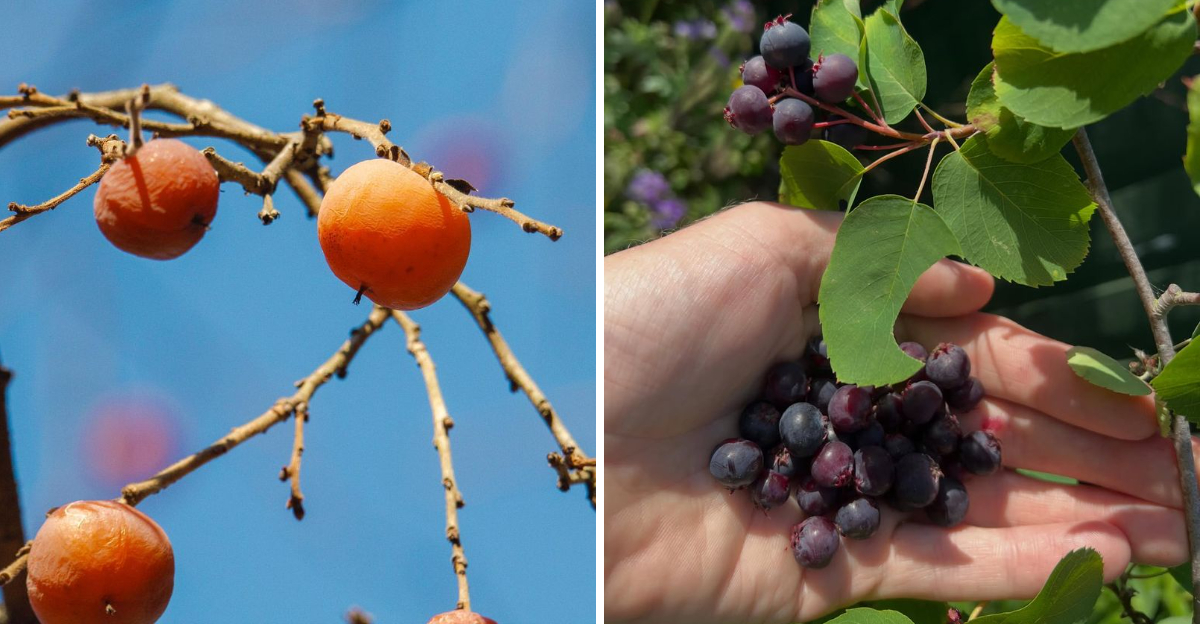
But wait until the fruit is fully soft and wrinkled on the tree, and you will taste something rich, sweet, and deeply satisfying.
Your Pennsylvania Garden Changes Every Week. Your Plan Should Too.
Gardening in Pennsylvania changes quickly throughout the season. Every Friday you’ll receive a simple weekly plan showing exactly what to plant, prune, fertilize, harvest, and protect so you never miss the right timing.
American persimmon trees grow naturally across Pennsylvania and much of the eastern United States. They are medium-sized trees, typically reaching 30 to 60 feet at maturity, though they can be kept smaller with regular pruning.
They are incredibly tough and adaptable, handling drought, poor soil, and cold winters without much complaint. Male and female trees are separate, so you will need both to get fruit, though some trees can produce fruit without a male nearby.
The ripe fruit is small, usually about an inch wide, and turns from orange to a deep reddish-orange when ready. Fully ripe persimmons are excellent eaten fresh right off the tree.
They are also wonderful in baked goods like cookies, bread, and pudding. The natural sugar content is high, making them a great natural sweetener in recipes.
One fun fact: wildlife absolutely love persimmons. Deer, raccoons, foxes, and birds flock to persimmon trees in autumn.
Planting one means you are also creating a reliable wildlife feeding station in your yard, which makes it a great choice for nature lovers.
3. Allegheny Serviceberry
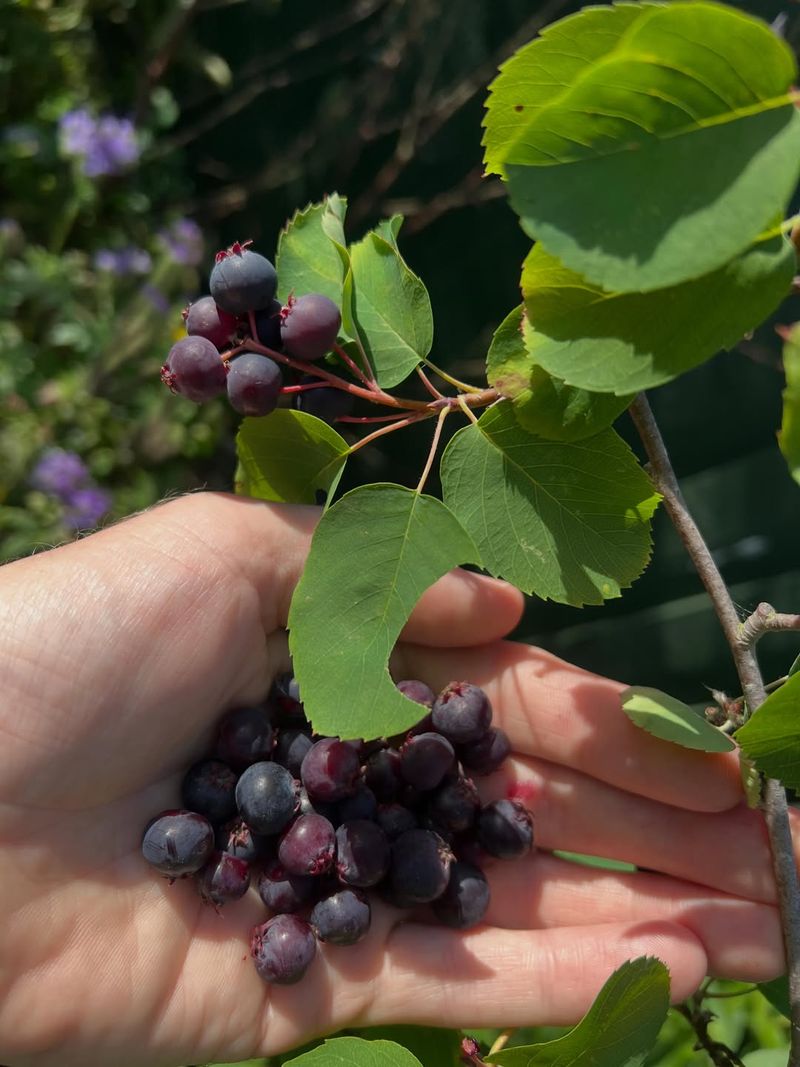
Few native plants pack as much value into one small package as Allegheny serviceberry. It offers four full seasons of beauty and a harvest of edible berries that most neighbors will stop to ask about.
In early spring, it bursts into clouds of white flowers before most trees even have leaves. By June, the berries are ripe and ready.
In fall, the leaves turn shades of orange, red, and gold. Even in winter, the smooth gray bark looks elegant against the snow.
Serviceberry grows as either a large multi-stem shrub or a small tree, usually topping out between 15 and 25 feet. It fits naturally into front yards, rain gardens, woodland edges, and even planting strips near sidewalks.
It tolerates both sun and partial shade and handles a wide range of soil types, including clay. It is one of the most versatile native plants you can add to a Pennsylvania landscape.
The berries ripen in early summer, usually in June, which is earlier than most other native fruits. They are small, round, and dark purple when fully ripe.
The flavor is mild and sweet, somewhere between a blueberry and a cherry, with a hint of almond. Birds love them too, so you may need to act fast or use netting to protect your harvest.
Fresh serviceberries are excellent in muffins, pancakes, pies, and jams. They can also be dried like raisins.
If you are looking for a native plant that earns its place in the landscape every single season while also putting food on the table, Allegheny serviceberry is one of the best choices available.
4. American Black Elderberry
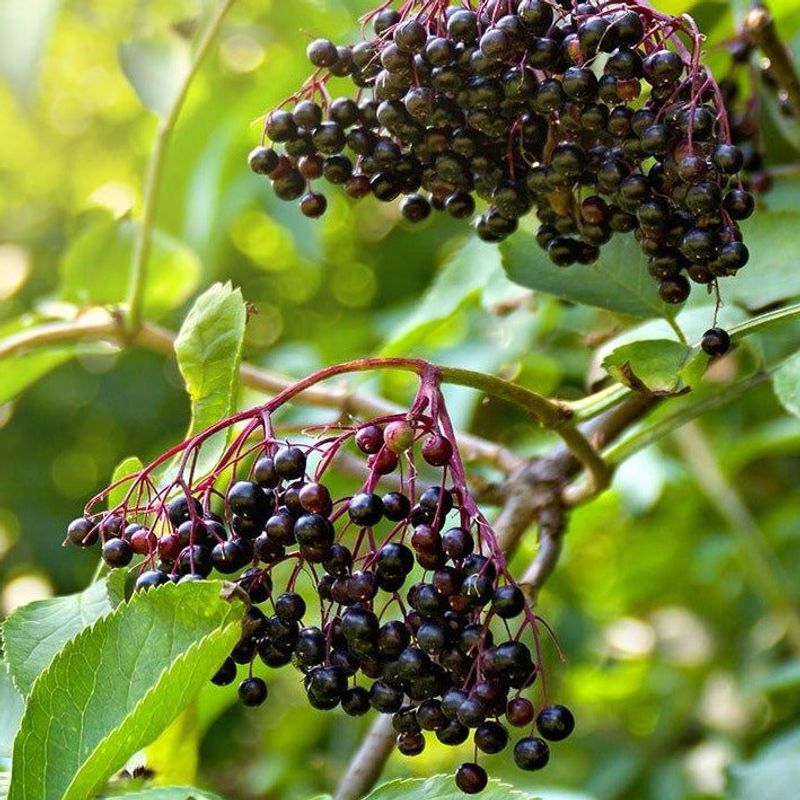
Walk along almost any country road or forest edge in Pennsylvania during summer, and you are likely to spot elderberry. Those flat-topped clusters of creamy white flowers are hard to miss.
By late summer, those same clusters are heavy with dark purple-black berries that have been used in folk medicine and home kitchens for generations. American black elderberry is one of the most well-known native plants in the region, and for good reason.
Elderberry grows as a large, fast-growing shrub, typically reaching 5 to 12 feet tall. It spreads by suckers, so it can form a dense thicket if left unchecked.
That makes it great for creating a privacy hedge or wildlife border, but it does need occasional management in smaller yards. It thrives in full sun to partial shade and tolerates wet soil better than many other native shrubs.
One important thing to know before growing elderberry: not all parts of the plant are safe to eat raw. The stems, leaves, roots, and unripe berries contain compounds that can cause stomach upset.
Ripe berries are safe when cooked, and that is where elderberry really shines. Elderberry syrup is one of the most popular homemade health remedies around, and the berries also make outstanding jams, pies, jellies, and elderflower cordial made from the blossoms.
Harvesting is easy because the berries grow in large clusters that can be snipped off all at once. A single mature shrub can produce several pounds of berries in a good season.
If you want a productive, wildlife-friendly native plant that also stacks up in the kitchen, American black elderberry belongs in your yard.
5. Black Chokeberry
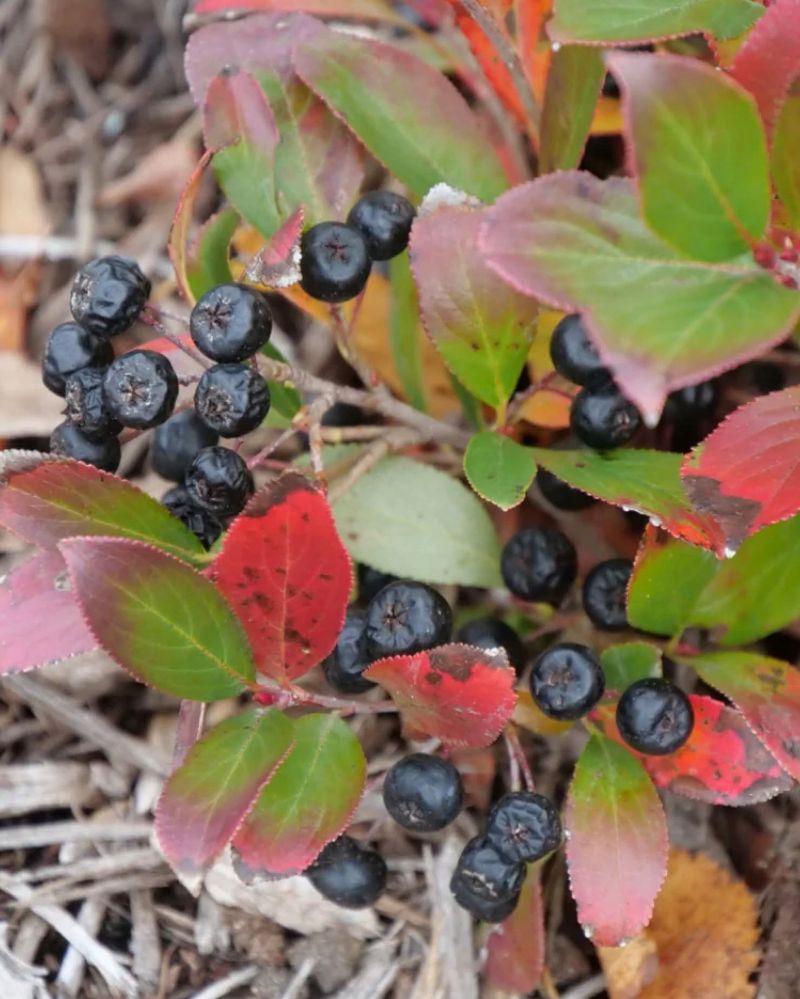
Black chokeberry might have the most honest name of any fruit on this list. Pop one of these glossy dark berries into your mouth straight off the shrub, and you will immediately understand where the name comes from.
The raw fruit is intensely astringent, dry, and mouth-puckering. Most people spit it out immediately.
But here is the twist: once you cook black chokeberry or add sweetener, it transforms into one of the richest, most flavorful fruits you have ever tasted.
Chokeberry is a compact native shrub that grows 3 to 8 feet tall. It is incredibly tough and low-maintenance, handling poor soil, wet conditions, drought, and cold winters with ease.
It also happens to be one of the most beautiful native shrubs for fall color, turning brilliant shades of red and orange that rival any ornamental plant at the nursery. It works well as a foundation planting, border shrub, or rain garden plant.
The real magic of black chokeberry is in its nutritional profile. It is one of the highest-antioxidant fruits in the world, containing more antioxidants than blueberries, pomegranates, and acai berries by some measures.
That makes it incredibly popular in health-focused cooking and natural food circles. When cooked into syrup, jam, jelly, or juice, the flavor is deep, rich, and almost wine-like. It pairs beautifully with apple, honey, and spices like cinnamon.
You can also use the juice to make smoothies, cocktails, or baked goods. Growing black chokeberry means having a reliable supply of one of the most nutrient-dense fruits you can possibly grow in Pennsylvania.
6. Nannyberry
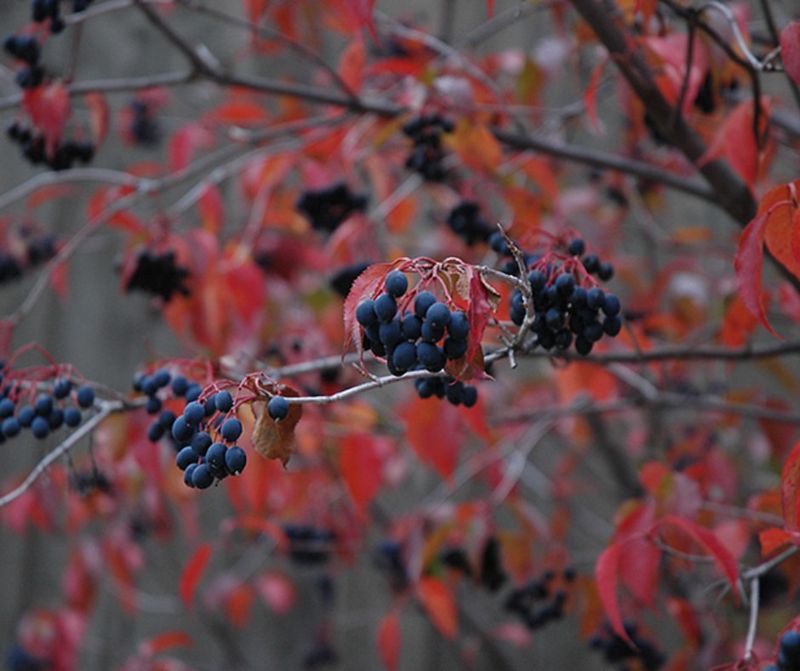
Nannyberry is one of those plants that most people have walked right past without ever realizing it was edible. It grows naturally in hedgerows, woodland edges, and along streams across Pennsylvania, but it rarely gets the attention it deserves as a food plant.
Part of the viburnum family, nannyberry produces clusters of small blue-black fruits in late summer and fall that have a surprisingly sweet, raisin-like flavor when fully ripe.
As a landscape plant, nannyberry is genuinely impressive. It can grow as a large multi-stem shrub reaching up to 18 feet tall or be trained as a small tree.
In spring, it produces flat clusters of white flowers that attract pollinators. In fall, the fruit clusters turn from green to pink to deep blue-black, and the leaves often take on shades of purple and red.
Birds, especially cedar waxwings and robins, flock to nannyberry in autumn. The fruit starts out bitter and astringent but sweetens dramatically after a hard frost. Many foragers wait until after the first frost to harvest nannyberry for the best flavor.
Fully ripe berries have a sweet, prune-like taste with a slightly chewy texture. They can be eaten fresh in small amounts or used to make jams, jellies, fruit leather, or mixed with other fruits in baked goods.
Nannyberry is also one of the most wildlife-friendly plants you can add to a Pennsylvania yard. It provides food and shelter for dozens of bird and insect species.
If you want a native plant that works hard as a living hedge, looks beautiful year-round, and quietly produces edible fruit, nannyberry is worth a serious look.
7. River Grape
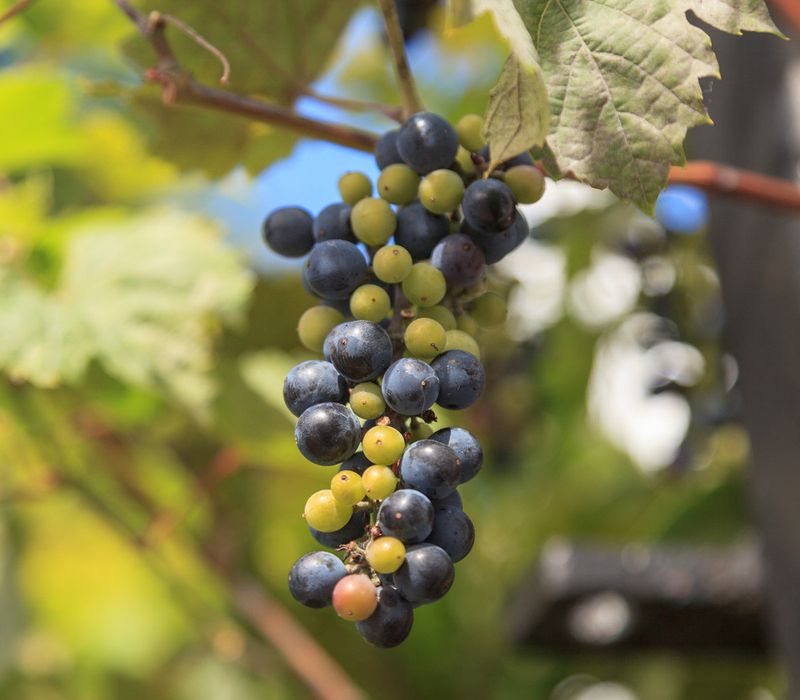
Wild grapes have been growing along Pennsylvania’s rivers and forest edges since long before anyone thought to plant them on purpose. River grape, also known as Vitis riparia, is one of the toughest and most cold-hardy native grapes in North America.
It climbs trees, fences, and anything else it can grab onto, and by late summer it produces clusters of small, glossy blue-black grapes with a bold, slightly tart flavor that is nothing like the mild sweetness of store-bought grapes.
Growing river grape in your yard means giving it a strong structure to climb. A sturdy wooden arbor, a metal trellis, or a well-built fence works perfectly.
Without support, the vine will sprawl across the ground or climb into nearby trees, which can make management tricky.
With the right structure in place, river grape becomes a productive and attractive garden feature that provides shade, wildlife habitat, and a reliable annual harvest.
Pruning is essential for keeping river grape manageable and productive. Without regular cutting, the vine can grow very aggressively, sometimes reaching 50 feet or more if left unchecked.
Annual late-winter pruning keeps the plant healthy, encourages better fruit production, and prevents it from taking over neighboring plants. It is not a high-maintenance vine overall, but it does need that yearly attention.
The fruit is best used for juice, jelly, jam, and homemade wine. The small size and thick skins make fresh eating less appealing, but the flavor is rich and intensely grapey.
River grape is also incredibly valuable for wildlife, providing food for songbirds, wild turkeys, foxes, and many other Pennsylvania animals throughout the fall season.