Why Slugs Suddenly Explode In Michigan Garden Beds After Warm July Rain
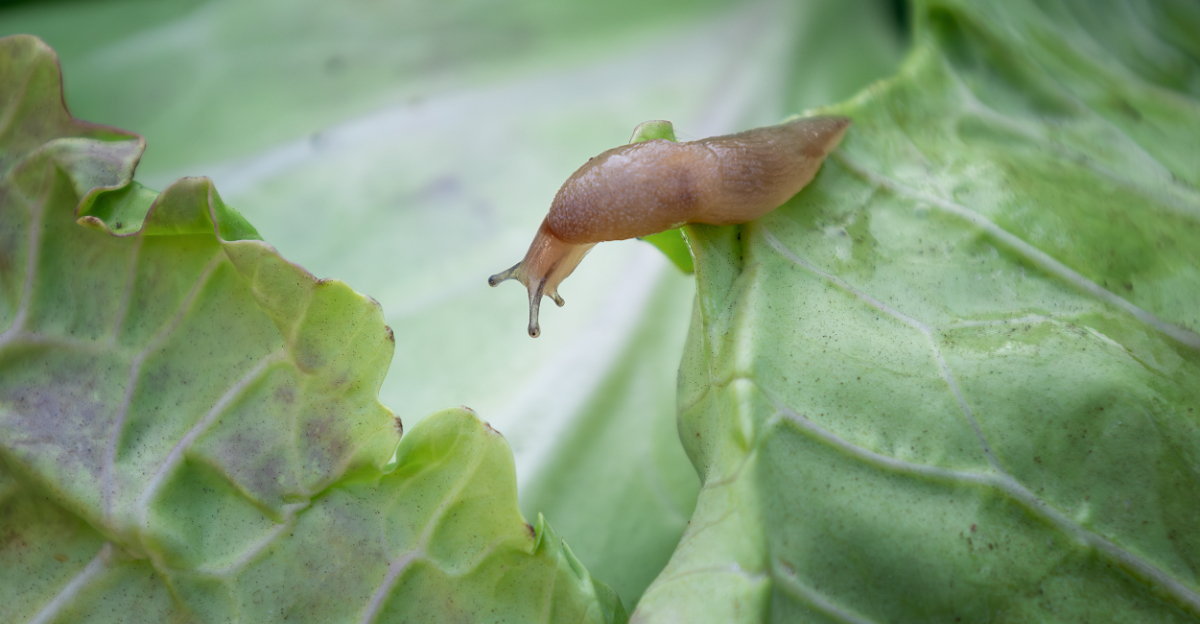
A warm July rain in Michigan sets off a slug population response that feels sudden but follows a completely predictable pattern rooted in the specific conditions slugs need to move, feed, and reproduce effectively.
The explosion that appears overnight after a significant rain event was not created by that rain alone.
Slug populations build quietly through dry stretches in the soil, leaf litter, and dense ground cover, waiting for the moisture conditions that make surface activity viable.
What looks like an invasion is actually a local population emerging all at once in response to a trigger that made the entire bed accessible to animals that were already present in larger numbers than the dry surface ever revealed.
1. Warm Rain Makes Slugs More Active
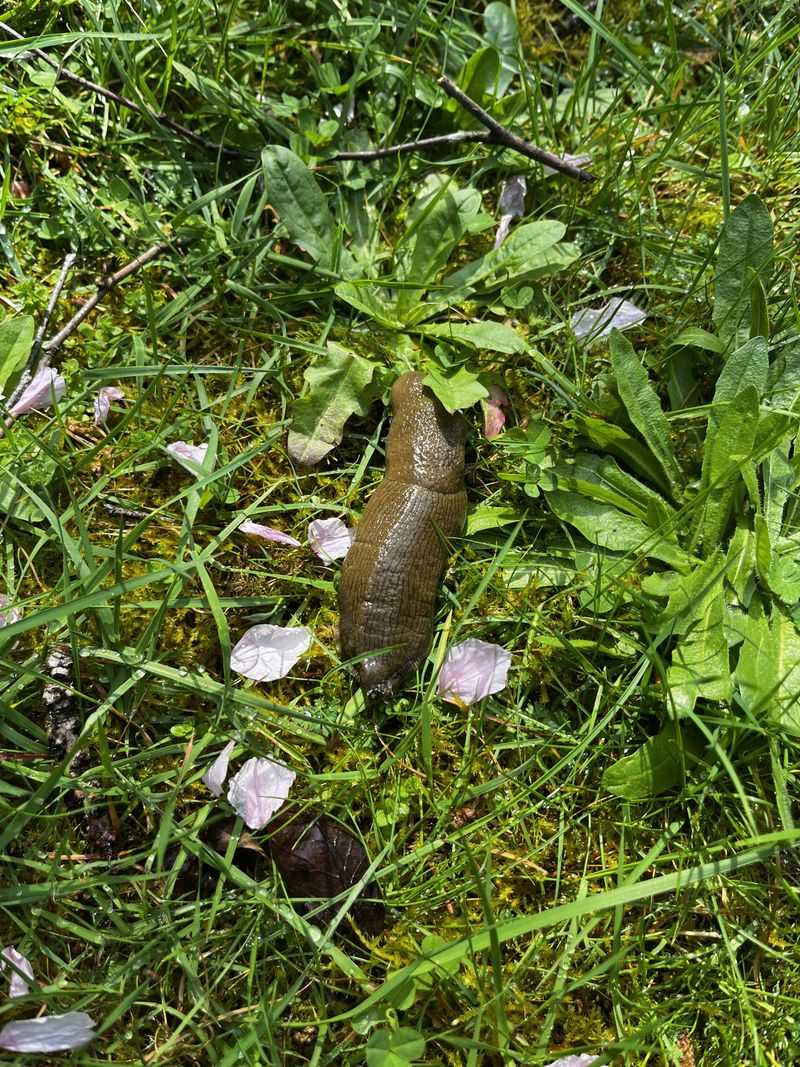
Picture a slug trying to cross dry, cracked soil on a hot summer afternoon. It simply cannot do it.
Slugs breathe and move through their moist skin, which means they dry out fast in warm, dry conditions and are forced to stay hidden until things get wetter.
Warm July rain changes everything for them almost instantly. When rain soaks Michigan garden beds, the soil surface becomes slick and cool, damp mulch softens up, and the air fills with humidity.
That combination is basically a green light for slugs to start moving around freely and feeding without any risk of drying out.
Cloudy skies after rain also help by blocking the sun that would normally evaporate surface moisture quickly. Slugs take full advantage of this window, sometimes feeding for hours before conditions change.
Gardeners who step outside right after a warm rain often notice slime trails crossing paths and beds in every direction.
Knowing this, you can time your garden checks more strategically. Going out shortly after rain, especially in the evening when it stays damp longest, gives you a clearer picture of slug activity.
Spotting them early makes it much easier to manage the problem before plants suffer serious damage.
2. They Were Already Hiding Nearby
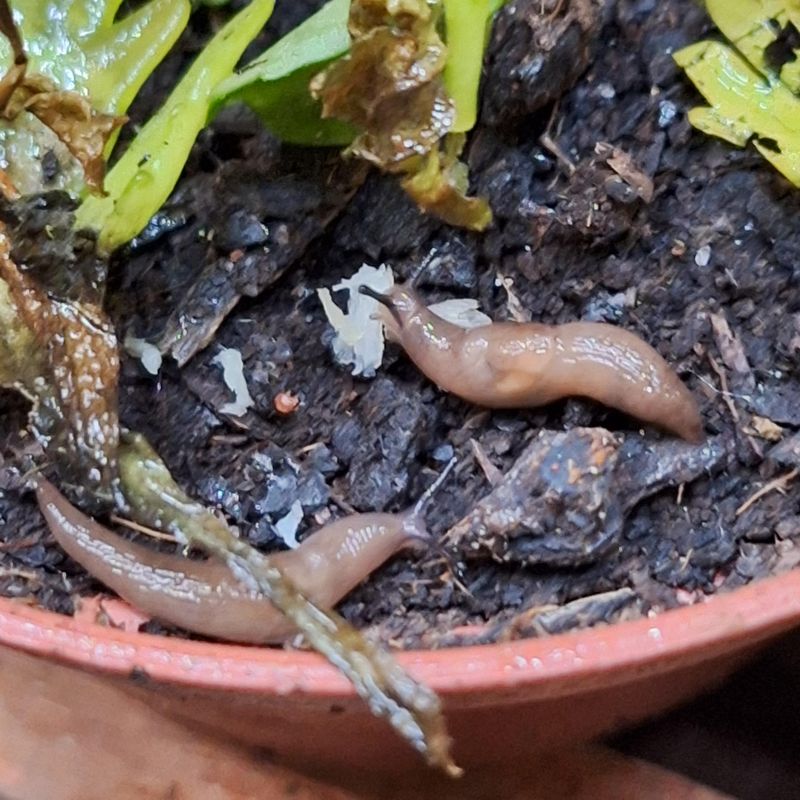
Slugs do not teleport into your garden when it rains. They were already there, tucked away in spots you probably walk past every single day without a second thought.
Mulch layers, old plant pots, flat rocks, wooden boards, dense weeds, and low-hanging leaves are all prime daytime hiding spots.
What warm rain actually does is make the garden comfortable enough for them to leave those shelters and come out where you can finally see the damage they cause.
Before the rain, they may have been resting quietly under a pile of debris just inches from your favorite hostas, waiting for conditions to improve.
Michigan summers can swing between dry spells and heavy rain pretty quickly, which means slugs living in garden beds learn to be patient.
They can stay tucked under cover for days during dry stretches, surviving on very little, and then explode into activity the moment moisture returns.
A smart way to reduce hidden populations is to walk your garden beds regularly and remove anything slugs could use as a daytime shelter. Flip pots, move boards, clear out weedy corners, and check under dense groundcover.
Your Michigan Garden Changes Every Week. Your Plan Should Too.
Gardening in Michigan changes quickly throughout the season. Every Friday you’ll receive a simple weekly plan showing exactly what to plant, prune, fertilize, harvest, and protect so you never miss the right timing.
Reducing their hiding options forces them to travel further to find shelter, which makes them more exposed and easier to manage.
3. Thick Mulch Can Stay Too Damp
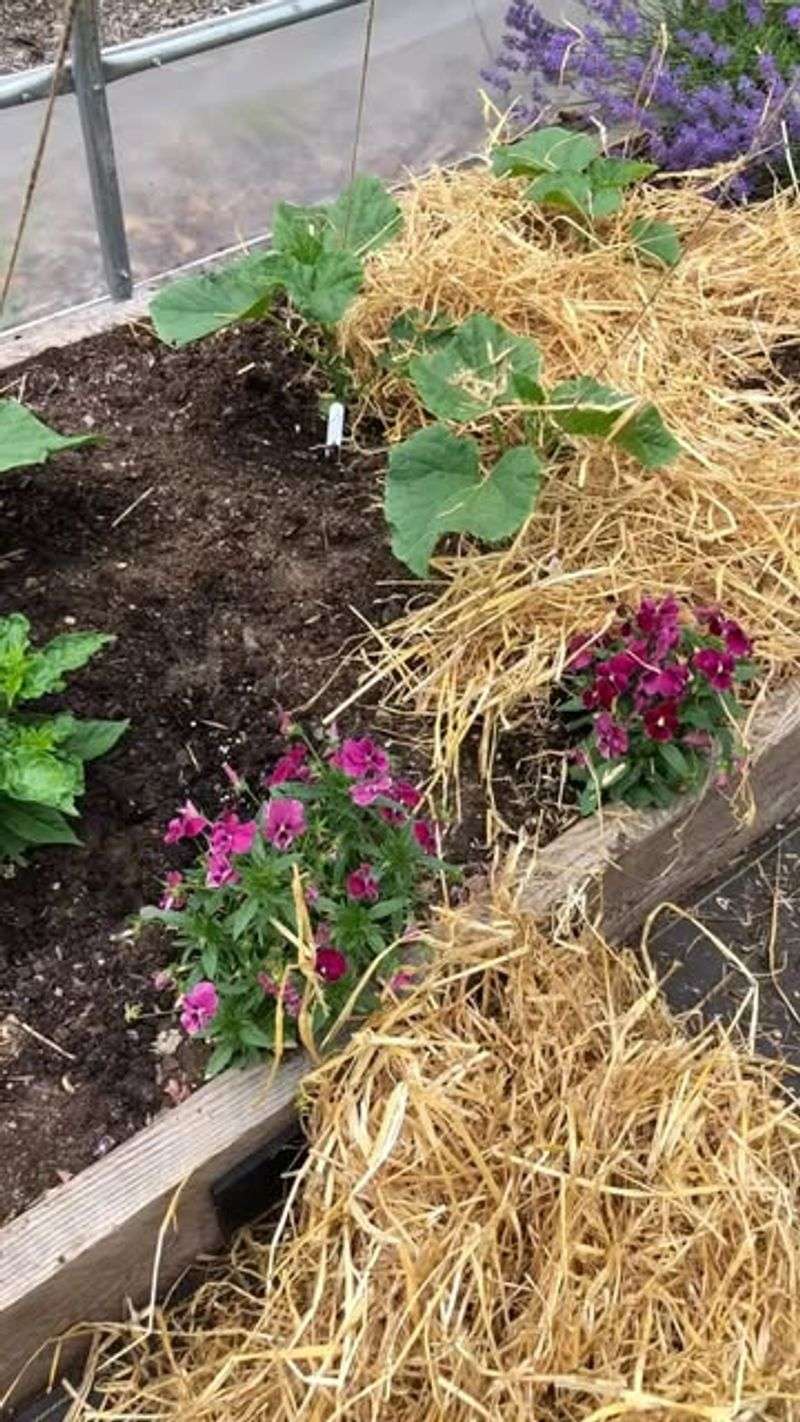
Mulch is one of the best tools a Michigan gardener has for keeping soil from drying out too fast during summer heat. It saves water, moderates soil temperature, and keeps roots comfortable.
The problem is that when mulch is piled too thick, it can become a perfect slug hotel sitting right next to your most vulnerable plants.
A layer of mulch deeper than three inches tends to hold moisture for a long time after rain, especially in shaded or low-light areas of the garden.
Slugs love this because they get the cool dampness they need to stay active without having to travel far from their food source.
Your seedlings and tender transplants end up being both shelter neighbor and dinner.
Pulling mulch back slightly from the base of vulnerable plants can make a noticeable difference. Even just an inch or two of dry exposed soil around a stem creates a small barrier that slugs are less likely to cross comfortably.
It also helps the soil surface dry faster between rain events. Sticking to a mulch depth of two to three inches across most beds is a good general rule.
Refreshing mulch by fluffing it periodically also helps it dry more evenly rather than staying compacted and constantly damp after July storms roll through Michigan.
4. Weeds And Plant Debris Create Perfect Shelter
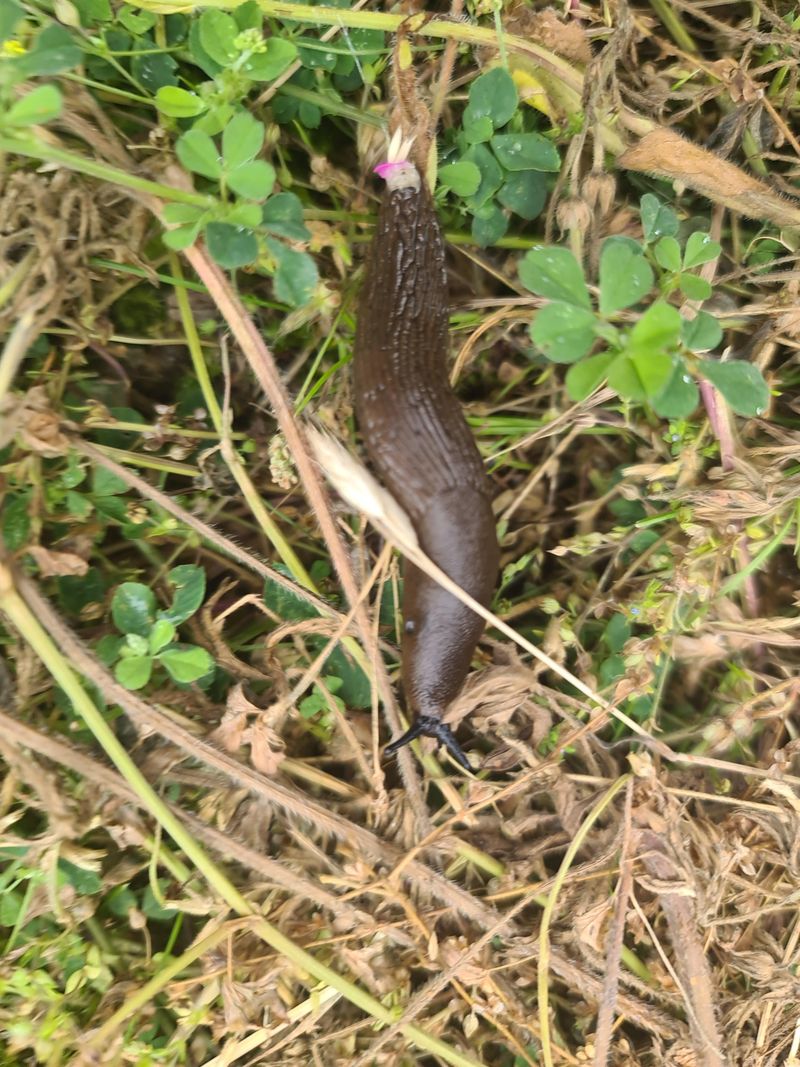
Weeds might seem like just a nuisance for competing with your plants, but they do something extra troublesome after July rain.
They trap moisture against the soil surface and create a layered, shaded environment that slugs find irresistible during the day. Old stems, fallen leaves, and garden clutter do the same thing.
When debris piles up in garden beds, it acts like a sponge that holds onto rainwater long after the sun comes back out. Slugs can rest comfortably in these damp pockets all day, staying close to tender plants without ever needing to travel far.
By nightfall, they are already positioned right where they want to feed.
Cleaning up excess plant debris is one of the most straightforward ways to reduce slug pressure in Michigan garden beds.
Removing spent plant material, pulling weeds before they get established, and keeping bed edges tidy all reduce the number of comfortable daytime spots slugs can use.
You do not need to strip beds completely bare, since some organic matter at the soil level is normal and healthy. The goal is to eliminate the thick, damp, layered clutter that gives slugs reliable shelter through the heat of the day.
After a warm July rain, a cleaner bed simply has fewer places for slugs to hide and wait.
5. Evening Watering Adds To The Problem
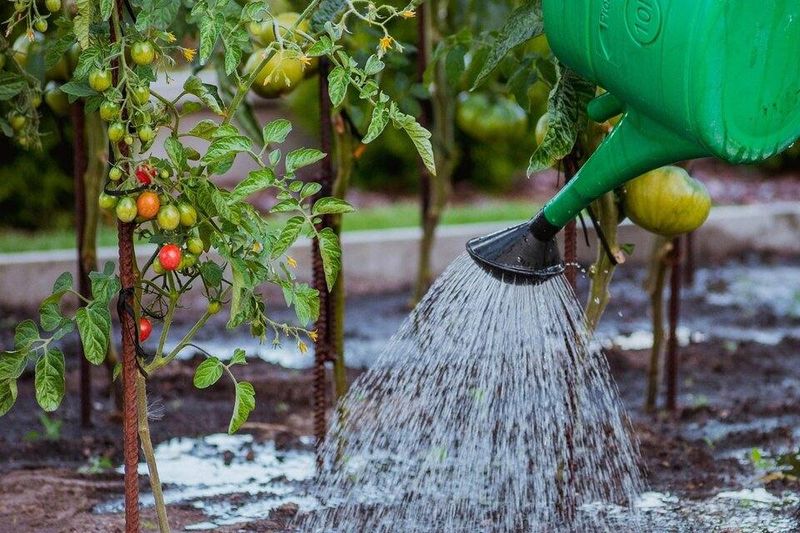
Watering in the evening feels convenient after a long summer day, and many Michigan gardeners do it without thinking twice.
The problem is that wet foliage and damp soil overnight create near-perfect conditions for slugs to come out and feed for hours with no interruptions.
Slugs are most active during cool, damp, dark conditions, and evening watering essentially extends those ideal conditions well past sunset.
When the garden stays wet all night, slugs have more time to move around, eat more plant material, and lay more eggs in moist soil. The damage you find in the morning reflects hours of uninterrupted activity.
Switching to morning watering makes a real difference. When you water early in the day, the sun and daytime heat dry out the soil surface and foliage within a few hours, cutting off the moist conditions slugs depend on for nighttime activity.
The plants still get the water they need, just without the side effect of a slug-friendly evening environment.
Aiming water directly at the root zone rather than overhead also helps keep leaves and the surrounding soil surface drier.
Drip irrigation or soaker hoses are excellent options for Michigan vegetable beds because they deliver water right where plants need it most, keeping the surface between plants much drier than sprinkler systems tend to.
6. Shady Beds Dry More Slowly
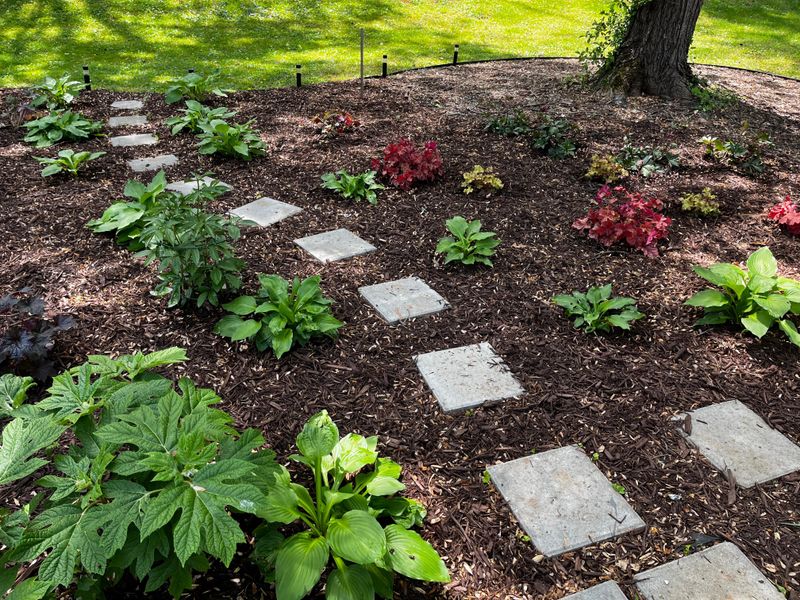
Not all garden beds are created equal when it comes to slug pressure. Beds tucked under trees, along fences, or beside buildings often stay damp for hours longer after rain than beds in full sun.
That extra moisture is exactly what slugs need to stay comfortable and active well into the day.
Hostas are a classic example of a plant that thrives in shade but also attracts slugs like a magnet. Lettuce, young vegetable transplants, and other soft-leafed plants growing in shaded Michigan beds face similar challenges.
The combination of shade-loving plants and slow-drying soil creates a slug-friendly microclimate that can be hard to break.
One practical approach is to improve airflow in shaded beds by thinning out overcrowded plants and trimming lower branches on nearby shrubs or trees. Better air movement helps the soil surface dry faster even when sunlight is limited.
It will not eliminate shade, but it can shorten the window of damp conditions that slugs exploit.
Choosing slug-resistant plant varieties for your shadiest beds is another worthwhile strategy. Some plants with tougher, more textured, or strongly scented leaves are less appealing to slugs.
Mixing these in with more vulnerable favorites can reduce overall feeding pressure, especially in those slower-drying corners of your Michigan garden where slugs tend to thrive.
7. Tender New Growth Becomes Easy Food
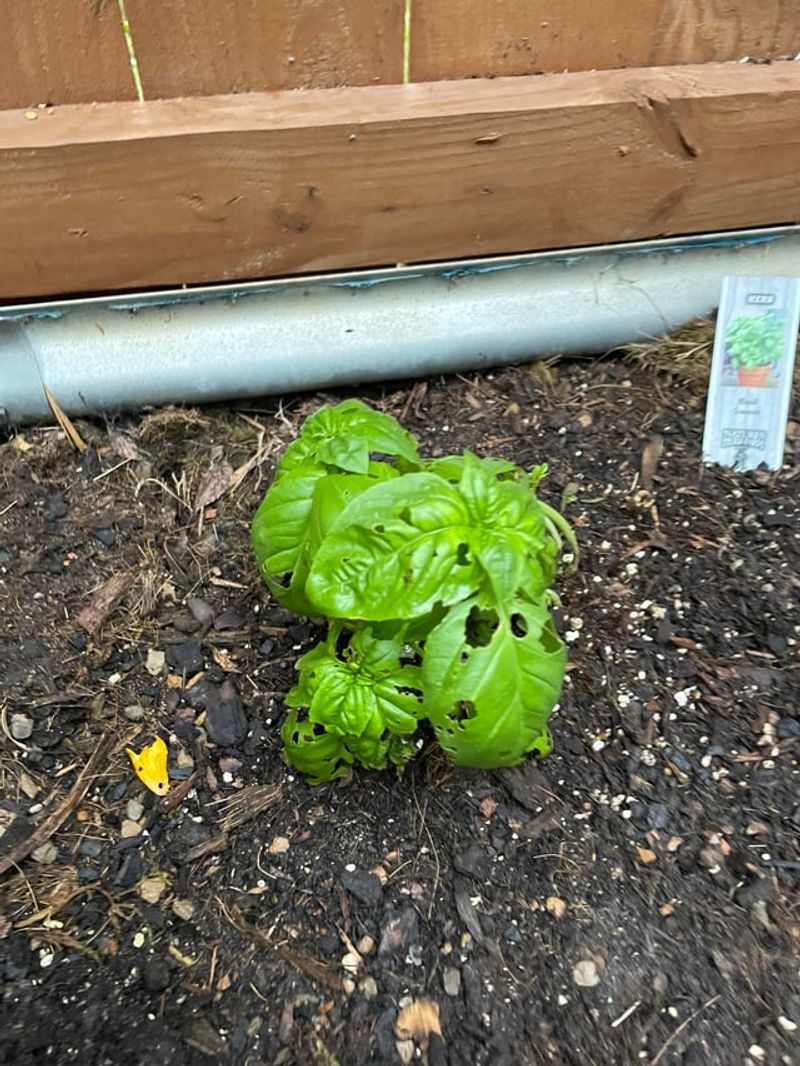
Warm July rain does not just bring out slugs. It also triggers a flush of fresh, soft new growth on many garden plants, and slugs zero in on that tender foliage almost immediately.
Young leaves are easier to eat, higher in moisture, and much more digestible than older, tougher plant tissue. Seedlings are especially at risk right after a rain event.
A single slug can do impressive damage to a small transplant overnight, leaving behind ragged holes or sometimes consuming the entire plant down to the soil line.
Leafy greens, hostas, strawberries, and young vegetable starts are among the most frequently targeted plants in Michigan summer gardens. Knowing the signs helps you catch problems early.
Look for irregularly shaped holes in leaves that do not follow any neat pattern, scraped or translucent patches on leaf surfaces where slugs have rasped away the top layer, and shiny dried slime trails winding across leaves and soil.
These are all reliable indicators that slugs were active recently. Protecting vulnerable new growth after heavy rain is worth the extra effort.
After a July storm, check new transplants often. Protect vulnerable plants with copper tape or rough materials, and remove slugs by hand in the evening before they can destroy the fresh growth.
8. Poor Drainage Keeps The Bed Slug Friendly
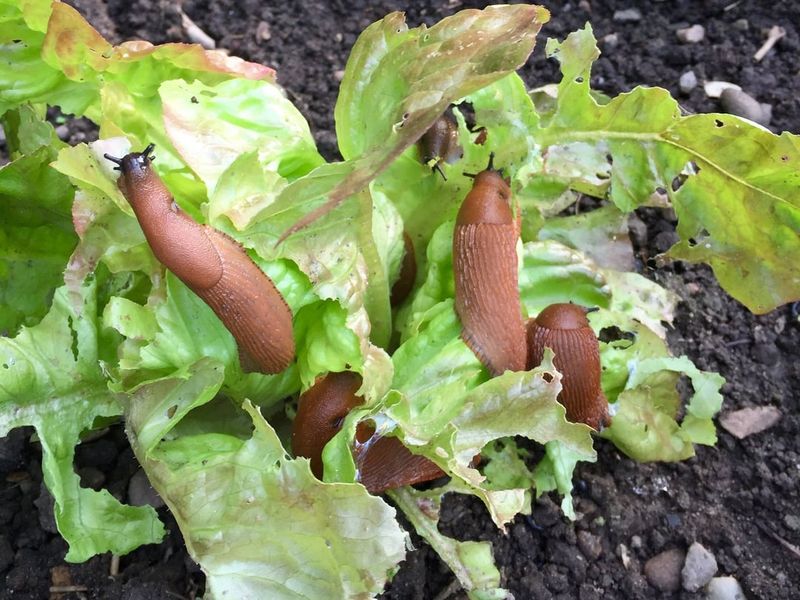
Some Michigan garden beds stay soggy for days after heavy July rain, and that lingering moisture is a slug magnet.
Compacted soil, natural low spots in the yard, and beds with poor drainage all hold water near the surface far longer than well-prepared beds do. Slugs take full advantage of that extended wet window.
Clay-heavy Michigan soils are particularly prone to this problem. Water moves through clay slowly, which means the top few inches of soil can stay wet and cool for days after a storm passes.
That surface moisture is exactly what slugs need to stay active and comfortable during both day and night.
Improving drainage does not have to be a major project. Breaking up compacted areas with a garden fork, adding compost to improve soil structure, and raising bed edges slightly to encourage runoff can all help water drain away faster.
Even small improvements in drainage can shorten the wet window enough to reduce slug activity noticeably.
Thinning out overcrowded plants also helps by improving airflow at the soil level, which speeds up drying between rain events.
When plants are packed too tightly together, the area beneath their canopy stays cool and shaded, creating a slug-friendly microclimate that persists long after the rain stops.
Giving plants more space is a simple fix that benefits both drainage and overall garden health.
9. Night Checks Reveal The Real Problem
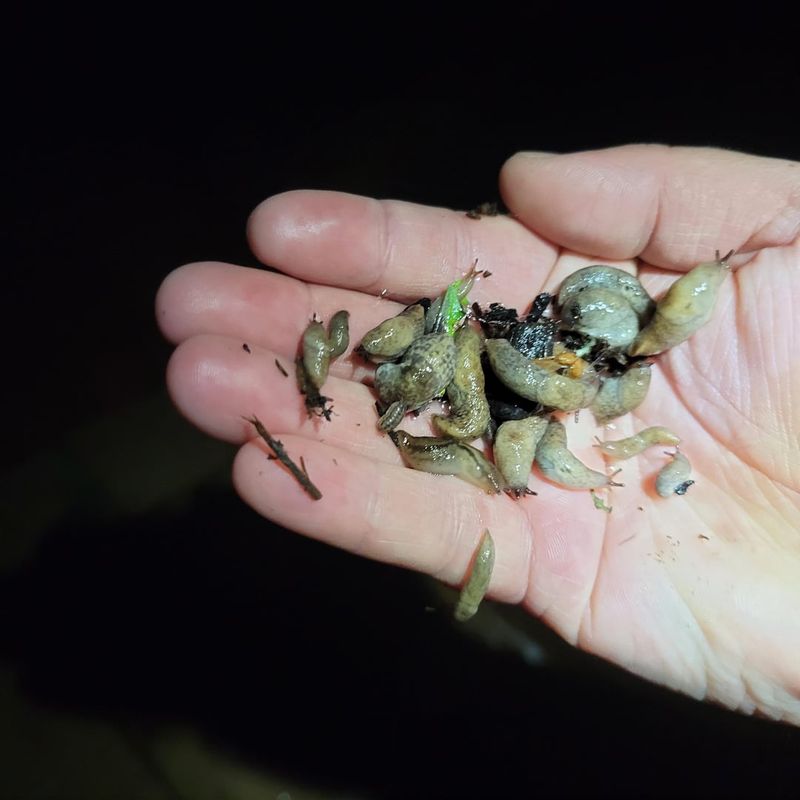
Many gardeners spend the whole summer blaming mysterious leaf damage on insects, disease, or even birds, never realizing that slugs are the actual culprits. The reason is simple: slugs are almost invisible during the day.
They hide so effectively in damp spots that you can look right at a heavily infested bed and see nothing unusual.
Going out after dark with a flashlight changes everything. Slugs become dramatically more active at night, especially after warm rain has kept the garden moist and cool into the evening hours.
A slow walk through your beds with a good light source will often reveal far more slugs than you ever imagined were living there.
Checking one to two hours after sunset tends to give the best results, since slugs are usually well into their feeding activity by that point. Bring a container of soapy water along and drop any slugs you find directly in.
This is one of the most effective low-cost methods for reducing a local slug population without using any products at all.
Making nighttime checks a regular habit after July rain events gives you a much more accurate picture of what is really happening in your garden.
You will identify which plants are most targeted, where slugs are coming from, and whether your other management efforts are actually working. Good information leads to smarter, more effective gardening decisions all season long.
10. The Best Fix Is A Drier, Cleaner Bed Surface
After a warm July rain, slugs in Michigan garden beds can feel completely overwhelming. But most of the conditions that make slug pressure so intense are things you can actually change.
Moisture, shade, debris, thick mulch, evening watering, and poor drainage all play a role, and addressing even a few of them makes a measurable difference.
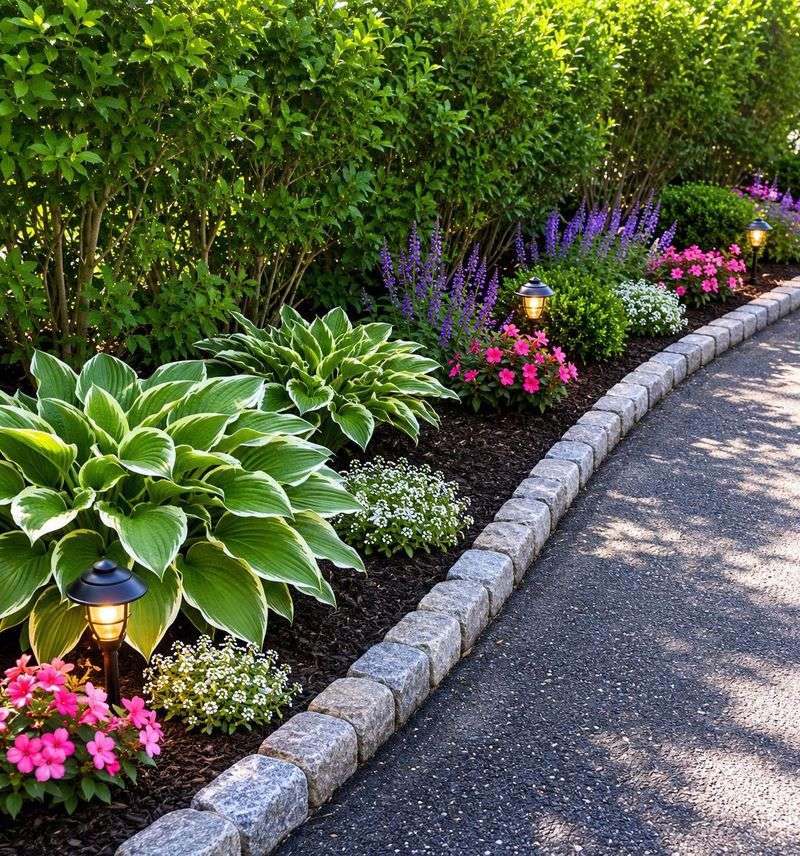
Cleaner bed edges are a great starting point. Trimming back overgrown plants, removing weedy borders, and keeping the perimeter of each bed tidy reduces the number of shelter zones slugs can move between.
A well-maintained edge also makes it easier to spot slug activity before it gets out of hand.
Morning watering, better airflow between plants, and a thinner mulch layer all help the soil surface dry faster between rain events.
When the surface dries out during daylight hours, slugs have a much shorter window to be active and far fewer comfortable places to rest during the day. Monitoring after rain is probably the most underused tool Michigan gardeners have.
A quick evening walk through your beds following a July storm, combined with a flashlight check after dark, can tell you more about your slug situation than a week of daytime observation.
Staying consistent with these habits through the summer keeps small problems from turning into big ones, and keeps your garden looking great even through the wettest July weeks.