What To Do Before Powdery Mildew Spreads Through Your Georgia Garden
Some garden problems seem to appear overnight. One day every leaf looks healthy, and a few days later something completely different catches your attention.
That kind of change can make anyone feel frustrated. Small warning signs are easy to miss when everything else still looks fine.
Waiting too long often gives the problem time to spread.
Georgia gardens can face powdery mildew during warm, humid weather. Catching the earliest clues gives you a much better chance of protecting healthy plants.
Knowing what to notice before the white coating spreads can save time, effort, and disappointment. Acting early is often much easier than fixing widespread damage later.
Those first subtle changes are worth paying attention to because they usually appear before serious trouble begins if you know where to look first.
1. White Spots Are Usually The First Warning Sign
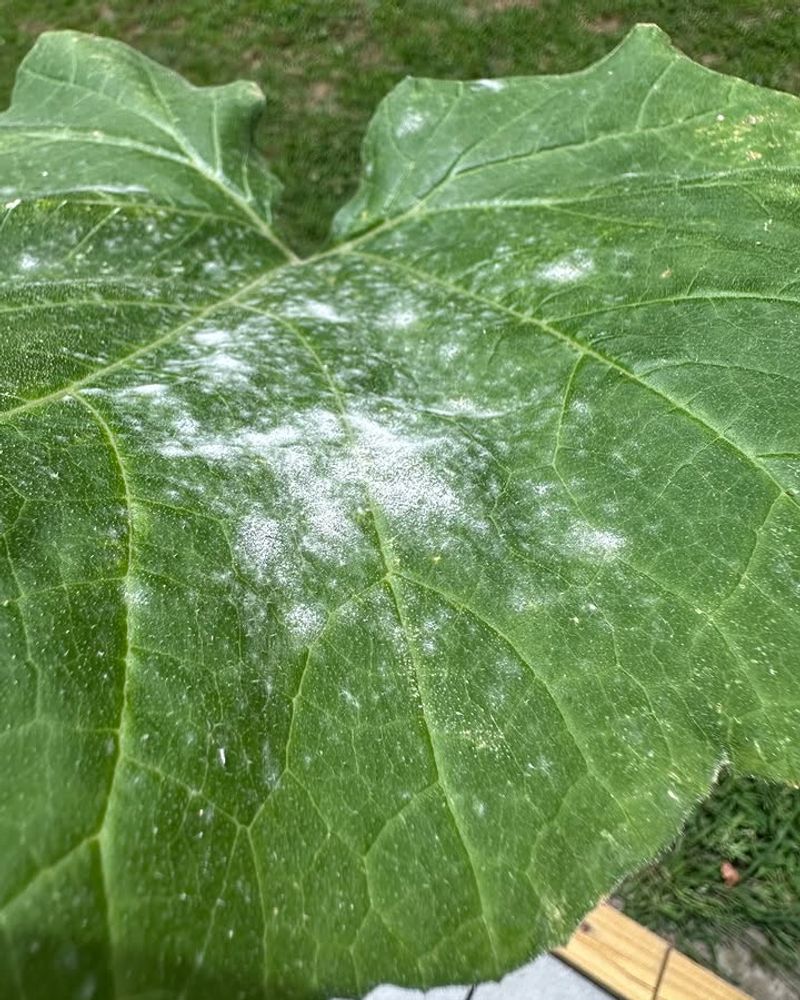
Spotting something odd on your leaves? That powdery white dusting is not dirt or fertilizer residue.
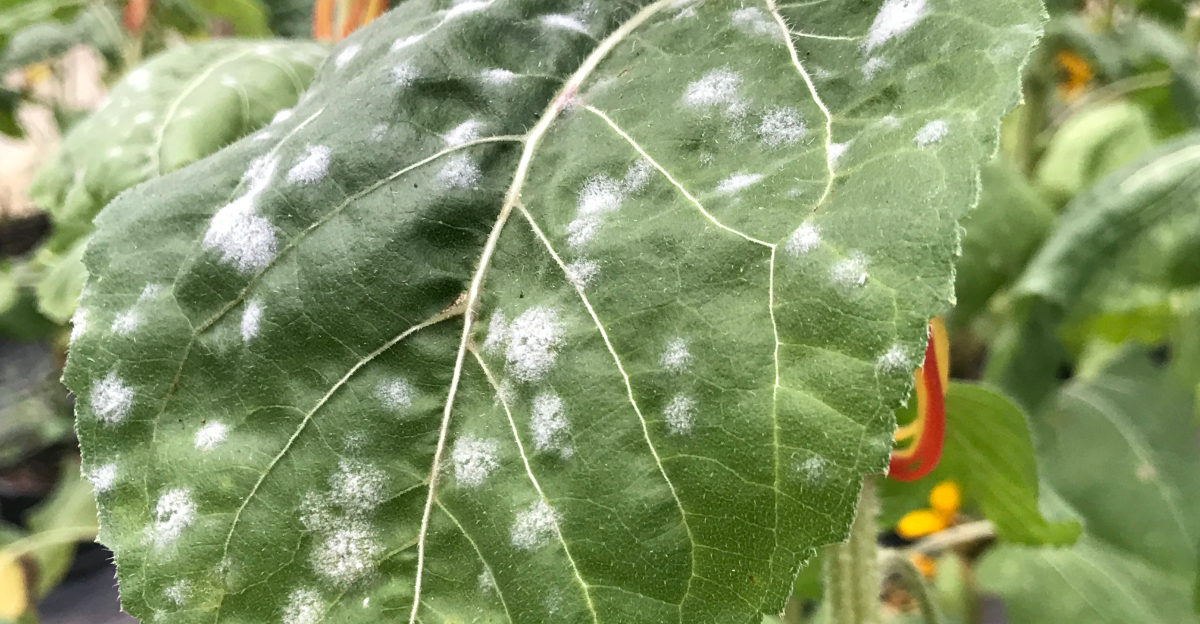
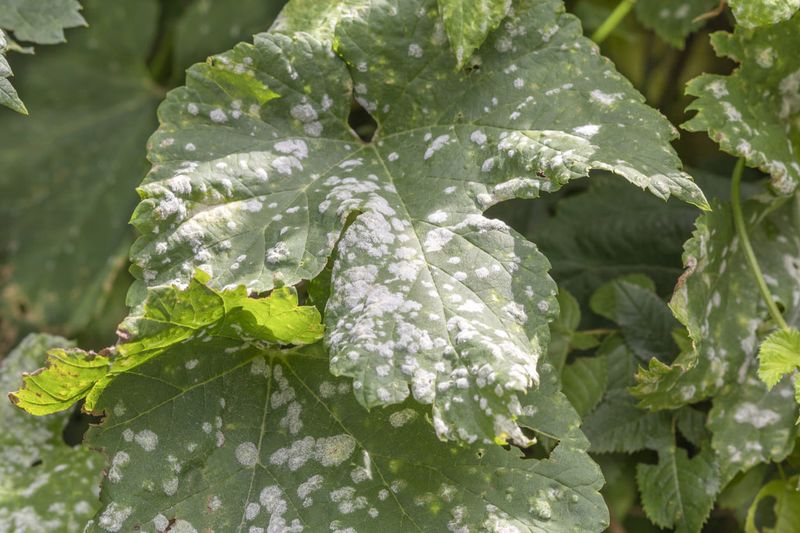
Powdery mildew often appears as small, round, chalky patches that slowly expand across the leaf surface.
It tends to show up on the upper side of leaves first. Squash, cucumbers, roses, and zinnias are among the plants most likely to show symptoms early.
Warm days paired with cool nights create ideal conditions for the fungus to develop.
Look closely at the center of each white patch. Older infections often look denser and slightly raised compared to fresh spots.
Catching it at this early stage gives you far more options for slowing its spread.
Check both sides of the leaf carefully. Some plants show early signs on the underside before the top surface becomes visibly affected.
Missing those early clues can cost you valuable response time.
Not every white spot means mildew. Pest damage, mineral deposits from hard water, and certain fertilizers can leave similar marks.
Rub a suspicious spot gently with your finger. If it smears like a dusty powder, mildew is likely the cause.
2. Remove Infected Leaves Right Away
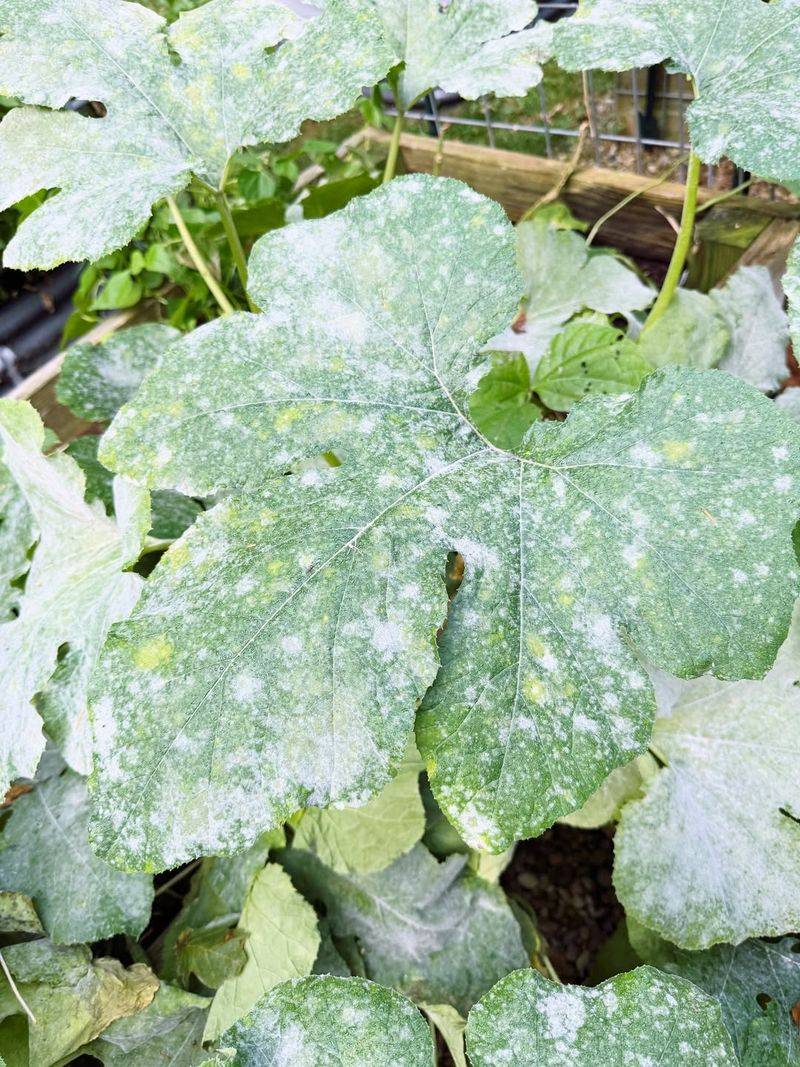
Pulling off infected leaves feels almost too simple, but it genuinely helps slow the spread. Every mildew-covered leaf holds thousands of spores ready to launch into the air at the slightest breeze.
Use clean pruning shears or scissors rather than tearing leaves by hand. Tearing can shake loose spores onto nearby plants.
Cut close to the stem and work carefully to avoid disturbing the white coating.
Drop removed leaves directly into a bag or bucket. Do not toss them onto the ground near your garden beds.
Spores remain viable even after the leaf is detached, so leaving them nearby defeats the purpose.
Bag the infected material and place it in the trash. Composting mildew-affected leaves is risky because home compost piles rarely reach temperatures high enough to break down fungal spores reliably.
Focus first on the most heavily infected plants. Prioritizing the worst cases limits how many spores are actively releasing into your garden space each day.
Work from the least infected plants toward the worst to reduce cross-contamination during removal.
After finishing, wash your gloves and tools before moving to another part of the garden. Spores can hitch a ride on your hands and equipment.
Your Georgia Garden Changes Every Week. Your Plan Should Too.
Gardening in Georgia changes quickly throughout the season. Every Friday you’ll receive a simple weekly plan showing exactly what to plant, prune, fertilize, harvest, and protect so you never miss the right timing.
3. Improve Airflow Around Crowded Plants
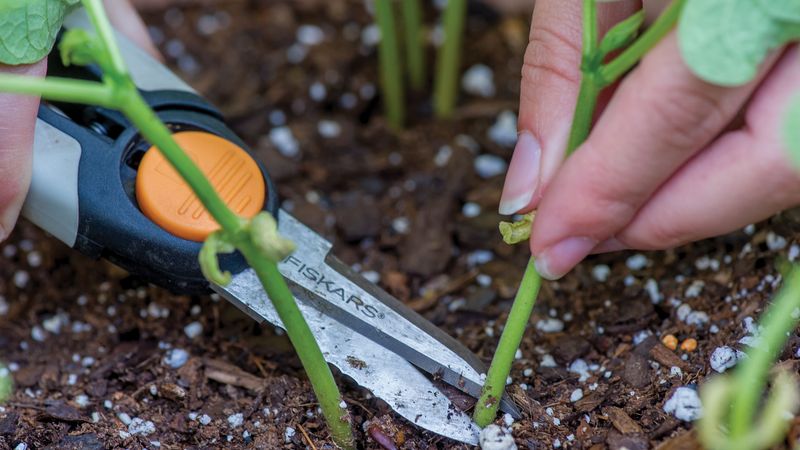
Crowded plants trap humid air right at leaf level. Powdery mildew thrives in those stagnant pockets where moisture lingers and air barely moves.
Thinning out your beds makes a noticeable difference. Removing a few plants or stems to open up space lets air flow through more freely.
It feels counterintuitive to pull healthy-looking plants, but the tradeoff is worth it.
Pruning lower branches and dense interior growth also helps. Focus on removing stems that cross over each other or press tightly against neighboring plants.
Opening up the center of a plant improves circulation without reducing its overall size too dramatically.
Raised beds and containers are not immune to crowding problems. Even a few extra inches of space between plants can lower humidity levels enough to slow fungal growth.
Spacing recommendations on seed packets exist for exactly this reason.
Trellises and vertical supports help too. Training vines or sprawling plants upward keeps foliage off the ground and spreads leaves out so air can move between them more easily.
Vertical growth also reduces the shaded, damp zones that mildew favors.
Revisit your spacing mid-season if plants have grown larger than expected. What looked well-spaced in spring can become a dense tangle by July.
4. Water The Soil Instead Of The Foliage
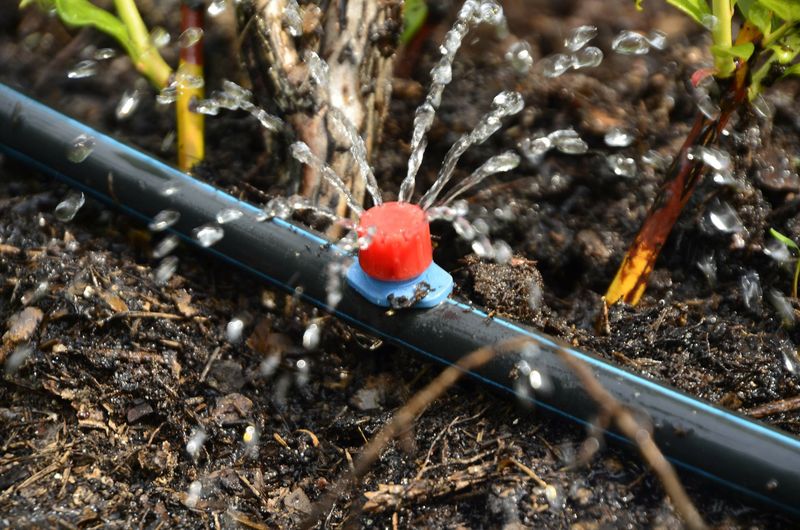
Overhead watering is one of the most common ways gardeners accidentally encourage powdery mildew. Wet leaves sitting in warm, humid air create exactly the environment the fungus needs to establish itself.
Drip irrigation or soaker hoses deliver water directly to the root zone. Foliage stays dry while the soil gets the moisture plants actually need.
Switching your watering method is one of the most practical adjustments you can make.
If you use a hose or sprinkler, timing matters. Watering early in the morning gives any moisture that does splash onto leaves time to evaporate before evening.
Wet foliage heading into cooler nighttime temperatures raises the risk noticeably.
Avoid watering late in the afternoon or evening when possible. Moisture that sits on leaves overnight in warm weather creates a favorable window for spore germination.
Morning watering is generally the safer approach under most conditions.
Mulching around plant bases helps retain soil moisture so you water less frequently overall. Less frequent watering means fewer opportunities for foliage to get wet.
A two-to-three inch layer of mulch works well in most garden beds.
Even with careful watering, rain is unpredictable in the Southeast. You cannot control natural rainfall, but managing your irrigation habits removes at least one moisture source from the equation.
5. Avoid Too Much Nitrogen During Summer
Heavy nitrogen feeding in summer pushes out fast, soft new growth. That tender foliage is far more vulnerable to powdery mildew than mature, hardened leaves.
Nitrogen encourages rapid cell division, producing growth that has not had time to develop natural defenses. Mildew spores land on soft tissue and establish more easily than they would on tougher, older leaves.
Slowing down your nitrogen applications during warm months can reduce that vulnerability.
Read your fertilizer labels carefully. Many general-purpose fertilizers are high in nitrogen, which works well in spring but can cause problems if applied heavily through midsummer.
Switching to a lower-nitrogen or balanced formula during the summer months is worth considering.
Soil tests take the guesswork out of fertilizing. Knowing your actual nutrient levels helps you avoid applying more than your plants genuinely need.
Over-fertilizing wastes money and can create conditions that favor certain plant diseases.
Compost is a gentler option mid-season. It feeds plants slowly and improves soil structure without the surge of fast-available nitrogen that synthetic fertilizers provide.
Side-dressing with compost is a lower-risk approach when plants are already actively growing.
Healthy, well-fed plants resist stress better, but balance matters. Pushing for maximum growth with heavy feeding often works against you when disease pressure is high.
6. Clean Garden Tools After Pruning
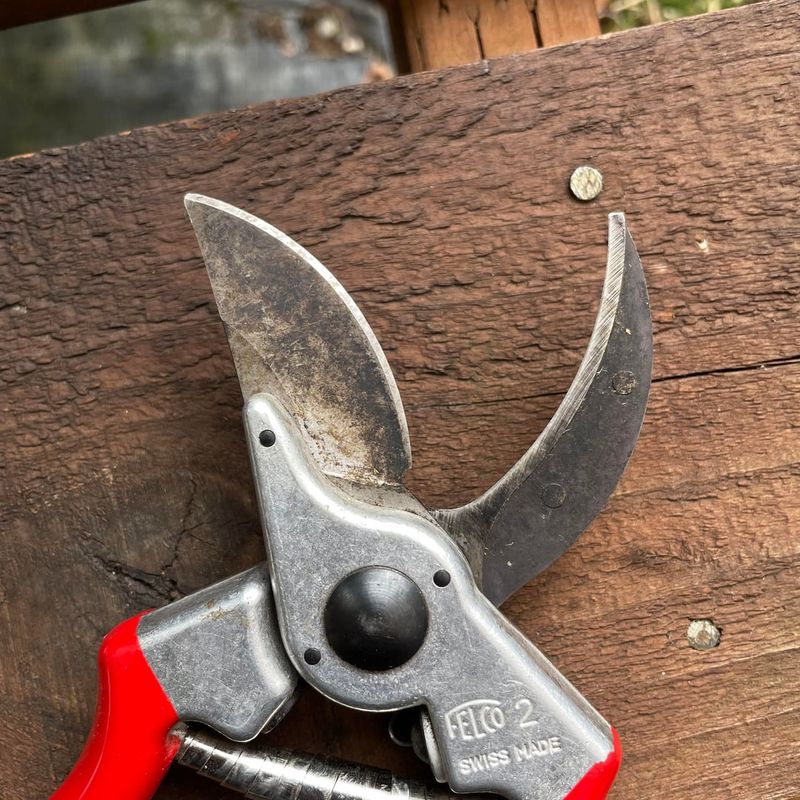
Dirty pruning tools carry more risk than most gardeners realize. Mildew spores cling to blades, handles, and even the cloth you use to wipe things down.
After cutting any infected plant material, clean your tools before moving to another plant. Spores transferred on a blade can introduce mildew to a previously healthy plant in seconds.
It takes almost no time to wipe down blades between cuts.
A solution of one part bleach to nine parts water works well for disinfecting metal blades.
Apply it with a clean cloth or spray bottle, then let the blades air dry or dry them with a clean towel before using them again.
Dry your tools after cleaning to prevent rust. Metal blades left wet after disinfecting can corrode faster than usual.
A quick wipe with a dry cloth extends the life of your equipment significantly.
Gloves deserve the same attention as tools. Fabric gloves can trap spores and carry them from plant to plant just as easily as an unwashed blade.
Rinsing rubber or coated gloves with soapy water between tasks is a practical habit worth building.
Tool hygiene is easy to skip when you are tired or rushing through garden chores.
7. Check Nearby Plants Every Few Days
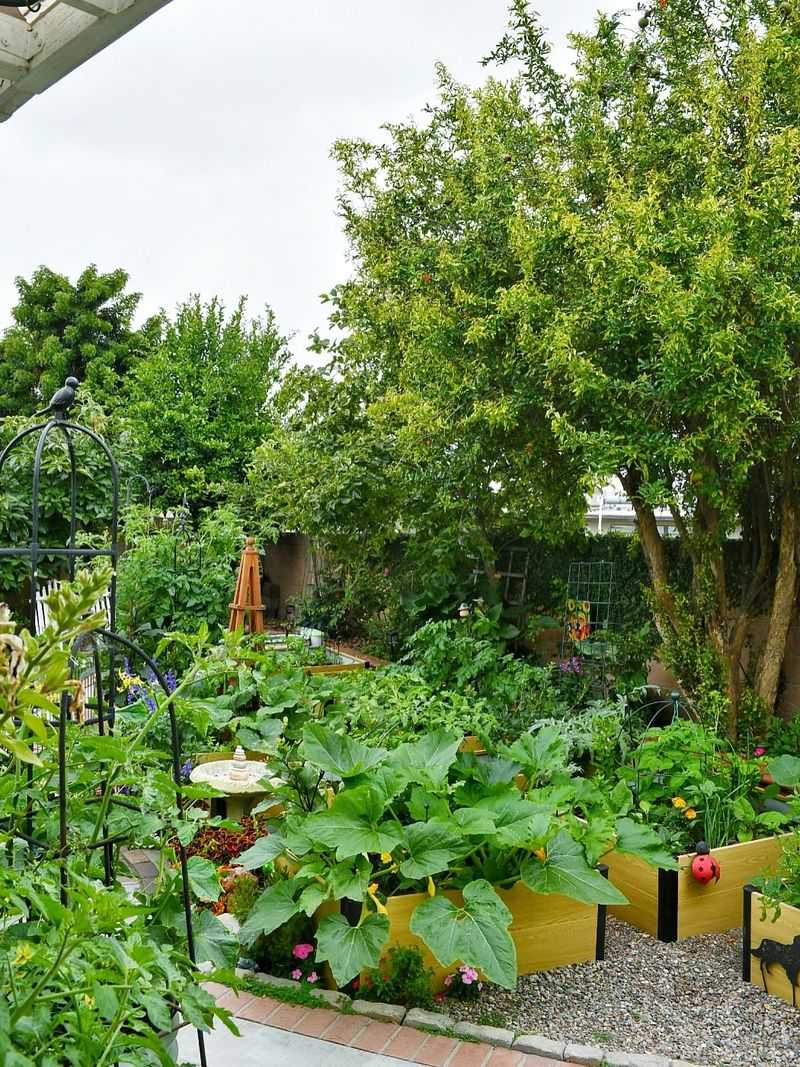
Powdery mildew spreads through airborne spores, which means an infected plant rarely suffers alone for long. Once it appears in one spot, nearby plants become vulnerable almost immediately.
Make a habit of walking your garden every few days during warm, humid stretches. Consistent observation catches new outbreaks before they have time to escalate.
A five-minute walk-through is often enough to spot early warning signs.
Pay close attention to plants that are known hosts. Cucumbers, squash, roses, dahlias, and phlox tend to show symptoms earlier than others.
Checking those plants first during your rounds saves time and helps you focus your attention where it matters most.
Keep a simple log if your garden is large. Noting where and when you spot mildew helps you identify problem areas and track whether your management steps are working.
Patterns often emerge over a season that help you plan better for the following year.
Inspect both the tops and undersides of leaves. Early colonies sometimes develop on leaf undersides before becoming visible on top.
Getting into the habit of flipping leaves over during your checks catches problems sooner.
In the Southeast, late summer and early fall are peak mildew seasons. Heat, occasional rain, and fluctuating overnight temperatures create favorable conditions for spore activity.