These Are The Pennsylvania Native Plants That Attract Tick-Eating Birds Better Than Any Feeder
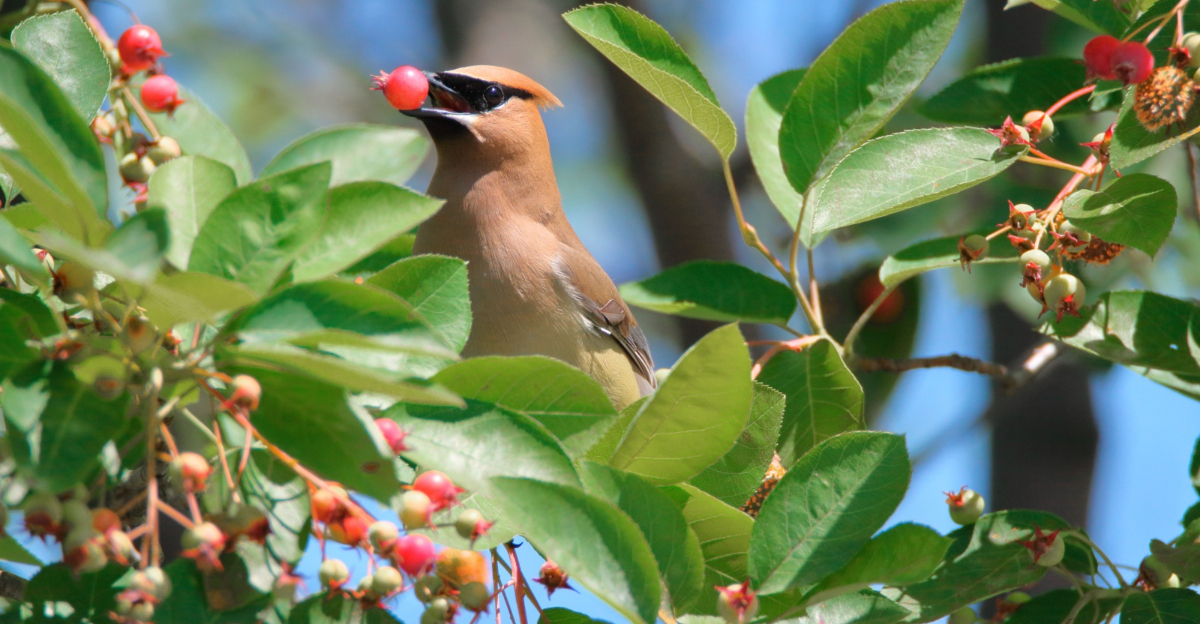
Bird feeders are great, and nobody is suggesting you take yours down. But if a feeder is the only thing bringing birds into your Pennsylvania yard, you are honestly missing out on something a lot more interesting.
Native plants do things a feeder simply cannot.
They produce the berries, acorns, caterpillars, and insects that birds actually need to survive and raise young, and they keep delivering through every season without requiring a trip to the store for a new bag of seed.
Some of the best bird visitors, robins, catbirds, thrushes, and others, are foragers at heart. They want leaf litter to poke around in, fruiting shrubs to work through, and dense native plantings worth spending time in.
Give them that and they will do a lot more than just visit. They will stick around.
1. White Oak Feeds Birds With Insects And Acorns
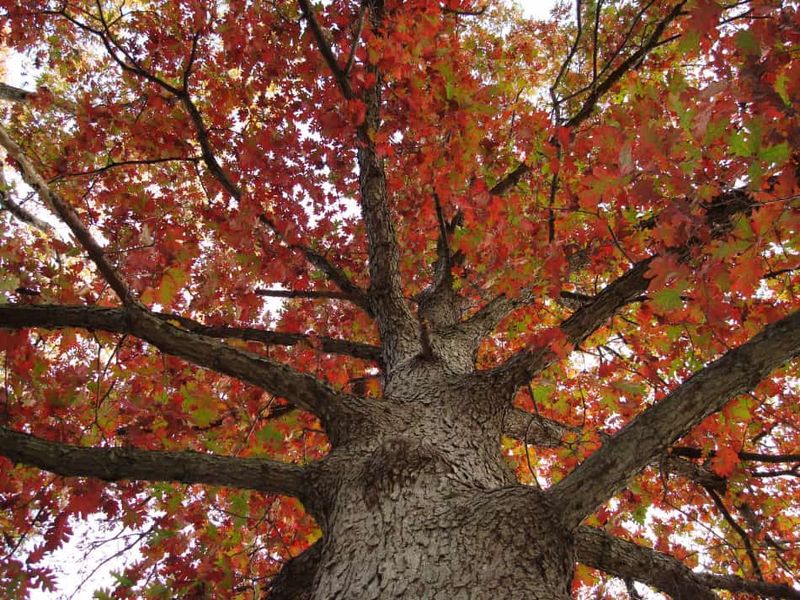
Few trees in a Pennsylvania yard can rival the wildlife value packed into a single White Oak. This native tree supports hundreds of caterpillar species on its leaves alone, making it one of the most insect-rich trees a homeowner can plant.
Birds like chickadees, nuthatches, and woodpeckers move through the branches searching for caterpillars, beetle larvae, and other small insects tucked beneath the bark or hidden among the foliage.
Acorns are another major draw. Jays, woodpeckers, and wild turkeys are well known for collecting and eating acorns in fall, but many smaller birds also benefit from the insect activity that surrounds fallen acorns on the ground.
A foraging bird working through leaf litter under a White Oak may pick up ticks incidentally while hunting for insects, though this should not be counted on as reliable tick control.
White Oak grows well across Pennsylvania in full sun to part shade and prefers well-drained soil with room to spread. It is a long-lived tree that takes patience, but even young trees begin supporting insects within a few years of planting.
Homeowners with larger yards or open borders will find it fits naturally along property edges or as a focal shade tree.
Pairing it with native shrubs underneath creates a layered habitat that keeps birds active across multiple feeding levels throughout the year.
2. Black Cherry Draws Birds With Fruit And Caterpillars
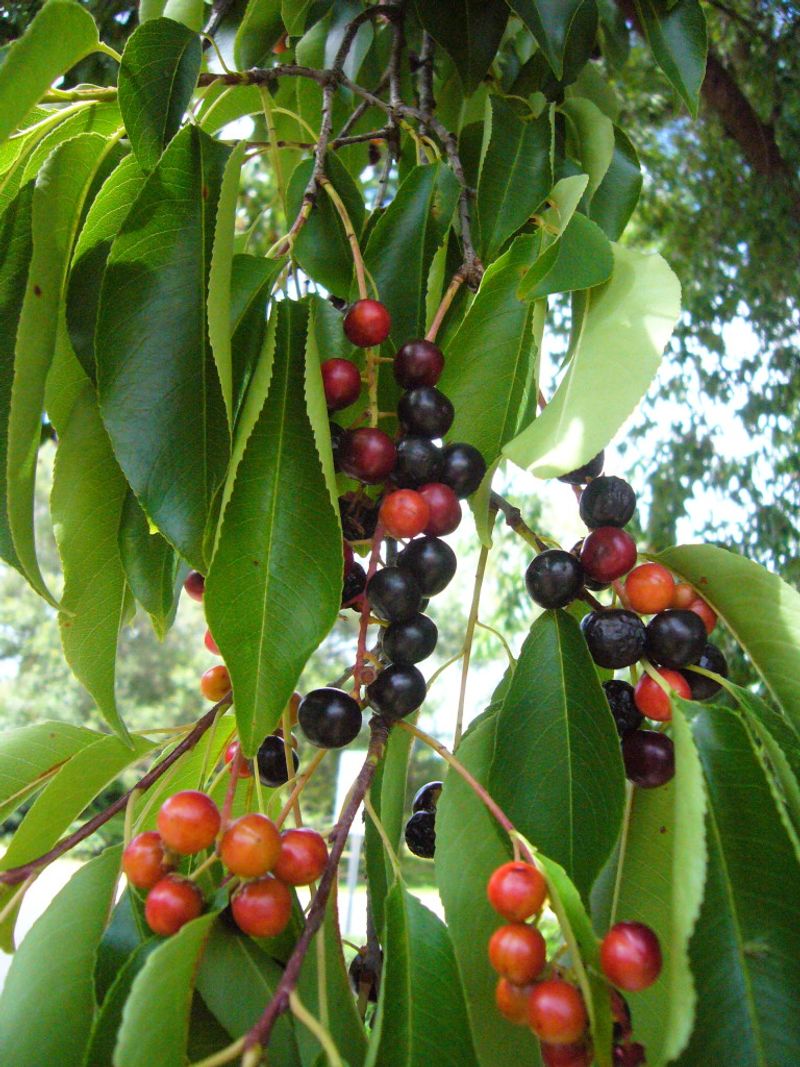
Walk past a Black Cherry tree in midsummer and you might notice the branches are never truly quiet. This Pennsylvania native is a magnet for catbirds, cedar waxwings, robins, and thrushes, all drawn by the small, dark cherries that ripen from late July into August.
The fruit is not large or showy, but birds find it irresistible, and a single tree in fruit can attract a surprisingly busy mix of species in a short stretch of days.
Beyond the berries, Black Cherry is one of the top native caterpillar host plants in eastern North America. Caterpillars feeding on its foliage provide high-protein food that parent birds rely on heavily during nesting season.
Species like yellow warblers and Baltimore orioles may forage through the canopy for these insects, and ground-foraging birds working beneath the tree could pick up ticks while hunting insects in the leaf litter below.
Your Pennsylvania Garden Changes Every Week. Your Plan Should Too.
Gardening in Pennsylvania changes quickly throughout the season. Every Friday you’ll receive a simple weekly plan showing exactly what to plant, prune, fertilize, harvest, and protect so you never miss the right timing.
Black Cherry grows quickly compared to oaks and adapts well to a range of Pennsylvania soils, tolerating both dry and moderately moist conditions.
It works well along woodland edges, property borders, or naturalized areas where its somewhat informal shape fits the landscape.
Homeowners should be aware that it can spread by seed, so planting it in a naturalized zone where some seedlings are acceptable makes management easier. Its wildlife value, from fruit to insects to cover, makes it worth the space.
3. Serviceberry Brings Early Fruit For Songbirds
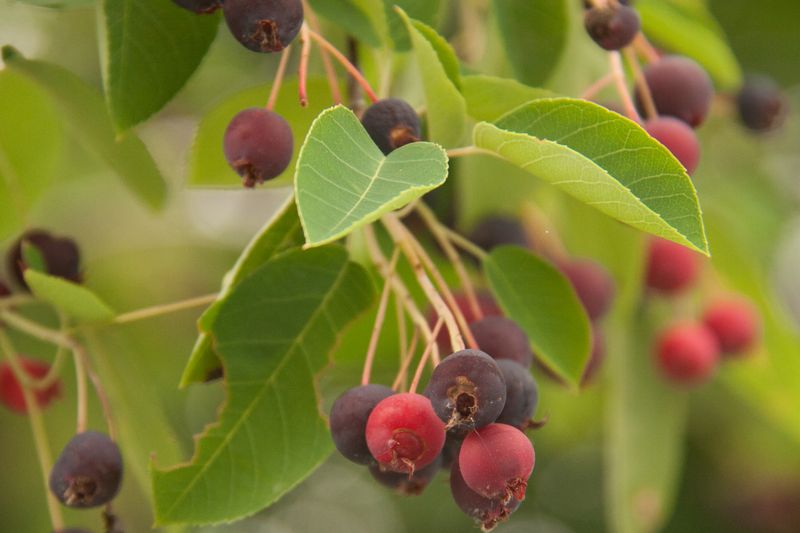
Before most other fruiting plants have even begun to bloom, Serviceberry is already ripening its small, blueberry-like fruit in late spring across Pennsylvania.
This timing makes it especially valuable because migrating songbirds passing through in May and early June need reliable food sources, and Serviceberry delivers right when the need is greatest.
Cedar waxwings, robins, catbirds, and scarlet tanagers are among the birds that show up quickly once the berries begin to color.
Serviceberry also supports caterpillars and other insects on its foliage, adding to its habitat value beyond just fruit production.
Birds that forage actively through its branches and around its base may encounter ticks incidentally while working through the leaf litter and low vegetation nearby.
That insect-foraging behavior is what makes native shrubs like this one more valuable than feeders, which offer seeds but no living insects or natural cover.
In Pennsylvania gardens, Serviceberry fits almost anywhere. It grows as a large multi-stemmed shrub or a small tree, making it adaptable to foundation borders, woodland edges, rain gardens, or mixed native shrub rows.
It handles full sun to part shade and tolerates a range of soil moisture conditions, including areas that stay a bit damp in spring.
The white spring flowers are a bonus, giving homeowners four-season interest from a plant that pulls real ecological weight in the yard from bloom through berry drop.
4. Flowering Dogwood Adds Berries And Branching Cover
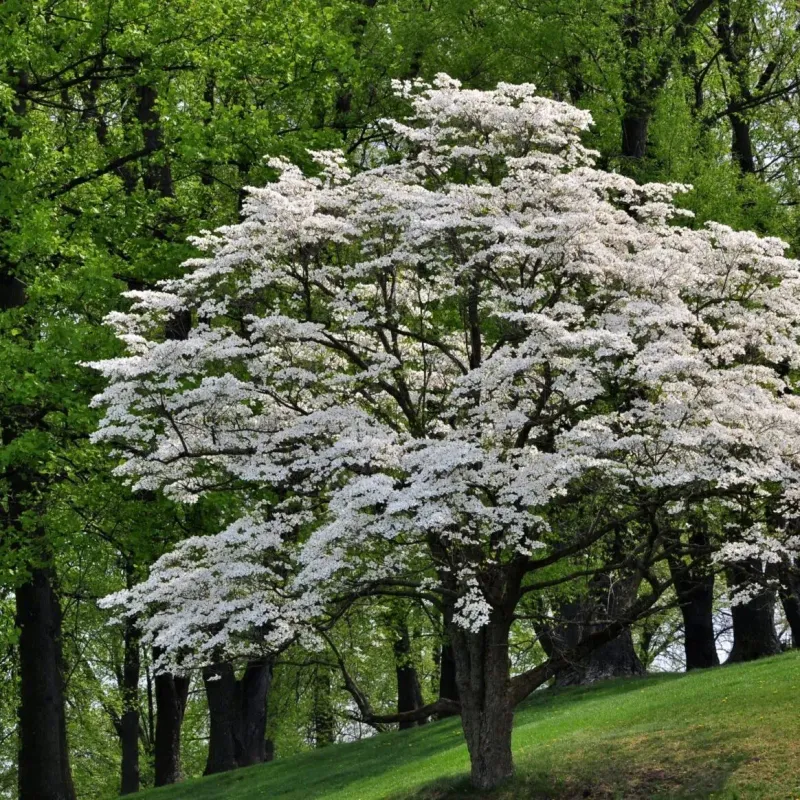
The layered, horizontal branching of Flowering Dogwood makes it one of the most bird-friendly small trees a Pennsylvania homeowner can add to a yard. Birds use those wide, spreading branches as perches, staging areas, and foraging spots throughout the year.
The structure alone gives the tree habitat value before you even consider its fruit, but the bright red berries that ripen in September and October are what really draw the crowds.
Robins, bluebirds, wood thrushes, and brown thrashers are among the birds that rely on Dogwood berries during fall migration.
The fruit is high in fat, which makes it especially useful for birds that need to build energy reserves before or during long flights south.
Birds foraging around the base of a Dogwood in leaf litter may also pick up ticks while searching for insects, though native plants like this one are best appreciated for their broader habitat contributions rather than any tick-reduction expectation.
Flowering Dogwood grows well in Pennsylvania under partial shade, which makes it a natural fit beneath taller oaks or along woodland edges where dappled light filters through.
It prefers moist, well-drained, slightly acidic soil and benefits from a layer of mulch around its base to keep roots cool during summer heat.
Homeowners in suburban yards often find it works beautifully as an understory tree near a patio or along a shaded fence line, where its spring flowers and fall berries offer year-round visual interest.
5. American Elderberry Feeds Many Backyard Birds
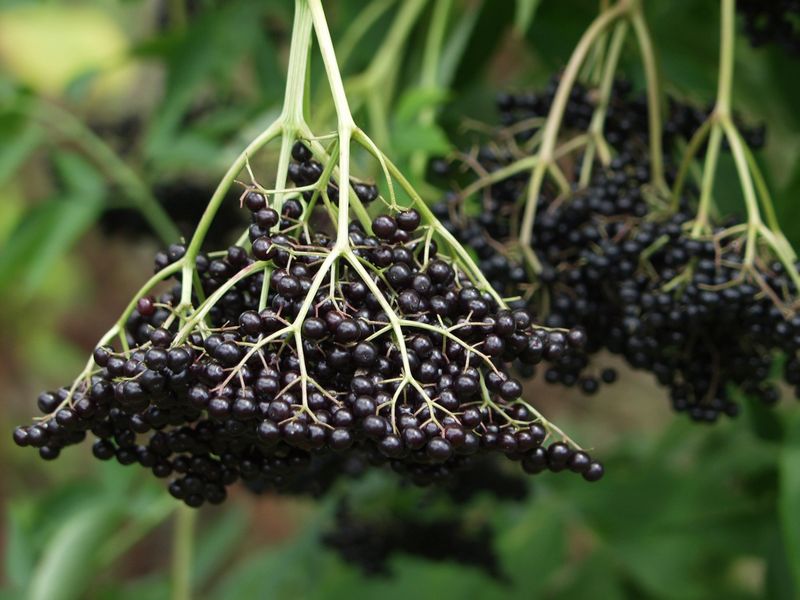
Elderberry earns its place in Pennsylvania wildlife gardens by producing one of the most bird-attractive fruit crops of any native shrub.
The heavy clusters of small, dark purple berries that ripen in late summer bring in an impressive range of species, including catbirds, red-eyed vireos, wood thrushes, rose-breasted grosbeaks, and many warblers passing through on fall migration.
Few other shrubs generate that kind of species diversity in such a short fruiting window.
Beyond fruit, American Elderberry supports insects on its foliage and stems, giving insect-foraging birds additional reasons to spend time in and around the plant.
Shrubs like this one that attract active foragers to their branches and the ground beneath them create conditions where birds may pick up ticks incidentally while hunting.
That said, these plants should be valued for their natural food and habitat contributions, not positioned as a method of tick management.
American Elderberry grows vigorously in Pennsylvania and adapts to a wide range of conditions, from moist low spots near rain gardens or stream edges to average garden borders in full sun.
It spreads by root suckers and can form a dense thicket over time, which actually adds nesting cover and shelter value for birds.
Homeowners who want a tidier look can trim it back in late winter without harming the plant. Planting two or more shrubs near each other tends to improve berry production and makes the fruiting display even more attractive to visiting birds.
6. Winterberry Holly Offers Cold-Season Berries
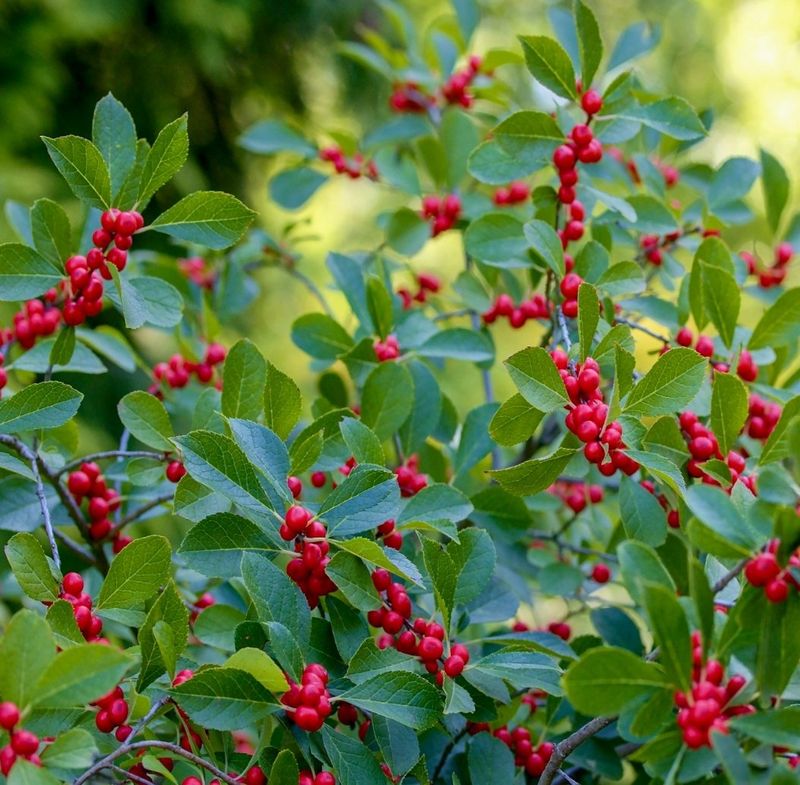
Once the leaves have dropped and the yard looks bare, Winterberry Holly steps in with one of the most vivid displays in the Pennsylvania native plant world.
The dense clusters of bright red berries that cling to bare stems through fall and into winter create a food source at exactly the time when natural resources are hardest to find.
Robins, cedar waxwings, bluebirds, and hermit thrushes are among the birds that return repeatedly to strip the berries during cold months.
That late-season availability is what sets Winterberry apart from plants that fruit earlier in the year.
By the time January arrives, many other native berries have already been consumed, and birds that overwinter in Pennsylvania need every reliable food source they can find.
A well-established Winterberry shrub can hold its fruit through multiple rounds of bird visits, making it a consistent cold-weather anchor in any native planting.
Winterberry Holly is native to Pennsylvania and naturally grows in moist to wet soils, making it a strong choice for low spots in the yard, rain garden edges, or areas near downspout drainage.
It grows in full sun to part shade and produces the heaviest berry crop in sunnier locations.
One important detail for homeowners is that Winterberry is dioecious, meaning you need both a male and a female plant nearby for the female to set fruit.
Checking with a local nursery about compatible male varieties before planting helps ensure a productive display.
7. Arrowwood Viburnum Supports Birds With Native Fruit
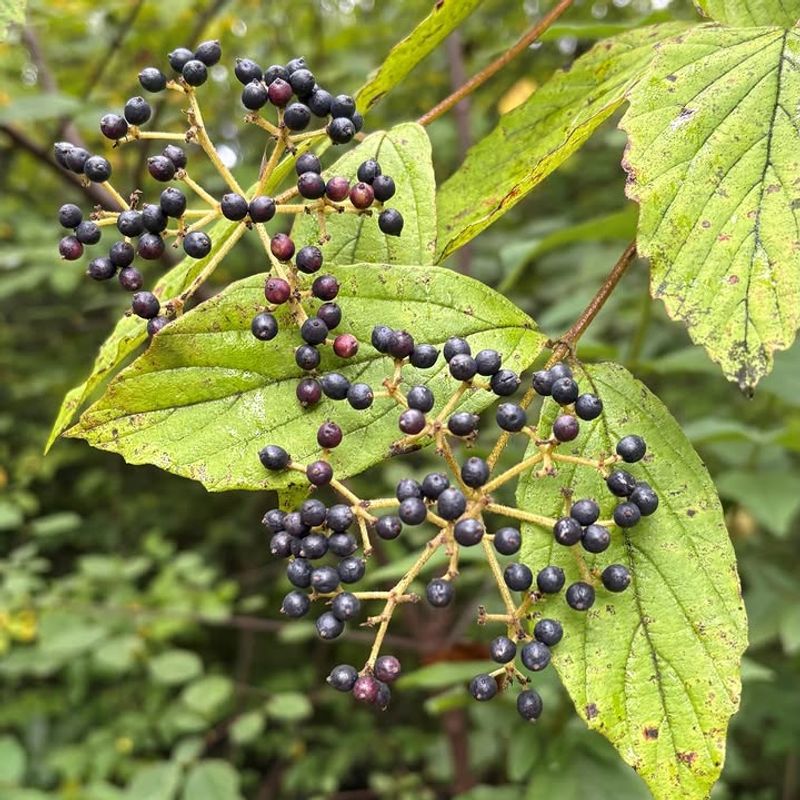
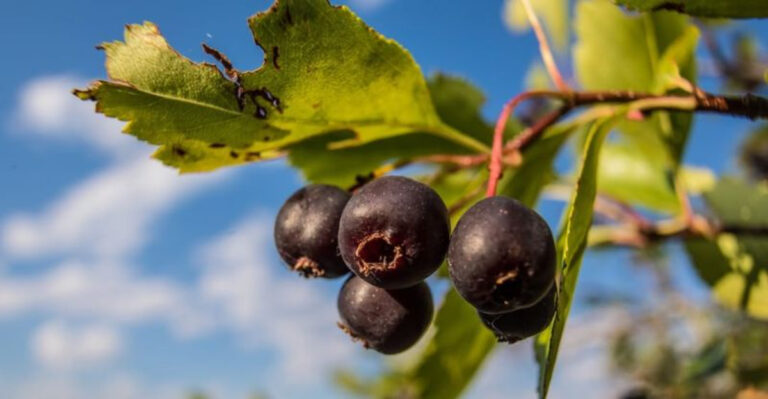
Tucked along a fence line or at the edge of a mixed shrub border, Arrowwood Viburnum tends to go unnoticed until late summer, when its clusters of blue-black berries ripen and bird activity picks up noticeably.
Catbirds, bluebirds, robins, and wood thrushes are drawn to the fruit, and the dense, multi-stemmed structure of the shrub also provides cover and nesting sites that keep birds returning even outside of fruiting season.
Arrowwood supports native insects on its foliage as well, adding to the habitat value it brings to a Pennsylvania yard.
Insect-foraging birds working through its branches or around its base in leaf litter may encounter ticks while hunting, though that is a secondary benefit rather than a reliable outcome worth planting around.
This shrub, like all native plants, is best appreciated for its broader role in supporting bird habitat, seasonal food sources, and a healthier overall garden ecosystem.
One of the practical strengths of Arrowwood Viburnum is its adaptability. It tolerates a wide range of Pennsylvania soil conditions, including clay-heavy soils that challenge many other native shrubs.
It grows in full sun to full shade, making it one of the more flexible options for homeowners dealing with shaded yard edges or mixed-light borders. It also handles moderate drought once established, which reduces the maintenance burden for busy gardeners.
Arrowwood typically reaches six to ten feet tall and wide, so giving it room to spread naturally keeps it looking its best without heavy pruning.
Planting it in groups creates a more effective wildlife corridor through the yard.
8. Highbush Blueberry Brings Berries And Habitat Value
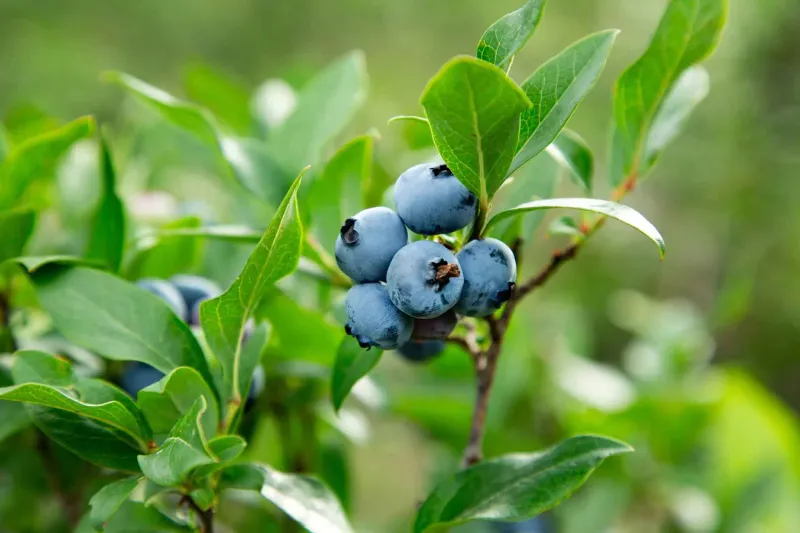
Gardeners who plant Highbush Blueberry for their own harvest quickly discover they are sharing the crop with a long list of enthusiastic bird visitors.
Catbirds, thrashers, bluebirds, and orioles are among the many species that target the berries as they ripen through June and July in Pennsylvania.
The shrub’s dense branching also makes it useful as nesting cover, and birds that nest nearby tend to forage actively in and around the planting throughout the season.
Beyond the berries, Highbush Blueberry supports native bees and other insects that visit its flowers in early spring, and its foliage hosts caterpillars and small insects that insect-foraging birds seek out.
Birds moving through the shrub and working around its base in mulched or leafy soil may encounter ticks incidentally while foraging for insects and other small prey.
That kind of natural activity reinforces the broader point that native plantings contribute to a livelier, more ecologically connected yard in ways that a seed feeder alone simply cannot replicate.
Highbush Blueberry grows well in Pennsylvania’s acidic soils and prefers full sun for the best fruit production, though it tolerates light shade.
It needs consistent moisture, especially during its first few seasons, and benefits from acidic mulch like pine bark or wood chips to keep the root zone cool and moist.
Planting at least two different varieties improves cross-pollination and berry yield. At six to twelve feet tall depending on the cultivar, it works well in a shrub border, along a sunny fence line, or grouped as a wildlife-focused hedge.