These Are The Signs Fire Ants Have Made Your West Virginia Yard Their Home
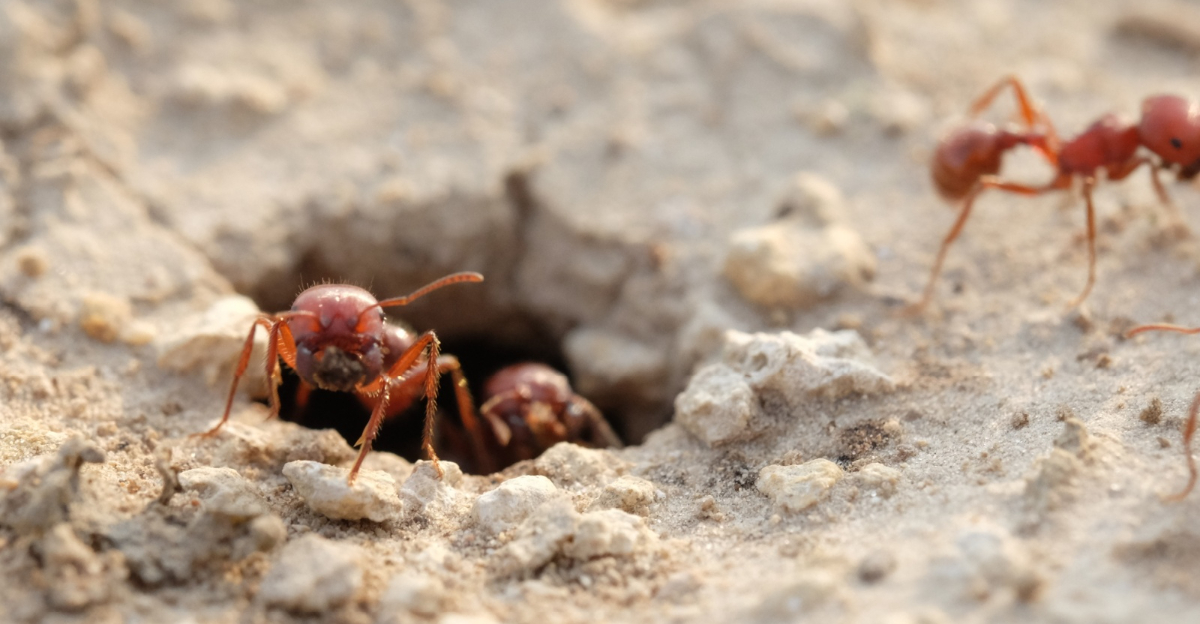
Fire ants are not a lawn problem. They are a takeover. In West Virginia, these insects move with the quiet efficiency of a military operation, and by the time you spot the first mound, the colony beneath it has already been running for weeks.
West Virginia yards offer the perfect conditions for this, and most homeowners don’t realize it until it’s too late.
Thousands of workers, one queen, and a tunnel system spreading in every direction right under your feet. The sting is what people remember.
What they forget is everything that came before it. The small, easy-to-miss signals hiding in plain sight long before your foot finds a mound.
A disturbed patch of soil. A trail moving with unusual purpose. A soft spot near the flowerbed that wasn’t there last week.
Learning to read those signals matters more than any treatment plan, because the best time to deal with fire ants is before you fully understand how bad things already are.
1. Dome-Shaped Mounds Appearing Overnight
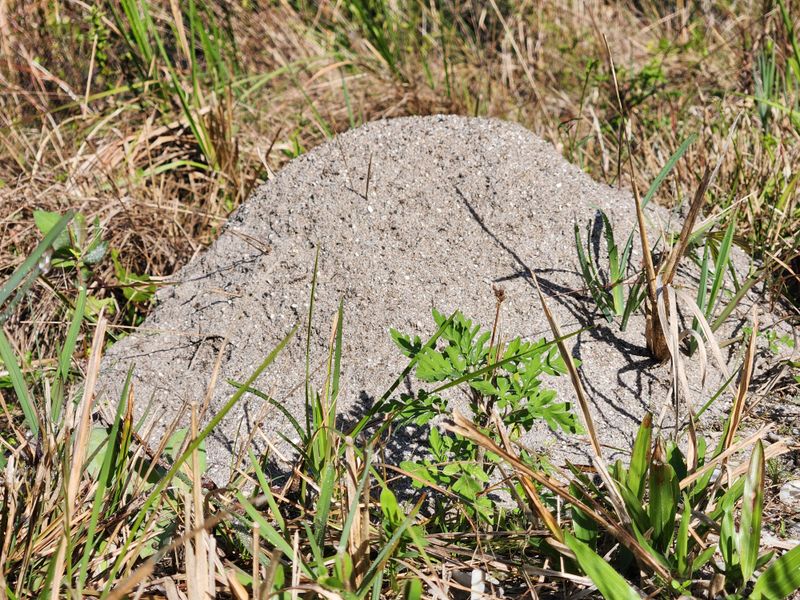
Nothing ruins a morning coffee stroll quite like spotting a fresh dirt dome in your yard. Fire ants are master builders, and their mounds seem to appear out of nowhere, especially after warm nights.
The classic fire ant mound is dome-shaped and can range from a few inches to over a foot tall. Unlike other ant hills, these mounds have no visible entry hole at the top.
The ants enter from underground tunnels on the sides. You might notice the soil around the mound looks loose and fluffy, almost like someone sifted it. That texture is a big clue you are dealing with fire ants and not another species.
Mounds tend to pop up in open, sunny spots like lawns, garden beds, and along sidewalk edges. They love areas with plenty of warmth and moisture just beneath the surface.
If you see one mound, start looking around, there are likely more nearby. A single colony can produce multiple mounds across a large stretch of yard.
Poking or disturbing a mound will trigger an instant, aggressive response from thousands of workers. That reaction alone is a strong sign these are fire ants and not a more passive species.
Spotting mounds early gives you the best chance of managing the problem before it spreads. The signs fire ants have arrived are written right there in the dirt, you just have to know what to look for.
2. Warm Temperatures Trigger Mass Egg-Laying
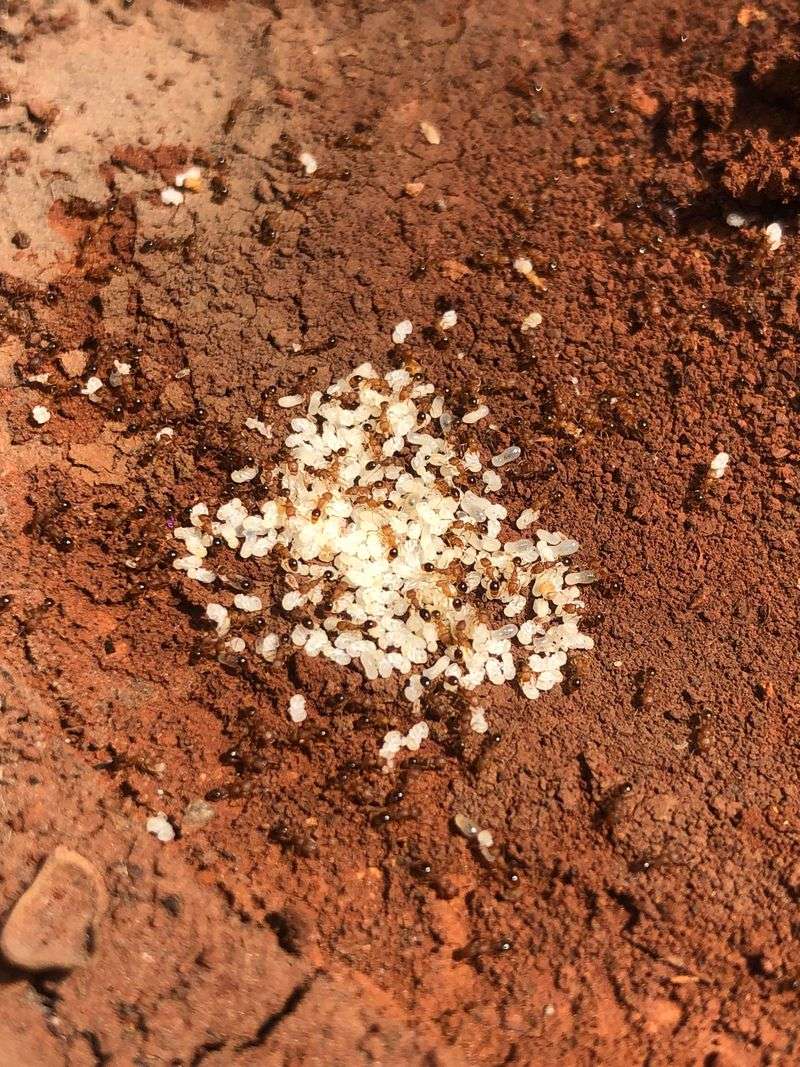
Summer heat does not slow fire ants down. It accelerates their activity significantly. When temperatures climb above 70 degrees Fahrenheit, queen ants increase egg-laying significantly and begin expanding the colony at a rapid pace.
A single queen can lay up to 1,500 eggs per day during peak warm months. That number is not a typo. It means a colony can grow from a few hundred ants to tens of thousands in just weeks.
Warm soil acts like an incubator, speeding up the development of eggs into workers. The faster the eggs hatch, the faster the colony expands across your yard.
Your West Virginia Garden Changes Every Week. Your Plan Should Too.
Gardening in West Virginia changes quickly throughout the season. Every Friday you’ll receive a simple weekly plan showing exactly what to plant, prune, fertilize, harvest, and protect so you never miss the right timing.
You might notice more mound activity during heat waves or right after a string of hot days. That timing is not a coincidence. It matches perfectly with the queen’s egg-laying surge.
Spring and early summer are the most dangerous seasons for rapid colony growth. In West Virginia, homeowners who ignore small mounds in April often face an established infestation by June.
The connection between heat and reproduction explains why fire ant problems multiply in the South and Southeast.
West Virginia sits in a zone where mild winters mean queens never fully slow down, giving colonies a head start that compounds with every warm season.
Keeping an eye on your yard when temperatures rise is one of the smartest moves you can make.
West Virginia homeowners who catch a growing colony early, before the egg-laying ramps up fully, find the whole situation much easier to manage.
3. Overcrowded Colonies Split Through Budding

When a fire ant colony gets too crowded, it does not just stay put and deal with it. Instead, it splits a process called budding, and suddenly you have two problems where you once had one.
Budding happens when a group of workers escorts one or more queens away from the original colony to form a brand-new settlement. This can happen quietly underground, with no obvious warning signs above the surface.
You might notice a new mound appearing close to an older one, sometimes just a few feet away. That proximity is a strong indicator that budding has occurred rather than a fresh infestation from outside.
Unlike swarming, which involves flying ants, budding is a ground-level migration that spreads colonies slowly but steadily. It is one of the main reasons fire ant populations are so difficult to eliminate once established.
A yard that starts with one mound can have five or six within a single season through budding alone. Each new mound represents a fully functioning colony capable of its own future splits.
Treating only the visible mounds without addressing the underground network is like patching one hole in a leaky bucket. The colony simply reroutes and starts fresh somewhere nearby.
Understanding budding helps explain why fire ant problems seem to multiply no matter what you do.
Spotting clusters of mounds close together is one of the clearest signs this splitting behavior is already underway in your yard.
4. Heavy Rainfall Forces Colonies To Surface

A heavy rainstorm might feel like relief on a hot day, but for fire ants, it is a serious survival threat. When water floods their underground tunnels, the entire colony rushes to the surface in a matter of minutes.
Fire ants have a remarkable trick for surviving floods. They link their bodies together to form a living raft.
This floating mass can drift on water for days until it reaches dry land and starts a new settlement.
After a big rain, check your yard carefully before walking through wet grass. A cluster of ants moving in a tight, frantic mass near the surface is a major warning sign.
Flooded colonies often relocate to higher ground, which can mean your garden beds, raised landscaping, or even your porch steps. Any elevated dry spot becomes a prime target for a colony on the move.
The surge of surface activity after rain is one of the most visible signs fire ants are living in your yard. Spotting them during or right after a storm gives you a rare window to see exactly where they are concentrated.
Wet conditions also make mounds look different. The soil darkens and flattens, making domes harder to spot.
Knowing to look for ant movement rather than mound shape after rain is a useful shift in strategy.
Post-storm yard checks should become a regular habit if you live in a region prone to fire ant activity. Catching a displaced colony before it settles into a new spot can prevent weeks of future headaches.
5. Contact Sprays Scatter Colonies Into Multiples

Grabbing a can of bug spray and dousing a fire ant mound feels satisfying, but it often makes the problem worse. Contact sprays alarm the colony and trigger a rapid escape response that splits them into several smaller groups.
Each group that escapes takes workers and, sometimes, a queen with them. Within days, those scattered groups establish new mounds in different parts of your yard.
This scattering effect is one of the most common reasons homeowners feel like their fire ant problem is multiplying after treatment. The spray did not eliminate the colony, it just rearranged it.
Baits and slow-acting treatments are generally more effective because workers carry the product back into the colony before any alarm is triggered. The colony does not scatter because it does not sense immediate danger.
If you have recently used a contact spray and now see more mounds than before, scattering is likely the culprit. That pattern is one of the clearest signs fire ants have adapted to your treatment attempts.
Pest control professionals often warn against aggressive surface sprays for exactly this reason. What feels like an aggressive solution can actually give the colony more real estate across your property.
Switching to a bait-based approach after a contact spray can help recapture the scattered workers. Patience is a big part of fire ant management, slow and steady treatments tend to win this particular battle.
6. Newly Mated Queens Repeatedly Recolonize Yards
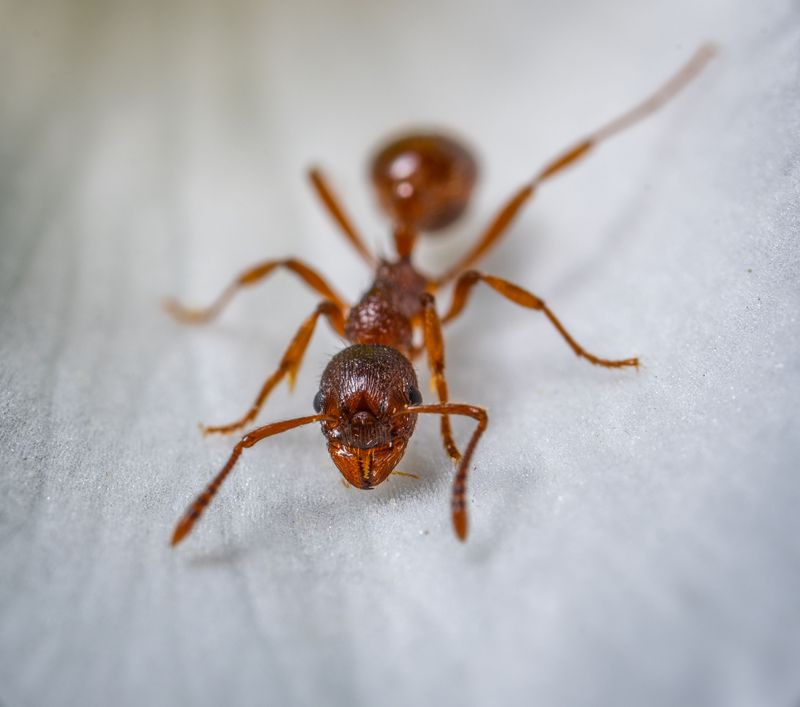
Even if you wipe out every mound in your yard, new queens can fly in and start fresh colonies within days. Fire ant queens mate during flight swarms, then land and begin building a new colony entirely on their own.
A newly mated queen sheds her wings after landing and immediately starts digging. She lays her first batch of eggs within hours, launching a colony that can number in the hundreds within weeks.
These recolonization events are one of the reasons fire ant infestations can seem difficult to resolve permanently. You treat, you wait, and then new mounds appear, not from survivors, but from fresh arrivals.
Mating flights typically happen in warm, humid conditions, often in late spring or early fall. After a flight event, neighborhoods can see a wave of new mounds appearing almost simultaneously across multiple yards.
You might notice a small, shallow mound with very few ants and no clear dome shape. That is often the starting point of a newly established colony, small now, but growing fast.
Recognizing these early-stage mounds is crucial for stopping a colony before it gains momentum. Treating a brand-new colony is far easier than dealing with a mature one with thousands of workers.
The signs fire ants are recolonizing your yard are easy to miss if you do not know what a starter mound looks like.
Staying alert after warm weather events is the best way to catch these new arrivals before they take hold.
7. Multiple Queens Per Colony Multiply Mounds Fast

Most people imagine an ant colony with a single queen in charge. Many fire ant colonies, especially in the United States, have multiple queens, sometimes dozens, all laying eggs at once.
This multi-queen structure, called polygyne, is one of the reasons fire ant populations can grow so rapidly. More queens means more eggs, more workers, and more mounds appearing across your property in a short time.
Polygyne colonies are also harder to eliminate because removing one queen does not stop reproduction. The remaining queens simply pick up the pace, and the colony recovers faster than you might expect.
You can sometimes identify a polygyne colony by the sheer density of mounds in a small area. A yard with ten or fifteen mounds clustered together is a strong sign of a multi-queen situation.
These colonies also tend to be less aggressive than single-queen colonies, which can make them harder to detect. Workers may not boil out of the mound as quickly, giving you less obvious warning when you get too close.
The calmer behavior is deceptive, a polygyne colony is not less dangerous, just less reactive. The sting is just as painful, and the population is often much larger than a single-queen colony of the same mound size.
Knowing whether you are dealing with a polygyne colony helps you choose the right treatment strategy. Standard mound treatments may need to be applied more broadly and more consistently to make a real difference.
8. Lawn Disturbances Cause Colonies To Relocate

Mowing your lawn feels like a normal weekend chore until you accidentally run over a fire ant mound. The vibration and disruption send thousands of workers into emergency mode within seconds.
When a colony senses a major disturbance, it does not always fight back immediately. Sometimes it chooses to relocate, quietly moving the queen and eggs to a safer spot nearby.
This relocation habit explains why mounds seem to shift around your yard over time. You treat one area, the colony moves, and a new mound shows up twenty feet away a week later.
Common disturbances that trigger relocation include digging, heavy foot traffic, garden tilling, and even repeated mowing in the same area. Any activity that shakes the ground near a mound can prompt a move.
In West Virginia, watching where new mounds appear after yard work gives you a useful map of colony movement. Tracking that pattern helps you stay one step ahead instead of constantly reacting to new locations.
Some West Virginia homeowners unknowingly relocate colonies every time they mow without following up with treatment.
The ants simply shift a few feet, rebuild, and the cycle starts over the following weekend. Combining disturbance awareness with a consistent treatment plan breaks that frustrating cycle.
Mounds that keep shifting after yard work are not a new problem. They are the same problem moving. Treat the pattern, not just the location.