These Are the Steps to Save Your Garden Before Connecticut’s First Hard Freeze
November in Connecticut is a waiting game. The first frost has already come and gone in many towns, and a mild stretch may have convinced you the season is still going. Kale looks great, a few peppers are still hanging on, and the basil somehow survived.
A hard freeze, meaning temperatures of 28°F or lower for several hours, changes that. It harms the cells in tender plants, softens basil and squash overnight, and freezes the top layer of soil and any water left in your hoses.
Most gardeners only notice after the damage is done. These steps work together, in order, before the freeze arrives and after it passes.
Some take only minutes. Others are best done a day ahead. Together, they help your garden settle into winter calmly. Check your Connecticut forecast and begin when the cold gets close.
1. Water the Soil Deeply a Day Before the Freeze
It sounds backwards, but moist soil protects better than dry soil. Wet soil holds heat. It releases that warmth slowly through the night. Dry soil loses its heat quickly, and the cold reaches deeper into the root zone.
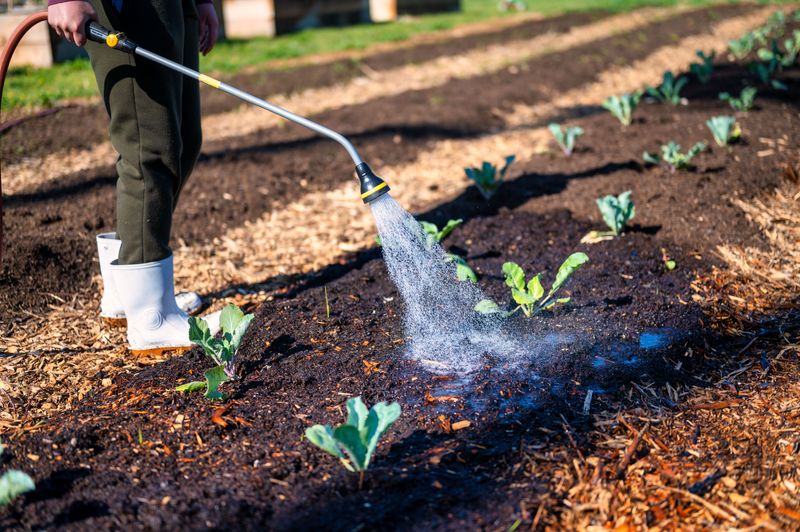
Water the day before a freeze is forecast. Morning or early afternoon is the best time. That gives the moisture time to soak in and the leaves time to dry before dark. Wet leaves at sundown can freeze and stress the plant, so avoid watering in the evening.
Use a soaker hose or a slow trickle from the hose. A slow flow lets water sink down instead of running off.
Aim for dampness about 6 inches deep. That is where most roots live. Check your work with a simple test. Press two fingers into the soil.
If you feel moisture only 3 inches down, keep watering a while longer. A soil probe or a small trowel works well too.
Sandy soil drains fast. It may need a second round of watering. Clay soil holds water longer, so go slowly to avoid puddles.
Containers and raised beds dry out sooner than ground beds. Give them a little extra attention. Fall greens will also appreciate a good drink.
Do not water frozen ground, and do not overdo it. You want the soil damp, not soggy. A deep, steady soaking one day ahead is all it takes.
This one step costs nothing and helps every plant in your garden. Protecting your garden when Connecticut hits its first hard freeze starts with water.
2. Mulch Beds 3 to 4 Inches Deep
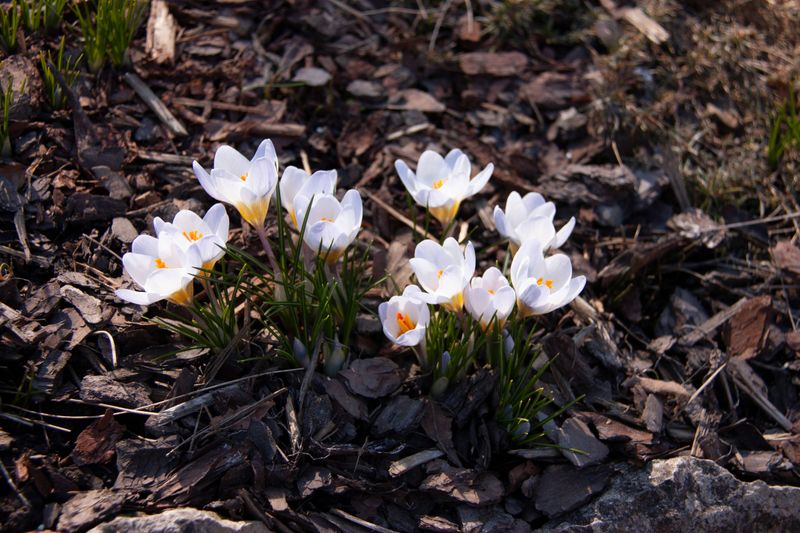
Mulch works as a warm blanket in winter, just as it works as a cool cover in summer. A layer 3 to 4 inches deep keeps soil temperatures steady.
It slows the swings between warm afternoons and cold nights. Those swings can be hard on roots and young perennials.
Straw, shredded leaves, and wood chips are all good choices. Shredded leaves are free and easy to find this time of year.
Rake them up, run the mower over them, and spread them around your plants. They break down slowly and feed the soil as they go.
Apply mulch in a ring around each plant. Keep it about an inch away from stems and crowns. Mulch piled against a stem holds too much moisture. That can leave plants soft and prone to disease.
Garlic beds love a thick layer of straw. So do strawberries, carrots, and beets. Perennials such as lavender and hardy herbs also benefit from a light covering.
If you spread mulch last spring, it has likely thinned out by now. Top it off before the cold arrives. A thin half inch will not do much when the temperature drops into the 20s.
Mulch also keeps weeds down and helps hold moisture all winter long. In spring, you can pull it back to let the soil warm up.
One more tip is to mulch after a good watering. That way the soil stays damp and warm underneath. Mulch is one of the easiest ways to look after your garden in November.
3. Cover Tender Plants Before Sundown
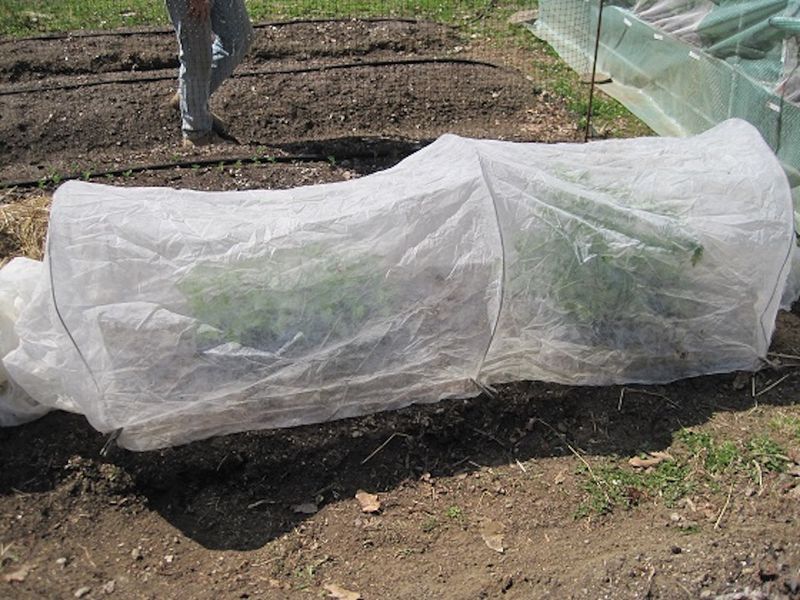
Frost cloth is the winter partner of shade cloth. It is a light fabric that holds in the warmth rising from the soil.
It can add several degrees of protection on a cold night. That small boost is often all a plant needs.
Look for products labeled frost cloth, row cover, or garden fleece. They let light, air, and water pass through. That makes them gentle on plants.
Set up hoops or stakes first. Then drape the fabric over the top so it does not rest on the leaves. Fabric that touches foliage can pass the cold straight through. A little space makes a big difference.
Secure the edges with soil, bricks, or garden staples. Wind can lift loose fabric and let the warm air escape. Closing the edges to the ground traps the heat where plants need it. Cover plants in the late afternoon. By then the soil has stored the day’s warmth.
Remove the cover the next morning once temperatures rise above freezing. Old bedsheets, light blankets, and burlap work well in a pinch. Avoid solid plastic sheeting touching the leaves.
Plastic does not breathe and can hold in moisture. Frost cloth works well down into the upper 20s. If your forecast calls for the teens, add a second layer or use a taller frame.
Tomatoes, peppers, and late greens benefit most. Lettuce, spinach, and chard will appreciate the cover too. Keep the cloth dry and stored for next fall. It can be used for many seasons.
4. Move Containers Indoors or to Shelter
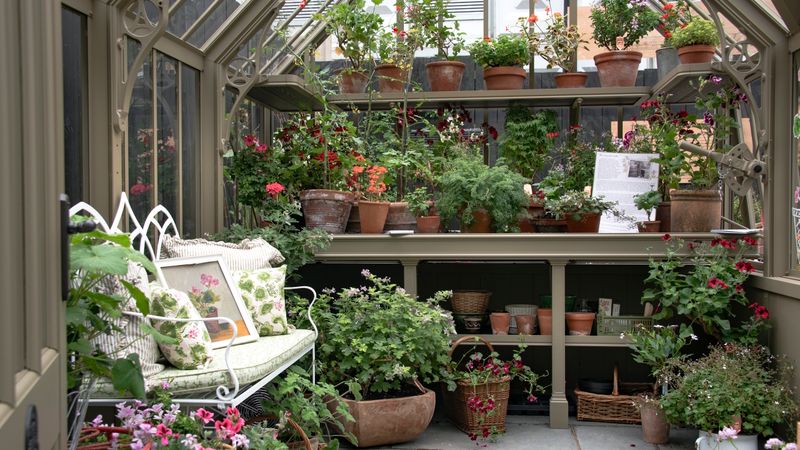
Potted plants feel the cold more than plants in the ground. The soil in a pot is exposed on every side.
Cold air reaches the roots from the top, the sides, and the bottom. In the ground, the surrounding earth acts like a gentle shield.
Bring tender plants indoors before the freeze. Herbs, geraniums, citrus, succulents, and houseplants that spent the summer outside should come in first.
A garage, enclosed porch, or sunny room works well. Check plants for tiny insects before you carry them inside. Give the leaves a gentle rinse with the hose.
That helps keep your houseplants happy and reduces the chance of bringing pests indoors. Some pots are too large or heavy to move. For these, group them together against the south-facing wall of your house.
The wall holds warmth from the sun and shelters them from wind. Wrap the pots in burlap, bubble wrap, or old blankets for extra care.
Hardy plants such as mums, pansies, and ornamental kale can usually stay outside. They handle the cold well. A little extra mulch on top of the soil will help them along.
Water containers lightly before the freeze. Damp potting mix holds heat better than dry mix. Do not leave pots sitting in a saucer of water, though. Water that freezes can strain a ceramic pot.
A wheeled plant caddy makes this job so much easier. It saves your back and gets plants to shelter in minutes.
Protecting your garden when Connecticut hits its first hard freeze means giving containers a little extra care.
5. Harvest Tender Crops Before the Freeze
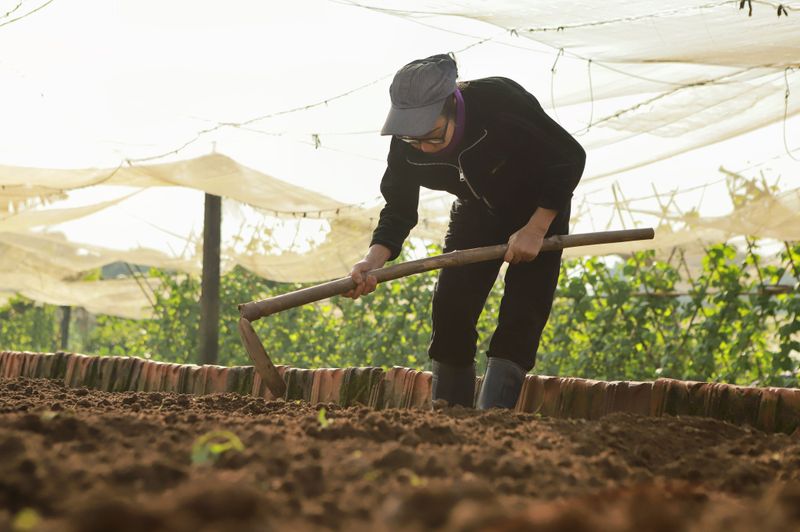
Warm-season crops have no natural defense against a hard freeze. Once the temperature drops to 32 degrees or below, they can lose their leaves and fruit quickly.
The best plan is to pick everything you want before the cold arrives. Basil should come in first. It is sensitive to cold, even above freezing.
Bring it in when nighttime temperatures head toward 40 degrees. Use it fresh, or make pesto and freeze it in small trays.
Peppers, eggplant, cucumbers, summer squash, and beans should be picked now. Small or unripe fruit is still useful.
Peppers can be eaten green. Small squash taste great roasted. Green tomatoes can finish ripening indoors. Choose mature ones that are full size and pale green.
Place them in a single layer on a counter, or in a paper bag. Check them every few days. You can also use the firm green ones for chutney or fried green tomatoes.
Hardy crops are a different story. Kale, collards, Brussels sprouts, carrots, parsnips, and leeks handle the cold well.
Many of them taste sweeter after a frost. Leave them in the garden and pick as you need them. Harvesting early is not giving up. It is smart gardening. You protect the food you grew and enjoy it at its best.
Clear out finished plants after harvest. That makes space for garlic, which can be planted while the ground is still workable.
Protecting your garden when Connecticut hits its first hard freeze sometimes means knowing when to pick.
6. Skip Fertilizing, Pruning, and Transplanting
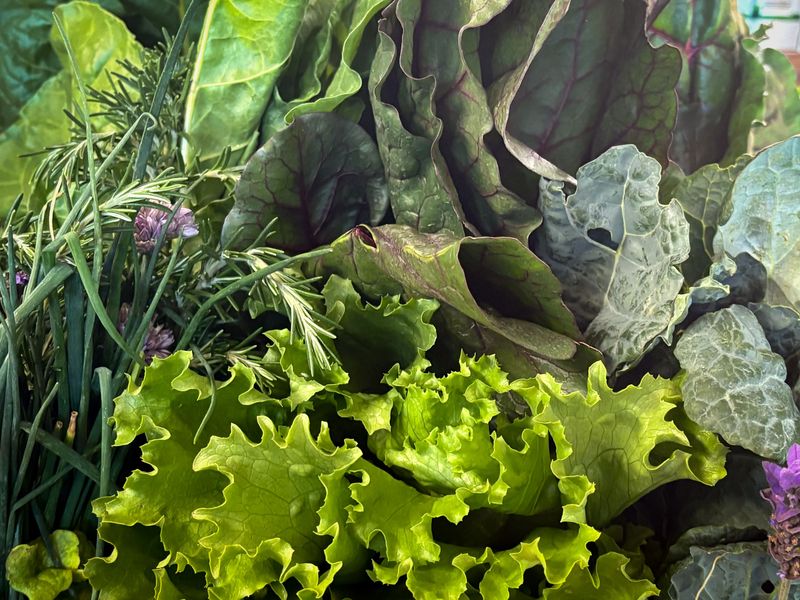
A hard freeze is not the time to ask more of your garden. Fertilizing, pruning, and transplanting all encourage plants to grow.
Growth is the last thing they need right now. Plants are slowing down and getting ready for rest.
Fertilizer, especially nitrogen-rich fertilizer, prompts soft new shoots. Those tender shoots are the first to feel the cold.
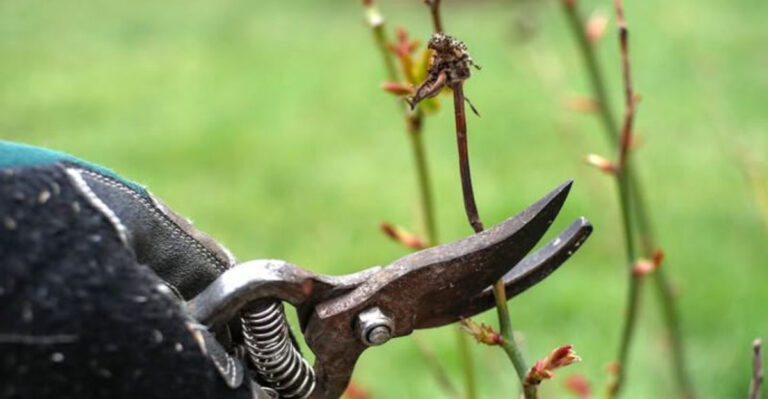
Established growth has had time to toughen up. It is much better prepared. Pruning opens small cuts on stems and branches. In cool weather, those cuts heal slowly.
A freeze can stress the open areas. Wait until late winter, when plants are fully dormant, to prune most shrubs and trees.
The same goes for perennials. Leave stems and seed heads standing for now. They shelter the crowns of the plants. They also give birds a snack and give helpful insects a cozy place to overwinter. You can tidy up in early spring.
Transplanting needs time for roots to settle in. A plant moved just before a freeze has very little time to do that. It also needs more water than usual. If you must move something, do it well before the cold. Water it in and add a layer of mulch.
Spring bulbs are the happy exception. Tulips and daffodils can still go into the ground while it is workable. Plant them, water them, and mulch lightly. Let your garden rest. Sometimes the kindest action is no action at all.
7. Drain Hoses and Shut Off Outdoor Spigots
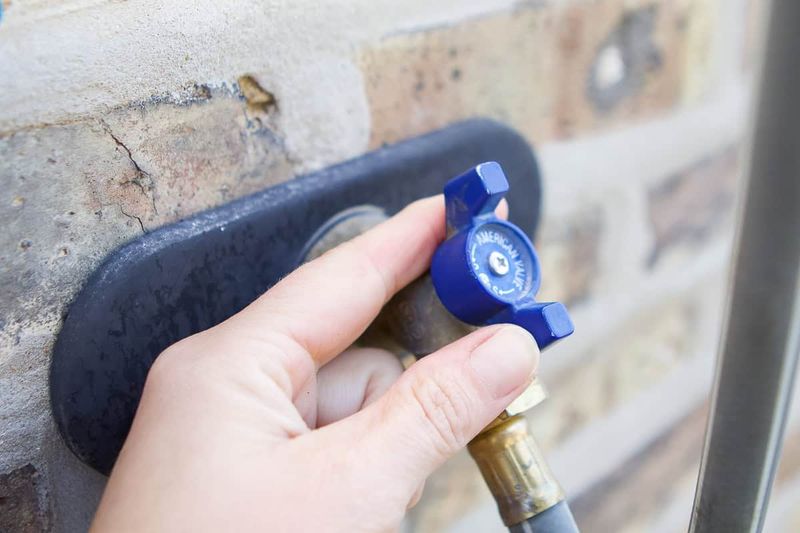
This step has no summer version, and it is the one that saves the most money. Water left in hoses, drip lines, and outdoor faucets expands when it freezes.
That can stress pipes and fittings, and a repair in January is no fun. Start with the hoses. Disconnect each one from the spigot.
Lift them and let the water run out. Then coil them loosely and store them in a garage or shed. Hoses left connected can hold water inside the faucet.
Next, turn off the water to your outdoor spigots. Look for a shut-off valve inside the house, often in the basement or crawl space.
Turn it off. Then open the outdoor spigot to let any remaining water drain out. Leave it open for the winter.
Frost-free spigots help, but only when the hose is removed. A hose left attached can still trap water.
Drip irrigation systems need attention too. Drain the lines and remove any timers or filters. Bring the timer indoors so the battery and screen stay safe.
Rain barrels should be emptied or lowered to a safe level. Leave the spigot open. Turn the barrel on its side or cover it for the season.
Watering cans, buckets, and sprayers should be emptied and stored upside down. Water that freezes inside can strain plastic. This takes about thirty minutes. It protects your home, your tools, and your wallet. It is a simple job with a big payoff.
8. Check the Forecast and Soil Daily
Connecticut does not freeze all at once. The shoreline can stay several degrees warmer than the hills of the northwest corner.
A single town can vary with elevation and wind. Because of that, a calendar date is not a good guide. Make the forecast part of your evening routine. Look at tomorrow’s overnight low.
If it is 32 degrees or below, a frost or freeze is likely. If it is 28 degrees or below, a hard freeze is possible. That is your cue to run through the steps above.
The National Weather Service posts frost and freeze alerts only during the local growing season, so by mid-November it is best to check your local forecast for overnight lows. A weather app on your phone can send a notice.
It takes a minute to set up. In the morning, walk through the garden. Look at your covered plants first. Leave the cover in place until the frost melts. Then lift it off so plants get light and air.
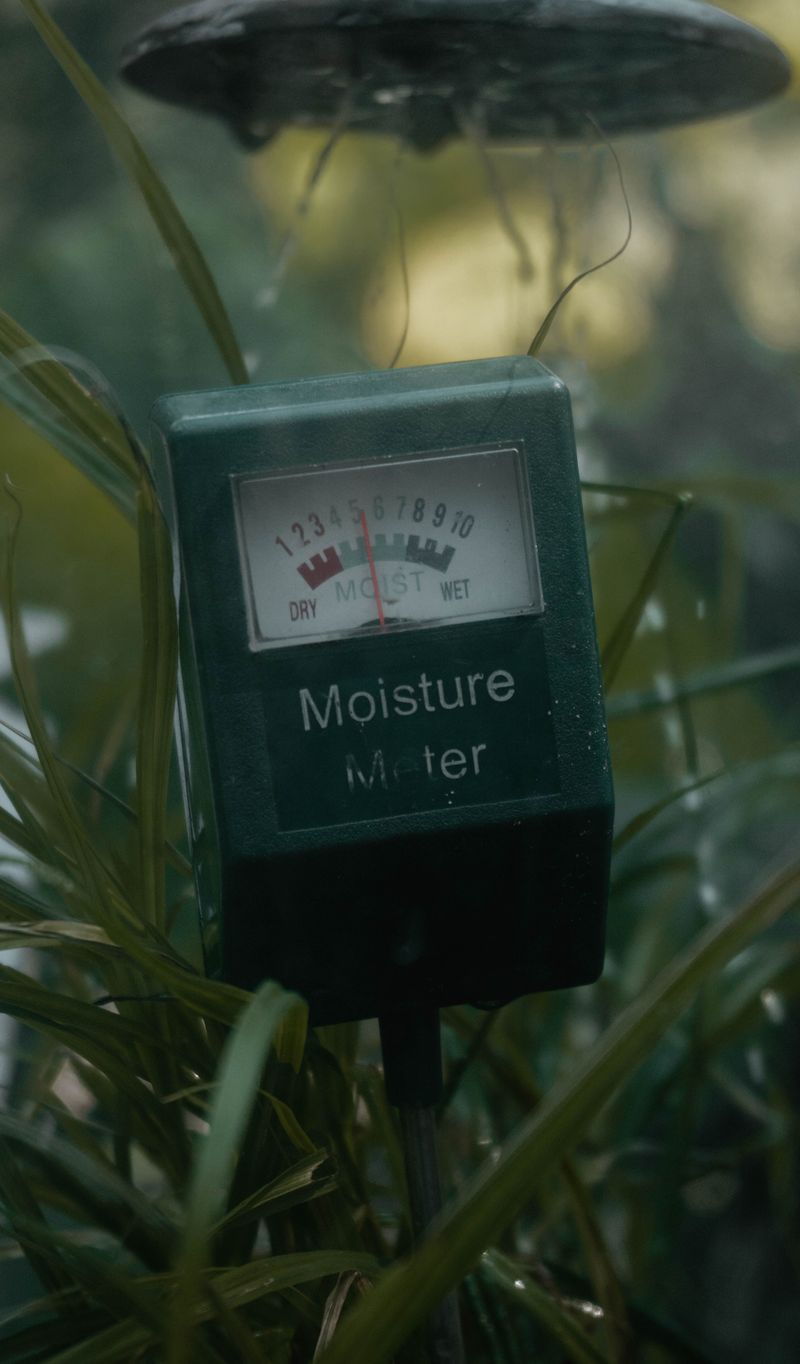
Check the soil with your fingers or a probe. If it is still frozen, wait to water. Water once the ground softens, and only if it feels dry. Plants in winter need far less water than in summer.
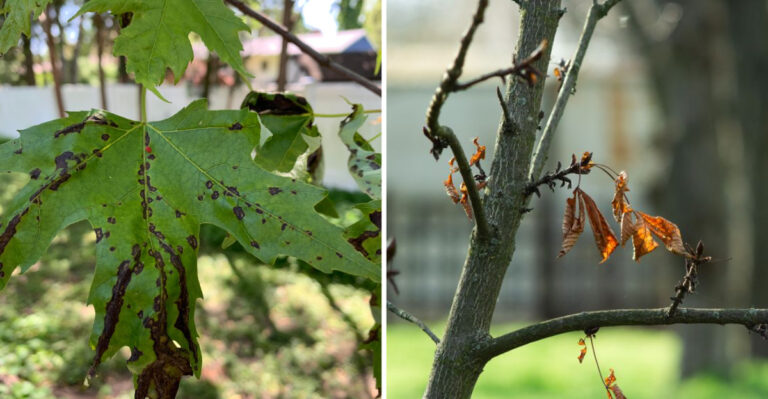
Check containers and tender plants too. Look for leaves that look dark or soft. Trim those back gently once the weather settles.
Keep a notebook with the dates of your first frost and your first hard freeze. Over the years, it becomes a personal guide for your own garden.
Protecting your garden when Connecticut hits its first hard freeze ends with this simple, daily act of attention.