How To Revive Heat-Damaged St. Augustine Grass In Texas Before It Gets Worse
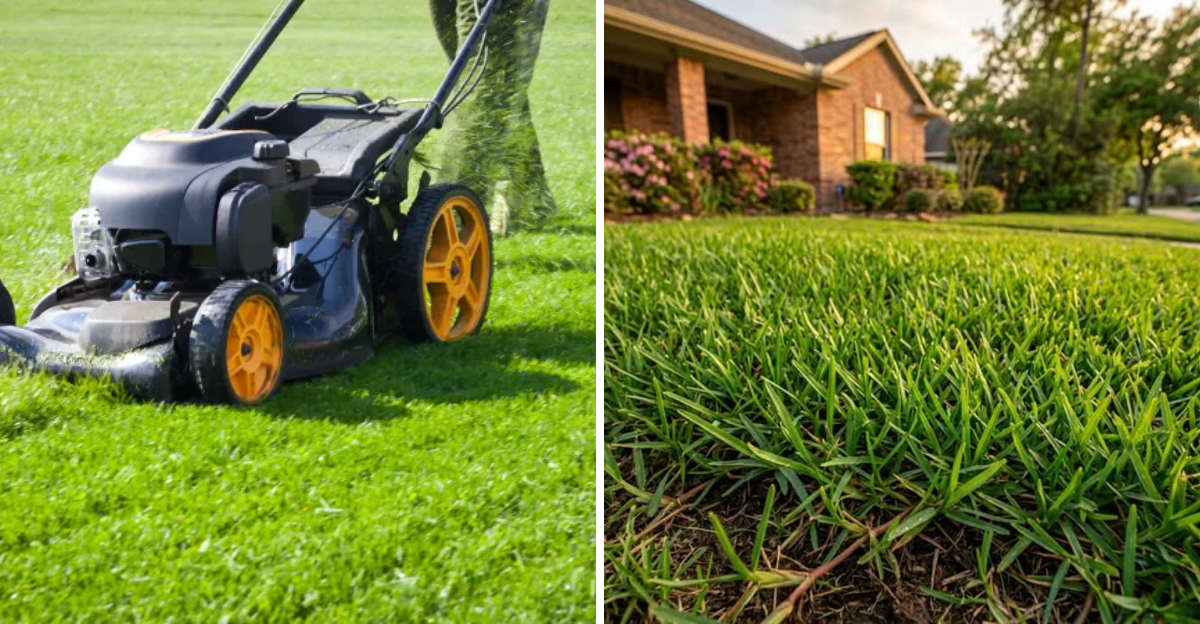
St. Augustine grass is supposed to be one of the tougher choices for a Texas lawn. And for most of the year it lives up to that reputation.
But when the summer heat really digs in and the temperatures refuse to drop, even St. Augustine has its limits. Brown patches start appearing.
The grass thins out. What used to be a lush green lawn starts looking tired and defeated, and it can happen faster than most homeowners expect.
The good news is that heat damaged St. Augustine grass is not always a lost cause. Catch it early enough and take the right steps, and there’s a very real chance of bringing your lawn back before the damage becomes permanent.
But timing matters. Every day you wait gives the problem more opportunity to spread and deepen, making recovery harder and more expensive down the road.
If your St. Augustine lawn is showing signs of heat stress right now, this is exactly what you need to read. Here’s how to assess the damage and start turning things around before it gets any worse.
1. Deep Watering
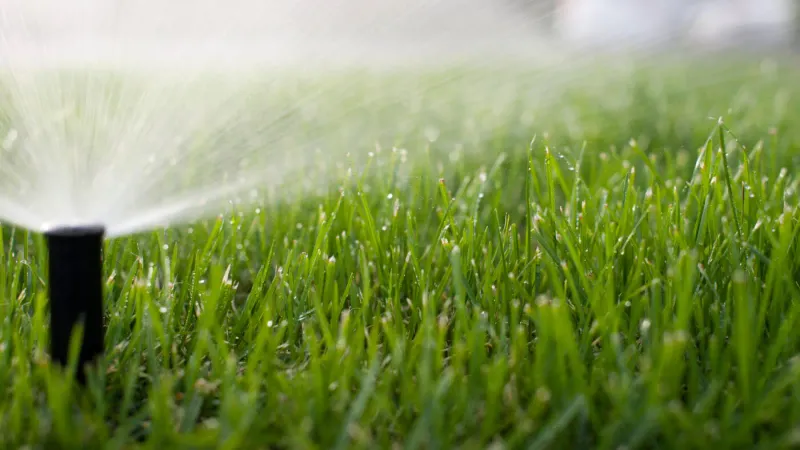
Early morning is the secret weapon for saving a heat-stressed St. Augustine lawn. Watering between 5 a.m. and 9 a.m. gives the water time to soak deep into the soil before the Texas sun turns up the heat.
That timing alone can make a huge difference in how well your grass bounces back.
Shallow, frequent watering is one of the most common mistakes lawn owners make during hot weather. When you only wet the top inch or two of soil, grass roots stay near the surface where heat does the most harm.
Deep watering, on the other hand, pushes moisture down 6 to 8 inches into the ground, which is exactly where healthy roots need to reach.
Aim to water your St. Augustine lawn about two to three times per week during extreme heat. Each session should apply roughly one inch of water total.
You can check this by placing a small cup or tuna can on the lawn and seeing how long it takes to fill up one inch.
Slow watering is just as important as deep watering. If water runs off the surface before soaking in, you are losing moisture that your lawn desperately needs.
Try using a soaker hose or a drip-style sprinkler that delivers water gradually and evenly across the lawn.
Watering deeply encourages roots to grow downward, making your grass stronger and more heat-resistant over time.
Roots that go deep can access cooler soil and stored moisture even when the surface dries out fast. Think of it as building a stronger foundation for your lawn from the ground up.
2. Avoid Mowing Too Short
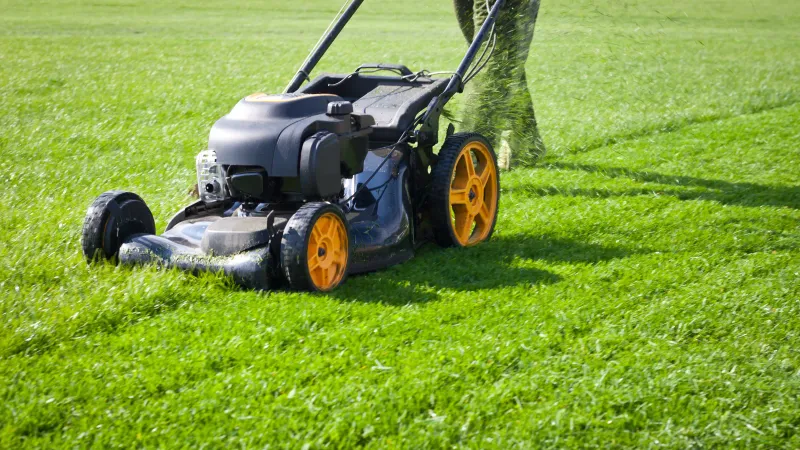
Grab that mower and check your cutting height before you take another pass across your lawn. During a Texas summer, mowing St. Augustine grass too short is one of the fastest ways to make heat damage worse.
Raising your mower deck to 3 or 4 inches is one of the simplest changes you can make right now.
Your Texas Garden Changes Every Week. Your Plan Should Too.
Gardening in Texas changes quickly throughout the season. Every Friday you’ll receive a simple weekly plan showing exactly what to plant, prune, fertilize, harvest, and protect so you never miss the right timing.
Longer grass blades do something really smart during hot weather. They act like a natural shade canopy over the soil, blocking direct sunlight from hitting the ground.
When soil stays shaded, it holds onto moisture longer and stays cooler, which gives your grass roots a much better chance at recovery.
Scalping your lawn, or cutting it down to an inch or less, removes most of the green blade that the plant uses to make food through photosynthesis. A stressed lawn that cannot feed itself properly has a much harder time bouncing back from heat damage.
Keeping blades longer means keeping more of that energy-producing surface intact. Never remove more than one-third of the grass blade in a single mowing session. This rule is especially important when your lawn is already under heat stress.
Cutting too much at once sends the plant into recovery mode, which uses up energy it really cannot afford to spend during a scorching summer.
Try to mow in the evening or early morning when temperatures are cooler. Mowing during peak afternoon heat adds unnecessary stress to already weakened grass.
Sharp mower blades also matter. Dull blades tear the grass instead of cutting it cleanly, leaving ragged edges that dry out faster and invite disease.
3. Fertilize Carefully
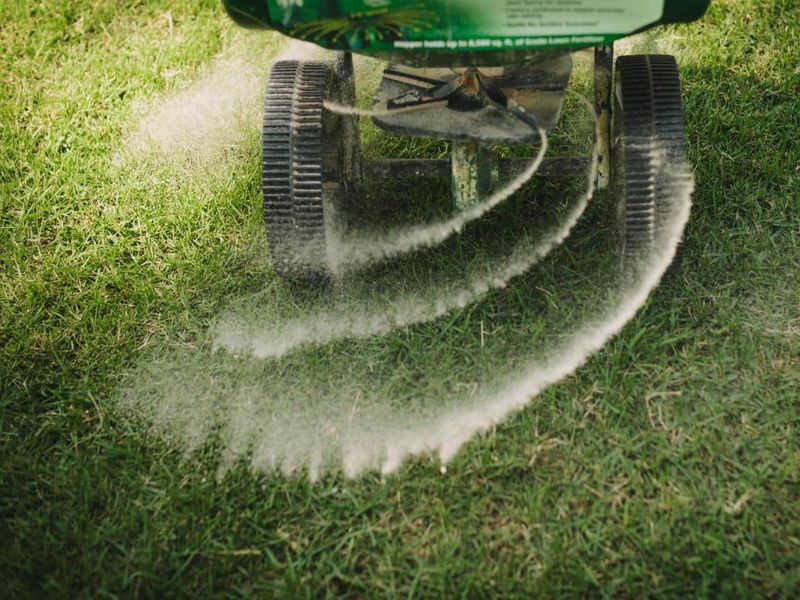
Fertilizing a heat-damaged lawn might feel counterintuitive, but doing it the right way can seriously speed up recovery. The key word here is carefully.
Throwing down the wrong fertilizer at the wrong time can actually make things worse, not better, so choosing wisely matters a lot.
High-nitrogen fertilizers are popular for pushing fast green growth, but during extreme Texas heat, they can backfire badly. Too much nitrogen on stressed grass can scorch the blades and put even more pressure on already weakened roots.
That flashy green boost you are hoping for can quickly turn into more brown patches and frustration.
A balanced, slow-release fertilizer is your best friend right now. Look for products with a balanced N-P-K ratio, like 15-5-10 or similar, that feed the grass gradually over several weeks.
Slow-release formulas reduce the risk of fertilizer burn and give your St. Augustine grass a steady stream of nutrients it can actually use during recovery.
Wait until temperatures drop below 90 degrees Fahrenheit before applying fertilizer if possible. Cooler conditions help the grass absorb nutrients more effectively without added stress.
Early fall in Texas is actually one of the best windows to fertilize St. Augustine grass for strong recovery before the growing season slows down.
Always water your lawn thoroughly after applying fertilizer. This helps move the nutrients down into the soil where the roots can reach them.
Fertilizer that sits dry on the surface can burn grass blades and waste your money. Following the product label instructions precisely also helps you avoid over-applying, which is a common and costly mistake many homeowners make.
4. Reduce Foot Traffic
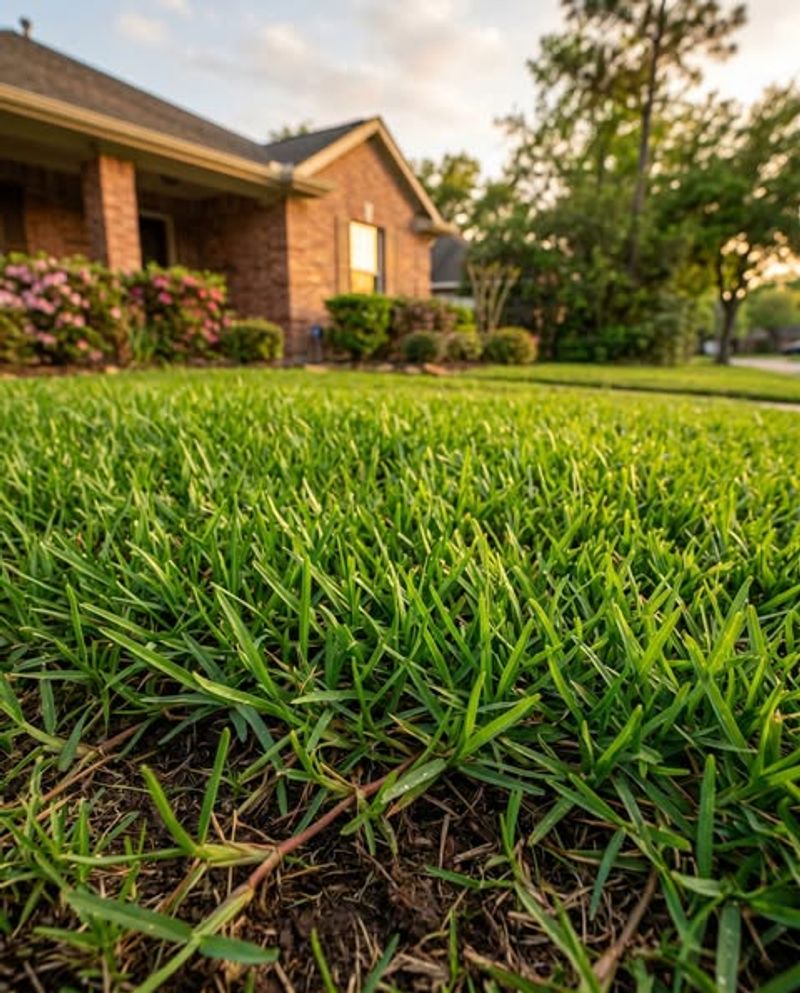
Picture this: your lawn is already struggling under a relentless Texas sun, and then the kids decide to use the backyard as a soccer field all weekend. Foot traffic on heat-stressed grass is like pressing on a bruise.
Every step compacts the soil and crushes weakened blades that are already fighting hard to survive.
St. Augustine grass under heat stress becomes fragile. The blades lose their usual bounce-back ability, and even light walking can snap or flatten them.
Once grass blades are crushed repeatedly, they struggle to stand back up and continue photosynthesizing, which slows down the entire recovery process significantly.
Soil compaction is another serious problem caused by heavy foot traffic. When soil gets packed down tight, water and air have a much harder time reaching the root zone.
Roots need both water and oxygen to function, and compacted soil cuts off that supply line right when your lawn needs it most.
Try roping off the most damaged areas of your lawn during recovery. Simple garden stakes and twine work great for keeping people and pets away from stressed patches.
Even two to three weeks of reduced traffic can give your grass a noticeable head start on healing.
If you have a regular path that people walk across your lawn to reach a gate or door, consider laying down stepping stones along that route. Stepping stones spread out the weight of foot traffic and protect the grass around them.
Small changes like this protect your investment and give St. Augustine grass the breathing room it needs to grow thick and healthy again through the rest of the season.
5. Aerate The Lawn
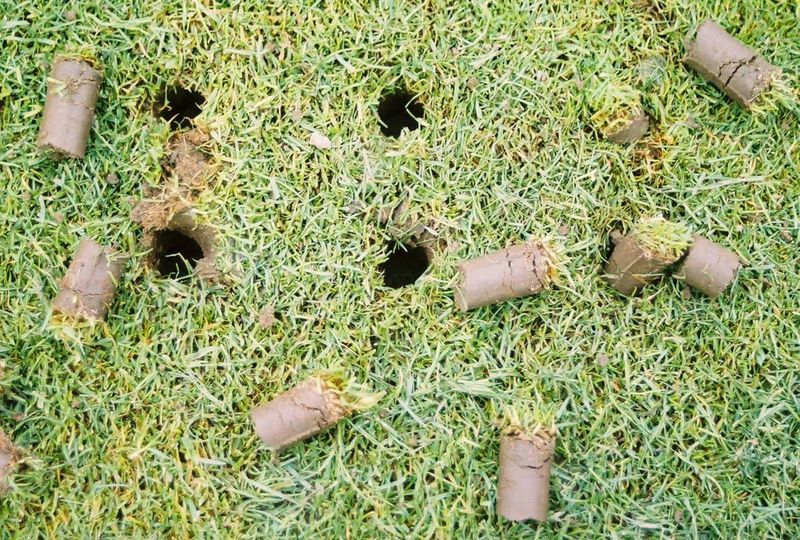
Most people do not think about aeration until their lawn looks seriously bad, but this step is one of the most powerful things you can do for heat-stressed St. Augustine grass.
Aeration is the process of creating small holes in the soil so that water, air, and nutrients can reach the roots more easily. Think of it as opening up the airways for your lawn.
Texas clay soil is especially prone to compaction, and compacted soil is a major reason why heat damage lingers longer than it should.
When the ground is packed tight, even a good deep watering cannot get moisture down to where the roots actually live. Aerating breaks up that compaction and gives recovery a real boost.
Core aeration is the most effective method for home lawns. A core aerator pulls out small plugs of soil and deposits them on the surface.
Those plugs break down naturally over a week or two, adding organic matter back into the lawn. You can rent a core aerator from most home improvement or equipment rental stores in Texas.
The best time to aerate a St. Augustine lawn is during its active growing season, which runs from late spring through early fall in Texas. Aerating during this window gives the grass time to fill in the holes and recover before cooler temperatures arrive.
Avoid aerating during a drought without watering first, as dry, rock-hard soil can damage the machine and your lawn.
After aerating, follow up immediately with a deep watering session. The open channels created by aeration allow water to penetrate much more efficiently than usual.
Pairing aeration with fertilization right afterward is also a smart move, since nutrients can travel directly into the root zone through those fresh openings.
6. Control Weeds And Pests
Weeds are opportunists. When St. Augustine grass weakens under intense Texas heat, weeds rush in to claim every bare or thin spot they can find.
Common culprits like crabgrass, dandelions, and nutsedge do not care that your lawn is struggling. They just see open space and go for it, stealing water and nutrients your grass desperately needs. Controlling weeds during a heat stress recovery period takes a careful approach.
Pulling weeds by hand is the safest option when your lawn is already fragile, because chemical herbicides applied during extreme heat can sometimes harm weakened St. Augustine grass along with the weeds.
If you go the hand-pulling route, make sure to get the entire root system out of the ground.
If weeds have really taken over and hand-pulling is not practical, choose a selective herbicide that is labeled safe for St. Augustine grass. Read the label carefully and follow all directions.
Apply early in the morning when temperatures are lower to reduce the chance of chemical stress on your lawn. Never spray on a windy day, or you risk drifting chemicals onto other plants.
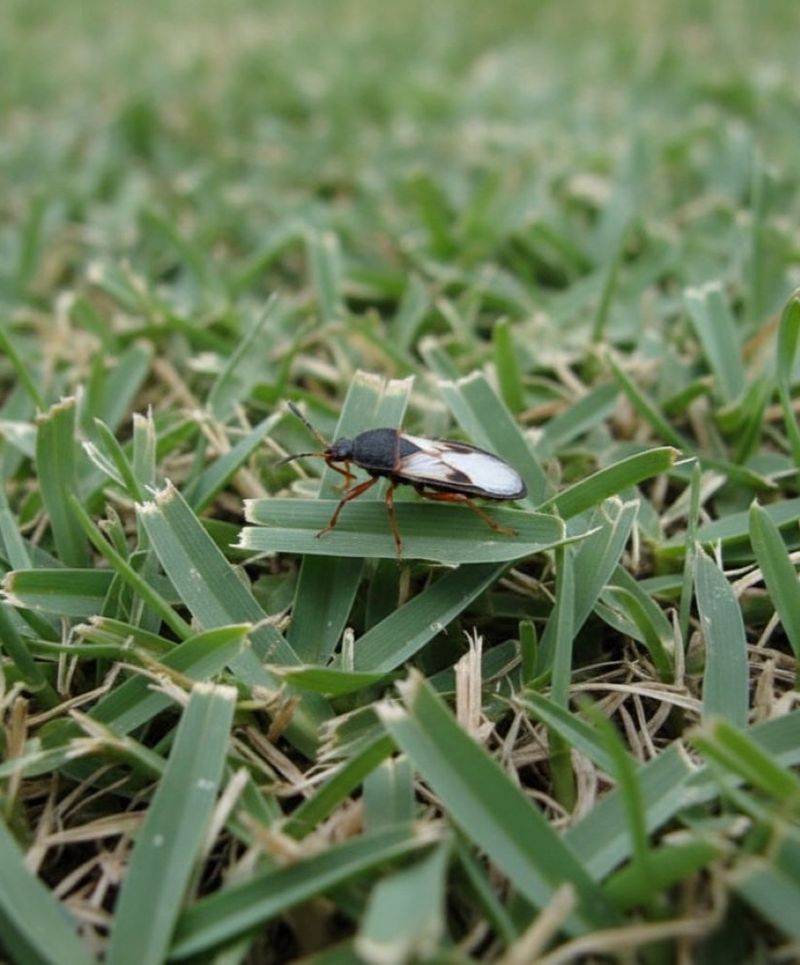
Pests like chinch bugs and sod webworms are major threats to St. Augustine grass in Texas, especially during hot summers. Chinch bugs suck moisture from grass blades and inject a toxin that causes yellowing and browning patches that look a lot like heat damage.
If you suspect an insect problem, look closely at the soil surface near affected areas for tiny bugs moving around.
Treating pest problems early prevents small infestations from spreading across your entire lawn. Use an insecticide labeled for chinch bugs or sod webworms and apply it according to package directions.
A healthy, pest-free lawn recovers from heat stress far more quickly than one battling both heat and hungry insects at the same time.