Shade-Loving Flowers That Don’t Need Sunlight To Bloom In Texas
A shady Texas yard can feel like a puzzle, especially when so many flower tags seem to assume every garden is baking in full sun all day.
You look at that quiet side yard, the space under the trees, or the porch border that never gets much light, and it is easy to think colorful blooms are off the table. They are not.
Plenty of flowers actually prefer a break from that intense Texas sun and can still put on a beautiful show without needing the brightest spot in the yard. That is good news for gardeners who are tired of forcing sun lovers into places where they clearly do not want to be.
Shade can be a blessing when you work with it instead of against it. Some flowers are much happier there than people realize, and a few can make those dim corners steal the whole spotlight.
1. Impatiens Bursting With Color In Deep Shade
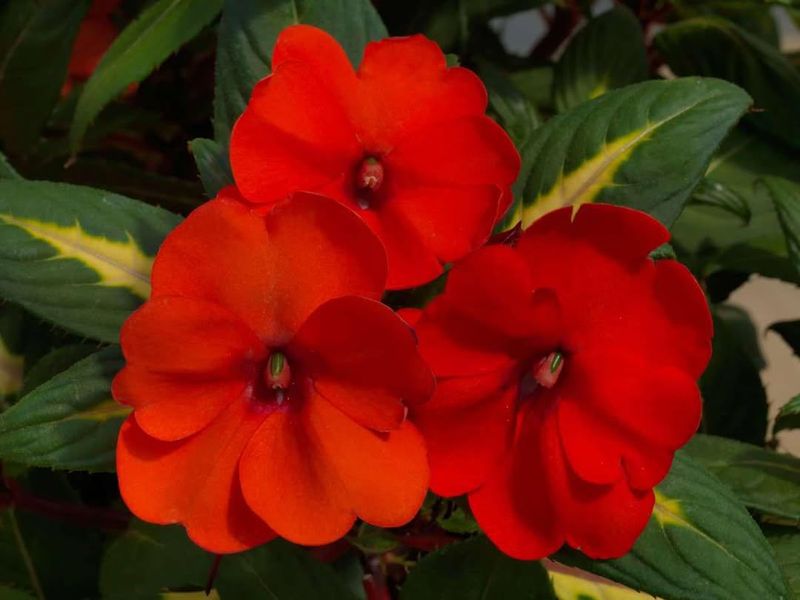
In many shaded Texas gardens during summer, the cheerful, bright blooms of impatiens stand out as they gently move in the breeze. These popular annuals are famous for producing an almost non-stop display of blooms in rich shades of pink, red, white, coral, and purple, all season long.
They are one of the most reliable choices for shaded flower beds across the state.
Impatiens grow best in partial to full shade, which makes them a dream for spots under large trees or along shaded fence lines. They do not like intense afternoon sun, especially in the brutal Texas heat, so keeping them sheltered is key to keeping them happy.
They also prefer moist, well-drained soil and benefit from regular watering during dry spells.
One of the best things about impatiens is how easy they are to care for. Even beginner gardeners can get a stunning display with very little effort.
You can plant them in garden beds, containers, or hanging baskets for a pop of color anywhere shade falls. They grow quickly and fill in spaces beautifully.
Did you know impatiens are also called “touch-me-nots” because their seed pods pop open when touched? That fun little fact makes them even more interesting to grow in your Texas garden.
2. Begonia Bold Blooms With Minimal Sun
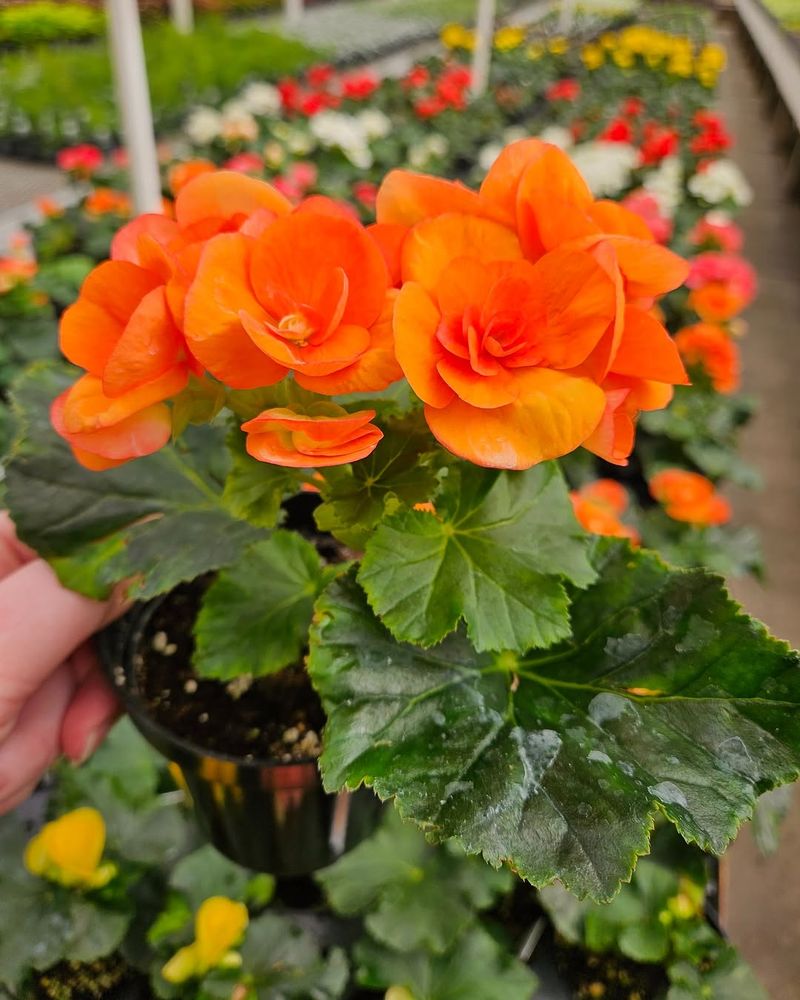
Color and personality come easily to shaded Texas gardens with begonias leading the way. Known for their waxy, jewel-toned blooms and attractive foliage, begonias are a go-to choice for gardeners who want long-lasting color without needing to place plants in direct sunlight.
They come in an impressive range of colors, from soft peach and pale yellow to deep red and bright orange.
Begonias thrive in dappled or deep shade, which is why they work so well under large oak trees or along shaded patios that are common across Texas. They bloom continuously from spring all the way through fall, giving you months of gorgeous color with relatively little maintenance.
Wax begonias are especially popular in Texas because they handle the heat a little better than some other varieties.
Your Texas Garden Changes Every Week. Your Plan Should Too.
Gardening in Texas changes quickly throughout the season. Every Friday you’ll receive a simple weekly plan showing exactly what to plant, prune, fertilize, harvest, and protect so you never miss the right timing.
When planting begonias, make sure the soil drains well since they do not like sitting in soggy ground. Adding a layer of mulch around the base helps keep moisture in and roots cool during hot Texas summers.
They work beautifully in containers, window boxes, and garden borders. A fun fact worth knowing is that begonias are technically named after Michel Begon, a French governor and plant enthusiast from the 1600s.
That bit of history makes these colorful blooms feel even more special when you see them lighting up your shaded yard.
3. Geranium Bright Color That Handles Shade Well
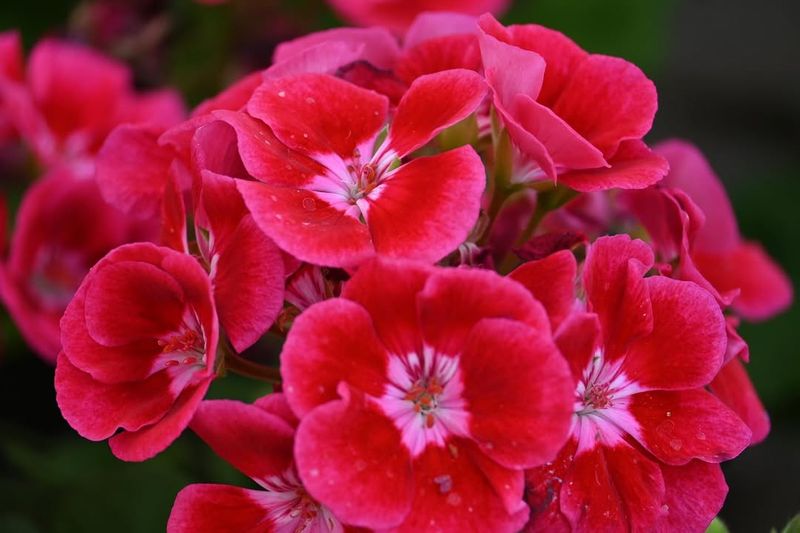
Geraniums have been brightening up gardens for centuries, and Texas gardeners have long appreciated just how tough and colorful these plants can be. While many people associate geraniums with sunny window boxes, certain varieties actually prefer the cooler comfort of shade, especially in a state where summer temperatures can feel overwhelming.
Hardy geraniums, in particular, are well-suited to partially shaded spots across Texas landscapes.
What makes geraniums so appealing is their versatility. You can tuck them into shaded beds, place them in containers on a covered porch, or use them to fill in gaps along a shaded garden border.
Their blooms come in shades of red, pink, white, lavender, and salmon, offering plenty of options depending on your garden’s color scheme. The rounded, deeply lobed leaves add a pleasant texture even when the plant is not in full bloom.
Geraniums prefer well-drained soil and do not like to be overwatered. In Texas, it is smart to water them deeply but allow the soil to dry a bit between waterings to prevent root issues.
Regular deadheading, which means removing spent blooms, encourages the plant to keep producing new flowers throughout the season. Interestingly, geranium leaves release a pleasant, herby fragrance when brushed, making them a sensory treat in any shaded Texas garden corner.
They are truly a classic for good reason.
4. Turk’s Cap A Texas Native Hummingbird Favorite
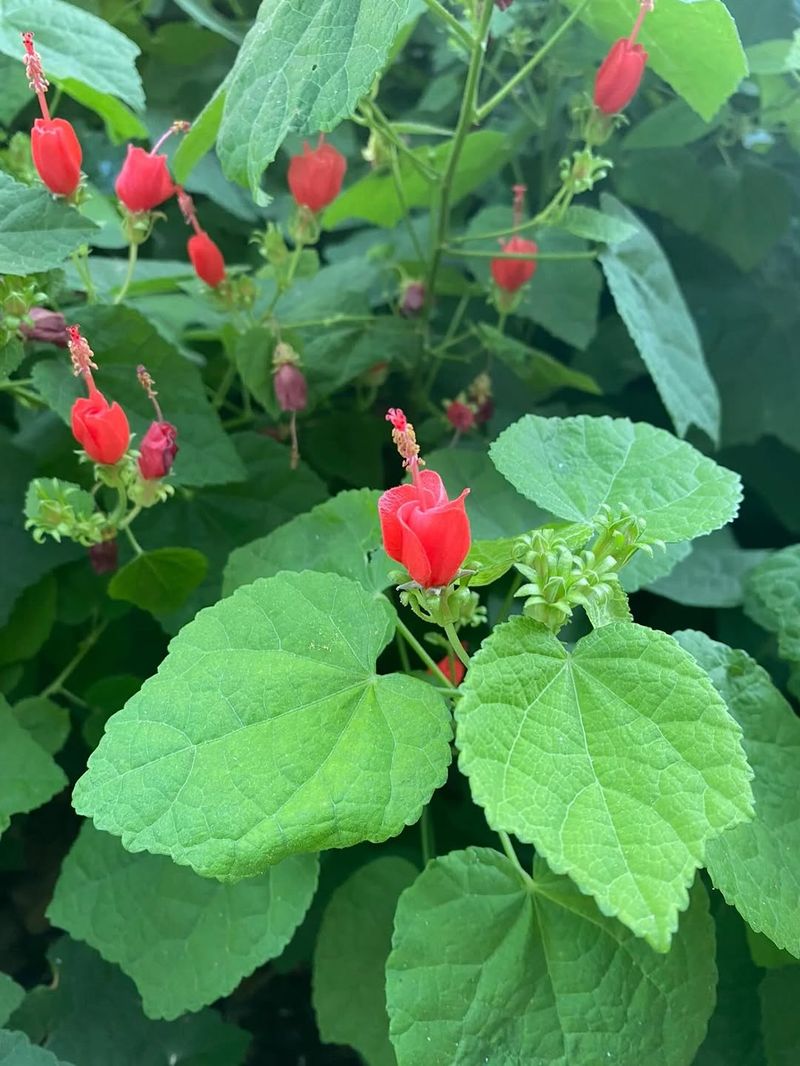
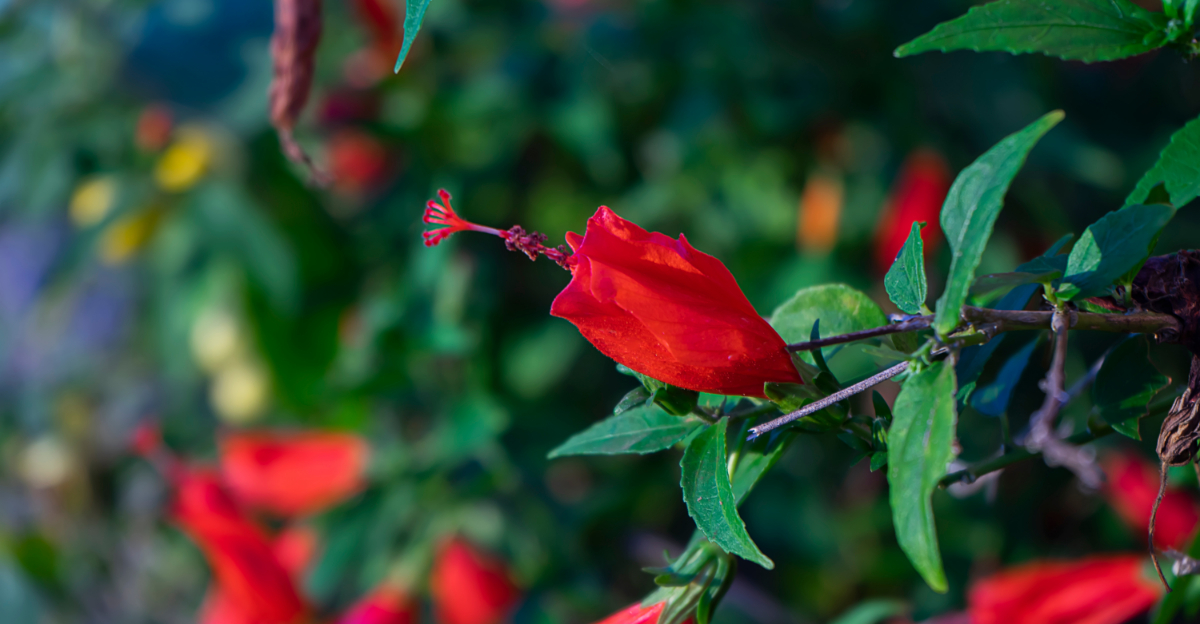
If you have ever seen a flower that looks like a tiny, tightly twisted red turban, you have probably spotted Turk’s Cap. This native Texas shrub is one of the most charming and wildlife-friendly shade plants you can grow in the Lone Star State.
Its unique, swirled red blooms are unlike anything else in the garden, and they attract hummingbirds and butterflies like a magnet all summer long.
Turk’s Cap, known scientifically as Malvaviscus arboreus var. drummondii, is incredibly well-adapted to Texas conditions. It handles heat, humidity, and even periods of drought better than most flowering plants.
It thrives in partial to full shade, making it perfect for planting beneath large live oaks or along the shaded edges of a property. Once established, it requires very little attention, which is a huge bonus for busy gardeners.
Growing Turk’s Cap is straightforward. Plant it in well-drained soil, give it some room to spread since it can reach four to six feet tall, and let nature do most of the work.
It even produces small, edible red fruits that wildlife love. Because it is a true Texas native, it supports local ecosystems beautifully.
Gardeners across central and south Texas have relied on Turk’s Cap for generations to fill shaded spots with reliable, low-maintenance color that keeps on giving from spring all the way through late fall.
5. Cedar Sage Lighting Up Shady Corners
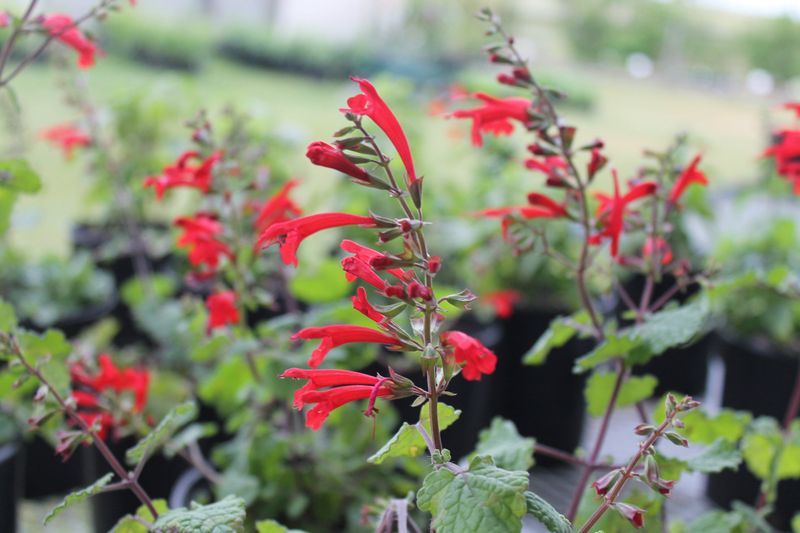
Cedar Sage is a wildflower that feels like it was made specifically for the shaded, rocky landscapes of the Texas Hill Country. With its striking scarlet tubular blooms and heart-shaped, velvety leaves, this native plant brings bold color to spots where many other flowers simply refuse to grow.
Hummingbirds absolutely adore it, making your shaded garden a lively, buzzing retreat throughout the warmer months.
Known scientifically as Salvia roemeriana, Cedar Sage is a perennial in most parts of Texas, meaning it comes back year after year without needing to be replanted. It performs best in partial to full shade and actually prefers the dry, rocky, limestone-based soils that are common across the Hill Country and surrounding regions.
Unlike many flowering plants, it does not demand rich, amended soil to put on a good show.
Caring for Cedar Sage is genuinely easy. Once established, it is quite drought-tolerant and only needs occasional watering during extended dry periods.
It stays relatively compact, usually reaching around one to two feet in height, which makes it a great choice for smaller shaded areas or naturalized garden spaces. Planting it alongside other Texas natives like Turk’s Cap creates a cohesive, wildlife-friendly shade garden.
The fact that it is deer-resistant is an added bonus for Texas gardeners who deal with frequent deer visitors browsing through their yards each season.
6. Columbine Delicate Blooms That Shine In Shade
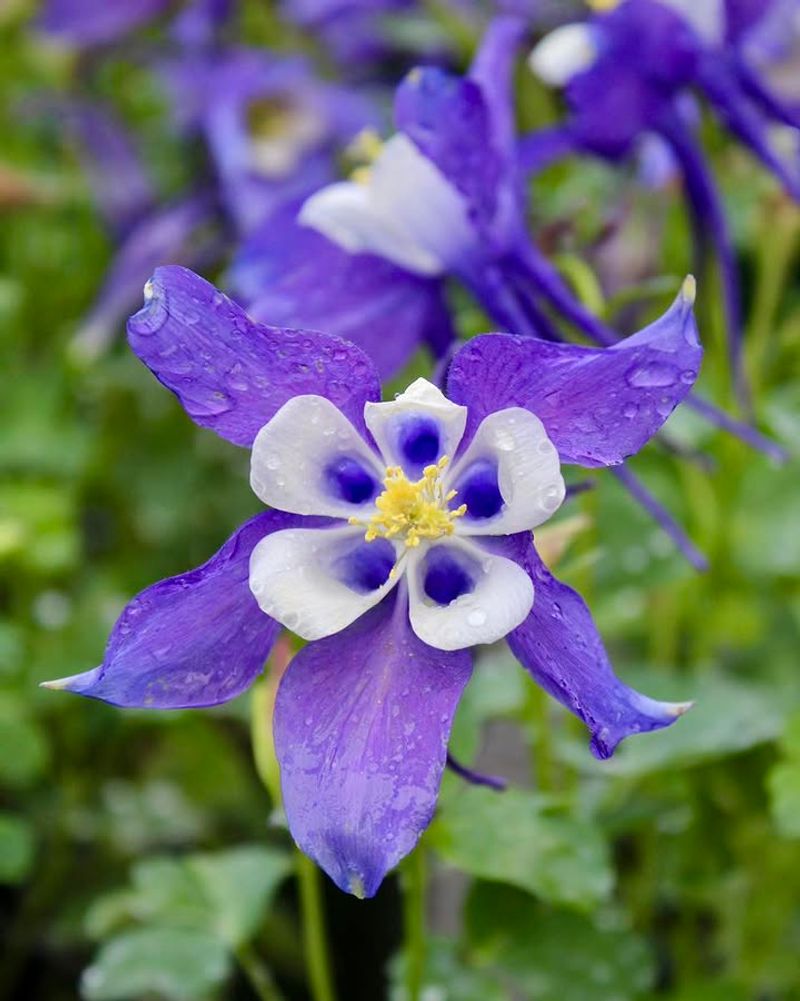
There is something almost fairy-tale-like about Columbine flowers. Their nodding, spurred blooms seem to float above the foliage like little dancing lanterns, and in Texas, the native variety known as Aquilegia canadensis puts on a truly breathtaking spring show.
Red and yellow blooms light up shaded garden spaces in a way that feels both wild and wonderfully elegant at the same time.
Texas Columbine thrives in partial shade and is especially at home in the rocky, well-drained soils found throughout the Hill Country and Edwards Plateau region. It blooms in early to mid-spring, often appearing just as the weather starts to warm up, making it one of the first exciting signs of the gardening season.
Hummingbirds are particularly drawn to the tubular red flowers, using them as an early nectar source before other plants have fully woken up.
One of the most appealing qualities of Columbine is how it self-seeds freely. Once you plant it, it tends to spread gently on its own, filling shaded spots with more and more blooms each year.
It pairs beautifully with ferns, native grasses, and other woodland-style plants. Columbine does prefer cooler conditions, so in the hottest parts of Texas it may behave more like an annual, but in central and north Texas it returns reliably.
Providing consistent moisture during its active growing season keeps it performing at its very best.
7. Inland Sea Oats Adding Texture And Movement
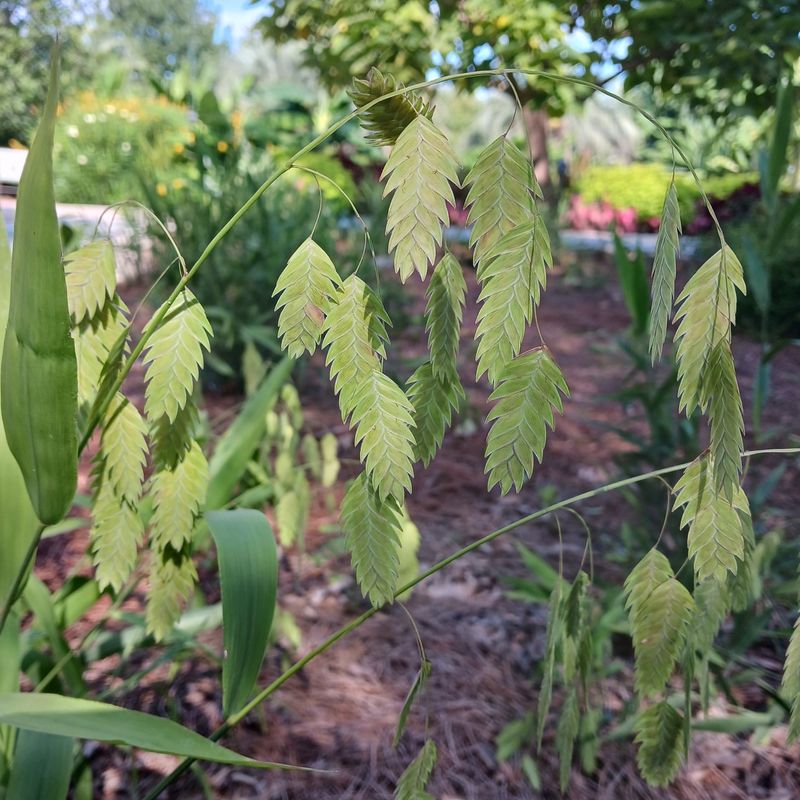
Not every shade-loving plant announces itself with bright flowers, and Inland Sea Oats proves that subtle beauty can be just as stunning. Also known as Chasmanthium latifolium, this native Texas grass produces delicate, flat seed heads that dangle and sway in the slightest breeze, catching light in a way that feels almost magical.
When morning or late afternoon sun filters through tree canopies and hits those dangling clusters, the effect is genuinely breathtaking.
Inland Sea Oats thrive in partial to full shade and are exceptionally well-suited to the moist, rich soils found along creek banks and woodland edges throughout Texas. They grow in graceful clumps that reach about two to four feet tall and spread slowly over time, making them excellent for naturalizing shaded areas under large trees where lawn grass simply refuses to grow.
Their green summer foliage turns a warm copper-bronze in fall, adding seasonal interest long after many other plants have faded.
From a practical standpoint, Inland Sea Oats are incredibly low-maintenance. Once established, they handle drought reasonably well, though they look their best with occasional watering during dry spells.
They also resist deer browsing, which is a welcome trait for Texas gardeners. Because they are native, they support local insects and birds, with birds especially enjoying the seed heads in late fall and winter.
Cutting them back in late winter helps encourage fresh, lush new growth when spring arrives in Texas.
8. Coral Honeysuckle Climbing With Bright Blooms
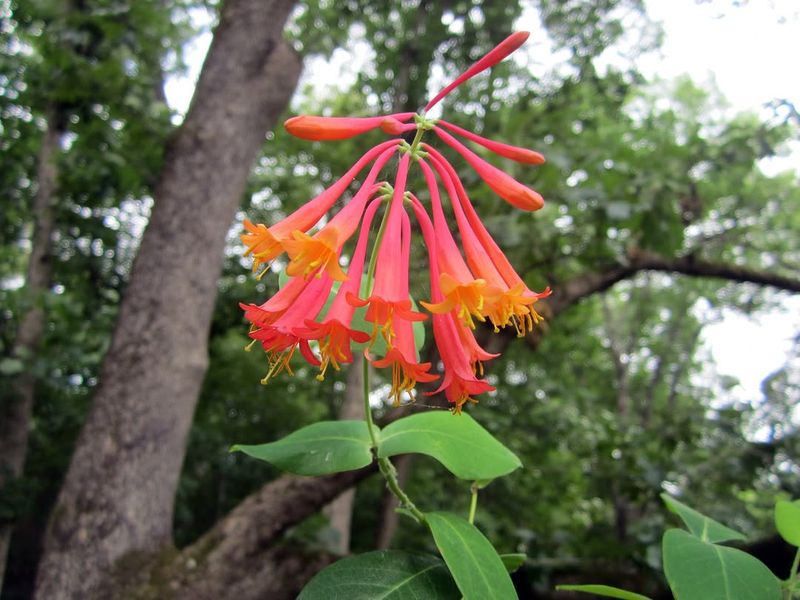
Imagine a vine that drapes itself over a shaded fence or trellis and bursts into clusters of vivid coral-red blooms that hummingbirds simply cannot resist. That is exactly what Coral Honeysuckle, known scientifically as Lonicera sempervirens, brings to Texas gardens.
Unlike its invasive Japanese cousin, this native honeysuckle is a well-behaved, gorgeous climber that earns its place in any shaded or partially shaded space.
Coral Honeysuckle is a semi-evergreen vine that blooms heavily in spring and often continues producing flowers sporadically through summer and into fall. It handles partial shade beautifully, though it will bloom most generously when it receives at least a few hours of indirect or filtered light each day.
In Texas, it is an especially valuable plant for gardeners who want to attract hummingbirds and native bees to their outdoor spaces without a lot of fuss.
Planting Coral Honeysuckle is straightforward. Give it a sturdy support structure like a trellis, fence, or arbor, and let it climb at its own pace.
It prefers well-drained soil and moderate watering, becoming quite drought-tolerant once fully established. Pruning it lightly after the main spring bloom helps keep the plant tidy and encourages additional flowering later in the season.
Because it is native to Texas and the broader southeastern United States, it fits naturally into the local ecosystem, supporting pollinators and adding effortless, vibrant charm to shaded garden corners all across the state.