These Florida Foliage Plants Bring Color Even When Nothing Is Blooming
Every Florida garden hits a lull. The big bloomers take a break, the seasonal color fades out, and suddenly the beds that looked full of life a few weeks ago feel flat and unfinished.
Most gardeners respond by chasing the next flowering plant, which means the cycle repeats every time blooms drop. Foliage plants solve that problem from a completely different angle.
Color, texture, and visual interest that does not depend on a flowering cycle or a perfect week of weather to show up.
Florida’s climate is genuinely generous to foliage plants, with warmth and humidity that pushes leaf color in ways cooler climates cannot match.
The range of what is possible here goes far beyond green. Deep purples, bright chartreuse, variegated patterns, and bold tropical textures that hold their ground through the seasons whether anything else is blooming or not.
1. Plant Caladiums For Big Leaves In Bright Shade
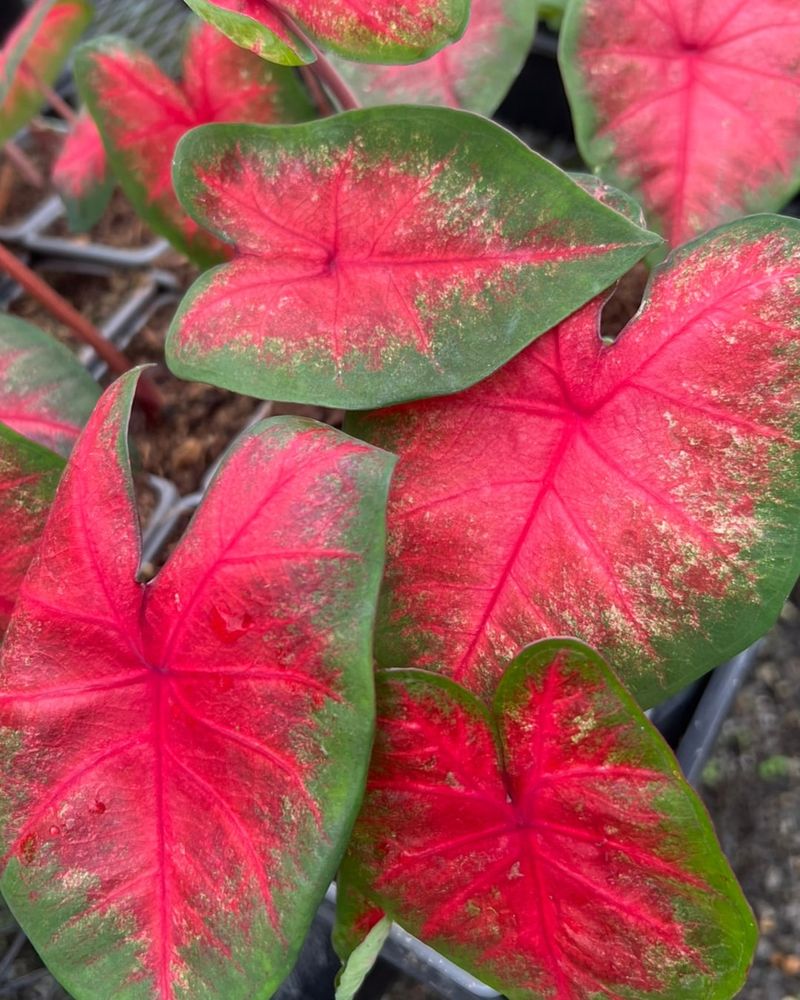
Color can come from leaves before flowers ever show up, and caladiums prove that better than almost any other plant.
These tropical beauties are grown purely for their large, heart-shaped leaves, which come in bold combinations of red, pink, white, and green.
They are a seasonal foliage plant rather than a permanent evergreen.
During their active growing season, they make a shaded corner look like it was professionally styled. Caladiums thrive in bright filtered shade or indirect light.
Too much direct afternoon sun can wash out their colors or scorch the leaves. They grow from tubers and are usually planted in spring when the soil has warmed.
Keep the soil consistently moist but not waterlogged, because they prefer humidity and warm conditions typical of our state’s summers.
Containers work beautifully for caladiums, especially on covered patios or shaded porches where flowers might struggle. When leaves begin to fade in fall, you can let the tubers rest and replant them the following season.
They fill the role of colorful bedding plants without needing a single bloom, making them a smart choice for shady spots that feel dull between flowering cycles.
2. Use Crotons For Bold Color In Warm Regions
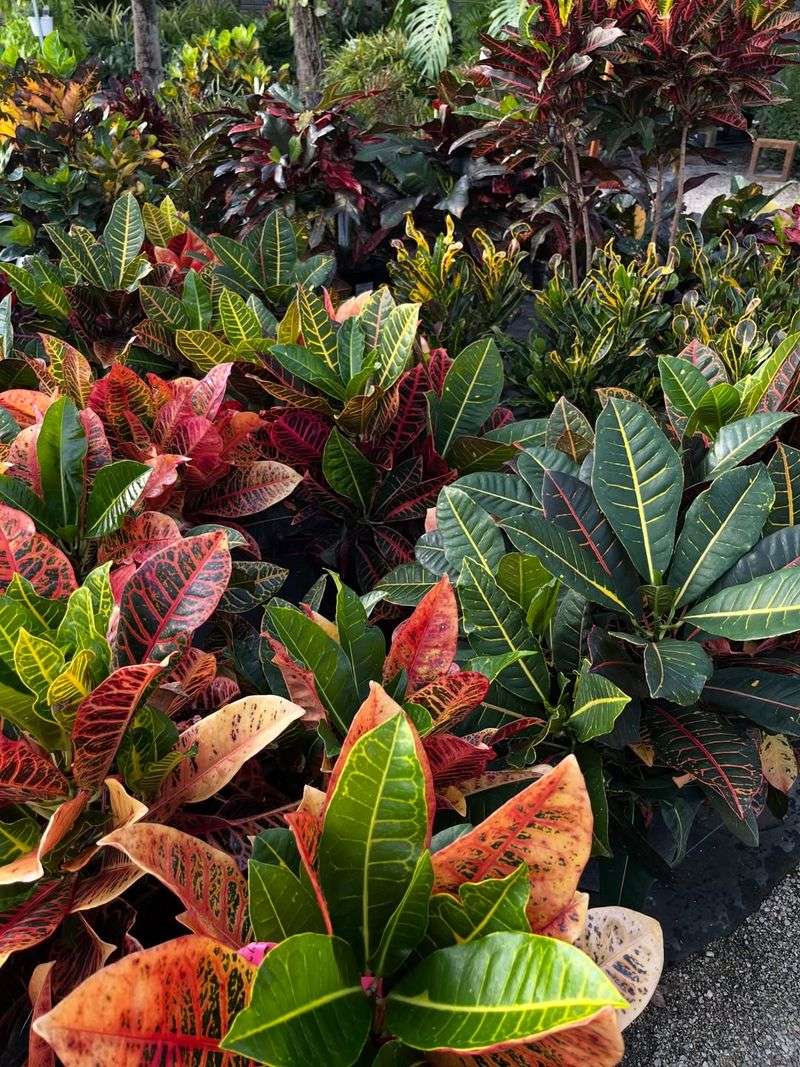
Warm-region gardens can handle bolder foliage, and crotons are one of the most dramatic options available. These non-native shrubs produce thick, leathery leaves splashed with yellow, orange, red, green, and burgundy, sometimes all on the same plant.
The color intensity often depends on how much sunlight they receive. Plants grown in bright light or full sun usually show richer, more saturated tones than those kept in shade.
Crotons are best suited to central and south Florida, where winters stay mild. In northern areas of the state, cold snaps can damage or defoliate them.
Gardeners in those regions should plant them in sheltered spots or be prepared to protect them during cold events. They are not native to Florida, and while they are widely used in landscapes here, they are not considered invasive.
These shrubs work well along entries, in tropical-style beds, or as container specimens on warm patios. They prefer well-drained soil and regular moisture during establishment.
Your Florida Garden Changes Every Week. Your Plan Should Too.
Gardening in Florida changes quickly throughout the season. Every Friday you’ll receive a simple weekly plan showing exactly what to plant, prune, fertilize, harvest, and protect so you never miss the right timing.
Once settled in, they are relatively low-maintenance in suitable climates. If you live in a warmer part of the state and want year-round leaf color without waiting for blooms, crotons are a reliable and showy choice.
3. Try Persian Shield For Purple Metallic Foliage
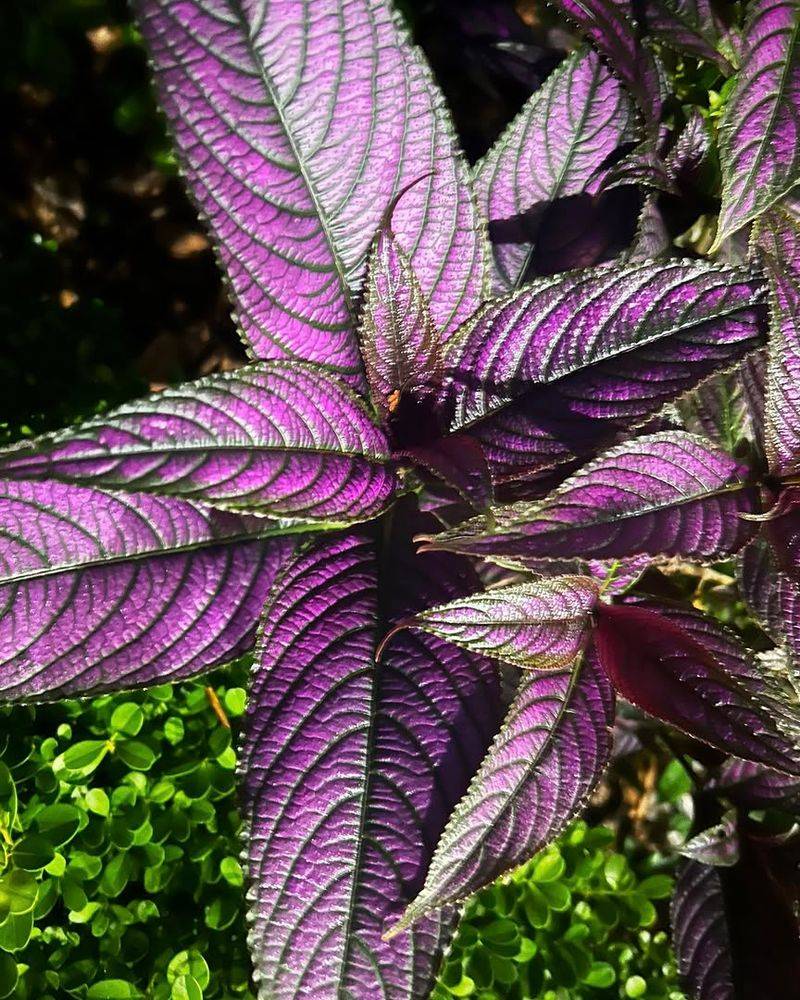
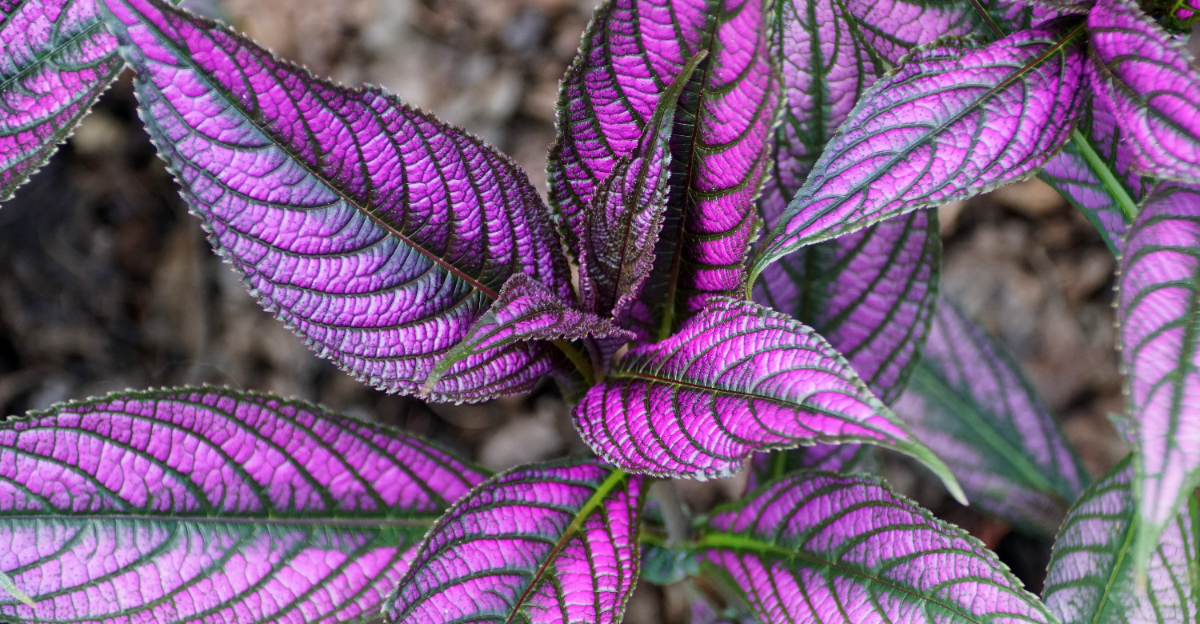
Purple foliage changes the mood of a shady bed in a way that very few plants can match. Persian shield is a non-native tropical plant grown for its stunning iridescent leaves, which shimmer with shades of purple, silver, and green depending on the light.
It is not a native plant, but it can be a striking seasonal or tender accent in warm, humid gardens across the state.
This plant usually performs best in bright filtered light or part shade. Too much harsh sun can dull the metallic sheen that makes it so eye-catching, while too much deep shade can cause it to stretch and look sparse.
Persian shield tends to get leggy over time, so occasional trimming helps keep it bushy and full. Pinching back the growing tips encourages a more compact, lush shape.
In frost-free areas, it may behave like a short-lived perennial. In cooler regions, gardeners often treat it as a seasonal accent, replanting it each warm season.
It works well in containers, mixed tropical beds, and shady borders where you want something unexpected. Pair it with light-colored plants or variegated companions to make the purple really pop.
It needs consistent moisture and good drainage to stay healthy.
4. Add Coleus For Easy Seasonal Color
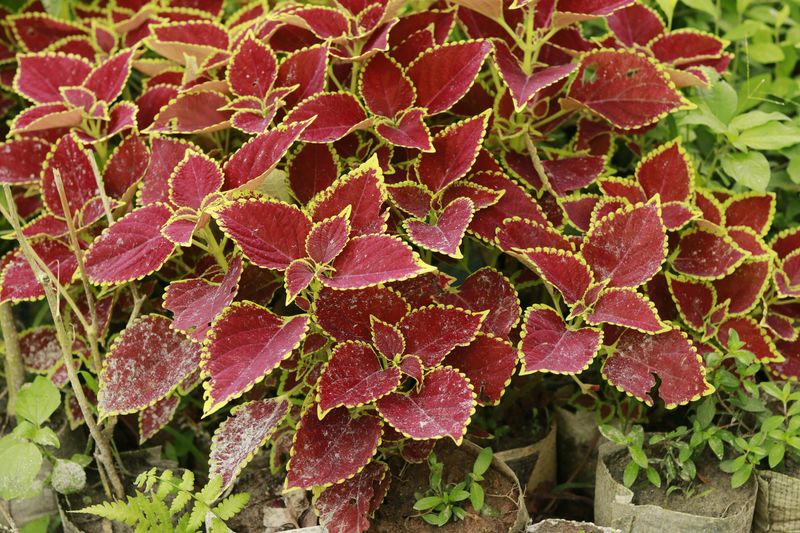
Fast color is useful when a bed looks tired, and coleus delivers that faster than almost anything else in the foliage world. This non-native plant is a go-to for seasonal color in beds and containers.
It offers leaves in nearly every shade imaginable, from deep burgundy to bright chartreuse, coral, cream, and beyond. It grows quickly and fills space in a way that makes a garden feel lush even between bloom cycles.
One important thing to know is that coleus cultivars vary widely in their sun tolerance. Some are bred specifically for sunny spots, while others prefer bright shade or filtered light.
Always check the plant tag before placing your coleus, because putting a shade-loving type in full sun can cause the leaves to bleach or look stressed. Sun-tolerant varieties have become much more widely available in recent years.
Coleus works well in patio pots, window boxes, mixed borders, and seasonal planting schemes. It prefers consistently moist, well-drained soil and benefits from regular pinching to prevent it from going to flower too quickly.
When coleus flowers, the foliage often becomes less vibrant, so removing flower spikes keeps the leaf color strong. It is a practical, affordable, and cheerful way to refresh any space that needs a seasonal lift.
5. Choose Ti Plant For Tropical Red And Pink Leaves
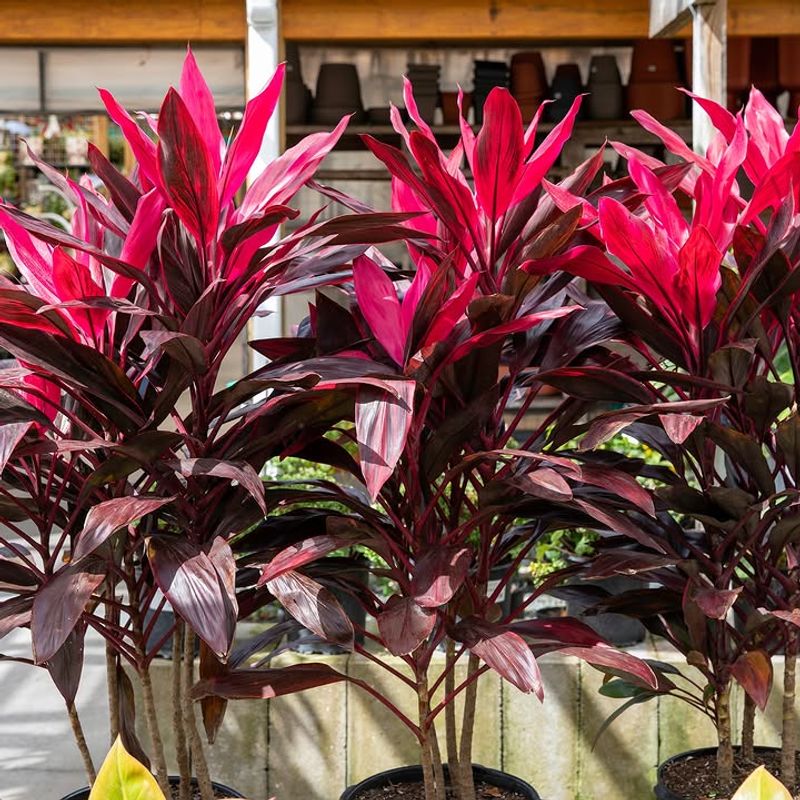
Tropical color works best in protected spots, and the ti plant is one of the most dramatic foliage options for those warmer corners of the yard. Not a native plant, the ti plant is widely used across warm parts of this state.
Its bold, strap-like leaves come in shades of red, pink, burgundy, cream, and variegated combinations. It has a naturally upright, architectural look that adds structure to tropical-style beds.
Ti plant is best suited to frost-free or frost-protected areas. Cold sensitivity is a real concern, especially in northern and some central areas of the state, where hard freezes can damage or defoliate the plant.
Gardeners in those regions may want to grow ti plant in containers so it can be moved to shelter when temperatures drop. Near patios, entryways, or building walls, the extra warmth and protection can make a big difference.
This plant prefers well-drained soil, regular moisture during the growing season, and a spot with bright filtered light to full sun depending on the cultivar. Avoid overwatering, which can lead to root issues.
Ti plant makes a strong visual statement without relying on flowers.
It is a smart choice for anyone who wants year-round tropical color in a warm, sheltered garden space.
6. Use Copperleaf For A Colorful Shrub Effect
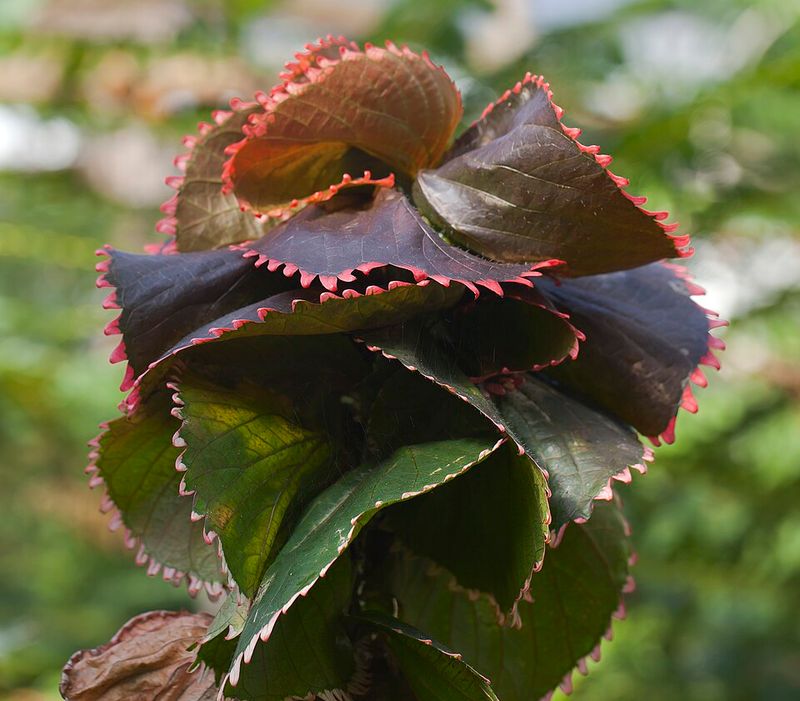
A shrub can carry color without blooms, and copperleaf does exactly that with flair. This non-native plant produces brilliantly colored leaves in shades of copper, bronze, red, and pink, creating a bold shrub-like effect in warm landscapes.
It is eye-catching enough to serve as a focal point in a bed or as a colorful backdrop for lower-growing plants and groundcovers.
Copperleaf generally needs good light to show its strongest color. Plants grown in too much shade tend to produce less vibrant foliage and a looser, more open growth habit.
Occasional pruning helps keep it full and compact, especially as it matures. Without regular trimming, it can get a bit rangy and open in the center, which reduces its visual impact as a shrub-style accent.
Regional suitability matters with this plant. Copperleaf is better suited to central and south Florida, where warmer winters allow it to thrive year-round.
In cooler inland areas, cold events can set it back significantly. Plant it in well-drained soil with regular moisture during the establishment period.
Once established in a suitable warm location, it is relatively low-maintenance.
It provides consistent copper-toned foliage color throughout the growing season without depending on any flowers at all.
7. Plant Bromeliads For Patterned Leaves In Shade
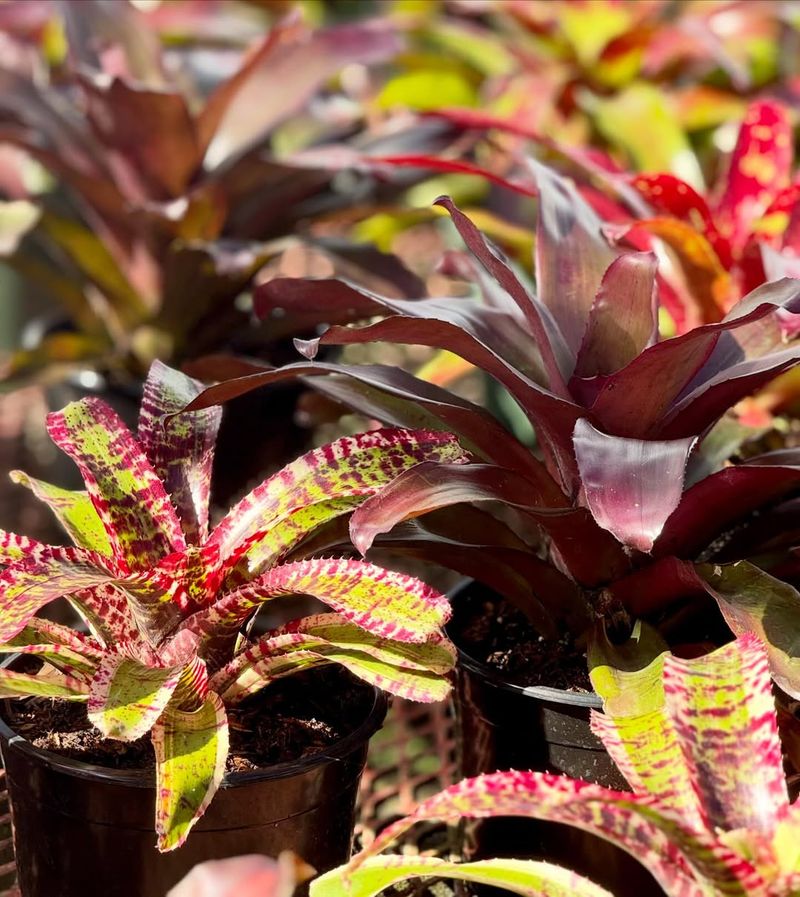
Shade gardens need texture as much as flowers, and bromeliads offer both in one sculptural package. These plants can add patterned, colorful, and structurally interesting foliage to shaded and frost-free gardens across the state.
Many varieties feature striped, banded, or spotted leaves in combinations of green, red, cream, burgundy, and silver.
They look like living artwork even without a bloom in sight.
An important note for anyone interested in bromeliads: always choose nursery-grown plants from reputable garden centers. Some native bromeliads in Florida are protected, vulnerable, or ecologically sensitive.
Removing bromeliads from trees, parks, preserves, or natural areas is harmful to local ecosystems and may be illegal depending on the species and location. Buying nursery-propagated plants is the responsible and legal way to enjoy them.
Nursery-grown bromeliads work well in containers, mounted on driftwood, or tucked into shaded tropical beds. They are generally low-maintenance once established and tolerate humidity well.
Most prefer bright filtered shade rather than deep darkness or harsh direct sun. Their central cup, formed by the leaf rosette, can hold water, so be mindful of standing water in areas where mosquitoes are a concern.
Empty the cup occasionally and refresh it with clean water to keep things tidy.
8. Try Variegated Ginger For Soft Striped Foliage
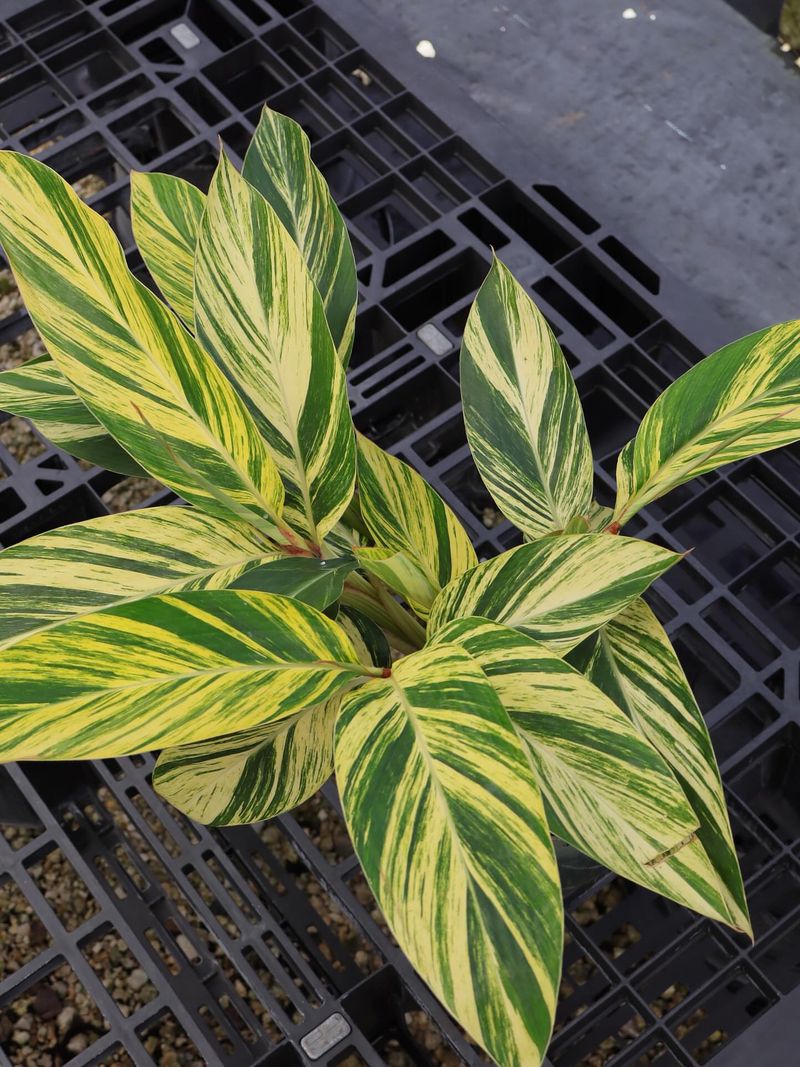
Striped leaves soften a dark corner in a way that solid-color plants simply cannot. Variegated ginger is a non-native plant that brings soft green-and-cream striped foliage to bright shade or part shade areas of the garden.
The broad, tropical-looking leaves have a light and airy quality.
They contrast nicely with darker green backgrounds or bold-colored companions like caladiums or bromeliads.
This plant needs enough room to spread, because it grows in clumps that can become quite sizable over time in suitable conditions. Consistent moisture is important for keeping the foliage looking lush and fresh.
In dry spells, the leaf edges can brown and the overall appearance becomes less tidy. Mulching around the base helps retain soil moisture and keeps the root zone cool during hot weather.
Variegated ginger works well along shaded walkways, under large trees, or at the back of a mixed tropical bed where its height and texture add depth. It is not a small plant, so give it space before planting.
In frost-free areas, it may persist year-round. In cooler regions, it may go dormant or get knocked back by cold but often recovers when warmth returns.
Check local nursery guidance to understand how it performs in your specific area.
9. Plant Cast Iron Plant For Deep Green Structure
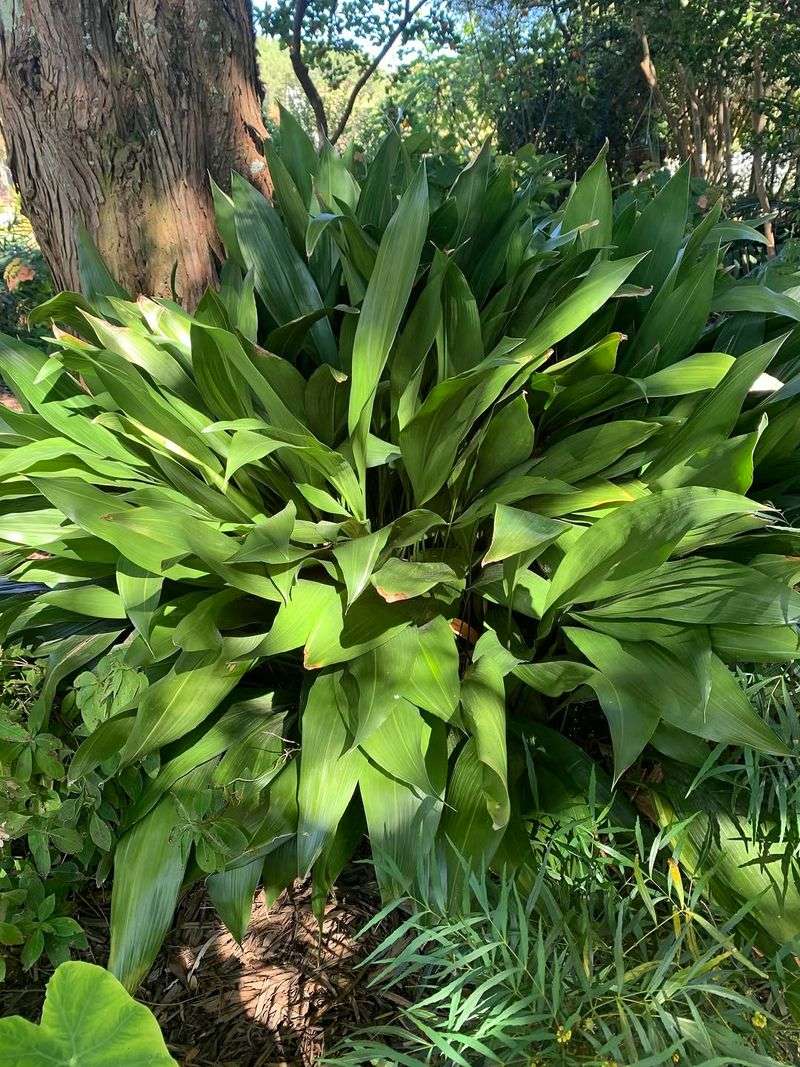
Deep green still counts as color in the right spot, especially when it brings structure and calm to a busy, texture-heavy garden bed.
Cast iron plant is a non-native foliage plant with broad, glossy, deep green leaves that hold up remarkably well in filtered shade to deep shade.
It may not have the flashy color of croton or caladium, but its steady, reliable presence is exactly what many shaded spaces need.
True to its name, this plant is tough. It handles low light, humidity, and periods of drought better than most ornamental foliage plants.
It grows slowly, which means less maintenance and fewer trims over time. Once established, it generally needs very little attention beyond occasional watering during dry spells and removal of any older leaves that look worn or tattered.
Cast iron plant works well along shaded pathways, under dense tree canopies, or in deep shade spots where other foliage plants struggle. Avoid placing it in harsh full sun, which can bleach or damage the leaves.
Variegated forms with cream or yellow striping are also available and add a bit more visual interest to dark corners. It is a practical, long-lived choice for gardeners who want reliable structure without constant upkeep or dependence on seasonal blooms.