These California Yard Mistakes Can Attract More Cockroaches To Your Home
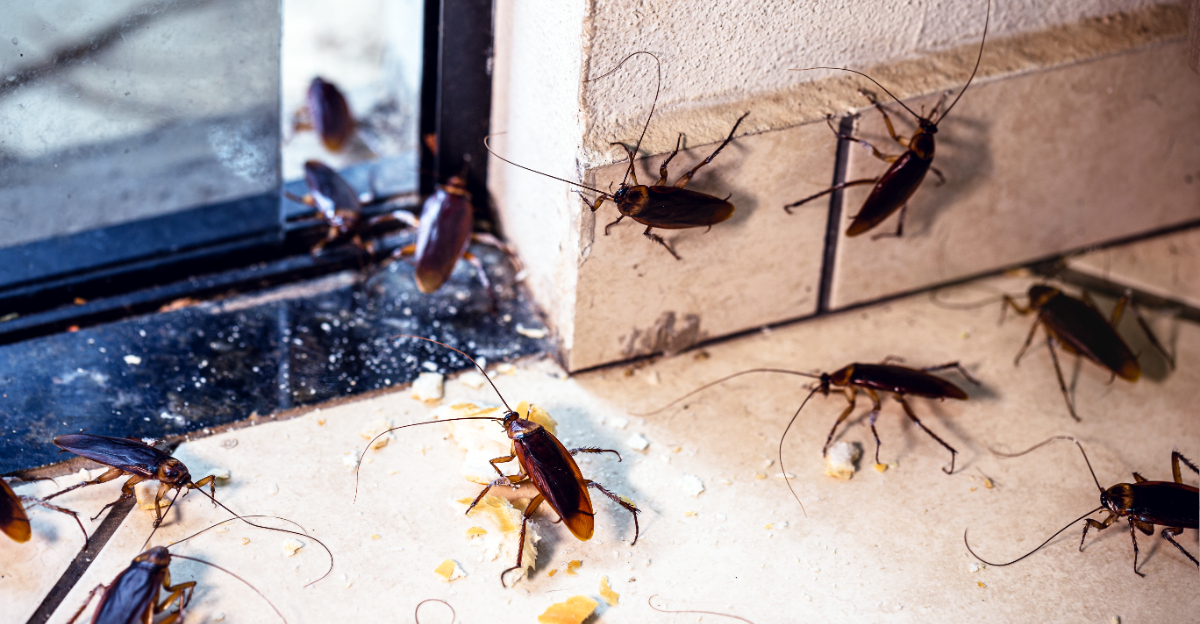
Cockroaches do not need your yard to be filthy. They just need a few easy opportunities.
In California, warm nights, damp corners, clutter, and outdoor food sources can turn a normal yard into a roach-friendly hangout. The worst part is how ordinary those problem spots can look.
A patio, planter, trash area, or shady side yard may seem harmless until roaches start finding their way closer to the house. Once they discover food, moisture, and hiding places, they are not exactly polite about leaving.
Before you blame the kitchen, take a closer look outside. The real invitation may be sitting in the yard, quietly making your home more appealing than you think.
1. Leaving Pet Food Outside Overnight
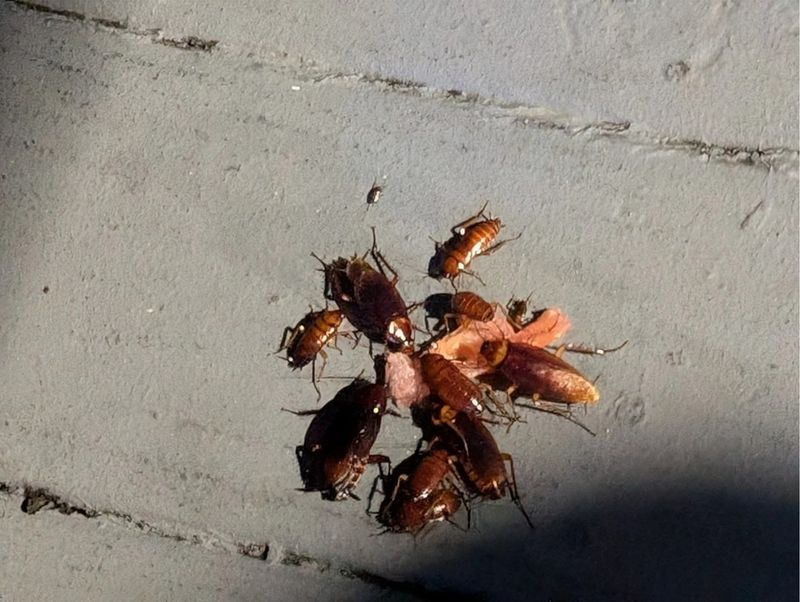
Most pet owners don’t think twice about leaving a food bowl outside after dinner. It seems harmless, but that bowl of kibble is basically a free buffet for cockroaches once the sun goes down.
Cockroaches are nocturnal. They come out at night searching for anything edible.
Pet food left outside gives them exactly what they need without any effort. Even a small amount of leftover food can draw dozens of roaches to your yard within a single night.
This is especially common in warmer parts of California, where cockroaches stay active year-round. Unlike colder climates, there is no real off-season here.
Roaches are always on the move, always looking for their next meal.
Once they find a reliable food source in your yard, they start exploring closer to your home. They follow walls, squeeze under doors, and find gaps around pipes.
Before long, what started as an outdoor problem becomes an indoor one.
The fix is simple. Bring pet bowls inside after your pet finishes eating.
If your pet grazes throughout the day, consider using a sealed automatic feeder that closes when not in use. Rinse bowls regularly to remove food residue and odor.
Even the smell of old food can attract roaches from a surprising distance. Small changes to your evening routine can make a real difference in keeping cockroaches away from your home.
2. Letting Garbage Lids Sit Loose
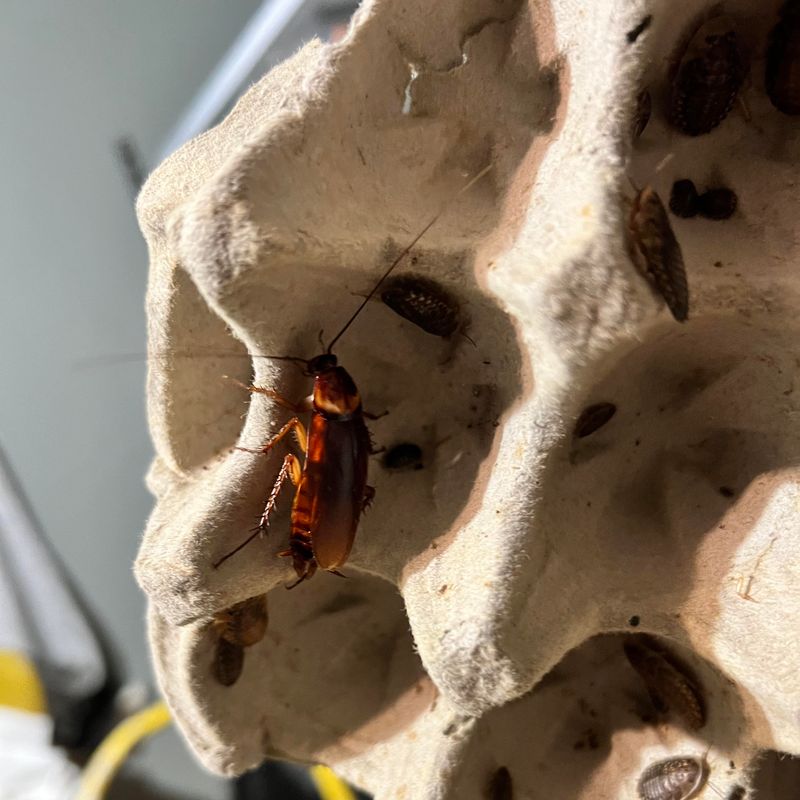
A trash can with a loose lid is practically an open invitation for cockroaches. The smell of garbage travels far, and roaches have a strong sense of smell that leads them straight to the source.
In many neighborhoods across California, trash bins sit outside for days between pickup. During that time, a poorly sealed lid lets odors escape freely.
Those odors attract not just cockroaches but other pests too. Once cockroaches find your trash area, they tend to stay close by.
It gets worse when the lid doesn’t close all the way. Roaches can squeeze through gaps that seem impossibly small.
They get inside the bin, feed on whatever they find, and then wander toward your home when the bin gets too crowded or disturbed.
Many people don’t realize their lids are broken or warped until they actually look closely. Wind can knock lids off completely.
Overfilled bins prevent lids from closing properly. Both situations create easy access for pests.
Your California Garden Changes Every Week. Your Plan Should Too.
Gardening in California changes quickly throughout the season. Every Friday you’ll receive a simple weekly plan showing exactly what to plant, prune, fertilize, harvest, and protect so you never miss the right timing.
Check your garbage bins regularly. Replace cracked or warped lids right away.
Use bungee cords or weighted lids if you live in a windy area. Rinse your bins out monthly to reduce odor buildup.
Keeping your trash area clean and sealed is one of the most effective ways to reduce cockroach activity around the outside of your home.
3. Keeping Compost Too Wet And Food-Heavy
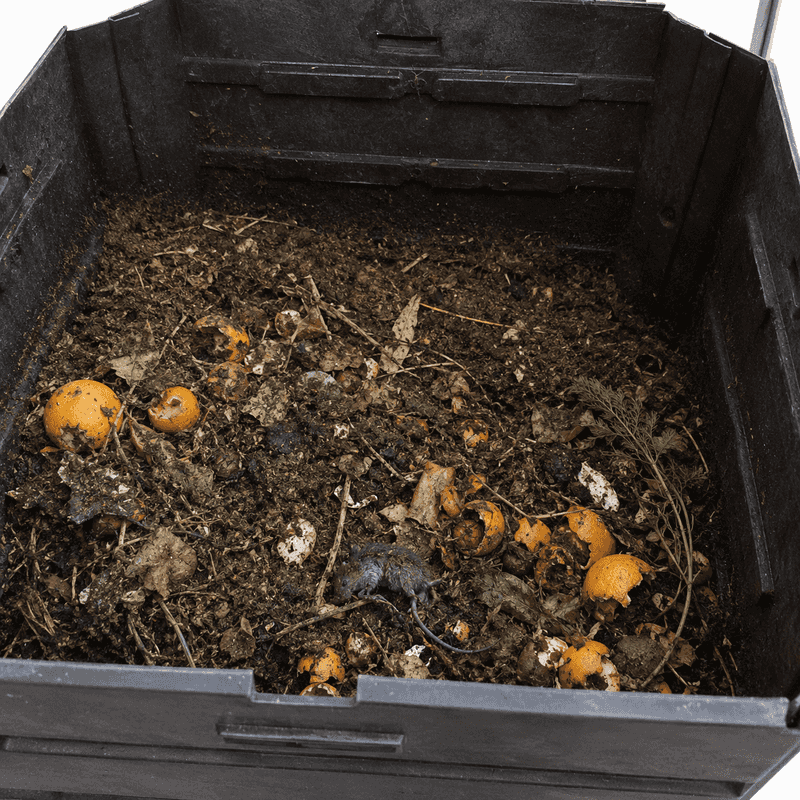
Composting is a great habit for your garden and the environment. But when a compost pile gets too wet or too loaded with food scraps, it turns into a cockroach magnet almost overnight.
Roaches love decomposing organic matter. It provides food and warmth at the same time.
A soggy compost bin full of fruit peels, coffee grounds, and vegetable scraps is exactly the kind of environment they seek out. In the mild climate found throughout much of California, compost stays warm enough to attract roaches in almost every season.
The problem often starts with balance. A healthy compost pile needs a mix of wet materials like food scraps and dry materials like leaves or cardboard.
When the wet stuff takes over, the pile becomes anaerobic, smelly, and irresistible to pests.
Location matters too. A compost bin sitting directly against your home’s foundation gives cockroaches a short trip from the pile to your walls.
Even a few feet of distance can reduce the risk significantly.
Turn your compost regularly to improve airflow and reduce moisture. Avoid adding meat, dairy, or oily foods, which break down slowly and attract pests faster.
Use a bin with a tight-fitting lid and a solid base. Keeping your compost balanced and well-maintained protects your garden investment while keeping unwanted roaches from moving in too close.
4. Letting Fallen Fruit Rot Under Trees
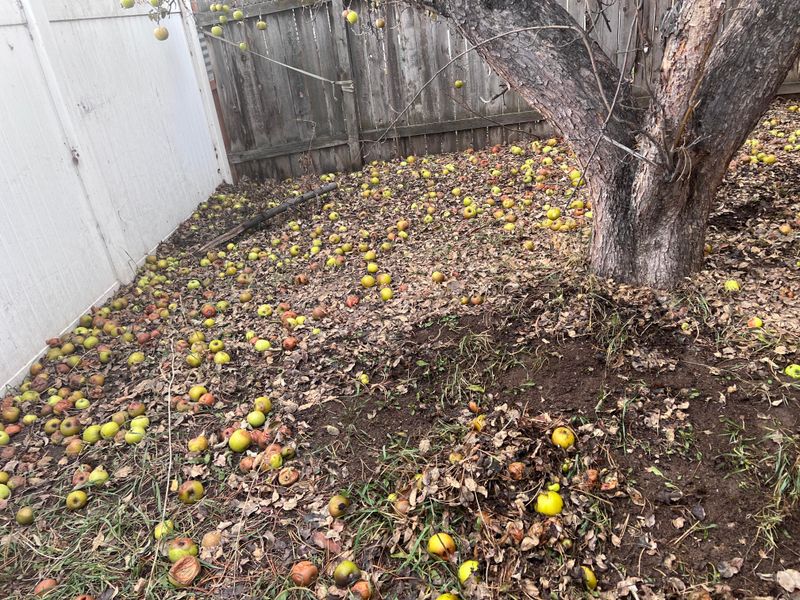
Fruit trees are one of the best features a yard can have. Fresh lemons, oranges, or avocados straight from your own tree feel like a luxury.
But when that fruit falls and sits on the ground, it quickly becomes a problem.
Rotting fruit is a top food source for cockroaches. As it breaks down, it releases sugars and moisture that roaches find extremely attractive.
In the warmer California regions, fruit can go from fresh to fully rotten in just a couple of days, especially during summer.
The mess tends to build up faster than people expect. You pick up a few pieces one day, then get busy and skip it the next.
Before long, there’s a layer of soft, fermenting fruit on the ground beneath your tree. That pile draws roaches, and once they’re feeding there regularly, they start looking for more food nearby, including inside your home.
Other insects like ants and flies also gather around rotting fruit, and cockroaches follow those food trails too. The area under your fruit tree can become a full pest hub if left unmanaged.
Make it a habit to walk your yard every couple of days and pick up fallen fruit. Compost it properly or bag it for green waste.
Keep the ground beneath your trees clear and dry. A little regular maintenance goes a long way toward keeping cockroaches from settling in your yard.
5. Overwatering Beds Near The Foundation
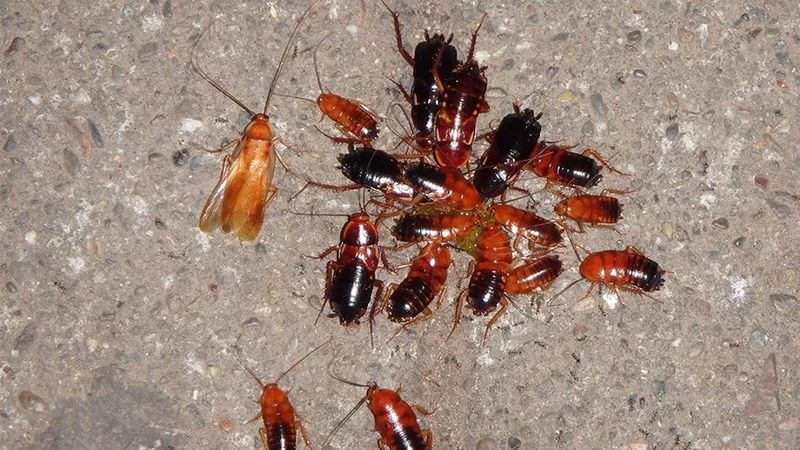
Moisture is one of the biggest reasons cockroaches move into a yard and eventually into a home.
When garden beds near your foundation stay consistently wet, you are creating ideal living conditions for roaches right next to your walls.
Overwatering is extremely common in California, especially among homeowners who set irrigation systems and forget about them. Sprinklers run on a schedule, but they don’t adjust for rain or seasonal changes.
Beds near the house end up saturated, and that moisture seeps into the soil and against the foundation.
Cockroaches don’t just need water to survive. They actively seek it out.
Damp soil near a foundation gives them a place to hide, breed, and stay cool during hot days. From there, they follow moisture trails right into cracks in your foundation or gaps around utility lines.
American cockroaches, one of the most common species in California, are particularly drawn to moist, dark spaces near structures. They thrive in exactly the conditions that overwatered beds create.
Adjust your irrigation schedule to water less frequently but more deeply. This encourages roots to grow downward rather than spreading near the surface.
Let the top few inches of soil dry out between waterings. Keep a buffer zone of dry mulch or gravel between your garden beds and your home’s foundation.
Reducing moisture near your walls is one of the smartest steps you can take against cockroach problems.
6. Leaving Leaf Litter Against The House
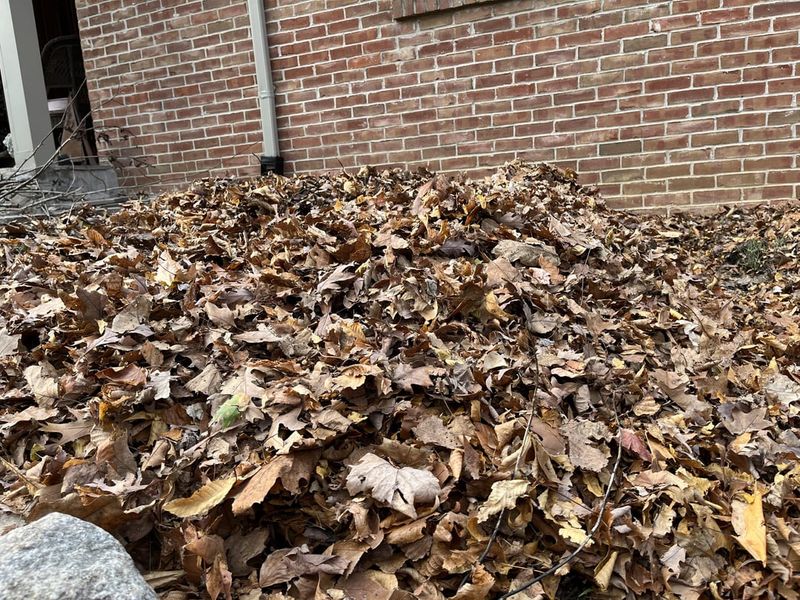
Raking leaves isn’t exactly anyone’s favorite weekend task, but skipping it can lead to a much bigger headache.
Leaf litter that piles up against your home creates one of the most welcoming environments a cockroach could ask for.
Withered leaves hold moisture, decompose slowly, and create dark, sheltered pockets that roaches love.
When those leaves are pressed directly against your home’s exterior walls, roaches don’t have to travel far to find both food and shelter in the same spot.
In the northern California regions, fall brings heavy leaf drop from oaks, maples, and other deciduous trees. Homeowners often let the leaves accumulate for weeks before clearing them.
In warmer southern areas, leaves fall year-round, meaning the problem can develop in any season without people noticing.
Leaf litter also traps humidity. Even on dry days, a thick pile of leaves against your wall can stay damp underneath.
That persistent moisture is exactly what cockroaches need to thrive. It also softens wood and creates conditions that attract other wood-damaging pests over time.
Clear leaves from around your home’s perimeter regularly. Bag them, compost them properly, or use them as mulch in garden areas away from the house.
Keep at least a foot of clear, dry space between any plant material and your exterior walls. That simple gap makes it much harder for cockroaches to find a comfortable hiding spot near your home.
7. Stacking Firewood Too Close To Walls
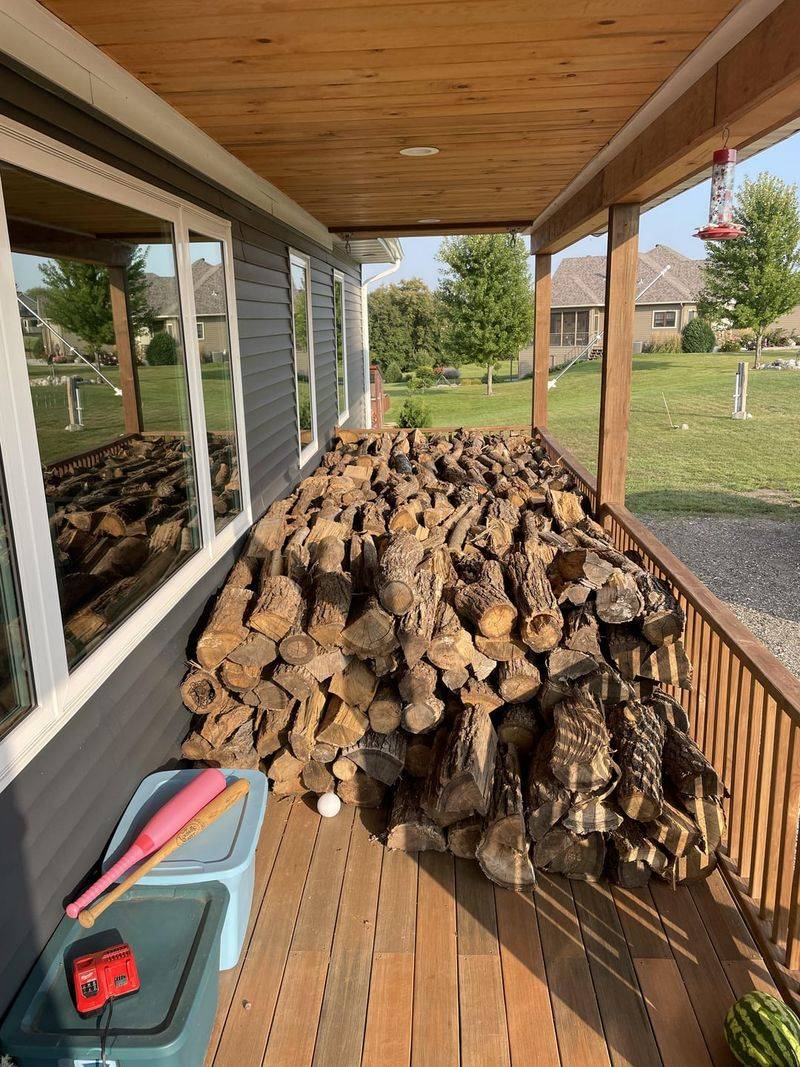
There’s something cozy about having a big stack of firewood ready to go for a cool evening. But where you store that wood matters more than most people think, especially when it comes to keeping cockroaches away.
Firewood stacks are a dream hiding spot for roaches. The gaps between logs provide shelter, the bark holds moisture, and the wood itself can harbor decomposing material that roaches feed on.
When that stack sits right against your home’s wall, you’ve essentially built a cockroach apartment complex just inches from your house.
In the foothill communities and mountain-adjacent neighborhoods found throughout California, firewood storage is a common part of home life.
Many homeowners stack wood under covered patios or right beside the back door for easy access. That convenience comes at a cost.
Cockroaches that nest in woodpiles don’t stay there forever. They explore outward, following walls and looking for new food sources.
Your home’s warm interior becomes a natural destination, especially when temperatures drop at night.
Store firewood at least 20 feet from your home whenever possible. Keep it elevated off the ground on a rack or pallets to reduce contact with soil moisture.
Use only what you need and rotate the stack regularly so old wood doesn’t sit undisturbed for too long. Covering the top of the pile helps reduce moisture while still allowing airflow around the sides.
8. Letting Dense Groundcover Touch Siding
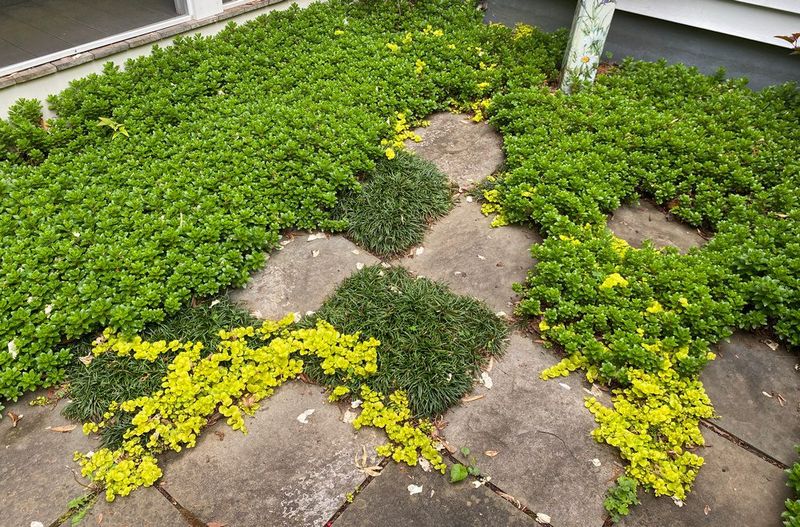
Lush groundcover looks beautiful in a yard. Plants like ivy, mondo grass, and creeping fig can turn a bare patch into something green and full.
But when those plants grow all the way up to your home’s siding, they quietly create a major cockroach problem.
Dense groundcover that touches your exterior walls gives cockroaches exactly what they want: cover, humidity, and a direct path to your home. The thick canopy traps moisture against the ground and the siding.
It blocks sunlight and airflow, keeping conditions cool and damp even on warm days.
Cockroaches move through dense groundcover easily. It hides them from predators and gives them a protected corridor right to your foundation.
From there, finding a gap or crack to slip through is just a matter of time.
Ivy is one of the most common offenders across California. It grows aggressively, spreads fast, and creates a dense mat that is nearly impossible to see through.
Pest control professionals frequently find cockroach activity in ivy beds that run along home foundations.
Trim groundcover back so there is at least a foot of open space between the plants and your siding. Check that space regularly for signs of pest activity like droppings or shed skins.
Consider replacing very dense groundcover near your home with gravel, decorative rock, or low-growing plants that don’t trap as much moisture. A little separation goes a long way toward keeping roaches outside where they belong.