Native Plants That Thrive In Part Shade In Western North Carolina Mountains
Part shade can feel tricky in a mountain garden, especially when some plants want more sun and others fade in deep shade.
In western North Carolina, though, many native plants are perfectly suited to that in between light.
They grow along woodland edges, beneath tall trees, and in spots where sunlight shifts through the day. That makes them a smart choice for yards with filtered light and changing conditions.
Even better, these plants already know how to handle the region’s soil, rainfall, and seasonal swings. Many bring soft color, rich texture, and steady interest without needing constant attention.
Some attract pollinators, while others fill quiet corners with lush growth that feels right at home in the mountains.
If you have a partly shaded space that never seems easy to plant, these native picks can turn it into one of the most beautiful parts of your garden.
1. Foamflower (Tiarella Cordifolia)
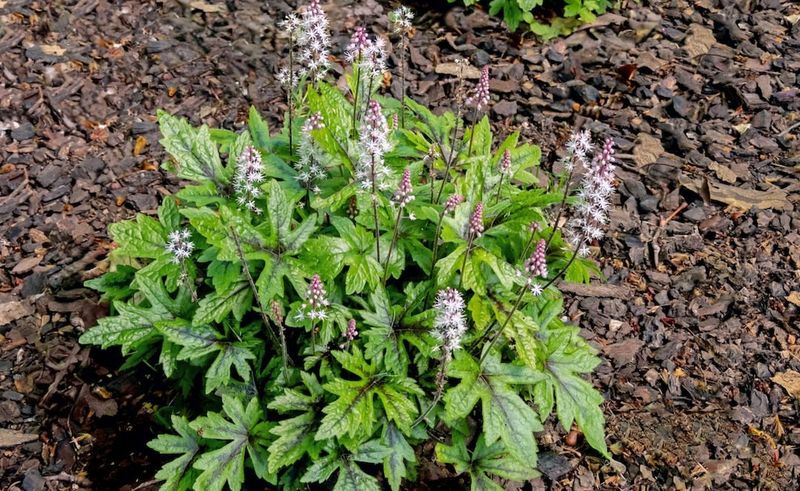
Few plants capture the soft magic of a mountain woodland quite like foamflower.
In the forests and coves of Western North Carolina, this low-growing perennial feels completely at home, spreading gently into lush colonies that look like they have always been there.
The airy white flower spikes that rise above the heart-shaped leaves in spring are truly a sight worth waiting for.
Foamflower thrives in moist, humus-rich soil with consistent part shade, which makes it a natural fit under the tall canopy trees common across the WNC mountains.
It spreads through runners, slowly forming a dense ground cover that helps keep weeds down without much effort on your part.
Once it gets established, it rewards you with very little fuss and a whole lot of beauty year after year.
Planting it alongside other woodland natives like wild columbine or crested iris creates a layered look that feels truly natural.
Mulching with leaf litter mimics the forest floor and keeps moisture locked in during dry spells.
If you want a plant that practically takes care of itself while looking gorgeous in a shaded mountain garden, foamflower belongs at the top of your list.
It is one of those rare finds that looks delicate but performs with real toughness in the right conditions.
2. Hairy Alumroot (Heuchera Villosa)
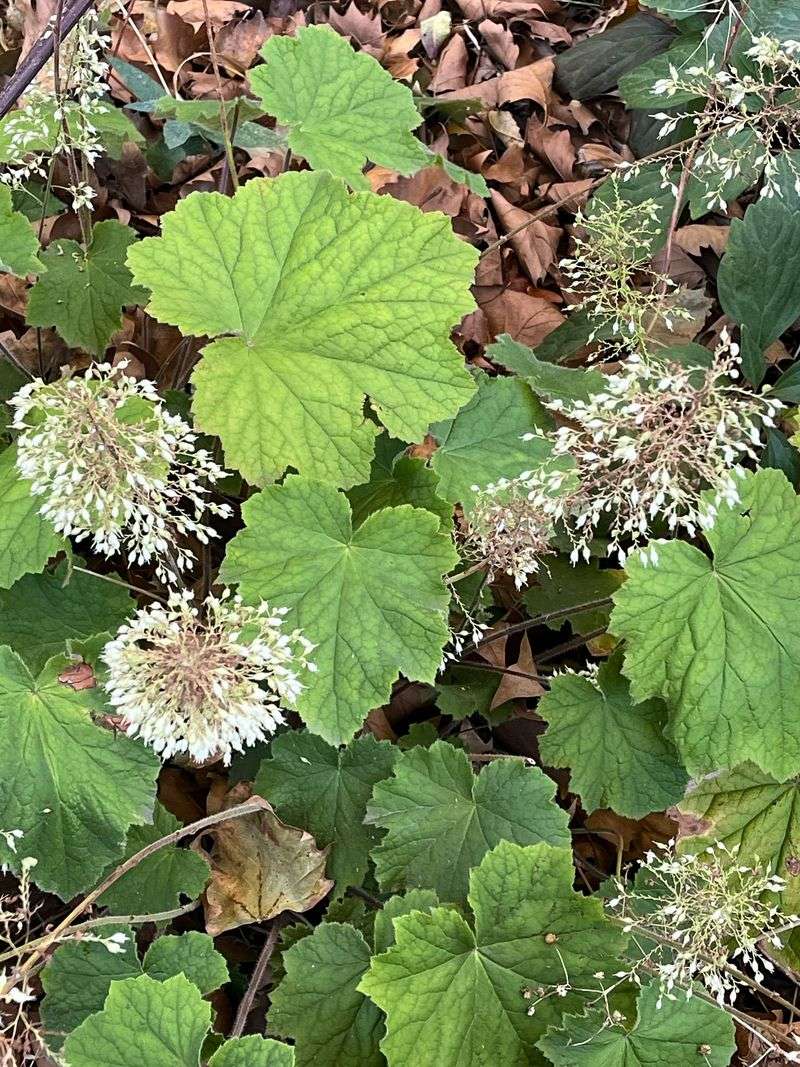
Hairy alumroot is a tough mountain native that earns serious respect in Western North Carolina gardens.
Unlike many ornamental heucheras sold at garden centers, this species actually evolved in the Appalachian region, which means it handles summer humidity, rocky soil, and shifting shade levels far better than most of its cousins.
The textured, slightly hairy leaves form beautiful mounds that look attractive even when the plant is not in bloom. Partial shade or dappled light is where this plant truly shines.
It grows naturally along rocky woodland edges and stream banks throughout the WNC mountains, so it is well adapted to the kind of conditions many gardeners struggle to plant in.
Thin, airy flower stems rise above the foliage in summer, adding a light and graceful touch to any shaded bed or border. One of the best things about hairy alumroot is its flexibility.
Your North Carolina Garden Changes Every Week. Your Plan Should Too.
Gardening in North Carolina changes quickly throughout the season. Every Friday you’ll receive a simple weekly plan showing exactly what to plant, prune, fertilize, harvest, and protect so you never miss the right timing.
It tolerates drier conditions better than many shade perennials, which is a real advantage during hot stretches in late summer.
Pairing it with foamflower or Solomon’s seal creates a rich, layered planting that looks intentional and polished.
Gardeners across Western North Carolina who want reliable, low-maintenance beauty in tricky spots will find hairy alumroot to be one of the most dependable natives available. It is a plant that truly earns its place.
3. Creeping Phlox (Phlox Stolonifera)
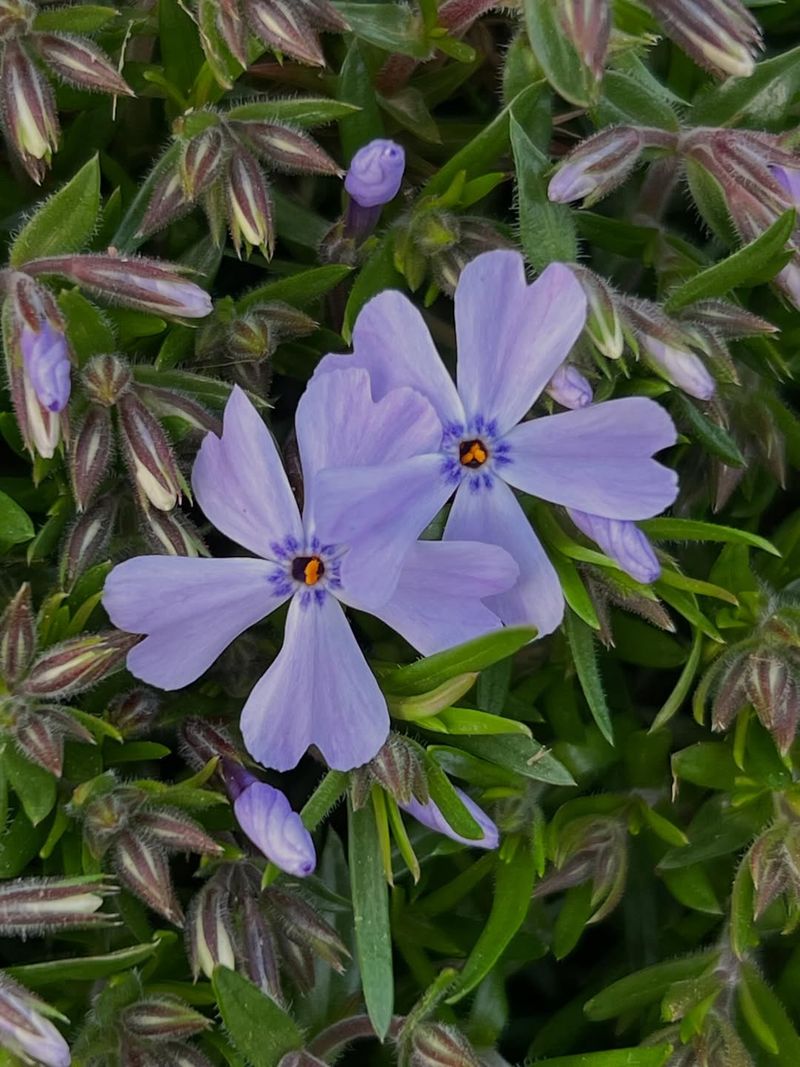
Creeping phlox is one of spring’s best surprises in an Appalachian-style garden. When it blooms, the low mat of foliage practically disappears under a wash of soft lavender or pink flowers that spread across the ground like a living carpet.
For gardeners in Western North Carolina, this native species offers something many ground covers simply cannot, which is true beauty in part shade without constant maintenance.
Unlike the more commonly sold moss phlox, which prefers full sun, creeping phlox is naturally a woodland plant.
It grows well in moist, well-drained soil with consistent partial shade, making it an excellent fit for the kind of environments found throughout the WNC mountain region.
It spreads steadily but never aggressively, filling in gaps between rocks or tree roots in a way that looks completely natural.
After the spring bloom fades, the evergreen foliage stays tidy and green throughout the year, which gives your garden structure even in the off-season.
Pairing creeping phlox with crested iris or hairy alumroot creates a colorful spring display that layers beautifully across a shaded slope or garden bed. It roots easily from cuttings if you want to expand your planting over time.
Gardeners who love the look of a wild mountain forest floor but want something a little more refined will absolutely fall for this charming native plant.
4. Wild Columbine (Aquilegia Canadensis)
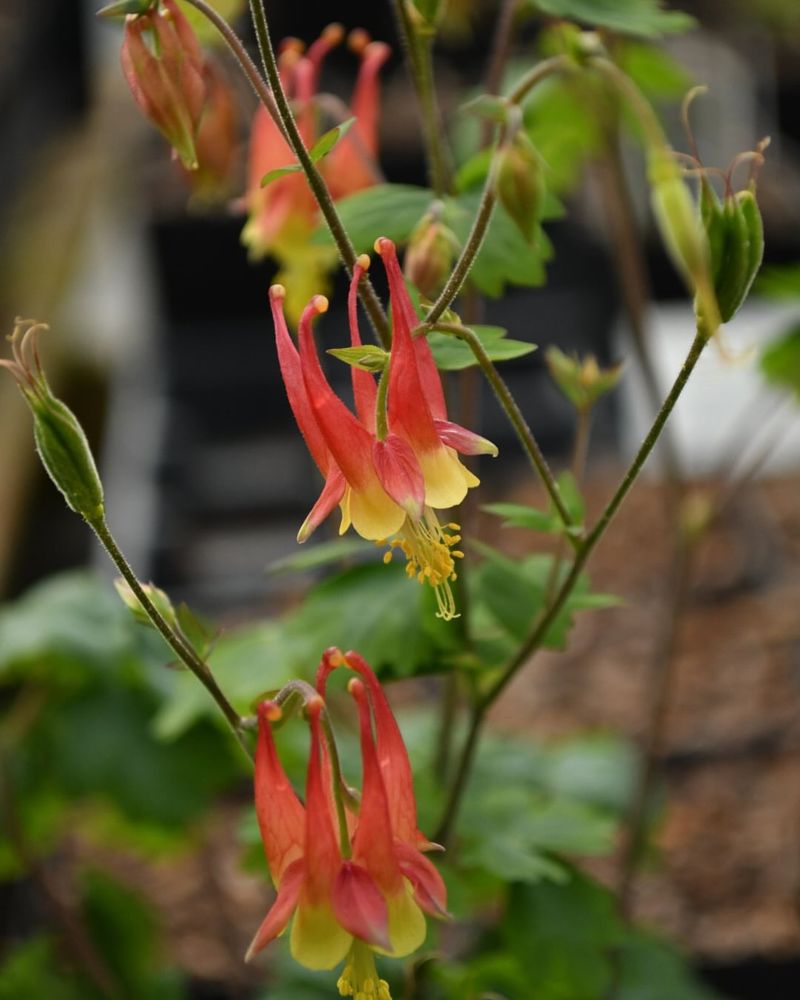
Wild columbine brings a burst of red and yellow energy to shaded mountain gardens in a way that few other native plants can match.
The nodding, lantern-shaped flowers dangle gracefully above lacy blue-green foliage from mid-spring into early summer, creating a display that feels both wild and wonderfully elegant.
In the Western North Carolina mountains, this native perennial is right at home along woodland edges and in spots with dappled light.
Ruby-throated hummingbirds are absolutely drawn to wild columbine, making it one of the most wildlife-friendly choices you can plant in a part-shade mountain garden.
The long, curved spurs on the flowers are perfectly shaped for hummingbird feeding, and watching them hover and feed is a genuine garden highlight.
Beyond the hummingbirds, native bees also visit regularly, adding even more life and movement to the garden.
Wild columbine grows best in rich, moist soil with good drainage, though it tolerates leaner conditions better than many shade perennials.
It self-seeds freely, which means once you plant it, it tends to naturalize happily through a garden bed over time.
Thinning seedlings occasionally keeps the planting looking intentional rather than overgrown.
Pairing wild columbine with foamflower or creeping phlox creates a stunning spring combination in WNC mountain landscapes.
For gardeners who love native plants that also attract wildlife, this one is a must-have addition to any part-shade planting plan.
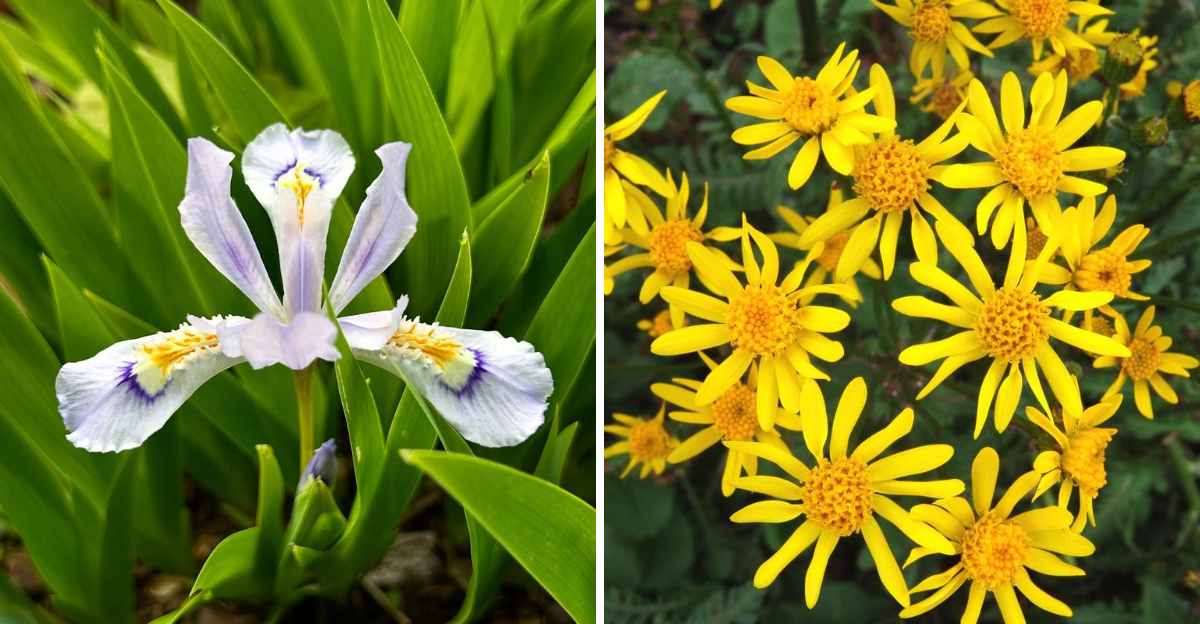
5. Crested Iris (Iris Cristata)
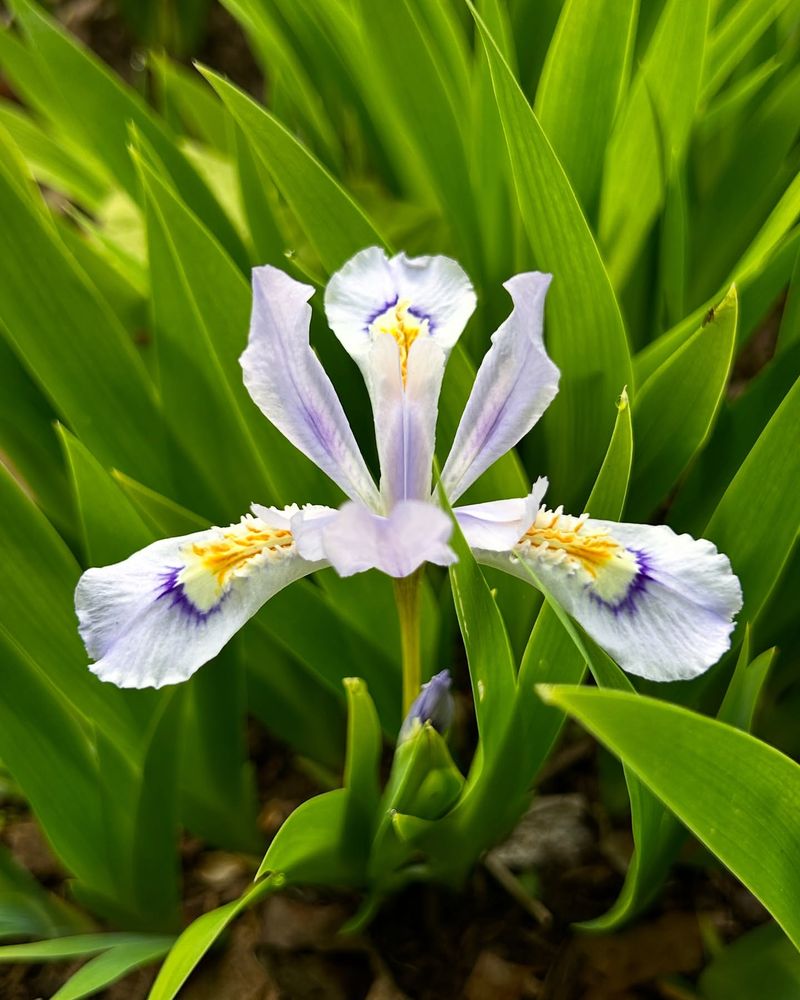
There is something almost magical about finding a crested iris in bloom on a forest floor in spring.
The pale blue flowers with their distinctive gold crests look delicate and refined, yet this small native iris is tougher than it appears.
Across the Western North Carolina mountains, it grows naturally in open woodlands and along shaded slopes, which makes it a perfect candidate for part-shade garden spaces.
What makes crested iris especially valuable is its ability to handle dry shade once it gets established.
Many spring bloomers struggle when the soil dries out in summer, but this native adapts surprisingly well.
It spreads slowly through rhizomes, forming low, fan-like colonies of foliage that stay tidy and attractive long after the spring flowers have faded. The foliage alone adds a clean, structured look to any shaded planting area.
Planting crested iris along a woodland path or at the base of a large deciduous tree is a classic approach that works beautifully in WNC mountain gardens.
It pairs well with foamflower and wild columbine for a layered spring display that feels authentically Appalachian.
Very little maintenance is needed once the plant settles in. Avoid disturbing the shallow rhizomes and keep the soil lightly mulched to retain moisture through summer.
For gardeners who want a plant with real visual impact and minimal upkeep, crested iris delivers every single year.
6. Hairy Solomon’s Seal (Polygonatum Pubescens)
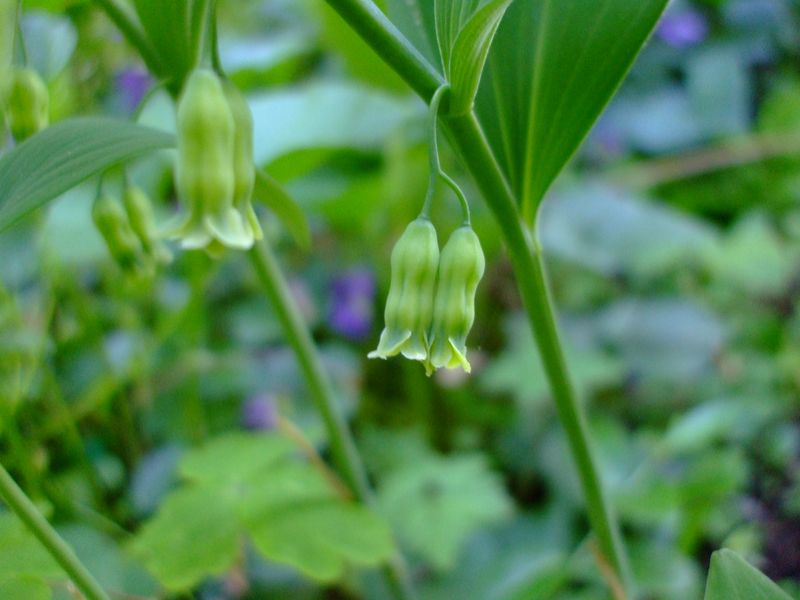
Hairy Solomon’s seal has a quiet elegance that makes it one of the most satisfying native plants to grow in a shaded mountain garden.
The gracefully arching stems lined with oval leaves create a beautiful layered effect, and the small, pale tubular flowers that dangle beneath the stems in spring add a subtle charm that rewards those who look closely.
In Western North Carolina, this species is naturally found in partially to heavily shaded woodland sites throughout the mountain region.
Unlike its more commonly known relative, hairy Solomon’s seal is specifically adapted to the Appalachian mountain environment, which means it handles the local climate, soil conditions, and humidity levels with ease.
It grows best in rich, moist soil with consistent shade or dappled light, making it an ideal companion plant for ferns, foamflower, and other woodland natives.
The foliage turns a warm golden yellow in fall, giving the garden one last show before the season wraps up.
Planting hairy Solomon’s seal along a shaded path or beneath a canopy of hardwoods creates a naturalistic effect that looks like it came straight from the WNC forest.
It spreads slowly through rhizomes, gradually building into a graceful colony without becoming invasive. Mulching with shredded leaves keeps the root zone cool and moist through summer.
Gardeners who appreciate understated beauty and reliable performance in tricky shaded spots will find this native to be an incredibly rewarding long-term addition to any mountain garden.
7. Golden Ragwort (Packera Aurea)
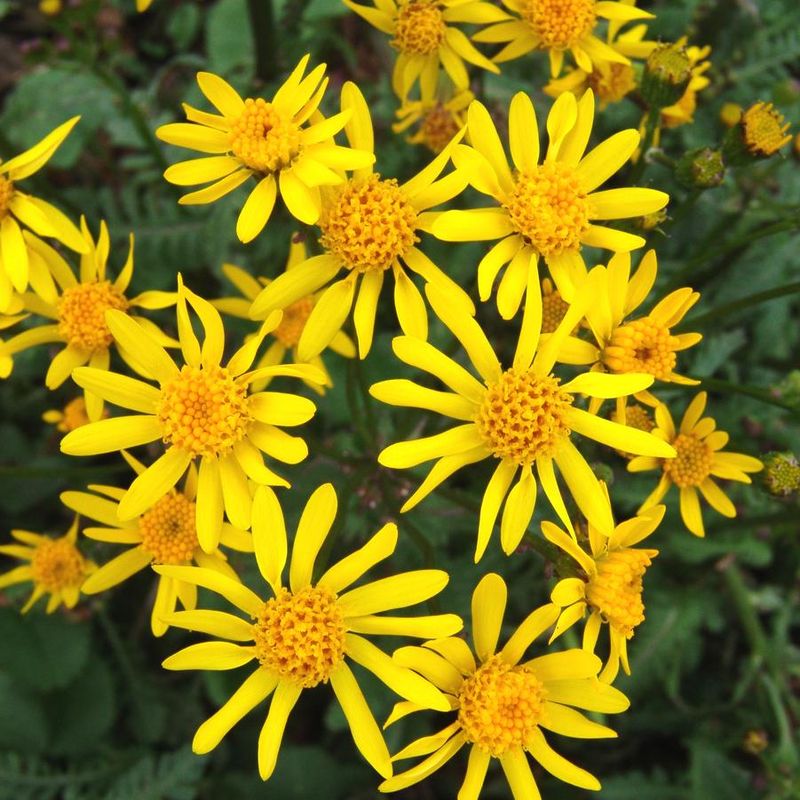
Golden ragwort is one of the most cheerful native plants you can grow in a partly shaded mountain garden, and it does not get nearly enough credit.
When it blooms in spring, the clusters of bright yellow daisy-like flowers seem to light up even the darkest corners of a WNC mountain landscape.
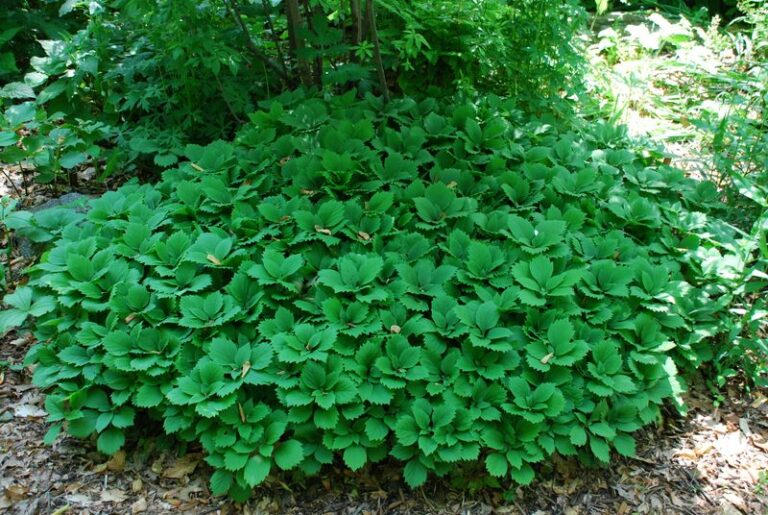
The deep green, heart-shaped basal leaves stay attractive through much of the year, giving the garden a lush, full look long after the flowers have faded.
This plant thrives in average to moist soil with partial shade, which makes it an excellent ground-layer choice for wet spots or low-lying areas that other plants tend to avoid.
It spreads steadily through both seeds and runners, eventually forming a dense mat that helps suppress weeds and stabilize soil on slopes.
For gardeners dealing with erosion-prone shaded areas in the Western North Carolina mountains, golden ragwort offers a practical and beautiful solution.
Pollinators absolutely love the spring flowers, and the plant supports a wide range of native bees and butterflies during an important early-season window.
Combining golden ragwort with wild columbine or hairy alumroot creates a vibrant spring planting that feels alive and dynamic.
It is a tough, adaptable native that performs reliably year after year with very little care once established.
If your WNC mountain garden has a wet, shaded corner that needs some color and life, golden ragwort is exactly the plant to reach for.
8. Ramps (Allium Tricoccum)
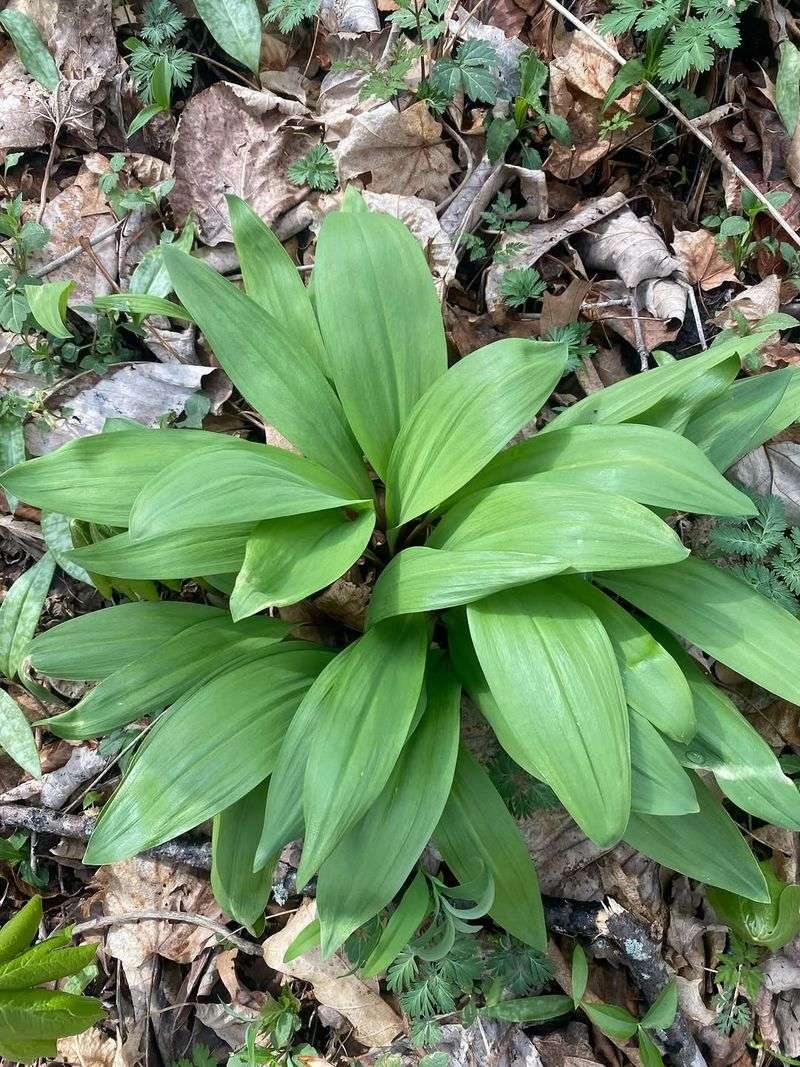
Ramps hold a special place in the culture and ecology of the Western North Carolina mountains, and growing them in a home garden feels like connecting to something genuinely rooted in this region.
These broad-leaved wild onions emerge in early spring, pushing up through the leaf litter before most other plants have even stirred.
The rich, garlicky scent that fills the air when the leaves appear is one of the most recognizable signs of spring in the Appalachian mountains.
Naturally adapted to rich, moist deciduous forests, ramps are a classic part-shade woodland plant that thrives under the same conditions found throughout the WNC mountain region.
They prefer deep, humus-rich soil that stays consistently moist, especially during their active spring growing period.
Planting them under a canopy of maples, tulip poplars, or other hardwood trees mimics their natural habitat and gives them the best chance to establish and spread over time.
Ramps are slow to establish from seed, so starting with transplants or divisions is usually the most practical approach.
Once they settle in, they spread gradually into beautiful colonies that come back reliably each spring.
Harvesting a few leaves or bulbs is fine once the colony is well established, but patience is key in the early years.
For WNC mountain gardeners who want a plant with deep cultural roots, genuine ecological value, and a truly unforgettable springtime presence, ramps are an absolutely rewarding native to grow.