Florida Plants That Need Shade Right Now (Or They Won’t Survive Summer)
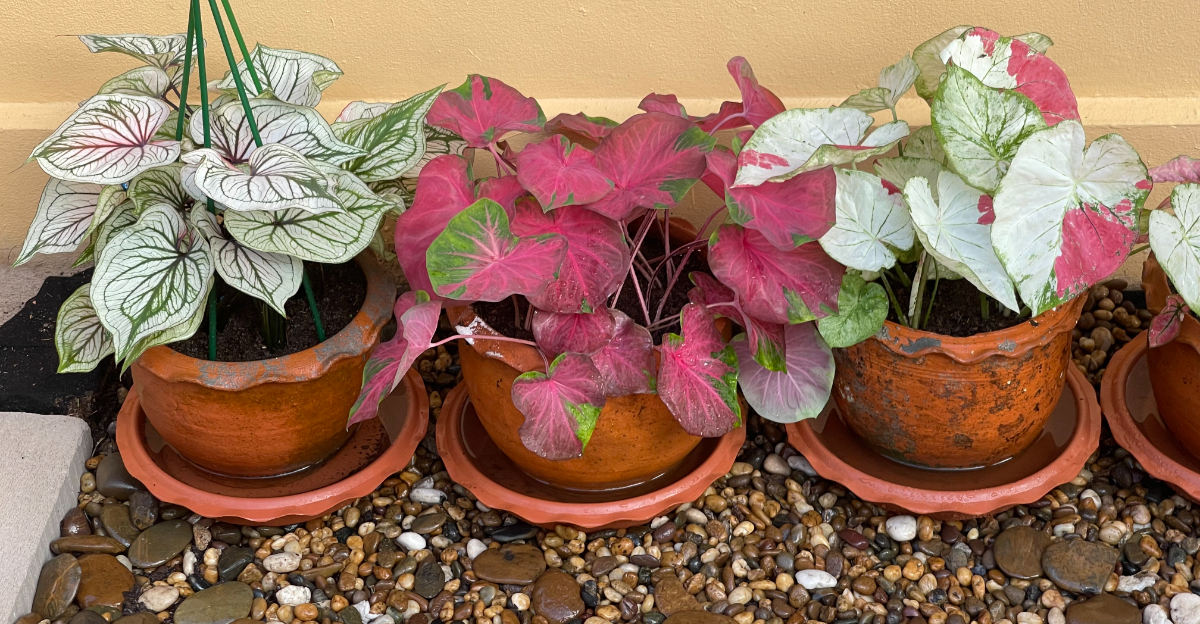
Florida’s summer sun is not the same sun that showed up in March. The angle is different, and the intensity is different.
Plants that handled a sunny spot just fine through spring are now getting hit with something they were never equipped for. The calendar changed and the light changed with it, but most Florida yards stayed exactly the same.
Some plants are already telling you they are in trouble. Bleached out leaves, crispy edges, a kind of wilted exhaustion that does not recover even after a good watering.
These are not random problems. They are a direct response to too much of the wrong kind of light at the wrong time of year.
Moving or shading certain plants right now matters before the worst of summer settles in. It can be the difference between a plant that pushes through and one that does not make it to fall.
A few Florida favorites are more urgent than others.
1. Caladiums Need Shelter Before Leaves Scorch
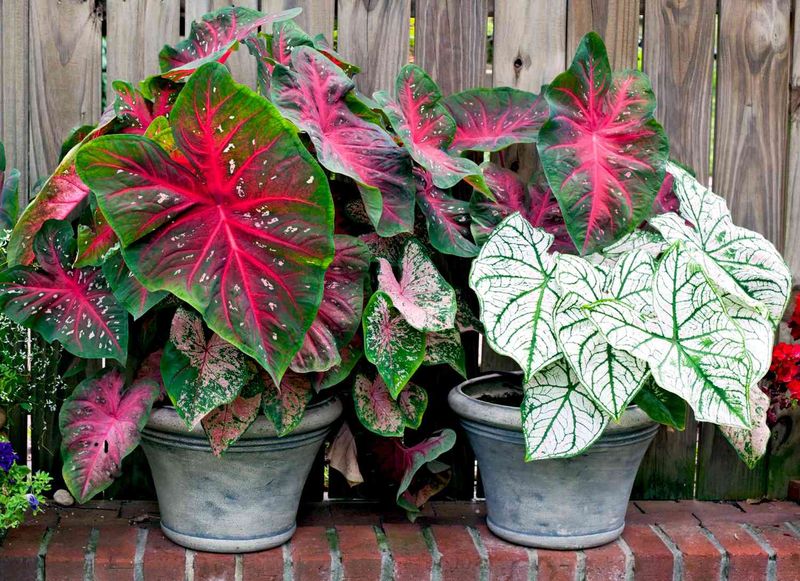
A pot of caladiums sitting in full western sun on a Florida patio is a recipe for heartbreak. Those bold, paper-thin leaves can scorch, fade, or collapse fast when afternoon heat peaks, and once the damage shows, it rarely reverses cleanly.
Caladiums (Caladium species and hybrids) are shade-lovers at heart. Most varieties prefer bright indirect light or filtered shade, though some sun-tolerant cultivars can handle morning sun with proper moisture.
The key word is “most.” If you are unsure which type you have, shade is the safer bet until you see how the plant responds.
Moving containers to a spot with bright shade and protection from western exposure makes a real difference fast. Keep soil evenly moist but never soggy, because waterlogged roots cause just as much damage as sunburn.
Sandy soil drains quickly in this state, so check moisture levels more often than you think you need to.
Shade will not fix poor drainage, a too-small pot, or a plant already deep into decline. Check the pot for roots circling the bottom, and repot into fresh mix if needed.
Good airflow around the pot also helps reduce fungal issues that can sneak in during the rainy season. Caladiums are non-native ornamentals widely grown across warm regions for their stunning foliage.
With the right placement, they can hold their color through summer beautifully.
2. Impatiens Fade Fast When Afternoon Sun Hits
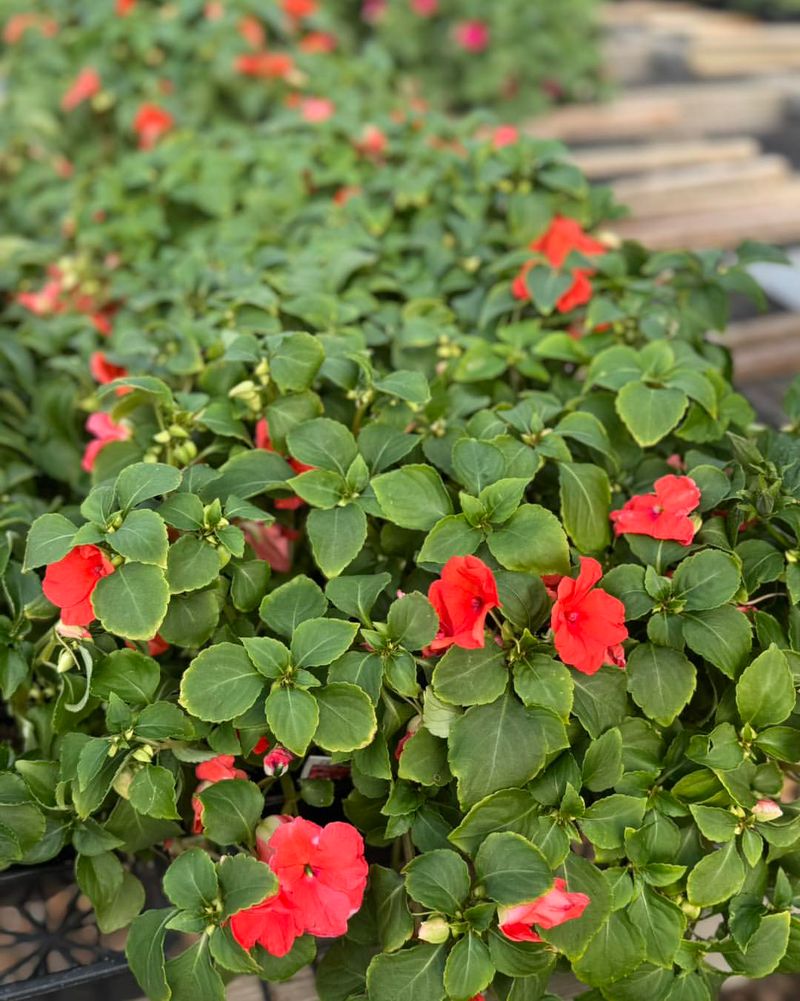
Walk past a bed of impatiens baking in afternoon sun and you will notice something fast. The blooms look washed out, the leaves droop, and the whole plant seems to be quietly giving up.
Impatiens walleriana and common garden impatiens types are built for shade and filtered light. They are not built for the kind of intense heat this state delivers from June through September.
Wilting is usually the first warning sign. When containers sit on hot concrete or decking, the pot itself absorbs heat and cooks the roots from below.
Moving those pots into bright shade or a covered porch can stop the stress cycle before it gets worse. Hanging baskets do especially well when tucked under an eave or a tree canopy that blocks afternoon sun.
Your Florida Garden Changes Every Week. Your Plan Should Too.
Gardening in Florida changes quickly throughout the season. Every Friday you’ll receive a simple weekly plan showing exactly what to plant, prune, fertilize, harvest, and protect so you never miss the right timing.
One thing worth mentioning is downy mildew, a serious fungal disease that has affected impatiens walleriana in many regions. If you notice rapid defoliation or a grayish coating on leaves, the problem may not be sun at all.
Disease-resistant cultivars or alternative impatiens types can be better choices where mildew pressure is high.
Impatiens are non-native ornamentals and are not native landscape plants. They perform best in pots, protected beds, and shaded spots where watering and drainage can be managed carefully.
Consistent moisture without soggy soil, good airflow, and afternoon shade give them the best shot at staying colorful through summer.
3. Peace Lilies Belong In Pots With Deep Shade
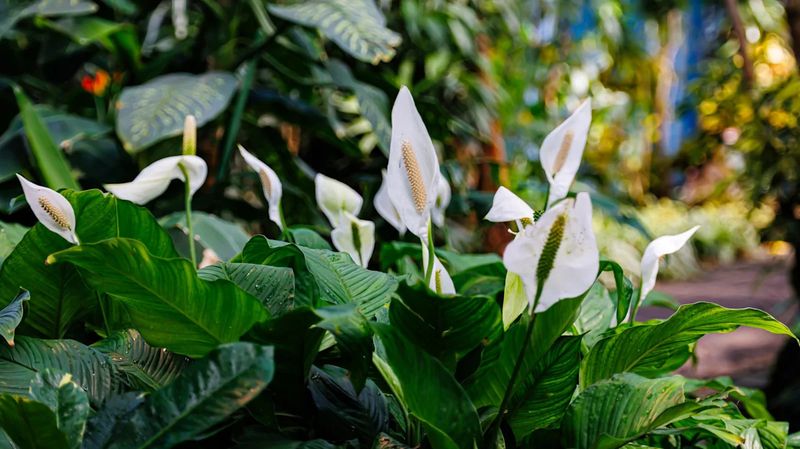
Spotted a drooping peace lily on a sunny porch? That plant is telling you exactly what it needs.
Peace lilies (Spathiphyllum species and hybrids) are shade-loving container plants that can suffer quickly when placed in direct outdoor sun. That is especially true during summer months when light intensity in this state is relentless.
Leaf scorch shows up as brown patches or crispy edges, and the leaves may yellow or droop dramatically even when the soil is moist. Bright indirect light or deep shade outdoors is where these plants do their best work.
A covered porch, a shaded lanai, or a spot under a large tree canopy can give them the environment they need to recover and stay lush.
Peace lilies are non-native plants and should not be presented as native Florida landscape species. Keeping them in containers is smart because it lets you control watering, drainage, and placement all at once.
Pots with drainage holes are non-negotiable since soggy roots lead to root rot quickly in humid conditions.
Check soil moisture before watering rather than watering on a set schedule. During summer rains, outdoor pots can stay wet longer than expected, so drainage matters as much as shade.
Brown leaf tips sometimes signal fluoride sensitivity or inconsistent moisture rather than sun damage alone. Moving a peace lily into deep shade paired with careful watering is one of the most practical rescues you can do right now.
4. Ferns Need Filtered Light Before Summer Heat Peaks
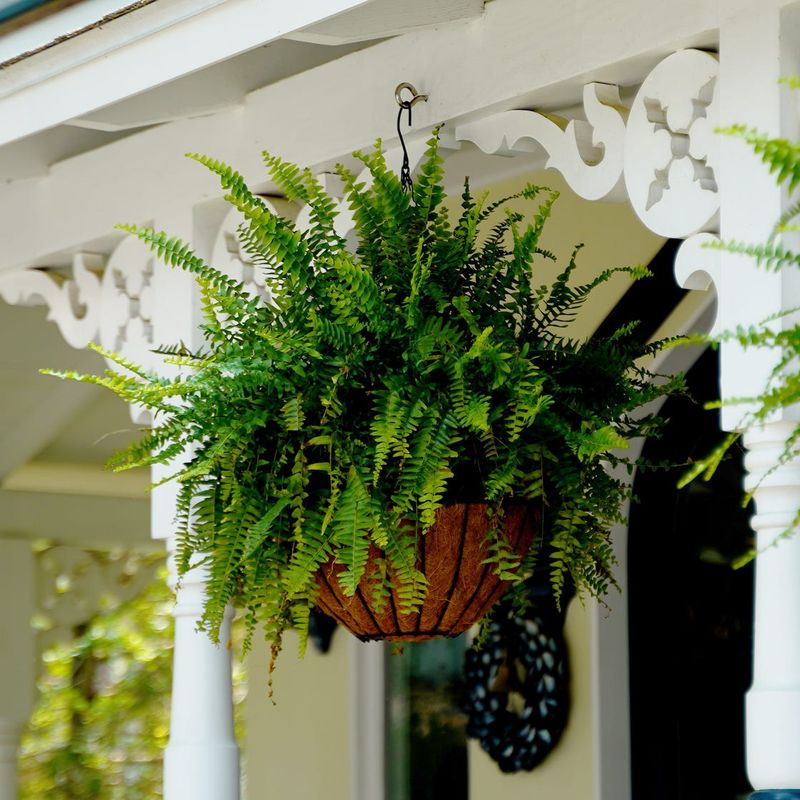
Few plants look as naturally at home on a shaded Florida porch as a well-grown fern, but getting there takes more than just moving the pot into the shade.
Ferns need filtered light, steady humidity, and consistent moisture to stay lush, and summer heat can push them into decline fast if any of those conditions slip.
Boston fern (Nephrolepis exaltata) is one of the most widely grown fern choices for containers and hanging baskets in warm regions.
It thrives in bright indirect light and humid conditions but can dry out shockingly fast in pots, especially during hot afternoons.
Fronds that turn brown and crispy usually signal drought stress rather than disease, so check soil moisture often.
Soggy soil is just as dangerous as dry soil. Pots without drainage holes trap water and cause root rot, which looks similar to drought stress on the outside.
Make sure containers drain freely and that saucers do not collect standing water after rain.
Some ferns are native to this state and some are not, so it is worth knowing what you have before planting anything in the ground. Boston fern is non-native but widely used as an ornamental container plant.
Avoid planting ferns in the ground near natural areas without checking their status first. In containers on a shaded porch or patio, most appropriate fern types can be managed safely and kept looking full through summer with regular watering and good airflow.
5. Begonias Burn Quickly In Harsh Afternoon Exposure
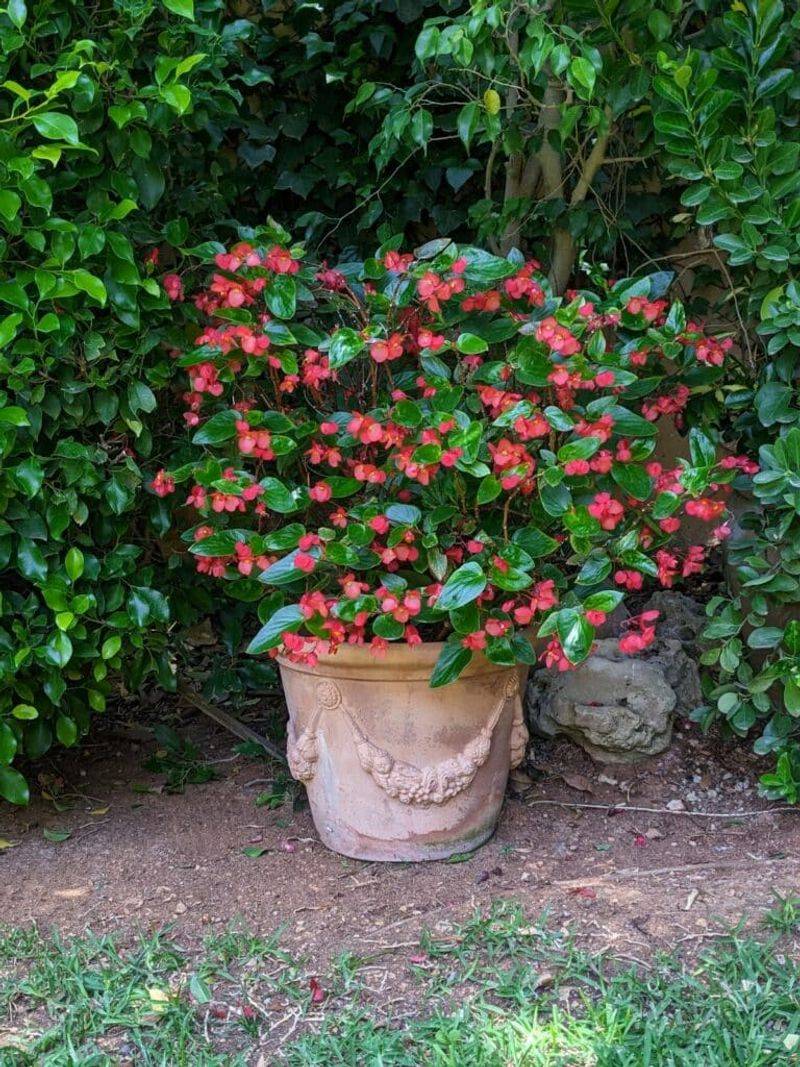
Begonias have a reputation for being easygoing, but harsh afternoon sun in this state can prove that reputation wrong in a hurry. Many begonia species and hybrids (Begonia species) perform far better in bright shade, morning sun, or filtered light.
They struggle in the kind of blazing western exposure that hits patio containers and open beds during summer afternoons.
Scorched leaves show up as pale or brown patches, and flower color fades to a washed-out version of what it should be. Wilt can follow quickly, especially in smaller pots that heat up fast on concrete or dark surfaces.
Moving begonias to a shaded porch, a covered planter area, or a spot that gets morning sun and afternoon shade can slow that stress considerably.
Begonias are non-native ornamentals. They should not be presented as native plants, and gardeners should know that some types can reseed or spread in warm, humid conditions.
Using containers or clearly managed beds makes it easier to monitor and remove volunteers before they get out of hand.
Good drainage is critical. Begonias do not like sitting in wet soil, and summer rains can waterlog poorly draining pots or beds quickly.
Choose containers with drainage holes, use a quality potting mix, and check for pests like spider mites or mealybugs that can move in when plants are already stressed. Shade helps, but it works best when paired with proper watering and a clean, healthy root system.
6. Gingers Need Shade And Space To Stay Manageable
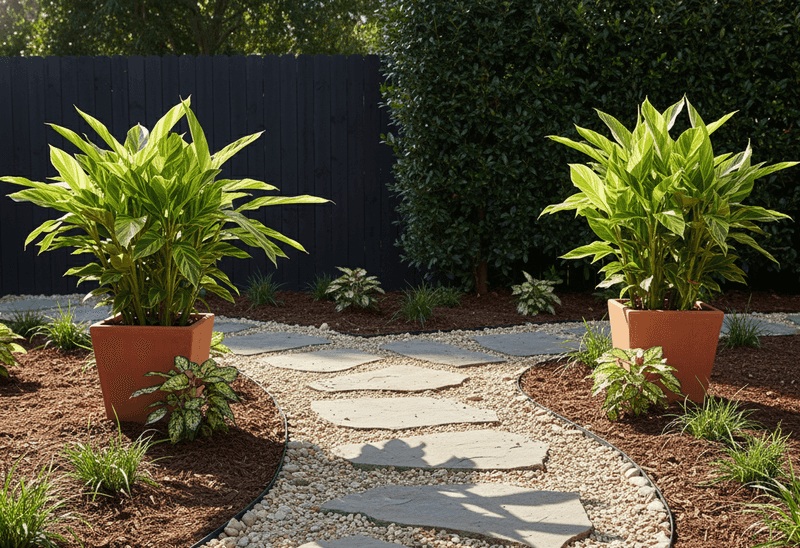
Ornamental gingers bring a lush, tropical look to shaded garden spots, but not all of them belong in the ground in this state. Some spread aggressively in warm, humid conditions and can become difficult to manage once established outside a container.
Choosing the right type matters as much as choosing the right spot.
Shell ginger (Alpinia zerumbet) is one ornamental ginger that is widely grown in warm regions and is noted by UF/IFAS as a landscape plant. Gardeners should be aware it can spread and may need regular division to stay contained.
It prefers partial shade and moisture, and large leaves can scorch badly in harsh afternoon sun. Containers with good drainage and a shaded placement help keep it manageable.
Several other ornamental gingers, including some Hedychium species, are listed as invasive or high-risk by the Florida Invasive Species Council or UF/IFAS Assessment. These should not be planted in the ground near natural areas or waterways.
If you already have a spreading ginger in a garden bed, consider transitioning it to a container with a root barrier. You can also remove it entirely and replace it with a safer alternative.
Shade and moisture help ornamental gingers thrive, but spread risk is a real concern in this climate. Always verify the specific ginger type against current UF/IFAS or FISC guidance before planting.
Containers, regular division, and careful monitoring are the safest approach for keeping ornamental gingers in a home landscape without creating a future problem.
7. Coleus Needs Afternoon Shade To Keep Color Strong
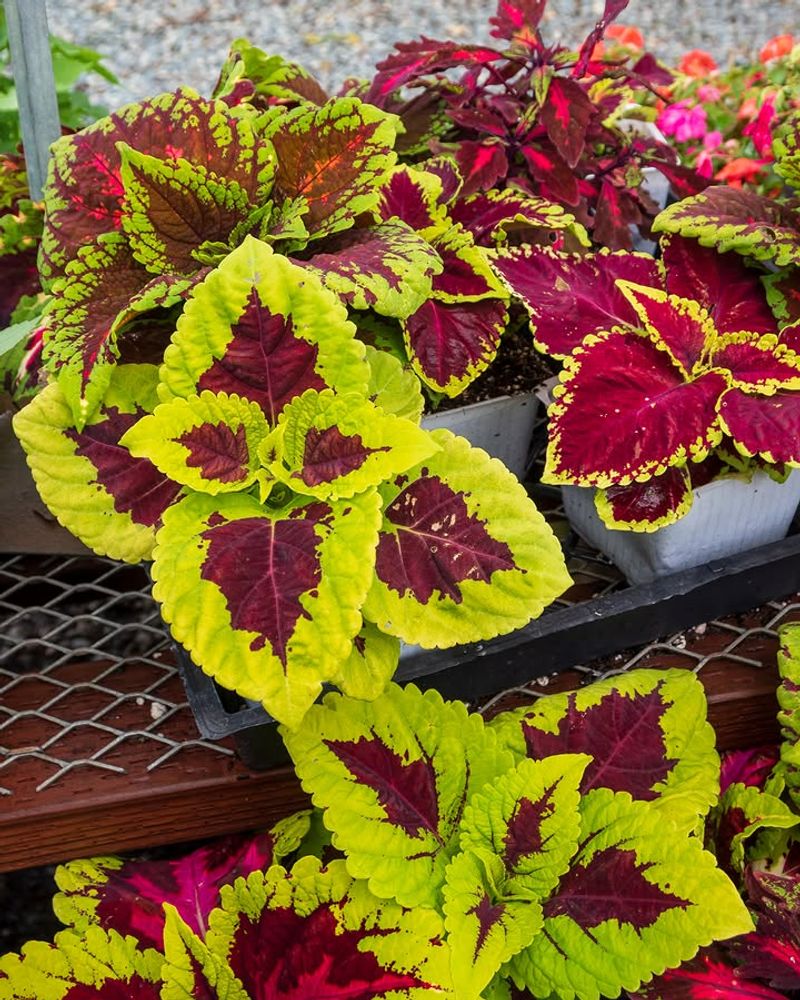
Few foliage plants deliver color as boldly as coleus, but that color can fade, scorch, or wash out fast when afternoon sun hits hard. Coleus scutellarioides and its many ornamental cultivars are prized for their striking leaf patterns.
Keeping that color strong through summer means getting the shade situation right before the worst heat arrives.
Some newer coleus varieties are bred for more sun tolerance. Even those can struggle in the kind of harsh western exposure common on open patios and unshaded pool decks in this state.
Wilting during peak afternoon heat is a clear signal that the plant needs a different spot. Shaded patios, covered porch planters, and spots that receive bright indirect light tend to produce the most vivid foliage color.
Coleus is non-native and can reseed readily in warm climates. Volunteers can pop up in unexpected spots, especially in moist, sheltered beds near the parent plant.
Trimming flower spikes as they appear helps reduce reseeding and also keeps the plant focused on producing lush foliage rather than going to seed.
Containers make coleus much easier to manage. Good drainage, regular moisture checks, and a shaded placement are the core needs.
Watch for mealybugs and aphids, which tend to cluster on tender new growth. Moving a heat-stressed coleus into afternoon shade and trimming back any scorched stems gives it a genuine chance to push out fresh, vivid growth before summer peaks.
8. Hostas Only Belong In Cool Shaded Containers
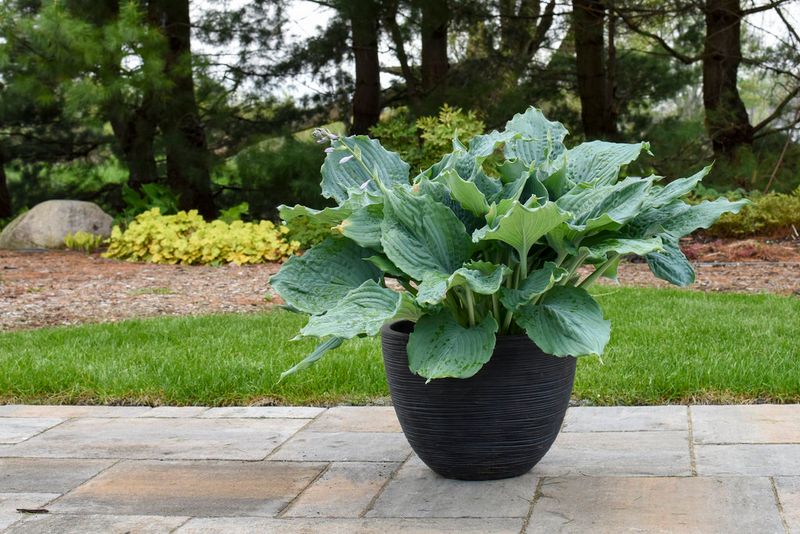
Hostas are beloved in cooler parts of the country for their bold, textured foliage, but in this state, they are a different story. Heat stress, intense summer humidity, and relentless sun make most of the state a challenging environment for hostas.
Gardeners who try to grow them in open sunny beds often end up disappointed by midsummer.
Leaf scorch, yellowing, and summer decline are common complaints. Hostas (Hosta species and hybrids) need shade, but they also need relief from heat.
Shade alone does not fix the problem when temperatures stay high day and night for months. In northern regions of the state, where winters are cooler and summers are slightly less extreme, hostas have a better chance in deeply shaded, well-drained spots.
Containers give gardeners the most control. A shaded porch or covered patio in a cooler microclimate can extend the life of a hosta through summer.
That is especially true if the pot is kept away from reflected heat from walls or pavement. Slugs and snails can also be a real problem in humid conditions, so check under leaves regularly.
Hostas are non-native plants and are not a reliable solution for most hot, exposed yards across warm regions of this state. They work best as a seasonal or container feature rather than a permanent landscape plant.
If your hosta is already showing heat stress, move it to the coolest, most shaded spot you have and reduce watering slightly to avoid root rot in the humid summer soil.