These Herbs Still Have Time To Establish In Georgia Before Cooler Nights Arrive
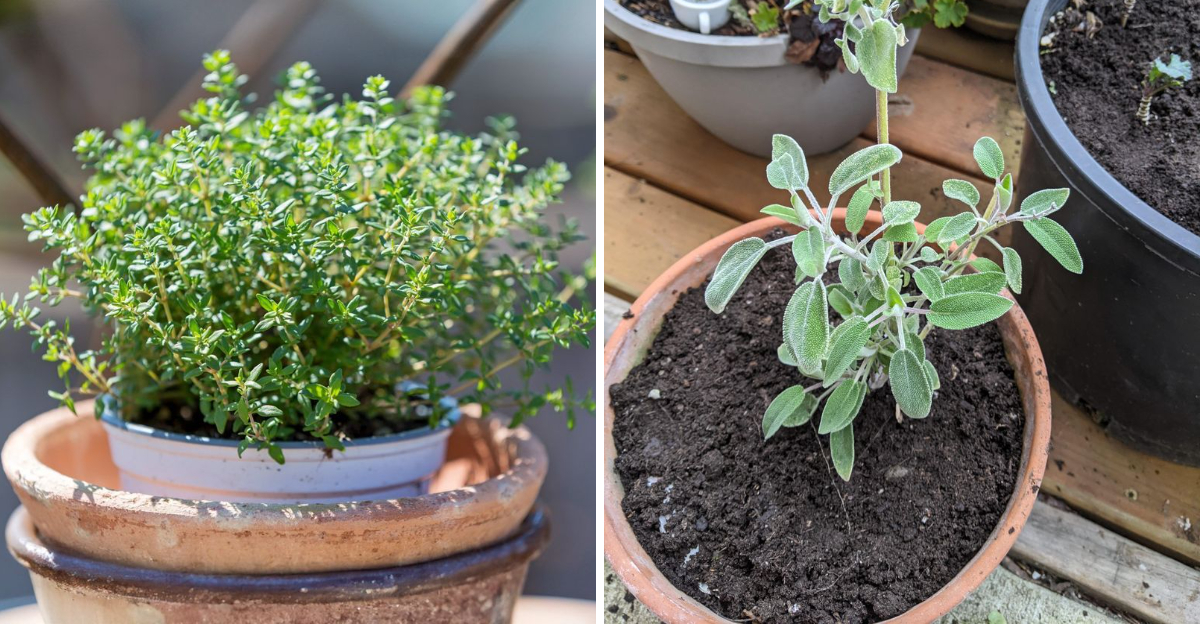
Early fall does not mean herb planting has to stop, especially while warm soil still gives new roots time to settle. The key is choosing herbs that can handle the seasonal shift without struggling once cooler nights become more frequent.
That choice matters because Georgia gardens can stay productive well beyond the end of summer. September still offers useful growing time for several herbs that prefer milder conditions.
Your planting spot matters just as much as the calendar. Give new herbs enough sunlight, good drainage, and consistent care while their roots adjust.
Once established, some varieties handle cool fall weather surprisingly well.
Do not assume every herb sitting at the garden center belongs in your September beds, though. Some choices are much better suited to this transition than others.
Choose carefully now, and your herb garden can keep producing fresh growth as autumn settles in.
1. Cilantro Gets A Fresh Start As Georgia Temperatures Begin To Ease
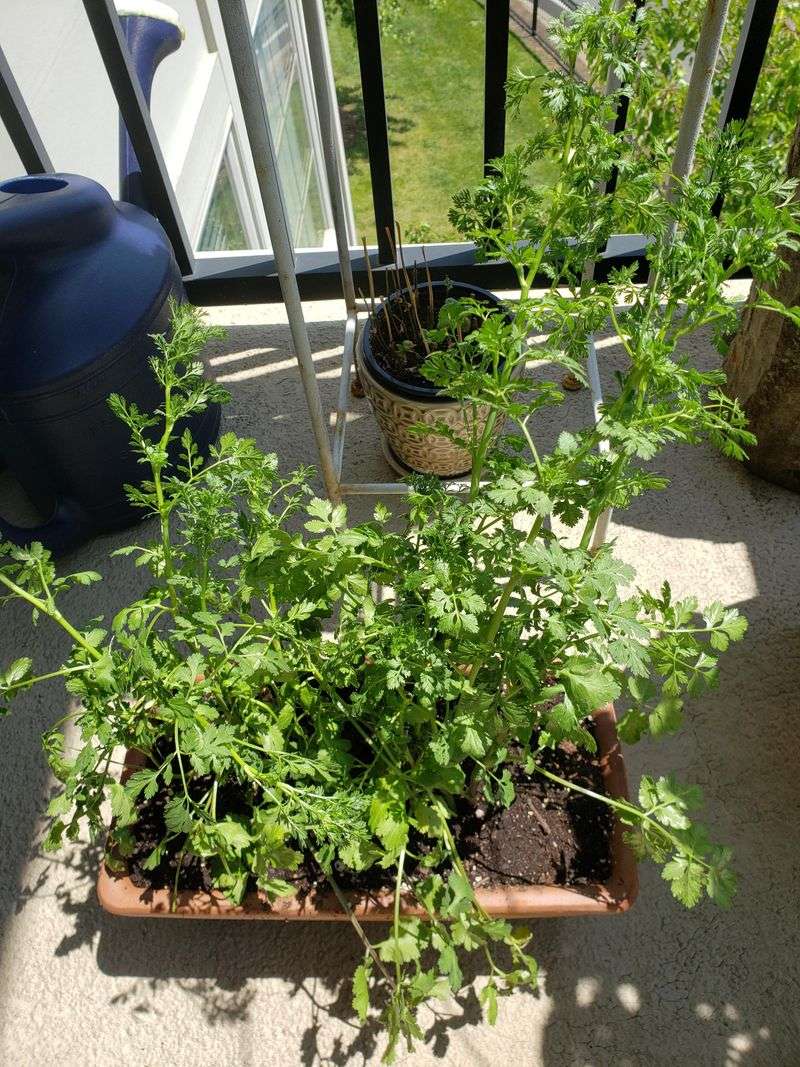
Summer and cilantro have a rocky relationship. Heat pushes it straight into flowering, leaving you with skinny stalks instead of those broad, fragrant leaves.
Cooler weather changes everything. As Georgia nights start dropping, cilantro slows its rush to bolt and puts energy into leafy growth instead.
Sow seeds directly where you want them, because cilantro has a taproot that dislikes being moved. Scatter them thinly, cover with a light layer of soil, and keep the surface moist until sprouts appear.
Germination can feel slow compared to lettuce or radishes, so be patient for a week or two.
A shallow container works well if you want it near the kitchen door.
Succession sowing is the trick experienced gardeners lean on. Plant a small batch, then another two or three weeks later, so you are not stuck with one giant harvest and nothing after.
Harvest by snipping outer stems near the base rather than shearing the whole plant. That approach keeps the center growing and extends your picking window.
Cilantro handles light frost better than many people expect, especially in the milder parts of the state. A row cover or a spot along a south-facing wall gives extra protection on chilly nights.
Here is a fun bit of trivia. The same plant gives us coriander seed, so if a few plants do flower late in the season, let them ripen and collect the seeds for your spice rack.
2. Parsley Settles In Nicely During The Shift To Cooler Weather
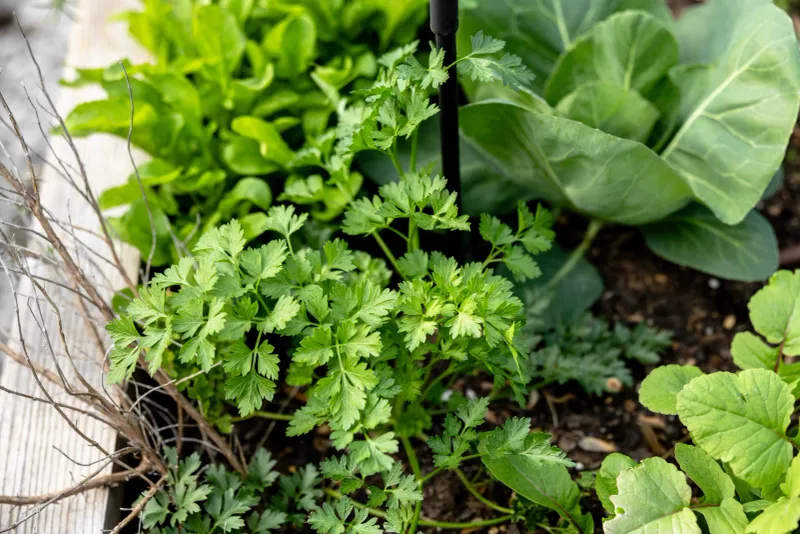
Parsley is the quiet workhorse of the herb bed. It rarely demands attention, yet it keeps producing long after showier plants have called it quits.
Fall planting suits it beautifully. Roots take hold in soil that still holds summer warmth, while the cooler air keeps leaves tender and deeply colored.
You can start from seed, though germination takes its sweet time. Soaking seeds overnight often helps, and many Georgia gardeners simply buy small transplants to skip the wait.
Give parsley rich, loose soil and a spot with several hours of sun.
Afternoon shade is fine, especially if your yard bakes in the open.
Your Georgia Garden Changes Every Week. Your Plan Should Too.
Gardening in Georgia changes quickly throughout the season. Every Friday you’ll receive a simple weekly plan showing exactly what to plant, prune, fertilize, harvest, and protect so you never miss the right timing.
Both curly and flat-leaf types grow well here. Flat-leaf tends to carry stronger flavor for cooking, while curly holds up nicely as a garnish and looks tidy in borders.
Pick from the outside in, taking whole stems at ground level. New growth pushes up from the center, so the plant keeps refilling itself.
Parsley is technically a biennial, which means it usually spends its first season making leaves and its second season making flowers and seed. That habit is why a fall-planted crop can carry you through winter and into spring.
Swallowtail caterpillars sometimes show up on parsley. Many gardeners plant a little extra and share, since those striped visitors turn into butterflies.
3. Dill Gets Another Strong Growing Window During The Fall Season
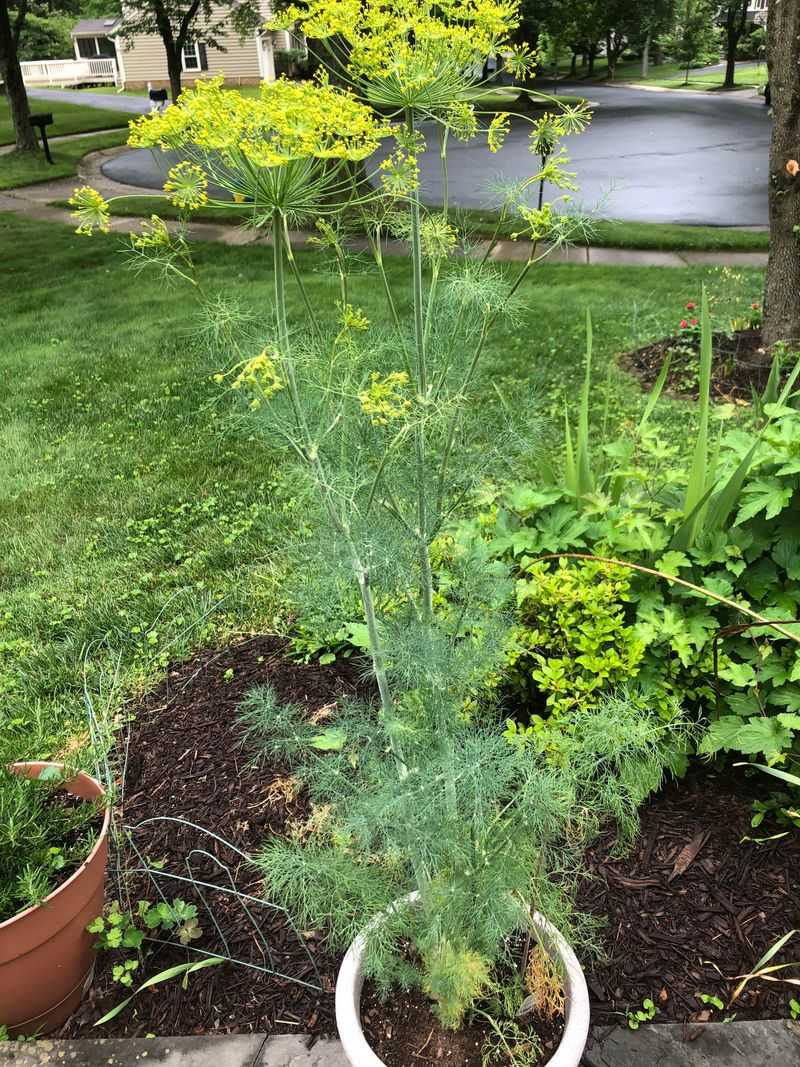
Feathery, airy, and faintly sweet, dill looks more like a decoration than a crop. Brush past it and your fingers carry the scent for an hour.
Most folks think of dill as a spring herb, but Georgia hands it a second chance in fall. Milder days mean the plants stay leafy longer instead of shooting up to seed.
Sow seeds right into the ground, since dill grows a taproot and resents transplanting. Press seeds lightly into the surface and keep them damp while they sprout.
Pick a sunny spot with soil that drains well. Tall varieties may lean in wind, so a sheltered fence line or a few stakes can help.
Snip the fine leaves as needed once plants have several stems. Frequent trimming encourages bushier growth and delays flowering.
If flower heads do form, let them be for a while. Dill blossoms attract beneficial insects, and the seed heads can be dried for pickling and bread.
Dill and fennel are best kept apart in the garden because they can cross-pollinate, which muddies seed you might want to save. Give them separate corners.
Container growing works if the pot is deep enough for that taproot, roughly eight inches or more. A tall nursery pot on a sunny step does the job nicely.
Harvesting regularly keeps fresh dill within easy reach for fall cooking.
4. Chives Have Plenty Of Time To Settle In Before Winter
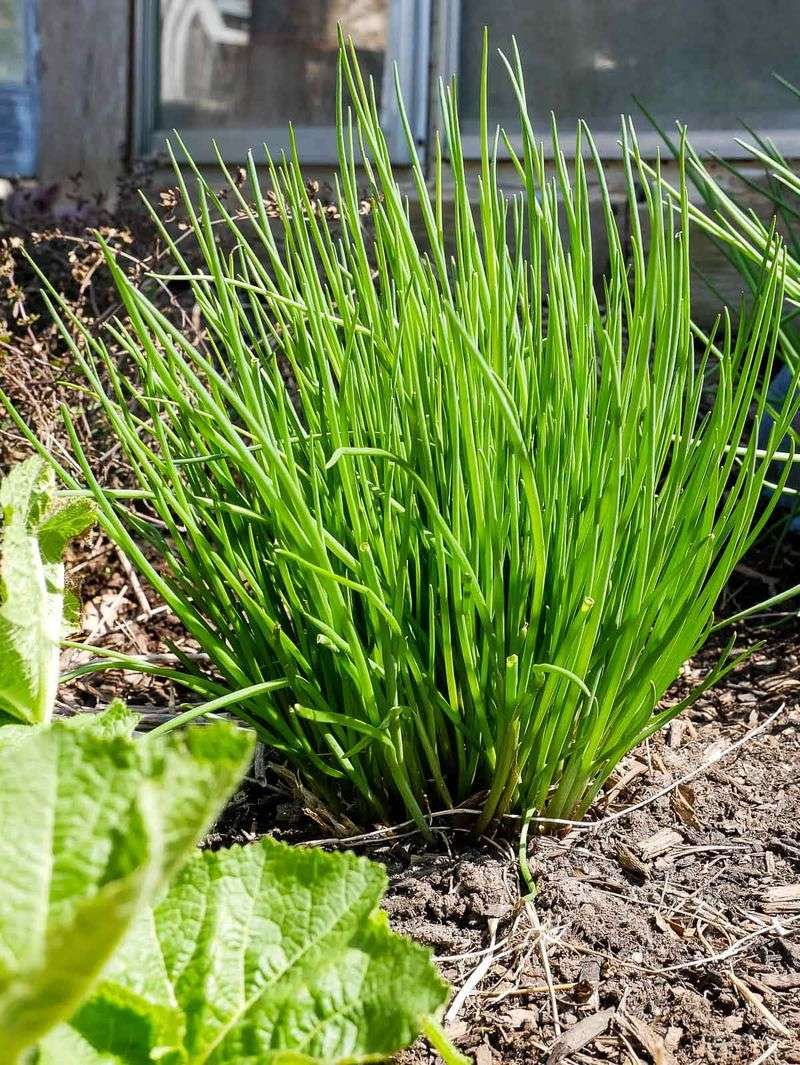
Few herbs are as forgiving as chives. Plant a clump, forget about it, and it still greets you next spring like nothing happened.
Fall is a comfortable time to get them started in Georgia. Roots spread while the soil is warm, and the plant heads into winter with a solid base already built.
Divisions from a friend’s established clump are the fastest route. Seeds work too, though they take longer to bulk up into a usable patch.
Set clumps a few inches apart in soil that drains freely, and choose a sunny or lightly shaded spot. Chives tolerate a range of conditions, which makes them easy to place.
Harvest by cutting the hollow leaves near the base with scissors, leaving an inch or two behind. Snipping only the tips leaves blunt ends that look untidy.
Cold weather may cause the tops to fade back, and that is normal.
The underground portion stays alive, and fresh shoots return when temperatures climb again.
Come spring, expect lavender pom-pom flowers on tall stems. They are edible, faintly onion flavored, and pretty scattered over salads or steeped into vinegar.
Clumps thicken over the years and can be split every few seasons. That single fall planting can quietly supply your kitchen and your neighbors for a long stretch.
Fresh growth can be harvested again and again once the clump wakes up in spring.
Even older patches stay productive with little attention beyond occasional dividing and watering during dry stretches.
5. Rosemary Can Build Strong Roots During The Mild Fall Season
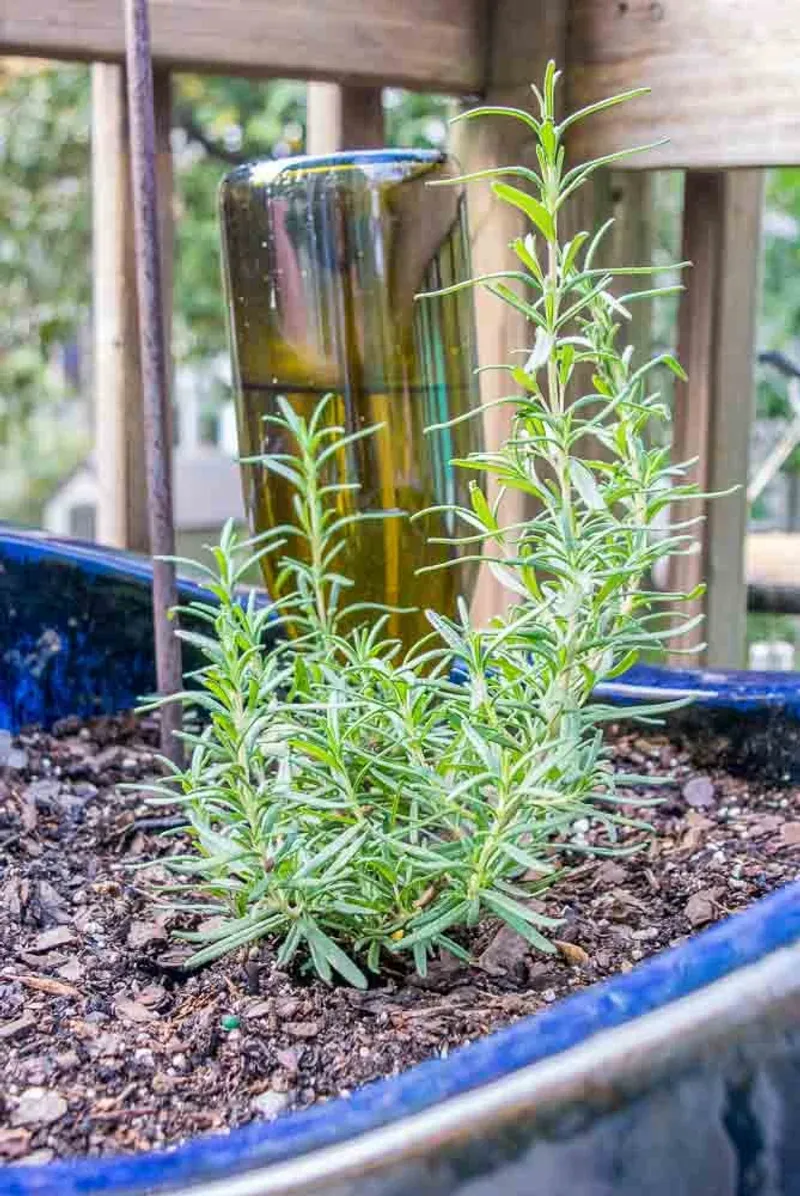
Run your hand along a rosemary branch and you get pine, pepper, and something like warm bread all at once. It is the kind of scent that sticks in your memory.
Rosemary appreciates being planted before the real cold sets in. The mild stretch of Georgia autumn lets roots reach outward without the stress of blazing heat.
Drainage matters more than almost anything else with this shrub. Heavy clay that stays soggy is its biggest challenge, so raised beds, slopes, or gritty amended soil are smart choices.
Give it full sun and space to spread, since a happy plant can grow into a sizable woody bush. Crowding it against a wall often leads to sparse, leggy growth.
Water new plants regularly until they show signs of settling in, then ease back. Established rosemary handles dry spells far better than wet feet.
Nursery transplants are the practical choice because seeds germinate unevenly and slowly. Cuttings from a mature plant root fairly well too.
Harvest by clipping soft green tips rather than cutting deep into old wood. Light, regular trimming keeps the shape tidy and gives you sprigs for roasted potatoes.
6. Sage Takes Advantage Of Georgia’s Fall Planting Window
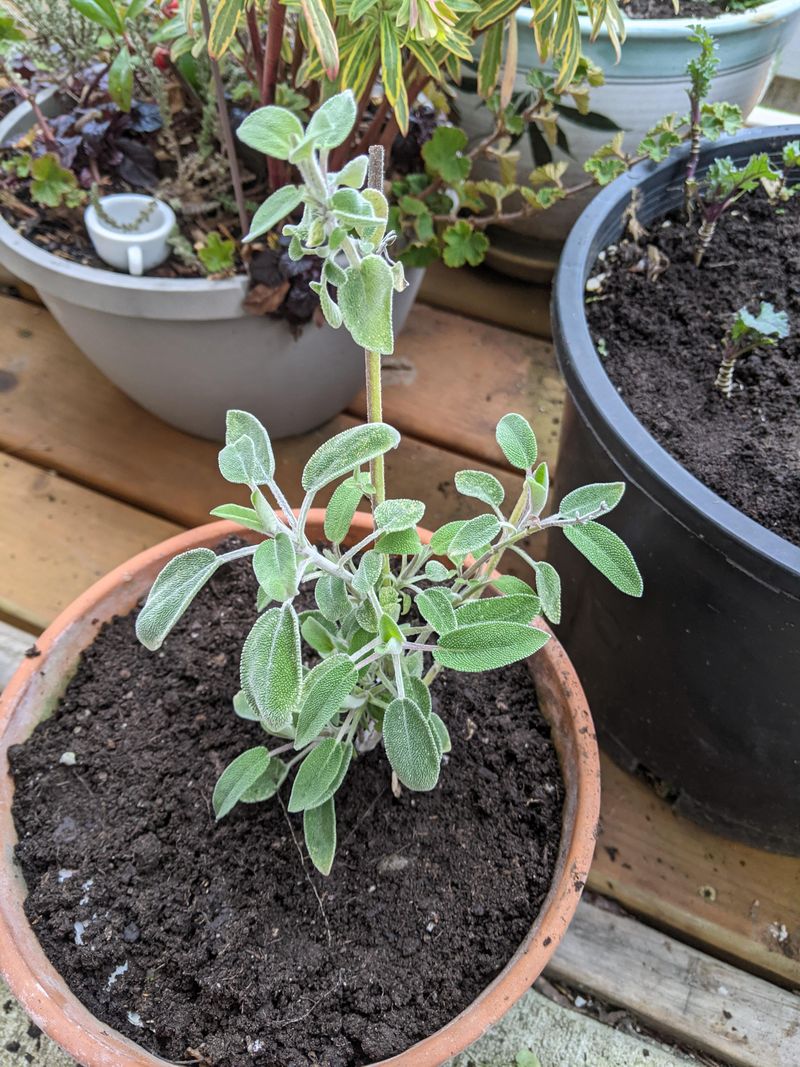
Those velvety gray-green leaves feel almost like fabric. Sage brings a texture to the garden that few other herbs match.
Autumn planting gives sage a running start. Roots settle in during mild weather, so the plant is better prepared when hot summer returns.
Like rosemary, sage wants soil that drains. Standing moisture around the crown is the usual reason a plant struggles in Georgia’s clay-heavy ground.
Work in compost and coarse material, or build a mound, to lift roots above soggy spots. Full sun encourages compact growth and stronger flavor.
Space plants generously because a mature clump can spread a couple of feet wide.
Good airflow between plants also discourages leaf problems in humid weather.
Harvest leaves as you need them, taking a few from each stem rather than stripping one branch bare. Sage holds its flavor well when dried, which is handy before holiday cooking.
Trim lightly in spring to remove winter-damaged growth and encourage fresh shoots. Avoid hard pruning into thick old wood, which can be slow to recover.
Culinary sage, sometimes called common sage, is the variety used in stuffing and sausage. Ornamental types with purple or variegated leaves are edible too, though many gardeners find them slightly milder.
Plants tend to get woody after several years, so starting a replacement now and then keeps the harvest generous.
7. Thyme Gets Established More Easily In Well-Drained Fall Soil
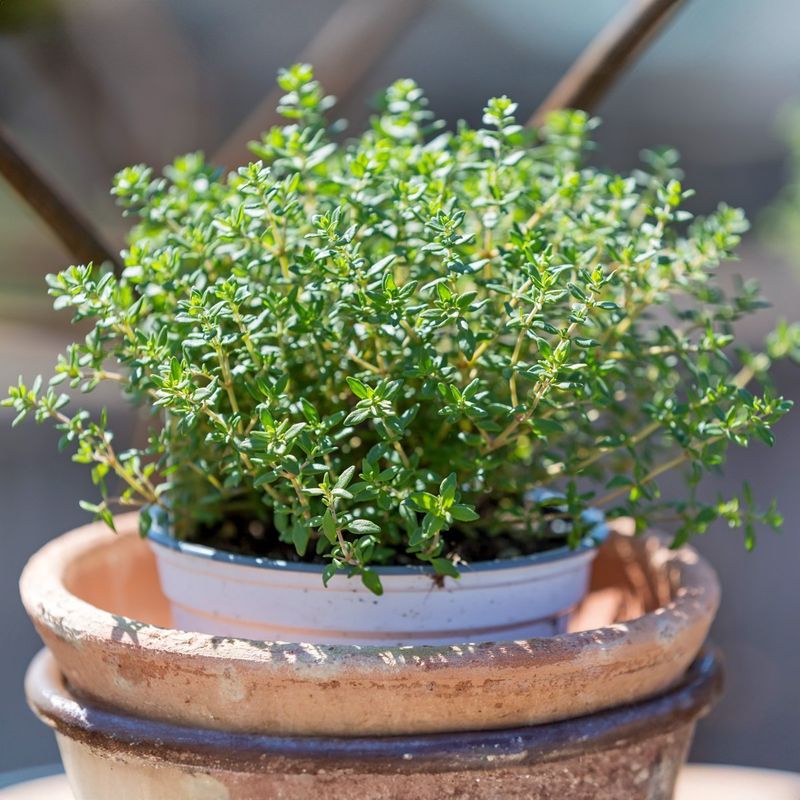
Thyme is small, low, and easy to overlook until you need it. Then those tiny leaves punch way above their weight in a pot of soup.
Cooler soil temperatures and gentler sun make fall a comfortable time to tuck thyme into the garden. New roots creep outward without the plant fighting midsummer stress.
Sharp drainage is the main requirement. Thyme comes from Mediterranean hillsides, so gravelly, lean soil suits it better than rich, damp beds.
Try planting along a walkway edge, in a rock garden, or spilling over a raised bed wall. Those spots shed water quickly and keep the foliage dry.
Buy small transplants for the quickest results, since seed-grown thyme takes a while to fill in. Cuttings and layered stems also root without much fuss.
Mulch with gravel or pine bark instead of heavy compost piled against the stems. Keeping the crown dry helps plants sail through wet winter weeks.
Snip stems with scissors, taking the top few inches and leaving lower growth intact. Light shaping through the season keeps the plant from sprawling into bare woody patches.
English thyme and French thyme are common kitchen picks, while lemon thyme adds a citrus note to fish and tea. Creeping varieties are better as ground cover than as seasoning.
Bees love the small summer flowers, so leaving a few is a friendly gesture.
8. Oregano Has Time To Settle In Before Colder Nights Arrive
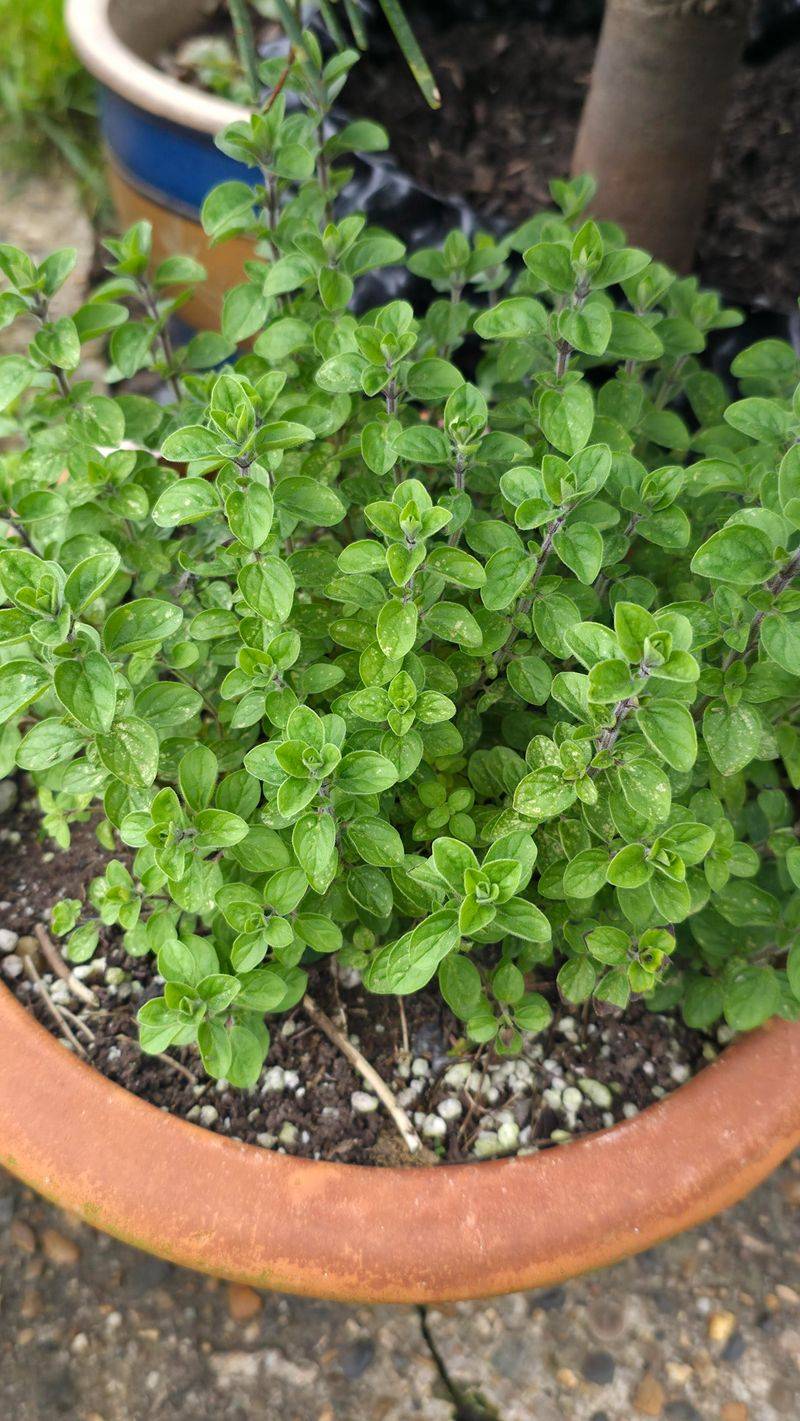
Pizza night owes a lot to this sprawling, slightly fuzzy little plant. Oregano packs a bold, peppery punch from surprisingly modest leaves.
Getting it in the ground before the chilly nights settle in gives roots a head start. Fall soil in Georgia is still warm enough to encourage growth below the surface.
Sun and drainage are the two things oregano asks for. Rich, constantly moist soil tends to produce floppy stems and weaker flavor.
Set transplants where they have room to spread, because stems tend to trail outward and root where they touch soil. Containers keep enthusiastic plants in check.
Water while plants are getting established, then let the top of the soil dry between waterings. Oregano tolerates dry conditions once settled.
Pinch stem tips regularly to encourage a bushier shape. Harvesting before flowers open generally gives you the most aromatic leaves.
Greek oregano is the type most cooks reach for when they want that classic pungent taste. Italian oregano is a milder hybrid, and Mexican oregano is a different plant entirely with a citrusy edge.
Cold weather may knock back the top growth, but roots usually persist and push out new shoots when warmth returns. A layer of light mulch helps in the northern part of the state.
Dried oregano keeps its punch well, so hang a few bundles before winter.